How we built this comparison
This page combines traveler discussion patterns from r/travel, r/solotravel, r/backpacking, r/Nepal, r/india_tourism, and r/IndiaTravel, published cost data from Numbeo and recent traveler reports, and official tourism resources from both countries.
- 30+ Reddit threads analyzed (2022–2026), including multiple detailed India+Nepal backpacking trip reports
- Cost data from Numbeo, Budget Your Trip, and firsthand Reddit reports
- Trekking permit costs from Nepal's Department of Tourism (2026)
- Taj Mahal and major Indian attraction pricing from official sources
⚡ The TL;DR Verdict
Nepal for trekkers and first-timers. India for culture, food, and the long haul. Nepal is the world's premier trekking destination and one of the most rewarding, low-stress introductions to South Asia. The Himalayas, the Kathmandu Valley's ancient temples, the warm Nepali hospitality — all in a country that's genuinely manageable for independent travelers. India is a completely different scale: massive, chaotic, endlessly varied, occasionally frustrating, and utterly unforgettable. It's not a destination — it's a life experience. If you have 2 weeks: Nepal. If you have 6 months: India. If you can manage both on the same trip: do it — they're made to pair together.
- Nepal edge: World-class trekking (Annapurna, EBC), calmer travel experience, smaller scale, warmer people-interactions, easier logistics
- India edge: Food diversity (unmatched globally), historical depth, cultural variety, nightlife, beaches, Golden Triangle, regional contrasts
- Best combo: Delhi → Agra → Varanasi → overland to Kathmandu → Pokhara → Annapurna trek — one of the great South Asia routes
Choose India if…
You want total cultural immersion, extraordinary food, the Taj Mahal, and the most diverse travel experience on earth. India rewards patience and delivers on a scale unlike anywhere else.
Choose Nepal if…
Trekking the Himalayas is on your bucket list, or you want a calmer, more manageable first South Asia experience. The mountains alone are worth the flight.
Do both if…
You have 4+ weeks. The overland crossing from Varanasi or Kolkata into Nepal is one of the great travel routes in Asia. Start in India, end with the Annapurna trek — or vice versa.
Quick Comparison
| Category | 🇮🇳 India | 🇳🇵 Nepal | Winner |
|---|---|---|---|
| Daily budget (mid-range) | $30–60/day | $30–55/day (excl. treks) | Tie |
| Budget hostel/night | $5–15 | $5–12 (teahouses $4–8 on trek) | Tie |
| Trekking | Good (Himachal, Ladakh, Sikkim) | World-class (Annapurna, EBC, Langtang) | Nepal |
| Cultural sites | Extraordinary (Taj Mahal, Varanasi, Rajasthan forts, 36+ UNESCO sites) | Excellent (Kathmandu Valley — 7 UNESCO sites) | India |
| Food diversity | Unmatched — every region a different cuisine | Dal bhat, momos, teahouse food | India |
| Ease of travel | Challenging — intense, chaotic, vast | Easy — small, organized, traveler-friendly | Nepal |
| Safety (solo female) | Requires vigilance, varies by region | Comfortable, respected on trek trails | Nepal |
| Getting around | Indian Railways (vast network), trains, buses | Buses, domestic flights, hiring jeeps | India |
| Best time to visit | Oct–Mar (north), Oct–Mar (south), year-round (some regions) | Oct–Nov, Mar–May (trekking seasons) | India |
| Country size | 3.3 million km² — need multiple trips | 147,000 km² — see highlights in 3 weeks | Nepal |
| Visa | e-Visa online (~$25–45, most nationalities) | Visa on arrival ($30/15 days, $50/30 days, $125/90 days) | Tie |
| Beaches | Goa, Kerala, Andamans — world-class | Landlocked — none | India |
🏔️ Trekking & Nature
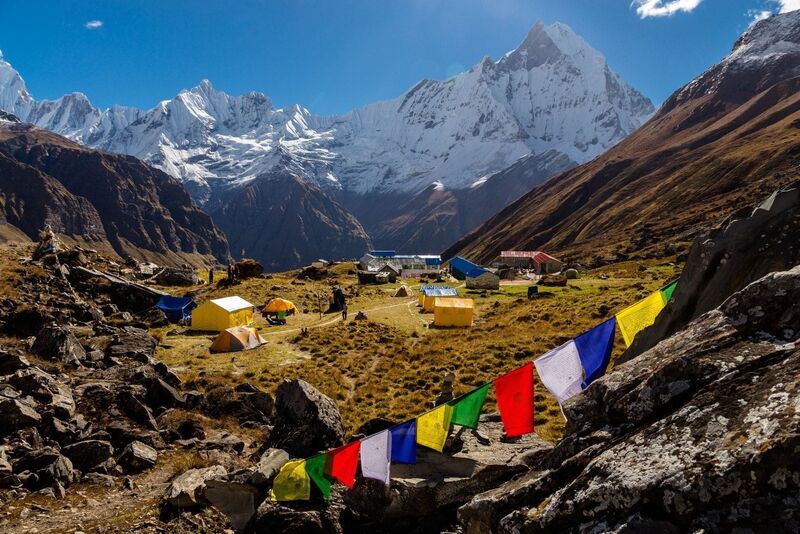
This is Nepal's superpower — and it's not even close. Nepal sits against the southern face of the Himalayas and contains 8 of the world's 14 peaks above 8,000 meters, including Everest (8,849m), Kangchenjunga, Lhotse, Makalu, and Annapurna. The trekking infrastructure is extraordinary: established teahouse trails with lodges every 2–5 hours, organized permit systems, and well-marked routes that don't require technical mountaineering skills to access scenery that would otherwise be out of reach for most humans.
Nepal's top treks:
- Annapurna Circuit (15–21 days) — The classic. Subtropical forests, Himalayan desert, Thorong La Pass (5,416m), the dramatic village of Manang, and views of Annapurna I (8,091m). Cost: $400–700 all-in for teahouses and food. Permits: TIMS ($20) + ACAP ($30).
- Everest Base Camp Trek (12–14 days) — The bucket list. Fly Kathmandu → Lukla ($200–400 round trip), trek to 5,364m through Namche Bazaar, Tengboche Monastery, Dingboche. The Khumbu Icefall and Sagarmatha views are category-defining. Total cost: $800–1,500 including the Lukla flight.
- Langtang Valley (7–10 days) — Underrated and stunning. Bus from Kathmandu, excellent views, fewer crowds. Great for shorter trips. Permits: TIMS + Langtang NP ($30).
- Poon Hill Trek (3–4 days) — The beginner's Nepal trek. From Pokhara, moderate difficulty, spectacular Annapurna and Dhaulagiri views at sunrise. Perfect for first-timers or those short on time. Cost: $100–200 total.
India also has exceptional trekking — but it plays in a different league. Himachal Pradesh (Spiti Valley, Kinnaur, Parvati Valley, Kheerganga), Ladakh (Markha Valley, Chadar frozen river trek), Uttarakhand (Kedarkantha, Roopkund, Valley of Flowers, Har Ki Dun), Sikkim, and Meghalaya all offer superb mountain and wilderness experiences. Leh-Ladakh specifically can feel Himalayan in a way that rivals Nepal. But the trekking infrastructure is more patchy — fewer teahouses, more tent camping required for serious routes — and the access logistics are more complex.
"Nepal is great for outdoor activities — we did an 18-day hike in the Annapurna region and if you can find time to hike, you definitely should. It's absolutely stunning. The cities of Pokhara and Kathmandu, while cool and entertaining for a couple days, are far less special than the treks." — r/solotravel
"If you're visiting Nepal, it should be to go to the mountains, and trek. Just by walking (and a bus ride to Bhaktapur), you can see everything that Kathmandu has to offer in 2 days. I love the city, but culturally, I found it to be a much calmer, relaxed version of India." — r/solotravel
⛩️ Temples, History & Cultural Sites
Here the tables turn completely. India has one of the deepest and most layered civilizations on earth — spanning 5,000 years, dozens of empires, four major world religions born on its soil, and 36 UNESCO World Heritage Sites (more than any other Asian country). Nepal is extraordinary for its compact density of ancient temples and living religious culture in the Kathmandu Valley — but it can't compete with India's sheer breadth.
India's cultural highlights (you could spend years):
- The Taj Mahal (Agra) — The most perfect building ever constructed. Entry $17 (foreign tourists). Dawn visit recommended; the crowds arrive by 9am. Built 1631–1648 by Mughal Emperor Shah Jahan for his wife Mumtaz Mahal.
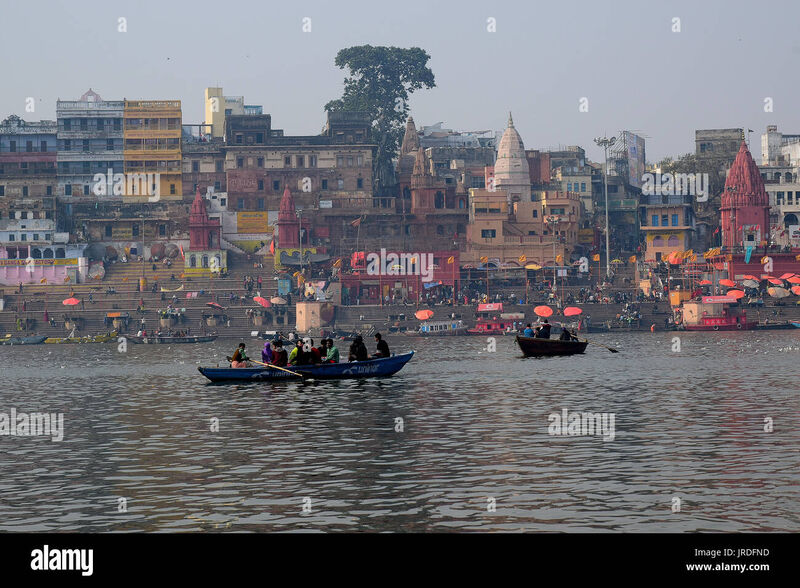
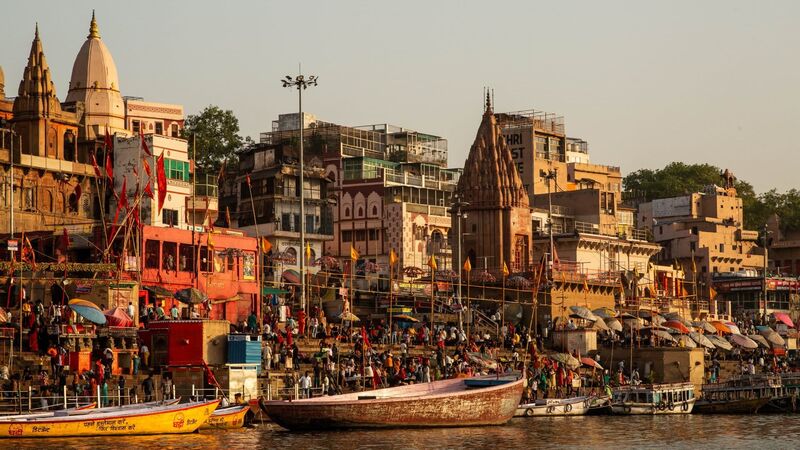
- Varanasi — One of the world's oldest living cities, on the Ganges. The cremation ghats at Manikarnika are raw, powerful, and unlike anything else on earth. The pre-dawn boat ride on the Ganges as pilgrims bathe and prayer lamps float is one of India's defining travel moments.
- Rajasthan — Amber Fort (Jaipur), Mehrangarh Fort (Jodhpur), Jaisalmer's desert citadel, Udaipur's lake palaces. No other state in India concentrates this much architectural grandeur.
- Hampi — The ruined capital of the Vijayanagara Empire: boulder-strewn landscape scattered with temples, markets, elephant stables, and carved corridors. Deeply underrated globally.
- Kerala — Backwaters houseboat cruises, spice plantation stays, Kathakali dance performances, Kovalam beaches. A completely different India from the north.
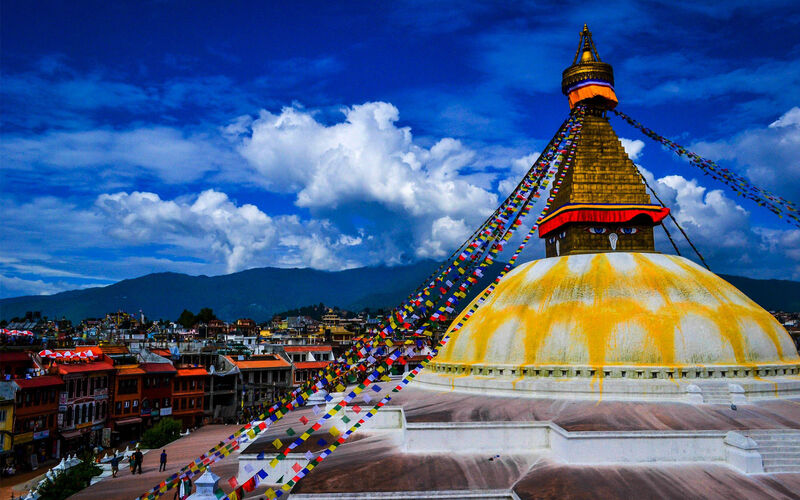
Nepal's Kathmandu Valley: Small in geographic size but extraordinary in concentration. Seven UNESCO World Heritage Sites within a 30km radius: Boudhanath Stupa (world's largest stupa), Swayambhunath (Monkey Temple), Pashupatinath Temple (Nepal's holiest Hindu site, cremation ghats on the Bagmati River), Patan Durbar Square, Bhaktapur (the best-preserved medieval city in Nepal, entry $15). Add Lumbini (birthplace of the Buddha, ~300km southwest) for a UNESCO pilgrimage site that rivals anything in India.
"If you are a cultural traveler, Nepal is amazing. It was a traditional crossroads between India, China, and Tibet, and you can see both modern and ancient evidence of this everywhere. The Kathmandu Valley is full of towns with interesting architecture, temples, and mythologies. I easily spent two weeks there of a longer backpacking trip just exploring Kathmandu and all the towns in the valley." — r/solotravel
💰 Cost Comparison
Both countries are among the cheapest destinations on earth for budget travelers — but the cost structure is different enough that planning matters.
India daily costs: India is famously cheap at the street food and local transport level — but major tourist attraction entry fees have risen significantly. The Taj Mahal entry is $17 for foreigners (Indians pay 50 rupees, about $0.60). Rajasthan forts run $5–10 each. Budget guesthouses in Varanasi or Pushkar: $5–15/night. Mid-range hotels in Jaipur or Delhi: $25–60/night. Heritage hotel experiences (converted havelis) in Rajasthan: $80–200/night. Indian Railways makes intercity travel extraordinary value — a sleeper class ticket Varanasi to Delhi (12 hours) costs $5–10. AC 3-tier (recommended): $15–25. Domestic flights on IndiGo and SpiceJet are often $20–50 for major routes booked in advance.
Nepal daily costs: Nepal's base costs are similar to India for accommodation and food in cities. But trekking adds structured expenses. Teahouse accommodation on the Annapurna or EBC route: $4–8/night. Meals on the trail: $3–7 each (dal bhat is the best value — unlimited refills for $4–6 at most teahouses). Trekking permits: TIMS ($20) + ACAP/Sagarmatha NP ($30–50 depending on route). Everest Base Camp requires a flight to Lukla ($200–400 round trip). A complete Annapurna Circuit including permits, teahouses, and food runs $400–700 for 15–21 days — exceptional value for the experience.
| Item | 🇮🇳 India | 🇳🇵 Nepal |
|---|---|---|
| Budget hostel/night | $5–15 | $5–12 |
| Mid-range hotel/night | $25–60 | $20–50 |
| Teahouse on trek/night | N/A | $4–8 |
| Street meal | $0.50–2 | $1–3 |
| Restaurant dinner | $5–15 | $5–12 |
| Main attraction entry | $5–17 (Taj Mahal $17) | $15 (Bhaktapur), trekking permits $20–50 |
| Intercity transport | $5–25 (train), $20–50 (domestic flight) | $10–30 (bus), $50–150 (domestic flight) |
| Daily budget (budget) | $15–25 | $20–35 |
| Daily budget (mid-range) | $30–60 | $30–55 |
"Rajasthan → Varanasi → Nepal is a great 2-month route. The Annapurna Circuit or Langtang trek in Nepal is perfect for the hiking you mentioned. And being vegetarian in India is honestly a cheat code — you'll eat better than the meat-eaters at a fraction of the cost." — r/backpacking
🍛 Food & Dining
India is one of the world's greatest food destinations — this isn't hyperbole. Every region has a completely distinct culinary tradition that could fill a travel itinerary on its own. Rajasthan's dal baati churma and laal maas (red mutton curry). Kerala's fish curries with coconut milk and fresh appam. Kolkata's mishti doi (sweet yogurt) and kati rolls. Old Delhi's nihari, tandoor meats, and the impossible richness of Mughlai cooking. Tamil Nadu's dosas as big as your arm. Chhattisgarh's tribal vegetables. Punjab's butter chicken and dal makhani. The list never ends. And all of it — at street food level — costs almost nothing. See our Delhi street food guide and Old Delhi chai stalls guide for where to start.
Nepal's food scene is smaller in variety but excellent in context. Dal bhat — the national dish of lentil soup over rice with vegetable sides and achaar (pickle) — is served twice daily by most Nepalis and is the backbone of teahouse cooking on the trails. Order dal bhat and most teahouses offer unlimited refills. At $4–6, it's one of the best caloric bargains in travel. Momos (Tibetan dumplings, served steamed or fried with spicy dipping sauce) are Nepal's beloved street snack — widely available in Kathmandu and Pokhara for $1–2. In Kathmandu's Thamel neighborhood: excellent international food options, good coffee, and bakeries — the tourist infrastructure means you can eat well in English. Newari cuisine (the indigenous cuisine of the Kathmandu Valley) is distinctive and worth seeking: yomari (sweet rice dumplings), chatamari (Newari pizza), and bara (savory lentil pancakes).
"Food was the biggest difference I noticed. In India, every city felt like a completely different food culture — I could spend a week in one neighborhood of Delhi just eating. Nepal's food is great on the trail but fairly limited in variety in the cities." — r/solotravel
🚂 Getting Around
India's transport network is one of its underrated strengths — and the Indian Railways system is genuinely one of the world's great travel experiences. With 13,000+ trains daily and 7,000+ stations, you can reach almost every major destination by train. The key is booking in advance: trains fill up weeks ahead during peak season, and the online booking system (IRCTC) requires some patience to navigate as a foreign tourist (use the Tourist Quota at station booking offices if IRCTC fails). Recommended classes: Sleeper ($5–10 per 12 hours, basic but functional), AC 3-tier ($15–25, comfortable and safe for overnight journeys), AC 2-tier ($25–40, more space). Domestic airlines IndiGo and SpiceJet connect all major cities for $20–50 booked in advance. Auto-rickshaws and Ola/Uber taxis work in all major cities.
Nepal's transport is more limited but adequate for the main circuit. Within Kathmandu: taxis are cheap ($2–5 for most city trips), Pathao (Nepal's Uber equivalent) works in the valley. Kathmandu to Pokhara: bus ($5–7, 7–8 hours on a winding mountain road) or tourist bus ($10–15, more comfortable), or fly ($60–100, 25 minutes — strongly recommended if you're prone to motion sickness). Kathmandu to Chitwan: tourist bus ($10–15, 5–6 hours) or flight ($60–80). Pokhara to trek start points: local bus or jeep hire ($5–20 depending on trailhead). The domestic airline situation in Nepal requires care — weather delays and cancellations are frequent on mountain routes, especially Lukla for EBC trekkers. Always build a buffer day.
"Book Indian train tickets as early as possible — the Tatkal (last minute) quota costs a premium and sells out fast. Use the Tourist Quota at the station's foreign tourist counter if you're struggling with IRCTC online. The trains are genuinely wonderful once you get the hang of the system." — r/solotravel
🌤️ Weather & Best Time to Visit
Both countries have distinct seasonal rhythms tied to the monsoon, and timing matters significantly for what kind of trip you'll have.
Nepal's seasons:
- October–November — Best trekking season. Post-monsoon air is crystal clear, mountain views are stunning, rhododendrons are gone but skies are the bluest of the year. Trails are busy (especially EBC) — book teahouses in advance. Temperature at altitude: daytime 5–15°C, nights well below freezing at high camp.
- March–May — Second best season. Rhododendrons bloom in lower altitudes (spectacular on Annapurna lower slopes in April). Warmer, slightly hazier. Slightly fewer trekkers than October.
- June–August (monsoon) — Leeches on lower trails below 3,000m. Cloud cover obscures mountains. Rain makes trail surfaces slippery. However, the Mustang region (rain shadow) stays dry — a popular monsoon escape. Kathmandu is rainy but not unvisitable.
- December–February — Cold but clear. High-altitude passes can close with snow. Lower altitude treks (Poon Hill, Langtang) are fine. Kathmandu is cold but manageable (5–15°C days).
India's seasons (highly region-dependent):
- October–March — Golden window for North India: Delhi, Agra, Jaipur, Varanasi, Rajasthan. Pleasant 15–28°C days, cool nights. December–January can feel cold in Delhi (5–10°C nights). This is peak tourist season for the Golden Triangle — Taj Mahal is at its most beautiful in winter haze.
- October–March — Also ideal for Kerala backwaters and South India (the south has its own monsoon that ends by October).
- April–June — Brutal in North India. Rajasthan and Delhi hit 42–45°C. Himachal Pradesh and Ladakh open up for summer trekking.
- July–September (monsoon) — Avoid North India unless specifically chasing Kerala's green monsoon landscapes or Meghalaya's living root bridges. Goa shuts down (monsoon season).
🛡️ Safety
Nepal is one of the safer countries in Asia for tourists. Violent crime against travelers is rare. The primary concerns are trekking-related: altitude sickness (AMS) is a real risk above 3,500m — acclimatize properly by following the "climb high, sleep low" principle and never ascend more than 500m per day above 3,000m. Helicopter evacuation insurance is strongly recommended for any trekker ($100–150 for comprehensive coverage). On trails, the main issues are twisted ankles on rocky terrain and occasional theft in teahouses (lock your valuables). In Kathmandu's tourist area (Thamel), keep standard precautions: watch for pickpockets, don't flash expensive gear. Solo female travelers consistently report feeling comfortable in Nepal — the trekking environment especially, with other trekkers and teahouse owners as a built-in social network.
India's safety picture is more nuanced and varies dramatically by region, destination, and traveler profile. Overall: India is safe for the vast majority of tourists. The famous concerns: solo female travelers need more vigilance in North India (Delhi, Varanasi, Rajasthan) than in Nepal — street harassment and unwanted attention are real issues, particularly at night or in rural areas. Most experienced female travelers manage this by dressing conservatively, using Uber/Ola instead of auto-rickshaws at night, staying in well-reviewed guesthouses, and learning to give a firm "no." South India (Kerala, Tamil Nadu, Karnataka) is consistently rated significantly safer and more respectful toward women travelers. Scams targeting tourists are common at major sites (overpriced taxis, fake "closed for holiday" guides, fake ticket offices near the Taj Mahal) — awareness prevents most of them.
"I felt a lot less safe in India as a female traveler than I did in Nepal. In Nepal, the people were very kind and more easy-going. India has incredible things to see but requires more preparation and mental energy to navigate, especially solo." — r/solotravel
"Nepal is lovely. Warm people always. If you're not planning a hike you could wrap the place in 3–4 days easy." — r/solotravel
🏨 Where to Stay
India's accommodation range is staggering — from $4 dormitory beds in backpacker ghats guesthouses in Varanasi to $500/night converted Rajput palaces in Jodhpur. The country pioneered the "heritage hotel" concept: former maharajas' palaces, converted havelis (courtyard mansions), and British-era colonial hotels that offer remarkable atmosphere at surprisingly affordable prices ($60–150/night for mid-range heritage). Budget travelers do extremely well — Varanasi's ghat guesthouses offer a rooftop Ganges view for $8–15/night. Key neighborhoods: in Delhi stay in Hauz Khas or Lajpat Nagar (local), not Paharganj (tourist trap unless backpacking); in Jaipur consider Pink City havelis; in Varanasi stay on the ghats themselves (Assi Ghat area for less chaos than Dashashwamedh).
Nepal's accommodation:
- Kathmandu (Thamel) — The tourist district. Convenient but increasingly commercialized. Good guesthouses $10–25/night, mid-range $30–60. For a calmer base try Lazimpat or Patan (across the river) — quieter and more authentic than Thamel, with easy taxi access to the main sites.
- Pokhara (Lakeside) — Nepal's second tourist hub, on Phewa Lake. Relaxed, beautiful mountain backdrop, good restaurants. Guesthouses $8–20/night, mid-range $25–50. The perfect pre/post trek decompression base.
- Teahouses on trek — The classic Nepal experience. Simple rooms (often shared bathrooms below 3,500m), meals included in the teahouse system. $4–8/night for the room — the real cost is the meals. Blankets provided but a sleeping bag liner is recommended for hygiene and warmth above 4,000m.
- Chitwan — Jungle lodges for the national park. Budget river lodges $20–40/night; mid-range with included activities $60–100/night; luxury tented camps $150–300/night.
🔀 Why Not Both?
India and Nepal were made to pair together — geographically, culturally, and logistically. The overland border crossings are straightforward and the cultural continuity (both are predominantly Hindu, share historical ties, and share culinary DNA) makes the transition feel natural rather than jarring. Most serious South Asia travelers do both on the same trip, and the classic routes are well-established.
Classic 5–6 week India + Nepal route:
- Days 1–3: Delhi — Old Delhi markets, Red Fort, Humayun's Tomb, street food gorge at Chandni Chowk
- Days 4–5: Agra — Taj Mahal at dawn, Agra Fort, Fatehpur Sikri
- Days 6–8: Jaipur + Rajasthan — Amber Fort, Mehrangarh, Pink City bazaars (or extend deeper into Rajasthan)
- Days 9–11: Varanasi — Ganges boat at dawn, ghats, Sarnath (where Buddha first taught)
- Day 12: Varanasi → Kathmandu (overland via Sunauli border, ~12 hours, or fly ~$80–150)
- Days 13–15: Kathmandu Valley — Boudhanath, Swayambhunath, Bhaktapur, Pashupatinath
- Day 16: Kathmandu → Pokhara (bus or fly)
- Days 17–30: Annapurna Circuit or Poon Hill trek
- Days 31–33: Pokhara decompression, lakeside restaurants, optional paragliding
- Day 34: Fly home from Kathmandu
Alternatively, reverse the route and start with Nepal — this is good if arriving in monsoon season and wanting to use the drier mountain months first, then descending to India as the weather improves. See also our India vs Nepal comparison or explore Bali vs Thailand if you're considering Southeast Asia instead.
"Rajasthan → Varanasi → Nepal is a great 2-month route and honestly one of my favorite travel experiences. The contrast between the chaos of Varanasi and the peaceful Himalayan calm of Pokhara is one of the most dramatic transitions you'll ever experience in travel." — r/backpacking
🧭 The Decision Framework
Choose India if…
- Food diversity is central to your travel experience
- The Taj Mahal, Varanasi, or Rajasthan forts are on your bucket list
- You want maximum cultural variety and historical depth
- You're happy to spend 3+ weeks (India rewards time)
- You want beaches (Goa, Kerala, Andamans)
- You're combining with Sri Lanka or Bangladesh
- You want the raw, intense, life-changing South Asia experience
- You've already done Nepal and want to go deeper
Choose Nepal if…
- Trekking the Himalayas is why you're going to South Asia
- You want a calmer, more manageable first introduction to the region
- The Annapurna Circuit or Everest Base Camp is on your list
- You're a solo female traveler wanting lower stress
- You have 2–3 weeks and want a focused, rewarding trip
- Mountain scenery and wildlife (Chitwan rhinos) matter to you
- You're combining with Tibet or Bhutan
- Budget is tight and you want predictable costs on the trail
❓ Frequently Asked Questions
Is India or Nepal better for first-time visitors to South Asia?
Nepal is significantly easier for first-time South Asia visitors. It's smaller, less overwhelming, more traveler-friendly, and feels much calmer than India. India is extraordinary — but its scale, chaos, and sensory intensity can overwhelm first-timers. Reddit consensus: if you're new to the region and have limited time, start with Nepal. If you're adaptable and want the full cultural immersion that South Asia is famous for, go India first.
Which is cheaper: India or Nepal?
They're similarly priced for budget travelers — both around $20–40/day at the budget end. Nepal's trekking permit costs (TIMS ~$20, ACAP/Sagarmatha ~$30–50) add up, and the Lukla flight for Everest Base Camp runs $200–400 round trip. India's train network is extraordinary value ($5–25 for overnight sleepers), but major attraction entry fees (Taj Mahal $17, Rajasthan forts $5–10 each) accumulate fast. Mid-range travelers will find India offers more variety per dollar due to its scale.
Is the Annapurna Circuit or Everest Base Camp Trek better?
Both are world-class. The Annapurna Circuit (15–21 days) offers more varied terrain — subtropical forests, high altitude passes, and dramatic mountain vistas — at a lower cost and with better infrastructure overall. The Everest Base Camp Trek (12–14 days) is the bucket-list name and delivers iconic Khumbu views, but is more crowded and expensive due to the Lukla flight ($200–400 round trip). For first-time trekkers: Annapurna is more forgiving. For the iconic mountain name recognition: EBC edges it.
Is Nepal safe for solo female travelers?
Yes — Nepal is significantly safer for solo female travelers than India. Trekking trails are well-established with teahouses and other travelers providing a natural support network, and Nepali culture is generally respectful toward foreign women. In India, solo female travelers need more vigilance, particularly in crowded northern cities. Both countries are manageable with awareness, but Nepal requires far less psychological energy navigating unwanted attention and street situations.
How many days do you need in India vs Nepal?
Nepal: 10–14 days minimum for the trek + Kathmandu. 3 weeks is ideal for Annapurna Circuit + Kathmandu Valley + Pokhara. India: you could spend 6 months and still not see everything. A focused 2–3 week trip covers one regional circuit well: Golden Triangle (Delhi-Agra-Jaipur), or Rajasthan, or Kerala. India rewards repeat visits by region, not trying to see everything at once.
What is the best time to visit India vs Nepal?
For Nepal: October–November (post-monsoon, crystal-clear mountain views) and March–May (spring, rhododendrons in bloom) are peak trekking seasons. For India: October–March for North India and the Golden Triangle. Rajasthan and the north are best October–February. Kerala and the south work October–March. Both countries overlap in their optimal window: October–November is perfect for a combined India + Nepal trip.
Can you visit India and Nepal on the same trip?
Absolutely — it's the classic South Asia travel combo. You can cross overland at several border points: Sunauli-Bhairahawa (nearest to Pokhara, best for most travelers), Raxaul-Birgunj (for Patna/Varanasi routes), or Kakarbhitta-Siliguri (for Darjeeling). Most travelers fly Kathmandu to Delhi/Varanasi ($50–150 one way) for speed. A classic 6-week route: Delhi → Agra → Varanasi → overland to Kathmandu → Pokhara → Annapurna trek is one of the great South Asia itineraries.
Do I need trekking permits for Nepal?
Yes. Permits depend on your route. Annapurna region: TIMS card (~$20) + ACAP permit (~$30). Everest/Sagarmatha: TIMS + Sagarmatha National Park permit (~$30). Restricted areas like Mustang require special permits ($500–1,000+ for a 10-day visit). Permits are obtained in Kathmandu or Pokhara. Always carry photocopies — checkpoints on trails ask for them multiple times. Your trek agency or guesthouse can assist with paperwork.
Which has better food: India or Nepal?
India wins on food diversity by a wide margin. Indian cuisine is one of the world's greatest — every region has a completely distinct food culture, from Rajasthani laal maas to Kerala fish curries to Old Delhi's Mughlai cooking. Nepal's dal bhat (lentil soup over rice) is genuinely excellent on the trail (unlimited refills for $4–6), and momos are a beloved street snack. But India's variety, spice complexity, and regional depth put it in a different category for food lovers. See our Delhi street food guide for where to start.
Ready to plan your India or Nepal trip?
Get a free custom itinerary for India, Nepal, or both — built from real traveler insights, not generic templates. We'll match you with the right treks, temples, and cities for your travel style.
Plan My Trip →Also explore: Bali vs Thailand · Sri Lanka vs Bali · Dubai vs Bangkok
🎟️ Book Tours & Experiences
Hand-picked tours and activities for both destinations — book with free cancellation
Experiences via Viator — free cancellation on most tours