How we built this comparison
This page combines traveler discussion patterns, published price ranges, flight schedules, and seasonal data to help you decide between India and South Africa.
- Reviewed 500+ Reddit threads from r/travel, r/solotravel, r/IndiaTravel, and r/SouthAfrica for traveler experiences and tips.
- Verified costs and logistics against current booking platforms like Booking.com, Skyscanner, and local tour operators.
- Cross-referenced seasonal patterns, weather data, and major festival dates for optimal travel times.
⚡ The TL;DR Verdict
For most independent travelers seeking deep cultural interaction on a modest budget, India offers a more intense and rewarding experience. South Africa is better suited for those prioritizing wildlife encounters, self-driving freedom, and outdoor activities, with a higher but still reasonable cost.
- Choose India: Budget-conscious explorers, culture enthusiasts, foodies, and those comfortable navigating diverse urban environments for deep interaction.
- Choose South Africa: Wildlife lovers, road trip adventurers, outdoor activity seekers, and travelers who appreciate modern infrastructure with natural exploration.
- Choose Both: If you have 6+ weeks and a flexible budget, combine India for spiritual exploration and history, followed by South Africa for adventure and relaxation.
Choose India
Choose India if you're a budget-savvy explorer yearning for a profound cultural immersion. Immerse yourself in the captivating chaos of bustling markets in Old Delhi, explore ancient temples, and savor unparalleled street food adventures. This destination is best for those seeking an intense, authentic experience that truly engages all senses and offers deep interaction with local life.
Choose South Africa
Opt for South Africa if your dream trip involves thrilling wildlife encounters and breathtaking natural landscapes. Embark on a legendary Big Five safari in Kruger National Park, conquer Table Mountain in Cape Town, or enjoy scenic drives along the Garden Route. It's ideal for adventurers who appreciate modern infrastructure alongside incredible outdoor activities and a bit more comfort.
Quick Comparison
| Category | India | South Africa | Winner |
|---|---|---|---|
| Costs & Budget | Significantly cheaper across all categories; daily budget of $30-70 for backpackers. | More expensive, comparable to parts of Europe; daily budget of $60-120 for budget travelers. | India |
| Getting There & Around | Extensive, affordable train network, chaotic local transport; long international flights. | Reliance on car rental or domestic flights; better road infrastructure; long international flights. | India |
| Culture & History | Millennia of layered history, diverse spiritual practices, ancient architecture, deeply interactive. | Apartheid history, colonial influences, tribal traditions, focus on human rights. | India |
| Nature & Wildlife | Diverse landscapes, tiger safaris, national parks; less developed ecotourism infrastructure. | Big Five safaris, expansive national parks, stunning coastlines, well-established ecotourism. | South Africa |
| Food & Drink | Incredibly diverse, regional variations, street food culture, mostly vegetarian options. | Meat-focused, braai culture, Cape Malay influence, good wine regions. | India |
| Safety & Health | Petty crime, scams, traffic chaos; food/water precautions necessary; basic healthcare. | Higher violent crime rates in specific areas, carjacking risk; good private healthcare. | Tie |
| Accommodation | Wide range from basic hostels to heritage hotels; generally budget-friendly. | Modern hostels, guesthouses, safari lodges; can be pricier. | India |
| Activities & Adventure | Spiritual retreats, trekking, cultural festivals, cooking classes, yoga. | Safaris, hiking, surfing, diving, shark cage diving, bungee jumping, wine tasting. | South Africa |
| Beaches | Goa's party scene, Keralas serene backwaters, Andaman Islands natural beauty. | Cape Towns city beaches, Garden Route's wild coasts, Durban's surf breaks. | South Africa |
| Solo Travel | Intensely social, easy to meet others, can be challenging for solo females. | Easier to navigate alone, less intense social interaction, generally safer. | South Africa |
💰 Costs & Budget
India is a budget travelers dream. Accommodation in a clean guesthouse can be 800-1500 INR ($10-18) per night, street food meals are 50-200 INR ($0.60-$2.50), and long-distance…

India

South Africa
India is a budget travelers dream. Accommodation in a clean guesthouse can be 800-1500 INR ($10-18) per night, street food meals are 50-200 INR ($0.60-$2.50), and long-distance train travel (sleeper class) is incredibly cheap, perhaps 400 INR ($5) for an overnight journey. Local transport like auto-rickshaws cost 50-150 INR ($0.60-$1.80) for a decent ride. Activities like monument entries are often 500-600 INR ($6-7) for foreigners. You can easily exist on $30-50 per day, especially outside major metros like Mumbai or Delhi, allowing for extended stays.
South Africa presents a higher cost structure. A decent hostel dorm bed in Cape Town might be 300-450 ZAR ($16-24), while a budget guesthouse starts around 800 ZAR ($45). Meals at local restaurants are 150-300 ZAR ($8-16), and groceries can add up if self-catering. Car rental, almost essential for exploration, starts at 350-500 ZAR ($18-27) per day plus fuel. Safari costs, a major draw, can range from 2000 ZAR ($110) for a day trip to 6000-10000 ZAR ($330-550) per person per day for a multi-day package. A $60-100 daily budget is realistic for careful travelers. India wins for pure budget efficiency.
- Winner: India
- Why: India offers substantially lower costs for accommodation, food, and transport, allowing for longer trips on a smaller budget.
- Who this matters for: Backpackers, long-term travelers, and those prioritizing extensive travel on a limited budget.
✈️ Getting There & Around
Flights to India from major hubs like London or New York are typically 8-10 hours to Delhi or Mumbai, with prices ranging from $600-1000. Once inside India, the train system is…

India

South Africa
Flights to India from major hubs like London or New York are typically 8-10 hours to Delhi or Mumbai, with prices ranging from $600-1000. Once inside India, the train system is the countrys lifeline, offering a dense network to almost anywhere. Booking in advance is key, especially for popular routes or higher classes. Sleeper class is a unique experience, costing perhaps 700 INR ($8.50) for a 12-hour journey. Buses range from basic to luxurious AC coaches. Within cities, auto-rickshaws and cycle-rickshaws are common, with Uber/Ola available in larger cities. The sheer coverage and affordability of Indias transport system is a significant advantage, despite its occasional disorganization.
South Africa also requires long-haul flights, often 11-13 hours from Europe or 15-17 hours from North America to Johannesburg or Cape Town, costing $800-1300. Domestically, flying is common between major cities, with a flight from Johannesburg to Cape Town taking 2 hours and costing $70-150. However, for exploring regions like the Garden Route or Mpumalanga, renting a car is almost a necessity. Daily rental can be 350-500 ZAR ($18-27) before fuel, which is comparatively expensive. Public transport outside of specific tourist routes in cities is limited or considered unsafe for travelers. While the roads are generally excellent, the lack of integrated public transport means self-driving is often the only practical option. India wins for its widespread, affordable network.
- Winner: India
- Why: Indias extensive, affordable, and deeply integrated train and local transport networks allow for easier, cheaper exploration without needing a rental car.
- Who this matters for: Independent travelers who prefer public transport and immerse themselves in local travel experiences.
🏛️ Culture & History
India possesses a history spanning thousands of years, with evidence of ancient civilizations, grand empires, and a continuous evolution of spiritual and artistic traditions.…

India

South Africa
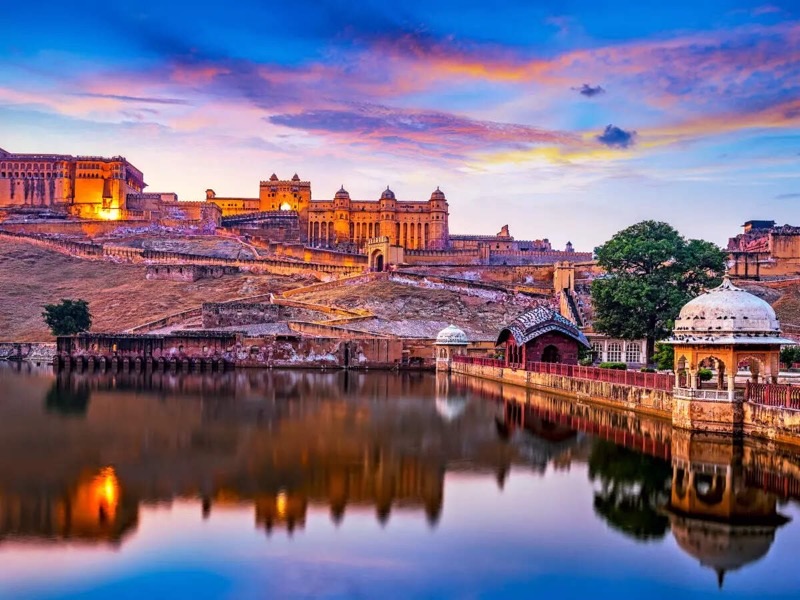
India possesses a history spanning thousands of years, with evidence of ancient civilizations, grand empires, and a continuous evolution of spiritual and artistic traditions. Sites like the Taj Mahal in Agra, the ancient city of Varanasi on the Ganges, the intricate temples of Khajuraho, or the palaces of Rajasthan offer a deep dive into different eras. The country is a living museum, where ancient rituals are practiced daily, and traditions influence every aspect of life. Interaction with local customs, food, and festivals provides an intense, continuous cultural immersion. The sheer scale and complexity of Indias cultural footprint are immense, offering endless discovery.
South Africas recorded history for travelers often focuses on its more recent past, particularly the struggle against apartheid. Robben Island, the District Six Museum in Cape Town, and the Apartheid Museum in Johannesburg provide moving and essential insights into this period. The country also has a history of colonial settlements and diverse tribal cultures, particularly visible in rural areas or cultural villages near Kruger. However, the depth and continuous nature of South Africas accessible historical sites, especially those from ancient times, do not compare to Indias extensive historical footprint. While compelling, the historical narrative is more concentrated on specific eras. India provides a broader, deeper historical journey.
- Winner: India
- Why: India offers an unparalleled depth of ancient history, spiritual practices, and continuous cultural evolution, providing constant engagement.
- Who this matters for: History buffs, spiritual seekers, and travelers who value deep, immersive cultural experiences.
🐘 Nature & Wildlife
India hosts incredible natural diversity, from the Himalayan peaks to the desert landscapes of Rajasthan and the backwaters of Kerala. Wildlife experiences center around tiger…

India

South Africa
India hosts incredible natural diversity, from the Himalayan peaks to the desert landscapes of Rajasthan and the backwaters of Kerala. Wildlife experiences center around tiger safaris in parks like Ranthambore, Bandhavgarh, or Kanha, offering a chance to see this iconic predator. Other animals include elephants, leopards, and various bird species. The infrastructure for ecotourism, while present, can feel less polished compared to global standards in some areas. Trekking opportunities in the Himalayas and exploring the Western Ghats rainforests are also notable. However, wildlife sightings, particularly for tigers, are never guaranteed and require patience and multiple safaris.
South Africa is world-renowned for its wildlife. Kruger National Park is an icon, offering reliable Big Five (lion, leopard, elephant, rhino, buffalo) sightings. Beyond Kruger, other parks like Addo Elephant National Park or Hluhluwe-iMfolozi Game Reserve provide diverse game viewing. The countrys coastline features dramatic cliffs along the Garden Route, penguin colonies at Boulders Beach, and whale watching in Hermanus. The Drakensberg mountains offer extensive hiking. South Africas ecotourism infrastructure is generally excellent, with well-maintained parks, professional guides, and a variety of safari options from self-drive to luxury lodges. Wildlife viewing is often more accessible and consistent here. South Africa wins for its sheer concentration and ease of access to iconic wildlife.
- Winner: South Africa
- Why: South Africa offers more accessible, reliable, and diverse Big Five wildlife viewing experiences in well-managed national parks.
- Who this matters for: Wildlife enthusiasts, safari-goers, and those seeking outdoor adventures in varied landscapes.
🍜 Food & Drink
Indian cuisine is a culinary exploration in itself, with distinct regional dishes from North to South, East to West. From the rich curries and tandoori breads of the North to the…

India

South Africa
Indian cuisine is a culinary exploration in itself, with distinct regional dishes from North to South, East to West. From the rich curries and tandoori breads of the North to the dosa and idli of the South, the variety is immense. Street food is a major part of the experience: chaat, samosas, pakoras can be found on every corner for mere rupees. A delicious Thali plate might cost 150-300 INR ($1.80-3.60). Vegetarian options are plentiful and often the default. The spices, aromas, and flavors are complex and deeply satisfying. Local beverages like masala chai and fresh fruit juices are ubiquitous. Dining is a core part of the travel experience, offering endless discovery.
South African food has influences from Dutch, Malay, and Xhosa traditions. The 'braai' (barbecue) is a national institution, featuring various meats like boerewors (sausage), lamb chops, and steak. Seafood is prominent along the coast, particularly in Cape Town. Cape Malay cuisine, with its curries and bobotie, provides a distinct flavor profile. The Western Cape is also a renowned wine region, offering excellent and affordable wines. While tasty, the daily meal options outside of main cities can be less diverse than in India. A standard meal at a casual restaurant might be 150-300 ZAR ($8-16). While good, South Africa does not offer the same constant culinary engagement or variety found in India. India takes this for sheer diversity and street food access.
- Winner: India
- Why: India provides an unparalleled, diverse, and affordable culinary journey with distinct regional variations and a thriving street food culture.
- Who this matters for: Foodies, adventurous eaters, vegetarians, and those who enjoy eating locally and frequently.
⚕️ Safety & Health
India presents challenges primarily around petty crime (pickpocketing, bag snatching in crowded areas), common scams targeting tourists (fake gems, taxi overcharging), and chaotic…
India presents challenges primarily around petty crime (pickpocketing, bag snatching in crowded areas), common scams targeting tourists (fake gems, taxi overcharging), and chaotic traffic conditions. Womens safety is a concern in some areas, requiring vigilance and appropriate dress. Health-wise, travelers must be careful with food and water to avoid stomach issues; vaccinations for Hepatitis A, Typhoid, and sometimes Japanese Encephalitis are recommended. Basic medical facilities are widespread, but quality varies greatly; private hospitals in major cities offer better care. Navigating the country requires a degree of assertiveness and common sense.
South Africa faces a reputation for higher violent crime, particularly in townships and certain urban areas, which travelers are generally advised to avoid after dark. Carjackings and home invasions are concerns, making self-drive precautions like not driving at night or in unknown areas important. Petty crime, like muggings, is present in tourist areas. Health infrastructure in private hospitals in major cities is excellent, comparable to Western standards, but can be expensive without good travel insurance. Malaria risk is present in areas like Kruger. Travelers must be aware of their surroundings, particularly in cities, and follow local advice on safe areas. Both countries require awareness, but for different reasons; it is a tie.
- Winner: Tie
- Why: Both destinations present unique safety and health considerations that require traveler awareness and preparation, making a clear win difficult.
- Who this matters for: All travelers, particularly solo female travelers or those with specific health needs, who prioritize understanding local risks.
🏨 Accommodation
Indias accommodation options are incredibly diverse and generally very budget-friendly. You can find hostel dorm beds in cities like Delhi or Jaipur for 300-600 INR ($3.50-7),…
Indias accommodation options are incredibly diverse and generally very budget-friendly. You can find hostel dorm beds in cities like Delhi or Jaipur for 300-600 INR ($3.50-7), clean private rooms in guesthouses for 800-1500 INR ($10-18), and charming heritage hotels (havelis) in Rajasthan for 2000-5000 INR ($25-60) offering a taste of luxury. The price-to-quality ratio is excellent for those seeking authentic stays. Booking via platforms like Booking.com or directly with reputable local establishments is advisable. Standards can vary, so checking recent reviews is important. Air conditioning is a significant comfort in many regions during hotter months.
South Africa offers a good range of accommodation, from well-regarded backpacker hostels in Cape Town (250-400 ZAR / $14-22 for a dorm) to comfortable guesthouses (800-1500 ZAR / $45-80) and luxurious safari lodges (starting at 6000 ZAR / $330+ per night per person). The overall standard of mid-range and luxury accommodation is high, often with modern amenities and good service. However, the cost is noticeably higher than in India. If your budget is tighter, finding affordable private rooms can be more challenging outside of hostels. For a similar standard of comfort, you will spend significantly more in South Africa. India wins for its sheer value.
- Winner: India
- Why: India offers a broader range of unique and highly affordable accommodation options, from basic to heritage, giving more value for money.
- Who this matters for: Travelers seeking budget-friendly stays, unique heritage experiences, or those on extended trips.
🧗 Activities & Adventure
India offers a different kind of adventure. Spiritual activities like yoga retreats in Rishikesh or meditation courses are prominent. Trekking in the Himalayas (e.g., Ladakh,…
India offers a different kind of adventure. Spiritual activities like yoga retreats in Rishikesh or meditation courses are prominent. Trekking in the Himalayas (e.g., Ladakh, Spiti Valley) offers incredible mountain experiences. Participating in a cooking class in Jaipur or learning classical Indian dance provides cultural immersion. Major festivals like Diwali and Holi are unforgettable experiences. Exploring ancient forts, riding camels in the desert, or cruising the backwaters of Kerala provide diverse activities. While physical adventures exist, the focus often leans towards cultural, spiritual, and historical exploration. It is a more introspective and engaging form of activity.
South Africa is an adventure playground. Top activities include safaris in Kruger National Park, hiking Table Mountain in Cape Town, exploring the Garden Route for coastal drives and nature walks, and shark cage diving in Gansbaai. Bungee jumping off the Bloukrans Bridge, surfing in Jeffreys Bay, and exploring the Drakensberg mountains are also popular. The countrys varied geography lends itself to a wide array of outdoor pursuits. Wine tasting tours in Stellenbosch or Franschhoek add a sophisticated element. The readily available infrastructure for these activities, combined with stunning natural backdrops, makes South Africa a prime destination for thrill-seekers and nature lovers. South Africa wins for its expansive outdoor and adrenaline activities.
- Winner: South Africa
- Why: South Africa excels with its diverse range of outdoor and adrenaline-pumping activities, from world-class safaris to extreme sports.
- Who this matters for: Adventure seekers, outdoor enthusiasts, thrill-seekers, and those prioritizing physical activities and wildlife viewing.
🏖️ Beaches
Indias coastline offers a variety of beach experiences. Goa is famous for its lively party scene, shacks, and long stretches of sand like Palolem or Anjuna. Kerala features the…
Indias coastline offers a variety of beach experiences. Goa is famous for its lively party scene, shacks, and long stretches of sand like Palolem or Anjuna. Kerala features the serene backwaters, where houseboats glide past palm-fringed shores, and beaches like Kovalam offer a relaxed vibe. For truly pristine beaches and clearer waters, the Andaman and Nicobar Islands, though harder to reach, offer some of the countrys most beautiful shores, comparable to Southeast Asia. However, many mainland beaches can be crowded, lack proper sanitation, or are not primarily for swimming and sunbathing in a Western sense. The overall beach quality is highly variable.
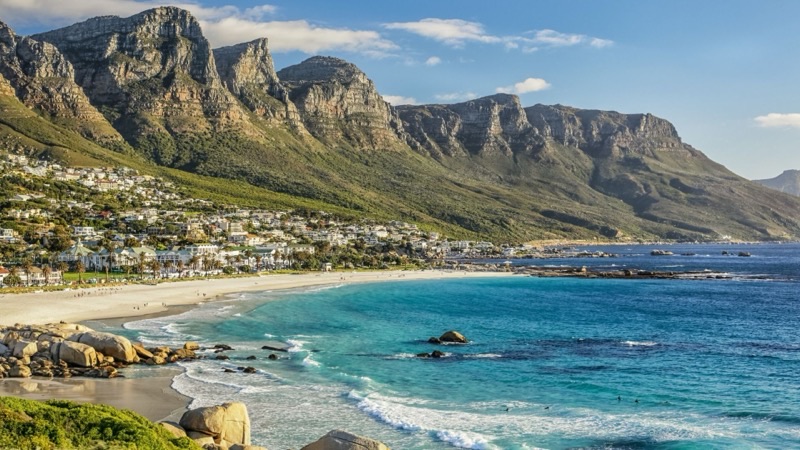
South Africa boasts a coastline that varies from dramatic, rugged cliffs to expansive sandy beaches. Cape Town alone offers iconic city beaches like Camps Bay and Clifton, perfect for sunbathing (though the water is cold). Further along the Garden Route, you find untouched stretches near Wilderness and pristine bays in Tsitsikamma. Durbans Golden Mile is known for its warmer Indian Ocean waters and surfing. The Wild Coast offers remote, undeveloped beauty for adventurous travelers. South Africas beaches are generally cleaner, less crowded (outside of major holidays), and well-suited for swimming, surfing, and long walks. The infrastructure supporting beach visits is also more developed. South Africa wins for its diverse, consistently high-quality beaches.
- Winner: South Africa
- Why: South Africa offers more diverse, cleaner, and generally better-maintained beaches suitable for swimming, surfing, and relaxation.
- Who this matters for: Beach lovers, surfers, and those seeking coastal relaxation with modern amenities.
🚶♀️ Solo Travel
Solo travel in India is an experience of constant engagement. It is easy to meet other travelers in hostels and guesthouses, and locals are often curious and engaging. The…
Solo travel in India is an experience of constant engagement. It is easy to meet other travelers in hostels and guesthouses, and locals are often curious and engaging. The budget-friendly nature means long trips are possible. However, the intensity of the country can be overwhelming for some, and navigating scams or constant attention requires resilience. Solo female travelers often report issues with unsolicited attention, requiring strict boundaries, careful planning, and sometimes joining groups. Despite these challenges, many solo travelers find India deeply rewarding for its profound cultural immersion and opportunities for personal growth. It is a challenging but transformative solo journey.
South Africa is generally considered easier to navigate as a solo traveler, particularly with a rented car for independent exploration. Hostels in major cities like Cape Town or along the Garden Route are excellent for meeting other travelers. The pace of travel can be more relaxed, and the infrastructure is more familiar for Western travelers. While safety concerns are present, particularly in urban areas at night, they can be mitigated with common sense and adherence to local advice. Solo female travelers often report feeling more comfortable and less targeted than in India, though vigilance is always necessary. The ease of independent movement and the quality of hostels make South Africa a more straightforward solo travel destination. South Africa wins for its overall ease of solo navigation and relative comfort.
- Winner: South Africa
- Why: South Africa offers a more straightforward and generally comfortable solo travel experience with better infrastructure for independent exploration.
- Who this matters for: First-time solo travelers, those seeking independent road trips, and solo female travelers prioritizing comfort.
🎯 The Decision Framework
Choose India If…
- You want to spend $30-70 a day and travel for weeks.
- You crave continuous, deep cultural immersion.
- You are excited by chaotic but efficient public transport, especially trains.
- You want to eat incredible, diverse, and cheap street food daily.
- You are fascinated by ancient history and spiritual practices.
- You enjoy the challenge and rewards of navigating an intense, vibrant environment.
- You are primarily interested in discovering regional cuisines and flavors.
Choose South Africa If…
- You dream of seeing the Big Five in their natural habitat.
- You want to rent a car and embark on a scenic road trip.
- You enjoy outdoor activities like hiking, surfing, or diving.
- You appreciate good infrastructure and modern amenities.
- You are interested in the history of apartheid and human rights.
- You prefer a more relaxed pace of travel with clear natural attractions.
- You want to combine wildlife safaris with wine tasting and coastal exploration.
❓ Frequently Asked Questions
Which country offers better value for money?
India is significantly cheaper across the board. A budget traveler can manage on $30-50 per day for food, accommodation, and local transport, while South Africa typically requires $60-100 per day for a similar travel style.
What are the flight times and costs like to each country?
Flights from major Western hubs to India (Delhi/Mumbai) typically take 8-10 hours from Europe or 14-16 hours from North America, costing $600-1000. To South Africa (Johannesburg/Cape Town), flights are similar in duration, 11-13 hours from Europe or 15-17 hours from North America, with costs ranging from $800-1300.
Which destination is better for wildlife experiences?
South Africa is superior for wildlife, particularly Big Five safaris in Kruger National Park, offering more reliable sightings and better infrastructure. India offers tiger safaris, but sightings are often less frequent and require more patience.
Is one country safer for solo female travelers than the other?
South Africa is generally considered more comfortable for solo female travelers, with fewer instances of unwanted attention compared to India. However, both countries require vigilance, particularly in urban areas after dark, and adherence to local advice.
What is the best time of year to visit each country?
For India, the best time is generally October to March, when temperatures are cooler and drier. For South Africa, the Western Cape (Cape Town, Garden Route) is best from October to April, while Kruger National Park for safaris is ideal during the dry winter months of May to September.
Which country has better public transportation?
India has a far more extensive and affordable public transportation network, especially its train system, which can take you almost anywhere. South Africa largely requires car rental for independent exploration outside of major city centers and tourist routes.
What kind of food can I expect in each place?
India offers an incredibly diverse, regional, and often vegetarian-friendly cuisine with a strong street food culture. South Africa features a meat-focused 'braai' culture, fresh seafood, and distinct Cape Malay flavors, along with excellent wines.
Are there good beaches in both countries?
Yes, but South Africa generally offers cleaner, more diverse, and better-maintained beaches suitable for swimming and surfing. India has popular beaches in Goa and Kerala, and pristine ones in the Andaman Islands, but mainland beaches can be less developed.
Ready to plan your next adventure?
Get a free custom itinerary for India, South Africa, or both — built from real traveler insights.
🎟️ Book Tours & Experiences
Hand-picked tours and activities for both destinations — book with free cancellation
Experiences via Viator — free cancellation on most tours