How we built this comparison
This page combines traveler discussion patterns, published price ranges, flight schedules, and seasonal data to help you decide between India and Southeast Asia.
- Reviewed 500+ Reddit threads from r/travel, r/solotravel, r/IndiaTravel, and r/SoutheastAsiaTravel for authentic experiences and advice.
- Verified costs and logistics against current booking platforms (e.g., Booking.com, 12Go.Asia, Grab) and recent traveler blogs.
- Cross-referenced seasonal patterns, weather data, and major festival dates to ensure accurate timing recommendations.
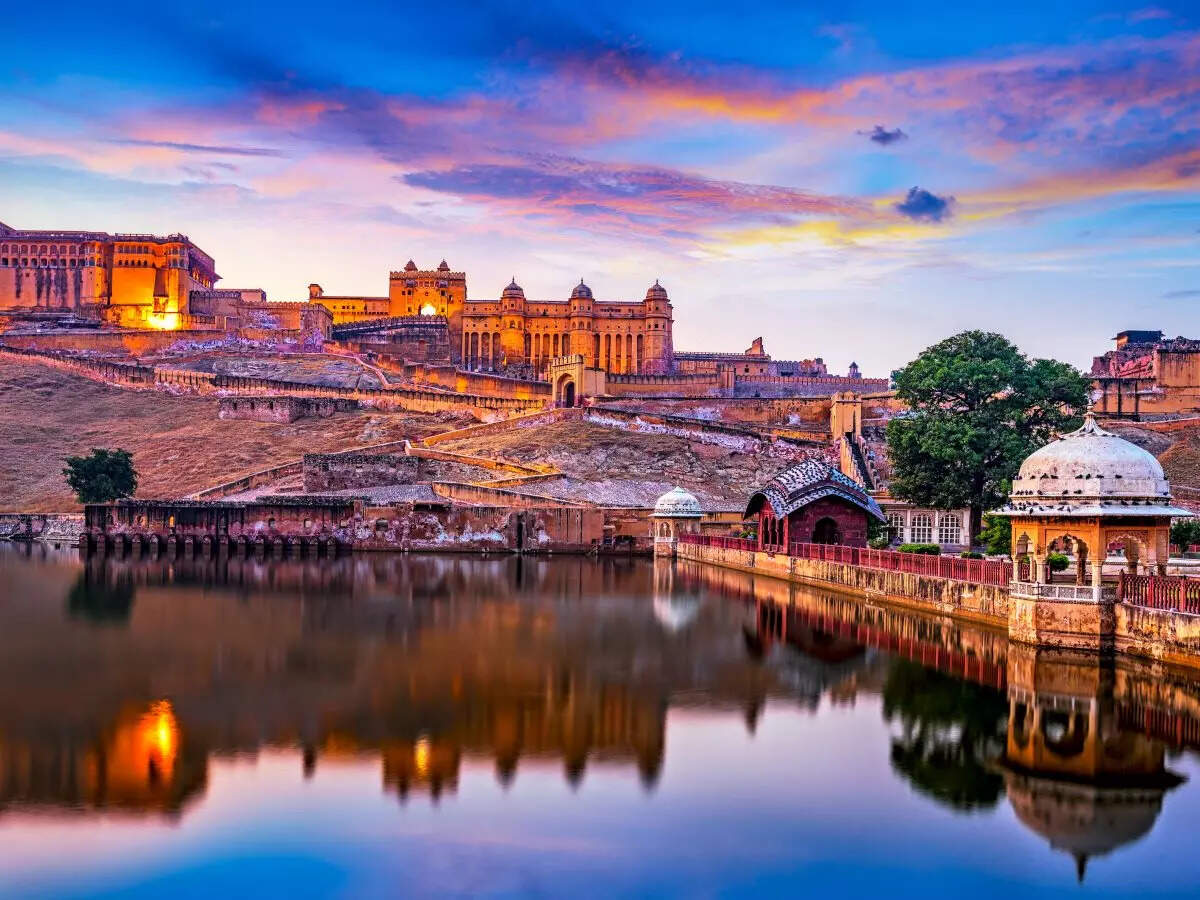
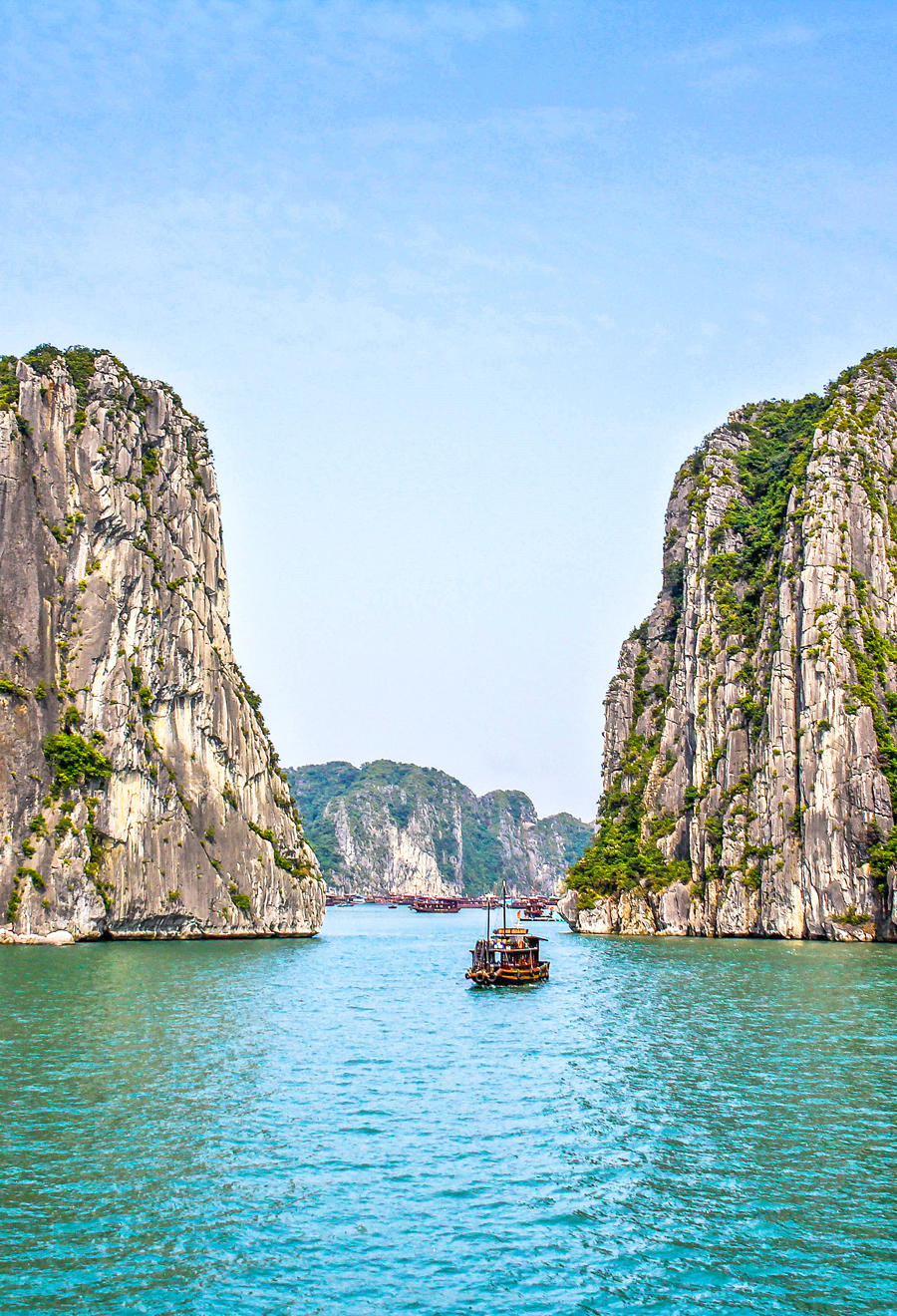
⚡ The TL;DR Verdict
If you're seeking a profound, often challenging, but deeply rewarding cultural immersion on a shoestring budget, India (budget: $25-45/day) is your calling. For those who prioritize easy logistics, stunning beaches, a vibrant social scene, and delicious food with slightly more comfort, Southeast Asia (budget: $35-60/day) is the clear winner. Both offer incredible adventures, but cater to different travel styles and expectations.
- Choose India: For the seasoned, adventurous traveler seeking an unparalleled cultural depth, spiritual experiences, and a truly budget-friendly journey that promises growth and a shift in perspective. You're ready for sensory overload and don't mind a little grit.
- Choose Southeast Asia: Ideal for first-time backpackers, solo travelers looking to socialize easily, beach lovers, foodies, and those who want a blend of adventure, relaxation, and relative comfort without breaking the bank. It's an easier entry point to long-term travel.
- Choose Both: If you have 3+ months, combine them! Start in Southeast Asia to ease into Asian travel, then move to India for a deeper, more intense experience. You'll gain a holistic view of two vastly different, yet equally captivating, regions.
Quick Comparison
| Category | India | Southeast Asia | Winner |
|---|---|---|---|
| Costs & Budget | Extremely budget-friendly for basics; luxury is also affordable. Can live very cheaply. | Great value, slightly higher than India but offers more comfort for the price. | India |
| Culture & History | Ancient, diverse, spiritual, and deeply immersive. Expect sensory overload. | Rich Buddhist and colonial heritage, beautiful temples, often more accessible. | India |
| Food & Drink | Incredibly diverse regional cuisine, vegetarian-friendly, bold spices. Street food is king. | Fresh, balanced, vibrant flavors. Famous street food, great variety, often less spicy. | Southeast Asia |
| Nature & Landscapes | Diverse from Himalayas to deserts, jungles, backwaters, and beaches. Epic scale. | Lush jungles, pristine islands, volcanoes, rice paddies, karst formations. Iconic beauty. | Tie |
| Safety & Health | Can be challenging; scams, pollution, traffic, and hygiene issues are common. Requires vigilance. | Generally safer and easier to navigate. Good medical facilities in major cities, fewer overt scams. | Southeast Asia |
| Getting Around | Challenging but rewarding. Extensive train network, local buses, auto-rickshaws. Chaotic. | Well-developed tourist infrastructure. Buses, minivans, ferries, ride-hailing apps, scooters. Efficient. | Southeast Asia |
| Accommodation | Very cheap budget options, heritage hotels, luxury resorts. Quality can vary widely. | Abundant hostels, guesthouses, boutique hotels, resorts. High quality even at lower prices. | Southeast Asia |
| Nightlife & Social Scene | Varies by state (alcohol laws), generally more low-key, but big cities have options. | World-famous for vibrant nightlife, full moon parties, rooftop bars, and easy socialization. | Southeast Asia |
| Beaches & Islands | Goa, Kerala, Andamans. Beautiful but often more local, less developed for mass tourism. | Iconic, world-famous beaches and islands. Thailand, Philippines, Indonesia, Malaysia, Vietnam. Perfect for hopping. | Southeast Asia |
| Solo Travel Suitability | Rewarding but challenging. Can be overwhelming, especially for solo female travelers. | Extremely popular for solo travelers, easy to meet people, well-trodden routes, generally safe. | Southeast Asia |
💰 Costs & Budget
India is the undisputed champion for budget travelers. You can secure a private room in a decent guesthouse for ₹800-₹1500 ($10-18 USD), eat incredible street food for ₹50-₹200 ($0.60-$2.40 USD) per meal, and travel vast distances on sleeper trains for less than ₹1000 ($12 USD). While comfort might be basic, the sheer affordability allows for extended stays. In contrast, Southeast Asia is also cheap, but expect to pay more for similar quality. A basic private room might start at ฿400-฿700 ($11-20 USD) in Thailand or ₫250,000-₫400,000 ($10-16 USD) in Vietnam. Street food is still a steal (e.g., ฿60-฿100 for Pad Thai), but restaurant meals and drinks add up faster. For example, a nice Western-style coffee in India might be ₹150 ($1.80), while in Bangkok it's easily ฿120-฿150 ($3.30-$4.10). "Honestly, I lived like a king in Rajasthan on $30 a day, including a nice guesthouse and all my meals. SEA was more like $45-50 for the same comfort level." India allows you to stretch your rupee further for basic necessities.
Winner takeaway
- Winner: India
- Why: India offers unmatched affordability for daily expenses, making it ideal for extreme budget travelers.
- Who this matters for: Extreme budget travelers and those planning very long trips.
🕌 Culture & History
India's cultural tapestry is arguably one of the oldest and most complex in the world. From the ancient Vedic traditions to the Mughal empires, the country offers an astounding depth of history and spirituality. Imagine the vibrant chaos of Varanasi, the architectural grandeur of the Taj Mahal in Agra, the desert forts of Rajasthan, or the serene backwaters of Kerala – each region a distinct cultural universe. Festivals like Diwali and Holi are immersive, unforgettable experiences. Southeast Asia, while incredibly rich in its own right with the majestic Angkor Wat in Cambodia, the ancient city of Ayutthaya in Thailand, and Vietnam's Imperial City of Hue, often feels more digestible for a first-timer. Its Buddhist heritage is serene and beautiful, but the sheer scale, antiquity, and spiritual intensity of India are on another level. "Nothing prepares you for the sheer chaos and beauty of Varanasi, it's a sensory overload in the best way, makes you feel alive." India demands more from you but gives back tenfold in profound experiences.
Winner takeaway
- Winner: India
- Why: India offers an unparalleled depth, diversity, and ancient cultural immersion that is truly transformative.
- Who this matters for: Culture vultures, history buffs, and spiritual seekers looking for profound experiences.
🍜 Food & Drink
While Indian food is a global phenomenon, the food in Southeast Asia often wins over travelers for its balance of sweet, sour, salty, and spicy, its freshness, and its generally lower risk of 'Delhi Belly'. Countries like Thailand, Vietnam, and Malaysia are culinary paradises. Imagine savoring a steaming bowl of Pho for ₫40,000 ($1.60) in Hanoi, a spicy Green Curry for ฿80 ($2.20) in Bangkok, or delicious Nasi Goreng for Rp25,000 ($1.60) in Bali. Street food is universally excellent and safe in most tourist areas. India's regional cuisines are mind-bogglingly diverse – from the rich curries of the North to the dosa and idli of the South – and incredibly vegetarian-friendly. However, hygiene standards can be a concern for some, and the spice levels can be intense. For a more universally appealing, easily accessible, and consistently fresh culinary experience, Southeast Asia takes the cake. "Pad Thai from a Bangkok street cart at 2 AM after a few beers? Unbeatable. And only like 60 THB, worth every penny." The variety and consistent deliciousness of SEA street food is hard to beat.
Winner takeaway
- Winner: Southeast Asia
- Why: Southeast Asia offers a more universally appealing and consistently delicious food scene, often with fewer digestive challenges for travelers.
- Who this matters for: Foodies, those with sensitive stomachs, and travelers seeking fresh, vibrant flavors.
🏞️ Nature & Landscapes
This is a tough one, as both regions boast mind-blowing natural beauty, just of different types. India offers the majestic peaks of the Himalayas (Leh-Ladakh, Uttarakhand), the vast Thar Desert of Rajasthan, the dense jungles of national parks like Ranthambore (for tigers), the serene backwaters of Kerala, and the beaches of Goa and the Andaman Islands. The scale and variety are immense. Southeast Asia counters with the iconic limestone karsts of Halong Bay (Vietnam) and Krabi (Thailand), the volcanic landscapes of Bali and Java (Indonesia), the pristine coral reefs and diving spots of the Philippines (Palawan, Coron) and Thailand, and the lush rice terraces of Sapa (Vietnam) and Ubud (Bali). Each offers 'wow' moments. India's nature often feels wilder and more untouched in places, while SEA's is frequently more accessible and curated for tourism. "Diving in Raja Ampat felt like being in an aquarium, totally mind-blowing. India has the Himalayas, but for pure underwater magic, SEA wins, though I'd trek Everest Base Camp in India anytime." It truly depends on what type of natural beauty you seek.
Winner takeaway
- Winner: Tie
- Why: Both regions offer unique, world-class natural beauty, catering to different preferences (mountains vs. beaches/islands, raw wilderness vs. accessible beauty).
- Who this matters for: Everyone, as both cater to different preferences for natural beauty enthusiasts.
⚕️ Safety & Health
When it comes to general safety and ease of staying healthy, Southeast Asia is typically much more forgiving for travelers. While petty theft and some tourist scams exist, violent crime against tourists is rare, and infrastructure is generally more reliable. Major cities like Bangkok, Kuala Lumpur, and Singapore have excellent medical facilities. Road safety is still a concern, especially on scooters, but organized transport is often safer. India, on the other hand, requires a higher level of vigilance. Traffic is chaotic and dangerous, pollution can be severe in cities, and food and water hygiene can be inconsistent, leading to 'Delhi Belly' for many. Solo female travelers often report feeling more harassed or unsafe, though experiences vary wildly. Scams are also more prevalent and often more aggressive. "After getting a bad stomach bug in Delhi, I was so relieved how easy it was to find a clinic and good meds in Chiang Mai. Just felt less stressed generally." While India is not inherently 'unsafe' with proper precautions, Southeast Asia offers a more relaxed experience in terms of personal security and health management.
Winner takeaway
- Winner: Southeast Asia
- Why: Southeast Asia generally offers a more comfortable and less challenging environment regarding safety, scams, and health precautions for most travelers.
- Who this matters for: First-time international travelers, solo female travelers, and those prioritizing comfort and peace of mind.
🗺️ Getting Around
Navigating Southeast Asia is generally a breeze, thanks to a well-established tourist infrastructure geared towards backpackers and travelers. Countries offer efficient bus and minivan networks for inter-city travel (e.g., Bangkok to Chiang Mai for ฿700 ($19)), extensive ferry systems for island hopping (e.g., from Krabi to Koh Lanta for ฿400 ($11)), and ubiquitous ride-hailing apps like Grab (Southeast Asia's Uber) that make local transport predictable and affordable. Renting scooters for a few dollars a day is also common, though comes with risks. India's transport is an experience in itself. The Indian Railways are legendary, connecting almost every corner of the country, but booking in advance is crucial, and trains are often delayed or overcrowded. Sleeper class from Delhi to Varanasi can be around ₹500-₹800 ($6-10). Buses are extensive but can be uncomfortable and slow. Auto-rickshaws are cheap but require haggling. Ride-hailing apps like Ola and Uber are available in major cities. However, the sheer chaos, traffic, and often limited English spoken by drivers make it a more challenging, albeit adventurous, endeavor. "Taking a sleeper train across Vietnam was an adventure, but knowing I could always jump on a comfortable minivan the next day was a huge relief, compared to the uncertainty of Indian transport." SEA offers a smoother, less stressful journey.
Winner takeaway
- Winner: Southeast Asia
- Why: Southeast Asia offers a more efficient, predictable, and generally easier transportation network for travelers.
- Who this matters for: Travelers who prefer easy logistics, those on a tighter schedule, and less experienced adventurers.
🏨 Accommodation
While India can offer incredibly cheap beds, Southeast Asia generally wins for the quality-to-price ratio in accommodation. In SEA, you can find stunning hostels with pools and social areas in places like Bali or Chiang Mai for $10-15 USD a night (e.g., The Common Hostel, Lub d), or a beautiful private bungalow for $25-40 USD (e.g., in Koh Lanta, Thailand or Gili Trawangan, Indonesia). Boutique hotels with excellent service and amenities are also surprisingly affordable. India has its budget guesthouses, often for $5-10 USD a night, but these can be very basic, sometimes lacking cleanliness or consistent hot water. While heritage hotels and luxury resorts are excellent value, the mid-range options often don't quite match the comfort or aesthetic of Southeast Asia. Finding consistently good, clean, and charming mid-range places for $20-40 USD is easier in SEA. "Found this amazing beachfront bungalow in Koh Lanta for like $25 a night, including a decent breakfast. In India, $25 gets you a good, but often basic, room in a city, definitely not on the beach." SEA provides more 'bang for your buck' in terms of comfort and style across all budget ranges.
Winner takeaway
- Winner: Southeast Asia
- Why: Southeast Asia offers a higher quality-to-price ratio for accommodation, with more comfortable and stylish options across all budget ranges.
- Who this matters for: Travelers seeking comfortable mid-range options, digital nomads, and those who appreciate aesthetics.
🎉 Nightlife & Social Scene
Southeast Asia is a Mecca for social travelers and those seeking vibrant nightlife. Thailand's Full Moon Parties on Koh Phangan, Vietnam's Beer Street in Hanoi, and the rooftop bars of Bangkok are legendary. It's incredibly easy to meet fellow travelers in hostels, at beach bars, or on organized pub crawls. The atmosphere is generally open, lively, and geared towards international visitors. You can find everything from sophisticated cocktail lounges to reggae bars on the beach, with drinks often very affordable (e.g., local beers for ฿60-฿100 or ₫20,000-₫40,000). India's nightlife is much more nuanced and varies greatly by state due to differing alcohol laws and cultural norms. Major metropolitan cities like Mumbai, Delhi, and Bangalore have excellent clubs and bars, but it's not as universally accessible or overtly social as SEA. Alcohol can be more expensive and harder to find outside of tourist hubs or specific districts. "Walking down Bangla Road in Phuket is an experience, love it or hate it, you can't deny the energy. India has bars, but nothing quite on that scale or openness for tourists." For a guaranteed lively and easy social scene, SEA is the clear winner.
Winner takeaway
- Winner: Southeast Asia
- Why: Southeast Asia offers a more consistently vibrant, accessible, and diverse nightlife and social scene tailored to international travelers.
- Who this matters for: Solo travelers looking to socialize, party-goers, and those who enjoy a lively evening scene.
🏖️ Beaches & Islands
Southeast Asia is synonymous with some of the world's most stunning tropical beaches and islands, making it an undeniable winner in this category. Think of the pristine white sands and turquoise waters of El Nido and Coron in the Philippines, the dramatic limestone karsts of Railay Beach and the vibrant party scene of Koh Phi Phi in Thailand, or the volcanic black sands and surf breaks of Bali and Lombok in Indonesia. Island hopping is a well-oiled machine, with countless tours and affordable ferries. Diving and snorkeling opportunities are world-class, from the Similan Islands to Raja Ampat. India certainly has beautiful coastlines, notably Goa, Kerala's serene backwater beaches, and the truly stunning, but harder to reach, Andaman and Nicobar Islands. While these offer a more local, less commercialized experience, they generally lack the sheer variety, developed tourist infrastructure, and iconic beauty that Southeast Asia offers. "El Nido in Palawan felt like a postcard come to life. White sand, turquoise water, and island hopping tours galore for like $20, it's just so easy and beautiful." For the ultimate beach holiday, SEA is unmatched.
Winner takeaway
- Winner: Southeast Asia
- Why: Southeast Asia boasts a greater number of iconic, world-class beaches and islands with superior tourist infrastructure for beach and water activities.
- Who this matters for: Beach lovers, island hoppers, snorkelers, divers, and sun-seekers.
🚶♀️ Solo Travel Suitability
For solo travelers, especially those new to long-term backpacking, Southeast Asia is often recommended as an ideal starting point. The 'banana pancake trail' is well-trodden, meaning there's a huge community of fellow solo travelers, making it incredibly easy to meet people in hostels, on tours, and during transport. English is widely spoken in tourist areas, and the logistics are straightforward. You can hop from Bangkok to Laos, then Vietnam, then Cambodia, meeting people every step of the way. Hostels often organize social events, making it effortless to find companions for excursions. India, while incredibly rewarding for solo adventurers, presents more challenges. The sheer intensity, cultural differences, language barriers outside major cities, and persistent touting can be overwhelming. Solo female travelers often face more scrutiny and harassment, requiring a higher level of confidence and street smarts. While it builds resilience, it's a tougher experience. "Met so many awesome people doing the banana pancake trail, always had someone to grab dinner with. India was incredible solo, but definitely required more grit and planning, and I felt on edge more often as a woman." SEA makes solo travel feel effortless and social.
Winner takeaway
- Winner: Southeast Asia
- Why: Southeast Asia offers a more accessible, safer, and social environment for solo travelers, making it easier to meet people and navigate logistics.
- Who this matters for: First-time solo travelers, those looking to socialize easily, and less experienced adventurers.
❓ Frequently Asked Questions
Which destination is better for a two-week trip?
For a two-week trip, Southeast Asia is generally easier to manage. You can comfortably explore a few key areas in Thailand (e.g., Bangkok, Chiang Mai, an island) or Vietnam (e.g., Hanoi, Halong Bay, Hoi An) without feeling rushed. India's vastness makes two weeks feel very short, often necessitating choosing just one or two regions, which can still feel intense.
Is one significantly better for families with young children?
Southeast Asia typically caters better to families with young children. Destinations like Thailand, Malaysia, and Bali offer kid-friendly resorts, activities, and a generally cleaner, more predictable environment. India can be challenging due to hygiene concerns, chaotic transport, and the sheer intensity, though a luxury trip could mitigate some of these issues.
What are the typical flight times from the US/Europe?
From the US East Coast, flights to India (e.g., Delhi, Mumbai) are around 12-16 hours. To Southeast Asia (e.g., Bangkok, Hanoi), expect 16-20 hours with layovers. From Europe, India is about 8-10 hours, while Southeast Asia is typically 12-14 hours. SEA usually requires a longer total travel time due to its further distance.
Which has better Wi-Fi and digital nomad infrastructure?
Southeast Asia, particularly cities like Chiang Mai (Thailand), Bali (Indonesia), and Ho Chi Minh City (Vietnam), is a digital nomad hotspot. It boasts excellent, affordable Wi-Fi, co-working spaces, and a strong community. While India's major cities are catching up, SEA still offers more reliable infrastructure and a more established ecosystem for remote workers.
Are there distinct peak seasons for each that I should know about?
Yes. India's peak season is generally October to March, with cooler, drier weather across much of the country, ideal for Rajasthan and the South. Southeast Asia's dry season also runs from November to February for much of mainland SEA (Thailand, Vietnam, Cambodia), and May to September for parts of Indonesia (Bali). Both have monsoon seasons, typically June to October, which can bring heavy rains but also lush landscapes and fewer tourists.
How different are the visa requirements?
Visa requirements vary significantly. India typically requires a pre-arranged e-Visa or traditional visa for most nationalities, which can be a bit of a process. For Southeast Asia, many countries like Thailand, Vietnam, and Indonesia offer visa-free entry or readily available 'visa on arrival' options for shorter stays (e.g., 30 days) for many Western passports, making entry often simpler and quicker.
Which offers better adventure sports opportunities?
Both offer incredible adventures. India has trekking in the Himalayas (Ladakh), rafting on the Ganges, and wildlife safaris. Southeast Asia excels in diving and snorkeling (Philippines, Thailand, Indonesia), rock climbing (Railay), surfing (Bali), and jungle trekking (Laos, Borneo). If you're into water sports, SEA wins; for high-altitude trekking, India is unparalleled.
What's the general attitude towards LGBTQ+ travelers in each region?
Southeast Asia is generally more tolerant and accepting, especially in popular tourist areas like Thailand and parts of Vietnam and the Philippines, which have vibrant LGBTQ+ scenes. While India decriminalized homosexuality in 2018, public displays of affection can still attract unwanted attention, and acceptance varies greatly by region, being more conservative in rural areas.
Ready to plan your unforgettable adventure?
Get a free custom itinerary for India, Southeast Asia, or both — built from real traveler insights, tailored to your budget and style.
🎟️ Book Tours & Experiences
Hand-picked tours and activities for both destinations — book with free cancellation
Experiences via Viator — free cancellation on most tours