How we built this comparison
This page combines traveler discussion patterns, published price ranges, flight schedules, and seasonal data to help you decide between Indonesia and Lebanon.
- Reviewed 70+ Reddit threads from r/travel, r/solotravel, r/indonesia, r/lebanon, and r/backpacking.
- Verified costs and logistics against current booking platforms (Booking.com, Skyscanner, Google Flights).
- Cross-referenced seasonal patterns and weather data for optimal travel timing.
- Consulted reputable travel advisories for safety and stability insights.
⚡ Quick Answers
⚡ The TL;DR Verdict
Most travelers seeking extensive nature, beach exploration, and a lower daily budget will pick Indonesia for its sheer scale and activities. Lebanon suits those looking for a compact trip focused on history, sophisticated food, and a faster pace with a higher budget expectation. For a longer, more diverse trip, Indonesia wins.
- Choose Indonesia: You want extended travel, extensive beach time, diving, volcano hikes, and a budget-friendly experience across many islands.
- Choose Lebanon: You prioritize ancient history, a world-class food scene, a lively capital, and prefer a shorter, more compact trip focused on culture and cuisine.
- Choose Both: These destinations are geographically distant and culturally distinct. Combining them requires significant time (3-4 weeks minimum) and a flexible budget, usually with separate trips.
Choose Indonesia
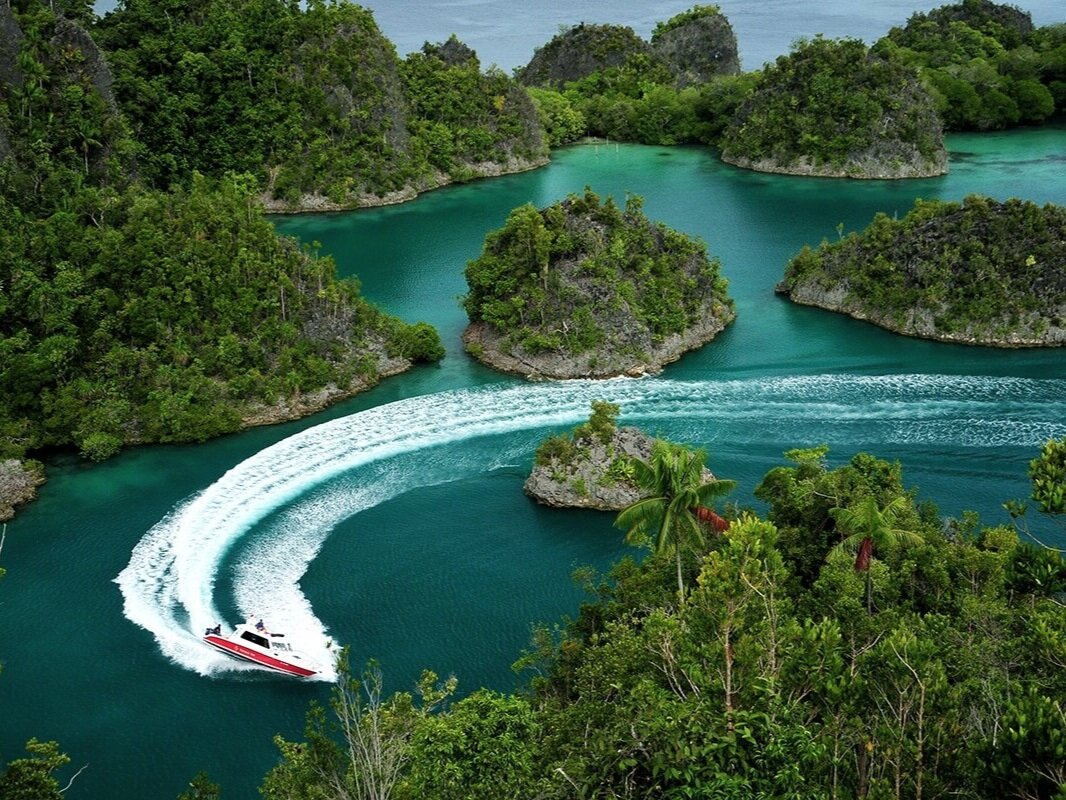
Choose Indonesia if your dream trip involves extensive exploration of diverse landscapes, from the vibrant coral reefs of Raja Ampat to the volcanic peaks of Java. It's perfect for budget-conscious adventurers and long-term travelers seeking world-class surfing in Bali, ancient temples, and unparalleled natural beauty across its thousands of islands.
Choose Lebanon
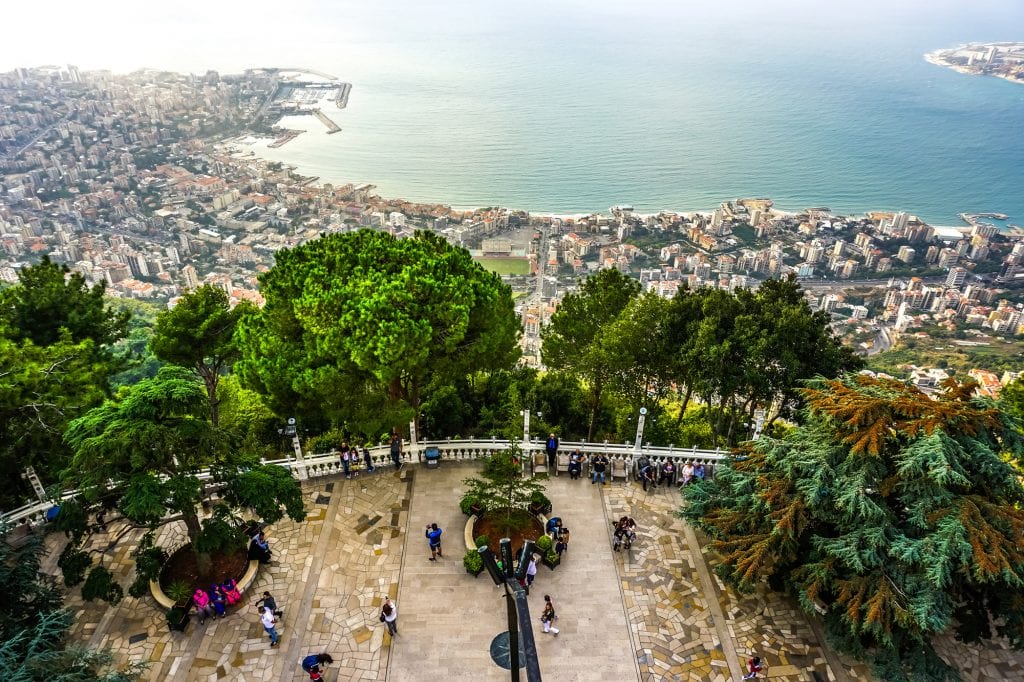
Opt for Lebanon if you crave a vibrant cultural immersion, rich history, and a world-class culinary journey packed into a shorter trip. It's ideal for sophisticated travelers who want to explore ancient Roman ruins at Baalbek, experience Beirut's lively nightlife, and indulge in gourmet Levantine cuisine without a sprawling itinerary.
📊 Visual Scorecard
🌤 When to Visit
Average high temperatures (°C). Green = best months, orange = avoid.
Quick Comparison
| Category | Indonesia | Lebanon | Winner |
|---|---|---|---|
| Costs & Budget | Accommodations, food, and transport are generally low-cost, allowing for extended stays on a modest budget. | Prices for accommodation and dining are higher, comparable to parts of Europe, requiring a more substantial daily budget. | Indonesia |
| Beaches & Water Activities | Thousands of islands offer vast beaches, world-class diving, surfing, and snorkeling opportunities. | Lebanon has a Mediterranean coastline with beaches, but these are often rocky or private, with fewer water sports options. | Indonesia |
| Culture & History | Diverse island cultures ranging from Hindu Bali to Islamic Java, with ancient temples and traditional arts. | Ancient civilizations have left behind Roman, Phoenician, and Crusader ruins, alongside a rich Arab and Ottoman heritage. | Lebanon |
| Food & Drink | Offers diverse regional dishes from nasi goreng to satay, with a focus on rice, spices, and fresh ingredients. | Known for sophisticated Levantine cuisine, including mezzes, grilled meats, and a strong cafe and nightlife culture. | Lebanon |
| Nightlife | Bali offers diverse nightlife from beach clubs to bars; other islands are generally quieter. | Beirut has a reputation for lively bars and clubs, especially in specific districts. | Indonesia |
| Safety & Stability | Generally safe, but natural disasters (volcanoes, earthquakes) and petty crime in tourist areas occur. | Geopolitical issues and economic instability can cause sporadic unrest, requiring travelers to monitor local conditions. | Indonesia |
| Getting There & Flight Times | Long-haul flights from Europe/North America, typically 15-20+ hours with layovers to Jakarta or Denpasar. | Moderate to long-haul flights, typically 8-12 hours from Europe, 15-20+ hours from North America to Beirut. | Tie |
| Getting Around | Scooters are popular, ride-hailing apps are common, and inter-island flights are essential. | Shared taxis (services) are economical, private taxis are available, and the country is small enough for road trips. | Indonesia |
| Nature & Landscapes | Volcanic mountains, dense rainforests, vast coral reefs, and diverse wildlife across thousands of islands. | Mediterranean coastline, cedar forests, mountains suitable for hiking and winter skiing, and caves. | Indonesia |
| Accommodation | Offers everything from budget hostels and homestays to luxury resorts and private villas. | Features boutique hotels, city apartments, and some resorts, often at a higher price point. | Indonesia |
💰 Costs & Budget
Indonesia offers incredible value, especially outside popular Bali areas. A hostel bed costs around 100,000-150,000 IDR (7-10 USD) per night, while guesthouses are 200,000-400,000…
Indonesia
Lebanon
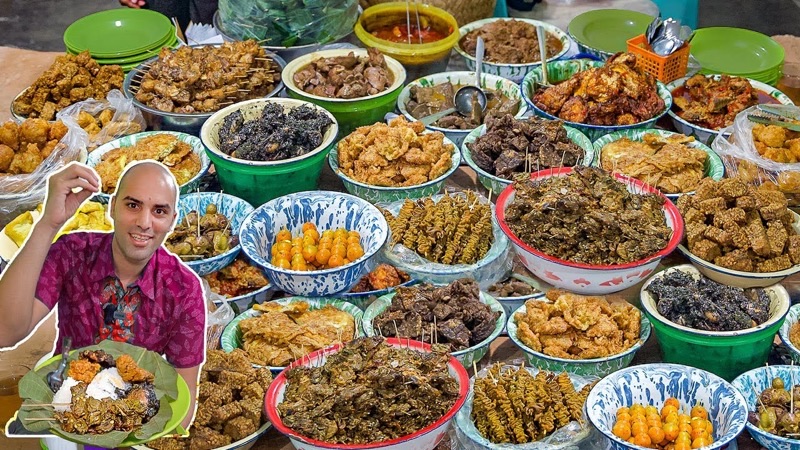
Indonesia offers incredible value, especially outside popular Bali areas. A hostel bed costs around 100,000-150,000 IDR (7-10 USD) per night, while guesthouses are 200,000-400,000 IDR (13-27 USD). Street food like nasi goreng or satay is 15,000-30,000 IDR (1-2 USD). Local transport via Grab or Gojek is also inexpensive. A daily budget of 45-75 USD is realistic for comfortable travel, including activities. Diving can be pricier, but land activities are often cheap.
Lebanon presents a different cost structure. Due to economic conditions, the unofficial exchange rate makes some things relatively affordable if paying in USD cash, but general prices are higher than Indonesia. A decent hotel room in Beirut can be 80-150 USD per night. Meals at good restaurants might cost 20-40 USD per person. A budget travelers daily spend could be 85-160 USD. Local transport via service taxis or shared vans is cheaper, but private taxis add up. Nightlife and dining in Beirut are major expenses. Overall, Indonesia is significantly more budget-friendly for daily travel expenses.
- Winner: Indonesia
- Why: Indonesia provides a much lower daily cost for food, accommodation, and activities, enabling longer trips on a smaller budget.
- Who this matters for: Budget travelers, long-term backpackers, those seeking maximum value for money.
🏖️ Beaches & Water Activities
Indonesia is a titan for beach and water activities. Bali offers famous surf spots like Uluwatu and Canggu. Nusa Penida and Nusa Lembongan provide incredible snorkeling and diving…
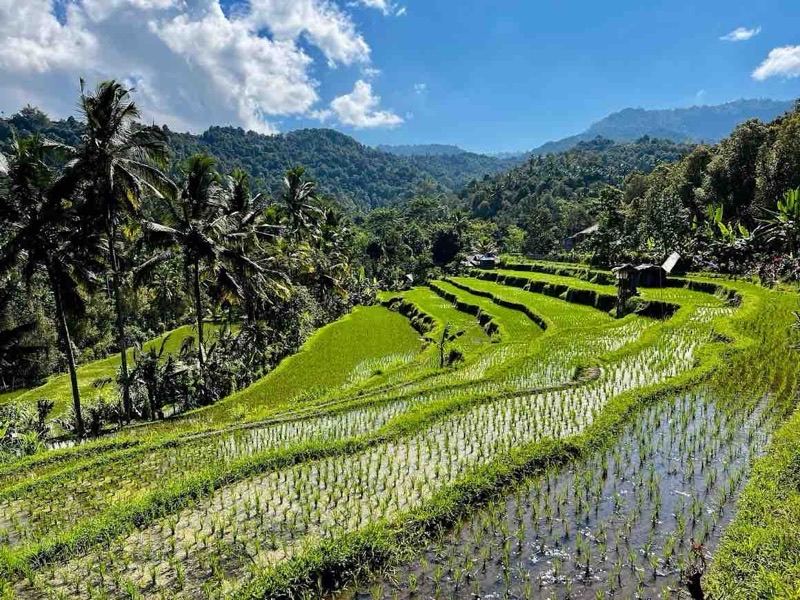
Indonesia
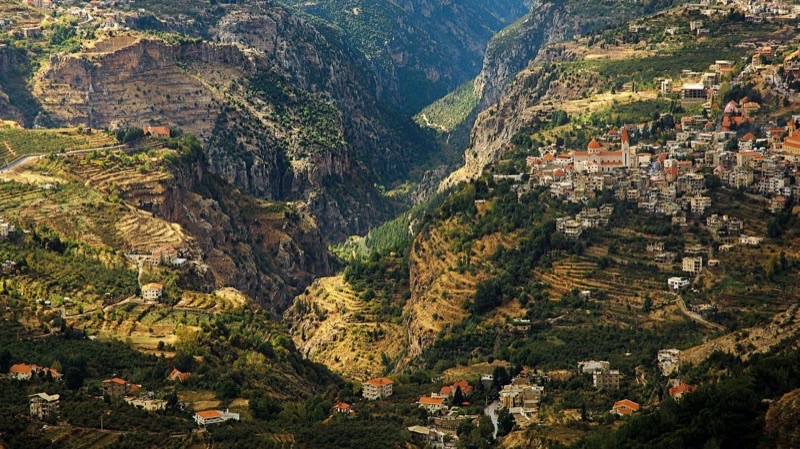
Lebanon
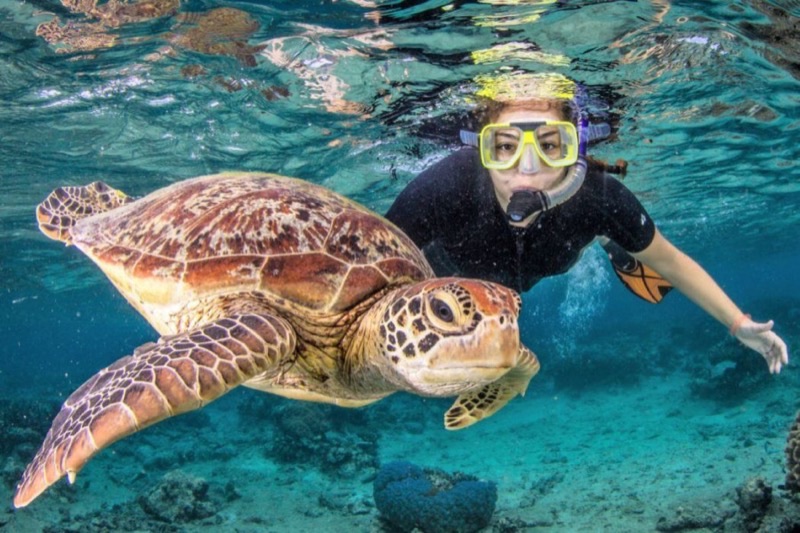
Indonesia is a titan for beach and water activities. Bali offers famous surf spots like Uluwatu and Canggu. Nusa Penida and Nusa Lembongan provide incredible snorkeling and diving with manta rays. The Gili Islands are known for clear water and chill vibes. Raja Ampat in West Papua is arguably the worlds top diving destination, home to immense marine biodiversity. From the pink beach of Komodo to the remote shores of Sumatra, the sheer variety and quality of Indoneisa aquatic environments are unmatched. Dive courses are generally affordable, around 300-400 USD for an Open Water PADI certification.
Lebanon has a Mediterranean coast, with cities like Batroun and Byblos offering public and private beaches. Resorts such as Edde Sands in Byblos or Lazy B in Jiyeh provide amenities, but entry fees can be 15-30 USD. The beaches are often rocky or have coarse sand, not the soft white sands common in Indonesia. Water quality can be inconsistent near major cities. While swimming is possible, organized diving or extensive surfing culture is limited compared to Indonesia. The focus is more on relaxing by the sea rather than active water sports exploration. For true water adventure, Indonesia is the clear choice.
- Winner: Indonesia
- Why: Indonesia offers unparalleled diversity and quality in beaches, diving, surfing, and marine life across thousands of islands.
- Who this matters for: Surfers, divers, snorkelers, beach lovers, sun worshipers.
🏛️ Culture & History
Indonesia presents a mosaic of cultures. Bali is known for its unique Hindu traditions, with temples like Tanah Lot and Ulun Danu Beratan. Java has the ancient Buddhist Borobudur…
Indonesia
Lebanon
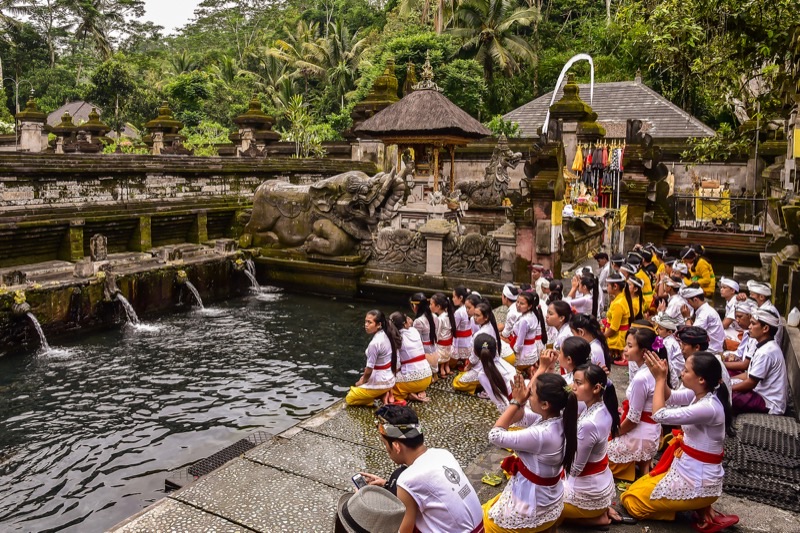
Indonesia presents a mosaic of cultures. Bali is known for its unique Hindu traditions, with temples like Tanah Lot and Ulun Danu Beratan. Java has the ancient Buddhist Borobudur Temple and Hindu Prambanan Temple, massive complexes dating back centuries. Indigenous cultures in places like Torajaland (Sulawesi) or West Papua offer distinct social structures and rituals. Performance arts, batik weaving, and traditional music are integral to daily life. While impressive, many historical sites are temples or palaces, reflecting a different historical lineage than the Middle East.
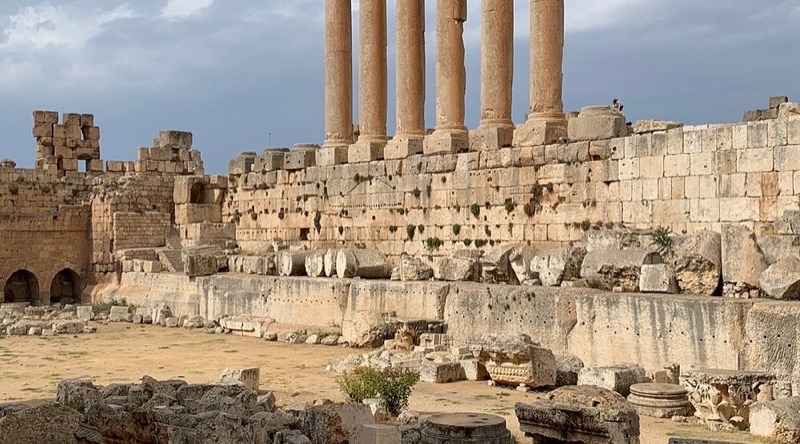
Lebanon offers a layered history from Phoenician, Roman, Byzantine, Crusader, Mamluk, and Ottoman eras. The Baalbek complex features some of the largest and best-preserved Roman temple ruins globally. Byblos is one of the oldest continuously inhabited cities in the world, with Phoenician and Crusader castles. Tyre has Roman hippodromes and necropolis sites. Beirut itself shows Ottoman and French Mandate architecture alongside modern structures. This density of ancient civilizations within a small geographic area is remarkable. The National Museum of Beirut holds artifacts spanning millennia. For history enthusiasts seeking direct evidence of ancient empires, Lebanon provides a more concentrated and impactful experience.
- Winner: Lebanon
- Why: Lebanon boasts an incredible density of ancient Roman, Phoenician, and Crusader historical sites in a compact area.
- Who this matters for: History buffs, archeology enthusiasts, those interested in ancient Mediterranean and Middle Eastern civilizations.
🍽️ Food & Drink
Indonesian food is regional and varied. In Java, try Gudeg, a jackfruit stew, or Bakso, a meatball soup. Bali has Babi Guling (roast pig) and Lawar (vegetable and meat salad).…
Indonesia
Lebanon
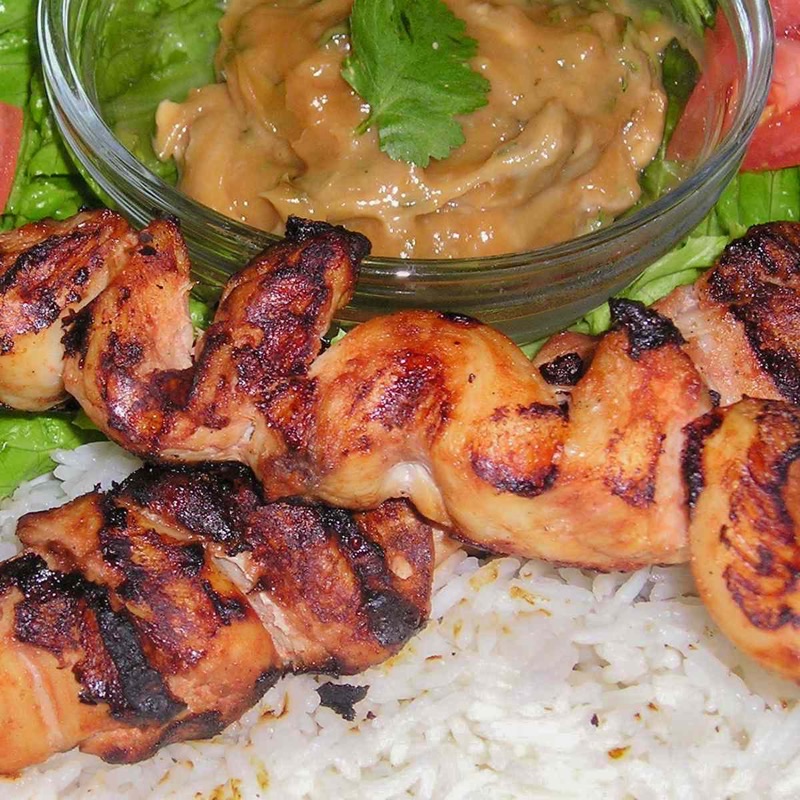
Indonesian food is regional and varied. In Java, try Gudeg, a jackfruit stew, or Bakso, a meatball soup. Bali has Babi Guling (roast pig) and Lawar (vegetable and meat salad). Street food is plentiful and cheap; a meal is often 1-3 USD. Restaurants offer higher-end versions of local dishes. Drinks often include fresh fruit juices and coconut water. Alcohol is available, especially in tourist areas, but can be more expensive outside of specific bars or resorts due to taxes. The focus is on flavorful, often spicy, and aromatic dishes relying on local spices and fresh produce.
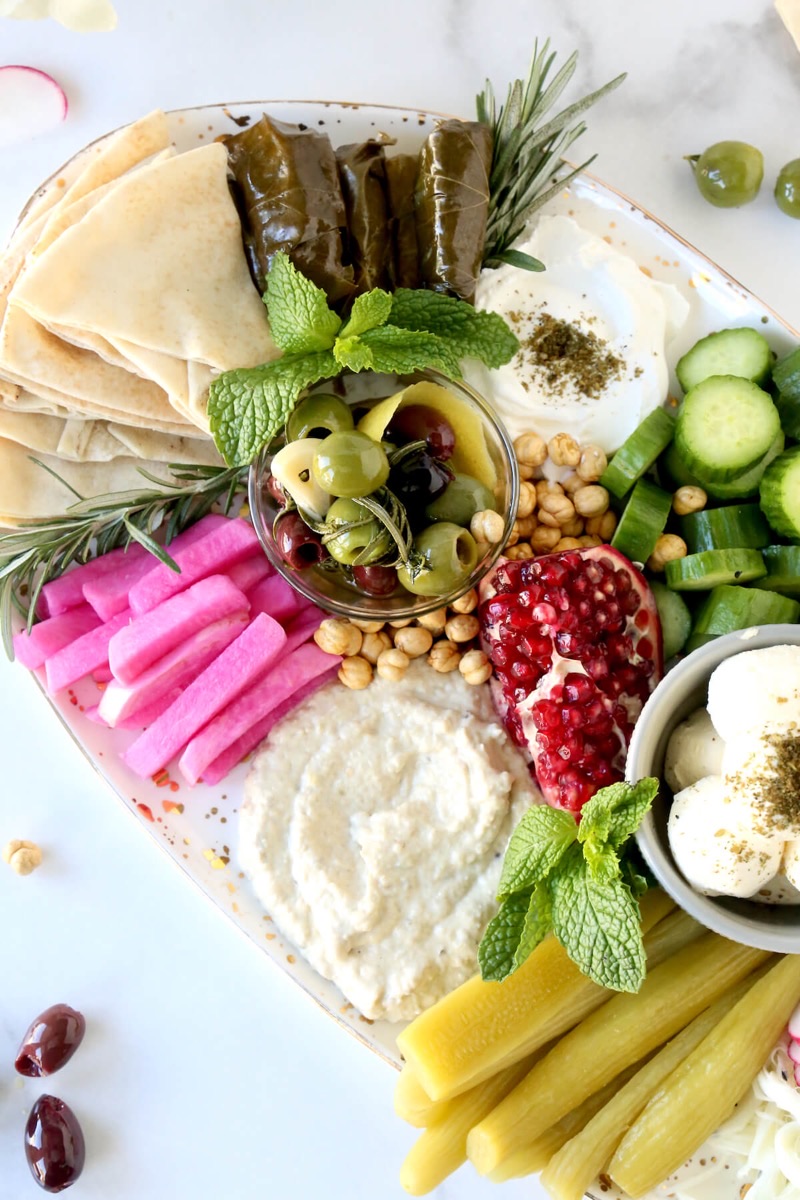
Lebanese cuisine is a highlight. Mezze platters with hummus, baba ghanoush, tabbouleh, fattoush, and kebbeh are staple. Grilled meats like shish taouk and kafta are also prominent. Restaurants in Beirut range from traditional to modern fusion. Places like Tawlet Beirut offer authentic, rotating regional dishes. The wine industry is surprisingly well-developed, with wineries like Chateau Ksara and Chateau Kefraya. Nightlife in Beirut, particularly Gemmayze and Mar Mikhael, features many bars and clubs serving cocktails and local arak. The food scene here feels more refined and globally influenced than Indoneisa, catering to a diverse palate and offering a strong social dining experience. While Indonesian food is comforting and delicious, Lebanon takes the edge for its culinary sophistication and breadth of dining experiences.
- Winner: Lebanon
- Why: Lebanon delivers a world-class, sophisticated culinary experience with diverse mezzes, fine dining, and a strong wine culture.
- Who this matters for: Foodies, gourmands, those who enjoy a refined dining experience and cafe culture.
🌃 Nightlife
Indonesias nightlife is dominated by Bali. Kuta and Seminyak are known for large clubs like Sky Garden and beach clubs such as Potato Head or Finns Beach Club. These venues often…
Indonesia
Lebanon
Indonesias nightlife is dominated by Bali. Kuta and Seminyak are known for large clubs like Sky Garden and beach clubs such as Potato Head or Finns Beach Club. These venues often have international DJs, pool parties, and late closing times. Prices for drinks are reasonable by international standards, with cocktails around 8-12 USD. Ubud offers more relaxed bars and live music. Other islands, like the Gili Islands, have a laid-back bar scene. Jakarta and other major cities also have nightlife options, but Bali is the main draw for tourists seeking vibrant parties.
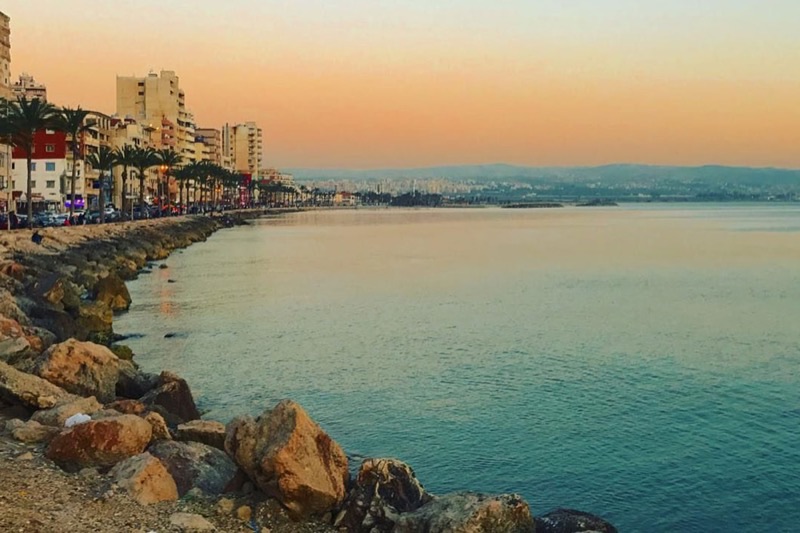
Beirut once held the title of the party capital of the Middle East, and it still offers a lively scene. Areas like Gemmayze and Mar Mikhael are packed with bars and pubs. Clubs on the waterfront or in specific districts attract crowds. Drinks can be expensive, with cocktails often 15-25 USD, making it a pricier night out than Bali. While Beirut definitely has energy, the sheer scale and variety of options in Bali, catering to different moods and budgets, give Indonesia the edge. For many travelers, the easy accessibility and established party infrastructure in Bali are more appealing for a holiday night out.
- Winner: Indonesia
- Why: Bali provides a wider array of nightlife options, from massive beach clubs to laid-back bars, often at more accessible price points.
- Who this matters for: Partygoers, those seeking social evenings, travelers who enjoy a mix of beach clubs and casual bars.
🛡️ Safety & Stability
Indonesia is generally safe for tourists. Petty crime, such as bag snatching, can occur in busy tourist areas like parts of Bali. Natural disasters, including volcanic eruptions…
Indonesia is generally safe for tourists. Petty crime, such as bag snatching, can occur in busy tourist areas like parts of Bali. Natural disasters, including volcanic eruptions and earthquakes, are a reality due to its location on the Pacific Ring of Fire, but monitoring local alerts is usually sufficient. Tsunami warnings are also issued. Health risks include dengue fever, so mosquito protection is important. Road safety, particularly for scooters, requires caution. Millions visit Indonesia each year without incident, making it a statistically safe destination, provided common travel sense is applied.
Lebanon faces ongoing geopolitical and economic challenges. While tourist areas like Beirut, Byblos, and Baalbek are typically safe for visitors, the countrys proximity to regional conflicts and internal political tensions mean the situation can change quickly. Protests can happen, and areas near borders are usually advised against travel. Economic instability can lead to power outages and fuel shortages. Travelers should stay informed via government travel advisories and local news. While many visitors have positive experiences, the risk profile is higher than Indonesia. For general travel comfort and predictability, Indonesia presents a more straightforward safety environment.
- Winner: Indonesia
- Why: Indonesia offers a more predictable and generally safer environment for travelers, with lower geopolitical risks.
- Who this matters for: First-time international travelers, families, solo travelers concerned about regional stability.
✈️ Getting There & Flight Times
Reaching Indonesia, particularly Bali (DPS) or Jakarta (CGK), from major hubs in Europe or North America requires significant travel time. Expect 15-20+ hours, usually with at…
Reaching Indonesia, particularly Bali (DPS) or Jakarta (CGK), from major hubs in Europe or North America requires significant travel time. Expect 15-20+ hours, usually with at least one layover in a Middle Eastern hub (Doha, Dubai) or another Asian city (Singapore, Kuala Lumpur). From London, a flight to Denpasar might be 16 hours. From New York, it could be 20 hours or more. Direct flights are rare for most origins, making the journey an expedition in itself. Flight costs can range from 800-1500 USD depending on the season and booking time.
Lebanons international airport, Beirut Rafic Hariri International Airport (BEY), is more accessible from Europe, with direct flights from cities like Paris (4 hours), London (5 hours), or Frankfurt (4.5 hours). From North America, flights typically involve one layover in Europe or the Middle East, totaling 15-20 hours from New York or Toronto. Flight costs can vary widely, from 600-1200 USD from Europe or 900-1800 USD from North America. While both require substantial travel time from distant origins, Lebanon might feel slightly more accessible for a shorter trip from Europe, while Indonesia is a longer haul for almost everyone. Given the similar long-haul times from major global origins, it is a tie.
- Winner: Tie
- Why: Both destinations require significant travel time from major global hubs, making neither a clear winner in terms of ease of access.
- Who this matters for: Travelers from all major continents, as both require considerable transit.
🛵 Getting Around
Indonesia offers varied transport options depending on the island. In Bali, scooters are the primary method for short distances, costing around 50,000-80,000 IDR (3-5 USD) per…
Indonesia offers varied transport options depending on the island. In Bali, scooters are the primary method for short distances, costing around 50,000-80,000 IDR (3-5 USD) per day. Ride-hailing apps like Grab and Gojek are widely available for cars and scooter taxis, offering cheap and convenient travel. For inter-island travel, domestic flights with airlines like Lion Air, Garuda Indonesia, or AirAsia are essential for covering large distances. Ferries connect closer islands. Bemo (minivans) serve local routes. The infrastructure supports extensive exploration.
Lebanon is a compact country, making internal travel relatively straightforward. Shared taxis, known as 'service,' are an economical way to travel between cities or within Beirut, costing a few USD per ride. Private taxis are also common but pricier. Rental cars are available for independent exploration, though Beirut traffic is notorious. There is no extensive rail network. The countrys small size means you can drive from Beirut to Byblos or Baalbek within 1-2 hours. While Lebanon offers efficient road travel for its size, Indonesia provides a greater variety of transport methods suited to its diverse geography, particularly the necessary inter-island connectivity that enables more extensive multi-location trips.
- Winner: Indonesia
- Why: Indonesia offers a greater variety of effective transport options, from cheap scooters and ride-hailing to essential inter-island flights.
- Who this matters for: Independent travelers, those planning to visit multiple regions or islands, people who enjoy self-guided exploration.
🏞️ Nature & Landscapes
Indonesias natural environment is incredibly diverse. You can hike active volcanoes like Mount Bromo and Mount Ijen in Java, known for their crater lakes and sunrise views.…
Indonesias natural environment is incredibly diverse. You can hike active volcanoes like Mount Bromo and Mount Ijen in Java, known for their crater lakes and sunrise views. Sumatra and Borneo are home to rainforests with orangutans. Komodo National Park harbors Komodo dragons. The coral reefs in Raja Ampat, Bunaken, and elsewhere are among the worlds most biodiverse. Waterfalls, rice terraces (Ubud), and pristine beaches are abundant. This range of ecosystems, from high mountains to deep seas, makes it a nature lovers paradise. The scale of natural offerings is vast, allowing for weeks of exploration without seeing the same thing twice.
Lebanon offers a different kind of natural beauty. The Qadisha Valley is a UNESCO site with ancient cedar trees (Cedars of God) and monasteries carved into cliffs. Mountains like Mount Sannine provide hiking opportunities and even skiing in winter at resorts such as Faraya Mzaar. The Jeita Grotto is a impressive cave system with stalactites and stalagmites. The coastline features picturesque coves and rocky shores. While beautiful, Lebanon does not possess the same scale, biodiversity, or sheer variety of natural wonders as Indonesia. It offers specific, concentrated natural attractions, but Indonesia offers an entire planet of ecosystems within one country.
- Winner: Indonesia
- Why: Indonesia offers a vastly superior range of natural landscapes, including volcanoes, rainforests, coral reefs, and unique wildlife.
- Who this matters for: Nature photographers, hikers, wildlife enthusiasts, divers, adventurers seeking diverse outdoor experiences.
🏨 Accommodation
Indonesia boasts an incredible range of accommodation for all budgets. In Bali, you can find hostels for 7-15 USD per night, comfortable guesthouses with pools for 25-50 USD, and…
Indonesia boasts an incredible range of accommodation for all budgets. In Bali, you can find hostels for 7-15 USD per night, comfortable guesthouses with pools for 25-50 USD, and private villas with staff for 100-300 USD. Luxury resorts like Mandapa, a Ritz-Carlton Reserve in Ubud, cater to high-end travelers. Even on less developed islands, homestays offer authentic experiences for minimal cost, sometimes as low as 10-20 USD. The sheer volume and variety, combined with competitive pricing, mean travelers can find exactly what they need, often with excellent service.
Lebanon offers good quality hotels, particularly in Beirut, Byblos, and other tourist centers. Boutique hotels are common in Beirut, with prices typically starting around 80-150 USD per night for a mid-range option. Luxury hotels can easily exceed 200 USD. Outside of major cities, options might be more limited to guesthouses or smaller hotels. While the quality is often good, the price-to-value ratio is generally lower compared to Indonesia. Budget accommodation like hostels is less prevalent and might still cost 30-50 USD. For travelers seeking extensive choice, competitive pricing, and a wide array of styles from basic to ultra-luxurious, Indonesia holds a significant advantage.
- Winner: Indonesia
- Why: Indonesia provides a far broader selection of accommodation types and price points, offering exceptional value and luxury across all budget ranges.
- Who this matters for: All travelers, but especially those on a budget or seeking luxury villas at competitive prices.
🎯 The Decision Framework
Choose Indonesia If…
- You want extensive island hopping and long-term travel.
- You dream of world-class diving and surfing.
- You seek dramatic volcanic landscapes and lush rainforests.
- Your budget is 45-75 USD per day for comfortable travel.
- You enjoy delicious, affordable street food and local markets.
- You want to explore diverse cultural traditions beyond a single faith.
- You prioritize a generally predictable and relaxed travel environment.
- You desire a vast selection of accommodation, from hostels to private villas.
Choose Lebanon If…
- You are deeply interested in ancient Roman, Phoenician, and Crusader history.
- You crave sophisticated Levantine cuisine and a thriving cafe culture.
- You prefer a compact country for easy day trips to major sites.
- You appreciate a lively, modern capital city with a good nightlife scene.
- Your daily budget is 85-160 USD or more.
- You want to experience skiing in winter mountains.
- You enjoy exploring historical cities like Byblos and Tyre.
- You seek a travel experience with a distinct blend of Mediterranean and Middle Eastern influences.
📅 Sample Itineraries
Weekend in Indonesia (3 Days)
💡 Book Grab or GoJek rides in Bali to avoid overpaying for taxis; a short ride typically costs $1-3.
Weekend in Lebanon (3 Days)
💡 Negotiate taxi fares in Beirut before starting your journey, as meters are rarely used. A typical short ride costs $5-7.
One Week in Indonesia (7 Days)
💡 When traveling between islands, book your fast boat tickets in advance, especially during peak season, which can save you $5-10 and ensure availability.
One Week in Lebanon (7 Days)
💡 Consider renting a car or hiring a driver for multi-day trips outside Beirut, as public transport can be less convenient. A car rental typically costs $30-50 per day.
❓ Frequently Asked Questions
What are typical flight times from North America to Indonesia versus Lebanon?
Flights from major North American cities to Indonesia (e.g., Bali or Jakarta) typically range from 18-24 hours with one or two layovers. To Lebanon (Beirut), flights are usually 15-20 hours with one layover, often in Europe or the Middle East.
What is the best time to visit Indonesia and Lebanon?
The best time to visit Indonesia is during its dry season, from April to October, with July and August being peak. For Lebanon, spring (April-May) and autumn (September-October) offer pleasant weather for sightseeing. Summers are hot but popular for beaches, and winters allow for skiing.
Are there significant visa differences for US citizens visiting these countries?
US citizens can obtain a Visa on Arrival for Indonesia, valid for 30 days, extendable once. For Lebanon, US citizens can also typically get a free Visa on Arrival, valid for one month and extendable, though always check current requirements before travel.
How do the transport networks compare for internal travel?
Indonesia relies heavily on domestic flights for inter-island travel, supplemented by buses, ferries, and cheap ride-hailing apps (Grab/Gojek). Lebanon, a smaller country, uses a network of shared taxis ('service') and private taxis; driving between main attractions is quick by car or taxi.
Can I combine a trip to Indonesia and Lebanon?
Combining these two countries is challenging due to their significant geographic distance and flight times. It would require at least 3-4 weeks of travel and substantial flight costs, making it more practical to plan two separate trips.
What are the language barriers like in each country?
In Indonesia, Bahasa Indonesia is the national language, but English is widely spoken in tourist areas like Bali. In Lebanon, Arabic is the official language, but French and English are very commonly spoken, especially in Beirut and among younger generations.
Which country is better for solo female travelers?
Indonesia is generally considered more straightforward for solo female travelers, particularly in well-trodden tourist areas like Bali, due to its established tourist infrastructure and lower perceived risk. Lebanon can be welcoming but requires more awareness of local customs and regional dynamics.
What are typical internet and connectivity options?
Both countries offer good internet connectivity in urban and tourist areas. In Indonesia, local SIM cards (Telkomsel, XL Axiata) are cheap and provide good 4G coverage. In Lebanon, local SIM cards (Alfa, Touch) are available, but internet can be slightly slower and more expensive, with power outages sometimes affecting connectivity.
Ready to plan your next adventure?
Get a free custom itinerary for Indonesia, Lebanon, or both — built from real traveler insights.
👥 Travelers Also Compared
🎟️ Book Tours & Experiences
Hand-picked tours and activities for both destinations — book with free cancellation
Experiences via Viator — free cancellation on most tours