How we built this comparison
This page combines traveler discussion patterns, published price ranges, flight schedules, and seasonal data to help you decide between Ireland and New Zealand.
- Reviewed 100+ Reddit threads from r/travel, r/solotravel, r/irelandtravel, r/newzealand for authentic traveler experiences.
- Verified costs and logistics against current booking platforms (e.g., Google Flights, Booking.com, Hostelworld, car rental sites).
- Cross-referenced seasonal patterns, weather data, and major event calendars to provide accurate timing advice.
⚡ Quick Answers
⚡ The TL;DR Verdict
For most travelers seeking a cultural road trip without crossing the globe, Ireland presents a more accessible and often more affordable option. New Zealand is a commitment, demanding a larger budget and time investment for its unique natural settings. Pick Ireland for history and hospitality; choose New Zealand for dramatic scenery and outdoor activities.
- Choose Ireland: Travelers prioritizing history, pub culture, relatively short flights from North America or Europe, and a more moderate budget for a road trip.
- Choose New Zealand: Adventure seekers, nature photographers, and those with a higher budget and extended time for long-haul travel to see mountains, fjords, and glaciers.
- Choose Both: If you have several months and a substantial budget, both offer distinct experiences, but doing them back-to-back is logistically complex due to distance.
Choose Ireland
Choose Ireland if you dream of quaint villages, ancient castles like Blarney, and warm pub welcomes in Dublin or Galway. It's perfect for a cultural road trip without breaking the bank or requiring extensive travel time from the Northern Hemisphere. Ideal for those who value rich history, folklore, and friendly locals over extreme adventure.
Choose New Zealand
Opt for New Zealand if you crave unparalleled natural drama and high-octane adventure, from hiking the stunning fjords of Milford Sound to bungy jumping in Queenstown. This destination is for intrepid travelers with a generous budget and extended time to fully immerse in its majestic landscapes, including glaciers and geothermal marvels.
📊 Visual Scorecard
🌤 When to Visit
Average high temperatures (°C). Green = best months, orange = avoid.
Quick Comparison
| Category | Ireland | New Zealand | Winner |
|---|---|---|---|
| Costs & Budget | Moderate daily expenses, cheaper flights from many regions. | Higher daily expenses, significantly more expensive long-haul flights. | Ireland |
| Nature & Scenery | Rolling green hills, dramatic sea cliffs, ancient forests. | Towering mountains, glaciers, fjords, volcanic landscapes, diverse beaches. | New Zealand |
| Culture & History | Ancient Celtic history, medieval castles, literary heritage, pub traditions. | Maori heritage, Polynesian influences, colonial history, modern outdoor culture. | Ireland |
| Food & Drink | Hearty pub fare, fresh seafood, local stouts, whiskey. | Fresh produce, lamb, seafood, coffee culture, wine regions. | Ireland |
| Getting There | Relatively short flights from North America and Europe. | Very long-haul flights, often with connections, from most major hubs. | Ireland |
| Getting Around | Compact for road trips, good public transport in cities, driving on left. | Excellent for road trips, varied terrain, driving on left, domestic flights cover distances. | Tie |
| Accommodation | B&Bs, hotels, hostels, guesthouses. Pubs often have rooms. | Hostels, motels, holiday parks, unique stays. Good for campervans. | Ireland |
| Adventure & Activities | Hiking, cycling, sea kayaking, surfing on specific coasts. | Bungy jumping, skydiving, rafting, glacier hiking, extensive hiking trails. | New Zealand |
| Weather & Seasons | Temperate, rainy, mild winters, warm but inconsistent summers. | Varied, temperate north, alpine south, distinct seasons, opposite to Northern Hemisphere. | Tie |
| Safety & Travel Experience | Generally safe, friendly locals, some petty crime in cities. | Extremely safe, welcoming, strong outdoors safety culture. | New Zealand |
💰 Costs & Budget
Ireland generally offers a more budget-friendly experience, primarily due to flight costs. A round-trip flight from New York to Dublin can be found for $500-800 off-peak, while…
Ireland
New Zealand
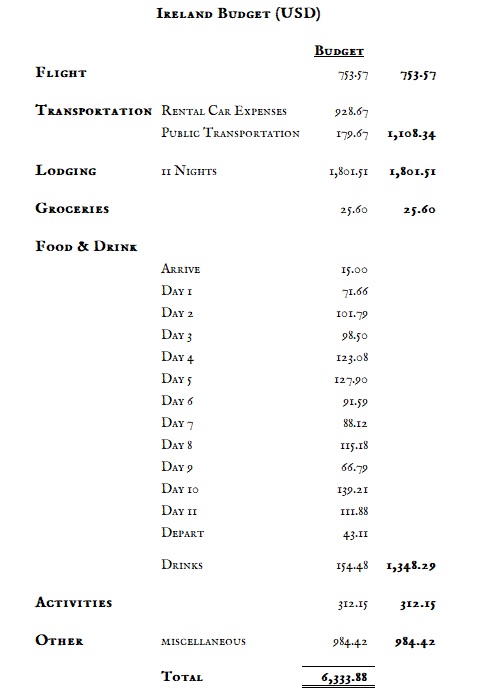
Ireland generally offers a more budget-friendly experience, primarily due to flight costs. A round-trip flight from New York to Dublin can be found for $500-800 off-peak, while from Los Angeles to Auckland, expect $1200-1800 or more. Daily expenses in Ireland are manageable: a hostel bed in Dublin is about €30-50 ($33-55 USD), a pub meal with a pint around €20-25 ($22-28 USD). Renting a car costs about €40-60 ($44-66 USD) per day. A mid-range traveler might spend $100-150 USD per day for accommodation, food, and some activities.
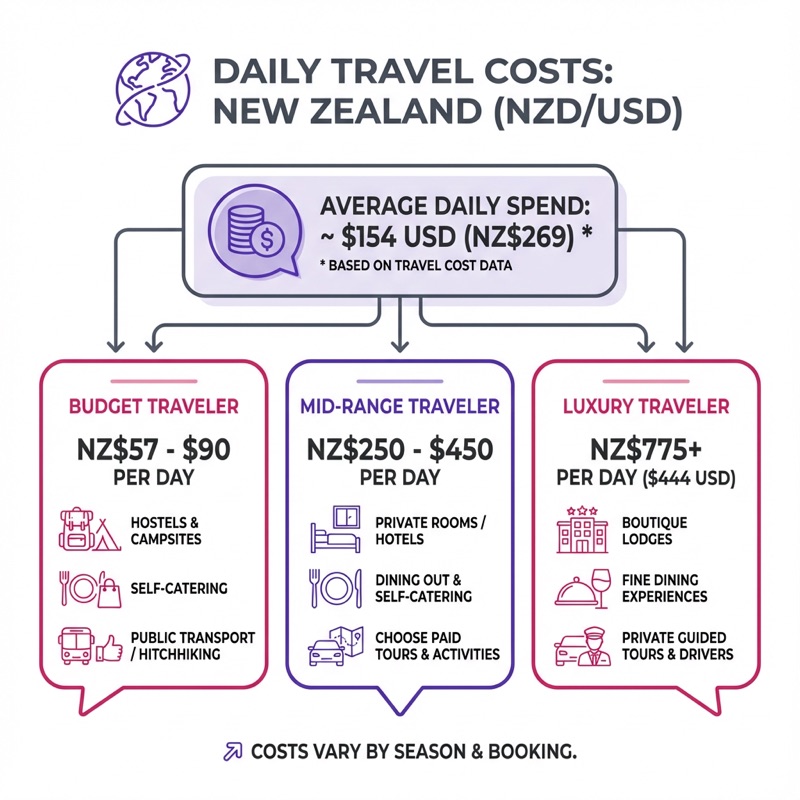
New Zealand requires a more significant financial commitment. Hostel beds in Auckland or Queenstown are NZD $35-60 ($21-36 USD), but activities like bungy jumping (NZD $200-300 / $120-180 USD) or glacier hikes (NZD $250-400 / $150-240 USD) add up quickly. Groceries are comparable, but eating out is generally pricier. Car rentals are NZD $50-80 ($30-48 USD) per day. A mid-range daily budget for New Zealand is closer to $120-180 USD, not including major adventure activities. Ireland takes this category for overall accessibility and lower barrier to entry.
- Winner: Ireland
- Why: Ireland is significantly cheaper to fly to for many travelers and has more moderate daily travel costs.
- Who this matters for: Budget-conscious travelers and those with limited vacation time.
🏞️ Nature & Scenery
Ireland presents a landscape of soft green hills, rugged coastline, and ancient sites. The Cliffs of Moher offer sea views, and the Ring of Kerry provides coastal drives with…
Ireland
New Zealand
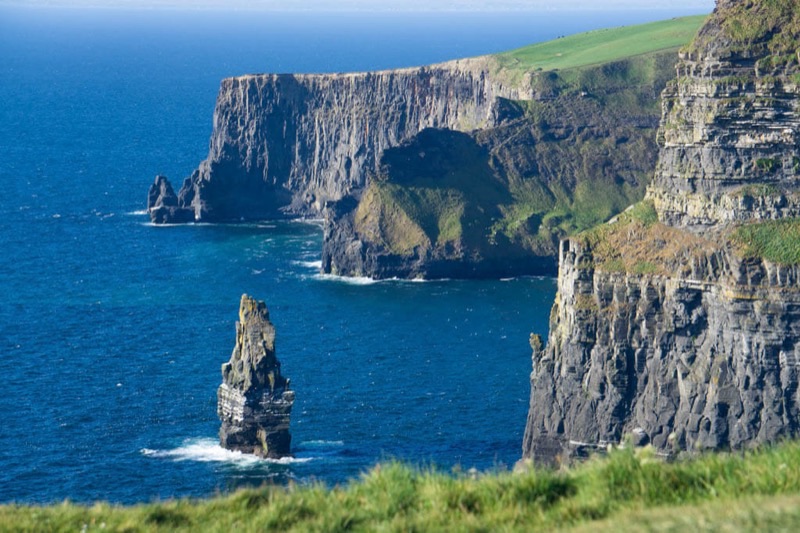
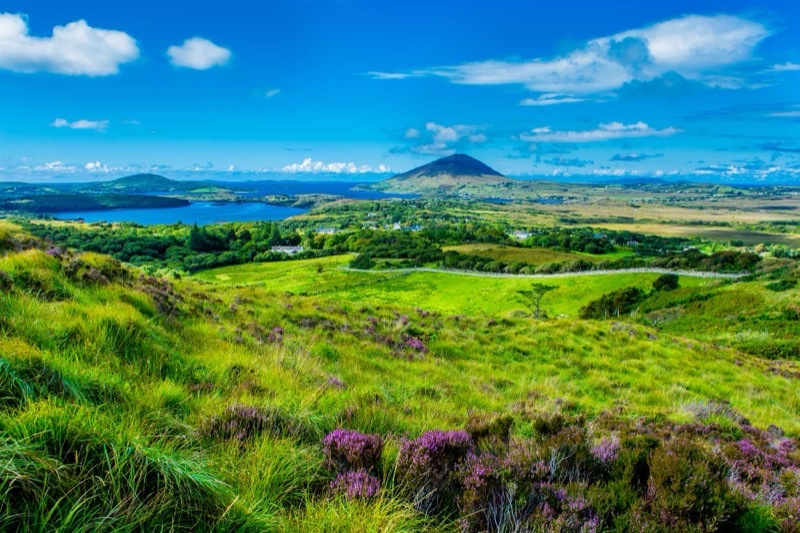
Ireland presents a landscape of soft green hills, rugged coastline, and ancient sites. The Cliffs of Moher offer sea views, and the Ring of Kerry provides coastal drives with small towns. Killarney National Park has lakes and woodlands suitable for walking. The Burren features a unique karst landscape. While pretty, the variations are less extreme. The scale feels contained, offering a comforting, familiar green expanse, perfect for leisurely drives and exploring old ruins like those at the Rock of Cashel.
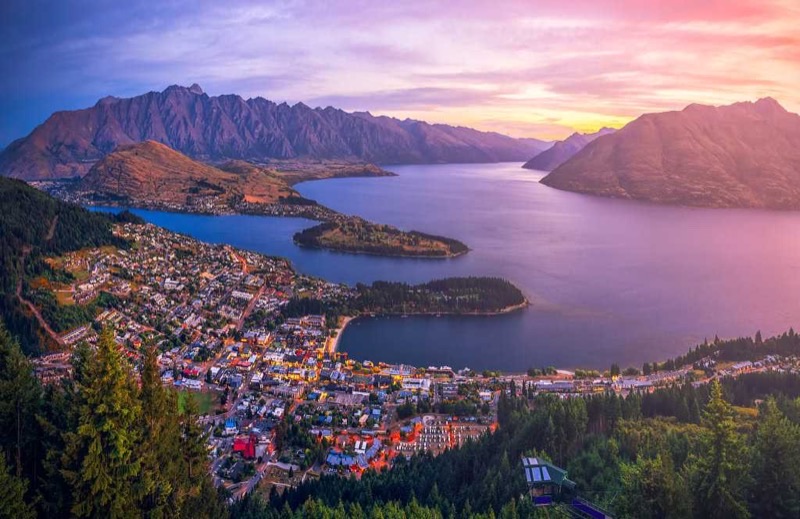
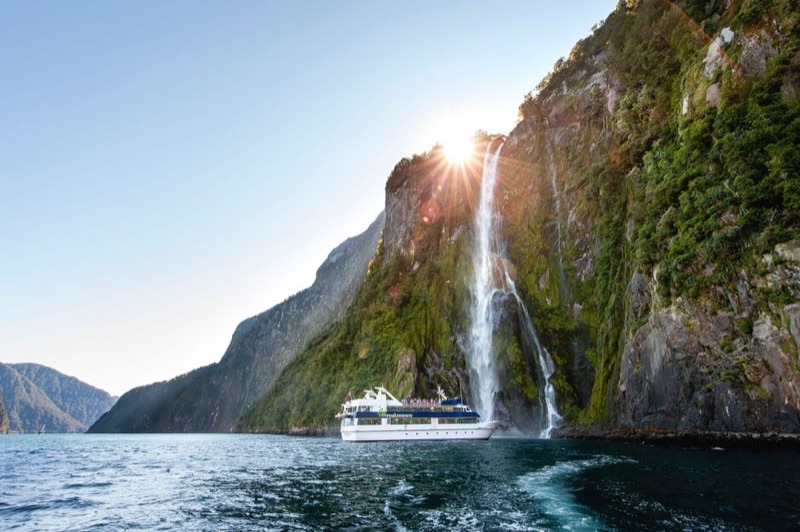
New Zealand offers a level of natural drama few places match. From the Southern Alps piercing the sky, to the glaciers of Fox and Franz Josef, to the fjords of Milford Sound and Doubtful Sound, the scenery is consistently awe-inspiring. Rotorua showcases geothermal activity with geysers and mud pools, while the Bay of Islands provides subtropical beaches. Hiking the Tongariro Alpine Crossing or kayaking Abel Tasman National Park presents landscapes of immense scale and variety. New Zealand wins for sheer geological diversity and visual impact.
- Winner: New Zealand
- Why: New Zealand offers a wider range of dramatic, untouched, and geologically diverse natural landscapes.
- Who this matters for: Outdoor enthusiasts, hikers, photographers, and those seeking truly epic vistas.
📜 Culture & History
Ireland lives and breathes history, from prehistoric sites like Newgrange (dating to 3200 BC) to medieval castles like Bunratty and Blarney Castle. Dublin offers a wealth of…
Ireland
New Zealand
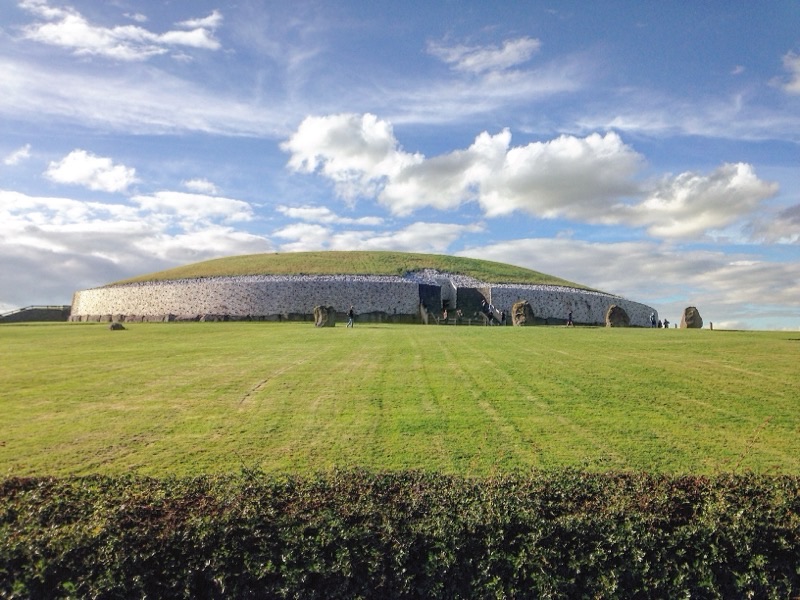
Ireland lives and breathes history, from prehistoric sites like Newgrange (dating to 3200 BC) to medieval castles like Bunratty and Blarney Castle. Dublin offers a wealth of museums, including the National Museum of Ireland and Kilmainham Gaol, recounting its complex past. The pub is central to Irish social life, a place for music (trad sessions), storytelling, and community. Literary figures like James Joyce and W.B. Yeats are celebrated. The cultural immersion is readily accessible and deeply ingrained in daily life, with a strong sense of national identity and folklore.
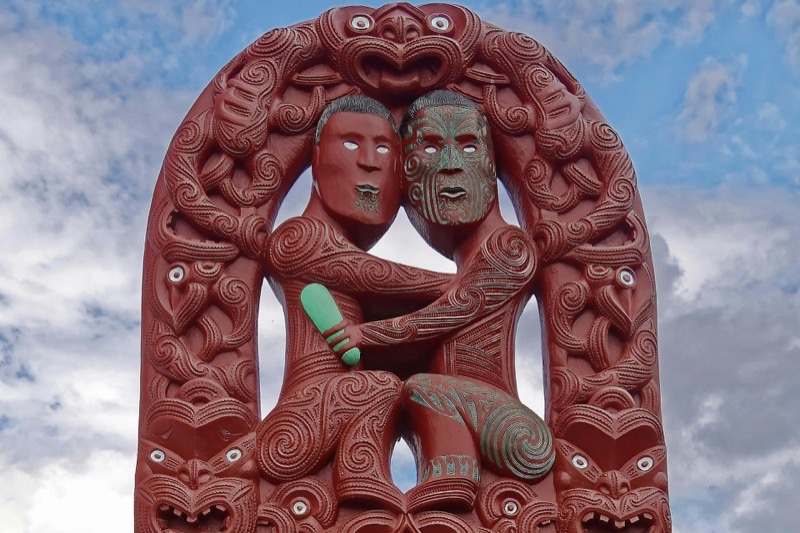
New Zealand possesses a newer, distinct history. Its indigenous Maori culture is a foundational element, expressed through haka performances, marae visits, and museums like Te Papa in Wellington. Polynesian migration and European colonization shape its modern identity. While there are historical sites like the Waitangi Treaty Grounds, the focus is less on ancient ruins and more on understanding a living indigenous culture and recent colonial developments. The country fosters a culture around outdoor pursuits, adventure sports, and a relaxed, egalitarian attitude. Ireland edges out New Zealand for its ancient roots and pervasive historical presence.
- Winner: Ireland
- Why: Ireland offers a longer, more tangible, and more widely accessible historical narrative and cultural traditions.
- Who this matters for: History buffs, those interested in ancient civilizations, literature, and traditional social customs.
🍻 Food & Drink
Irish food leans into comfort and locally sourced ingredients. Expect excellent pub grub such as Irish stew, soda bread, and fish and chips. Seafood is a highlight, especially…
Ireland
New Zealand
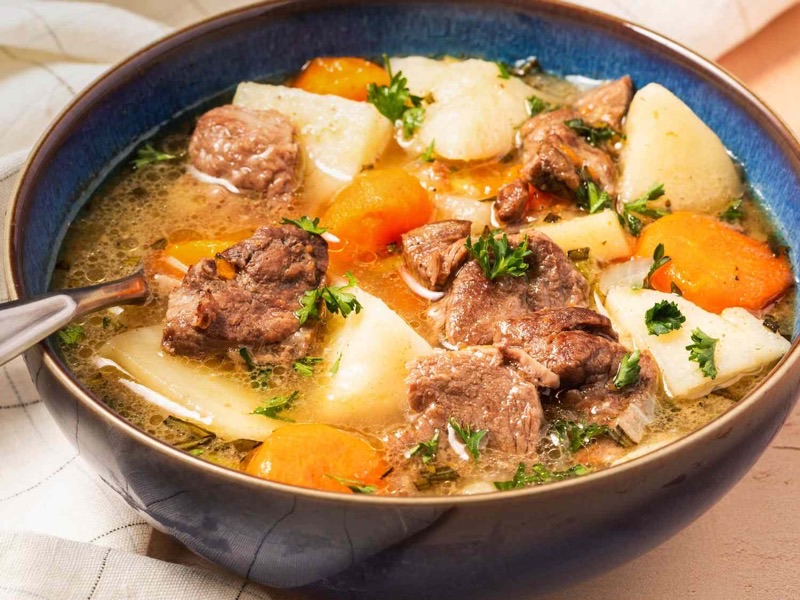
Irish food leans into comfort and locally sourced ingredients. Expect excellent pub grub such as Irish stew, soda bread, and fish and chips. Seafood is a highlight, especially along the coast, with fresh oysters and salmon. Of course, Guinness stout is ubiquitous, costing around €6-7 ($6.50-7.50 USD) a pint in Dublin, and Irish whiskey distilleries like Jameson and Teeling offer tours and tastings. While not considered a culinary hotspot by some, the quality of traditional meals and the atmosphere of a good pub meal are central to the experience. For a solid meal at a pub like The Brazen Head, expect to pay around €18-25 ($20-28 USD).
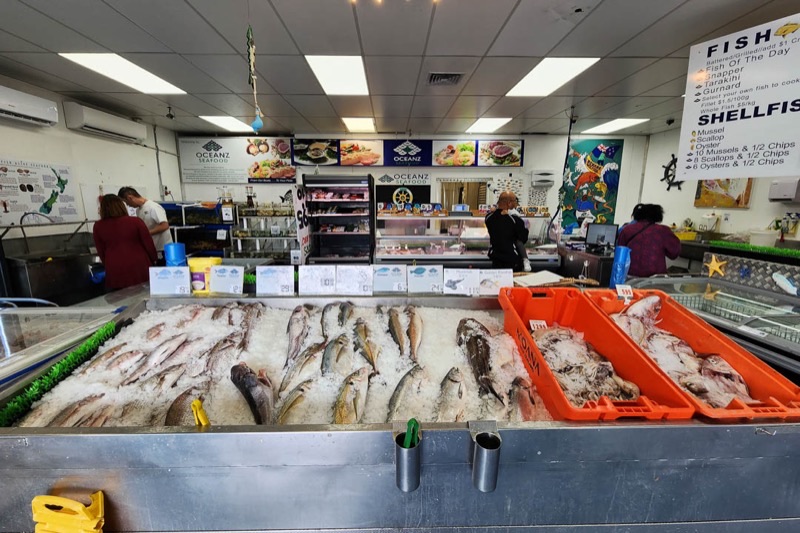
New Zealand food is fresh, with a strong emphasis on lamb, seafood (like green-lipped mussels), and local produce. Its coffee culture is robust, with excellent cafes found everywhere. Wine regions like Marlborough (Sauvignon Blanc) and Central Otago (Pinot Noir) are significant draws for enthusiasts. A flat white in a cafe costs about NZD $5-6 ($3-3.60 USD). A casual restaurant meal might be NZD $25-40 ($15-24 USD). While the produce is excellent and the wine regions appealing, Ireland wins for the specific, embedded experience of its pub culture and its iconic beverages, which are integral to a visit.
- Winner: Ireland
- Why: Ireland wins due to its iconic pub culture, traditional hearty meals, and world-renowned stout and whiskey, which are a core part of the travel experience.
- Who this matters for: Travelers who prioritize social drinking experiences, traditional comfort food, and iconic local beverages.
✈️ Getting There
Getting to Ireland is straightforward for many international travelers. Direct flights from major North American cities like New York (JFK) or Boston (BOS) to Dublin (DUB) are…

Ireland

New Zealand
Getting to Ireland is straightforward for many international travelers. Direct flights from major North American cities like New York (JFK) or Boston (BOS) to Dublin (DUB) are typically 6-7 hours. From London (LHR) or other European hubs, flights are 1-2 hours. This makes Ireland an accessible choice for shorter trips or for those who prefer to minimize travel time. Prices can be quite competitive, with off-peak round trips from the East Coast US often under $700 USD, sometimes as low as $400-500 USD with budget carriers like Aer Lingus or Ryanair (connecting via Europe).
Reaching New Zealand is a commitment, primarily due to its remote location. Flights from North America (e.g., Los Angeles LAX) to Auckland (AKL) are typically 12-14 hours direct, but often involve layovers, extending total travel time to 18-24 hours. From Europe, journeys can easily exceed 24-30 hours with multiple stops. The cost is also significantly higher; expect round trips from the US to be in the $1200-1800+ USD range, and from Europe potentially $1800-2500+ USD. This makes New Zealand less suitable for shorter trips and requires a greater time and financial investment. Ireland is the clear victor in terms of ease and cost of access.
- Winner: Ireland
- Why: Ireland is significantly closer and more affordable to reach for a larger portion of global travelers, particularly from North America and Europe.
- Who this matters for: Travelers with limited time off, those on a stricter travel budget, and those who dislike long-haul flights.
🚗 Getting Around
Ireland is well-suited for road trips, allowing exploration of its smaller towns, coastal routes like the Wild Atlantic Way, and ancient sites. The country is relatively compact,…
Ireland is well-suited for road trips, allowing exploration of its smaller towns, coastal routes like the Wild Atlantic Way, and ancient sites. The country is relatively compact, making it possible to cover a lot of ground in a week or two. Roads outside of major cities can be narrow and winding, requiring careful driving. Public transport, including buses (Bus Éireann) and trains (Irish Rail), connects major towns and cities, but a car offers the most freedom for rural exploration. Remember, driving is on the left side of the road. Car rental for a week can average €280-420 ($300-450 USD).
New Zealand is also ideal for road trips, with well-maintained roads and varied scenery. The two main islands mean you will likely need to factor in an inter-island ferry (NZD $60-80 / $36-48 USD for a passenger, more for a car) or a domestic flight. Distances can be substantial, so planning is essential. Like Ireland, driving is on the left. Campervan travel is extremely popular, offering flexibility for accommodation and cooking. Domestic flights are efficient for covering long distances, for example, Auckland to Queenstown costs around NZD $80-150 ($48-90 USD). Car rental for a week averages NZD $350-560 ($210-330 USD). Both countries offer excellent road trip potential, with New Zealand offering more dramatic driving terrain, leading to a tie in this category.
- Winner: Tie
- Why: Both countries offer excellent road trip experiences, with similar driving challenges (left-hand drive) and good infrastructure for exploration.
- Who this matters for: Travelers who enjoy self-driving adventures and exploring at their own pace.
🏨 Accommodation
Ireland offers a wide array of accommodation, with a strong tradition of welcoming bed and breakfasts (B&Bs) that provide a personal touch and a full Irish breakfast. Expect B&Bs…
Ireland offers a wide array of accommodation, with a strong tradition of welcoming bed and breakfasts (B&Bs) that provide a personal touch and a full Irish breakfast. Expect B&Bs to cost €80-120 ($88-132 USD) per night. Hotels in cities like Dublin range from €120 ($132 USD) for a mid-range option to €200+ ($220+ USD) for upscale. Hostels are plentiful and generally clean, costing €30-50 ($33-55 USD) per night. Many pubs outside of major cities also offer comfortable rooms above the establishment, adding to the cultural experience. Booking ahead is always advisable, especially during peak season.
New Zealand also has a good range of accommodation options, with hostels and motels being popular choices for budget to mid-range travelers. Hostels are NZD $35-60 ($21-36 USD), motels NZD $100-180 ($60-108 USD). Holiday parks are a popular option for those with campervans or looking for cabins, offering shared facilities. There are also many unique stays, from eco-lodges to farm stays, particularly outside the main cities. However, the prevalence and charm of the Irish B&B, combined with the option of staying above a pub, give Ireland a slight edge for a more culturally embedded accommodation experience at various price points.
- Winner: Ireland
- Why: Ireland provides a more distinctive and culturally integrated accommodation experience through its numerous charming B&Bs and pub guesthouses.
- Who this matters for: Travelers seeking local hospitality and characterful lodging options beyond standard hotels and hostels.
🧗 Adventure & Activities
Ireland offers outdoor activities that generally lean towards scenic walks, cycling, and some water sports. Hiking in national parks like Killarney or along coastal paths like the…
Ireland offers outdoor activities that generally lean towards scenic walks, cycling, and some water sports. Hiking in national parks like Killarney or along coastal paths like the Causeway Coastal Route is popular. Surfing is possible in places like Lahinch or Bundoran, though conditions are cooler. Sea kayaking along the coast, for instance in West Cork, allows for close-up views of cliffs. While these activities are enjoyable, they are typically less extreme and more focused on appreciating the natural environment at a moderate pace.
New Zealand is synonymous with adventure. Queenstown is often called the 'adventure capital of the world,' offering bungy jumping, skydiving, whitewater rafting, and jet boating. Glacier hiking on Franz Josef or Fox Glacier, multi-day treks like the Milford Track or Routeburn Track, and caving in Waitomo are all major draws. The range and intensity of adventure sports here are unmatched, with extensive infrastructure to support these activities. Even less extreme activities, like exploring the Abel Tasman National Park by kayak, offer a greater sense of immersion in a wild setting. New Zealand is the undeniable winner for adventure seekers.
- Winner: New Zealand
- Why: New Zealand offers a vastly superior and more diverse range of high-adrenaline adventure sports and world-renowned multi-day hiking experiences.
- Who this matters for: Adrenaline junkies, serious hikers, and those seeking a trip filled with thrilling outdoor challenges.
☀️ Weather & Seasons
Ireland has a temperate maritime climate, characterized by mild winters and cool summers. Rain is frequent throughout the year, so packing layers and a waterproof jacket is…
Ireland has a temperate maritime climate, characterized by mild winters and cool summers. Rain is frequent throughout the year, so packing layers and a waterproof jacket is essential no matter the season. Summers (June-August) see average temperatures of 15-20°C (59-68°F) and the longest daylight hours, but sunshine is not guaranteed. Winters (December-February) are mild, rarely dropping below freezing, with averages around 5-8°C (41-46°F). The shoulder seasons (April-May, September-October) often provide pleasant weather with fewer crowds. The green landscape is a direct result of the consistent moisture.
New Zealand's weather is far more varied due to its length and mountainous terrain. The North Island has a more temperate, subtropical climate, while the South Island has an alpine climate with colder winters and warmer, drier summers. Summers (December-February) are warm, often 20-30°C (68-86°F) in many areas, ideal for beaches and hiking. Winters (June-August) bring snow to the Southern Alps, making it a ski destination, with temperatures often below 0°C (32°F) in the south. This means New Zealand offers both summer and winter sports depending on the season and region. Both countries have their weather challenges and appeals, leading to a tie based on individual preference for climate type and activities.
- Winner: Tie
- Why: Both countries offer distinct weather patterns suitable for different types of travel, with Ireland being consistently mild and New Zealand offering dramatic seasonal variations.
- Who this matters for: Travelers with specific climate preferences (e.g., snow sports vs. mild green landscapes) and those planning trips around specific seasonal activities.
⛑️ Safety & Travel Experience
Ireland is a safe country for travelers, with low rates of violent crime. As in any major city, petty crime like pickpocketing can occur in tourist areas of Dublin or Galway, so…
Ireland is a safe country for travelers, with low rates of violent crime. As in any major city, petty crime like pickpocketing can occur in tourist areas of Dublin or Galway, so exercising standard precautions is wise. The locals are generally welcoming and hospitable, known for their friendliness. Roads are well-maintained but can be narrow in rural areas, requiring alert driving. The overall travel experience is relaxed and social, with a strong emphasis on cultural immersion in pubs and historical sites. Solo female travelers often report feeling comfortable and secure.
New Zealand consistently ranks as one of the safest countries in the world. Crime rates are very low, and travelers can generally feel secure across both islands. The primary safety concerns often relate to outdoor activities and the natural environment – understanding weather changes in the mountains, proper gear for hikes, and respecting ocean conditions. There is a strong safety culture around adventure sports, with regulated operators. The population is known for being friendly and helpful, contributing to a consistently positive travel experience. New Zealand wins this category for its almost unparalleled level of safety, especially when considering outdoor pursuits.
- Winner: New Zealand
- Why: New Zealand offers an exceptionally high level of personal safety and a well-established safety culture around its extensive outdoor activities.
- Who this matters for: Solo travelers, families, and those who prioritize feeling completely secure while exploring.
🎯 The Decision Framework
Choose Ireland If…
- You want direct flights under 8 hours from North America or Europe.
- You are on a moderate budget of $100-150 USD per day.
- You enjoy ancient history, castles, and traditional folklore.
- You value pub culture, live music, and social evenings.
- You prefer driving relatively short distances on a compact island.
- You seek green rolling landscapes and dramatic sea cliffs.
- You appreciate hearty comfort food and iconic local beverages like Guinness.
- You want a welcoming, easy-to-navigate destination for a first international road trip.
Choose New Zealand If…
- You have an extended travel period (2+ weeks) and a higher budget ($120-180+ USD/day).
- You dream of extreme adventure sports like bungy jumping or whitewater rafting.
- You want to hike through diverse, epic landscapes of mountains, glaciers, and fjords.
- You are interested in indigenous Maori culture and recent colonial history.
- You appreciate world-class national parks and conservation efforts.
- You are willing to undertake long-haul flights (14+ hours) to reach a remote destination.
- You enjoy exploring distinct wine regions and a strong coffee culture.
- You are a photographer seeking landscapes of unparalleled drama and variety.
📅 Sample Itineraries
Weekend in Ireland (3 Days)
💡 Purchase a Leap Visitor Card for public transport in Dublin, costing €10-40 for 1-7 days, to save on bus and tram fares.
Weekend in New Zealand (3 Days)
💡 If renting a car, book well in advance, especially during peak season, to secure better rates and availability, potentially saving $20-30 per day.
One Week in Ireland (7 Days)
💡 Consider purchasing an 'Heritage Card' (€40 for adults) if you plan to visit many state-managed heritage sites, offering good value over a week-long trip.
One Week in New Zealand (7 Days)
💡 For driving long distances, download offline maps as cell service can be spotty in remote areas, ensuring you don't get lost and save on data roaming.
❓ Frequently Asked Questions
What is the typical flight time and cost difference from the USA?
From the US East Coast, a direct flight to Ireland takes about 6-7 hours and costs roughly $500-800 USD round trip. To New Zealand from the US West Coast, flights are typically 12-14 hours direct, costing $1200-1800+ USD round trip, often with longer total travel times due to connections.
Which country is better for a two-week trip?
Ireland is generally better for a two-week trip due to shorter flight times and a more compact size, allowing for thorough exploration without feeling rushed. New Zealand warrants a minimum of three weeks, or even longer, to experience both islands without significant time constraints.
Are the daily expenses very different between Ireland and New Zealand?
While both are developed countries, New Zealand is generally slightly more expensive on a daily basis, especially considering the cost of popular adventure activities. Expect to spend $100-150 USD per day in Ireland and $120-180 USD per day in New Zealand, excluding major excursions.
Which country offers more hiking opportunities?
New Zealand offers more extensive and varied hiking opportunities, from multi-day Great Walks like the Milford Track to alpine climbs and coastal trails. Ireland has many excellent day hikes and scenic walks, particularly along its coastline and in national parks, but less in the way of challenging multi-day treks.
Is driving easy in both countries?
Both countries drive on the left side of the road and are excellent for road trips. Ireland has narrower, winding country roads. New Zealand has more varied terrain, including mountainous passes, but also well-maintained highways. Car rental costs are comparable, around $40-60 USD/day in Ireland and $30-50 USD/day in New Zealand.
Which destination is better for solo travelers?
Both are excellent choices for solo travelers. Ireland offers a friendly pub culture for easy social interaction. New Zealand is renowned for its backpacker infrastructure, safe environment, and abundance of group activities that facilitate meeting others, arguably making it slightly better for solo adventurers.
What are the best times to visit each country?
For Ireland, the best time is May to September for longer daylight hours and milder weather, despite frequent rain. For New Zealand, December to February (summer) is ideal for outdoor activities, while June to August (winter) is best for snow sports on the South Island.
Which country has more unique accommodation options?
Ireland has a strong tradition of charming B&Bs and guesthouses above pubs, offering a distinct local flavor. New Zealand excels with its numerous holiday parks for campervans and unique eco-lodges or farm stays, catering to outdoor-focused travel. Both offer characterful choices.
Ready to plan your next adventure?
Get a free custom itinerary for Ireland, New Zealand, or both — built from real traveler insights.
👥 Travelers Also Compared
🎟️ Book Tours & Experiences
Hand-picked tours and activities for both destinations — book with free cancellation
Experiences via Viator — free cancellation on most tours