How we built this comparison
This page combines traveler discussion patterns, published price ranges, flight schedules, and seasonal data to help you decide between Ireland and Portugal.
- Reviewed 70+ Reddit threads from r/travel, r/solotravel, r/Ireland, r/Portugal, and city-specific subreddits.
- Verified costs and logistics against current booking platforms for flights, accommodation, and attractions.
- Cross-referenced seasonal patterns and weather data from meteorological sources for accurate climate descriptions.
⚡ Quick Answers
⚡ The TL;DR Verdict
For most travelers seeking a balance of cost and experience, Portugal is the better pick. It offers more diverse climates, significantly lower daily expenses, and a broader range of activities. Ireland is suitable for those prioritizing pub culture and specific green scenery, willing to pay more.
- Choose Ireland: If you love old pubs, green landscapes, cooler weather, and are okay with higher prices for food and accommodation.
- Choose Portugal: If you prefer warmer weather, beaches, excellent food and wine at lower prices, and a relaxed pace without heavy rain.
- Choose Both: If you have at least two weeks (7 days per country) and want to experience both distinct European energies.
Choose Ireland
Choose Ireland if you're drawn to the warmth of traditional pub culture, dramatic green landscapes, and ancient history. It's best for travelers who prioritize cozy evenings in Dublin's Temple Bar or exploring the Cliffs of Moher, valuing an authentic, rugged experience and are prepared for a higher cost for accommodation and dining.
Choose Portugal
Opt for Portugal if you crave sun-drenched beaches, vibrant city life, and incredible food and wine at a lower price point. It's ideal for travelers who want to explore historic neighborhoods like Lisbon's Alfama, relax on the Algarve coast, and enjoy a diverse, warm European escape without a premium budget.
📊 Visual Scorecard
🌤 When to Visit
Average high temperatures (°C). Green = best months, orange = avoid.
Quick Comparison
| Category | Ireland | Portugal | Winner |
|---|---|---|---|
| Costs & Budget | Generally more expensive for accommodation, food, and drink; expect daily costs of €80-150 ($86-162). | Significantly more budget-friendly across the board; daily costs range from €50-100 ($54-108). | Portugal |
| Food & Drink | Hearty pub fare, stews, excellent dairy, and, of course, Guinness and whiskey. | Seafood focused, diverse pastries, olive oil, and affordable, high-quality wine. | Portugal |
| Nature & Scenery | Green rolling hills, dramatic coastal cliffs, ancient stone structures, and misty landscapes. | Golden sand beaches, dramatic Atlantic coastlines, cork oak forests, and river valleys. | Ireland |
| Culture & History | Celtic heritage, literary giants, ancient castles, and a strong pub social culture. | Age of Discovery legacy, Fado music, tiled architecture, and Roman to Moorish influences. | Tie |
| Getting Around | Driving is common, but roads can be narrow. Public transport connects major cities. Buses are prevalent. | Excellent train network between major cities; driving is easy outside urban centers. Trams and metros in cities. | Portugal |
| Weather & Seasons | Mild, wet, and often cloudy year-round; green landscapes from consistent rain. Summers are cool. | Hot, dry summers; mild, wet winters. Plenty of sunshine, especially in the south. | Portugal |
| Nightlife & Socializing | Pub culture is central, with live music (trad sessions) and friendly conversation. Dublin has diverse options. | Rooftop bars, Fado houses, and late-night clubs in cities; relaxed evening dining. | Ireland |
| Accommodation | Hotels, guesthouses, and B&Bs are common, often pricier, especially in cities. | Wide range of options from budget hostels to boutique hotels, generally more affordable. | Portugal |
| Beaches & Water | Rugged, cold Atlantic coastline; some surfing, but not for swimming without wetsuit. | Warm Atlantic and Mediterranean-like beaches, coves, and water sports, especially in the south. | Portugal |
| Getting There (Flights) | Direct flights from major North American and European cities to Dublin. | Direct flights from North American and European cities to Lisbon, fewer options to Porto or Faro. | Tie |
💰 Costs & Budget
Ireland presents a higher cost for almost every aspect of a trip. A pint of Guinness in Dublin can easily cost €7-8 ($7.50-8.60), and a standard meal in a pub averages €18-25…
Ireland
Portugal
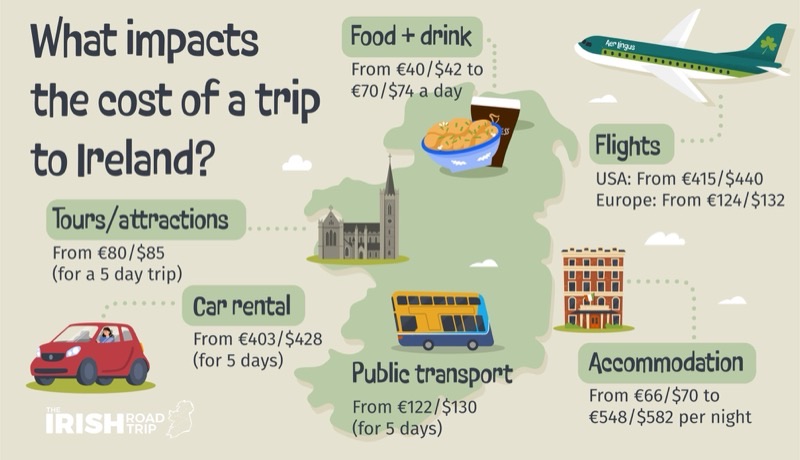
Ireland presents a higher cost for almost every aspect of a trip. A pint of Guinness in Dublin can easily cost €7-8 ($7.50-8.60), and a standard meal in a pub averages €18-25 ($19-27). Accommodation in cities like Dublin or Galway for a decent hotel starts around €120-180 ($130-195) per night. Even transportation like bus fares or train tickets tend to be higher priced, with a 7-day bus pass around Dublin costing €40 ($43). Travelers should budget for at least €80-150 ($86-162) per person per day for a mid-range experience, excluding major tours or excursions.
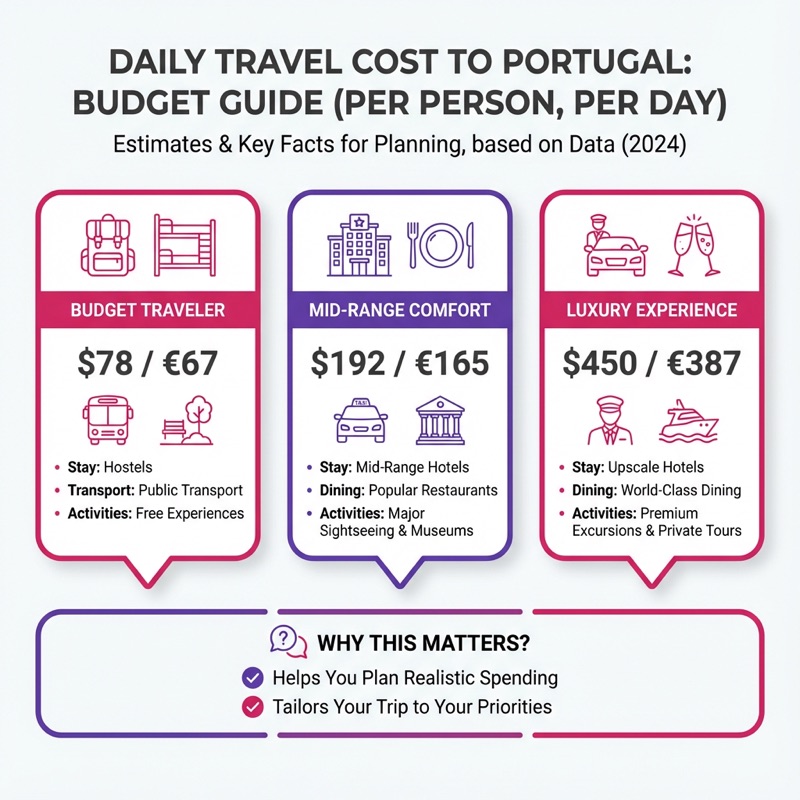
Portugal offers a more accessible price point for travelers. A glass of good local wine might be €3-5 ($3.25-5.40), and a traditional meal like a 'bacalhau à brás' in Lisbon or Porto can be found for €10-18 ($10.80-19.50). Accommodation in a well-rated guesthouse or 3-star hotel often falls in the €70-120 ($75-130) range, and a hostel bed can be as low as €25-40 ($27-43) in off-peak season. Public transport within cities is also cheaper, with a single metro ticket in Lisbon costing €1.65 ($1.78). A daily budget of €50-100 ($54-108) per person allows for a comfortable experience. Portugal wins this category handily, making it a better option for budget-conscious travelers.
- Winner: Portugal
- Why: Portugal consistently offers lower prices across accommodation, food, drink, and transport, allowing for a more extended or richer trip on the same budget.
- Who this matters for: Travelers prioritizing budget and wanting their money to go further on a trip.
🍽️ Food & Drink
Irelands food scene is primarily defined by its robust pub offerings: Irish stew, fish and chips, full Irish breakfast, and hearty bread. Dairy products are exceptional. The real…
Ireland
Portugal
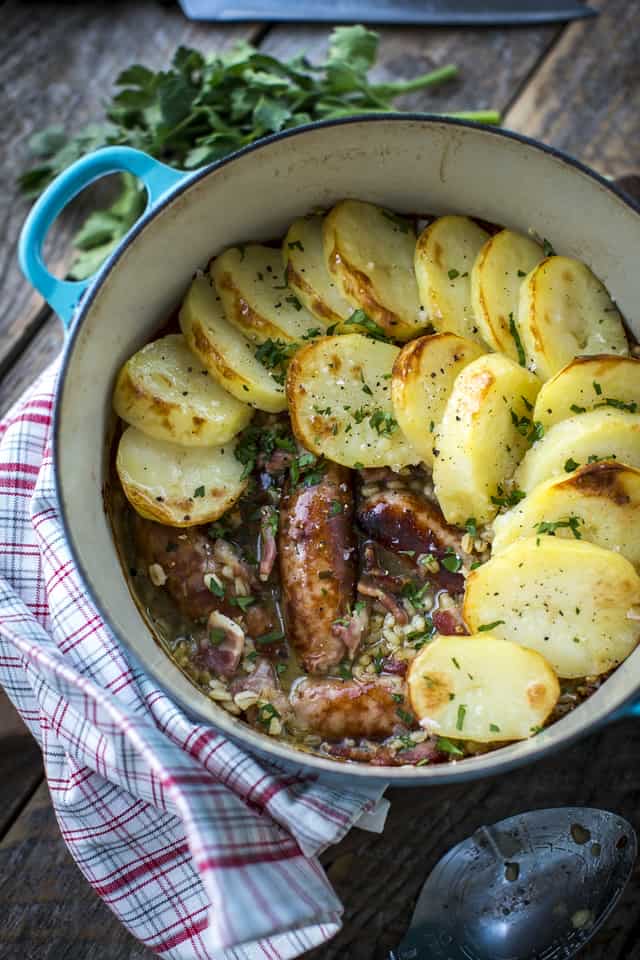
Irelands food scene is primarily defined by its robust pub offerings: Irish stew, fish and chips, full Irish breakfast, and hearty bread. Dairy products are exceptional. The real draw, however, is the drink culture. Guinness, served correctly from a tap, is a core experience. Irish whiskey distilleries like Jameson in Dublin offer tours and tastings. While traditional food is satisfying, fine dining options are limited outside of Dublin and are pricier, with a tasting menu easily costing €80-120 ($86-130) per person. Pubs are the social centers for both food and drink.
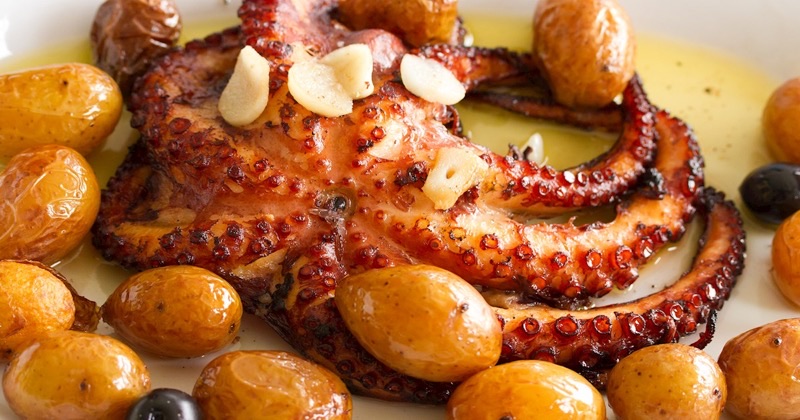
Portugal stands out for its fresh seafood, often grilled simply with olive oil and garlic. Cod (bacalhau) is prepared in hundreds of ways, from 'bacalhau à brás' to 'bacalhau com natas.' Pastries like the 'Pastel de Nata' are a national treasure, found for €1.20-1.50 ($1.30-1.60) each. The country produces excellent, affordable wine, especially from the Douro Valley, and green wine ('Vinho Verde'). Porto is famous for its fortified wine. From a simple 'francesinha' sandwich in Porto to a gourmet meal in Lisbon, the range and quality for the price are consistently high. Portugal provides a broader, more nuanced, and generally more delightful culinary experience. Portugal takes the lead for its diverse flavors, fresh ingredients, and exceptional value.
- Winner: Portugal
- Why: Portugal offers a wider variety of fresh, high-quality dishes, especially seafood and pastries, paired with outstanding, affordable wine.
- Who this matters for: Travelers who prioritize varied, high-quality, and reasonably priced culinary experiences.
🏞️ Nature & Scenery
Ireland is known for its intense green countryside, a result of frequent rain. The Cliffs of Moher on the west coast offer a dramatic, sheer drop into the Atlantic, a popular…
Ireland
Portugal
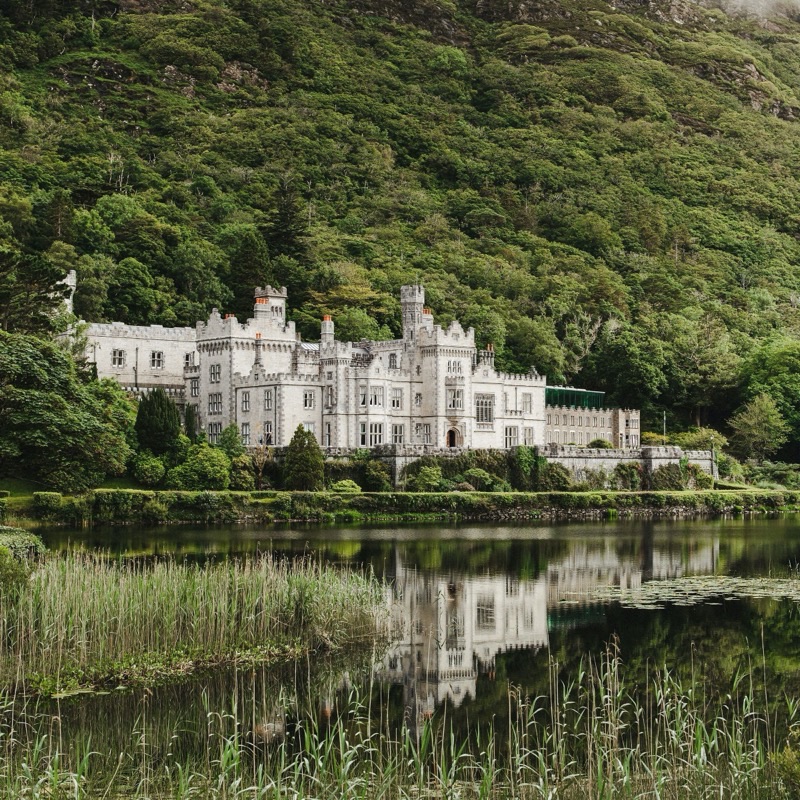
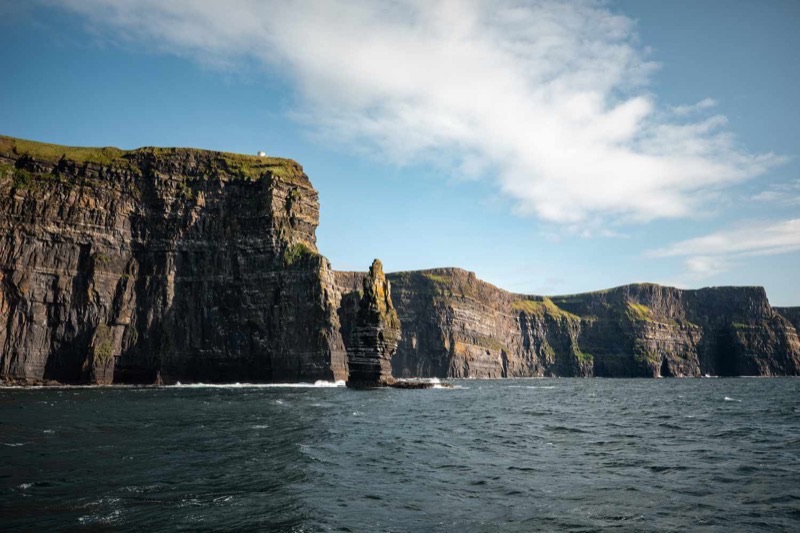
Ireland is known for its intense green countryside, a result of frequent rain. The Cliffs of Moher on the west coast offer a dramatic, sheer drop into the Atlantic, a popular viewing spot that costs €10 ($10.80) per person to access. The Ring of Kerry provides a scenic drive through mountains and coastline, while the Burren region offers a unique limestone landscape. Killarney National Park features lakes, forests, and mountains suitable for hiking. The weather often adds a moody, atmospheric quality to these landscapes, appealing to those who appreciate rugged beauty over sunny skies. Visitors seeking grand, open spaces will find them here.
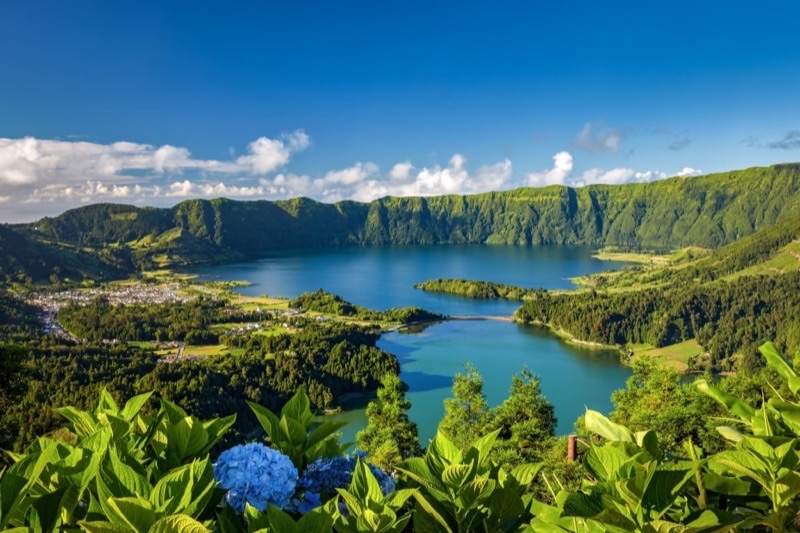
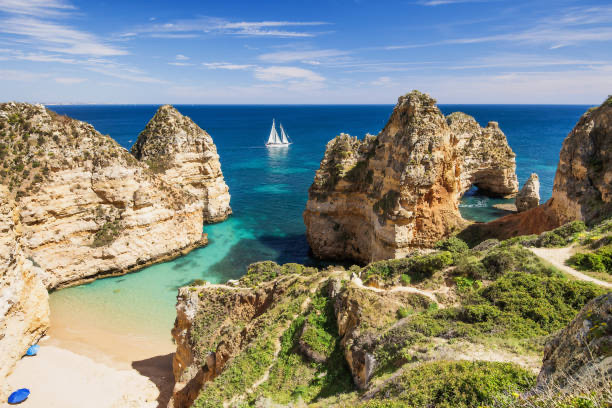
Portugal offers a different kind of natural appeal. The Algarve region in the south boasts golden sand beaches, intricate rock formations, and sea caves, ideal for swimming and boat tours. The Parque Natural da Ria Formosa is a protected lagoon system with diverse birdlife. Inland, the Douro Valley provides a landscape of terraced vineyards along the river, a UNESCO site. The west coast, particularly around Nazaré, is known for its big waves, attracting surfers. While Portugal has its charm, the sheer scale and consistent green impact of Irelands landscapes, especially its coastal elements like the Cliffs of Moher and the Giants Causeway (Northern Ireland), are often more striking for a first-time visitor. Ireland wins for its unique, verdant, and dramatic natural environment.
- Winner: Ireland
- Why: Irelands unique combination of intense green landscapes, ancient stone, and powerful ocean cliffs like the Cliffs of Moher creates a distinct and memorable visual experience.
- Who this matters for: Travelers seeking dramatic, green, and often rugged natural beauty, less concerned with sunshine and beaches.
🏛️ Culture & History
Irelands history is deeply intertwined with its Celtic roots, struggles for independence, and literary prowess. Visitors can explore ancient sites like Newgrange, a 5,000-year-old…
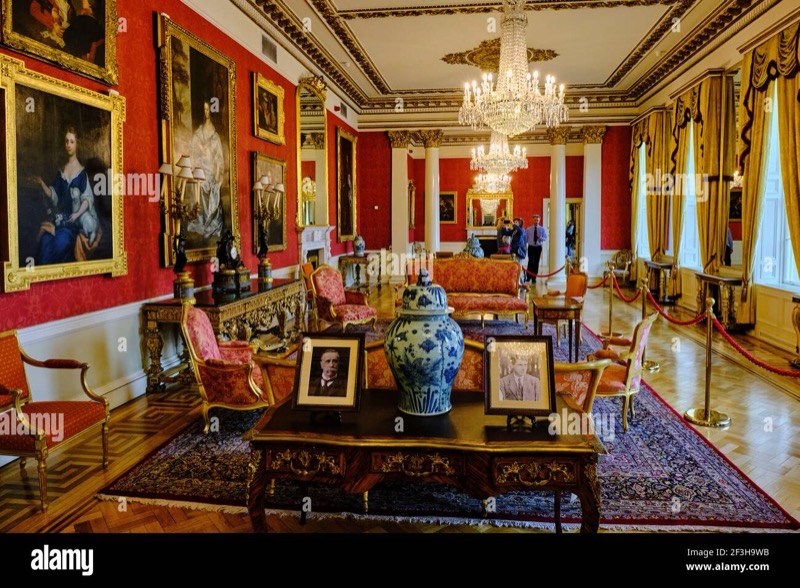
Ireland
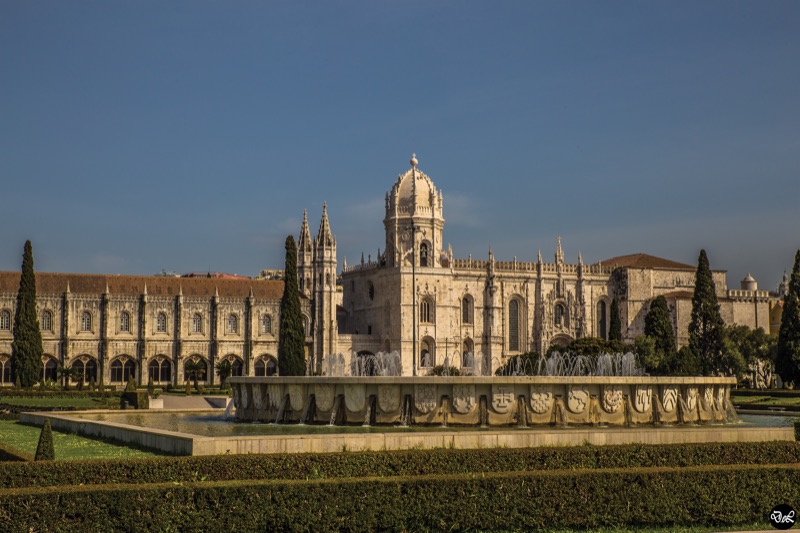
Portugal
Irelands history is deeply intertwined with its Celtic roots, struggles for independence, and literary prowess. Visitors can explore ancient sites like Newgrange, a 5,000-year-old passage tomb (€8 per person, $8.60), or medieval castles like Blarney Castle (€20 per person, $21.50). Dublin offers literary tours and museums dedicated to writers like James Joyce and W.B. Yeats. The pub is a central part of Irish social culture, a place for conversation, music, and community. Traditional Irish music sessions (trad sessions) are common in many pubs, providing a direct connection to local culture. The countrys past is visible in its ruins and stories.
Portugal boasts a history shaped by its maritime explorations during the Age of Discovery, leaving a mark on Lisbon and Porto with structures like the Jerónimos Monastery (€10 per person, $10.80) and Belém Tower (€6 per person, $6.50). The mournful Fado music, recognized by UNESCO, is a powerful cultural expression found in various taverns. Azulejos (painted ceramic tiles) adorn buildings across the country, narrating stories and adding visual flair. Roman ruins like Évora and Moorish influences in the south contribute to a layered historical experience. Both countries offer profound historical and cultural depth; Ireland leans into storytelling and resilience, while Portugal showcases exploration and unique architectural styles. It is a tie, as both offer rich, distinct historical narratives and cultural expressions.
- Winner: Tie
- Why: Both countries offer deep, distinct, and compelling historical narratives and cultural expressions, appealing to different facets of interest.
- Who this matters for: Travelers with specific interests in either Celtic/literary history or maritime/Moorish influenced history.
🚗 Getting Around
Getting around Ireland often involves a mix of public transport and car rental. Trains connect major cities like Dublin, Cork, and Galway, but bus services (Bus Éireann) cover a…
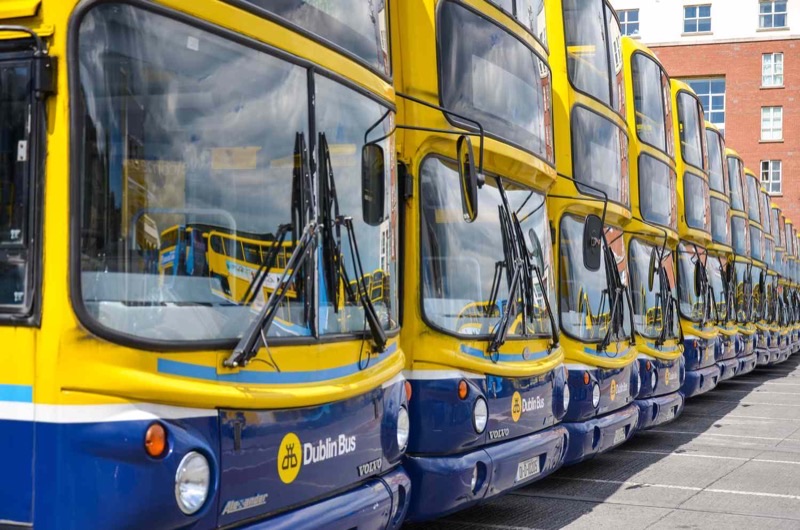
Ireland
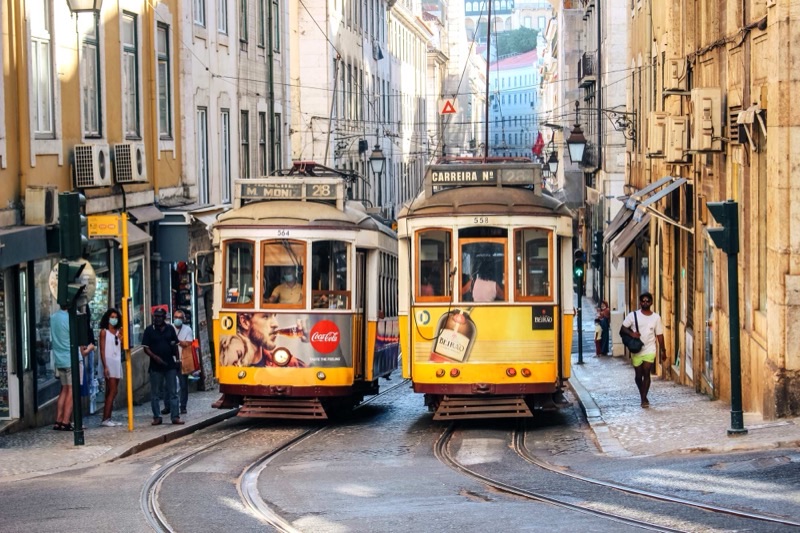
Portugal
Getting around Ireland often involves a mix of public transport and car rental. Trains connect major cities like Dublin, Cork, and Galway, but bus services (Bus Éireann) cover a wider network, including smaller towns and tourist attractions like the Cliffs of Moher. However, many scenic spots are best reached by car. Driving requires navigating narrow, winding country roads and driving on the left side, which can be challenging for some. Fuel costs are high, often €1.80-2.00 ($1.95-2.16) per liter. Within Dublin, a good bus and tram (Luas) system exists, but outside the capital, public transport can be less frequent, requiring careful planning or tours.
Portugal has a highly efficient and affordable public transportation system. The train network (CP - Comboios de Portugal) connects major cities like Lisbon, Porto, and Faro with fast, comfortable, and reasonably priced services. For instance, a high-speed train from Lisbon to Porto costs around €30-40 ($32-43) and takes about 3 hours. City transport in Lisbon and Porto includes metros, buses, and iconic trams (like Lisbons Tram 28). Renting a car is straightforward for exploring rural areas or the Algarve, with driving on the right side and good road infrastructure. Parking can be an issue in old city centers. Overall, the ease, affordability, and reach of Portugals public transport, combined with good driving conditions, make it more convenient. Portugal offers a more convenient and cost-effective experience for internal travel.
- Winner: Portugal
- Why: Portugal provides a superior public transport system with efficient, affordable trains and city metros, making travel between destinations simpler and cheaper.
- Who this matters for: Travelers who prefer to rely on public transport, avoid driving, or are on a tighter budget for internal travel.
☀️ Weather & Seasons
Ireland experiences a temperate maritime climate, meaning it rarely gets too hot or too cold, but it is consistently wet and often cloudy. Summer (June-August) temperatures…
Ireland experiences a temperate maritime climate, meaning it rarely gets too hot or too cold, but it is consistently wet and often cloudy. Summer (June-August) temperatures average around 15-20°C (59-68°F), with frequent light rain showers. Sunshine is never guaranteed, even in summer. Winters are mild but very damp, with temperatures around 5-10°C (41-50°F). The constant moisture contributes to the countrys famous green landscapes but can limit outdoor activities if you are hoping for clear skies. Layering clothes is essential regardless of the season, and a waterproof jacket is a year-round necessity.
Portugal has a Mediterranean climate, particularly in the south, characterized by hot, dry summers and mild, wet winters. Summer (June-August) temperatures regularly reach 25-35°C (77-95°F), especially in the south and inland areas, with abundant sunshine, perfect for beach activities. Spring and autumn offer pleasant temperatures (18-25°C / 64-77°F) with less rain, making them ideal for sightseeing. Even in winter, the Algarve typically sees temperatures around 10-15°C (50-59°F), offering a mild escape from colder northern European climates. The distinct seasons and the prevalence of sunshine make Portugal a more versatile destination for various weather preferences. Portugal wins for its reliable sunshine and generally more pleasant temperatures, especially for those seeking warmth.
- Winner: Portugal
- Why: Portugal offers more predictable sunshine, warmer temperatures, and distinct seasons, which is generally preferred by most travelers.
- Who this matters for: Travelers who prioritize warm weather, sunshine, and dry conditions for their trip, especially for beach or outdoor activities.
🍻 Nightlife & Socializing
Irish nightlife revolves almost entirely around its pubs, which are not just drinking establishments but community centers. In Dublin, areas like Temple Bar offer a dense…
Irish nightlife revolves almost entirely around its pubs, which are not just drinking establishments but community centers. In Dublin, areas like Temple Bar offer a dense collection of pubs, though they can be touristy and expensive (pints up to €9/$9.70). Outside Dublin, local pubs provide a genuine experience, often with traditional Irish music sessions that invite participation. The atmosphere is generally friendly, making it easy to strike up conversations with locals and other travelers. While clubs exist in larger cities, the pub is the default for evening entertainment, fostering a relaxed, social environment focused on chat and music.
Portugals nightlife is more varied. Lisbon and Porto offer a range of experiences, from trendy rooftop bars with skyline views to traditional Fado houses where you can experience live music over dinner. The Bairro Alto district in Lisbon is famous for its narrow streets filled with small bars where people spill out onto the pavement. Clubs can stay open until the early morning hours, especially on weekends. In the Algarve, resorts have their own entertainment scenes. While Portugal has great options, Irelands pub culture offers a distinct, consistently welcoming, and uniquely social experience that is hard to replicate. Ireland wins for its genuinely social and accessible pub culture that fosters easy interaction.
- Winner: Ireland
- Why: Irelands deep-rooted pub culture provides an inherently social and welcoming environment, making it easy to connect with locals and experience live music.
- Who this matters for: Travelers who enjoy a social, pub-focused evening, appreciate live traditional music, and want to easily engage with locals.
🛌 Accommodation
Accommodation in Ireland, particularly in popular areas like Dublin, Galway, and Killarney, tends to be on the higher end. A standard 3-star hotel room in Dublin can cost €130-200…
Accommodation in Ireland, particularly in popular areas like Dublin, Galway, and Killarney, tends to be on the higher end. A standard 3-star hotel room in Dublin can cost €130-200 ($140-216) per night, even more during peak season or weekends. Guesthouses and B&Bs offer a more personal touch, often including breakfast, but still command prices of €90-150 ($97-162). Hostels are available, with a dorm bed typically €40-70 ($43-75) in cities. Rural options include charming farm stays, but overall value for money can be a challenge, especially for budget travelers. Booking well in advance is essential.
Portugal provides a wider and more affordable array of accommodation choices. In Lisbon or Porto, a well-located 3-star hotel can be found for €80-130 ($86-140), and boutique guesthouses are common. Hostel dorm beds are often €25-50 ($27-54), even in prime locations. The country excels in offering stylish, comfortable options at reasonable prices, from city apartments to coastal villas in the Algarve. Unique stays like 'quintas' (wine estates) in the Douro Valley or renovated historic buildings offer memorable experiences without breaking the bank. The greater availability and competitive pricing make Portugal the better choice. Portugal offers better value and a broader range of accommodation types at more accessible price points.
- Winner: Portugal
- Why: Portugal consistently provides better value for money in accommodation, with a wider selection of budget-friendly hostels to comfortable hotels and unique stays.
- Who this matters for: Travelers seeking good value, a diverse range of accommodation options, or those on a tighter accommodation budget.
🏖️ Beaches & Water
Irelands coastline is dramatic and beautiful, but generally not suited for swimming or sunbathing due to cold water temperatures and often rough seas. Beaches like those in…
Irelands coastline is dramatic and beautiful, but generally not suited for swimming or sunbathing due to cold water temperatures and often rough seas. Beaches like those in Donegal or along the Wild Atlantic Way are often windswept and best for walking or photography. Surfing is popular in spots like Lahinch, but a full wetsuit is always necessary, even in summer. Water activities are limited to more hardy pursuits like coasteering or sea kayaking in sheltered areas. The focus is more on the land-sea interface rather than direct water engagement. The coastal scenery is impressive, but for enjoying the water, it is not ideal.
Portugal excels in its beach offerings. The Algarve region is renowned for its golden sandy beaches, sheltered coves, and warm, clear waters, perfect for swimming, snorkeling, and sunbathing. Popular spots include Praia da Marinha and Praia da Falésia. The west coast, particularly around Peniche and Ericeira, is a mecca for surfers, with consistent waves. Boat tours exploring sea caves and grottoes (like Benagil Cave) are popular activities. The warmer climate and calmer waters in many areas make prolonged water enjoyment feasible and pleasant for most of the year. Portugal offers vastly superior conditions for traditional beach activities and water sports. Portugal is the clear winner for anyone wanting to spend time swimming, sunbathing, or engaging in warm-water activities.
- Winner: Portugal
- Why: Portugal offers warm, inviting beaches with clear waters and ample sunshine, making it ideal for swimming, sunbathing, and diverse water sports.
- Who this matters for: Travelers who prioritize beach relaxation, swimming in warm water, or engaging in various water sports.
✈️ Getting There (Flights)
Dublin Airport (DUB) is a major transatlantic hub with numerous direct flights from North American cities like New York (JFK/EWR), Boston (BOS), Chicago (ORD), and Toronto (YYZ),…
Dublin Airport (DUB) is a major transatlantic hub with numerous direct flights from North American cities like New York (JFK/EWR), Boston (BOS), Chicago (ORD), and Toronto (YYZ), typically taking around 6.5-7 hours from the East Coast US. Within Europe, DUB is well-connected to virtually every major city. This makes Ireland very accessible for international travelers, often serving as a convenient first stop in Europe. Flight prices can vary widely but are competitive, especially with budget carriers operating routes from other European cities. Entry requirements are generally straightforward for tourists.
Lisbon Airport (LIS) also serves as a key gateway, with direct flights from North American cities such as New York (JFK/EWR), Boston (BOS), Miami (MIA), and Toronto (YYZ), with similar flight times of around 6.5-7 hours from the East Coast US. Lisbon is also very well-connected across Europe. Porto (OPO) and Faro (FAO) airports offer fewer direct transatlantic options but are easily reachable via connecting flights through Lisbon or other European hubs. Both countries offer comparable ease of access from major international origins. The ease of finding direct flights and competitive pricing from key markets means both destinations are equally accessible. It is a tie for the convenience of getting there.
- Winner: Tie
- Why: Both Ireland and Portugal offer comparable direct flight access from major international hubs, making them equally convenient to reach.
- Who this matters for: Travelers prioritizing easy, direct flight access from international origins, particularly North America.
🎯 The Decision Framework
Choose Ireland If…
- You crave the particular atmosphere of an old Irish pub, complete with a perfectly poured Guinness.
- You want to explore ancient castles and historical sites like Blarney Castle or the Rock of Cashel.
- You dream of seeing intense green landscapes, rolling hills, and dramatic sea cliffs.
- You appreciate moody, misty weather and dont mind frequent rain showers.
- You are interested in traditional Irish music sessions and literary history.
- You prefer a trip focused on road trips through small towns and rugged coastlines.
- You enjoy friendly, open conversation with locals in a relaxed pub setting.
- You have a higher budget and prioritize specific cultural experiences over overall cost.
Choose Portugal If…
- You want to spend time on sunny beaches, swimming in warm Atlantic waters.
- You prioritize delicious, fresh seafood, pastries like Pastel de Nata, and affordable wine.
- You are on a tighter budget and want your travel money to go further.
- You prefer warm, dry weather and abundant sunshine, especially for outdoor activities.
- You want to explore cities with intricate tiled architecture, Fado music, and a rich maritime history.
- You plan to use an excellent and affordable public transport system to get around.
- You enjoy diverse nightlife, from rooftop bars to traditional Fado houses and late-night clubs.
- You prefer a mix of city exploration, coastal relaxation, and vineyard visits.
📅 Sample Itineraries
Weekend in Ireland (3 Days)
💡 Purchase a Dublin Pass if you plan to visit multiple attractions; it can save you money if you visit 3 or more paid sites in a short period.
Weekend in Portugal (3 Days)
💡 Get a Viva Viagem card upon arrival for public transport; load it with 'Zapping' credit for cheaper fares across buses, metro, and trams.
One Week in Ireland (7 Days)
💡 Renting a car is the most flexible way to explore Ireland's scenic routes like the Ring of Kerry. Book in advance for better rates (starting at $40 per day).
One Week in Portugal (7 Days)
💡 Utilize Portugal's efficient and affordable regional train network for inter-city travel between Lisbon, Porto, and Faro. Book tickets online in advance for potential discounts.
❓ Frequently Asked Questions
Which destination is better for a solo traveler?
Portugal is generally better for solo travelers due to its lower costs, excellent public transport, and a higher chance of sunshine for exploring. Hostels are plentiful and social, with beds often from €25-40 ($27-43) per night. Ireland is also safe, but solo travel can be pricier, with hostel beds closer to €40-70 ($43-75).
What is the best time of year to visit each country?
For Ireland, July and August offer the warmest temperatures (15-20°C / 59-68°F), though rain is still common. For Portugal, May-June and September-October provide pleasant temperatures (18-25°C / 64-77°F) for sightseeing without the peak summer heat or crowds. Summer (July-August) is ideal for beaches.
Is driving recommended in both countries?
Driving is recommended in Ireland for exploring rural areas and the Wild Atlantic Way, but be prepared for narrow roads and left-hand driving. In Portugal, driving is easy outside major cities for exploring regions like the Algarve or Douro Valley; however, cities like Lisbon and Porto are best navigated by public transport.
Which country offers better outdoor activities?
Portugal offers a wider array of outdoor activities suited for warmer weather, including surfing, hiking coastal trails, and exploring sea caves by kayak. Ireland excels in hiking through green landscapes, visiting dramatic cliffs, and enjoying rugged, windswept nature, often in cooler conditions.
Are both countries safe for tourists?
Yes, both Ireland and Portugal are considered very safe for tourists. Petty crime, like pickpocketing, can occur in crowded tourist areas in major cities (e.g., Lisbons Alfama district or Dublins Temple Bar), so basic precautions are advised. Overall, travelers should feel secure in both destinations.
Which has better cities for sightseeing?
Both have compelling cities. Dublin offers historical pubs, literary sites, and museums like the Guinness Storehouse. Lisbon provides tiled architecture, historic trams (Tram 28), and a vibrant riverside area with sites like Belém Tower. Porto offers riverside charm and wine cellars. Portugal arguably has more diverse and visually distinct urban centers.
Can I easily combine a trip to both countries?
Yes, combining them is feasible, especially from North America where direct flights to both Dublin and Lisbon are available. Inter-European flights between the two capitals are short (approx. 2.5 hours) and often affordable, especially with budget airlines like Ryanair or Aer Lingus, costing around €50-100 ($54-108) one way.
Which country is better for foodies?
Portugal is the stronger choice for foodies, offering a more diverse and affordable culinary landscape. Its fresh seafood, traditional stews, pastries, and exceptional wine provide a broader range of flavors and dining experiences compared to Irelands hearty pub fare.
Ready to plan your next European adventure?
Get a free custom itinerary for Ireland, Portugal, or both — built from real traveler insights.
👥 Travelers Also Compared
🎟️ Book Tours & Experiences
Hand-picked tours and activities for both destinations — book with free cancellation
Experiences via Viator — free cancellation on most tours