How we built this comparison
This page combines traveler discussion patterns, published price ranges, flight schedules, and seasonal data to help you decide between Ireland and Senegal.
- Reviewed 500+ Reddit threads from r/travel, r/solotravel, r/irelandtravel, and r/senegal
- Verified costs and logistics against current booking platforms and government travel advisories
- Cross-referenced seasonal patterns and weather data from meteorological sources
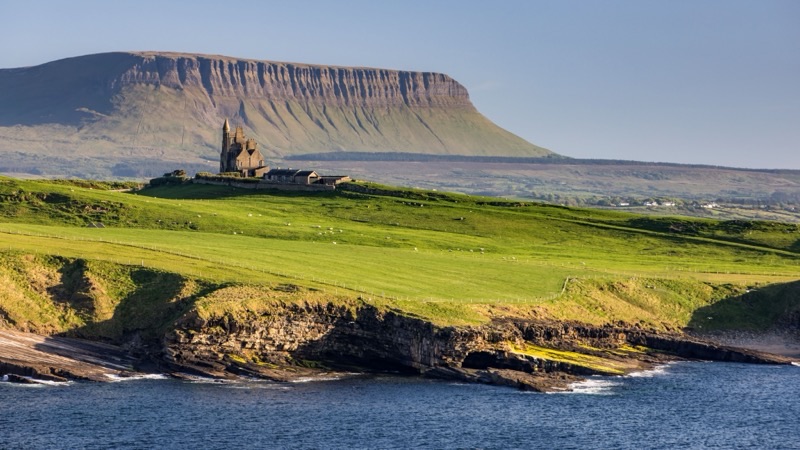
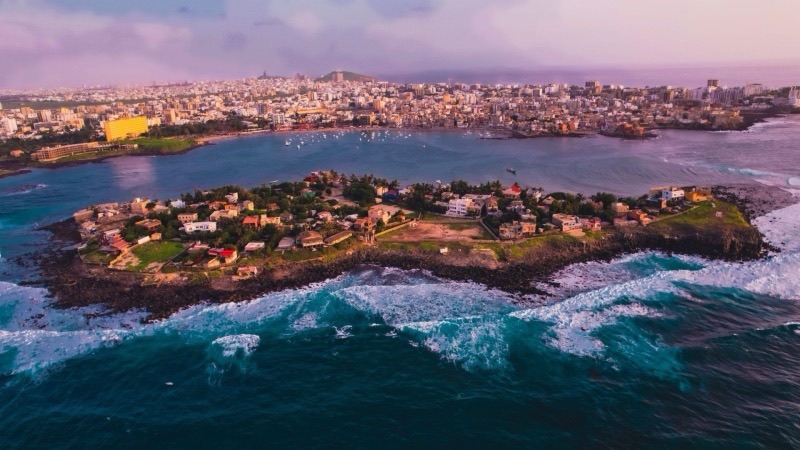
⚡ Quick Answers
⚡ The TL;DR Verdict
For most first-time international travelers seeking established tourism infrastructure, Ireland is the more straightforward pick, offering comfortable travel for around $80-150 daily. However, adventurous travelers craving cultural depth and unique experiences at a lower cost, approximately $40-80 per day, will find Senegal deeply rewarding.
- Choose Ireland: Travelers prioritizing easy navigation, well-preserved historical sites, a lively pub scene, and temperate weather will find Ireland suitable.
- Choose Senegal: Explorers looking for West African culture, unique wildlife, sun-drenched beaches, and a more immersive, budget-friendly journey should head to Senegal.
- Choose Both: If you have ample time (3+ weeks) and budget, combine these trips for a contrast in culture, climate, and travel styles across continents.
Choose Ireland
Ireland is the ideal choice for first-time international travelers or those seeking a comfortable, English-speaking journey. Explore Dublin's historic streets and lively pubs, marvel at the dramatic Cliffs of Moher, or kiss the Blarney Stone without navigation worries. It's perfect for travelers who prioritize ease, established amenities, and a rich Celtic history, budgeting $80-150 daily.
Choose Senegal
Senegal beckons adventurous explorers craving authentic West African immersion and a vibrant cultural tapestry. Dive into Dakar's bustling markets and electric music scene, reflect on history at Île de Gorée, or discover unique wildlife in the Saloum Delta. It's best for intrepid travelers and cultural enthusiasts willing to embrace a less-trodden path for an unforgettable experience at an appealing $40-80 daily budget.
📊 Visual Scorecard
🌤 When to Visit
Average high temperatures (°C). Green = best months, orange = avoid.
Quick Comparison
| Category | Ireland | Senegal | Winner |
|---|---|---|---|
| Costs & Budget | Expect European prices; accommodation and dining are main expenses. A daily budget of $80-150 is a minimum for a comfortable trip. | Significantly more affordable; local transport, food, and guesthouses keep costs low. Budget $40-80 daily for a good experience. | Senegal |
| Getting There & Away | Direct flights from North America and Europe are common. Dublin Airport (DUB) is a major hub, with easy connections. | Fewer direct options from North America; usually requires a layover in Europe. Blaise Diagne International Airport (DSS) is the main gateway. | Ireland |
| Getting Around | Public transport is good in cities; a rental car is best for exploring rural areas. Driving is on the left. | Public transport is informal but extensive. Shared taxis (sept-place) and local buses are common. Inner-city taxis are affordable. | Ireland |
| Culture & History | Celtic heritage, ancient castles, vibrant pub culture, and a deep history of literature and struggle. English is the primary language. | Rich West African traditions, Griot storytelling, significant historical sites like Gorée Island, and a blend of Islam and animist beliefs. French and Wolof are key. | Tie |
| Nature & Scenery | Dramatic coastlines (Cliffs of Moher), rolling green hills, lakes, and national parks. Temperate, often wet climate. | Coastal beaches, wildlife reserves (Djoudj National Bird Sanctuary), arid landscapes, the Saloum Delta, and Lac Rose. Generally warm and sunny. | Ireland |
| Food & Drink | Hearty pub fare, fresh seafood, traditional stews, and a strong craft beer and whiskey scene. Comfort food is common. | Flavorful West African cuisine (Thieboudienne, Yassa, Mafe), fresh seafood, and tropical fruits. Meals are social events. | Senegal |
| Accommodation | Wide range from hostels to luxury hotels. B&Bs are a staple, offering local charm. Booking in advance is recommended. | Guesthouses, small hotels, and beachfront lodges are common. Options are growing, but manage expectations for Western standards outside major cities. | Ireland |
| Safety & Security | Very safe for tourists. Petty crime exists in cities, but violent crime is low. Standard precautions apply. | Generally safe for tourists, but petty theft is common in markets and crowded areas. Night travel outside cities is discouraged. | Ireland |
| Nightlife & Entertainment | Pub culture is central, with live traditional music, friendly locals, and a relaxed atmosphere. Dublin has larger clubs. | Dakar offers vibrant live music (Mbalax), clubs, and beachfront bars. Nightlife is energetic but often starts late. | Ireland |
| Beaches & Coastlines | Rugged, dramatic cliffs and wild, windswept beaches primarily for walking and viewing. Water is cold for swimming. | Long, sandy Atlantic beaches suitable for swimming, sunbathing, and water sports. Warm waters and a generally sunny climate. | Senegal |
💰 Costs & Budget
Traveling in Ireland requires a solid budget. A bed in a well-regarded hostel like Generator Dublin costs around €40-60 ($45-65) per night. Meals, even at casual pubs, can run…
Ireland

Senegal
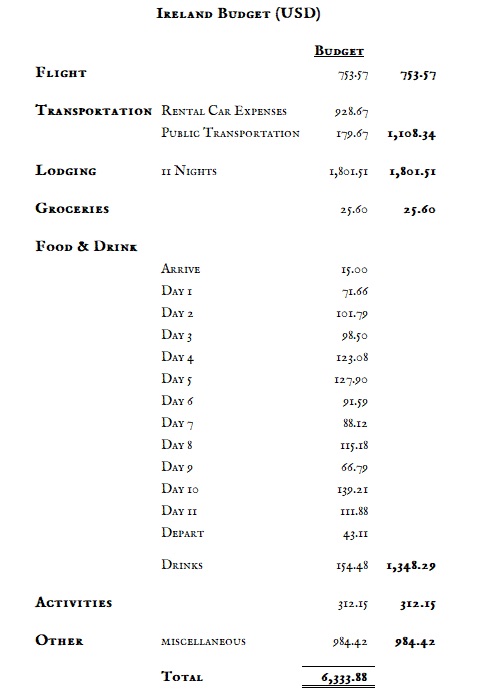
Traveling in Ireland requires a solid budget. A bed in a well-regarded hostel like Generator Dublin costs around €40-60 ($45-65) per night. Meals, even at casual pubs, can run €15-25 ($17-28) for dinner, and a pint of Guinness typically costs €6-7 ($6.50-7.50). Attractions like the Guinness Storehouse are €26-30 ($29-33). Transportation, whether by bus or car rental, adds up quickly, with a week-long car rental easily exceeding €200-300 ($220-330). Your daily budget, even with careful spending, will likely be in the $80-150 range, possibly higher if you prefer private rooms or more upscale dining.
Senegal offers a much more budget-friendly experience. A clean guesthouse or hostel in Dakar, like ViaVia Senegal Dakar, might cost 12,000-20,000 XOF ($20-35) per night. Street food and local restaurants serve filling meals for 3,000-9,000 XOF ($5-15). Local transport, like shared taxis (car rapides or sept-place), costs mere hundreds of XOF for short distances, roughly $1-3. Activities like visiting Gorée Island typically involve a ferry fee of around 2,500 XOF ($4) and museum entry fees around 1,000 XOF ($1.70). A daily budget of $40-80 is realistic for a comfortable solo traveler, allowing for good food, transport, and some activities. Senegal clearly offers more for your money.
- Winner: Senegal
- Why: Senegal provides a substantially lower cost of travel across all categories, making it a more accessible destination for budget-conscious explorers.
- Who this matters for: This matters most for long-term travelers or those with strict budget limitations who want their money to go further.
✈️ Getting There & Away
Reaching Ireland from North America or Europe is generally straightforward. Numerous airlines offer direct flights to Dublin Airport (DUB) from major cities. For example, a direct…
Ireland
Senegal
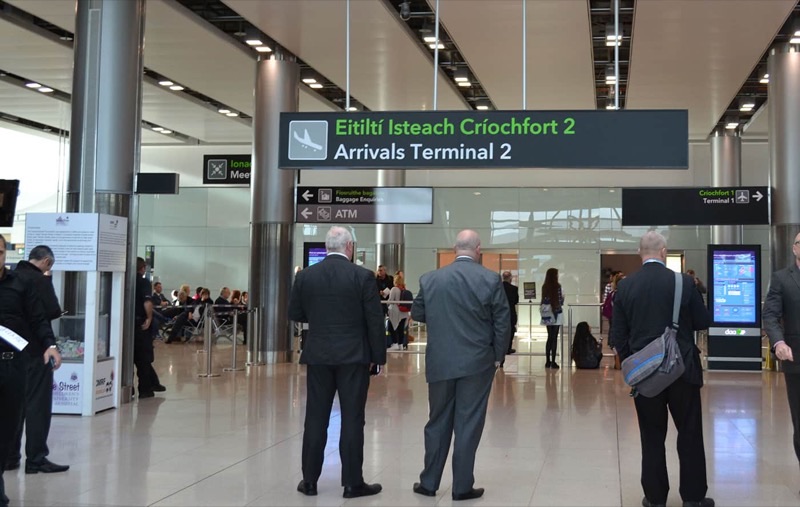
Reaching Ireland from North America or Europe is generally straightforward. Numerous airlines offer direct flights to Dublin Airport (DUB) from major cities. For example, a direct flight from New York (JFK) to Dublin (DUB) takes approximately 6.5-7 hours. Round-trip airfares can range from $400-800, especially if booked in advance or during shoulder seasons. Connectivity within Europe is excellent, with short flights from London, Paris, or Amsterdam making weekend trips easy. The airport is well-equipped, and immigration processes are usually efficient.
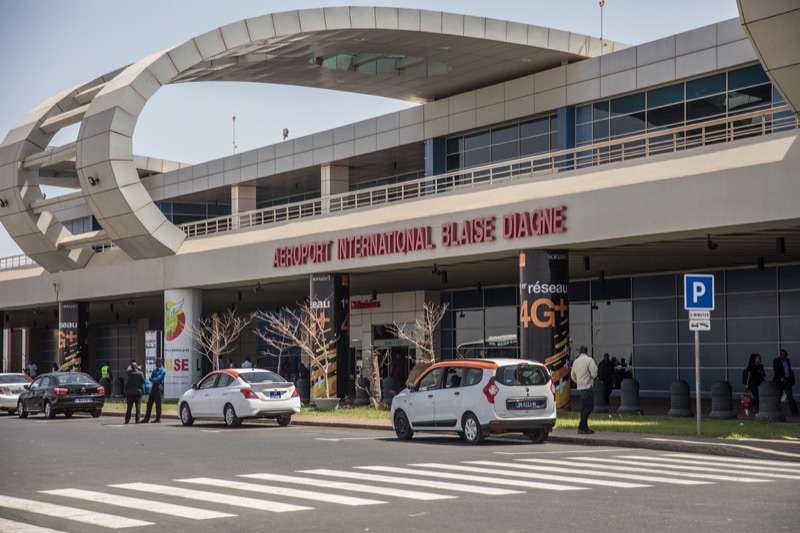
Traveling to Senegal from North America typically involves a layover, often in European cities like Paris, Brussels, or Lisbon. A flight from New York (JFK) to Blaise Diagne International Airport (DSS) near Dakar might take 9-12 hours with a single stop. Round-trip fares generally range from $600-1000+, sometimes higher depending on the season and airline. There are fewer direct options, which can make travel planning slightly more involved. From Europe, direct flights are more common, particularly from France. The airport facilities are modern, but arrival procedures can sometimes be slower. Ireland's superior direct flight access and broader airline competition give it an edge.
- Winner: Ireland
- Why: Ireland benefits from more direct flights, shorter travel times from major Western hubs, and often more competitive airfare pricing.
- Who this matters for: This is crucial for travelers prioritizing convenience, minimal layovers, and faster door-to-door travel times.
🚗 Getting Around
Navigating Ireland is relatively simple for independent travelers. In cities like Dublin, a comprehensive bus network and trams operate efficiently. For exploring the countryside,…
Ireland
Senegal
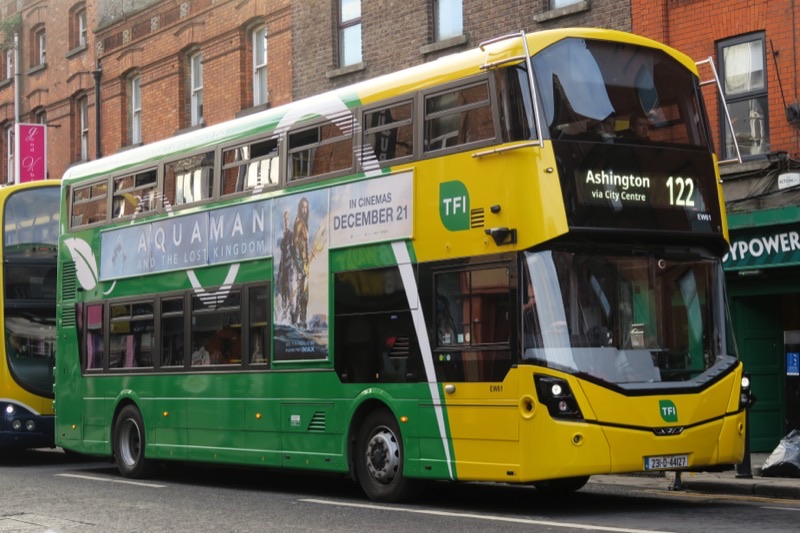
Navigating Ireland is relatively simple for independent travelers. In cities like Dublin, a comprehensive bus network and trams operate efficiently. For exploring the countryside, such as the Ring of Kerry or Connemara, renting a car is the most practical option, despite driving on the left-hand side. Major car rental companies are available at airports, with prices for a compact car starting around €30-50 ($33-55) per day. Roads are generally well-maintained, though some rural roads can be narrow. Intercity bus services (Bus Éireann) and trains connect larger towns, offering reliable schedules.
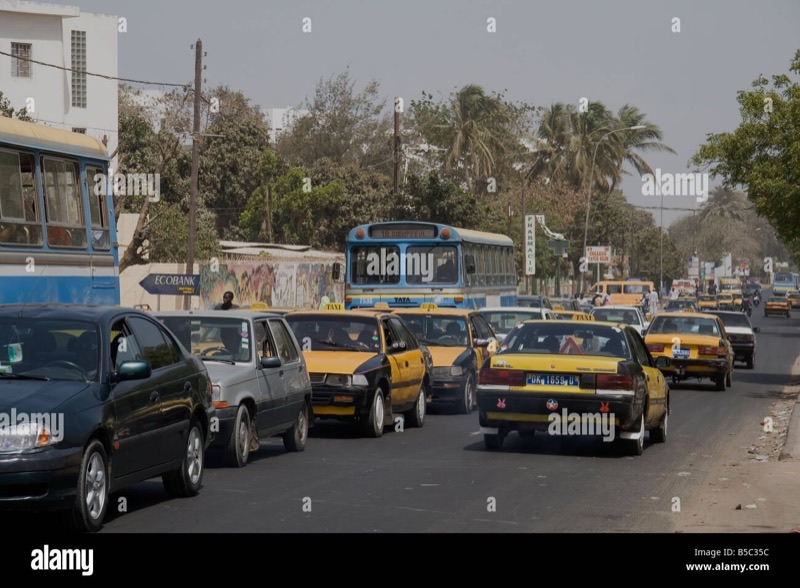
Getting around Senegal is a different experience. In Dakar, taxis are plentiful and affordable; a short ride might cost 1,200-3,000 XOF ($2-5). For longer distances between towns, shared taxis (sept-place) or Ndiaga Ndiaye minibuses are the norm. These are very budget-friendly but can be slow and crowded, and depart when full. A journey from Dakar to Saint-Louis in a sept-place might cost 4,000-5,000 XOF ($7-9). While an adventure, it requires patience and a willingness to negotiate. Car rentals are possible but less common for tourists, and driving can be challenging due to road conditions and traffic patterns. Ireland's well-developed infrastructure makes self-guided travel much easier.
- Winner: Ireland
- Why: Ireland offers a more developed, reliable, and comfortable transportation infrastructure, particularly for independent car rentals and scheduled public services.
- Who this matters for: This is important for travelers who prefer ease of navigation, predictable schedules, and personal comfort when moving between locations.
🏛️ Culture & History
Ireland's cultural and historical landscape is defined by its Celtic roots, ancient monastic sites like Glendalough, and a legacy of powerful castles such as Bunratty. The…

Ireland

Senegal
Ireland's cultural and historical landscape is defined by its Celtic roots, ancient monastic sites like Glendalough, and a legacy of powerful castles such as Bunratty. The island's history of independence movements is reflected in various museums and monuments. Pub culture is central, serving as community hubs for music, conversation, and traditional storytelling (céilís). Literary giants like James Joyce and W.B. Yeats left an indelible mark. English is spoken everywhere, making communication straightforward, and Gaelic culture is celebrated through sports and music. You can tour Dublin Castle (€12/$13.50) or explore the Neolithic passage tomb at Newgrange (€8/$9), which predates the pyramids.
Senegal offers a distinct West African cultural experience. Its history is deeply tied to the transatlantic slave trade, vividly preserved at Gorée Island and its House of Slaves, a profoundly moving site (ferry 2,500 XOF/$4, museum entry 1,000 XOF/$1.70). Griot traditions, where oral historians pass down stories and history, remain relevant. Islam is the predominant religion, with the impressive Grand Mosque of Touba a significant pilgrimage site. Senegalese wrestling (Laamb) is a major cultural sport. French is the official language, but Wolof is widely spoken. The country's music, particularly Mbalax, is influential. Both destinations offer compelling and deep cultural narratives that are equally rewarding, just different.
- Winner: Tie
- Why: Both countries present deeply compelling and historically rich narratives, each distinct and rewarding in their own ways, appealing to different interests.
- Who this matters for: This matters for travelers who seek immersive experiences, whether through ancient European history and pub lore or West African traditions and historical remembrance.
🏞️ Nature & Scenery
Ireland's natural environment is defined by its green landscapes and wild, rugged coastlines. The Cliffs of Moher, a UNESCO site, rise dramatically 214 meters (702 feet) above the…
Ireland
Senegal
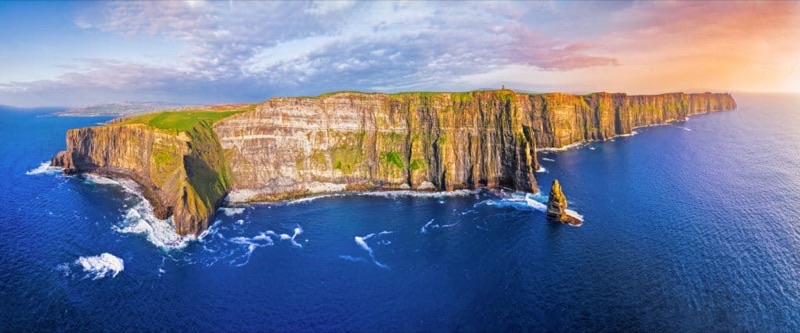
Ireland's natural environment is defined by its green landscapes and wild, rugged coastlines. The Cliffs of Moher, a UNESCO site, rise dramatically 214 meters (702 feet) above the Atlantic Ocean (entry €10/$11). The Ring of Kerry and the Dingle Peninsula offer coastal drives with views of mountains, lakes, and small villages. Connemara National Park provides opportunities for hiking amongst peatlands and hills. The Burren, a unique glaciokarst landscape, hosts rare flora. While the weather can be unpredictable, the ever-present green hues and dramatic seascapes provide truly memorable sights. Kayaking through the Killarney National Park lakes offers a different perspective on the verdant scenery.
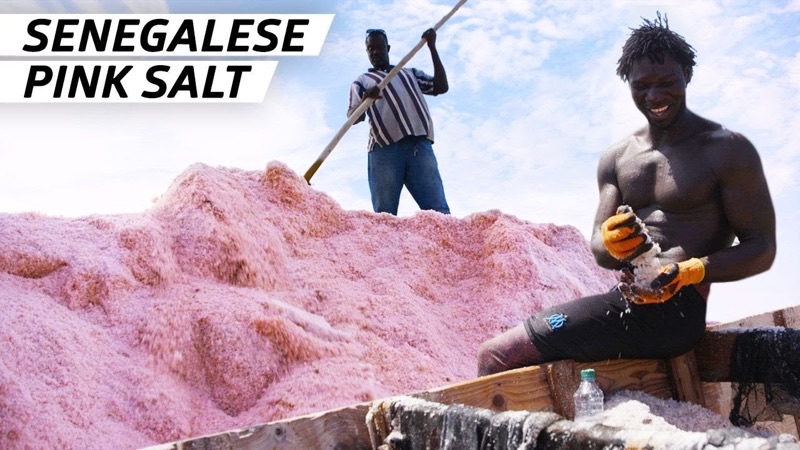
Senegal presents a contrasting natural environment. Its Atlantic coast boasts long sandy beaches, particularly around Saly and Toubab Dialaw, suitable for relaxation. The Djoudj National Bird Sanctuary, a UNESCO site, is a major stopover for migratory birds (entry 5,000 XOF/$8.50), especially impressive from November to April. The Saloum Delta, another UNESCO site, features mangrove forests and lagoons, best explored by pirogue (local boat). Lac Rose (Pink Lake), known for its high salt content and distinctive color, offers a unique visual. Fathala Wildlife Reserve provides opportunities to see giraffes and rhinos. While diverse, Ireland's cohesive, iconic landscapes generally resonate more broadly.
- Winner: Ireland
- Why: Ireland's iconic, dramatic, and consistently verdant landscapes, like the Cliffs of Moher and the Ring of Kerry, are more widely recognized and accessible.
- Who this matters for: This matters for travelers whose primary motivation is to witness famous natural landmarks and explore scenic routes with established visitor infrastructure.
🍽️ Food & Drink
Irish food has evolved beyond stereotypes, though traditional pub fare remains a staple. Expect hearty Irish stews, comforting fish and chips, and full Irish breakfasts. Seafood,…
Irish food has evolved beyond stereotypes, though traditional pub fare remains a staple. Expect hearty Irish stews, comforting fish and chips, and full Irish breakfasts. Seafood, particularly oysters and salmon, is excellent along the coasts. Dublin's culinary scene offers a range of modern restaurants, but daily meals can be pricey. A main course at a decent restaurant might cost €20-35 ($22-38). The real highlight is the drink: Guinness stout, locally brewed craft beers, and Irish whiskey, with distillery tours like Jameson's Bow St. Experience (€30/$33) being popular. While good, it can lack the diverse, intense flavors found elsewhere.
Senegalese cuisine is a highlight, known for its rich flavors and use of fresh, local ingredients. Thieboudienne, a fish and rice dish with vegetables, is the national dish and a must-try, often costing 3,000-6,000 XOF ($5-10) at a local restaurant. Yassa (chicken or fish with lemon and onion sauce) and Mafe (peanut stew) are also common. Fresh seafood, caught daily, is abundant along the coast. Tropical fruits like mangoes and papayas are readily available and inexpensive. Bissap (hibiscus juice) and Bouye (baobab fruit juice) are popular non-alcoholic drinks. Meals are often communal, fostering a sense of connection. The sheer depth of flavor and culinary experience gives Senegal the edge.
- Winner: Senegal
- Why: Senegal offers a more distinct, flavorful, and generally more affordable culinary adventure with its traditional West African dishes and fresh ingredients.
- Who this matters for: This is important for food-focused travelers seeking new tastes, local culinary immersion, and excellent value for delicious meals.
🏨 Accommodation
Ireland provides a well-developed and diverse range of accommodation options. Hostels, such as Kinlay House in Galway, offer beds from €35-55 ($38-60) per night. Bed & Breakfasts…
Ireland provides a well-developed and diverse range of accommodation options. Hostels, such as Kinlay House in Galway, offer beds from €35-55 ($38-60) per night. Bed & Breakfasts are a quintessential Irish experience, providing cozy rooms and often a full breakfast, typically €70-120 ($75-130) per night. Mid-range hotels are plentiful, and luxury options are available in cities and scenic locations. Standards are consistently high, with reliable amenities like hot water and Wi-Fi. Booking ahead, especially during peak season or for popular events, is advisable to secure preferred locations and prices. Availability and choices are extensive, catering to most budgets.
Accommodation in Senegal is improving, particularly in Dakar and major tourist areas like Saly. You'll find guesthouses (auberges), small local hotels, and some international chain hotels. A clean, basic guesthouse might cost 15,000-25,000 XOF ($25-45) per night. Mid-range hotels in Dakar like Hotel Le Phare des Mamelles could be 40,000-70,000 XOF ($70-120). Outside major centers, options become simpler, sometimes lacking consistent hot water or air conditioning. Beachfront lodges offer a different experience. While charming, the range and consistency of standards are not as broad as in Ireland. For ease and variety of choice, Ireland is more convenient.
- Winner: Ireland
- Why: Ireland offers a broader spectrum of consistently high-quality accommodation, from budget to luxury, with well-established service standards and booking ease.
- Who this matters for: This is important for travelers who prioritize comfort, predictable amenities, and a wide selection of places to stay across different price points.
🚨 Safety & Security
Ireland is one of the safest countries for tourists in Europe. Violent crime is low. Petty crime, such as pickpocketing, can occur in crowded tourist areas of Dublin, particularly…
Ireland is one of the safest countries for tourists in Europe. Violent crime is low. Petty crime, such as pickpocketing, can occur in crowded tourist areas of Dublin, particularly Temple Bar. Exercising standard precautions, like keeping valuables secure and being aware of your surroundings, is sufficient. Walking alone at night in most areas, even in cities, is generally safe. The emergency number is 112 or 999. Local police (Gardai) are approachable and helpful. The risk to travelers is minimal, allowing for relaxed exploration without constant worry about personal security.
Senegal is generally considered safe for tourists, especially compared to some other West African nations. However, petty crime, like bag snatching and pickpocketing, is more prevalent, particularly in crowded markets (like Sandaga Market in Dakar) and on public transport. It's advisable to avoid walking alone at night, especially in less-trafficked areas, and to use reputable taxis. Road safety can be a concern, with erratic driving and poorly lit roads making night travel outside cities risky. While serious crime against tourists is rare, vigilance is required. The emergency number is 17 for police. Ireland provides a more consistently secure environment for travelers.
- Winner: Ireland
- Why: Ireland maintains a consistently high level of safety and security for travelers, with very low rates of both petty and serious crime.
- Who this matters for: This is crucial for solo travelers, families, or anyone who prioritizes a worry-free environment where personal safety is less of a constant concern.
🍻 Nightlife & Entertainment
Irish nightlife is deeply rooted in its pub culture. From cozy local pubs to the tourist-heavy Temple Bar district in Dublin, you'll find places for a pint and conversation. Live…
Irish nightlife is deeply rooted in its pub culture. From cozy local pubs to the tourist-heavy Temple Bar district in Dublin, you'll find places for a pint and conversation. Live traditional Irish music sessions (trad sessions) are a common occurrence, especially in cities like Galway and Dingle, offering an authentic experience often for the cost of a drink (a pint around €6-7/$6.50-7.50). Dublin also features larger clubs and music venues for different tastes, with cover charges typically €10-20 ($11-22). The atmosphere is generally friendly and convivial, making it easy to engage with locals. Last call is usually around 11:30 PM to 1:30 AM, depending on the venue.
Senegal's nightlife is centered in Dakar, offering a different kind of energy. Live Mbalax music, Senegal's popular dance music, can be found in clubs like Just4U, often with a cover charge around 5,000-10,000 XOF ($8.50-17). Beachfront bars provide a relaxed setting for drinks with ocean views. Nightlife typically starts late, often not picking up until after 10 PM and continuing into the early morning. Outside of Dakar, options are more limited to local bars or guesthouse gatherings. While Dakar offers a unique energy, Ireland's widespread, accessible, and inclusive pub culture, coupled with its reliable safety, makes its nightlife experience more broadly appealing and less intimidating for many travelers.
- Winner: Ireland
- Why: Ireland's pervasive and accessible pub culture, with its live music and communal atmosphere, provides a consistently engaging and welcoming nightlife experience across the country.
- Who this matters for: This matters most for travelers seeking social interaction, traditional entertainment, and a generally low-key yet engaging evening scene.
🏖️ Beaches & Coastlines
Ireland's coastline is renowned for its raw, dramatic beauty, with towering sea cliffs like the Cliffs of Moher and the Slieve League Cliffs. Its beaches, such as those along the…
Ireland's coastline is renowned for its raw, dramatic beauty, with towering sea cliffs like the Cliffs of Moher and the Slieve League Cliffs. Its beaches, such as those along the Wild Atlantic Way or in County Donegal, are often expansive and windswept, ideal for long walks, photography, and experiencing the power of the Atlantic. However, the water temperature is consistently cold, making swimming a brave endeavor for most, even in summer. Surfing is popular in certain spots like Bundoran. The focus is more on the visual spectacle and invigorating air rather than traditional beach relaxation. Facilities are often minimal, emphasizing natural preservation.
Senegal boasts extensive Atlantic coastline with warm, sandy beaches that are perfect for traditional beach activities. Areas like Saly, Toubab Dialaw, and Popenguine offer long stretches of sand for sunbathing, swimming, and various water sports. The water is significantly warmer than in Ireland, making it pleasant for a dip. You can find beachfront resorts and guesthouses, particularly south of Dakar. The beaches near Île de Gorée also offer pleasant spots for relaxation after historical exploration. The climate is generally sunny, supporting a beach-focused vacation. For those prioritizing warm water swimming and typical beach leisure, Senegal is the clear choice.
- Winner: Senegal
- Why: Senegal offers warm, sandy beaches and a sunny climate ideal for swimming, sunbathing, and traditional beach relaxation, contrasting with Ireland's rugged, colder coastal views.
- Who this matters for: This matters most for travelers seeking warm weather, ocean swimming, and classic beach holiday experiences.
🎯 The Decision Framework
Choose Ireland If…
- You want to tour ancient castles and monastic ruins.
- You enjoy lively pub culture and traditional music sessions.
- You prefer straightforward travel with reliable infrastructure.
- You speak English and prefer a largely English-speaking destination.
- You appreciate dramatic, green landscapes and cool, temperate weather.
- You value high standards of safety and comfort.
- You want to drive on well-maintained roads and explore independently.
- You like hearty comfort food like stews and fish and chips.
Choose Senegal If…
- You seek a truly different West African cultural immersion.
- You prioritize a budget-friendly trip where your money goes further.
- You love flavorful, spicy cuisine like Thieboudienne and Yassa.
- You want to relax on warm, sandy beaches and swim in the ocean.
- You are interested in historical sites related to the transatlantic slave trade (Gorée Island).
- You are open to navigating less formal transportation systems.
- You appreciate warm weather and sunny skies year-round.
- You enjoy vibrant live music and energetic nightlife in major cities.
📅 Sample Itineraries
Weekend in Ireland (3 Days)
💡 Purchase a Leap Card upon arrival in Dublin for discounted fares on public transport, including buses and trams. This can save you around 10-20% on individual ticket prices.
Weekend in Senegal (3 Days)
💡 When taking taxis in Dakar, always negotiate the fare with the driver before starting your journey. A short ride within the city typically costs $2-5, but agreeing on a price beforehand prevents overcharging.
One Week in Ireland (7 Days)
💡 Renting a car provides the most flexibility for exploring Ireland's rural areas and scenic routes like the Wild Atlantic Way. Car rentals typically cost €30-50 per day, plus fuel.
One Week in Senegal (7 Days)
💡 Learning a few basic phrases in French or Wolof (e.g., 'Bonjour', 'Jerejef' for thank you) can greatly enhance your interactions with locals and often leads to more authentic experiences and potentially better prices at markets.
❓ Frequently Asked Questions
What is the typical flight time from the US to each country?
From major East Coast US cities like New York, a direct flight to Dublin, Ireland, takes approximately 6.5 to 7 hours. For Senegal, flights to Dakar usually involve one layover in Europe and take around 9 to 12 hours total, sometimes longer depending on the connection.
Which destination is more suitable for solo female travelers?
Ireland is generally more suitable for solo female travelers due to its very low crime rates and well-established tourism infrastructure, offering a greater sense of security. Senegal is largely safe, but solo female travelers may experience more unwanted attention and should exercise increased vigilance, especially in crowded areas or at night.
What is the best time of year to visit Ireland vs Senegal?
For Ireland, the best time is late spring to early autumn (May to September) for milder weather and longer daylight hours, though expect rain. For Senegal, the dry season from November to May offers pleasant temperatures and less humidity, ideal for exploring wildlife and beaches.
Are visas required for US citizens for Ireland and Senegal?
US citizens do not require a visa for tourist stays up to 90 days in Ireland. For Senegal, US citizens generally do not require a visa for tourist stays up to 90 days, though it is always wise to check the latest requirements before travel.
What are the language differences travelers should expect?
In Ireland, English is the primary language, making communication very easy for most Western travelers. In Senegal, French is the official language, and Wolof is widely spoken. Learning a few basic French or Wolof phrases will significantly enhance your experience there.
How do the Wi-Fi and mobile data situations compare?
Ireland has excellent Wi-Fi connectivity in hotels, cafes, and public spaces, and mobile data coverage is strong across the country. In Senegal, Wi-Fi is available in most hotels and some restaurants in cities, but it can be slower and less reliable. Mobile data is generally good in urban areas but patchy in rural regions; local SIM cards are affordable.
What are the main cultural experiences for each country?
Ireland offers pub sessions with traditional music, exploring ancient castles like Blarney, and experiencing Gaelic games. Senegal provides opportunities to witness Griot storytelling, visit historic Gorée Island, attend vibrant Mbalax music events, and observe traditional Senegalese wrestling.
Can I easily find vegetarian or vegan food in both places?
Finding vegetarian options in Ireland is relatively easy, especially in cities like Dublin, with many restaurants offering specific choices. Vegan options are growing in popularity. In Senegal, vegetarian food is possible but requires more effort; many dishes are meat or fish-based. Clearly communicating your dietary needs is key, and simple rice and vegetable dishes are usually available.
Ready to plan your next adventure?
Get a free custom itinerary for Ireland, Senegal, or both — built from real traveler insights.
👥 Travelers Also Compared
🎟️ Book Tours & Experiences
Hand-picked tours and activities for both destinations — book with free cancellation
Experiences via Viator — free cancellation on most tours