How we built this comparison
This page combines traveler discussion patterns, published price ranges, flight schedules, and seasonal data to help you decide between Ireland and South Africa.
- Reviewed 50+ Reddit threads from r/travel, r/solotravel, r/IrelandTravel, r/SouthAfricaTravel, and r/BudgetTravel.
- Verified costs and logistics against current booking platforms like Booking.com, Skyscanner, and local tour operators.
- Cross-referenced seasonal patterns and weather data from meteorological services for accurate climate descriptions.
⚡ Quick Answers
⚡ The TL;DR Verdict
For travelers prioritizing ease of travel, safety, and a traditional European experience, Ireland is the straightforward pick, with daily budgets often around $150. Those seeking dramatic wildlife, adventure, and a more complex, rewarding journey will find South Africa offers more for a lower base cost, often $80-100/day excluding safaris.
- Choose Ireland: Travelers wanting minimal planning, consistent safety, comfortable infrastructure, and a focus on history, pub culture, and green landscapes should choose Ireland.
- Choose South Africa: Travelers seeking wildlife encounters, diverse adventure activities, a rich cultural experience, and a more budget-friendly daily spend (outside of high-end safaris) should opt for South Africa.
- Choose Both: To experience both, plan at least two weeks for each country, allowing for separate, distinct trips rather than trying to combine them, due to travel time and differing experiences.
Choose Ireland
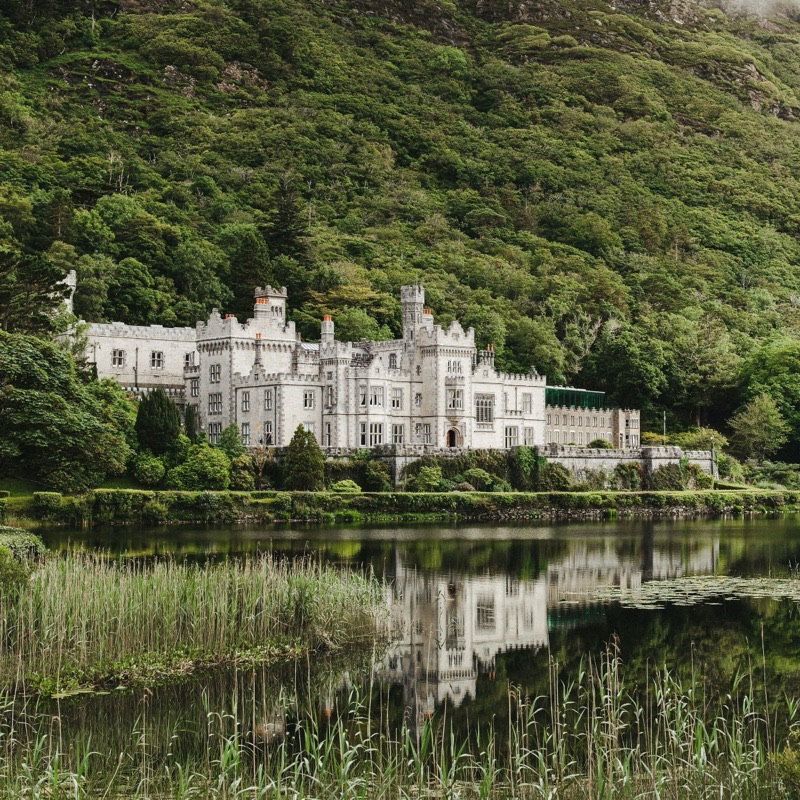
Ireland is best for travelers seeking a charming, low-stress European getaway, valuing consistent safety and comfortable infrastructure. Explore historic Dublin pubs, drive the scenic Wild Atlantic Way, or delve into ancient castles with ease. It's ideal for those prioritizing rich history, vibrant pub culture, and picturesque green landscapes, with a daily budget around $150.
Choose South Africa
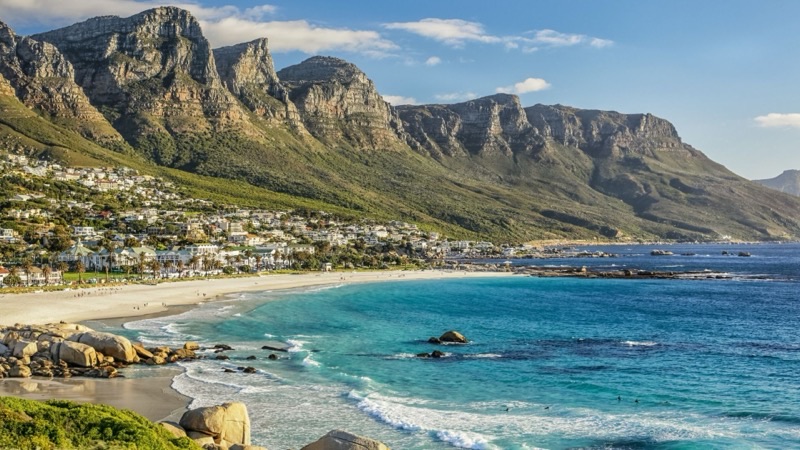
South Africa calls to the adventurous, offering unparalleled wildlife encounters and a thrilling array of activities. Embark on a Kruger National Park safari, hike iconic Table Mountain in Cape Town, or explore the stunning Garden Route. It's best for those desiring a vibrant, diverse cultural immersion and unforgettable adventures, providing excellent value often $80-100/day excluding high-end safaris.
📊 Visual Scorecard
🌤 When to Visit
Average high temperatures (°C). Green = best months, orange = avoid.
Quick Comparison
| Category | Ireland | South Africa | Winner |
|---|---|---|---|
| Costs & Budget | Higher daily spend, especially for accommodation and dining in cities. €100-180 ($110-200) per day for mid-range travel. | Lower base costs for food, transport, and local goods. ZAR 1000-2000 ($55-110) per day, excluding expensive safaris. | South Africa |
| Nature & Scenery | Green rolling hills, dramatic coastal cliffs, ancient forests, and serene lakes dominate the landscape. | Expansive savannas, rugged mountains, diverse coastlines, semi-deserts, and world-renowned wildlife parks. | South Africa |
| Safety & Security | Generally very safe, low violent crime, petty theft in tourist areas. Easy to navigate solo. | Requires vigilance, higher crime rates in urban areas and townships. Self-driving needs careful planning. | Ireland |
| Food & Drink | Hearty pub fare, fresh seafood, traditional stews, and a strong craft beer and whiskey scene. | Diverse cuisine influenced by various cultures, braai (BBQ), fresh seafood, curries, and an acclaimed wine industry. | South Africa |
| Getting There & Flights | Direct flights from major US cities, 6-7 hours. Dublin (DUB) is the primary international hub. | Longer flights, typically 14-17 hours with at least one stop from the US. Johannesburg (JNB) and Cape Town (CPT) are main entry points. | Ireland |
| Getting Around | Driving is popular for rural exploration; good intercity bus/train network. Cities are walkable. | Car rental is essential for flexibility outside cities; Uber prevalent in urban centers; public transport is limited. | Ireland |
| Culture & History | Ancient Celtic heritage, medieval castles, literary legacy, vibrant pub culture, and traditional music. | Complex post-apartheid history, diverse ethnic groups, indigenous traditions, and a modern arts scene. | Ireland |
| Weather & Seasons | Temperate maritime climate, mild summers (15-20°C/59-68°F), cool winters (4-8°C/39-46°F), frequent rain year-round. | Southern Hemisphere seasons, diverse regional climates. Cape Town: Mediterranean; Kruger: tropical wet/dry. Generally sunny. | South Africa |
| Nightlife | Pub culture with traditional music sessions, lively social atmosphere, and late-night bars in cities. | Cosmopolitan clubs and bars in major cities, live music venues, specific party districts, and beach-side lounges. | Ireland |
| Accommodation | Hotels, B&Bs, guesthouses. Generally higher prices, especially in cities. Quality is consistent. | Hotels, guesthouses, self-catering apartments, safari lodges. Wide range of prices, good value outside luxury options. | South Africa |
💸 Costs & Budget
Ireland generally presents a higher cost of travel. A mid-range hotel in Dublin or Galway often costs €120-200 ($130-220) per night. Meals at a decent pub or restaurant typically…
Ireland
South Africa
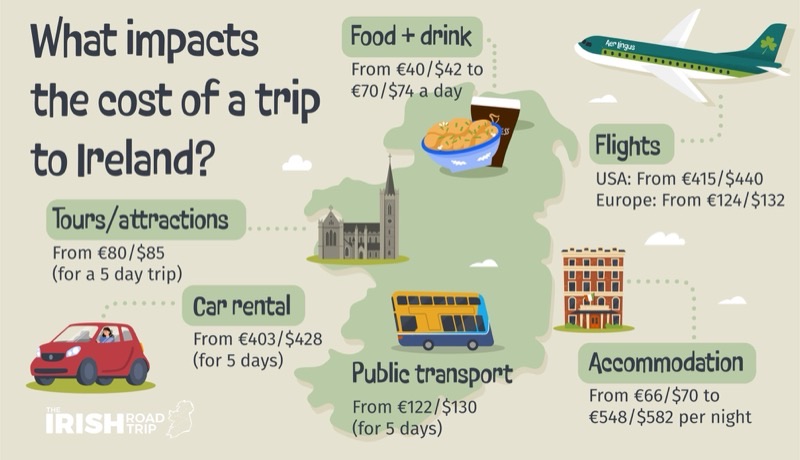
Ireland generally presents a higher cost of travel. A mid-range hotel in Dublin or Galway often costs €120-200 ($130-220) per night. Meals at a decent pub or restaurant typically range €15-30 ($16-33), and a pint of Guinness costs €6.50-8 ($7-8.50). Attractions like the Cliffs of Moher or Dublin Castle have entrance fees of €8-20 ($9-22). Daily expenses for a traveler focusing on comfortable stays, eating out, and seeing sights can easily reach €100-180 ($110-200) excluding long-distance transport.
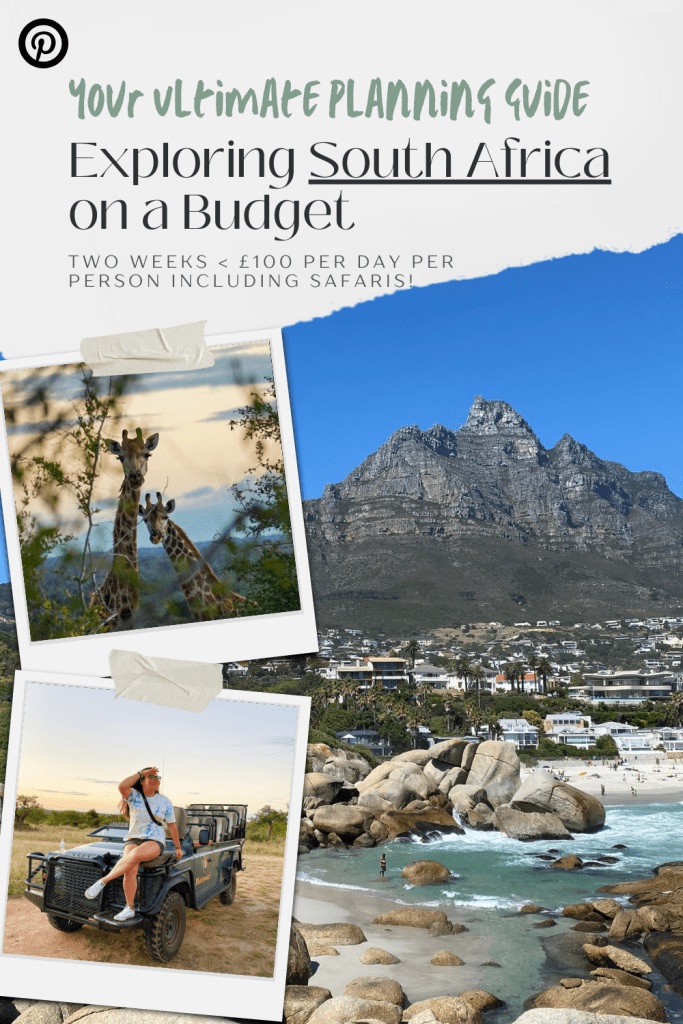
South Africa offers a more budget-friendly experience for everyday expenses. A good guesthouse in Cape Town or Johannesburg can be found for ZAR 800-1500 ($45-80) per night. Eating out, even at a quality restaurant, might cost ZAR 150-300 ($8-16) for a main meal, and a local beer is around ZAR 40-60 ($2-3). Car rental is affordable, often ZAR 300-500 ($16-27) per day. The major cost increase comes from safari experiences, where a 3-day Kruger trip can run ZAR 10,000-30,000 ($550-1600+) depending on lodge luxury. Excluding safari, a daily budget of ZAR 1000-2000 ($55-110) is realistic for a comfortable trip. South Africa offers significantly more value for basic travel needs.
- Winner: South Africa
- Why: South Africa provides a lower cost of living and daily expenses for accommodation, food, and local transport, making a general trip more affordable.
- Who this matters for: Budget-conscious travelers and those wanting to stretch their rand further for longer trips or more activities.
🏞️ Nature & Scenery
Ireland is characterized by its green expanses, a consequence of frequent rain. The Cliffs of Moher offer a dramatic coastal edge, dropping 214 meters into the Atlantic. The Ring…
Ireland
South Africa
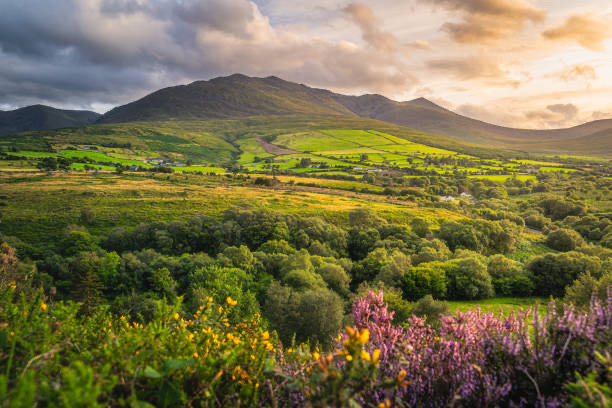
Ireland is characterized by its green expanses, a consequence of frequent rain. The Cliffs of Moher offer a dramatic coastal edge, dropping 214 meters into the Atlantic. The Ring of Kerry provides views of mountains, loughs, and the ocean, with the Killarney National Park offering lakes, woodlands, and the Torc Waterfall. The Burren in County Clare presents a unique limestone karst landscape. Walks along country lanes, exploring ancient monastic sites like Glendalough, and visiting the Giant's Causeway in Northern Ireland showcase a land shaped by geological forces and temperate climate, with a consistent green and gray palette.
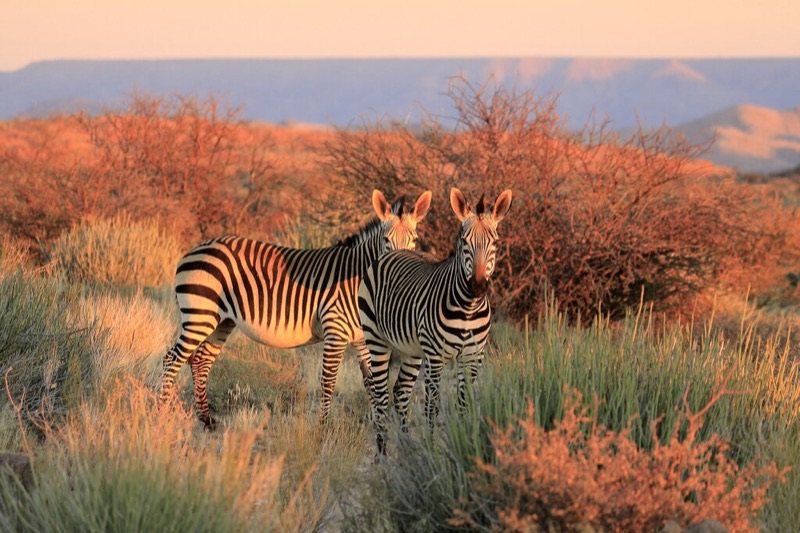
South Africa presents an array of landscapes. Kruger National Park is famous for its wildlife, including the Big Five, set within savanna and bushveld. Table Mountain overlooks Cape Town, offering hiking paths and views of the city, coastline, and surrounding mountains. The Drakensberg Mountains provide peaks and valleys for trekking. The Garden Route features coastal forests, lagoons, and beaches, while the semi-arid Karoo region offers a different ecological zone. The country spans multiple biomes, from the fynbos kingdom near Cape Town to the deserts of the Northern Cape, providing a wider spectrum of natural experiences. South Africa delivers a broader range of distinct ecosystems and wildlife encounters.
- Winner: South Africa
- Why: South Africa offers a greater diversity of natural environments, including iconic wildlife, mountains, deserts, and multiple distinct coastlines.
- Who this matters for: Wildlife enthusiasts, adventure trekkers, and travelers seeking extreme variations in landscape.
🚨 Safety & Security
Ireland maintains a low crime rate, making it a comfortable destination for most travelers, including solo visitors. Major cities like Dublin and Cork experience petty theft in…
Ireland
South Africa
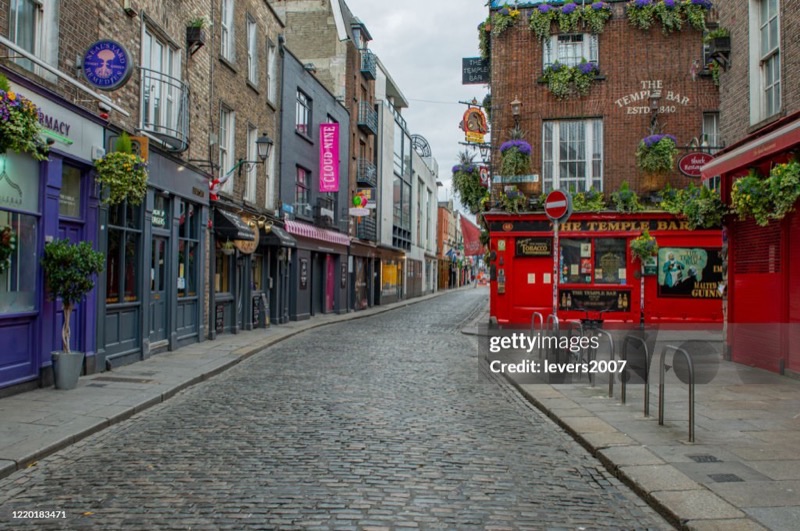
Ireland maintains a low crime rate, making it a comfortable destination for most travelers, including solo visitors. Major cities like Dublin and Cork experience petty theft in crowded tourist spots, but violent crime against tourists is rare. Walking alone at night in most towns feels secure. The main concerns are typically navigation challenges on narrow rural roads and being aware of surroundings in city centers. Travelers generally do not need to take extensive precautions beyond common sense and securing belongings.
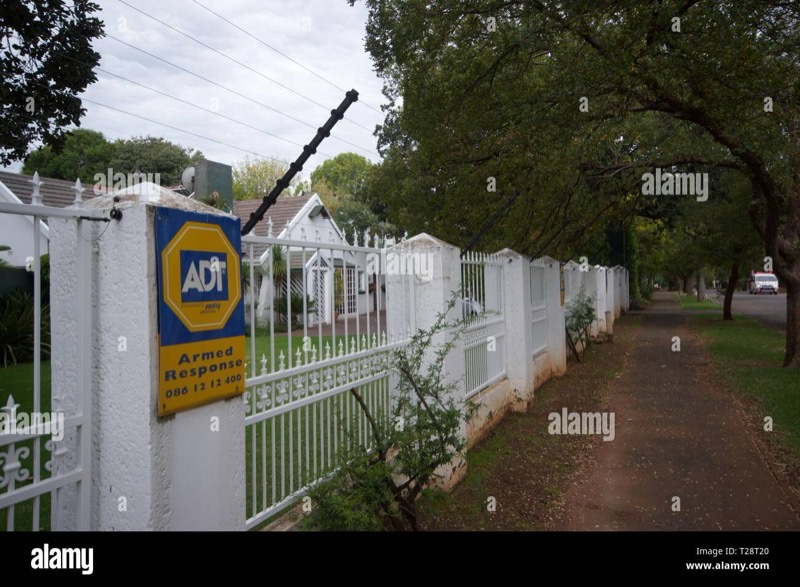
South Africa requires a higher level of awareness and planning regarding personal safety. While tourist areas like the V&A Waterfront in Cape Town or safari lodges are well-secured, crime rates are elevated in urban centers, particularly at night and in certain townships. Car hijackings and muggings are reported. Travelers often use Uber or reputable taxi services, avoid walking alone after dark in cities, and secure valuables. Self-driving is common but requires attention to surroundings, especially when leaving major roads. It is essential to research specific areas and follow local advice. Ireland offers a significantly more relaxed and secure travel environment.
- Winner: Ireland
- Why: Ireland has consistently low crime rates and a general sense of security that allows for more relaxed travel without constant vigilance.
- Who this matters for: Solo travelers, first-time international travelers, and those prioritizing a stress-free environment.
🍽️ Food & Drink
Irish food centers on comfort and local produce. Expect dishes like Irish stew, coddle, boxty, and excellent fresh seafood, especially along the coasts in places like Galway. Pubs…

Ireland
South Africa
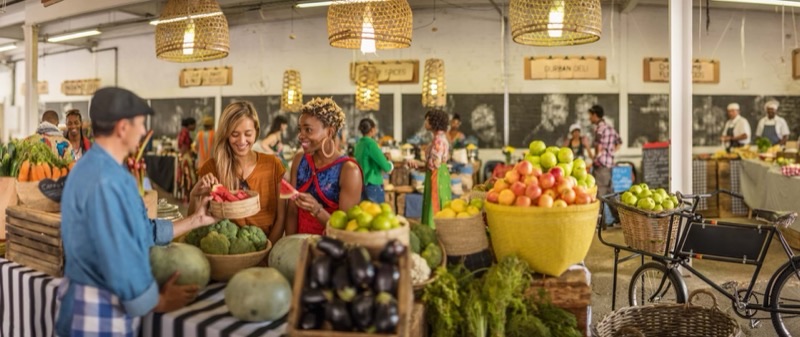
Irish food centers on comfort and local produce. Expect dishes like Irish stew, coddle, boxty, and excellent fresh seafood, especially along the coasts in places like Galway. Pubs serve substantial meals, often with a focus on local ingredients. The country also has a thriving craft beer movement and is famous for its whiskey distilleries, offering tours and tastings (e.g., Jameson Distillery Bow St. in Dublin). While not known for culinary innovation, the quality of ingredients and tradition provides a solid eating experience.
South Africa presents a truly diverse food scene, reflecting its varied cultural heritage. Braai, a traditional barbecue, is central to social gatherings. Indian influences are strong, particularly in Durban, with bunny chow (curry in a hollowed-out bread loaf) being a local specialty. Fresh seafood is abundant along the coast, and Cape Town has a robust fine dining scene with restaurants like The Test Kitchen. The Western Cape is a renowned wine region, offering vineyard tours and tastings at estates like Boschendal. From street food like boerewors rolls to high-end gastronomy, the range of flavors and experiences is broader and more experimental. South Africa wins for its wider culinary range and distinct flavors.
- Winner: South Africa
- Why: South Africa offers a significantly more diverse and internationally-influenced culinary landscape, from traditional braai to Indian curries and world-class wine.
- Who this matters for: Foodies, wine enthusiasts, and those seeking varied gastronomic experiences.
✈️ Getting There & Flights
Traveling to Ireland from the East Coast of the United States is relatively quick and convenient. Direct flights from New York (JFK), Boston (BOS), or Chicago (ORD) to Dublin…
Ireland

South Africa
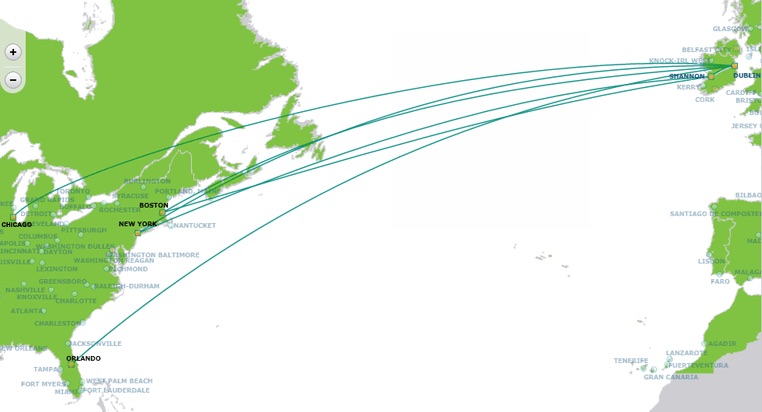
Traveling to Ireland from the East Coast of the United States is relatively quick and convenient. Direct flights from New York (JFK), Boston (BOS), or Chicago (ORD) to Dublin (DUB) typically take 6-7 hours. From the West Coast, flights are longer, often 9-11 hours, possibly with a quick stop in the US or Europe. Airlines like Aer Lingus, Delta, and United offer frequent services. Pre-clearance for US Customs and Border Protection at Dublin Airport streamlines the return journey, reducing airport time upon arrival in the US. Flight costs can vary, but off-peak round trips can be found for $500-800.
Flights to South Africa from the United States are considerably longer and usually involve at least one layover. A typical journey from New York to Johannesburg (JNB) or Cape Town (CPT) can take 14-17 hours, often with stops in Europe or the Middle East. There are limited direct options, primarily from Atlanta (ATL) to Johannesburg. Major carriers like South African Airways, Delta, United, Qatar Airways, and Emirates operate these routes. Round trip prices often start at $1000-1500 and can go higher during peak seasons. The time commitment and potential for multiple connections make the journey to South Africa more taxing. Ireland offers a much quicker and simpler travel route for most North American travelers.
- Winner: Ireland
- Why: Ireland is significantly closer to North America, offering shorter, more frequent direct flights and often lower airfare.
- Who this matters for: Travelers with limited vacation time, those who dislike long flights, or people seeking a more accessible international trip.
🚗 Getting Around
In Ireland, driving is the preferred method for exploring the scenic rural areas and smaller towns, allowing flexibility to stop at castles or viewpoints. Roads outside major…
In Ireland, driving is the preferred method for exploring the scenic rural areas and smaller towns, allowing flexibility to stop at castles or viewpoints. Roads outside major cities can be narrow, but navigation is straightforward. Major cities like Dublin, Cork, and Galway are very walkable, and have good local bus systems. An intercity bus network (Bus Éireann, Aircoach) connects most towns, and a national rail service (Irish Rail) serves main routes, though it is less comprehensive than buses. Renting a car for around €30-60 ($33-65) per day (excluding insurance) provides autonomy but remember to drive on the left.
South Africa requires more strategic planning for transport. Within major cities like Cape Town or Johannesburg, Uber is widely available and affordable (a typical ride across Cape Town might be ZAR 80-150 / $4-8). However, for exploring regions like the Garden Route, Drakensberg, or getting to safari parks, a rental car is almost essential. Renting a car typically costs ZAR 300-500 ($16-27) per day. Long-distance public transport is limited and not always recommended for tourists. Self-driving requires attention to navigation and security, especially when entering unfamiliar areas. While car rental is cheaper, the overall ease and integration of transport options make Ireland more convenient. Ireland provides more user-friendly and integrated transport options.
- Winner: Ireland
- Why: Ireland offers a more integrated and accessible public transport network alongside straightforward car rental, making it easier to travel without constant reliance on a personal vehicle.
- Who this matters for: Travelers who prefer not to drive, those on a tighter schedule, or people who enjoy spontaneous exploration.
🏛️ Culture & History
Ireland's history stretches back millennia, evident in its numerous megalithic tombs like Newgrange, ancient High Crosses, and hundreds of medieval castles such as Blarney Castle…
Ireland's history stretches back millennia, evident in its numerous megalithic tombs like Newgrange, ancient High Crosses, and hundreds of medieval castles such as Blarney Castle and Kilkenny Castle. Its literary legacy is strong, with figures like James Joyce and W.B. Yeats, celebrated in museums and walking tours in Dublin. The pub is a central cultural institution, providing a venue for traditional music sessions (trad sessions) and social interaction. Festivals, folklore, and storytelling are deeply woven into the national identity, offering a coherent and accessible cultural narrative centered around Celtic roots and a struggle for independence.
South Africa presents a complex and layered cultural landscape. Its history is shaped by indigenous peoples (Zulu, Xhosa, San), Dutch and British colonialism, and the profound impact of apartheid, explored at sites like Robben Island (where Nelson Mandela was imprisoned) and the Apartheid Museum in Johannesburg. The country is a democracy with 11 official languages, reflecting its diverse ethnic composition. Townships offer powerful, often challenging, cultural tours. While there is a modern arts scene in cities, and distinct tribal traditions exist, the overarching narrative is often one of struggle, reconciliation, and ongoing social change. Ireland offers a more unified and easily consumable historical and cultural experience.
- Winner: Ireland
- Why: Ireland offers a more consistently presented and easily accessible historical narrative and cultural experience centered around a long-standing national identity.
- Who this matters for: History buffs focused on ancient and medieval periods, literature enthusiasts, and those seeking traditional European cultural experiences.
☀️ Weather & Seasons
Ireland experiences a temperate maritime climate, meaning mild temperatures year-round but also a lot of rain. Summers (June-August) see averages of 15-20°C (59-68°F) and the…
Ireland experiences a temperate maritime climate, meaning mild temperatures year-round but also a lot of rain. Summers (June-August) see averages of 15-20°C (59-68°F) and the longest daylight hours, but rainfall is still common. Winters (December-February) are cool, averaging 4-8°C (39-46°F), with shorter days and more frequent showers. Spring and autumn can be pleasant but unpredictable. Packing layers and waterproof gear is always recommended, regardless of the season. Sunlight is often limited, even on summer days.
South Africa, being in the Southern Hemisphere, has opposite seasons to Europe and North America. Its large size means varied regional climates. Cape Town and the Western Cape have a Mediterranean climate with warm, dry summers (Dec-Feb) averaging 25-30°C (77-86°F) and wet, cool winters (June-Aug) around 10-18°C (50-64°F). Kruger National Park has a subtropical climate, with hot, wet summers (optimal for birdwatching) and dry, mild winters (optimal for wildlife viewing as vegetation thins). Generally, South Africa offers abundant sunshine. Traveling in shoulder seasons (April-May or Sept-Oct) often provides good weather across many regions. South Africa provides a wider range of favorable weather options depending on activity and region.
- Winner: South Africa
- Why: South Africa offers more consistent sunshine, a greater variety of climates suitable for different activities, and distinct seasonal advantages for specific experiences like safaris.
- Who this matters for: Sun-seekers, wildlife photographers (for dry season), and travelers who dislike frequent rain.
🍻 Nightlife
Ireland's nightlife is synonymous with its pub culture. In cities like Dublin, particularly in the Temple Bar area (though it can be touristy and pricey, a pint here is around…
Ireland's nightlife is synonymous with its pub culture. In cities like Dublin, particularly in the Temple Bar area (though it can be touristy and pricey, a pint here is around €8-9/$8.50-9.50), and in Cork or Galway, traditional music sessions are common, offering live, often spontaneous, performances. These sessions create a social atmosphere suitable for conversation and enjoyment. Beyond pubs, cities offer late-night bars and some clubs, but the focus remains on the convivial pub environment. Even smaller towns will have a local pub serving as a community hub into the evening.
South Africa's nightlife is more diverse and cosmopolitan, particularly in Cape Town and Johannesburg. Cape Town's Long Street is known for its array of clubs, bars, and live music venues catering to various tastes. Johannesburg offers upscale lounges in areas like Sandton and Melville, along with a more underground scene in districts like Maboneng. Durban has a lively beachfront promenade with bars. The energy in South African cities is often high, with options ranging from jazz clubs to dance floors and beach-side parties. While South Africa offers more club options, Ireland's pub culture is more consistently available and defines its nightlife experience. Ireland offers a more authentic and consistently social nightlife experience centered on its unique pub culture.
- Winner: Ireland
- Why: Ireland's pub culture and traditional music sessions provide a consistently social and authentic nightlife experience accessible across the country.
- Who this matters for: Travelers seeking social interaction, traditional experiences, and a relaxed drinking atmosphere.
🛌 Accommodation
Accommodation in Ireland ranges from traditional bed and breakfasts (B&Bs) and guesthouses to modern hotels. Prices are generally higher than many European counterparts. A decent…
Accommodation in Ireland ranges from traditional bed and breakfasts (B&Bs) and guesthouses to modern hotels. Prices are generally higher than many European counterparts. A decent B&B outside Dublin might cost €80-120 ($87-130) per night, while a mid-range hotel in Dublin or Galway often starts at €120-200 ($130-220). Quality is generally reliable, with clean, comfortable rooms. Booking in advance, especially during peak season (June-August) or for popular festivals, is advisable to secure better rates and availability. Budget options like hostels can be found for €30-50 ($33-55) per night in dorms.
South Africa offers a broader spectrum of accommodation with generally better value. Guesthouses and boutique hotels in cities like Cape Town or Stellenbosch can be found for ZAR 800-1500 ($45-80) per night, often with amenities like pools. Self-catering apartments are also popular and affordable. Safari lodges, however, range from budget-friendly tented camps (ZAR 1500-3000 / $80-160 per night) to ultra-luxury options exceeding ZAR 10,000 ($550) per night, including all meals and game drives. Hostels in major cities are around ZAR 200-400 ($11-22). The availability of good quality, affordable options across various styles makes South Africa a winner. South Africa provides more diverse and cost-effective accommodation choices, particularly for mid-range and luxury stays.
- Winner: South Africa
- Why: South Africa provides better value for money across its diverse accommodation options, from urban guesthouses to safari lodges, compared to Ireland's generally higher prices.
- Who this matters for: Travelers seeking luxury experiences at a lower cost, or those wanting to maximize their budget for higher-end stays.
🎯 The Decision Framework
Choose Ireland If…
- You want to explore ancient castles and historical sites easily.
- You value a social pub culture with traditional music.
- You prioritize a low-stress, consistently safe travel environment.
- You prefer shorter flights from North America (6-7 hours).
- You enjoy driving through green, rolling countryside.
- You want to visit a country with a clear, accessible national identity.
- You appreciate hearty, traditional comfort food and local brews.
- You seek an easy-to-navigate destination with good public transport options.
Choose South Africa If…
- You want dramatic wildlife encounters, including safaris.
- You seek diverse landscapes from mountains to deserts and coastlines.
- You are interested in a complex history of colonialism and overcoming apartheid.
- You prefer a more budget-friendly daily spend for food and accommodation.
- You enjoy a cosmopolitan food scene with varied global influences.
- You want to experience a vibrant, diverse urban nightlife and culture.
- You plan to rent a car for extensive exploration and adventure activities.
- You prefer sunny weather and distinct seasonal climates for different regions.
📅 Sample Itineraries
Weekend in Ireland (3 Days)
💡 Purchase a Leap Visitor Card for public transport in Dublin to save on individual fares, costing €8 for 1 day or €16 for 3 days.
Weekend in South Africa (3 Days)
💡 Book your Table Mountain Cableway and Robben Island tickets online in advance to avoid long queues and potentially save a few dollars.
One Week in Ireland (7 Days)
💡 Renting a car for the western and southern parts of Ireland offers more flexibility, but remember to factor in fuel costs (around $8 per gallon) and be prepared for driving on the left.
One Week in South Africa (7 Days)
💡 For the Garden Route, consider booking accommodation in advance, especially during peak season (December-February), to secure better rates (guesthouses from $60-100 per night).
❓ Frequently Asked Questions
Which country is better for solo female travelers?
Ireland is generally considered safer for solo female travelers due to its very low crime rates and consistent security, making it easier to navigate independently without extensive precautions. South Africa requires more vigilance and careful planning, especially in urban areas and at night, which can be more challenging for solo travelers.
What is the best time to visit each country?
For Ireland, June to August offers the mildest temperatures and longest daylight hours, though rain is still frequent. For South Africa, May to September (winter) is ideal for wildlife viewing in Kruger due to thinner vegetation, while October to April (summer) is perfect for Cape Town's beaches and vineyards.
How much should I budget for a 10-day trip?
For Ireland, a 10-day trip might cost €1000-1800 ($1100-2000) per person, excluding flights, for a comfortable mid-range experience. For South Africa, a similar 10-day trip without a high-end safari could be ZAR 10,000-20,000 ($550-1100), but adding a 3-day mid-range safari would increase the total by ZAR 10,000-15,000 ($550-800).
Are visas required for US citizens for either country?
US citizens typically do not require a visa for tourist stays up to 90 days in Ireland. For South Africa, US citizens also generally do not require a visa for tourist stays up to 90 days, but always check current requirements before travel as policies can change.
Which country offers better outdoor activities?
South Africa offers a wider range of outdoor activities including safaris, extensive hiking in Table Mountain and Drakensberg, surfing, shark cage diving, and canyoning. Ireland provides excellent opportunities for scenic drives, coastal walks (e.g., Cliffs of Moher), cycling, and kayaking in loughs and rivers.
What are the main cultural differences to be aware of?
Ireland has a strong pub culture, a focus on Gaelic heritage, and a more uniform European cultural identity. South Africa has a complex cultural makeup with 11 official languages, diverse indigenous groups, and a history shaped by apartheid, leading to a varied, often challenging, but rewarding cultural experience.
Is driving recommended in both countries?
Driving is highly recommended in Ireland for exploring rural areas and small towns, despite narrow roads, offering significant freedom. In South Africa, driving is essential for much of the country outside major city centers, but requires greater awareness and planning due to varying road conditions and security concerns in certain areas.
Which country is better for families with children?
Ireland is often better for families due to its consistent safety, shorter travel times from North America, and numerous castles and gentle natural attractions. South Africa offers incredible wildlife experiences that children remember, but the longer flights and safety considerations require more careful family planning, especially with young children.
Ready to plan your Ireland or South Africa trip?
Get a free custom itinerary for Ireland, South Africa, or both — built from real traveler insights.
👥 Travelers Also Compared
🎟️ Book Tours & Experiences
Hand-picked tours and activities for both destinations — book with free cancellation
Experiences via Viator — free cancellation on most tours