How we built this comparison
This page combines traveler discussion patterns, published price ranges, flight schedules, and seasonal data to help you decide between Israel and Italy.
- Reviewed 500+ Reddit threads from r/travel, r/solotravel, r/israel, r/italy, and r/travelpartners.
- Verified costs and logistics against current booking platforms (e.g., Booking.com, Google Flights, Trenitalia).
- Cross-referenced seasonal patterns and weather data for optimal travel timing.
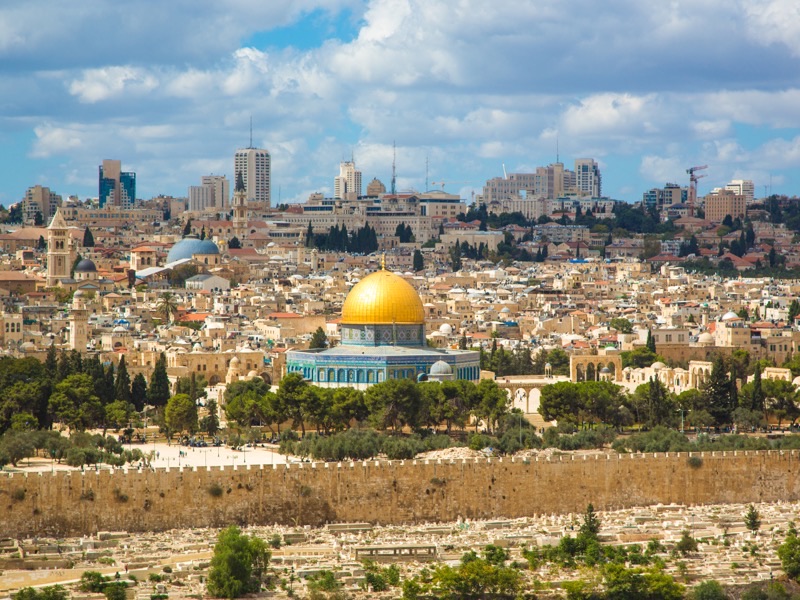
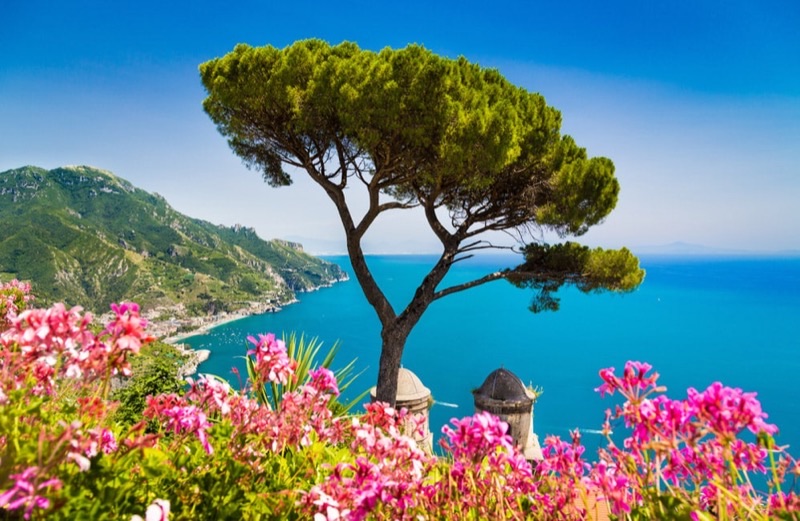
⚡ Quick Answers
⚡ The TL;DR Verdict
For most travelers seeking a combination of accessible history, varied landscapes, and generally lower costs, Italy comes out ahead. Israel offers a deeper dive into ancient sites and a unique modern culture, but it often requires a higher daily spend. If budget and breadth are primary, pick Italy. If a specific historical or religious focus with a contemporary edge appeals, Israel is a powerful choice.
- Choose Israel: You prioritize profound historical and religious sites, enjoy a fast-paced Mediterranean city vibe (Tel Aviv), and have a higher travel budget. You are comfortable with varying cultural norms and specific security considerations.
- Choose Italy: You want diverse historical periods, world-renowned art, exceptional food and wine, varied natural scenery, and a generally more affordable and straightforward travel experience. You prefer a well-established tourist infrastructure.
- Choose Both: Allocate at least 2.5 to 3 weeks for a meaningful trip covering key regions in both countries. Start with Israel for its intense historical focus, then transition to Italy for a broader European cultural experience, potentially flying from Tel Aviv to Rome or Milan.
Choose Israel
Choose Israel if you crave a deeply immersive journey into ancient history and vibrant modern life. Explore Jerusalem's sacred sites and then contrast it with Tel Aviv's bustling beaches and innovative dining scene. This destination is best for adventurous travelers prioritizing unique cultural depth and willing to invest in a richer experience.
Choose Italy
Opt for Italy to indulge in a timeless blend of art, gastronomy, and breathtaking scenery, all within a more accessible budget. Wander through Roman ruins, sip Chianti in Tuscan vineyards, or explore the romantic canals of Venice. This is the ideal choice for culture enthusiasts and foodies desiring a diverse, picturesque, and relatively straightforward European adventure.
📊 Visual Scorecard
🌤 When to Visit
Average high temperatures (°C). Green = best months, orange = avoid.
Quick Comparison
| Category | Israel | Italy | Winner |
|---|---|---|---|
| Costs & Budget | Generally higher costs for accommodation, food, and transport, especially in Tel Aviv. Daily budget averages $100-180 USD. | More budget-friendly options, especially outside major cities. Daily budget averages $80-150 USD, with good value for food. | Italy |
| Food Scene | Focus on Middle Eastern flavors: falafel, shakshuka, hummus, fresh salads. Tel Aviv leads with modern culinary innovations. | Regional diversity with pasta, pizza, gelato, seafood, and specific local dishes. Emphasis on fresh, local ingredients and wine. | Italy |
| Culture & History | Ancient religious sites (Jerusalem, Nazareth), Roman ruins (Caesarea), and modern Israeli history. Deep spiritual significance. | Ancient Roman empire, Renaissance art, medieval towns, and diverse regional traditions. Art, architecture, and historical layers are everywhere. | Israel |
| Beaches & Coastlines | Mediterranean beaches in Tel Aviv, unique Dead Sea experience. Red Sea diving in Eilat. | Diverse coastlines: Adriatic, Tyrrhenian, Ionian. Rocky coves, sandy beaches, Amalfi Coast cliffs, Sardinian turquoise waters. | Italy |
| Nightlife | Tel Aviv is a major party city with bars, clubs, and late-night dining. Jerusalem has a more subdued, cultural nightlife. | Rome, Milan, and Florence have active bar scenes. Beach towns offer seasonal parties. Generally earlier closing times than Tel Aviv. | Israel |
| Getting There & Around | Ben Gurion Airport (TLV) is the main hub. Good bus network. Sheruts (shared taxis) are convenient. Driving can be complex. | Multiple international airports. Extensive, efficient train system. Buses connect smaller towns. Driving is feasible but challenging in cities. | Italy |
| Accommodation | Hotels are generally expensive. Hostels are available but limited outside Tel Aviv. Kibbutz guest houses offer a different experience. | Wide range from luxury hotels to budget hostels, agriturismi, and apartments. More options across all price points. | Italy |
| Safety | High security presence, generally safe for tourists. Geopolitical situation requires awareness. Road safety is good. | Generally safe, but petty crime (pickpocketing) is common in tourist areas. Road safety varies by region. | Tie |
| Nature & Scenery | Diverse landscapes: Dead Sea, Negev Desert, Galilee hills, Mediterranean coast. Unique geological features. | Alps, Dolomites, Tuscan rolling hills, volcanic islands, lakes, dramatic coastlines. Incredible variety. | Italy |
| Solo Travel | Relatively easy to navigate, good hostel networks in main cities. Friendly locals, but can be intense. Less solo traveler infrastructure outside main hubs. | Extremely well-suited for solo travelers, extensive hostel network, easy transport, safe, and many opportunities to meet others. | Italy |
💰 Costs & Budget
Israel is a more expensive destination for most travelers. A basic falafel meal can cost 25-35 ILS ($7-10 USD), while a casual restaurant dinner in Tel Aviv often starts at 90-150…
Israel
Italy
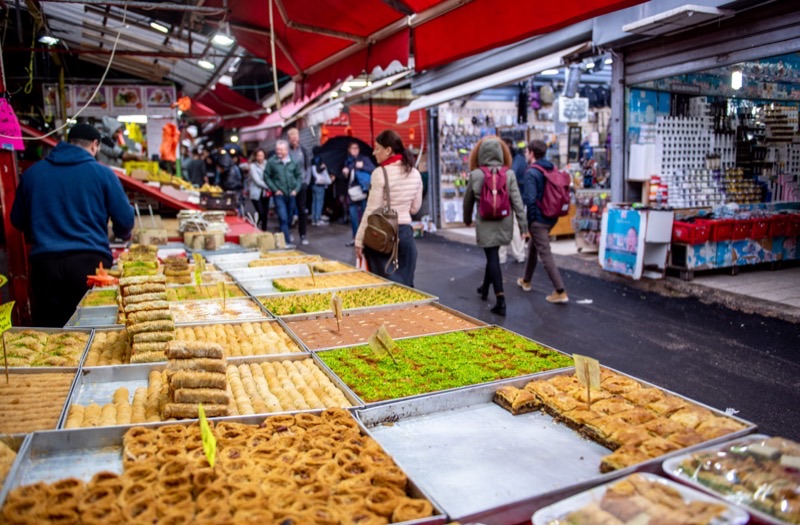
Israel is a more expensive destination for most travelers. A basic falafel meal can cost 25-35 ILS ($7-10 USD), while a casual restaurant dinner in Tel Aviv often starts at 90-150 ILS ($25-40 USD). Hotel rooms in cities like Tel Aviv or Jerusalem frequently exceed 500-800 ILS ($135-215 USD) per night for mid-range options. Transportation, such as intercity buses, are reasonably priced (e.g., Tel Aviv to Jerusalem is around 16 ILS / $4.50 USD), but taxis or private transfers add up quickly. Overall, expect to spend $100-180 USD per day for a comfortable, mid-range experience, with backpacker budgets pushing $70-90 USD if extremely frugal.
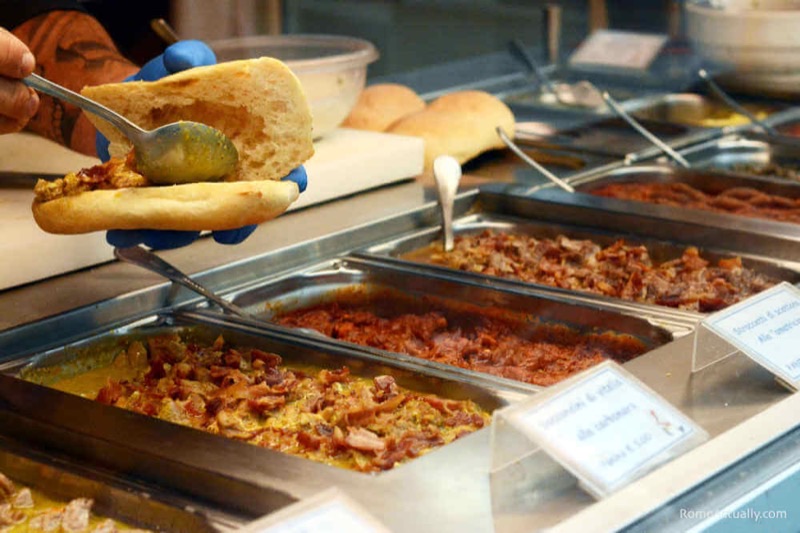
Italy offers a wider range of price points. A pizza in Naples can be as low as 5-8 EUR ($5.50-8.50 USD), and a casual pasta dish in Rome might be 12-18 EUR ($13-20 USD). Mid-range hotels in Rome or Florence typically run 80-150 EUR ($85-165 USD) per night, with hostels much cheaper. Train travel is efficient and reasonably priced; a high-speed train from Rome to Florence can be 30-50 EUR ($33-55 USD) if booked in advance. Daily budgets for Italy are usually $80-150 USD, allowing for good food and comfortable lodging, while backpackers can manage on $50-70 USD in many regions. Italy provides a better overall travel value for most budgets. Tabiji verdict: Italy gives more bang for your buck, making it the clear winner for budget-conscious explorers.
- Winner: Italy
- Why: Italy consistently offers more affordable options for accommodation, food, and transport across a wider range of quality tiers.
- Who this matters for: Travelers prioritizing budget and extending their trip duration.
🍽️ Food Scene
Israel's food scene is a delightful blend of Middle Eastern and Mediterranean influences. Street food staples like falafel (25-35 ILS / $7-10 USD) and sabich are readily available…

Israel
Italy
Israel's food scene is a delightful blend of Middle Eastern and Mediterranean influences. Street food staples like falafel (25-35 ILS / $7-10 USD) and sabich are readily available and satisfying. Shakshuka is a breakfast staple, and fresh hummus with pita is everywhere. Tel Aviv has a modern, experimental dining scene, with restaurants like Miznon or HaSalon offering contemporary takes on local ingredients, though prices are high (main courses 100-200 ILS / $27-55 USD). Kosher options are prevalent, and Friday night Shabbat dinners offer a specific cultural experience. The food is fresh, generally healthy, and full of flavor, but the variety across regions is less pronounced than in Italy.
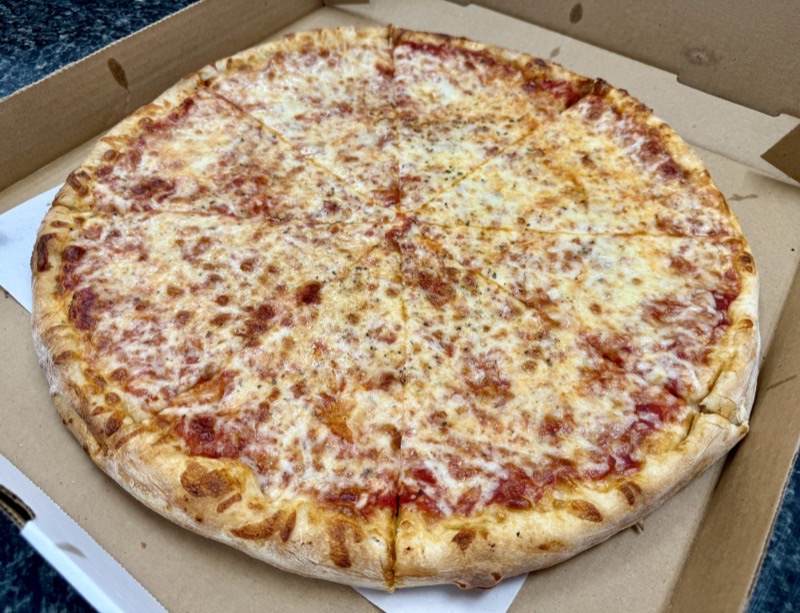
Italy offers an almost unparalleled food journey, with distinct regional cuisines. From the pizzas of Naples (5-8 EUR / $5.50-8.50 USD) to the pasta of Rome (cacio e pepe, amatriciana at 12-18 EUR / $13-20 USD), the bolognese of Emilia-Romagna, and the seafood along the coasts, the diversity is immense. Gelato, espresso, and aperitivo culture are integral parts of daily life. Even casual trattorias deliver high-quality, authentic dishes at reasonable prices. Learning about regional wines (a glass of house wine 4-7 EUR / $4.50-7.50 USD) is part of the experience. The breadth of flavors, techniques, and the cultural centrality of food give Italy a distinct advantage. Tabiji verdict: Italy's vast and regionally diverse culinary landscape provides a more consistently gratifying and educational eating experience.
- Winner: Italy
- Why: Italy provides an unmatched diversity of regional cuisines, universally recognized dishes, and a deep cultural connection to food and wine.
- Who this matters for: Food enthusiasts, gourmands, and anyone who considers eating a primary part of their travel experience.
🏛️ Culture & History
Israel is a country of immense historical and religious weight, particularly for Judaism, Christianity, and Islam. Jerusalem is the epicenter, with sites like the Western Wall,…
Israel
Italy
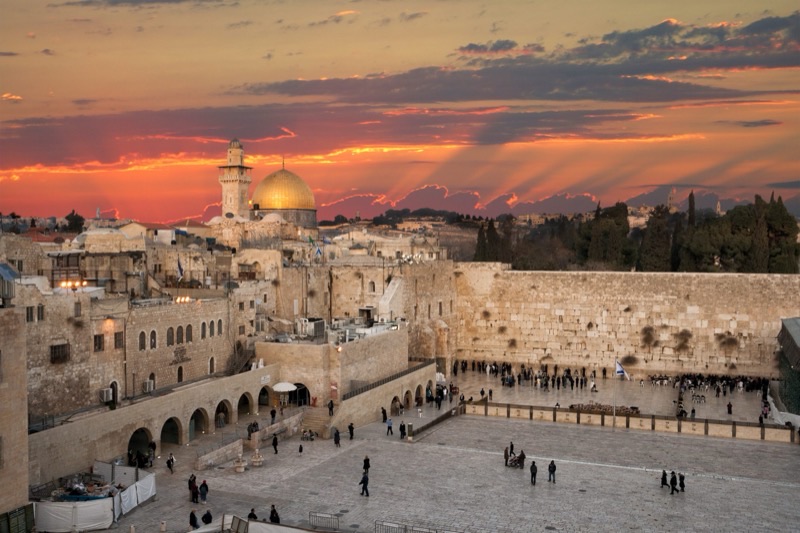
Israel is a country of immense historical and religious weight, particularly for Judaism, Christianity, and Islam. Jerusalem is the epicenter, with sites like the Western Wall, the Church of the Holy Sepulchre, and the Dome of the Rock. These are not just historical markers; they are active places of worship and pilgrimage. Roman ruins at Caesarea (entrance ~39 ILS / $10.50 USD) and Masada (cable car + entrance ~76 ILS / $20.50 USD) offer glimpses into different eras. The Holocaust Museum Yad Vashem provides a somber but essential modern historical experience. The historical impact here is personal and immediate, often tying directly to foundational stories of civilizations. Learning about the kibbutz movement or the geopolitical complexities also adds layers to the cultural understanding.
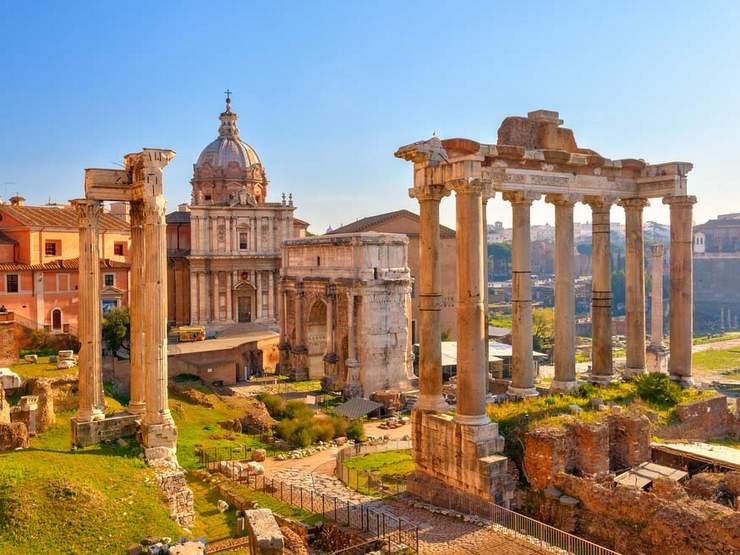
Italy's historical depth spans millennia, from the Roman Empire to the Renaissance. Rome alone holds the Colosseum (entrance ~16 EUR / $17.50 USD), Roman Forum, and Vatican City, each demanding days of exploration. Florence offers Renaissance art at the Uffizi Gallery (entrance ~25 EUR / $27 USD) and Accademia Gallery. Pompeii, Venice, and countless medieval hilltop towns across Tuscany and Umbria showcase different periods. Italy is a walking museum of Western civilization, with a focus on art, architecture, and political history. While Italy provides a broader overview of European cultural development, Israel offers a more concentrated and intensely spiritual historical experience. Tabiji verdict: Israel's direct connection to foundational religious and historical narratives delivers a more profound and personally impactful historical journey.
- Winner: Israel
- Why: Israel provides a concentrated, immediate, and deeply spiritual connection to ancient historical and religious sites central to multiple world faiths.
- Who this matters for: Travelers with a strong interest in religious history, archaeology, and profound spiritual or historical connection.
🏖️ Beaches & Coastlines
Israel boasts a Mediterranean coastline with Tel Aviv's beaches being the main draw. Gordon Beach, Frishman Beach, and Banana Beach offer golden sand, clear waters, and a lively…
Israel
Italy
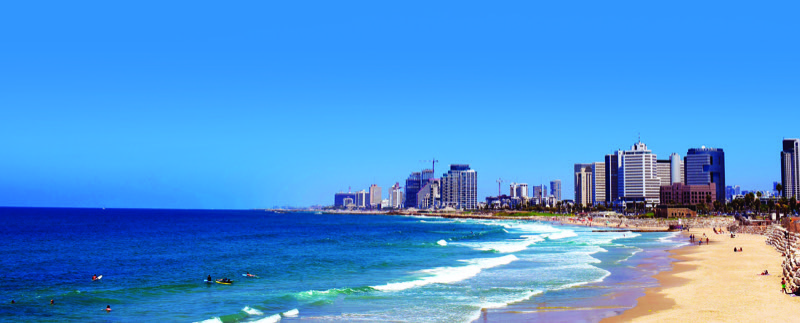
Israel boasts a Mediterranean coastline with Tel Aviv's beaches being the main draw. Gordon Beach, Frishman Beach, and Banana Beach offer golden sand, clear waters, and a lively atmosphere with cafes and beachfront bars. The Dead Sea is a singular experience; floating effortlessly in the mineral-rich water near Ein Bokek (public access free, resort access paid) is unlike any other beach visit, though it is not a traditional swim spot. In the south, Eilat on the Red Sea offers coral reefs for snorkeling and diving, with specific sites like Dolphin Reef. Israeli beaches are clean and well-maintained, but the overall variety of coastal experiences is somewhat limited compared to Italy.
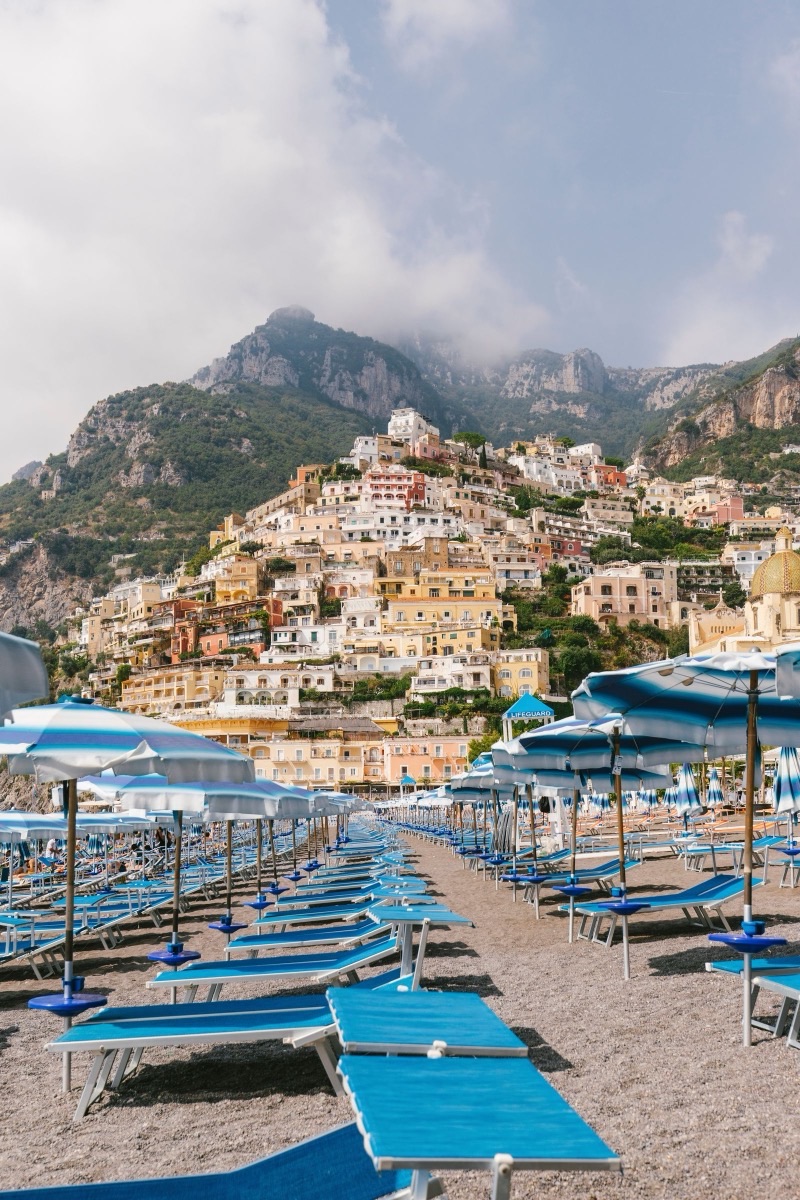
Italy's coastline is incredibly varied and extensive, stretching over 7,600 kilometers across multiple seas. The Amalfi Coast presents dramatic cliffs and picturesque towns like Positano and Ravello, with pebble beaches and azure waters. Sardinia and Puglia offer some of Europe's most beautiful sandy beaches and clear turquoise seas, such as Cala Gonone or Pescoluse. The Ligurian coast (Cinque Terre) combines charming villages with rocky coves. From the Adriatic's wide, sandy stretches to the Tyrrhenian's volcanic islands, Italy provides a beach type for every preference, whether you seek relaxation, dramatic scenery, or water sports. Tabiji verdict: Italy's immense diversity and consistent beauty across its numerous coastlines make it the superior choice for beach enthusiasts.
- Winner: Italy
- Why: Italy offers a far greater variety of coastal landscapes, beach types, and water experiences across multiple seas.
- Who this matters for: Beach lovers, water sports enthusiasts, and those seeking diverse coastal scenery.
🌃 Nightlife
Tel Aviv is widely known for its dynamic nightlife, often compared to Berlin or Barcelona. The city comes alive after dark, especially in areas like Rothschild Boulevard and the…
Israel
Italy
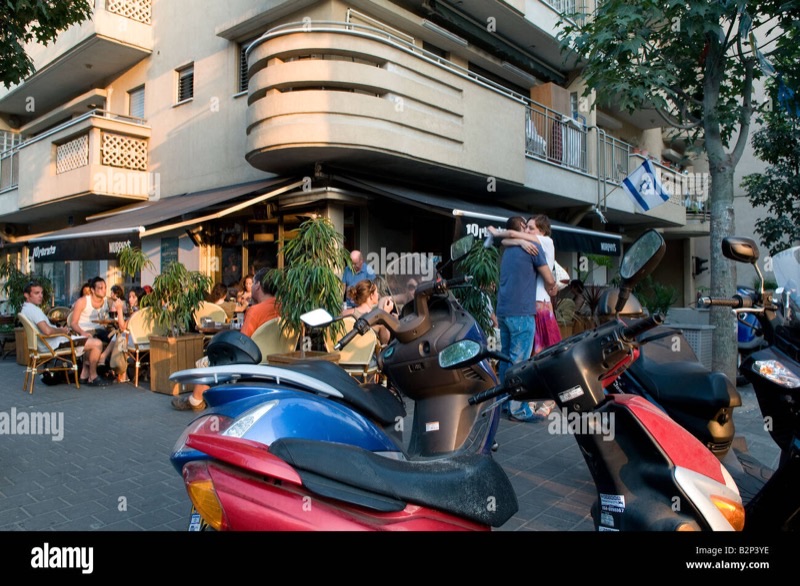
Tel Aviv is widely known for its dynamic nightlife, often compared to Berlin or Barcelona. The city comes alive after dark, especially in areas like Rothschild Boulevard and the Florentin neighborhood. Bars (a local beer can cost 30-40 ILS / $8-11 USD), clubs, and lounges operate well past midnight, some until dawn. Places like The Block, Kuli Alma, or Sputnik Bar host international DJs and local artists, drawing large crowds. The atmosphere is generally liberal and energetic, with a strong focus on electronic music and creative cocktails. Jerusalem's nightlife is more focused on cafes, pubs, and cultural events, with fewer large clubs, reflecting its more conservative atmosphere.
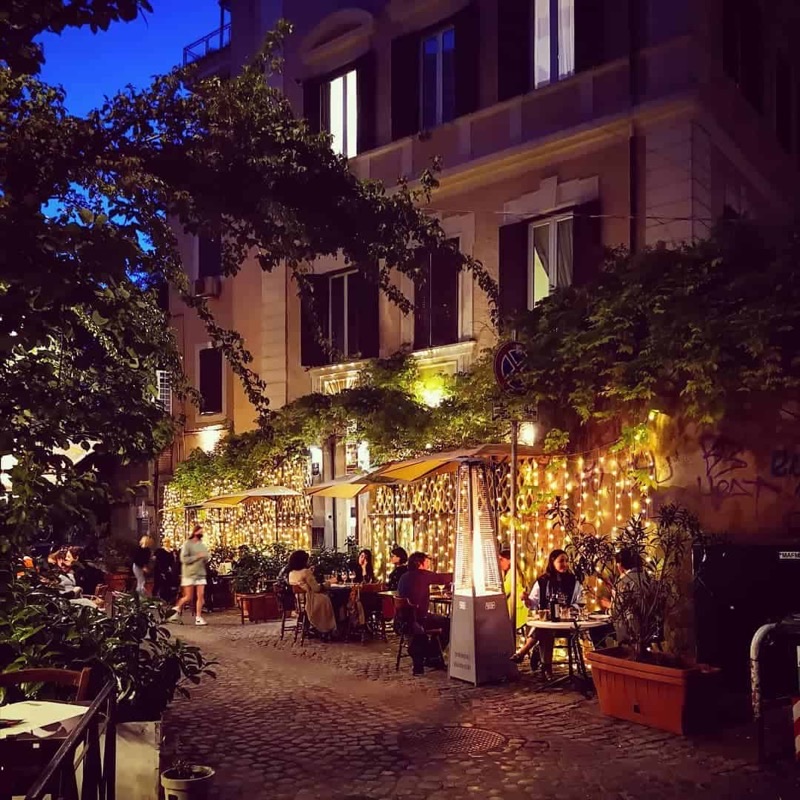
Italy's nightlife varies significantly by city and region. Milan has a sophisticated club scene, and Rome offers a range of bars and pubs in areas like Trastevere or Testaccio. Florence's nightlife caters to students and tourists with many bars around Piazza della Signoria. Compared to Tel Aviv, Italian clubs generally open later but might close earlier, often around 2-3 AM. Cocktails in trendy Italian bars might cost 10-15 EUR ($11-16 USD). While cities like Milan and Rome have specific areas for dancing and late-night drinks, the sheer concentration and late-night intensity of Tel Aviv's scene set it apart. Beach towns like Rimini or Gallipoli offer seasonal parties, but these are often limited to summer. Tabiji verdict: For a truly relentless and modern party scene, Tel Aviv's energy makes Israel the definitive choice.
- Winner: Israel
- Why: Tel Aviv's intense, late-night, and open-minded club and bar scene surpasses Italy's more varied but generally earlier and less concentrated offerings.
- Who this matters for: Party-goers, club enthusiasts, and those seeking a cutting-edge urban nightlife experience.
✈️ Getting There & Around
Getting to Israel typically involves flying into Ben Gurion Airport (TLV) near Tel Aviv. Direct flights from major European cities are 4-5 hours, and from New York, about 10-11…
Getting to Israel typically involves flying into Ben Gurion Airport (TLV) near Tel Aviv. Direct flights from major European cities are 4-5 hours, and from New York, about 10-11 hours. Israel has a well-developed intercity bus network (Egged, Dan), connecting most major points efficiently and affordably. For example, a bus from Tel Aviv to Haifa costs around 26 ILS ($7 USD). Sheruts (shared taxis) are a specific local transport option, especially for Shabbat when buses do not run, offering door-to-door service at reasonable rates (e.g., Tel Aviv to Jerusalem for 35 ILS / $9.50 USD). Renting a car is possible but traffic can be heavy around cities, and parking is often difficult and expensive. Security checks at the airport are thorough and can add significant time.
Italy benefits from multiple international airports (Rome FCO, Milan MXP, Venice VCE) making entry flexible. Its extensive and high-speed train network (Trenitalia, Italo) is a major advantage, connecting cities like Rome, Florence, and Venice quickly and comfortably (e.g., Rome to Florence in ~1.5 hours, tickets from 25-50 EUR / $27-55 USD). Buses serve smaller towns, complementing the train system. Driving is generally straightforward in the countryside, but cities have ZTLs (Limited Traffic Zones) that restrict car access, and parking is scarce and costly. The ease of navigating between major and minor destinations without a car, using reliable and frequent public transport, makes Italy particularly user-friendly for travelers. Tabiji verdict: Italy's comprehensive and efficient train system for intercity travel provides a superior and more relaxed way to explore the country.
- Winner: Italy
- Why: Italy's extensive and efficient high-speed train network provides unparalleled ease and comfort for intercity travel.
- Who this matters for: Travelers who prefer public transport, want to visit multiple cities, and value convenience in transit.
🏨 Accommodation
Accommodation in Israel can be a significant budget item. In Tel Aviv, a decent mid-range hotel might cost 500-800 ILS ($135-215 USD) per night. Budget hostels like Abraham Hostel…
Accommodation in Israel can be a significant budget item. In Tel Aviv, a decent mid-range hotel might cost 500-800 ILS ($135-215 USD) per night. Budget hostels like Abraham Hostel Tel Aviv offer dorm beds from 130 ILS ($35 USD) and private rooms from 400 ILS ($110 USD). Jerusalem has similar price points. Outside these main cities, options become more limited, though guesthouses in the Galilee or B&Bs in smaller towns offer local charm. Kibbutz accommodation offers a unique stay, sometimes providing good value. Booking in advance is advisable, especially during peak seasons or holidays like Passover. The overall availability and price-to-value ratio lean towards the higher end.
Italy boasts an incredibly diverse and extensive range of accommodation options. From luxurious five-star hotels in Rome and Florence to charming family-run agriturismi (farm stays) in Tuscany (often 80-150 EUR / $85-165 USD per night), budget-friendly hostels (dorm beds from 25-40 EUR / $27-45 USD), and abundant Airbnb rentals, there is truly something for every budget and style. You can find unique stays in historic palazzos, modern city apartments, or seaside villas. The competition among providers means better value and more choices, particularly outside the absolute peak tourist seasons. Finding a good quality, well-located stay at a reasonable price is generally much easier in Italy. Tabiji verdict: Italy's vast and varied accommodation market provides superior choices and better value for every traveler type.
- Winner: Italy
- Why: Italy offers a significantly broader range of accommodation types, price points, and overall availability, providing better value.
- Who this matters for: All travelers, especially those seeking specific types of lodging (e.g., agriturismi, budget hostels) or better value.
🛡️ Safety
Israel has a high level of security awareness and presence, which contributes to a feeling of safety for tourists in main areas. While the geopolitical situation requires…
Israel has a high level of security awareness and presence, which contributes to a feeling of safety for tourists in main areas. While the geopolitical situation requires travelers to stay informed, direct threats to tourists are rare. Cities like Tel Aviv and Jerusalem are generally safe to walk around, even at night. Road safety is comparable to Western countries, with good infrastructure. The main 'concern' for travelers is usually the rigorous security checks at the airport, which are for safety and can be time-consuming, but are not a danger themselves. Petty crime rates are relatively low, but standard precautions apply.
Italy is generally safe for tourists, but petty crime, particularly pickpocketing, is a common issue in crowded tourist areas like Rome (Colosseum, Vatican), Florence, and major train stations. Vigilance with belongings is crucial. Violent crime against tourists is rare. Driving can be chaotic in major cities, especially in the south, requiring extra caution. Solo female travelers generally report feeling safe in both countries, taking standard precautions. Both countries have reliable emergency services. Ultimately, both countries are safe for the vast majority of tourists, with different types of vigilance required. Tabiji verdict: Both countries are safe for tourists, requiring different types of awareness: situational for Israel, and vigilance against petty crime for Italy.
- Winner: Tie
- Why: Both countries present different safety considerations that balance out, with a generally low risk for tourists when basic precautions are taken.
- Who this matters for: Travelers prioritizing personal security and peace of mind.
🏞️ Nature & Scenery
Israel offers a surprisingly diverse range of natural environments for its size. The Dead Sea is a unique geological phenomenon, offering salt formations and mud baths. The Negev…
Israel offers a surprisingly diverse range of natural environments for its size. The Dead Sea is a unique geological phenomenon, offering salt formations and mud baths. The Negev Desert covers much of the south, with craters like Ramon Crater, ancient wadis, and desert flora/fauna. The Galilee region in the north has rolling green hills, waterfalls like Ein Gedi, and the Sea of Galilee (Kinneret). The Mediterranean coastline provides sandy beaches and cliffs. While dramatic and unique, the scale and variety of truly expansive natural landscapes are somewhat contained, and many areas are arid.
Italy's natural scenery is incredibly varied and on a grander scale. The Dolomites in the north offer breathtaking mountain vistas, hiking, and skiing. Tuscany is famous for its rolling hills, cypress trees, and vineyards. The Amalfi Coast presents dramatic seaside cliffs and charming towns. Sicily and Sardinia have volcanic landscapes, pristine beaches, and clear waters. The Italian Lakes (Como, Garda) offer serene beauty. From active volcanoes like Mount Etna to extensive national parks, Italy's natural environments provide a greater breadth of experiences for hikers, photographers, and nature lovers. Tabiji verdict: Italy's vast range of iconic and expansive natural landscapes, from mountains to coastlines, offers a more diverse and grander outdoor experience.
- Winner: Italy
- Why: Italy presents a more extensive and grander variety of iconic natural landscapes, from majestic mountains to diverse coastlines and rolling hills.
- Who this matters for: Hikers, nature photographers, and those seeking varied outdoor activities and scenery.
🚶♀️ Solo Travel
Solo travel in Israel is generally straightforward, especially in Tel Aviv and Jerusalem. English is widely spoken, and public transport is reliable. Hostels like Abraham Hostel…
Solo travel in Israel is generally straightforward, especially in Tel Aviv and Jerusalem. English is widely spoken, and public transport is reliable. Hostels like Abraham Hostel (Tel Aviv, Jerusalem) are excellent for meeting other travelers, offering tours and social events. Israelis are often direct and friendly, which some solo travelers appreciate, while others might find it a bit intense. Outside the main cities, solo traveler infrastructure is less developed, and you might find yourself more isolated. The security checks at borders or airports are thorough, and solo travelers might receive more questions, though this is for safety and not a deterrent.
Italy is an excellent destination for solo travelers. Its extensive and easy-to-use train system simplifies moving between cities. There is a robust hostel network in all major tourist destinations and many smaller towns. Italians are generally welcoming, and it is easy to strike up conversations, especially over food or coffee. There are countless activities suitable for one person, from museum visits to cooking classes (e.g., a pasta-making class in Bologna often costs 80-120 EUR / $85-130 USD). The sheer number of other travelers makes it easy to find company if desired. Petty crime is the main concern, requiring vigilance. Tabiji verdict: Italy's superior transport network, established solo traveler infrastructure, and cultural ease make it the stronger choice for those traveling alone.
- Winner: Italy
- Why: Italy offers a more established and comprehensive infrastructure for solo travelers, making it easier to navigate, meet people, and enjoy diverse activities independently.
- Who this matters for: First-time solo travelers, those prioritizing ease of navigation, and meeting other travelers.
🎯 The Decision Framework
Choose Israel If…
- You crave deep historical and religious immersion, specifically in ancient sites.
- You want to experience Tel Aviv's modern, non-stop beach city energy and nightlife.
- You are interested in the unique experience of floating in the Dead Sea.
- You appreciate Mediterranean and Middle Eastern cuisine like authentic falafel and shakshuka.
- You are comfortable with higher travel costs and specific security considerations.
- You are looking for a destination with a distinct and contemporary cultural identity.
- You want to explore diverse landscapes from desert to sea within a compact area.
- You are intrigued by the kibbutz concept and other unique Israeli social structures.
Choose Italy If…
- You desire a broad exploration of Western art, architecture, and history from Roman times to the Renaissance.
- You prioritize an extensive and efficient high-speed train network for intercity travel.
- You are a food and wine enthusiast seeking diverse regional cuisines and traditions.
- You want a generally more budget-friendly travel experience with wide accommodation options.
- You are looking for varied natural scenery, from the Alps to the Amalfi Coast.
- You enjoy a slower pace of travel, lingering in charming towns and rural areas.
- You prefer a destination with a well-established and easily navigable tourist infrastructure.
- You are eager for diverse beach experiences across multiple coastlines and islands.
📅 Sample Itineraries
Weekend in Israel (3 Days)
💡 Save on transport by purchasing a Rav-Kav card in Israel for buses and trains; a multi-day pass can reduce individual ride costs.
Weekend in Italy (3 Days)
💡 Purchase a Roma Pass for 48 or 72 hours (approx. €32-52) to gain free public transport and entry to one or two museums, saving both time and money.
One Week in Israel (7 Days)
💡 Utilize Israel's efficient bus system for intercity travel; booking tickets a day in advance can secure your seat and avoid last-minute rush, often costing $5-15 per route.
One Week in Italy (7 Days)
💡 Book high-speed train tickets in Italy well in advance, especially for popular routes like Rome-Florence-Venice, to secure better prices, often saving 20-40% compared to last-minute fares.
❓ Frequently Asked Questions
Which country is better for a two-week trip?
For a two-week trip, Italy offers a broader and more varied experience covering multiple regions like Rome, Florence, and Venice without feeling rushed. You can easily travel between cities by train, allowing you to see many different landscapes and historical periods. Israel, while manageable in two weeks, would require a more focused itinerary, likely concentrating on Tel Aviv, Jerusalem, and perhaps the Dead Sea and Galilee, with less regional diversity overall.
What is the average flight time from the US to each country?
A direct flight from major East Coast US cities (like New York) to Tel Aviv, Israel, typically takes around 10-11 hours. A direct flight from the same cities to Rome, Italy, is usually shorter, averaging 8-9 hours. Flights from the West Coast will add several hours to both destinations, often requiring a layover.
Is public transport reliable in both countries?
Yes, public transport is reliable in both. Israel has an excellent intercity bus network (Egged) and convenient shared taxis (sheruts). Italy boasts an extensive and efficient high-speed train network (Trenitalia, Italo) connecting major cities and many smaller towns. Both offer good local bus services within cities, though Italian city buses can be subject to traffic delays.
Which destination is better for families with young children?
Italy is generally more family-friendly due to its diverse attractions like beaches, theme parks (e.g., Gardaland), and child-friendly food, plus a generally more relaxed pace. Israel also offers family attractions, but the intensity of historical sites and some cultural differences might be less appealing to very young children. Both countries have safe environments.
What is the best time of year to visit each?
For Italy, spring (April-May) and fall (September-October) are ideal, offering pleasant weather (15-25°C / 59-77°F) and fewer crowds than summer. For Israel, spring (March-May) and fall (September-November) are also excellent, with comfortable temperatures (20-30°C / 68-86°F) for exploring both cities and desert areas. Summers in both can be very hot, especially inland.
Are there good options for vegetarian/vegan travelers?
Both countries offer good options. Israel has a high percentage of vegetarians and vegans, especially in Tel Aviv, with numerous dedicated restaurants and readily available falafel, hummus, and salads. Italy, while meat and cheese-centric, has many naturally vegetarian pasta dishes, pizzas (marinara), and fresh produce. Major cities in both will have specific vegan restaurants.
How do language barriers compare?
In Israel, Hebrew is the official language, but English is widely spoken, especially in tourist areas, major cities, and among younger generations. In Italy, Italian is the official language. While English is common in tourist hubs, you might encounter more language barriers in smaller towns or rural areas. Learning a few basic phrases in Italian is helpful.
What are typical daily food costs for a mid-range traveler?
In Israel, a mid-range daily food budget might be around 150-250 ILS ($40-70 USD), covering a mix of street food, casual restaurants, and a nicer dinner. In Italy, you can expect to spend 35-60 EUR ($38-65 USD) daily for similar meals, often enjoying better value for quality food and wine, especially if opting for local trattorias and aperitivo.
Ready to plan your Mediterranean adventure?
Get a free custom itinerary for Israel, Italy, or both — built from real traveler insights.
👥 Travelers Also Compared
🎟️ Book Tours & Experiences
Hand-picked tours and activities for both destinations — book with free cancellation
Experiences via Viator — free cancellation on most tours