How we built this comparison
This page combines traveler discussion patterns, published price ranges, flight schedules, and seasonal data to help you decide between Israel and Norway.
- Reviewed 100+ Reddit threads from r/travel, r/solotravel, r/Israel, r/Norway, etc.
- Verified costs and logistics against current booking platforms for flights, accommodation, and activities.
- Cross-referenced seasonal patterns and weather data for optimal travel timing.
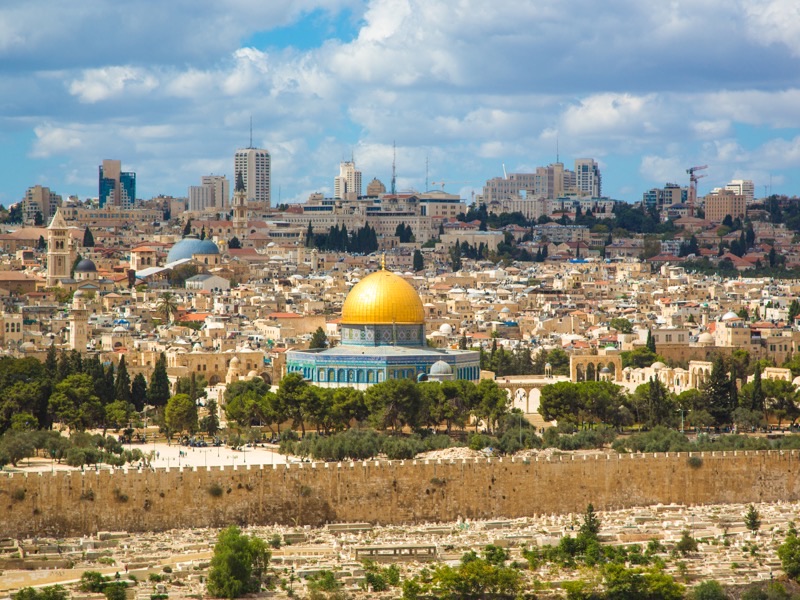
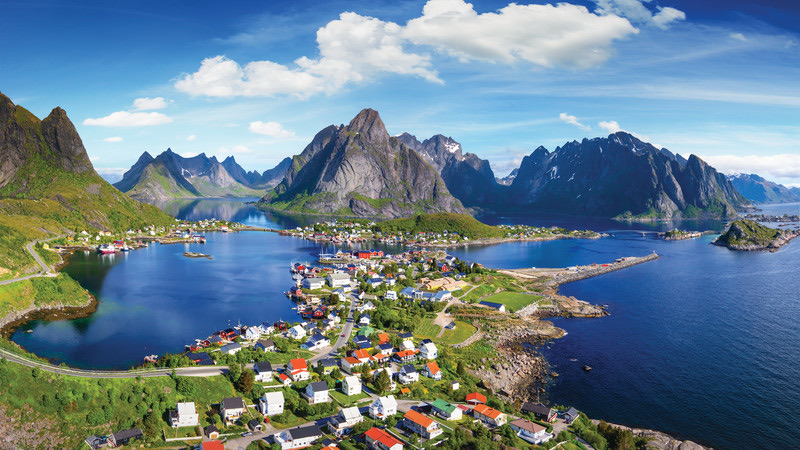
⚡ The TL;DR Verdict
For most travelers seeking a combination of cultural immersion, great food, and better value, Israel is the stronger choice at around $100-200 per day. Norway, while visually impressive, demands a daily budget of $150-300+ and caters to a narrower niche of outdoor enthusiasts. Choose Israel for history and flavor; pick Norway for epic landscapes and outdoor quiet.
- Choose Israel: Travelers prioritizing deep historical sites, warm weather, diverse culinary experiences, and a more budget-friendly trip should select Israel.
- Choose Norway: Travelers focused on dramatic natural scenery, fjords, hiking, cold-weather activities, and a peaceful, nature-centric journey should select Norway.
- Choose Both: This is a challenging combination due to flight distances and different climates. If attempting both, allocate at least 10-14 days for each and expect significant travel time between them.
Choose Israel
Select Israel if you're a history buff, a foodie, or a culture seeker prioritizing vibrant experiences on a mid-range budget. Explore the ancient streets of Jerusalem, savor diverse flavors in Tel Aviv's bustling Mahane Yehuda market, and float in the Dead Sea. It's perfect for travelers who crave deep cultural immersion and a dynamic atmosphere without breaking the bank.
Choose Norway
Opt for Norway if breathtaking natural grandeur and serene outdoor adventures are your top priority, and your budget allows for a premium experience. Hike iconic trails like Preikestolen, cruise the stunning Geirangerfjord, or chase the Northern Lights. It's ideal for nature lovers and photographers seeking unparalleled scenic beauty and a peaceful, truly epic escape.
Quick Comparison
| Category | Israel | Norway | Winner |
|---|---|---|---|
| Costs & Budget | Generally more affordable for food, transport, and basic accommodation, allowing for a longer stay. | One of Europes most expensive countries; high prices for everything from food to activities. | Israel |
| Nature & Outdoors | Diverse landscapes from deserts and canyons to Mediterranean beaches and green hills. The Dead Sea is a unique experience. | Dominated by fjords, mountains, glaciers, and coastal areas. Offers dramatic, expansive landscapes for hiking and exploration. | Norway |
| Culture & History | Ancient historical sites across multiple religions, millennia of human presence, and modern cultural expressions. | Viking heritage, Sami culture in the north, and a strong tradition of modern art, design, and architecture. | Israel |
| Food Scene | Known for fresh, flavorful Mediterranean and Middle Eastern cuisine, strong vegetarian options, and thriving street food. | Focus on fresh seafood, traditional Nordic dishes, and foraging. Can be expensive to dine out. | Israel |
| Safety & Comfort | Generally safe for travelers in tourist areas, though geopolitical tensions can be a concern. High level of personal security. | Extremely safe with low crime rates. High level of comfort and social trust. | Norway |
| Getting There | Direct flights from major hubs, generally longer flight times, but Ben Gurion Airport (TLV) is efficient. | Direct flights from many international cities, shorter flight times from North America and Europe. | Norway |
| Getting Around | Extensive public transport in cities and between major areas. Renting a car is common for exploring. Shabbat impacts services. | Excellent public transport, efficient train and bus networks, good roads for car rentals, ferries for fjords. | Norway |
| Accommodation | Diverse options from budget hostels to luxury hotels, often with good value, but prices can climb in Tel Aviv. | High-quality but expensive accommodation across all categories, including hostels, hotels, and cabins. | Israel |
| Nightlife & Social Scene | Tel Aviv is a famous party city with bars, clubs, and late-night dining. Jerusalem has a more subdued, but growing, scene. | Oslo and Bergen have active bar and club scenes, but generally more reserved and earlier closing times. Fewer options outside major cities. | Israel |
| Beaches & Water Activities | Mediterranean coast offers warm, sandy beaches for swimming and water sports. The Dead Sea is a unique floating experience. | Coastal areas with cooler waters, good for kayaking and boating. Limited sandy beaches for traditional swimming. | Israel |
💰 Costs & Budget
Israel provides a more accessible budget for travelers. Street food like falafel or sabich can be found for 15-25 ILS ($4-7 USD), and local bus travel within cities like Tel Aviv…
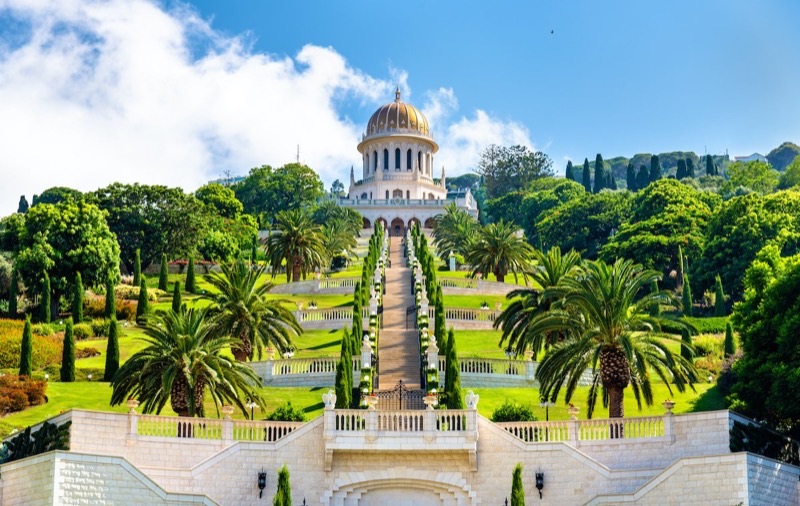
Israel
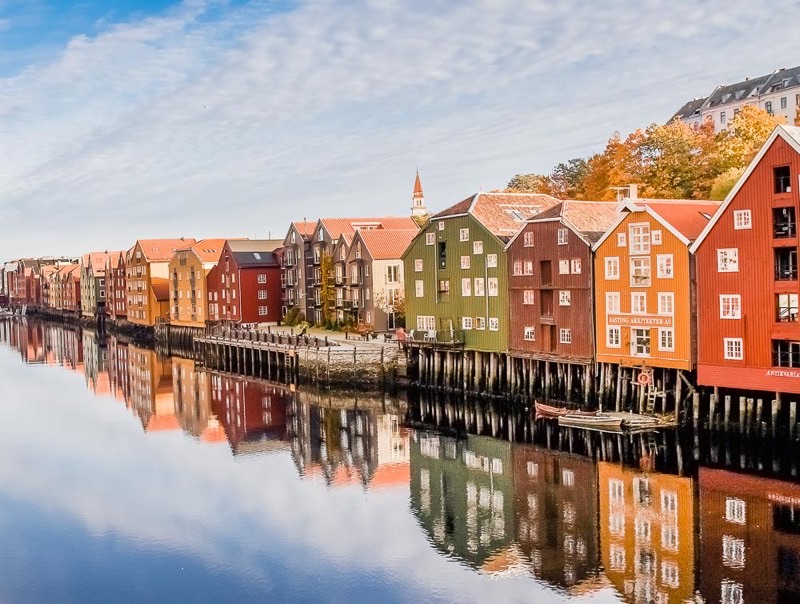
Norway
Israel provides a more accessible budget for travelers. Street food like falafel or sabich can be found for 15-25 ILS ($4-7 USD), and local bus travel within cities like Tel Aviv or Jerusalem costs around 5.90 ILS ($1.60 USD). A decent hostel bed in Tel Aviv starts at 100-150 ILS ($27-40 USD), while a budget hotel room might be 300-500 ILS ($80-135 USD). Daily expenses for a mid-range traveler, including food, transport, and some activities, typically range from $100-200 USD. Activities such as visiting the Western Wall or walking the Old City are free, with museum entries around 50-80 ILS ($13-22 USD).
Norway is significantly more expensive across the board. A simple hot dog can cost 40-60 NOK ($4-6 USD), and a restaurant meal easily exceeds 200-300 NOK ($20-30 USD). Public transport in Oslo or Bergen costs around 40-60 NOK ($4-6 USD) for a single ticket. Hostel beds in major cities like Oslo or Bergen start at 350-500 NOK ($35-50 USD), and budget hotel rooms are often 900-1500 NOK ($90-140 USD) or more. Daily expenses for a mid-range traveler are typically $150-300 USD, or higher if engaging in fjord cruises or guided hikes, which can easily add hundreds of dollars. The cost disparity is substantial. Tabiji verdict: Israel wins this category decisively due to its much lower daily expenses, making travel accessible to more people.
- Winner: Israel
- Why: Israel offers a significantly lower cost of living and travel expenses compared to Norway, making it more budget-friendly.
- Who this matters for: Budget-conscious travelers and those planning longer trips.
⛰️ Nature & Outdoors
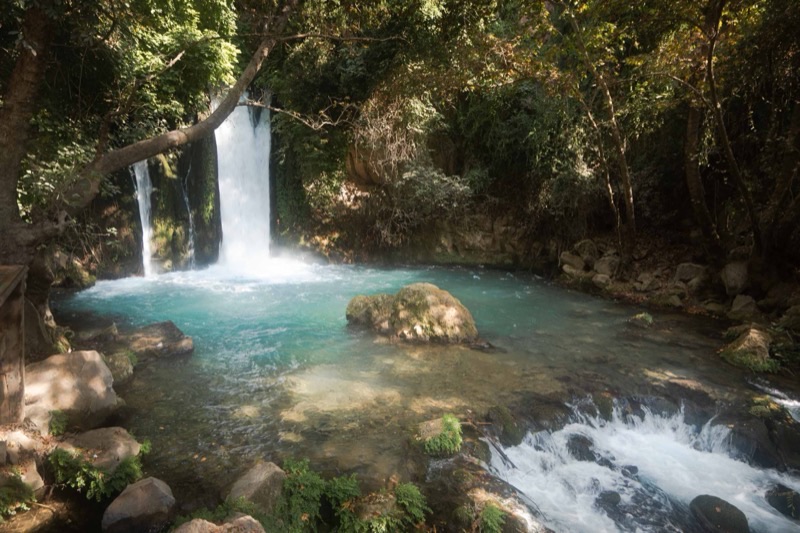
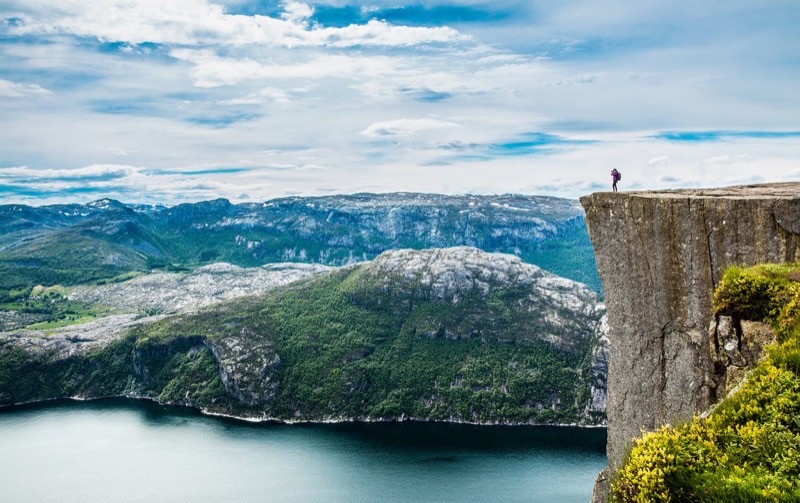
Israel presents a variety of natural environments, though perhaps less grand than Norway. The Negev Desert offers opportunities for jeep tours, hiking in Ein Gedi, and floating in…
Israel
Norway
Israel presents a variety of natural environments, though perhaps less grand than Norway. The Negev Desert offers opportunities for jeep tours, hiking in Ein Gedi, and floating in the Dead Sea, which is a singular global experience. The Galilee region provides greener hills and freshwater lakes like the Sea of Galilee. The Mediterranean coast features sandy beaches from Tel Aviv to Haifa. While beautiful, these landscapes are often close to developed areas and smaller in scale compared to Norways expanses. Hiking trails like the Israel National Trail traverse the country, offering different views.
Norway excels with its dramatic, large-scale natural formations. The fjords, such as Geirangerfjord and Naeroyfjord (both UNESCO sites), present towering cliffs and deep blue waters ideal for cruises and kayaking. Hiking trails range from easy walks to challenging ascents like Pulpit Rock (Preikestolen) or Trolltunga. The Lofoten Islands offer rugged mountains meeting the sea, with fishing villages and northern lights viewing opportunities in winter. Glaciers like Briksdalbreen and Jostedalsbreen provide additional outdoor activities. The sheer scale and number of remote, preserved natural areas give Norway the edge here. Tabiji verdict: Norway is the clear winner for travelers prioritizing epic, large-scale natural landscapes and extensive outdoor activities.
- Winner: Norway
- Why: Norway provides a greater quantity and grandeur of dramatic, untouched natural landscapes, particularly its fjords and mountains.
- Who this matters for: Adventure seekers, hikers, photographers, and those who prioritize remote nature experiences.
🏛️ Culture & History
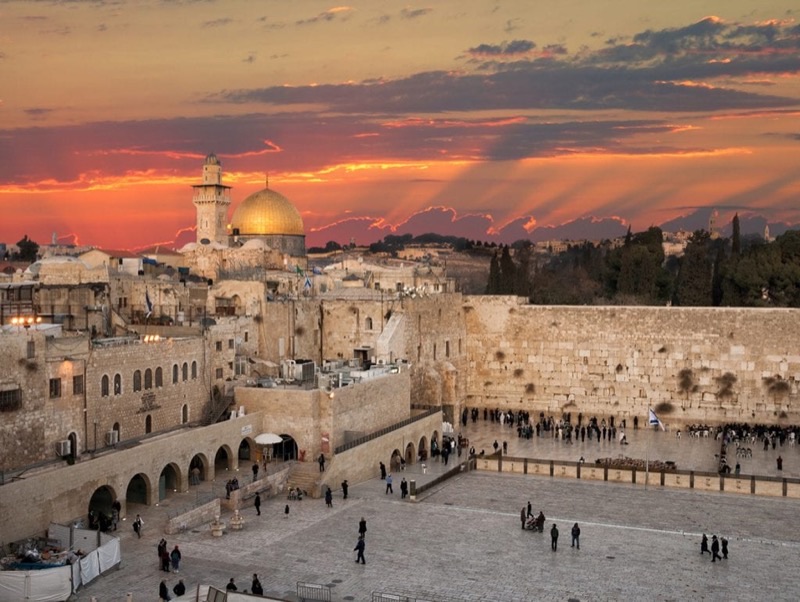
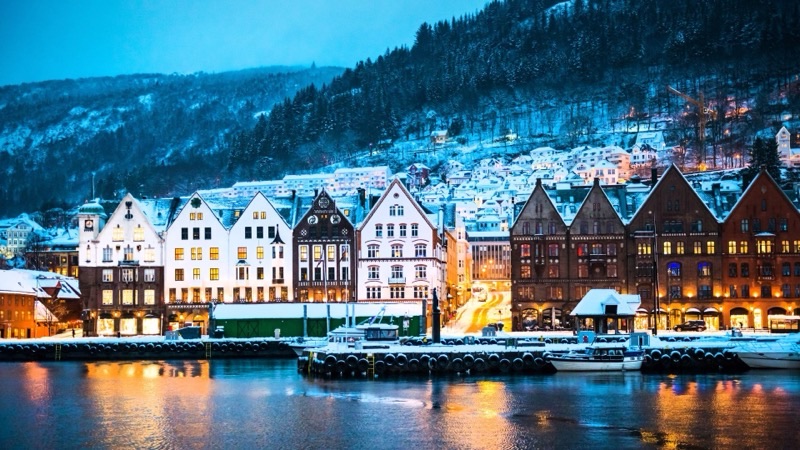
Israel is a focal point of ancient human history and religious significance. Jerusalem alone contains sites important to Judaism, Christianity, and Islam, including the Western…
Israel
Norway
Israel is a focal point of ancient human history and religious significance. Jerusalem alone contains sites important to Judaism, Christianity, and Islam, including the Western Wall, the Church of the Holy Sepulchre, and the Dome of the Rock. Travelers can explore ancient Roman cities like Caesarea, the fortress of Masada, and archaeological digs across the country. Modern Israeli culture in Tel Aviv presents a contrast with its Bauhaus architecture, contemporary art galleries, and a progressive social scene. The blend of ancient civilizations and a young, dynamic national identity creates a complex and deeply engaging cultural experience.
Norways cultural and historical offerings are distinct. Its history is heavily influenced by the Viking Age, with museums like the Viking Ship Museum in Oslo showcasing well-preserved artifacts. Traditional Sami culture in the northern regions provides a look into indigenous practices and reindeer herding. Oslo also houses museums dedicated to Edvard Munch and Henrik Ibsen, alongside the striking Oslo Opera House and Vigeland Sculpture Park. While Norway possesses a rich history and strong cultural identity, it does not compare to the sheer volume, antiquity, and multi-layered religious and historical importance found throughout Israel. Tabiji verdict: Israel is the undisputed champion for anyone seeking a deep dive into ancient civilizations and globally significant historical sites.
- Winner: Israel
- Why: Israel offers an unparalleled concentration of ancient historical, archaeological, and religious sites of global importance.
- Who this matters for: History buffs, religious pilgrims, and those seeking profound cultural and historical exploration.
🥙 Food Scene
Israel boasts a diverse and accessible food scene. Tel Aviv is considered a culinary hotspot, with fresh produce, herbs, and spices defining its Mediterranean and Middle Eastern…
Israel
Norway
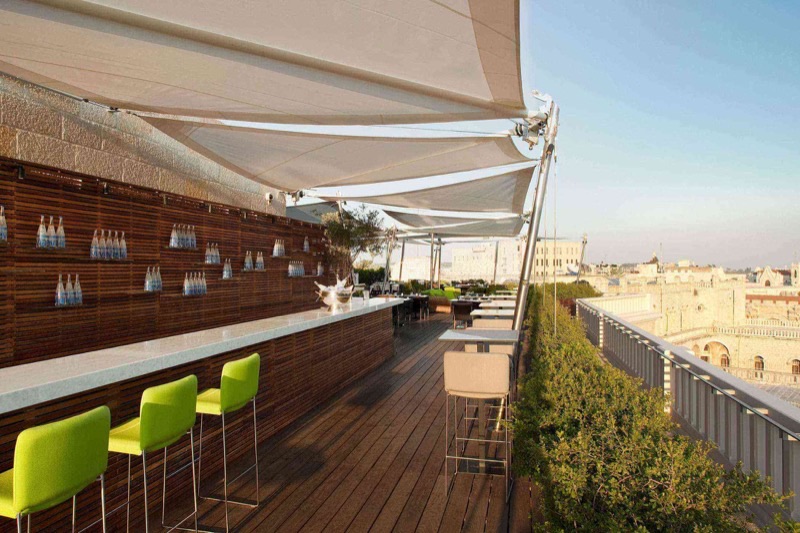
Israel boasts a diverse and accessible food scene. Tel Aviv is considered a culinary hotspot, with fresh produce, herbs, and spices defining its Mediterranean and Middle Eastern fare. Street food is abundant and delicious: falafel, sabich (pita with fried eggplant, egg, and salad), shakshuka (eggs poached in tomato sauce), and hummus are staples, often costing 15-40 ILS ($4-11 USD). Fine dining is also available, with restaurants like Miznon offering high-quality takes on street food. Many dishes are inherently vegetarian or vegan-friendly. Farmers markets and local bakeries provide fresh, inexpensive options. The food is integral to the social experience.
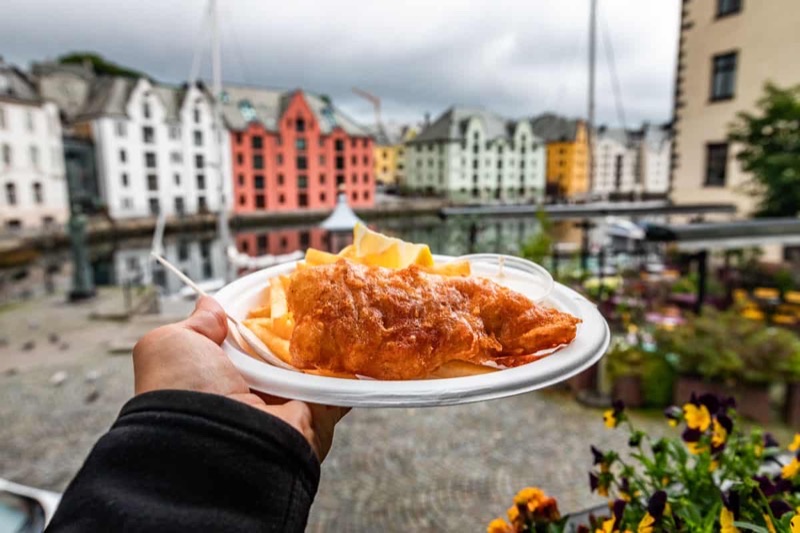
Norways food scene centers on fresh ingredients, particularly seafood. Salmon, cod, and shellfish are common, especially along the coast. Traditional dishes include kjøttkaker (meatballs), lapskaus (stew), and rakfisk (fermented fish). Brown cheese (brunost) is a unique national product. Dining out, however, is very expensive. A simple main course at a casual restaurant can be 200-400 NOK ($20-40 USD), and fine dining is significantly more. Supermarket prices are also high. While the quality of ingredients is generally good, the variety and accessibility of affordable, flavorful meals in Israel gives it a significant edge for travelers. Tabiji verdict: Israel wins this category for its accessible, diverse, and flavorful food, catering to all budgets.
- Winner: Israel
- Why: Israel offers a more diverse, flavorful, and significantly more affordable culinary experience, especially with its street food.
- Who this matters for: Foodies, budget travelers, and those who enjoy fresh, plant-forward meals.
🛡️ Safety & Comfort
Israel is generally safe for travelers, particularly in major tourist destinations like Tel Aviv, Jerusalem, and the Galilee. Security presence is noticeable, especially in…
Israel

Norway
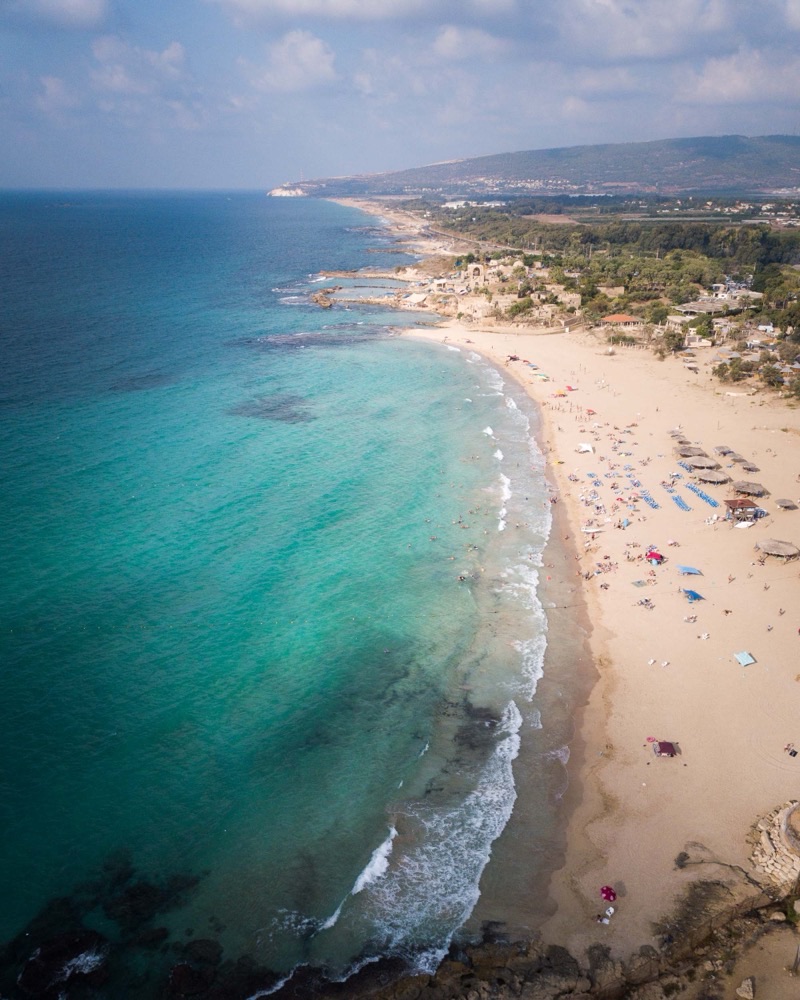
Israel is generally safe for travelers, particularly in major tourist destinations like Tel Aviv, Jerusalem, and the Galilee. Security presence is noticeable, especially in Jerusalem, which can be reassuring. Violent crime against tourists is rare. However, geopolitical situations in the region mean travelers should stay informed about current events and follow local advisories. Petty crime, like pickpocketing, exists in crowded areas but is not widespread. The infrastructure is modern, and public services are efficient, contributing to a comfortable travel experience for most visitors.
Norway consistently ranks as one of the safest countries globally. Crime rates are very low, even in major cities like Oslo and Bergen. Travelers can feel secure walking alone at night and leaving belongings in public places (though general caution is always advised). The level of social trust is high. Public infrastructure is excellent, medical services are top-tier, and the general standard of living is very high, ensuring a comfortable and worry-free travel experience. While Israel is safe, the absence of geopolitical tensions and the consistently lower crime rates give Norway a clear advantage in overall safety and comfort for a relaxed trip. Tabiji verdict: Norway is the winner, providing an almost unparalleled level of safety and a consistently comfortable, low-stress travel environment.
- Winner: Norway
- Why: Norway is one of the safest countries in the world, with exceptionally low crime rates and a high sense of social trust and comfort.
- Who this matters for: Solo travelers, families with young children, and those prioritizing peace of mind above all else.
✈️ Getting There
For North American travelers, direct flights to Tel Avivs Ben Gurion Airport (TLV) from cities like New York (JFK/EWR) or Toronto typically take 10-11 hours. From London, flights…
For North American travelers, direct flights to Tel Avivs Ben Gurion Airport (TLV) from cities like New York (JFK/EWR) or Toronto typically take 10-11 hours. From London, flights are around 4.5-5 hours. Costs for a round trip from the US can range from $800-1200+ USD, depending on the season. TLV is a modern, efficient airport, though security checks can be thorough upon departure. Travelers will find numerous connections, and the airport is well-connected to Tel Aviv and Jerusalem by train and bus.
Direct flights to Oslo Gardermoen Airport (OSL) from North American cities like New York (JFK/EWR) or Chicago are typically shorter, around 7-8 hours. From London, flights are about 2 hours. Round trip costs from the US often range from $600-1000+ USD, which can be slightly less than flights to Israel. OSL is also a modern and efficient airport, with excellent train connections (Flytoget express train) to Oslo city center in about 20 minutes. The shorter flight times from key Western markets and potentially lower airfare give Norway an edge, particularly for those with limited travel time. Tabiji verdict: Norway wins for its shorter direct flight times from major Western hubs and often more competitive airfare.
- Winner: Norway
- Why: Norway offers shorter flight durations from North America and Europe, often with slightly better flight prices.
- Who this matters for: Travelers with limited vacation time and those seeking a quicker, less expensive flight.
🚃 Getting Around
In Israel, public transportation is well-developed in major cities. Tel Aviv has a comprehensive bus network and a light rail system is expanding. Jerusalem has buses and a light…
In Israel, public transportation is well-developed in major cities. Tel Aviv has a comprehensive bus network and a light rail system is expanding. Jerusalem has buses and a light rail. Intercity bus services (Egged, Kavim) connect most parts of the country. Trains connect major cities like Tel Aviv, Haifa, and Jerusalem. Renting a car is a popular option for exploring regions like the Galilee or Negev Desert, with good road infrastructure. A significant consideration is Shabbat (Friday evening to Saturday evening), during which public transport largely shuts down, requiring planning or taxis.
Norway boasts a highly efficient and extensive public transportation system. Trains connect major cities like Oslo, Bergen, and Trondheim, often offering scenic routes. Buses cover areas not reached by train. City transit in Oslo and Bergen is excellent, with trams, buses, and metro lines. For exploring the fjords and smaller towns, ferries are an essential and scenic mode of transport. Road conditions are generally good, and renting a car provides flexibility, especially in rural areas or for specific fjord routes. The lack of religious closures on public transport and the seamless integration of different modes of travel make getting around Norway slightly more straightforward and consistent. Tabiji verdict: Norway wins for its consistently excellent, uninterrupted, and integrated public transport network.
- Winner: Norway
- Why: Norway offers a more comprehensive and consistently available public transportation system, including excellent ferry services for its unique geography.
- Who this matters for: Travelers relying solely on public transport, those exploring rural areas, and anyone valuing smooth logistics.
🛌 Accommodation
Accommodation in Israel offers a broad range of choices. Hostels in Tel Aviv and Jerusalem, like Abraham Hostel, typically cost 100-150 ILS ($27-40 USD) for a dorm bed. Budget…
Accommodation in Israel offers a broad range of choices. Hostels in Tel Aviv and Jerusalem, like Abraham Hostel, typically cost 100-150 ILS ($27-40 USD) for a dorm bed. Budget hotels start around 300-500 ILS ($80-135 USD). Mid-range hotels are 600-1000 ILS ($160-270 USD). Options include boutique hotels, guesthouses, and kibbutz accommodations. While Tel Aviv can be pricey, particularly for hotels near the beach, there are still many affordable options, and value for money is generally better than in Norway. Booking in advance is always recommended, especially during peak seasons or holidays.
Norways accommodation is known for its quality but also its high price point. A dorm bed in a hostel in Oslo or Bergen will typically cost 350-500 NOK ($35-50 USD). Budget hotel rooms rarely drop below 900-1500 NOK ($90-140 USD), and mid-range options are often 1800-3000 NOK ($170-280 USD) or more. Unique options include rorbu (fishing huts) in places like Lofoten, but these also come at a premium. While standards are high, the sheer cost means that even budget-conscious travelers will spend a significant portion of their daily allowance on a place to sleep. Tabiji verdict: Israel is the winner, providing a wider array of affordable and good-value accommodation choices for all traveler types.
- Winner: Israel
- Why: Israel offers more affordable and varied accommodation options across all budget levels, providing better value for money.
- Who this matters for: Budget travelers, long-term visitors, and anyone seeking value-driven lodging.
🎉 Nightlife & Social Scene
Israel, particularly Tel Aviv, is renowned for its vibrant and energetic nightlife. Tel Aviv is often referred to as 'the city that never sleeps,' offering a huge selection of…
Israel, particularly Tel Aviv, is renowned for its vibrant and energetic nightlife. Tel Aviv is often referred to as 'the city that never sleeps,' offering a huge selection of bars, dance clubs, and beach parties that stay open well into the early morning. Areas like Rothschild Boulevard and Florentin are packed with establishments. The social scene is very open and welcoming, with many opportunities for meeting locals and fellow travelers. Jerusalem has a more laid-back bar scene, with pubs and cafes, but it is less focused on late-night clubbing. Even smaller cities have local pubs and eateries that contribute to a lively atmosphere.
Norways major cities, Oslo and Bergen, have active nightlife scenes, though they tend to be more subdued and expensive. Bars and pubs are plentiful, especially in Oslovs Grunerlokka district. Clubs exist, but closing times are typically earlier than in Tel Aviv, often around 2-3 AM. Alcohol prices are very high, which can deter extensive bar hopping. Outside of Oslo and Bergen, nightlife options diminish significantly, usually limited to a few local pubs. While the social scene can be friendly, it is generally more reserved compared to the Mediterranean openness of Israel. Tabiji verdict: Israel wins hands down for its dynamic, late-night, and generally more accessible nightlife and social scene.
- Winner: Israel
- Why: Israel, specifically Tel Aviv, offers a more extensive, late-night, and high-energy nightlife and social experience.
- Who this matters for: Party-goers, social travelers, and those who enjoy late-night entertainment.
🏖️ Beaches & Water Activities
Israel enjoys a long Mediterranean coastline with warm, sandy beaches ideal for swimming, sunbathing, and various water sports. Tel Avivs beaches, such as Gordon Beach and…
Israel enjoys a long Mediterranean coastline with warm, sandy beaches ideal for swimming, sunbathing, and various water sports. Tel Avivs beaches, such as Gordon Beach and Frishman Beach, are popular for their lively atmosphere, beach volleyball, and paddleboarding. Herzliya and Netanya also offer beautiful stretches of sand. The Red Sea city of Eilat provides excellent snorkeling and diving opportunities with coral reefs. A truly singular experience is floating in the mineral-rich waters of the Dead Sea, which is unlike any other body of water globally. Water temperatures are pleasant for swimming for a large part of the year.
Norway, with its extensive coastline and numerous fjords, offers a different type of water activity. Kayaking and boating through the fjords are popular and incredibly scenic. The waters are generally much colder, making traditional swimming less appealing for many, though brave locals do swim in summer. Some small sandy beaches exist, but they are not the primary draw. Surfing can be found in places like the Lofoten Islands, appealing to a niche crowd. The focus is more on enjoying the water from a vessel or engaging in cold-water sports rather than lounging on warm sand. Tabiji verdict: Israel wins for its warm, inviting beaches, diverse water sports, and the unique experience of the Dead Sea.
- Winner: Israel
- Why: Israel provides warm, extensive sandy beaches for traditional swimming and sunbathing, plus the unique Dead Sea experience.
- Who this matters for: Beach lovers, sun seekers, swimmers, and those interested in unique natural phenomena like the Dead Sea.
🎯 The Decision Framework
Choose Israel If…
- You prioritize deeply ancient and significant historical sites.
- You seek warm, sunny weather and Mediterranean beaches.
- You want a budget-friendly trip, where your money goes further.
- You enjoy flavorful, diverse street food and abundant vegetarian options.
- You are interested in a vibrant, late-night social scene, especially in Tel Aviv.
- You are comfortable with a noticeable security presence and geopolitical awareness.
- You appreciate a combination of desert, sea, and city experiences in one country.
- You want to float in the Dead Sea, a singular travel experience.
Choose Norway If…
- You dream of dramatic fjords, mountains, and vast, untouched nature.
- You prioritize hiking, kayaking, and outdoor adventure sports.
- You prefer cooler climates and enjoy crisp air and fewer crowds.
- You value an exceptionally high level of safety and social trust.
- You are prepared for higher travel costs across all categories.
- You are interested in Viking history and indigenous Sami culture.
- You enjoy quiet, peaceful landscapes and a slower pace outside of cities.
- You want to experience the Northern Lights in winter (seasonal).
❓ Frequently Asked Questions
What is a realistic daily budget for Israel vs Norway?
For Israel, a mid-range daily budget is typically $100-200 USD, covering hostel or budget hotel, local transport, street food, and some attractions. In Norway, expect to spend $150-300+ USD per day for similar amenities, with meals and activities being particularly expensive. Norway requires a significantly higher financial commitment.
Are there direct flights from North America to both countries?
Yes, both countries have direct flights from major North American hubs like New York. Flights to Tel Aviv (TLV) usually take 10-11 hours, while flights to Oslo (OSL) are generally shorter, around 7-8 hours. Airfare for Norway can sometimes be slightly lower.
Which country is better for solo female travelers?
Both countries are generally safe. Norway has exceptionally low crime rates and a very relaxed atmosphere, making it a top choice for solo female travelers prioritizing safety and comfort. Israel is also safe in tourist areas, but requires more awareness of surroundings and local customs, particularly in religious sites.
What is the best time of year to visit each country?
For Israel, spring (April-May) and autumn (September-October) offer pleasant temperatures for exploring. Summers are very hot. For Norway, summer (June-August) is ideal for enjoying the fjords, hiking, and milder weather. Winter (November-March) is for northern lights and snow activities, but daylight hours are short.
How do the cultural experiences differ?
Israel offers millennia of layered history, religious sites important to Judaism, Christianity, and Islam, and a dynamic modern culture in Tel Aviv. Norway focuses on Viking heritage, Sami indigenous culture, and a strong emphasis on contemporary art and design. Israels cultural experience is generally more ancient and intense.
Is it easy to get around without a car in both places?
Both countries have good public transport. Norway excels with its efficient train, bus, and ferry networks, making car-free travel quite easy. Israel also has extensive bus and train routes, but public transport largely shuts down during Shabbat (Friday evening to Saturday evening), which requires planning.
Which country is better for foodies?
Israel is better for foodies seeking diverse, flavorful, and affordable cuisine. Its street food scene is outstanding, with fresh Mediterranean and Middle Eastern dishes readily available. Norway offers good seafood and traditional Nordic fare, but dining out is significantly more expensive, limiting culinary exploration for many travelers.
What are the visa requirements for US citizens for Israel and Norway?
US citizens generally do not require a visa for tourist stays up to 90 days in both Israel and Norway (as part of the Schengen Area). For Norway, travelers will soon need to apply for ETIAS authorization, similar to an ESTA, before travel to the Schengen Area, expected to be implemented in 2025.
Ready to plan your next trip?
Get a free custom itinerary for Israel, Norway, or both — built from real traveler insights.
🎟️ Book Tours & Experiences
Hand-picked tours and activities for both destinations — book with free cancellation
Experiences via Viator — free cancellation on most tours