How we built this comparison
This page combines traveler discussion patterns, published price ranges, flight schedules, and seasonal data to help you decide between Italy and France.
- Reviewed 500+ Reddit threads from r/travel, r/solotravel, r/ItalyTravel, r/ParisTravelGuide, r/europetravel for authentic traveler sentiment and tips.
- Verified current costs for flights, accommodation, and attractions against major booking platforms (Skyscanner, Booking.com, Trenitalia, SNCF) for 2024-2025.
- Cross-referenced seasonal patterns, weather data, and major event calendars to provide realistic travel advice.
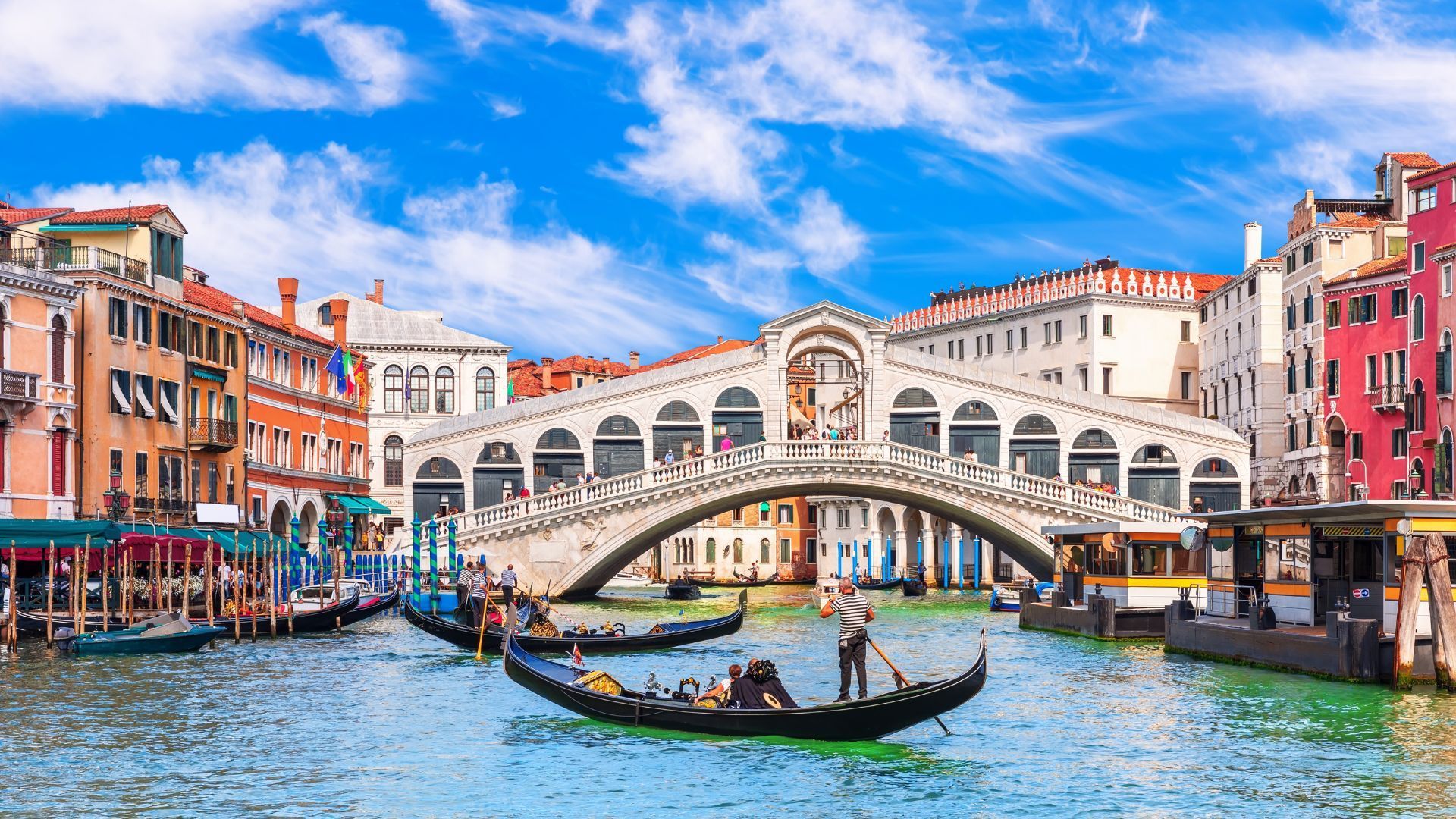
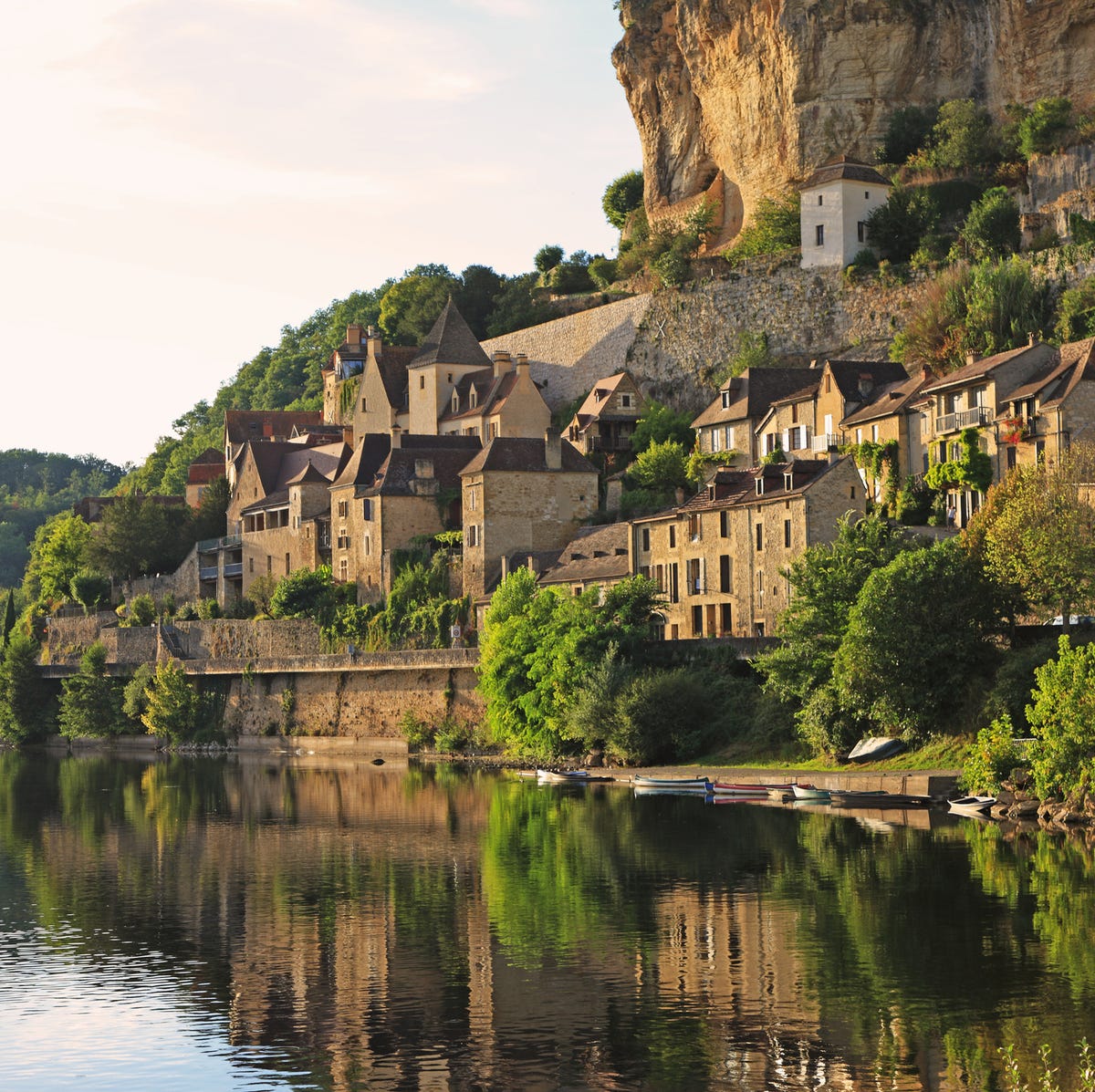
⚡ The TL;DR Verdict
For those craving passionate flavors, ancient history, and a vibrant, slightly chaotic charm, Italy is your pick, with a daily budget typically ranging from €80-€150 ($85-$160). If sophisticated elegance, world-class art, and impeccable service speak to you, France awaits, often requiring €100-€200 ($110-$220) per day. Both offer unforgettable experiences, but their vibes are distinct.
- Choose Italy: You're a foodie obsessed with pasta and pizza, dream of Roman ruins, Tuscan hills, and vibrant, social interactions, and appreciate a slightly more 'rough around the edges' authentic experience.
- Choose France: You prioritize refined cuisine and fine wine, iconic art museums like the Louvre, chic fashion, charming villages, and a generally polished, efficient travel experience.
- Choose Both: If you have 2-3 weeks, you can absolutely do both! Start in Northern Italy (Milan, Venice) and take a high-speed train to Nice or Paris, blending cultural richness with scenic beauty.
Quick Comparison
| Category | Italy | France | Winner |
|---|---|---|---|
| Food & Wine | Unbeatable comfort food (pasta, pizza), regional diversity, excellent value for quality wine. Hearty, family-style. | Refined haute cuisine, intricate pastries, world-renowned wines (Bordeaux, Burgundy), elegant dining experiences. Artful, sophisticated. | Italy |
| Costs & Budget | Generally more budget-friendly for food, public transport, and mid-range accommodation. Good value everywhere. | Higher average costs, especially in major cities like Paris and the French Riviera. Fine dining and luxury experiences can be very expensive. | Italy |
| Culture & History | Ancient Roman ruins, Renaissance art, Baroque architecture, strong regional identities, passionate local life. | French Revolution history, grand châteaux, Impressionist art, Gothic cathedrals, sophisticated cultural institutions. | Tie |
| Nature & Scenery | Dramatic coastlines (Amalfi, Cinque Terre), rolling Tuscan hills, majestic Dolomites, volcanic landscapes (Sicily). | Stunning Alps (Mont Blanc), lavender fields of Provence, dramatic Atlantic coast, tranquil Loire Valley, rugged Pyrenees. | Italy |
| Getting Around | Excellent high-speed train network (Trenitalia, Italo), efficient local buses, driving can be challenging in cities. | Superb high-speed rail (TGV), extensive regional trains, well-maintained road network, efficient metro in Paris. | France |
| Accommodation | Wide range from charming agriturismos to boutique hotels, often good value, B&Bs common. | Stylish city hotels, quaint gîtes in the countryside, apartments (especially Paris), can be pricier but high quality. | Italy |
| Nightlife | Vibrant bar scene (aperitivo!), late-night dining, lively squares, clubbing in major cities like Milan and Rome. | Sophisticated cocktail bars, glamorous clubs in Paris, relaxed brasseries, wine bars, jazz clubs. | Italy |
| Beaches | Iconic dramatic coastlines (Amalfi, Cinque Terre), beautiful islands (Sicily, Sardinia), diverse types of beaches. | Glamorous French Riviera, wild Atlantic coast, charming Mediterranean coves, Corsica's pristine shores. | Italy |
| Shopping | High fashion (Milan), artisan crafts, leather goods (Florence), local markets with fresh produce and unique items. | Luxury fashion (Paris), perfumes, cosmetics, antique markets, unique boutiques, gourmet food items. | France |
| Solo Travel & Safety | Generally safe, friendly locals (can be boisterous), pickpocketing common in tourist areas, easy to meet people. | Generally safe, polite but sometimes reserved locals, pickpocketing in Paris, well-connected cities for solo exploration. | France |
🍝🍷 Food & Wine
Italy takes the crown for sheer deliciousness and accessibility. From a simple Cacio e Pepe in Rome's Trastevere for €12-€18 to a gourmet pizza in Naples for €7-€10, the food is consistently incredible and affordable. Regional specialties are strong: pesto in Liguria, seafood in Sicily, truffles in Umbria. Wine is also fantastic value, with a decent bottle of Chianti in a restaurant costing €15-€25. France, while boasting Michelin stars and intricate dishes like Coq au Vin or Boeuf Bourguignon (expect €20-€35 for a main in a brasserie), often feels more formal and pricey. A Croissant in Paris is typically €1.50-€2.50, and a good French wine can easily start at €25-€40 in a restaurant. "Honestly, Italian food just hits different. You can grab a mind-blowing meal from a hole-in-the-wall spot for less than 20 euros, wine included sometimes." Italy's food is a warm hug; France's is a sophisticated kiss.
Winner takeaway
- Winner: Italy
- Why: Italy wins for its incredible variety of comforting, affordable, and universally loved dishes, making exquisite food an everyday joy.
- Who this matters for: Foodies, budget travelers who don't want to compromise on taste, families.
💰 Costs & Budget
Italy generally offers a better bang for your buck. A decent hostel bed in Rome might be €25-€40 ($27-$43), while a similar one in Paris is often €35-€60 ($38-$65). Public transport is cheaper too; a single metro ticket in Rome is €1.50, versus €2.15 in Paris. Dining out, as mentioned, is more affordable in Italy, where you can have a satisfying dinner for €20-€35 ($22-$38) in many places. In France, particularly Paris, a comparable meal often starts at €30-€50 ($33-$55), and a simple coffee can be €4-€6. Attractions like the Colosseum (€18) are comparable to the Louvre (€17-€22), but overall daily spending feels lower in Italy. Budget travelers can comfortably manage Italy on €80-€100 ($85-$110) per day, while France often requires €100-€150 ($110-$160) for a similar experience. "We stretched our budget way further in Italy. France felt like we were constantly nickel-and-diming just for basics."
Winner takeaway
- Winner: Italy
- Why: Italy provides a more budget-friendly experience across most categories, allowing travelers to enjoy more for less.
- Who this matters for: Budget-conscious travelers, backpackers, longer-term travelers.
🏛️🎨 Culture & History
This is an impossible choice, as both countries are titans of culture and history. Italy boasts the Roman Empire (Colosseum, Roman Forum), the Renaissance (Florence's Uffizi Gallery, David), and the Vatican City, a global religious and artistic center. The sheer weight of history and art, from Pompeii to Venice, is staggering. France, on the other hand, offers the majesty of the Louvre (Mona Lisa, Venus de Milo), the grandeur of Versailles, the architectural marvels of Notre Dame, and the rich history of the French Revolution. Its contributions to art (Impressionism, Modern Art) and philosophy are immense. Exploring the Palace of Versailles can take a full day (€18-€28), similar to a deep dive into the Vatican Museums (€17-€26). Both countries have incredible regional festivals, traditions, and distinct local lifestyles. "You can't really pick a winner here; it's like asking if you prefer oxygen or water. Both are fundamental to Western civilization."
Winner takeaway
- Winner: Tie
- Why: Both Italy and France offer unparalleled, distinct, and profoundly influential cultural and historical experiences that cater to different but equally deep interests.
- Who this matters for: History buffs, art lovers, academics, anyone seeking profound cultural immersion.
⛰️🌊 Nature & Scenery
Italy narrowly edges out France here for its incredible diversity packed into a slightly more accessible footprint. From the dramatic, cliff-hugging villages and azure waters of the Amalfi Coast (ferry rides around Positano cost €10-€20) and Cinque Terre to the iconic rolling vineyards of Tuscany and Umbria, Italy's landscapes feel almost curated for beauty. Then there are the Dolomites, offering breathtaking alpine scenery and world-class hiking similar to what you'd find in Switzerland. France certainly holds its own with the towering Mont Blanc in the French Alps (cable car up to Aiguille du Midi is ~€70), the enchanting lavender fields of Provence in summer, and the stunning Gorges du Verdon. However, Italy's blend of dramatic coastlines, ancient pastoral lands, and stunning mountains feels more consistently 'postcard-perfect' at every turn. "The Dolomites are seriously underrated; it's like Canada but with better food and charming Italian villages. Totally blew my mind after hiking in the Alps in France."
Winner takeaway
- Winner: Italy
- Why: Italy offers a slightly more diverse and consistently stunning array of natural landscapes, from dramatic coasts to iconic pastoral scenes and majestic mountains.
- Who this matters for: Hikers, photographers, road trippers, nature lovers seeking variety.
🚆🚗 Getting Around
France takes the lead in seamless transportation. The TGV (Train à Grande Vitesse) network is world-class, connecting major cities like Paris to Nice (5.5-6 hours, €50-€100) or Bordeaux (2 hours, €30-€70) with remarkable speed and efficiency. Regional trains and buses are also reliable. Driving outside of major cities is generally a pleasant experience on well-maintained roads. While Italy also boasts high-speed trains like Frecciarossa and Italo, connecting Rome to Florence (1.5 hours, €20-€45) or Milan (3 hours, €30-€60), the network can feel a bit less extensive in rural areas, and local trains can be slower. Driving in Italy, especially in the south or navigating ZTLs (limited traffic zones) in historic centers, can be a nightmare. Public transport within cities like Paris (Navigo Pass for €22.80/week) feels more integrated and user-friendly than Rome's often-crowded buses and metro. "The TGV is a game changer. I zipped from Paris to Avignon in no time, and it was so comfortable. Italian trains are good but not quite at that level of sleekness."
Winner takeaway
- Winner: France
- Why: France's transportation network, particularly its high-speed rail and well-maintained roads, offers a more consistently smooth and efficient travel experience.
- Who this matters for: Efficiency seekers, those planning multi-city trips, drivers who prefer less stress.
🏨🏡 Accommodation
Italy generally offers more character and value in its accommodation options. You can find incredible agriturismos in Tuscany (farm stays, often €80-€150/night for a double) that include meals, or charming family-run B&Bs (€60-€120/night) even in major cities. Mid-range hotels in Rome or Florence can be found for €100-€180 ($110-$195) with good amenities and central locations. While France has its own charms with gîtes in the countryside or chic Parisian boutique hotels, you often pay a premium for similar quality. A standard hotel room in Paris will easily start at €150-€250 ($160-$270), and even a small AirBnB can be €100-€180 in a decent area. Luxury options are plentiful in both, but Italy’s mid-tier and unique local stays often feel more authentic and less expensive. "We stayed in an agriturismo near Siena for like €120 a night, including breakfast and dinner. Couldn't find anything remotely similar in France for that price."
Winner takeaway
- Winner: Italy
- Why: Italy provides a wider range of charming, authentic, and often more affordable accommodation options that enhance the travel experience.
- Who this matters for: Travelers seeking unique local stays, budget-conscious groups, families.
🎉🍸 Nightlife
Italy's nightlife, especially the 'aperitivo' culture, is incredibly inviting and social. In cities like Milan, Rome, or Bologna, you can enjoy a drink with a generous buffet of snacks for €8-€15, making it a pre-dinner feast and social ritual. Squares like Campo de' Fiori in Rome buzz with activity until late, and the club scene in cities like Milan is energetic. Italy feels more spontaneous and communal. France, particularly Paris, offers a more curated and sophisticated nightlife. Think elegant cocktail bars like Little Red Door (€15-€20 per drink), chic clubs, and a thriving jazz scene. While Paris has plenty of options, it can feel a bit more exclusive and pricier. The French Riviera (Nice, Cannes) also has glamorous clubs, but for general accessibility and a fun, inclusive vibe, Italy often wins. "The aperitivo in Milan was epic! We basically had dinner for the price of a drink, and the vibe was so lively. Paris bars felt a bit stuffy in comparison."
Winner takeaway
- Winner: Italy
- Why: Italy's vibrant and social 'aperitivo' culture, combined with lively public squares and accessible bars, offers a more energetic and communal nightlife experience.
- Who this matters for: Social travelers, budget-conscious party-goers, those who enjoy a lively pre-dinner scene.
🏖️☀️ Beaches
Italy offers a more diverse and arguably more stunning beach experience. The Amalfi Coast, with its dramatic cliffs plunging into turquoise waters and pastel villages like Positano, is iconic. Cinque Terre's colorful towns offer similar charm. Then there are the incredible islands: Sardinia boasts some of Europe's most pristine white sand beaches and clear waters (e.g., Cala Gonone, €20-€30 for a boat trip), and Sicily offers volcanic black sand beaches and stunning coves. While France has the glamorous French Riviera (Nice, Cannes, St-Tropez), which can be very expensive (a private beach club chair can be €25-€50/day), and the rugged beauty of the Atlantic coast, Italy's combination of dramatic scenery, crystal-clear waters, and diverse beach types (from sandy to pebbly to rocky coves) feels more universally appealing. Corsica, while French, often feels geographically and culturally distinct. "Sardinia's beaches blew my mind. I've been to the Riviera, but Italy's island beaches felt wilder and more beautiful, and less crowded sometimes too."
Winner takeaway
- Winner: Italy
- Why: Italy's diverse and dramatically scenic coastlines, especially its island beaches, offer a more varied and often more stunning beach experience.
- Who this matters for: Beach lovers, island hoppers, those seeking dramatic coastal scenery.
🛍️👗 Shopping
France, particularly Paris, is the undisputed capital of luxury fashion and high-end shopping. The Golden Triangle (Avenue Montaigne, Rue François 1er, Avenue George V) boasts iconic brands like Chanel and Dior, while department stores like Galeries Lafayette offer an incredible selection. Beyond fashion, France excels in perfumes, cosmetics, and exquisite gourmet foods. Even local markets like Marché des Enfants Rouges offer unique finds. Italy, while home to fashion powerhouses in Milan (Via Monte Napoleone) and the exquisite leather goods of Florence (San Lorenzo Market, a leather jacket might be €200-€500), has a more focused luxury scene. Its strengths lie more in artisan crafts, local produce, and unique regional items, which offer great value. For a truly diverse and comprehensive luxury shopping experience, France takes the lead. "Paris is just another level for shopping. Even if you're not buying, just window shopping along the Champs-Élysées is an experience. Italy has great stuff too, but it's more niche."
Winner takeaway
- Winner: France
- Why: France, especially Paris, is the global epicenter of luxury fashion, perfumes, and high-end shopping, offering an unparalleled selection.
- Who this matters for: Fashionistas, luxury shoppers, those seeking high-quality souvenirs and gourmet products.
🚶♀️🛡️ Solo Travel & Safety
Both countries are largely safe for solo travelers, but France often feels a touch more navigable and generally less chaotic, especially in its larger cities. Paris's metro system is incredibly efficient for solo exploration, and locals, while sometimes perceived as reserved, are generally helpful if you attempt a few French phrases. Pickpocketing is a concern in crowded tourist areas in both Paris (e.g., around the Eiffel Tower, Louvre) and major Italian cities like Rome (Termini station, Colosseum) and Florence. Italy's cities can feel more overwhelming initially, with busier streets and a more intense pace. However, Italians are generally very friendly and welcoming, making it easy to strike up conversations or join groups, especially at hostels or during aperitivo. For solo women, both are safe, but exercising standard precautions is key. France's structured environment often leads to a slightly less stressful solo experience, although Italy's warmth can be very rewarding once you settle in. "As a solo female traveler, I felt slightly more comfortable navigating France, especially Paris, with its excellent transport and clearer signage. Italy was great too, but a bit more intense to get around alone at first."
Winner takeaway
- Winner: France
- Why: France generally offers a slightly more predictable and less overwhelming environment for solo travelers, with excellent infrastructure easing navigation.
- Who this matters for: First-time solo travelers, those who prefer efficiency and clear navigation.
❓ Frequently Asked Questions
Which country is better for a first-time European traveler?
Both are excellent choices, but Italy might offer a slightly 'softer landing' for first-timers due to its warm, expressive culture and universally loved food. France, while sophisticated, can sometimes feel a bit more reserved for those new to international travel, especially regarding language barriers.
Is English widely spoken in Italy and France?
In major tourist areas, hotels, and popular attractions in both countries, English is generally understood and spoken. However, venturing into smaller towns or local establishments, especially in Italy, you might encounter less English. Learning a few basic phrases in Italian or French will go a long way in either destination.
Which country has better weather for summer travel?
Both can be very hot in July and August, especially in central and southern regions. Coastal areas in both countries offer sea breezes. If you prefer cooler temperatures, aim for Northern France (Brittany, Normandy) or the Italian Dolomites. Spring (April-June) and Fall (September-October) are ideal for both, with pleasant temperatures and fewer crowds.
How many days are recommended for each country?
For a good taste, aim for at least 7-10 days in either Italy or France to cover 2-3 major cities/regions. If you want to dive deeper or combine both, plan for 2-3 weeks. Slow travel offers the best experience in both destinations.
Is it easy to travel between Italy and France?
Yes, it's quite easy! High-speed trains connect major cities, for example, from Milan to Nice or Paris. Direct flights are also plentiful between major hubs. A train journey from Turin (Italy) to Lyon (France) can be as short as 3-4 hours.
Which country is better for families with young children?
Italy often feels a bit more family-friendly, with a culture that adores children, delicious and accessible food options even for picky eaters, and plenty of open spaces like piazzas. France is also good, but its dining culture can sometimes feel less accommodating to very young children than Italy's.
What's the best time of year to avoid crowds in both countries?
To avoid peak crowds and enjoy pleasant weather, target shoulder seasons: late April to early June and September to early October. You'll find milder temperatures, lower prices, and fewer tourists compared to the intense summer months.
Which has better opportunities for off-the-beaten-path travel?
Both offer incredible off-the-beaten-path experiences. Italy has countless charming small towns in Umbria, Puglia, and Sicily. France has hidden gems in regions like Occitanie, Brittany, and the Jura mountains. Italy might feel slightly easier to discover authentic local life in smaller villages.
Ready to plan your European adventure?
Get a free custom itinerary for Italy, France, or both — built from real traveler insights.
🎟️ Book Tours & Experiences
Hand-picked tours and activities for both destinations — book with free cancellation
Experiences via Viator — free cancellation on most tours