How we built this comparison
This page combines traveler discussion patterns, published price ranges, flight schedules, and seasonal data to help you decide between Italy and Slovenia.
- Reviewed 700+ Reddit threads from r/travel, r/solotravel, r/ItalyTravel, r/Slovenia
- Verified costs and logistics against current booking platforms like Booking.com and Omio
- Cross-referenced seasonal patterns and weather data from meteorological sources
⚡ Quick Answers
⚡ The TL;DR Verdict
For most first-time Europe travelers or those seeking iconic history and varied regional experiences, Italy is the straightforward choice. Expect daily budgets from $90-150 USD. If you prioritize outdoor activities, a more relaxed pace, and efficient travel within a smaller country, Slovenia is a better fit, with budgets often $70-120 USD per day. Italy wins for breadth and depth, but Slovenia offers a compelling alternative for specific interests.
- Choose Italy: You want iconic historical sites, a diverse culinary landscape, major art cities, and a range of regional cultures from mountains to coast. Rome, Florence, Venice, and the Amalfi Coast deliver on grand experiences.
- Choose Slovenia: You prefer outdoor activities like hiking and kayaking, a smaller country where travel between locations is quick, and a less crowded experience centered on nature and clean cities. Lake Bled, Triglav National Park, and Ljubljana are key.
- Choose Both: If you have 10-14 days and want to combine a taste of Northern Italy (Venice, Dolomites) with Slovenia's Julian Alps, this pairing works well. Travel between the two is simple, especially from Trieste to Ljubljana.
Choose Italy
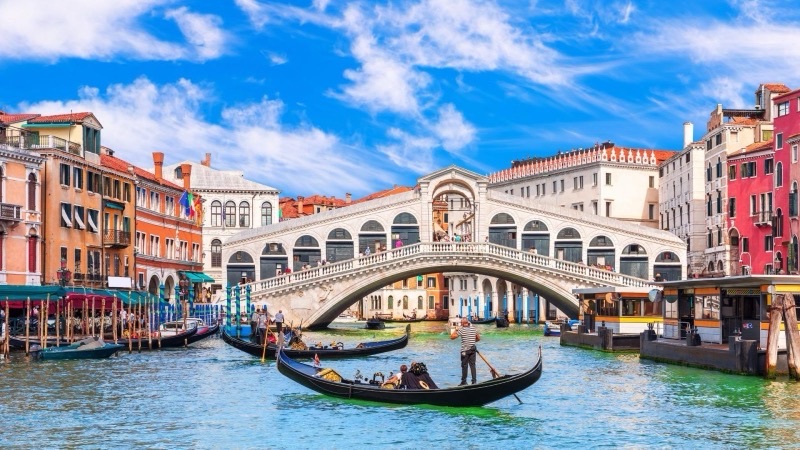
Italy is best for first-time Europe adventurers and culture vultures craving iconic history and world-class art. Immerse yourself in the grandeur of Rome's Colosseum, savor authentic pasta in Florence, or glide through Venice's charming canals. While typically requiring a higher daily budget, it's unmatched for its diverse culinary landscape and unparalleled historical depth across varied regions.
Choose Slovenia
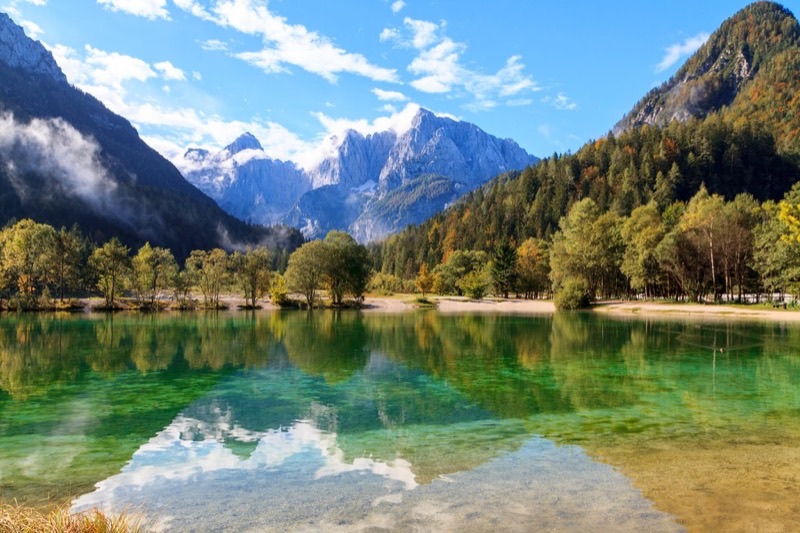
Slovenia is ideal for active travelers and nature lovers seeking a tranquil, efficient escape without the crowds. Explore the emerald waters of Lake Bled, hike the breathtaking Julian Alps in Triglav National Park, or enjoy Ljubljana's vibrant green capital. It offers incredible outdoor adventures at a more approachable daily budget, perfect for a relaxed yet active trip focused on natural beauty.
📊 Visual Scorecard
🌤 When to Visit
Average high temperatures (°C). Green = best months, orange = avoid.
Quick Comparison
| Category | Italy | Slovenia | Winner |
|---|---|---|---|
| Food & Drink | Regional pasta, pizza, seafood. Varying quality, but high ceiling. Aperitivo culture is strong. Good wine selection. | Hearty Alpine and Balkan influences. Stews, dumplings, sausages. Excellent local wines, craft beer scene growing. Less international variety. | Italy |
| Culture & History | Ancient Roman ruins, Renaissance art, Baroque architecture, Vatican City. Centuries of influence. | Slavic culture, Austro-Hungarian influence, medieval castles, unique cave systems. Less global impact. | Italy |
| Costs & Budget | Higher average costs for accommodation and dining in major cities. Transportation is moderate. Budget options exist but require effort. | Generally more budget-friendly. Lower prices for accommodation, food, and activities. Good value for money. | Slovenia |
| Getting Around | Extensive train network for intercity. Cities are walkable. Driving can be challenging, especially in the south. Buses for smaller towns. | Compact country, easy to drive. Good bus network. Trains are slower but exist. Cities are walkable. | Slovenia |
| Accommodation | Wide range from hostels to luxury hotels. Boutique options in historic centers. Can be expensive in high season/major cities. | Good quality hostels, guesthouses, and boutique hotels. Farm stays and glamping available. Generally better value and less crowded. | Slovenia |
| Nature & Outdoors | Dolomites for hiking, Tuscan hills, coastal areas, volcanic landscapes in the south. Diverse but requires more travel. | Julian Alps, Lake Bled, Triglav National Park, Postojna Caves, Soca Valley. Compact and easily accessible. Pristine rivers. | Slovenia |
| Safety | Generally safe, but petty crime (pickpocketing) is common in tourist areas. Be vigilant in crowded places. | One of Europes safest countries. Low crime rates, even in major cities. Relaxed atmosphere. | Slovenia |
| Nightlife | Diverse options from aperitivo to late-night clubs. Strong in major cities, especially Milan and Rome. Smaller towns have quieter bars. | Ljubljana has active bars and clubs. Other towns are quieter. More focused on relaxed evenings than big clubbing scenes. | Italy |
| Day Trips & Excursions | Many historical towns, coastal resorts, and natural parks. Requires planning and sometimes longer travel. | Easy access to lakes, mountains, caves, and charming towns. Short travel times, simple logistics. | Slovenia |
| Solo Travel | Possible, but can be isolating in some dining situations. Hostels are good for meeting people. Pickpocketing risk. | Excellent for solo travel. Very safe, friendly locals, easy to navigate. Hostels and outdoor activities facilitate meeting others. | Slovenia |
🍝 Food & Drink
Italian food is a core reason people travel to the country. From Roman carbonara at Da Enzo al 29 (around €15-18 / $16-19) to Neapolitan pizza at Sorbillo (around €6-10 /…
Italy
Slovenia
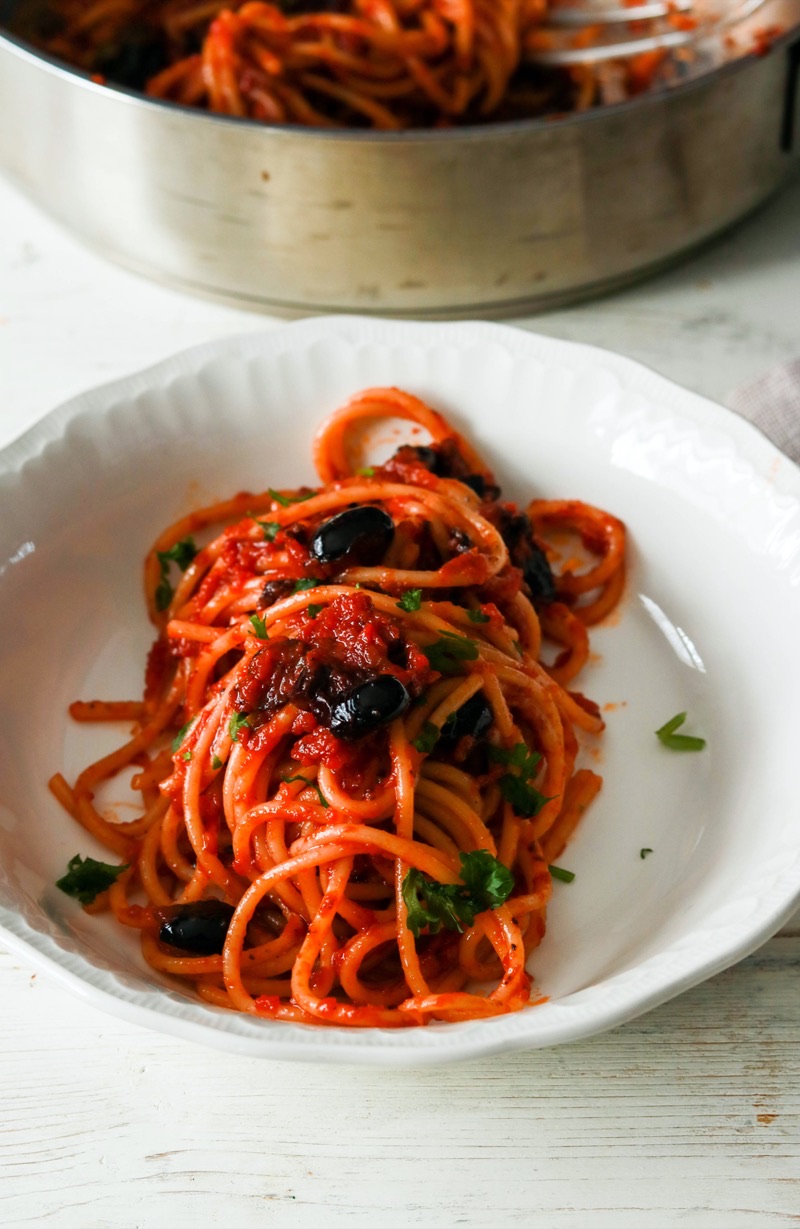
Italian food is a core reason people travel to the country. From Roman carbonara at Da Enzo al 29 (around €15-18 / $16-19) to Neapolitan pizza at Sorbillo (around €6-10 / $6.50-11), the quality and regional diversity are consistently high. Tuscany offers rich meat dishes, Sicily brings arancini and cannoli, while Emilia-Romagna provides tortellini and Parmigiano Reggiano. Espresso is a ritual, and aperitivo in Milan or Venice offers cheap drinks and snacks. Dining out can range from €20-30 ($21-32) for a casual meal with wine to €50+ ($54+) for a nicer restaurant. Street food like arancini costs €3-5 ($3.25-5.50).
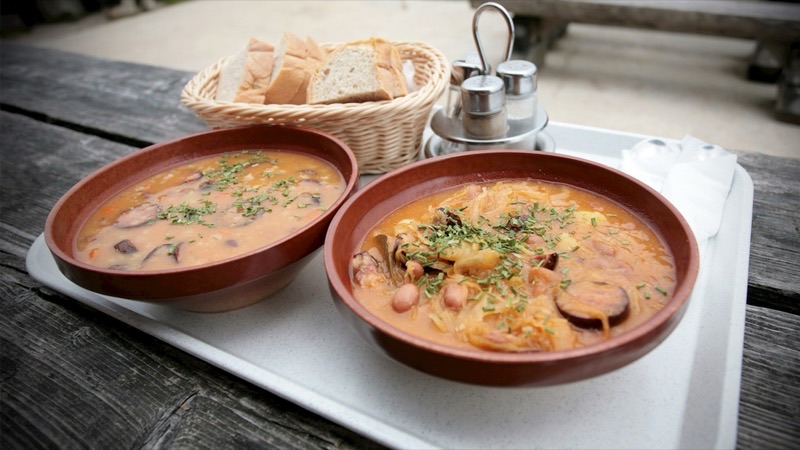
Slovenian food is lesser known but satisfying, drawing from Austrian, Hungarian, and Balkan traditions. Expect dishes like Carniolan sausage (Kranjska klobasa, around €6-10 / $6.50-11), potica (nut roll), and stews. Ljubljana has an active food scene, particularly around Odprta kuhna (Open Kitchen) on Fridays in warmer months, where street food costs €5-12 ($5.50-13). Restaurants like Gostilna Šestica offer traditional dishes for €15-25 ($16-27). The wine regions of Goriška Brda and Vipava Valley produce excellent whites. While good, Slovenian cuisine lacks the global recognition and depth of Italian food. tabiji verdict: Italy offers a deeper, more varied, and more globally celebrated food experience, justifying its win here.
- Winner: Italy
- Why: Italy provides an unmatched diversity of regional cuisine, globally recognized dishes, and a strong culinary identity.
- Who this matters for: Foodies, those who plan trips around eating, and travelers seeking iconic dining experiences.
🏛️ Culture & History
Italy is a living museum. Rome contains the Colosseum (entry €18 / $19.50), Roman Forum, and Vatican City, including St. Peters Basilica and the Vatican Museums (entry €17 /…
Italy
Slovenia
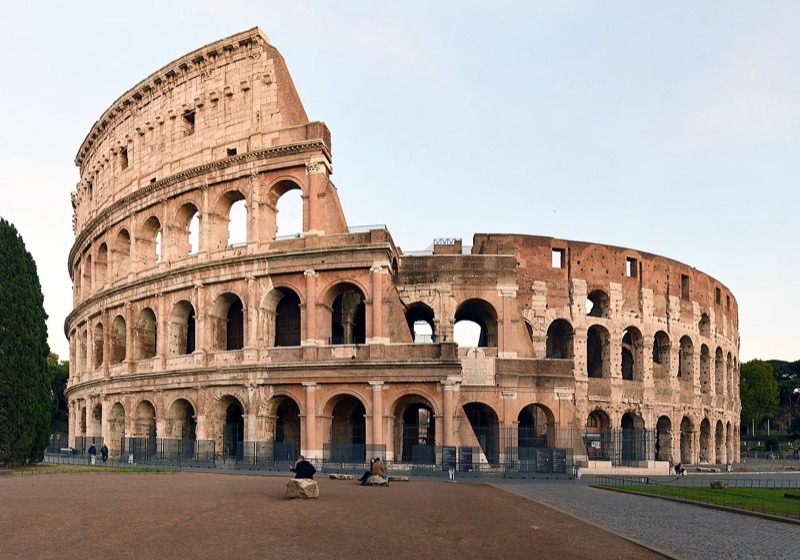
Italy is a living museum. Rome contains the Colosseum (entry €18 / $19.50), Roman Forum, and Vatican City, including St. Peters Basilica and the Vatican Museums (entry €17 / $18.50). Florence is the heart of the Renaissance with the Uffizi Gallery (entry €25 / $27) and the Duomo. Venice offers unique canal history and Doges Palace. Pompeii and Herculaneum present preserved ancient life. Each region has distinct traditions, dialects, and artistic heritage. The sheer volume and importance of historical and artistic sites in Italy are overwhelming, requiring multiple visits to just scratch the surface.
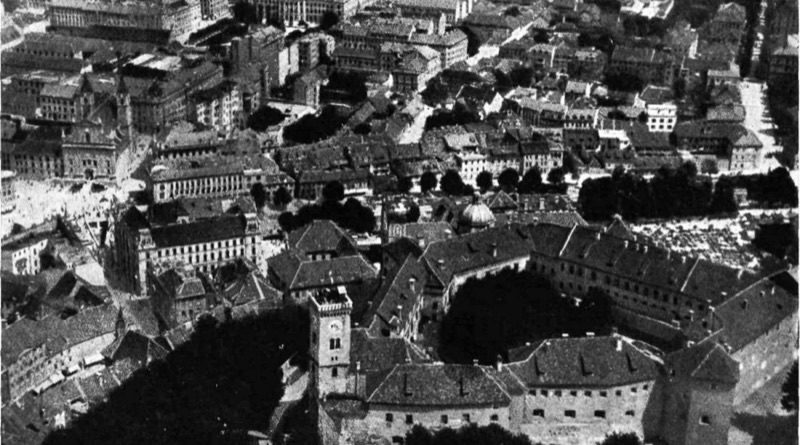
Slovenian culture and history are also present, though on a different scale. Ljubljana Castle offers views and history (funicular + entry €16 / $17.50). Predjama Castle, built into a cave mouth, is a striking medieval fortress (€17.90 / $19.50). Postojna Cave (€28.50 / $31) is a major natural and historical attraction with a cave train. There are Roman remnants in Ptuj and a strong Slavic folk tradition. The country has been influenced by various empires, leading to a mix of architectural styles. While Slovenia offers compelling sites like its castles and caves, it cannot compete with the historical breadth and artistic weight of Italy. tabiji verdict: Italy is a global leader in historical and cultural significance, making it the clear choice for this category.
- Winner: Italy
- Why: Italy holds an unparalleled collection of globally significant historical sites and artistic masterpieces across millennia.
- Who this matters for: History enthusiasts, art lovers, and those seeking iconic cultural landmarks.
💰 Costs & Budget
In Italy, daily budgets can vary wildly. Rome or Florence will see accommodation for a mid-range hotel starting at €100-150 ($108-163) per night, while a hostel bed might be…
Italy
Slovenia
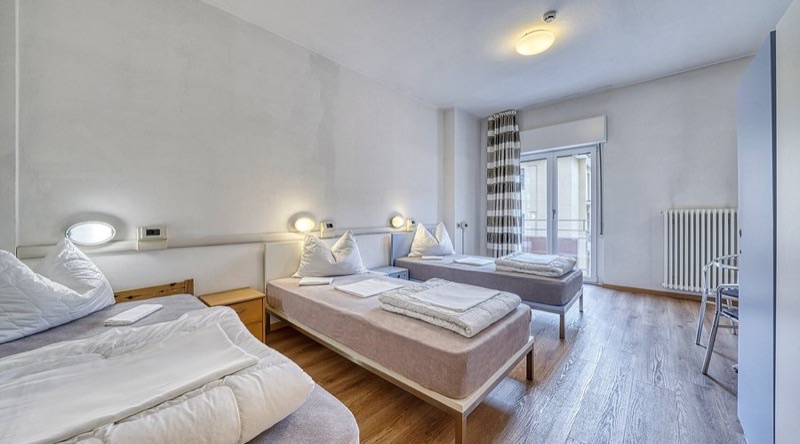
In Italy, daily budgets can vary wildly. Rome or Florence will see accommodation for a mid-range hotel starting at €100-150 ($108-163) per night, while a hostel bed might be €30-50 ($32-54). A sit-down restaurant meal averages €20-30 ($21-32) per person. Train travel between major cities like Rome to Florence costs around €30-50 ($32-54). Entrance fees to attractions like the Colosseum are €18 ($19.50). A budget traveler might spend €80-100 ($87-108) per day, while a mid-range traveler will be closer to €120-180 ($130-195) daily.
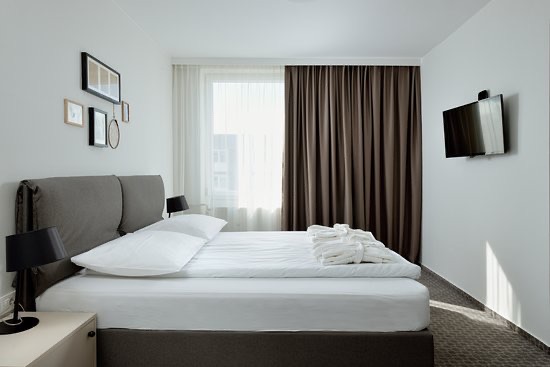
Slovenia offers better value. A mid-range hotel in Ljubljana might be €70-120 ($76-130) per night, and a hostel bed €20-35 ($21-38). A restaurant meal often costs €12-20 ($13-21.50). Public transport within cities is inexpensive (single bus ticket €1.30 / $1.40 in Ljubljana), and intercity buses are also reasonable (Ljubljana to Lake Bled around €7-10 / $7.60-11). Entrance fees for attractions like Lake Bled Castle are €15 ($16.30). A budget traveler can manage on €60-80 ($65-87) per day, and a mid-range traveler on €90-130 ($98-141). tabiji verdict: Slovenia provides a more consistently affordable travel experience across accommodation, food, and activities, making it the winner for budget-conscious travelers.
- Winner: Slovenia
- Why: Slovenia offers a consistently lower price point for accommodation, food, and activities, providing better value for money.
- Who this matters for: Budget travelers, backpackers, and those looking to stretch their travel funds further.
🚗 Getting Around
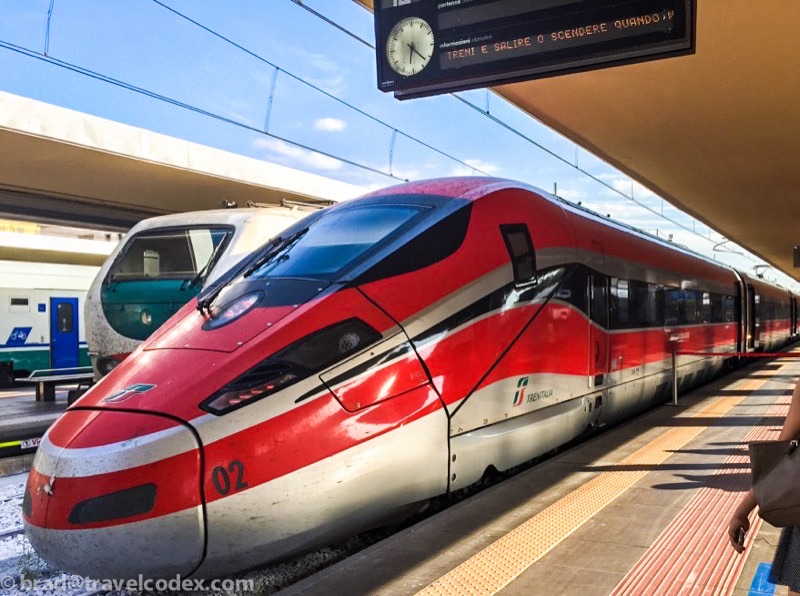
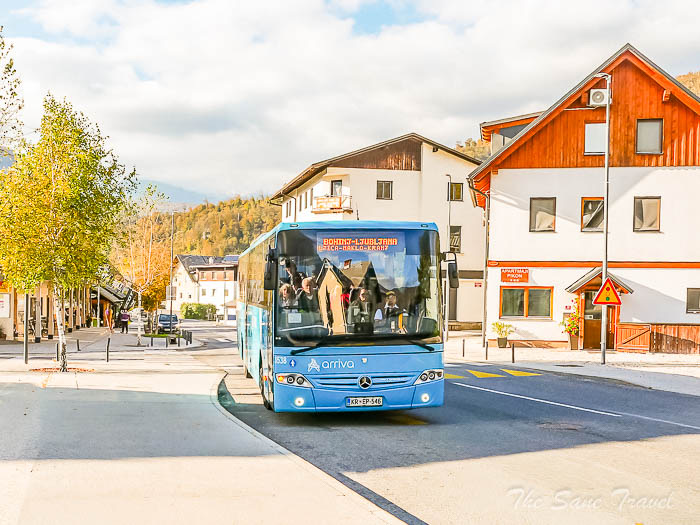
Italy has a comprehensive high-speed train network connecting major cities like Rome, Florence, Venice, and Milan, with tickets ranging from €20-80 ($21.50-87) depending on route…
Italy
Slovenia
Italy has a comprehensive high-speed train network connecting major cities like Rome, Florence, Venice, and Milan, with tickets ranging from €20-80 ($21.50-87) depending on route and booking time. Regional trains are slower but connect smaller towns. Driving can be stressful, particularly in the south or historic city centers (ZTL zones), and parking is expensive (€2-4 / $2.15-4.30 per hour in major cities). Buses serve areas not reached by train. Within cities, walking is the primary method, supplemented by metro in Rome or Milan, or vaporetto in Venice. Travel between popular destinations can take 2-4 hours by train.
Slovenia is a small country, making travel efficient. Driving is highly recommended for exploring the countryside and national parks, with rentals starting around €30-50 ($32-54) per day. Roads are well-maintained, and traffic is generally lighter than in Italy. A vignette is required for highways (€15 / $16.30 for 7 days). The bus network is extensive and reliable for intercity travel, connecting Ljubljana to Lake Bled in about an hour (€7-10 / $7.60-11). Trains exist but are often slower than buses for many routes. Most cities are very walkable. Traveling from one end of the country to another rarely takes more than 2-3 hours. tabiji verdict: Slovenia wins for ease and efficiency of getting around, especially for those preferring to drive and explore at their own pace.
- Winner: Slovenia
- Why: Slovenia's compact size and well-maintained roads make self-driving easy and efficient, with short travel times between destinations.
- Who this matters for: Travelers who plan to rent a car, those with limited time, and people who prefer short travel days.
🏨 Accommodation
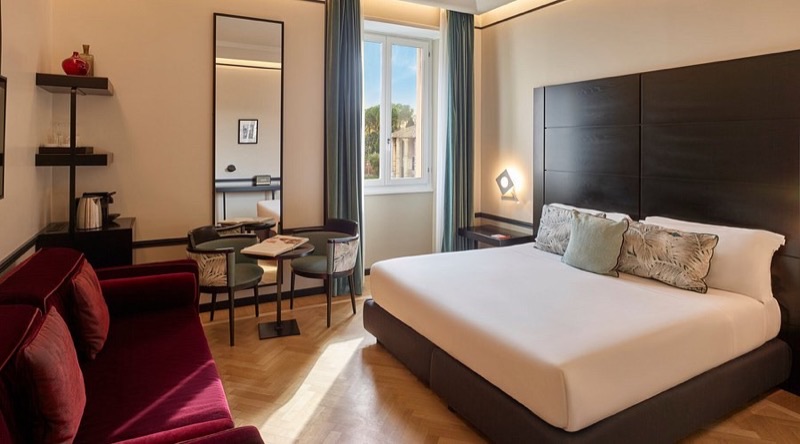
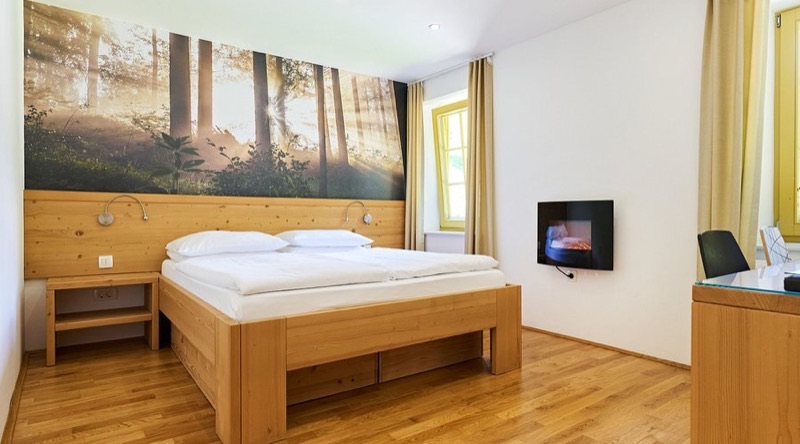
Accommodation in Italy is diverse. Hostels in major cities like Rome (The Yellow) or Florence (Ostello Bello) cost €30-50 ($32-54) for a dorm bed. Mid-range hotels in city centers…
Italy
Slovenia
Accommodation in Italy is diverse. Hostels in major cities like Rome (The Yellow) or Florence (Ostello Bello) cost €30-50 ($32-54) for a dorm bed. Mid-range hotels in city centers like Hotel Artemide in Rome go for €150-250 ($163-270) per night. Agriturismi (farm stays) offer a unique experience in rural areas, often for €80-150 ($87-163). Booking well in advance is crucial for popular areas and high seasons, as prices can increase significantly. Quality can be inconsistent, and older buildings sometimes mean smaller rooms or fewer amenities.
Slovenia offers excellent value and quality in accommodation. Hostels in Ljubljana (Hostel Celica) or Bled (Garden Village Bled) are around €20-35 ($21.50-38) for a dorm. Mid-range hotels in Ljubljana (Hotel Cubo) are typically €100-180 ($108-195) per night. Boutique hotels, guesthouses, and apartments are common and often have a high standard. Unique options like glamping at Lake Bled or farm stays in the countryside are readily available. Generally, you get more for your money in Slovenia, and it is easier to find availability even during peak times. tabiji verdict: Slovenia provides a better balance of quality, value, and availability across its accommodation options.
- Winner: Slovenia
- Why: Slovenia consistently offers higher quality accommodation for the price point, with good availability and diverse options.
- Who this matters for: Budget-conscious travelers, those seeking good value, and people looking for unique stays like glamping or farm stays.
🌳 Nature & Outdoors
Italy has considerable natural beauty, from the rugged peaks of the Dolomites (accessible from Bolzano or Cortina dAmpezzo) offering hiking and skiing, to the rolling hills of…
Italy has considerable natural beauty, from the rugged peaks of the Dolomites (accessible from Bolzano or Cortina dAmpezzo) offering hiking and skiing, to the rolling hills of Tuscany. The Amalfi Coast presents dramatic cliffs and clear waters, while Sicily features Mount Etna. However, these natural attractions are often spread across the country, requiring significant travel time between them. Many popular natural areas, like Cinque Terre, can become very crowded, especially in peak season. The focus is often on landscapes rather than direct adventure activities in many regions.
Slovenia is known for its green landscapes and outdoor focus. The Julian Alps, home to Triglav National Park, provide extensive hiking, mountaineering, and kayaking opportunities in the Soca Valley. Lake Bled and Lake Bohinj are central for water activities and relaxation. The country is dense with forests, caves (like Postojna and Skocjan Caves, entry €28.50 / $31 and €20 / $21.50 respectively), and rivers. Distances are short, so you can easily combine hiking in the mountains with a visit to a cave or lake in a single day. The country promotes sustainable tourism, keeping many areas clean and less developed. tabiji verdict: Slovenia excels as an outdoor adventure destination due to its concentration of accessible natural parks and varied activities.
- Winner: Slovenia
- Why: Slovenia offers a higher concentration of pristine natural landscapes and outdoor activities within a compact, easily explorable area.
- Who this matters for: Hikers, kayakers, cyclists, nature photographers, and travelers prioritizing outdoor adventure.
🔒 Safety
Italy is generally a safe country for tourists. However, petty crime like pickpocketing is prevalent in crowded tourist areas of major cities like Rome (Colosseum, Spanish Steps),…
Italy is generally a safe country for tourists. However, petty crime like pickpocketing is prevalent in crowded tourist areas of major cities like Rome (Colosseum, Spanish Steps), Florence (Duomo, Uffizi), and Milan (Duomo). Thieves often target distracted tourists on public transport or at popular attractions. Scams, such as inflated taxi fares or fake petitions, also occur. Violent crime is rare against tourists. It requires a level of awareness and caution, particularly with personal belongings in crowded places or on public transport. Using a cross-body bag or money belt is advisable.
Slovenia is consistently ranked among the safest countries in the world. Crime rates are very low across the board, including petty crime. Travelers can generally feel comfortable walking alone at night in Ljubljana or other towns. Belongings are typically secure, and scams are uncommon. The atmosphere is relaxed, and locals are generally helpful. Even in popular tourist spots like Lake Bled, issues are minimal. This low crime rate contributes significantly to a stress-free travel experience. tabiji verdict: Slovenia is demonstrably safer, offering a more worry-free travel environment compared to the vigilance needed in Italian tourist hubs.
- Winner: Slovenia
- Why: Slovenia has exceptionally low crime rates, providing a safer and more relaxed travel environment than Italy.
- Who this matters for: Solo travelers, families with children, and anyone prioritizing a low-stress, secure travel experience.
🍻 Nightlife
Italian nightlife is varied and depends heavily on the city. Milan and Rome offer a comprehensive range of clubs, bars, and live music venues. Milan, in particular, has a strong…
Italian nightlife is varied and depends heavily on the city. Milan and Rome offer a comprehensive range of clubs, bars, and live music venues. Milan, in particular, has a strong fashion-forward club scene (e.g., Hollywood Rythmoteque, entry €15-25 / $16-27). Rome features Trastevere for lively bars and pubs. Venice is known for its cicchetti bars and aperitivo hour. Even smaller towns will have a local piazza where people gather for drinks and conversation. The culture of aperitivo, where you pay for a drink (€8-12 / $8.70-13) and get complimentary snacks, is a social highlight, especially in northern cities like Milan or Turin. Parties can go on until late into the night, particularly on weekends.
Slovenian nightlife is more concentrated in Ljubljana. The capital has a good selection of bars, pubs, and a few clubs, particularly around Metelkova Mesto, an autonomous cultural center with bars and sometimes live music (€5-10 / $5.50-11 entry). Other towns like Maribor or Koper have a handful of bars, but the scene is much quieter. Lake Bled and other natural areas are generally about peaceful evenings. While Ljubljana offers enough to keep most travelers entertained for a few nights, it doesnt compare to the scale and diversity of options found in Italy's larger cities. tabiji verdict: Italy offers a more extensive and diverse nightlife scene, particularly in its major metropolitan areas.
- Winner: Italy
- Why: Italy's major cities provide a wider and more varied range of nightlife options, from aperitivo culture to late-night clubs.
- Who this matters for: Party-goers, young travelers, and those who enjoy vibrant evening entertainment and social scenes.
🗺️ Day Trips & Excursions
Italy provides numerous day trip possibilities from its major cities. From Rome, you can visit Pompeii and Mount Vesuvius, or Tivoli with its villas. From Florence, Siena, Pisa,…
Italy provides numerous day trip possibilities from its major cities. From Rome, you can visit Pompeii and Mount Vesuvius, or Tivoli with its villas. From Florence, Siena, Pisa, or the Chianti wine region are popular choices. Venice offers Burano and Murano, or even a trip to the Dolomites. However, many of these trips, especially to places like Pompeii, involve 2-3 hours of travel each way and can be full-day commitments. Logistics can be complex, often involving multiple train or bus transfers, or organized tours which add to the cost (€80-150 / $87-163 per person for a guided tour).
Slovenia excels in easy, impactful day trips due to its compact size. From Ljubljana, you can reach Lake Bled, Lake Bohinj, Postojna Cave, Predjama Castle, and the charming town of Piran on the Adriatic coast all within an hour or two by car or bus. This means you can often combine two significant attractions into one day without feeling rushed. For example, a morning at Lake Bled (bus ticket €7-10 / $7.60-11) followed by an afternoon hike around Lake Bohinj is very feasible. The ease of access and short travel times maximize exploration time. tabiji verdict: Slovenia's compact geography and efficient transport make day trips exceptionally convenient and rewarding.
- Winner: Slovenia
- Why: Slovenia's small size allows for numerous, high-quality day trips with minimal travel time and easy logistics.
- Who this matters for: Travelers who enjoy exploring different areas from a single base and prefer short travel times.
🚶♀️ Solo Travel
Solo travel in Italy is doable, especially with the extensive hostel networks in major cities like The Beehive Hostel in Rome or Ostello Gallo Doro in Florence, where it is easy…
Solo travel in Italy is doable, especially with the extensive hostel networks in major cities like The Beehive Hostel in Rome or Ostello Gallo Doro in Florence, where it is easy to meet other travelers. Dining alone can sometimes feel less natural, especially in more traditional restaurants. Petty crime, particularly pickpocketing in crowded tourist areas, requires constant vigilance, which can be an added stress for solo travelers responsible for all their belongings. While locals are often friendly, language barriers can exist outside of major tourist hubs. The sheer popularity means solo travelers are rarely alone in terms of crowds.
Slovenia is an ideal destination for solo travelers. Its high safety rating means a low worry factor, even when exploring alone or at night. The smaller, more intimate cities and towns foster a welcoming atmosphere. Hostels are plentiful and often organize activities, making it easy to connect with others. The focus on outdoor activities also provides natural opportunities to join groups for hiking, kayaking, or cycling tours. Navigation is straightforward, and English is widely spoken in tourist areas. The overall experience is less stressful and more conducive to independent exploration. tabiji verdict: Slovenia provides a superior and more relaxed experience for solo travelers due to its safety and ease of navigation.
- Winner: Slovenia
- Why: Slovenia offers an exceptionally safe, easy-to-navigate, and welcoming environment for solo adventurers.
- Who this matters for: Solo travelers, particularly first-timers or those prioritizing safety and ease of meeting others.
🎯 The Decision Framework
Choose Italy If…
- You want to see iconic ancient Roman ruins.
- You crave diverse regional Italian pasta and pizza.
- You plan to explore world-renowned Renaissance art in Florence.
- You dream of navigating canals by gondola in Venice.
- You prefer bustling city life and a strong social atmosphere.
- You want a wide array of high-end shopping options.
- You are traveling with a large group and need extensive infrastructure.
- You enjoy the Mediterranean coastal vibe of the Amalfi Coast or Sicily.
Choose Slovenia If…
- You prioritize hiking and outdoor activities in the Julian Alps.
- You want to visit Lake Bled and its island church.
- You seek a generally more affordable European trip.
- You prefer a very safe and low-crime travel environment.
- You plan to rent a car and drive through picturesque countryside.
- You are interested in exploring massive cave systems like Postojna Cave.
- You enjoy a relaxed pace and smaller, pedestrian-friendly cities like Ljubljana.
- You appreciate pristine nature and clear rivers for water sports.
📅 Sample Itineraries
Weekend in Italy (3 Days)
💡 Purchase a Roma Pass (€32 for 48h) to combine public transport and entry to major attractions, potentially saving time and money.
Weekend in Slovenia (3 Days)
💡 The Ljubljana Card (€39 for 24h) offers free public transport and entry to many attractions, making it economical for a short city stay.
One Week in Italy (7 Days)
💡 Book high-speed train tickets between Italian cities several weeks in advance to secure better prices, often saving €30-50 per journey.
One Week in Slovenia (7 Days)
💡 Renting a car for 3-4 days (€30-50/day) is highly recommended for exploring the Julian Alps and the coastal regions, offering flexibility and access to remote spots.
❓ Frequently Asked Questions
Is Italy or Slovenia better for a first-time European traveler?
Italy is generally better for a first-time European traveler. It offers a broader range of iconic historical sites, diverse regional cuisines, and well-established tourist infrastructure. While Italy requires more planning for crowds and costs, its major attractions are globally recognized and deliver a quintessential European experience. Slovenia is a great choice for those seeking a more niche, outdoor-focused trip.
What are the typical daily budgets for Italy vs Slovenia?
For Italy, a budget traveler should expect to spend $90-120 USD per day, while mid-range travelers might spend $130-180 USD daily, especially in major cities. In Slovenia, a budget of $70-90 USD per day is feasible, and a mid-range traveler can comfortably spend $100-140 USD daily. Accommodation and dining are generally 20-30% cheaper in Slovenia.
How long should I spend in each country?
For Italy, a minimum of 7-10 days is recommended to see just a few major cities like Rome, Florence, and Venice. To explore a region in depth, plan for 10-14 days. For Slovenia, 5-7 days is sufficient to cover Ljubljana, Lake Bled, and some outdoor activities, given its compact size. You can add another 3-4 days to explore the Soca Valley or the coast.
Which country is better for outdoor adventures?
Slovenia is considerably better for outdoor adventures. Its compact size means easy access to the Julian Alps, Triglav National Park, Lake Bled, Lake Bohinj, and the Soca Valley, all offering hiking, kayaking, cycling, and canyoning. While Italy has the Dolomites, its natural attractions are more spread out and often involve longer travel times.
Can I combine Italy and Slovenia in one trip?
Yes, combining Italy and Slovenia is feasible, especially if you focus on Northern Italy. A common route is to start in Venice, explore the Dolomites, and then travel to Slovenia via Trieste. The bus from Trieste to Ljubljana takes about 1.5-2 hours and costs around €10-15 ($11-16.30). Plan for at least 10-14 days to enjoy both without rushing.
Is public transportation efficient in both countries?
Italy has an extensive and efficient intercity train network, particularly high-speed trains between major cities. Public transport within Italian cities can be good but also very crowded. Slovenia has a reliable and affordable bus network for intercity travel, often more efficient than its slower train system. Both countries have walkable city centers.
Which country has better food options for vegetarians or vegans?
Italy offers many naturally vegetarian dishes (pizza margherita, pasta with tomato sauces, caprese) but dedicated vegan options can require searching outside major cities. Slovenia, particularly Ljubljana, has a growing number of vegan-friendly restaurants and cafes, making it slightly easier for specific dietary needs. Many traditional Slovenian dishes are meat-heavy.
What are the typical flight times from the US to Italy/Slovenia?
Direct flights from major US East Coast cities to Rome or Milan typically take around 8-9 hours. Flights from the US West Coast are usually 11-13 hours with one stop. Slovenia (Ljubljana Airport - LJU) does not have direct flights from the US; travelers will typically connect through major European hubs like Frankfurt, Munich, or Vienna, extending total travel time to 10-14 hours.
Ready to plan your Central European trip?
Get a free custom itinerary for Italy, Slovenia, or both — built from real traveler insights.
👥 Travelers Also Compared
🎟️ Book Tours & Experiences
Hand-picked tours and activities for both destinations — book with free cancellation
Experiences via Viator — free cancellation on most tours