How we built this comparison
This page combines traveler discussion patterns, published price ranges, flight schedules, and seasonal data to help you decide between Jakarta and Kuala Lumpur.
- Reviewed 100+ Reddit threads from r/travel, r/solotravel, r/Jakarta, r/kualalumpur, and r/digitalnomad for real traveler sentiment and tips.
- Verified costs and logistics against current booking platforms (e.g., Agoda, Grab, Google Flights) to ensure up-to-date pricing.
- Cross-referenced seasonal patterns and weather data with local expert advice to provide realistic expectations.
⚡ The TL;DR Verdict
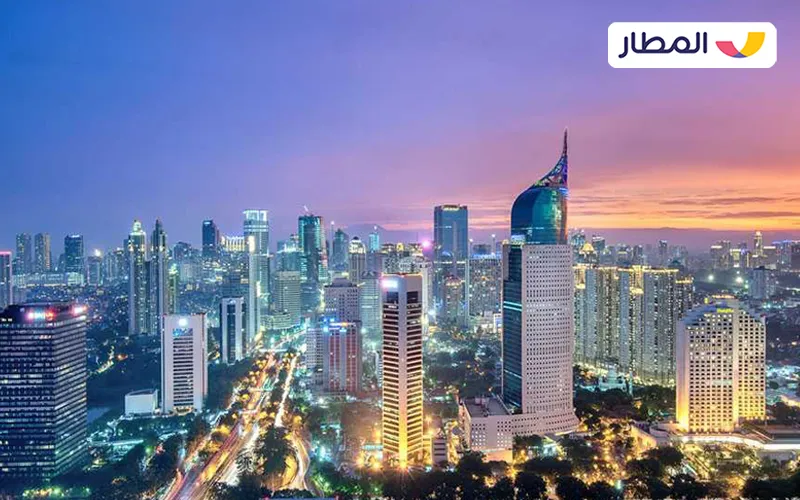
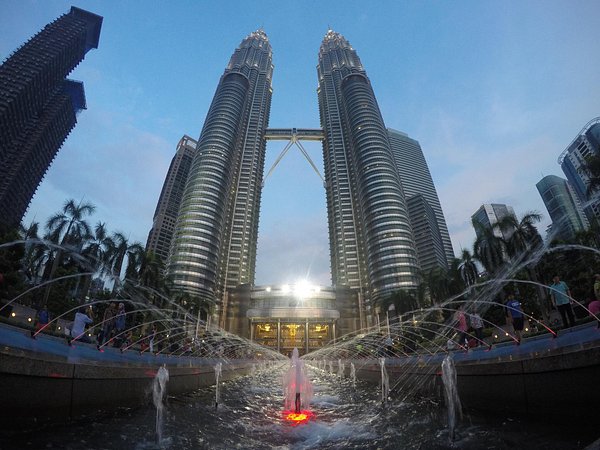
Jakarta is the chaotic, authentic heart for budget-conscious explorers craving raw Indonesian culture and incredible street food, typically manageable on $30-50 USD/day. Kuala Lumpur is its polished, efficient counterpart, perfect for those seeking modern comforts, diverse cuisine, and easy exploration on a $40-70 USD/day budget. Choose based on your tolerance for urban grit versus urban gleam.
- Choose Jakarta: You're a culture hound, a serious foodie on a tight budget, or someone who thrives in vibrant, sometimes challenging, urban exploration. You want an authentic, less-filtered Southeast Asian experience.
- Choose Kuala Lumpur: You're a first-time Asia traveler, a family, a shopper, or a digital nomad valuing modern infrastructure, reliable public transport, and diverse culinary offerings with a slightly higher comfort level.
- Choose Both: To experience the full spectrum of Southeast Asian urban life, from raw authenticity to modern efficiency. Allocate at least 3-4 full days for each city, allowing time for travel between them (a 2-hour flight for around $50-150 USD typically).
Quick Comparison
| Category | Jakarta | Kuala Lumpur | Winner |
|---|---|---|---|
| Food Scene | Unparalleled street food culture, diverse regional Indonesian cuisine, very budget-friendly. | Incredible multi-ethnic blend (Malay, Indian, Chinese), world-class hawker centers, diverse dining options. | Tie |
| Nightlife | Vibrant and diverse, from swanky clubs in SCBD to live music venues and hidden bars. | Concentrated in Bukit Bintang, trendy rooftop bars, upscale clubs, more tourist-friendly. | Jakarta |
| Culture & History | Rich colonial history in Kota Tua, national monuments, diverse religious sites. | Iconic modern landmarks, impressive religious sites (Batu Caves), strong Malay-Islamic heritage. | Kuala Lumpur |
| Costs (Overall Budget) | Generally cheaper across the board for food, transport, and mid-range accommodation. | Slightly higher, but still excellent value by Western standards; efficient public transport saves on costs. | Jakarta |
| Getting There & Around | Soekarno-Hatta (CGK) airport, heavy traffic, TransJakarta bus, Grab/Gojek ride-hailing. | KLIA (KUL) airport, excellent public transport (LRT, MRT, Monorail), efficient Grab. | Kuala Lumpur |
| Accommodation | Excellent value for mid-range and luxury hotels, good hostel scene, older infrastructure. | Wide range from modern hostels to luxurious hotels, often with impressive facilities and city views. | Kuala Lumpur |
| Day Trips & Nature | Thousand Islands for beaches, Bogor for botanical gardens and tea plantations. | Genting Highlands (hill resort), Batu Caves (cultural), Taman Negara (jungle, further). | Kuala Lumpur |
| Shopping | Massive, sprawling malls, local markets (Pasar Baru) for textiles and goods. | World-class shopping malls, luxury brands, street markets (Central Market, Petaling Street). | Kuala Lumpur |
| Safety & Cleanliness | Generally safe but petty crime exists; air pollution and waste management can be issues. | Very safe for tourists; well-maintained infrastructure, noticeably cleaner, less pollution. | Kuala Lumpur |
| Digital Nomad / Workability | Affordable living, plenty of cafes, but traffic and inconsistent internet can be frustrating. | Excellent infrastructure, reliable high-speed internet, abundant co-working spaces, great transport. | Kuala Lumpur |
🍜 Food Scene
While both cities are culinary powerhouses, their strengths lie in different areas. Jakarta excels in raw, authentic Indonesian flavors, from ubiquitous Nasi Goreng and Sate Ayam to the spicy delights of Padang cuisine. You can feast like royalty at a warung (local eatery) or street stall for as little as 20,000-50,000 IDR ($1.30-3.30 USD). Must-tries include Pecel Lele, Soto Betawi, and the incredible street snacks around Glodok. Kuala Lumpur, on the other hand, is a melting pot. Its hawker centers, like Jalan Alor or Lot 10 Hutong, offer an astounding array of Malay, Chinese, and Indian dishes—think Nasi Lemak, Laksa, Char Kway Teow, and Roti Canai. Expect to pay 10-25 MYR ($2.20-5.50 USD) per dish. The diversity is mind-boggling, making it easier for varied palates. "Honestly, KL's food scene is like a masterclass in global flavors, Jakarta's is a deep dive into Indonesia. Both are winners."
Winner takeaway
- Winner: Tie
- Why: Both cities offer such distinct and high-quality culinary experiences that declaring a single winner would be an injustice to food lovers.
- Who this matters for: Everyone who loves to eat, particularly those interested in specific regional cuisines vs. broader ethnic diversity.
🍾 Nightlife
Jakarta's nightlife is arguably more diverse and 'local' once you know where to look. Areas like SCBD and Mega Kuningan boast numerous upscale clubs such as Dragonfly and Fable, with entry often around 150,000-250,000 IDR ($10-17 USD) and drinks starting at 100,000 IDR ($7 USD). There are also fantastic live music venues in Kemang and speakeasies that cater to all tastes. The city truly comes alive after dark, catering to a buzzing local crowd. Kuala Lumpur's nightlife is heavily centered around Changkat Bukit Bintang, offering a plethora of bars, pubs, and clubs like Pisco Bar or Zouk KL. Entry fees vary, usually 50-100 MYR ($11-22 USD) with a drink. While energetic and accessible, it can feel a bit more tailored to tourists and expats, lacking some of the raw, local grit Jakarta offers. "Jakarta's nightlife is wild, but you gotta know people or just dive in. KL is more straightforward, but sometimes too polished."
Winner takeaway
- Winner: Jakarta
- Why: Jakarta wins for its sheer diversity and authentic local energy, offering a more 'raw' and extensive nocturnal experience beyond tourist hubs.
- Who this matters for: Party-goers, music lovers, and those seeking a more authentic, less curated nightlife experience.
🏛️ Culture & History
Kuala Lumpur takes the edge here for its more accessible and visually striking cultural landmarks. The Petronas Twin Towers (observation deck tickets ~80 MYR / $18 USD), while modern, are an undeniable icon. More importantly, the Batu Caves, with its colossal gold statue of Lord Murugan and vibrant Hindu temples (free entry, cave temple tours ~15 MYR / $3.30 USD), offer a truly unique and spiritual experience just a short Grab ride away. Merdeka Square and the Sultan Abdul Samad Building showcase beautiful colonial architecture. Jakarta's cultural heart, Kota Tua (Old Town), offers a glimpse into its Dutch colonial past with buildings like the Fatahillah Museum (entry ~5,000 IDR / $0.35 USD). The National Monument (Monas) and Istiqlal Mosque (largest in Southeast Asia) are impressive, but the historical areas often require more effort to navigate and feel less preserved overall. "KL just makes it so easy to see the cool stuff. Batu Caves are mind-blowing, and the Petronas are just epic."
Winner takeaway
- Winner: Kuala Lumpur
- Why: Kuala Lumpur offers a more visually impressive, diverse, and easily accessible array of cultural and historical sites, particularly the iconic Batu Caves.
- Who this matters for: History buffs, architecture enthusiasts, and those looking for iconic photo opportunities and spiritual sites.
💰 Costs (Overall Budget)
For the budget-conscious traveler, Jakarta stretches your dollar further. A decent meal can be had for 20,000-50,000 IDR ($1.30-3.30 USD), a Grab ride across town might be 30,000-60,000 IDR ($2-4 USD), and a comfortable mid-range hotel often costs 300,000-600,000 IDR ($20-40 USD) per night. Even luxury experiences can be a steal. Kuala Lumpur is also very affordable but typically runs about 20-30% higher. Meals in hawker centers range from 10-25 MYR ($2.20-5.50 USD), public transport is excellent value (e.g., LRT ride 2-5 MYR / $0.45-1.10 USD), and mid-range hotels are often 150-300 MYR ($33-66 USD). While KL's public transport can save money on individual rides, the baseline costs for food and accommodation are higher. "If you're really pinching pennies, Jakarta is your city. My $30 a day went way further there."
Winner takeaway
- Winner: Jakarta
- Why: Jakarta offers significantly lower costs for daily expenses, making it the clear winner for budget travelers.
- Who this matters for: Backpackers, long-term travelers, and anyone prioritizing maximum value for money.
✈️ Getting There & Around
Kuala Lumpur is a masterclass in urban mobility. KLIA (KUL) is a modern, efficient airport with excellent links to the city center via KLIA Ekspres train (around 55 MYR / $12 USD, 28 mins) or bus (12 MYR / $2.60 USD). Once in the city, its integrated LRT, MRT, and Monorail systems are cheap (2-5 MYR per ride), clean, and cover most major attractions. Grab is also widely available and reasonably priced. Jakarta's Soekarno-Hatta (CGK) is further out, with options like the Airport Railink (70,000 IDR / $4.70 USD, 45 mins) or Damri buses (50,000 IDR / $3.30 USD). However, the city itself is notorious for its soul-crushing traffic. While TransJakarta buses offer a dedicated busway, they can be slow, and relying on Grab/Gojek (which are very affordable, 20,000-70,000 IDR / $1.30-4.70 USD per ride) means you're often stuck in gridlock. "KL's public transport is a dream, seriously. You can get almost anywhere fast. Jakarta traffic will test your patience."
Winner takeaway
- Winner: Kuala Lumpur
- Why: Kuala Lumpur's world-class public transportation system and efficient airport links make it significantly easier and faster to navigate.
- Who this matters for: Anyone who values efficiency, hates traffic, and prefers easy, affordable public transit.
🏨 Accommodation
Kuala Lumpur generally offers a higher standard of accommodation for similar price points, particularly in the mid-range and luxury segments. You can find stylish, modern hotels like The Face Suites (often <$100 USD/night for a suite with infinity pool) or the Grand Millennium for 700-1200 MYR ($150-260 USD), providing excellent value with fantastic facilities and often stunning city views. Hostels like Mingle Hostel KL are also top-notch, starting around 40-70 MYR ($9-15 USD). Jakarta has a good selection too, with some amazing deals on luxury hotels like the Mandarin Oriental or Hotel Indonesia Kempinski (starting from 2,500,000 IDR / $170 USD). Mid-range hotels like Artotel Thamrin offer great value around 600,000-1,000,000 IDR ($40-70 USD), but sometimes the infrastructure feels a bit older or less polished than KL's newer builds. The hostel scene is growing but perhaps not as developed or modern as KL's. "For the price, KL hotels often come with seriously nice pools and views. Jakarta has deals, but it's a bit more hit or miss on the 'wow' factor."
Winner takeaway
- Winner: Kuala Lumpur
- Why: Kuala Lumpur consistently offers newer, more modern, and often more feature-rich accommodation options, especially in the mid-to-luxury tiers, for excellent value.
- Who this matters for: Travelers seeking comfort, modern amenities, and Instagram-worthy hotel experiences, even on a moderate budget.
⛰️ Day Trips & Nature
Kuala Lumpur offers more accessible and varied day trip options. While Batu Caves (mentioned earlier) is a must-do cultural trip, Genting Highlands (around 1-1.5 hours drive, bus ~10-20 MYR / $2.20-4.40 USD) provides a cool mountain escape with theme parks, casinos, and cable car rides. Further afield, but still doable in a long day or overnight, are the lush Cameron Highlands (tea plantations, strawberry farms) or the rainforests of Taman Negara for serious nature lovers. Jakarta's day trip options are decent but less diverse and often hampered by traffic. The Thousand Islands (Pulau Seribu) offer a beach escape (boat tours 300,000-800,000 IDR / $20-55 USD), but are a multi-hour journey. Bogor (Botanical Gardens, Safari Park) is a popular choice (train ~15,000 IDR / $1 USD), but the journey there can be tiresome. "KL wins for day trips easily. Genting is fun, and the Batu Caves are incredible. Jakarta's just too much traffic for anything close."
Winner takeaway
- Winner: Kuala Lumpur
- Why: Kuala Lumpur provides a greater variety of easily accessible and diverse day trip options, including mountain resorts, cultural sites, and more significant natural escapes.
- Who this matters for: Travelers looking to escape the city for varied experiences, from theme parks to nature and cultural sites.
🛍️ Shopping
Kuala Lumpur is a shopper's paradise. The Bukit Bintang district alone houses numerous interconnected mega-malls like Pavilion KL, Suria KLCC, and Fahrenheit88, offering everything from high-street fashion to luxury brands and electronics. Sale seasons are legendary, and you can find great deals. For local crafts and souvenirs, Central Market and Petaling Street (Chinatown) are vibrant hubs. Jakarta also boasts massive malls, often with unique local brands and a similar range of international retailers (e.g., Grand Indonesia, Plaza Indonesia). For a more local experience, Pasar Baru offers textiles, shoes, and street food. However, the sheer density, ease of access (sky-bridges connecting malls), and slightly better overall selection of international brands give KL the edge. The shopping experience in KL feels more integrated and polished. "KL's malls are next level. You can literally walk from one to another for hours and never go outside. Jakarta's are big but more spread out."
Winner takeaway
- Winner: Kuala Lumpur
- Why: Kuala Lumpur provides a more concentrated, diverse, and world-class shopping experience with superior ease of access between major malls.
- Who this matters for: Fashionistas, bargain hunters, and anyone looking for a comprehensive retail therapy experience.
✅ Safety & Cleanliness
Kuala Lumpur is generally considered a very safe city for tourists. Petty crime, like pickpocketing, can occur in crowded areas but violent crime is rare. The city's public spaces, including its excellent public transport and pedestrian walkways, are well-maintained and noticeably cleaner than Jakarta's. Air quality is generally good, though haze can sometimes drift in from forest fires. Jakarta is also generally safe, but travelers should be more vigilant against petty theft, especially in crowded markets or on public transport. The city's infrastructure can feel less maintained, and air pollution is a persistent issue, often reaching unhealthy levels. Littering is also more prevalent. While both cities are welcoming, KL simply offers a higher degree of comfort regarding safety and environmental factors. "I felt much safer walking around KL at night, and the air just felt cleaner. Jakarta is fine, but you're definitely more aware of your surroundings."
Winner takeaway
- Winner: Kuala Lumpur
- Why: Kuala Lumpur consistently offers a higher standard of public safety, cleanliness, and better air quality, contributing to a more comfortable travel experience.
- Who this matters for: Solo travelers, families, and anyone prioritizing peace of mind regarding personal safety and environmental comfort.
💻 Digital Nomad / Workability
Kuala Lumpur is a top-tier destination for digital nomads. The city boasts reliable, high-speed internet across most cafes and co-working spaces (e.g., WeWork, Common Ground, with hot desks starting around 40-70 MYR / $9-15 USD/day or 500-800 MYR / $110-175 USD/month). The efficient public transport makes getting to meetings or different work spots a breeze. The cost of living is very reasonable for the quality of life, and the food scene caters to all budgets. Jakarta offers incredibly affordable living, which is a major draw. There are also plenty of cafes with Wi-Fi, particularly in areas like Kemang and SCBD. However, the persistent, soul-crushing traffic can severely impact productivity and social life, making commutes lengthy and unpredictable. While internet is available, it can be less consistent than in KL, and dedicated co-working spaces are fewer and sometimes less equipped. "KL is just set up for remote work. Fast internet, easy to get around, tons of good cafes. Jakarta's traffic makes everything a struggle, even just getting to a coffee shop."
Winner takeaway
- Winner: Kuala Lumpur
- Why: Kuala Lumpur's superior infrastructure, reliable high-speed internet, and efficient transport make it a far more conducive environment for digital nomads and remote workers.
- Who this matters for: Digital nomads, remote workers, and long-term travelers who need reliable infrastructure and a comfortable working environment.
❓ Frequently Asked Questions
Which city is better for a family trip with young children?
Kuala Lumpur generally edges out Jakarta for families. Its cleaner streets, excellent public transport (reducing time spent in traffic), and family-friendly attractions like Aquaria KLCC, Petrosains Discovery Centre, and various parks make it more manageable and enjoyable for those with young kids.
What's the best way to get between Jakarta and Kuala Lumpur?
The most efficient way is by flying. Numerous airlines like AirAsia, Batik Air, and Malaysia Airlines offer direct flights between Jakarta (CGK) and Kuala Lumpur (KUL). The flight duration is typically around 2 hours, with one-way fares ranging from $50-150 USD, depending on booking time and airline.
Is English widely spoken in both cities?
In Kuala Lumpur, English is widely understood and spoken, especially in tourist areas, hotels, and business districts, due to Malaysia's colonial history and diverse population. In Jakarta, English proficiency is good among younger generations and in tourist-facing establishments, but less common in local markets or among older residents, so having a translation app can be helpful.
Which city has better shopping for luxury brands?
Kuala Lumpur is a clear winner for luxury brand shopping. Its interconnected mega-malls in Bukit Bintang, such as Pavilion KL and Suria KLCC, house an extensive collection of high-end international labels, often with tax-free shopping available for tourists. Jakarta has luxury malls too, but they are more spread out.
What's the typical weather like in Jakarta vs. Kuala Lumpur?
Both cities have a tropical climate, meaning hot and humid year-round with temperatures averaging 27-32°C (80-90°F). They experience two main seasons: a dry season (roughly May to September) and a wet season (October to April), with frequent afternoon thunderstorms during the latter. There isn't a significant difference in climate between the two.
Are there good options for vegetarian/vegan food in both cities?
Yes, both cities offer good options, though Kuala Lumpur might be slightly easier. KL's diverse Indian population means excellent South Indian vegetarian food is widely available, alongside many modern vegan cafes. Jakarta has a growing vegan scene and many Indonesian dishes can be made vegetarian, but it might require more searching and specific requests.
Which city is better for experiencing local culture and traditions?
Jakarta offers a more raw and immersive experience of Indonesian culture, especially if you venture into its traditional markets, historical Kota Tua, or local neighborhoods. While Kuala Lumpur has rich Malay, Chinese, and Indian cultural sites, Jakarta provides a deeper dive into one dominant, vibrant culture that is less diluted by modern global influences.
What kind of visa do I need for Indonesia and Malaysia?
Many nationalities (including most Western countries) can enter Malaysia visa-free for up to 90 days. For Indonesia, many nationalities can enter visa-free for up to 30 days, or obtain a Visa-on-Arrival (VOA) for 30-day stays (extendable once). Always check the latest visa requirements based on your nationality before traveling.
Ready to plan your Southeast Asia trip?
Get a free custom itinerary for Jakarta, Kuala Lumpur, or both — built from real traveler insights.
🎟️ Book Tours & Experiences
Hand-picked tours and activities for both destinations — book with free cancellation
Experiences via Viator — free cancellation on most tours