How we built this comparison
This page combines traveler discussion patterns, published price ranges, flight schedules, and seasonal data to help you decide between Japan and Australia.
- Reviewed 50+ Reddit threads from r/JapanTravel, r/AusTravel, r/solotravel, r/travel for specific traveler insights.
- Verified costs and logistics against current booking platforms like Booking.com, Skyscanner, and specific local transport sites.
- Cross-referenced seasonal patterns and weather data from specific meteorological services.
⚡ Quick Answers
⚡ The TL;DR Verdict
For most travelers seeking depth, efficiency, and a truly distinct cultural experience on a moderate budget, Japan is often the stronger choice. It delivers constant discovery and ease of movement. Australia suits those prioritizing outdoor space, beaches, and a relaxed pace, willing to spend more for it.
- Choose Japan: Travelers prioritizing cultural immersion, efficient public transport, distinct food, and structured itineraries will favor Japan. It suits solo travelers and those who enjoy precise planning and polite interactions.
- Choose Australia: Travelers who seek extensive natural landscapes, wildlife encounters, beach activities, and an emphasis on independent road trips will prefer Australia. It suits families and groups comfortable with higher daily expenses.
- Choose Both: If you have 4+ weeks and a substantial budget, both offer contrasting but complementary experiences. Start with Japan for culture, then Australia for relaxation and nature; consider a multi-stop flight ticket.
Choose Japan
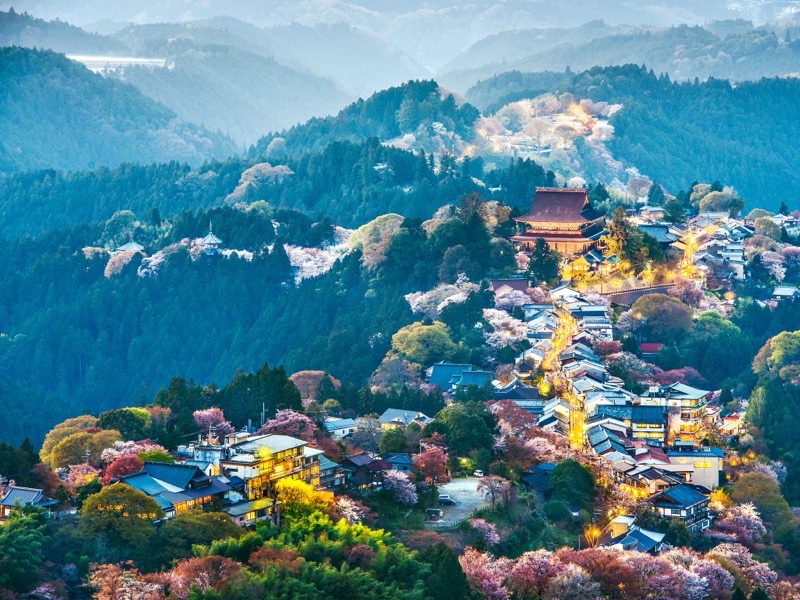
Choose Japan if you're a curious traveler eager for profound cultural immersion, efficient travel, and unparalleled culinary experiences on a moderate budget. Explore ancient temples in Kyoto, witness the vibrant energy of Shibuya crossing, and enjoy exquisite ramen, all seamlessly connected by its world-class public transport. It's perfect for solo adventurers, foodies, and those who appreciate order and deep discovery.
Choose Australia
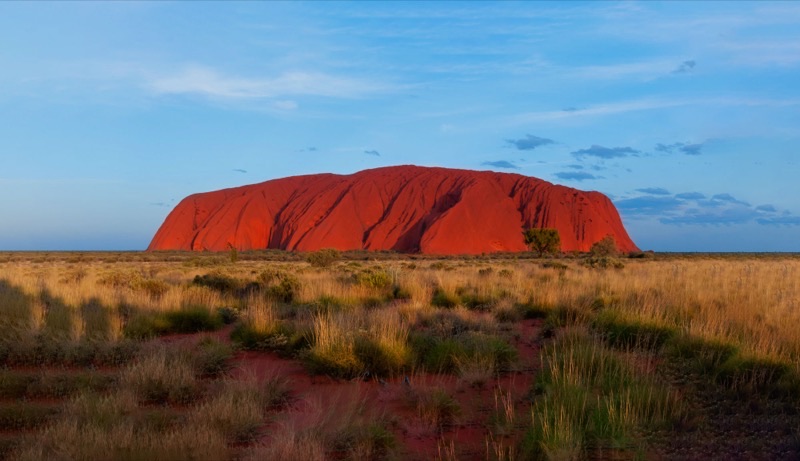
Opt for Australia if your dream vacation involves vast natural landscapes, unique wildlife, and a relaxed, outdoor-focused adventure, and you're comfortable with a higher budget. Snorkel the breathtaking Great Barrier Reef, unwind on Sydney's iconic beaches, or embark on a memorable road trip through the Outback, encountering kangaroos and koalas. This destination is ideal for families and nature lovers seeking wide-open spaces and independent exploration.
📊 Visual Scorecard
🌤 When to Visit
Average high temperatures (°C). Green = best months, orange = avoid.
Quick Comparison
| Category | Japan | Australia | Winner |
|---|---|---|---|
| Costs & Budget | Lower daily costs, efficient public transport, affordable food. | Higher daily costs, car rental often needed, pricier food and accommodation. | Japan |
| Food & Drink | Diverse, refined, affordable street food to Michelin-starred restaurants, often very specific. | Varied, strong cafe culture, fresh seafood, BBQ, influenced by diverse cuisines. | Japan |
| Nature & Scenery | Volcanic mountains, dense forests, specific gardens, cherry blossoms, autumn leaves. | Expansive deserts, diverse coastlines, rainforests, coral reefs, unique wildlife. | Australia |
| Culture & Heritage | Ancient temples, traditional arts, polite customs, specific historical periods, anime. | Indigenous history, colonial past, relaxed attitude, modern multiculturalism, sports culture. | Japan |
| Getting Around | Highly efficient, extensive train network (Shinkansen), clean subways, punctual. | Extensive driving distances, car rental often necessary, limited intercity rail, efficient city public transport. | Japan |
| Accommodation | Specific hostels, business hotels, ryokans, capsule hotels; often compact and clean. | Hostels, motels, hotels, holiday rentals, campsites; more spacious options. | Japan |
| Safety & Security | Very low crime rates, polite interactions, safe for solo travelers at night. | Generally safe, but specific areas in major cities need awareness, outdoor risks (wildlife, sun). | Japan |
| Nightlife & Entertainment | Izakayas, karaoke, specific themed bars, gaming arcades, generally ends earlier. | Pubs, clubs, live music, casinos, later closing times, more casual. | Tie |
| Beaches & Coastlines | Specific islands (Okinawa), black sand beaches, less central to travel plans. | Extensive, diverse coastlines, famous surf spots, coral reefs, beach culture. | Australia |
| Getting There & Flights | Numerous direct flights from major hubs, specific flight duration from North America/Europe. | Fewer direct flights from Europe/North America, longer durations, often requires stopovers. | Japan |
💰 Costs & Budget
Japan offers a more budget-friendly experience, particularly for solo travelers or those relying on public transport. A realistic daily budget, excluding long-distance travel,…
Japan

Australia
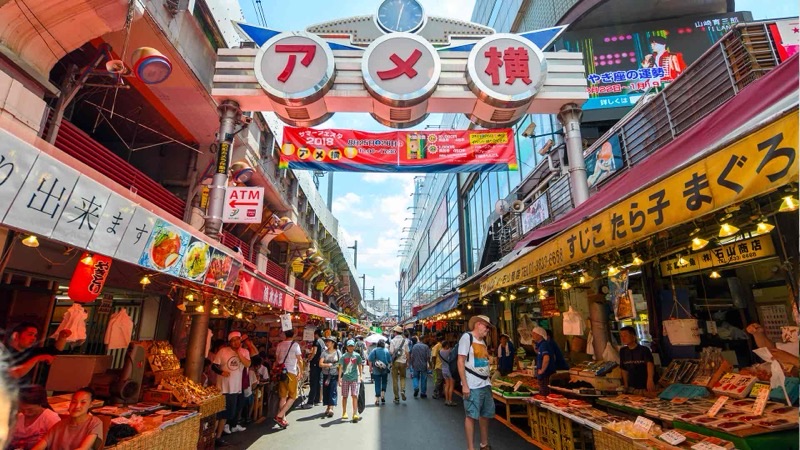
Japan offers a more budget-friendly experience, particularly for solo travelers or those relying on public transport. A realistic daily budget, excluding long-distance travel, runs around 10,000-15,000 JPY (about $65-100 USD) for hostels, local food like ramen for 800-1200 JPY ($5-8 USD), and entry fees. Mid-range accommodation like a business hotel in Tokyo or Osaka might cost 8,000-12,000 JPY ($50-80 USD) per night. JR Pass for rail travel is an initial expense, but it significantly reduces intercity costs. Convenience stores like 7-Eleven or FamilyMart provide cheap and good quality meals for under 500 JPY ($3-4 USD).
Australia generally commands higher prices across the board. Expect a daily budget of 180-250 AUD (about $120-170 USD) for a budget traveler staying in hostels, eating out occasionally, and using some public transport. Hostel dorms can range from 35-60 AUD ($23-40 USD) in cities like Sydney or Melbourne. A simple meal at a cafe might be 20-30 AUD ($13-20 USD), while groceries are also more expensive than in Japan. Car rental is often necessary for exploring outside major cities, adding significant costs for fuel (around 2 AUD/liter or $1.3 USD/liter) and rental fees (40-80 AUD or $26-53 USD per day). Activities like snorkeling on the Great Barrier Reef or a guided tour can easily exceed 200 AUD ($135 USD).
Tabiji verdict: Japan wins on cost efficiency, allowing for a longer or more intensive trip on a similar budget.
- Winner: Japan
- Why: Japan provides a higher quality experience for a lower daily expenditure, especially regarding food and local transport.
- Who this matters for: Budget-conscious travelers, solo adventurers, and those planning longer trips.
🍣 Food & Drink
Japans food scene is unparalleled in its depth and variety, extending from cheap and quick eats to highly refined dining. You can find ramen, udon, soba, sushi, tempura,…
Japan
Australia
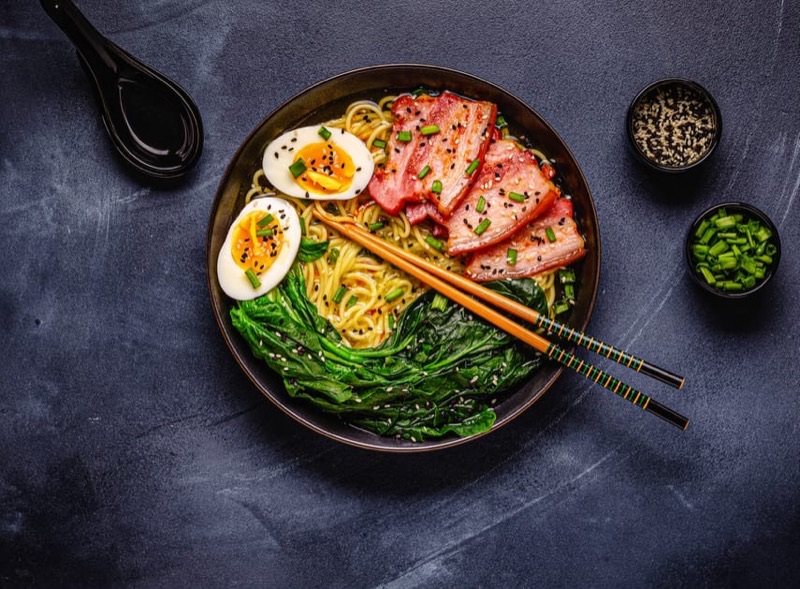
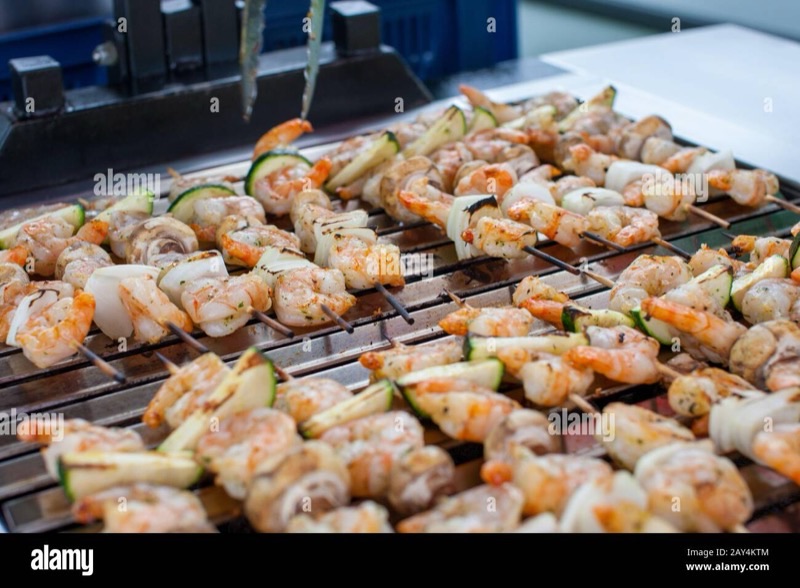
Japans food scene is unparalleled in its depth and variety, extending from cheap and quick eats to highly refined dining. You can find ramen, udon, soba, sushi, tempura, okonomiyaki, and yakitori, all prepared with precision. A bowl of quality ramen at places like Ichiran or Afuri costs around 900-1200 JPY ($6-8 USD). Street food in areas like Osakas Dotonbori offers takoyaki for 600 JPY ($4 USD) a plate. Even high-end sushi lunches can be found for 3,000-5,000 JPY ($20-35 USD) at places where dinner might be ten times that. The country also has an extensive array of unique sweets and coffee shops. Alcohol, especially local sake and craft beer, is widely available and often affordable.
Australia's food scene is generally fresh and modern, with a strong emphasis on cafe culture, brunch, and quality ingredients. Flat whites and avocado toast are common, costing around 5-7 AUD ($3-5 USD) and 15-25 AUD ($10-17 USD) respectively. Seafood is a highlight, with fish and chips available for 15-25 AUD ($10-17 USD) at beachside kiosks, and oysters found in coastal regions. BBQ culture is prevalent. Major cities like Melbourne and Sydney offer a broad selection of international cuisines, from Vietnamese to Italian, often at higher price points. While good, it lacks the specific, deeply rooted culinary traditions found across Japan.
Tabiji verdict: Japan provides a more consistent, varied, and specific food experience at all price points, making it the clear winner.
- Winner: Japan
- Why: Japan offers a more specific, diverse, and affordable range of high-quality food experiences, from street stalls to formal dining.
- Who this matters for: Food enthusiasts, budget travelers who prioritize eating well, and those seeking distinct local flavors.
🏞️ Nature & Scenery
Japan offers a concentrated variety of natural landscapes. Mount Fuji is an iconic dormant volcano, often viewed from Lake Kawaguchiko. Extensive forests cover much of the…
Japan
Australia
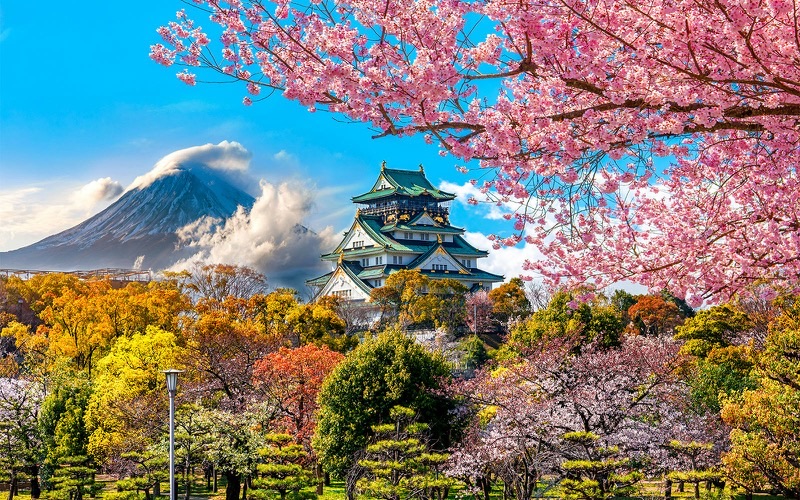
Japan offers a concentrated variety of natural landscapes. Mount Fuji is an iconic dormant volcano, often viewed from Lake Kawaguchiko. Extensive forests cover much of the country, with specific areas like Yakushima Island known for ancient cedar trees. Temples are often set within meticulously kept gardens, like those in Kyoto. The country is famous for its seasonal displays, particularly cherry blossoms in spring (late March to early April) and autumn leaves (mid-October to late November) in places like Kyoto's Arashiyama or Nikko. Japan's nature is often integrated with human activity, easily accessible via public transport or short hikes.
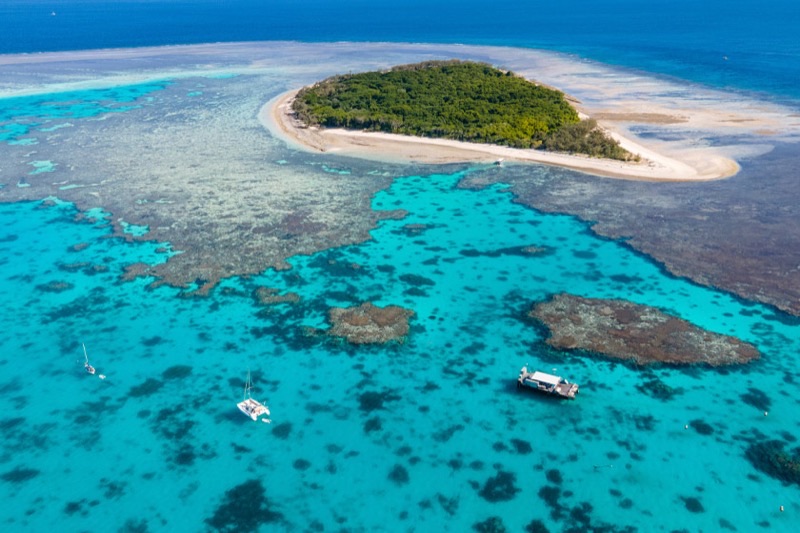
Australia stands out for its vast, diverse, and often wild natural environments. The Outback covers large portions of the continent, featuring deserts and unique rock formations like Uluru. Its coastline spans thousands of kilometers, offering diverse beach experiences from the Whitsundays to the Great Ocean Road. The Great Barrier Reef is a large coral reef system accessed from towns like Cairns or Port Douglas. Rainforests exist in regions like Daintree National Park. The wildlife, including kangaroos, koalas, and various bird species, is specific to the continent. Australias nature demands more time and often a car to explore its scale.
Tabiji verdict: Australia offers a grander scale of natural diversity and specific wildlife encounters that are simply not matched elsewhere.
- Winner: Australia
- Why: Australia's sheer scale and specific variety of natural environments, from deserts to coral reefs and unique wildlife, are unmatched.
- Who this matters for: Adventure seekers, wildlife enthusiasts, road trip planners, and those seeking large, open spaces.
⛩️ Culture & Heritage
Japan's culture is deeply rooted and permeates daily life. Ancient temples and shrines, such as Senso-ji in Tokyo or Fushimi Inari-taisha in Kyoto, are integral to the urban and…
Japan
Australia
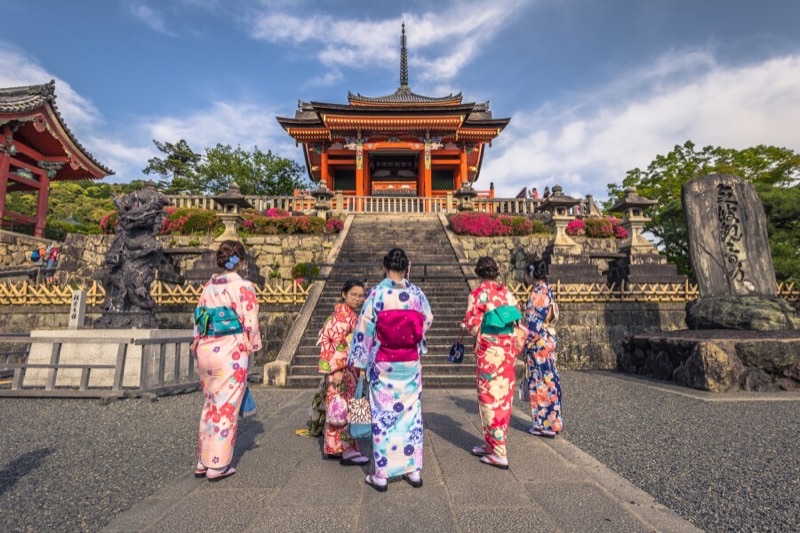
Japan's culture is deeply rooted and permeates daily life. Ancient temples and shrines, such as Senso-ji in Tokyo or Fushimi Inari-taisha in Kyoto, are integral to the urban and rural landscapes. Traditional arts like tea ceremony, kabuki theater, and geisha culture are still practiced. The country has a specific etiquette system focused on politeness, respect, and hierarchy, which visitors will observe and interact with. Historical periods, like the Edo era or the samurai age, are well-preserved in specific castles (Himeji Castle) and museums. Modern pop culture, including anime, manga, and video games, holds a strong global influence and is visible everywhere from Akihabara to themed cafes.
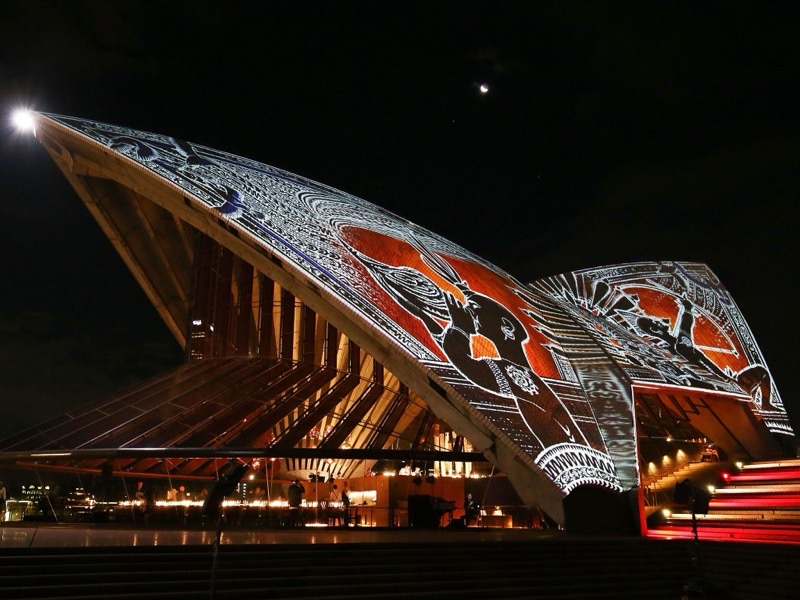
Australia's culture is a blend of ancient Indigenous traditions and a relatively recent colonial history, heavily influenced by its British past. Indigenous art, stories, and sacred sites are present, particularly in the Outback and certain national parks, offering a different perspective on history. Modern Australian culture emphasizes outdoor living, sports (cricket, Australian Rules Football), and a relaxed, casual attitude. Cities like Melbourne and Sydney are multicultural hubs with communities from around the world, influencing cuisine and local events. While specific, it lacks the continuous historical thread and pervasive traditional elements found in Japan.
Tabiji verdict: Japan offers a more distinct, deeply ingrained, and readily observable cultural experience that feels consistently specific.
- Winner: Japan
- Why: Japan's pervasive, ancient, and specific cultural practices and heritage offer a more immersive and distinct experience.
- Who this matters for: History buffs, culture seekers, those interested in specific etiquette, and fans of traditional arts.
🚆 Getting Around
Japan's transportation system is a model of efficiency and punctuality. The Shinkansen (bullet train) connects major cities quickly and comfortably; a Tokyo to Kyoto trip takes…
Japan
Australia
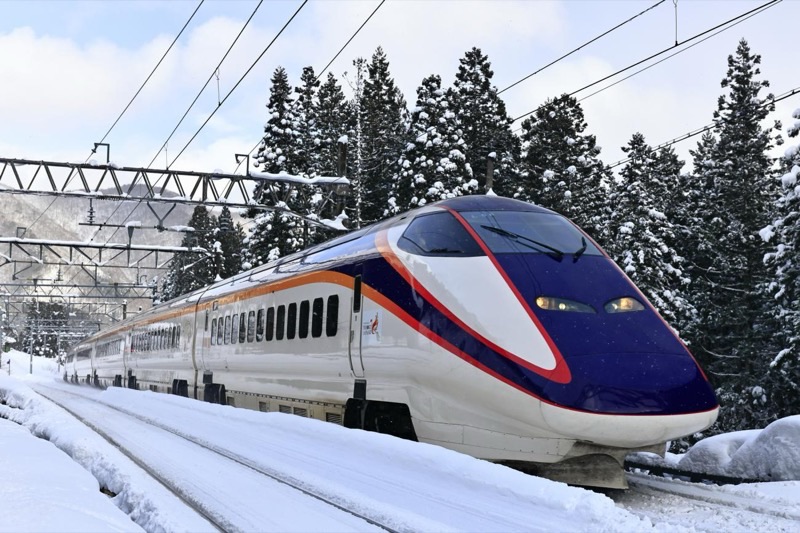
Japan's transportation system is a model of efficiency and punctuality. The Shinkansen (bullet train) connects major cities quickly and comfortably; a Tokyo to Kyoto trip takes about 2.5 hours. Local trains and subways in cities like Tokyo, Osaka, and Kyoto are clean, extensive, and easy to navigate with prepaid IC cards (Suica/Pasmo). Buses complement train lines, especially in more rural areas. Signs are often in English, and station staff are helpful. Travelers can cover significant ground and visit multiple destinations without needing a car, making it ideal for those without driving licenses or who prefer not to drive. A 7-day JR Pass costs around 50,000 JPY ($320 USD).
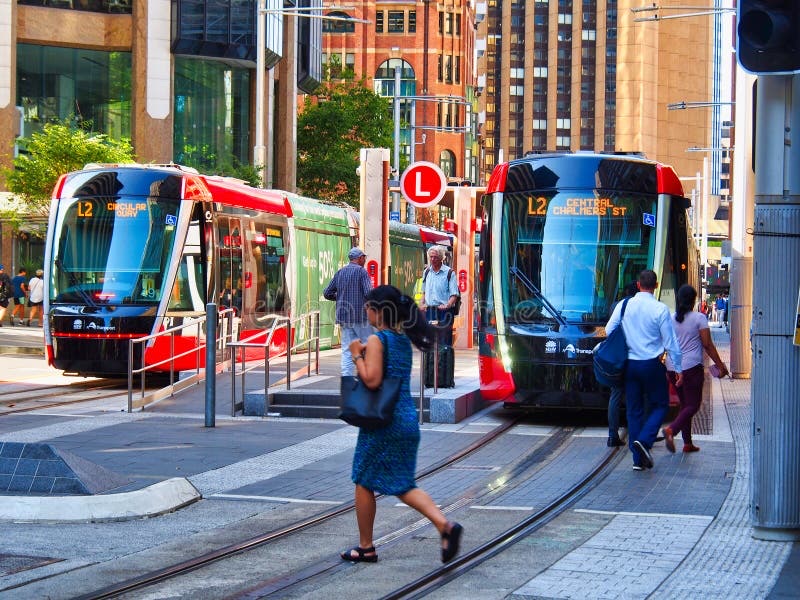
Australia's distances are vast, making intercity travel by train less practical or frequent compared to Japan. For exploring regions outside major cities, car rental is often essential. Driving is on the left side of the road. Major cities like Sydney, Melbourne, and Brisbane have efficient public transport systems (trains, trams, buses) that are good for city exploration, using tap-on/tap-off systems like Opal Card in Sydney. However, to see natural landmarks or explore coastal regions, you need a car. Domestic flights are common for covering long distances between states, adding to overall travel costs.
Tabiji verdict: Japan's public transport network is superior for ease of use, speed, and coverage, making travel efficient and stress-free.
- Winner: Japan
- Why: Japan's comprehensive, punctual, and easy-to-use public transportation network allows for efficient and stress-free travel without needing a car.
- Who this matters for: Travelers without a car, those on a schedule, and anyone prioritizing convenience and efficiency.
🏨 Accommodation
Japan offers a specific range of accommodation options that cater to different budgets and experiences. Hostels are plentiful and generally very clean and well-maintained, with…
Japan offers a specific range of accommodation options that cater to different budgets and experiences. Hostels are plentiful and generally very clean and well-maintained, with dorm beds costing 3,000-5,000 JPY ($20-35 USD) in major cities. Business hotels, like Toyoko Inn or APA Hotel, offer compact but functional private rooms for 8,000-12,000 JPY ($50-80 USD). For a specific cultural experience, a ryokan (traditional inn) with futon beds and perhaps a private onsen can range from 15,000-40,000 JPY ($100-270 USD) per person, including meals. Capsule hotels provide a specific, futuristic budget option for around 3,000 JPY ($20 USD). Booking in advance, especially during peak season, is advisable.
Australia's accommodation options are more conventional but generally pricier. Hostel dorms in cities and popular tourist spots usually range from 35-60 AUD ($23-40 USD). Motels and hotels start from 100-200 AUD ($65-135 USD) for a basic room, often larger than Japanese counterparts. Holiday rentals (apartments or houses) are popular for groups or longer stays, especially in coastal areas. Camping is a widespread option in national parks and designated sites, costing 10-30 AUD ($7-20 USD) per night. Accommodation can be spread out, requiring a car for access, particularly outside city centers.
Tabiji verdict: Japan wins due to its variety of specific accommodation types and the higher quality-to-price ratio in budget and mid-range options.
- Winner: Japan
- Why: Japan provides a wider array of unique accommodation types, offering both specific experiences and high quality for the price point.
- Who this matters for: Travelers seeking distinct lodging experiences, budget-conscious individuals, and those prioritizing cleanliness.
👮 Safety & Security
Japan consistently ranks among the safest countries in the world. Crime rates are extremely low, and petty theft is uncommon. Solo travelers, including women, can feel comfortable…
Japan consistently ranks among the safest countries in the world. Crime rates are extremely low, and petty theft is uncommon. Solo travelers, including women, can feel comfortable walking alone at night in most urban and rural areas. Lost items are frequently returned to their owners or to police boxes (koban). Public spaces are generally orderly, and interactions with locals are usually polite and respectful. There is a general societal expectation of following rules and maintaining public order, which contributes significantly to the feeling of security. Natural disasters like earthquakes and typhoons are a consideration, but buildings are constructed to withstand them, and warnings are effective.
Australia is also a very safe country, but with some specific considerations. Major city centers can have areas where petty crime or antisocial behavior occurs, similar to other Western cities, especially late at night. However, violent crime is low. The main specific safety considerations in Australia relate to its natural environment: strong sun requires consistent protection (SPF 30+, hats), specific wildlife (spiders, snakes, jellyfish) requires awareness, and swimming at specific beaches might require caution due to currents or marine life. Bushfires are also a seasonal risk in specific regions.
Tabiji verdict: Japan offers an almost unparalleled sense of personal security and peace of mind for travelers.
- Winner: Japan
- Why: Japan offers an exceptionally high level of personal safety and low crime rates, fostering a sense of complete security for travelers.
- Who this matters for: Solo travelers, families with young children, and anyone prioritizing a sense of security while exploring.
🌃 Nightlife & Entertainment
Japan's nightlife is specific and varied, though it often starts and ends earlier than in some Western countries, particularly for weekday activities. Izakayas (Japanese pubs) are…
Japan's nightlife is specific and varied, though it often starts and ends earlier than in some Western countries, particularly for weekday activities. Izakayas (Japanese pubs) are central, offering small dishes and drinks, popular for after-work gatherings. Karaoke boxes are a major form of entertainment, available widely. Specific themed bars, gaming arcades in areas like Shinjuku's Kabukicho or Tokyo's Shibuya, and hostess clubs are common. Major cities also have specific club districts, but these can be less accessible to tourists. The last train is around midnight or 1 AM, after which taxis are the main option.
Australia offers a more conventional Western nightlife scene centered around pubs, bars, and clubs. Major cities like Sydney (specific lockout laws have recently changed) and Melbourne have districts with live music venues and dance clubs that stay open later, often until 3 AM or 4 AM on weekends. Casinos are present in most capital cities. Pub culture is strong, with many specific breweries and gastropubs. Beach towns often have a relaxed bar scene. The overall vibe is generally more casual and social, with a focus on drinking and conversation.
Tabiji verdict: Both destinations offer compelling but distinctly different nightlife options, catering to specific preferences, resulting in a tie.
- Winner: Tie
- Why: Both countries offer distinct and extensive options for evening activities, appealing to different preferences.
- Who this matters for: Travelers seeking specific types of evening entertainment — from quiet drinks to loud clubs.
🏖️ Beaches & Coastlines
Japan's beaches are specific but less of a primary draw for most international travelers, unless heading to Okinawa. The Okinawa island chain, including specific islands like…
Japan's beaches are specific but less of a primary draw for most international travelers, unless heading to Okinawa. The Okinawa island chain, including specific islands like Ishigaki and Miyakojima, offers white sand beaches, clear waters, and coral reefs suitable for snorkeling and diving. Main Honshu island has specific coastal areas, like Shonan Beach near Kamakura, but these are often busy with local visitors and lack the expansive, pristine quality of Australian beaches. Specific black sand beaches can be found near volcanic areas. Beach season is usually limited to summer months (July-August), and facilities can be basic.
Australia's identity is deeply intertwined with its coastline. It features thousands of kilometers of specific beaches ranging from the iconic Bondi Beach in Sydney to the specific white sands of Whitehaven Beach in the Whitsundays. Surfing is a national pastime, with specific spots like Bells Beach in Victoria known globally. The Great Barrier Reef, off Queensland's coast, provides world-renowned snorkeling and diving opportunities. Beach culture is pervasive, with many specific towns built around coastal activities. The sheer scale, variety, and integration of beach life into the national identity make Australia a specific beach destination.
Tabiji verdict: Australia offers vastly more extensive, diverse, and specific beach and coastal experiences that are central to its appeal.
- Winner: Australia
- Why: Australia's immense, diverse, and specific coastlines offer a broader range of beach activities and natural beauty.
- Who this matters for: Beach lovers, surfers, divers, and those who prioritize coastal relaxation and activities.
✈️ Getting There & Flights
Flights to Japan are generally well-served from major international hubs. From North America's West Coast (e.g., LAX, SFO), direct flights to Tokyo (NRT or HND) or Osaka (KIX)…
Flights to Japan are generally well-served from major international hubs. From North America's West Coast (e.g., LAX, SFO), direct flights to Tokyo (NRT or HND) or Osaka (KIX) average 9-11 hours. From the East Coast, it's typically 13-15 hours direct. From major European cities, direct flights to Tokyo average 11-13 hours. Airlines like JAL, ANA, United, Delta, Lufthansa, and British Airways offer specific routes. Prices vary widely by season, but a round-trip economy ticket from the US can range from $800-1500 USD, and from Europe, €700-1200. Flights are frequent, making travel planning relatively straightforward.
Traveling to Australia often involves longer flight times and fewer direct options, especially from Europe and North America. From North America's West Coast (e.g., LAX), direct flights to Sydney (SYD) or Melbourne (MEL) are approximately 14-15 hours. From the East Coast, it usually involves a stopover, extending total travel time to 18+ hours. From Europe, specific direct flights are rare, making one or two stopovers standard, pushing total travel time to 20-24+ hours. Airlines like Qantas, Air New Zealand, Emirates, and Singapore Airlines operate these routes. Round-trip economy tickets are generally pricier, often ranging from $1200-2500 USD from North America and €1000-1800 from Europe.
Tabiji verdict: Japan is more accessible with shorter, more frequent direct flights from major global regions.
- Winner: Japan
- Why: Japan offers shorter flight times and more direct, frequent flight options from major international departure points.
- Who this matters for: Travelers with limited time off, those sensitive to long-haul flights, and budget-conscious flyers.
🎯 The Decision Framework
Choose Japan If…
- You want highly efficient and quiet public transport everywhere.
- You seek specific cultural immersion with ancient temples and specific etiquette.
- You enjoy specific, often affordable, food at every price point.
- You prioritize safety and a specific sense of security.
- You appreciate specific, orderly cities and specific seasonal natural displays.
- You want to experience a unique blend of specific tradition and specific future technology.
- You prefer to travel without needing to drive a car.
- You are comfortable with compact accommodations and specific service levels.
Choose Australia If…
- You desire vast open spaces, specific deserts, and specific rainforests.
- You want extensive specific coastlines and specific beach culture.
- You are interested in specific unique wildlife encounters (kangaroos, koalas).
- You plan on specific road trips to cover large distances.
- You prefer a relaxed, outdoor-focused travel style.
- You are comfortable with higher daily expenses for food and accommodation.
- You enjoy specific water activities like surfing, snorkeling the Great Barrier Reef.
- You are seeking sunshine and specific warm weather for most of the year.
📅 Sample Itineraries
Weekend in Japan (3 Days)
💡 Purchase a Suica or Pasmo card ($10 initial charge) upon arrival for seamless use on trains and buses across major cities.
Weekend in Australia (3 Days)
💡 Grab an Opal card ($20 initial load recommended) for convenient access to Sydney's trains, buses, ferries, and light rail, offering daily travel caps.
One Week in Japan (7 Days)
💡 If planning extensive train travel, a Japan Rail Pass ($200-300 for 7 days) can offer savings, but calculate if individual tickets are cheaper for your specific itinerary.
One Week in Australia (7 Days)
💡 Book domestic flights between major cities like Sydney and Melbourne well in advance to secure better prices, as they are usually more economical than long train journeys.
❓ Frequently Asked Questions
What is the typical daily budget difference between Japan and Australia?
Japan typically allows for a daily budget of 10,000-15,000 JPY (about $65-100 USD) for hostels, local food, and transport. Australia often requires 180-250 AUD (about $120-170 USD) per day for similar expenses, making it generally 50-70% more expensive on a budget level.
Which country is better for solo female travelers regarding safety?
Japan is consistently ranked as one of the safest countries globally. Solo female travelers report a profound sense of security, even late at night in major cities. While Australia is also safe, Japan's specific crime rates are significantly lower, offering specific peace of mind.
How long should I plan for a specific trip to each country?
For Japan, a solid 2 weeks allows you to cover Tokyo, Kyoto, and a specific regional area like Hakone or Osaka. For Australia, due to its size, 3-4 weeks is advisable to explore a single specific region in depth, like the East Coast, or a shorter 2 weeks for a specific city-focused trip.
What are the specific visa requirements for US citizens for each country?
US citizens visiting Japan for tourism for less than 90 days do not need a specific visa. For Australia, US citizens need an Electronic Travel Authority (ETA), which is applied for online and typically costs around 20 AUD ($13 USD). It is usually processed quickly.
Which country has more specific unique wildlife encounters?
Australia is specific for its unique wildlife. You can specifically see kangaroos, koalas, platypuses, specific bird species, and specific marine life in their natural habitats. Japan has specific wildlife like snow monkeys and specific deer in Nara, but not on the same specific scale or diversity of endemic species as Australia.
Is specific intercity travel easier in Japan or Australia?
Specific intercity travel is significantly easier in Japan due to its comprehensive, punctual, and high-speed rail network (Shinkansen). Travelers can traverse long distances in a few hours. In Australia, specific intercity rail is limited, and most long-distance travel requires domestic flights or specific long-haul driving.
Which destination is better for specific natural landscapes like mountains or beaches?
For specific diverse coastlines and extensive beaches, Australia is superior, offering everything from specific surfing spots to specific coral reefs. For specific volcanic mountains, dense forests, and specific well-maintained gardens, Japan provides a more concentrated experience.
What is the specific best time of year to visit each country?
For Japan, specific spring (March-May) for cherry blossoms or specific autumn (October-November) for fall foliage are highly recommended. For Australia, specific spring (September-November) or specific autumn (March-May) offer milder weather across most regions, avoiding specific summer heat and specific winter chill.
Ready to plan your specific trip?
Get a free custom itinerary for Japan, Australia, or both — built from real traveler insights.
👥 Travelers Also Compared
🎟️ Book Tours & Experiences
Hand-picked tours and activities for both destinations — book with free cancellation
Experiences via Viator — free cancellation on most tours