How we built this comparison
This page combines traveler discussion patterns, published price ranges, flight schedules, and seasonal data to help you decide between Japan and Brazil.
- Reviewed 50+ Reddit threads from r/travel, r/solotravel, r/japantravel, r/brazil
- Verified costs and logistics against current booking platforms like Booking.com, Google Flights, and local transport sites
- Cross-referenced seasonal patterns and weather data from meteorological sources
⚡ Quick Answers
⚡ The TL;DR Verdict
For most travelers seeking predictable convenience, impeccable service, and a distinct cultural immersion without language barriers being a major hurdle, Japan is the stronger pick. If your budget is tighter, you crave high-energy experiences, and you are comfortable navigating less structured environments, Brazil offers profound rewards. Expect a daily budget of $70-135 in Japan versus $40-80 in Brazil.
- Choose Japan: Travelers prioritizing safety, hyper-efficient transport, incredible food variety, polite service, and organized cultural experiences. Ideal for solo travelers, families, or those new to independent international travel.
- Choose Brazil: Adventurous travelers on a budget who seek lively social interactions, natural landscapes, and are prepared for a more unpredictable, yet deeply rewarding, journey. Good for groups or those with some Spanish/Portuguese language skills.
- Choose Both: Not a practical combination for a single trip due to extreme distance and travel time. Instead, plan two separate trips of at least 10-14 days each to properly experience either country.
Choose Japan
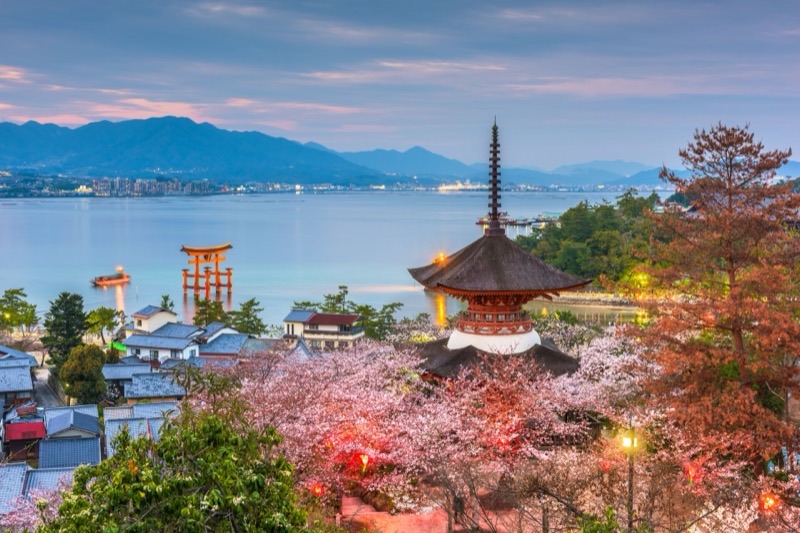
Choose Japan if you prioritize unparalleled safety, hyper-efficient transport, and a deeply enriching cultural experience blending ancient tradition with futuristic innovation. Explore Kyoto's serene temples, savor Tokyo's exquisite culinary scene from ramen stalls to Michelin-starred dining, and marvel at the Shinkansen's punctuality. This destination is best for solo travelers, families, or those seeking a highly organized and polished journey, despite a higher daily budget.
Choose Brazil
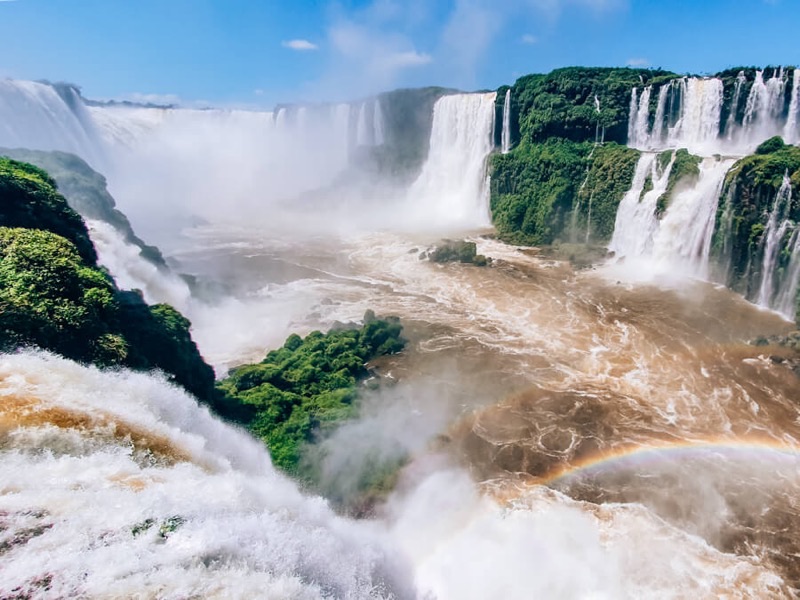
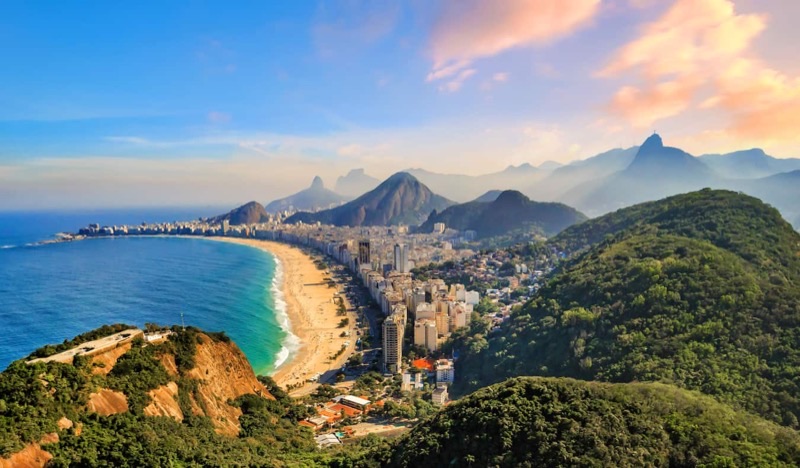
Opt for Brazil if you crave a vibrant, high-energy adventure filled with spectacular natural landscapes, lively social interactions, and a rich cultural tapestry, especially on a tighter budget. Dance to samba in Rio's Lapa district, relax on iconic Copacabana Beach, or explore the breathtaking Iguazu Falls and Amazon rainforest. This destination is perfect for adventurous travelers, groups, or those ready to embrace a more spontaneous and profoundly rewarding journey.
📊 Visual Scorecard
🌤 When to Visit
Average high temperatures (°C). Green = best months, orange = avoid.
Quick Comparison
| Category | Japan | Brazil | Winner |
|---|---|---|---|
| Costs & Budget | Higher costs for accommodation and transport, food can be affordable. | Lower costs across the board, especially for food and local transport. | Brazil |
| Safety & Security | Extremely low crime rates, safe for solo travelers at any time. | Requires awareness, especially in major cities; petty crime is common. | Japan |
| Food & Dining | Diverse, refined, and consistently high-quality cuisine, from street food to fine dining. | Hearty, flavorful, and varied regional dishes, with a focus on meat and fresh ingredients. | Japan |
| Culture & Heritage | Ancient traditions alongside modern innovation, temples, shrines, and pop culture. | Colonial history, indigenous influences, Afro-Brazilian traditions, music, and dance. | Japan |
| Nature & Outdoors | Mountains, forests, hot springs, and seasonal beauty like cherry blossoms. | Amazon rainforest, Pantanal wetlands, Iguazu Falls, diverse coastline, and tropical forests. | Brazil |
| Getting Around | World-class, punctual, and extensive public transportation network. | Intercity buses and domestic flights are primary, less predictable, and can be slow. | Japan |
| Accommodation | Efficient business hotels, traditional ryokans, and unique capsule hotels. | Pousadas, hostels, and larger resorts, with varying levels of quality. | Japan |
| Nightlife & Entertainment | Diverse options from quiet izakayas to karaoke boxes and themed bars. | Lively street parties, samba clubs, beach kiosks, and late-night music venues. | Brazil |
| Beaches & Coastline | Limited mainland beaches, tropical islands of Okinawa provide a different experience. | Extensive, varied coastline with famous city beaches and remote tropical havens. | Brazil |
| Flights & Accessibility | Long-haul flights, generally good airline connections to major hubs. | Equally long-haul, fewer direct routes from some regions, can involve more layovers. | Tie |
💸 Costs & Budget
Japan generally commands a higher daily budget, primarily driven by accommodation and long-distance transport. A mid-range budget traveler might spend ¥10,000-¥20,000 (approx.…
Japan
Brazil
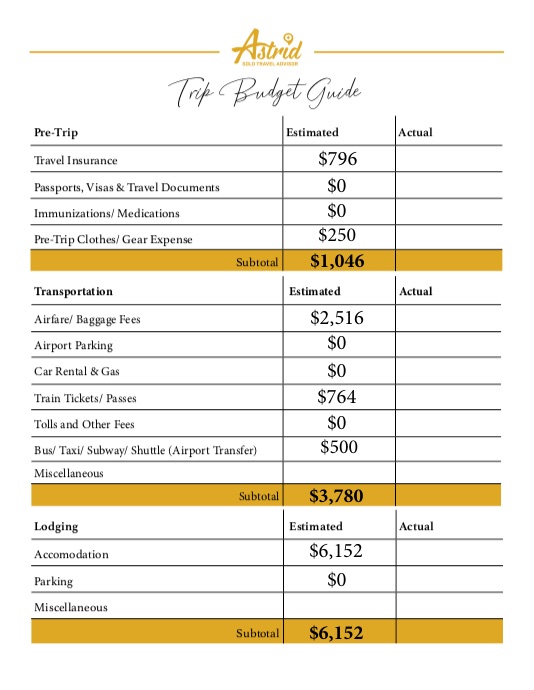
Japan generally commands a higher daily budget, primarily driven by accommodation and long-distance transport. A mid-range budget traveler might spend ¥10,000-¥20,000 (approx. $70-$135 USD) per day. Hotels in Tokyo like the APA Hotel chain can be ¥8,000-¥15,000 ($55-$100) per night for a single. Meals can range from ¥800 ($5.50) for a ramen bowl to ¥3,000-¥5,000 ($20-$35) for a casual izakaya dinner. The Japan Rail Pass, while convenient, is a significant upfront cost, with a 7-day pass at ¥50,000 (approx. $340) for ordinary class.
Brazil offers significantly more budget-friendly travel. A comfortable daily budget for a mid-range traveler is R$200-R$400 (approx. $40-$80 USD). Hostels in Rio de Janeiro or Sao Paulo average R$80-R$150 ($16-$30) per night, while basic pousadas or guesthouses can be R$150-R$300 ($30-$60). Street food like pastel or coxinha costs R$5-R$15 ($1-$3), and a generous meal at a churrascaria can be R$70-R$150 ($14-$30). Intercity buses are a cost-effective way to travel, with a Rio-Sao Paulo ticket around R$100-R$200 ($20-$40). Brazil is the clear winner for budget-conscious travelers.
- Winner: Brazil
- Why: Brazil offers a more accessible travel experience for those managing their expenses carefully.
- Who this matters for: Travelers on a tight budget, backpackers, and those planning longer trips.
👮 Safety & Security
Japan consistently ranks among the safest countries globally. Street crime is almost nonexistent, and travelers can feel comfortable walking alone at night in major cities like…
Japan
Brazil
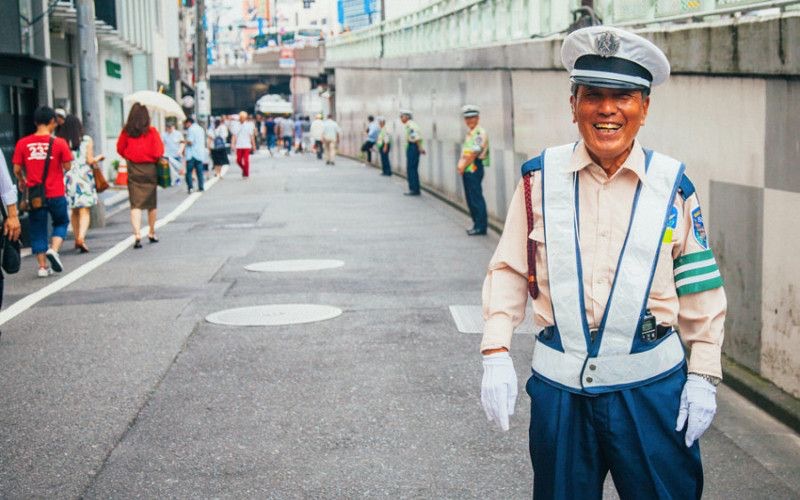
Japan consistently ranks among the safest countries globally. Street crime is almost nonexistent, and travelers can feel comfortable walking alone at night in major cities like Tokyo or Kyoto. Lost items are frequently returned to their owners. The primary safety concern might be natural disasters like earthquakes or typhoons, which have established warning systems. There is a general sense of trust and order that makes travel here remarkably stress-free from a personal security standpoint.
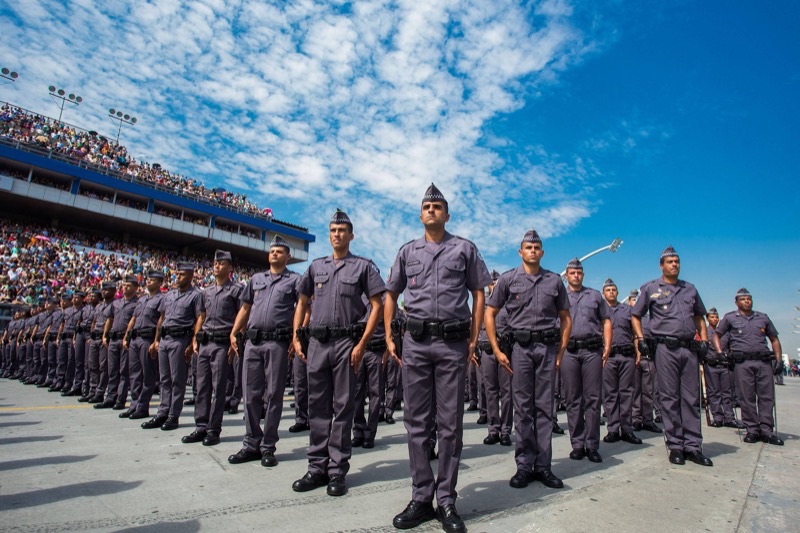
Brazil, while welcoming, requires a higher degree of vigilance. Petty crime such as pickpocketing and bag snatching is common in tourist areas of cities like Rio de Janeiro (Copacabana, Ipanema) and Sao Paulo. It is advisable to avoid displaying expensive items, using phones openly on the street, and walking alone at night in unfamiliar neighborhoods. Specific areas in favelas can pose higher risks. Despite these concerns, millions visit Brazil each year without incident by exercising common sense and following local advice. Japan provides a significantly more secure environment for travelers.
- Winner: Japan
- Why: Japan offers an exceptionally safe and predictable environment, minimizing traveler concerns about personal security.
- Who this matters for: Solo travelers, families with young children, and those who prioritize peace of mind above all else.
🍣 Food & Dining
Japan is a culinary powerhouse, offering an incredible range of specific and refined dishes. From world-renowned sushi and ramen found at places like Ichiran Ramen or Tsukiji Fish…

Japan
Brazil
Japan is a culinary powerhouse, offering an incredible range of specific and refined dishes. From world-renowned sushi and ramen found at places like Ichiran Ramen or Tsukiji Fish Market stalls, to delicate kaiseki dinners and casual izakaya pub fare, the quality is uniformly high. Even convenience store food (konbini) is a step above. Travelers can enjoy takoyaki (octopus balls) for ¥600 ($4) on the street, a tonkatsu (pork cutlet) meal for ¥1,500 ($10), or a multi-course omakase sushi experience for ¥10,000-¥20,000 ($70-$135) or more. The attention to detail and presentation is part of the experience.
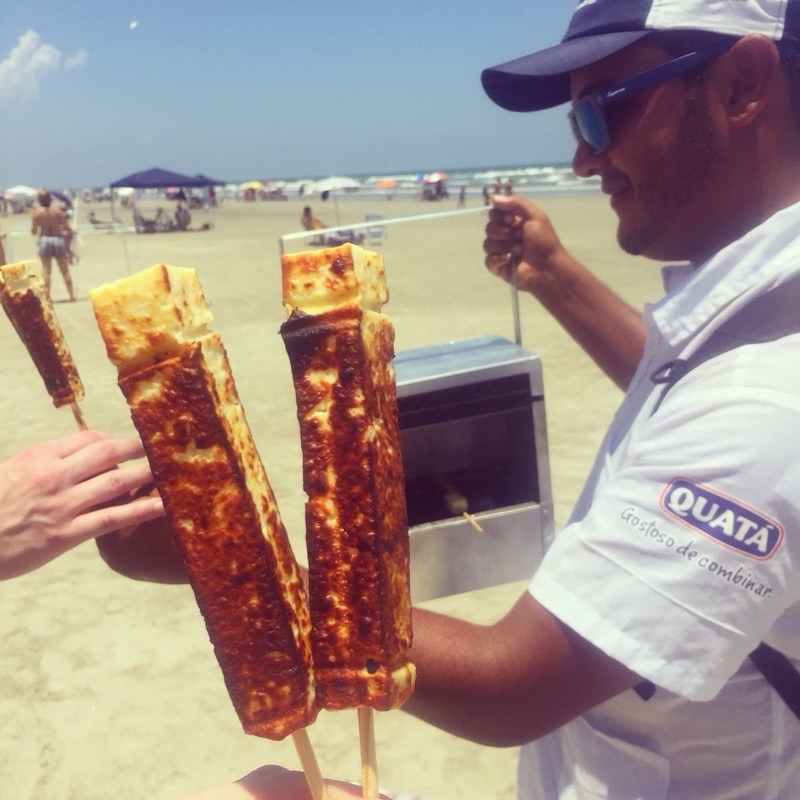
Brazil offers a satisfying and flavorful food journey, characterized by hearty portions and bold tastes. Central to Brazilian cuisine is churrasco (barbecue), with rodizio restaurants like Porcão or Fogo de Chão serving endless cuts of meat for R$70-R$150 ($14-$30). Feijoada, a black bean and meat stew, is a national dish. Street food like pão de queijo (cheese bread) for R$5 ($1) or acai bowls for R$20-R$40 ($4-$8) are popular. Regional variations are significant, from Bahia's African-influenced moqueca (seafood stew) to the Amazon's freshwater fish dishes. While delicious, Japanese cuisine generally offers more diversity in technique and presentation. Japan narrowly wins for its breadth and consistent quality.
- Winner: Japan
- Why: Japan's culinary landscape presents a wider range of specific, meticulously prepared dishes with consistent high quality.
- Who this matters for: Food enthusiasts, those seeking refined dining experiences, and travelers who appreciate culinary precision.
⛩️ Culture & Heritage
Japan offers a deeply immersive cultural experience where ancient traditions coexist with futuristic technology. Visiting temples like Senso-ji in Tokyo or Fushimi Inari-taisha in…
Japan
Brazil
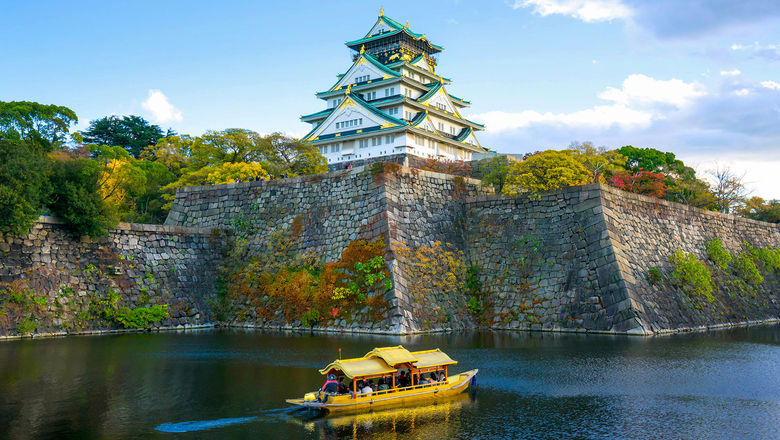
Japan offers a deeply immersive cultural experience where ancient traditions coexist with futuristic technology. Visiting temples like Senso-ji in Tokyo or Fushimi Inari-taisha in Kyoto, participating in a tea ceremony, or witnessing a sumo wrestling match provides direct engagement with specific practices. The respect for elders, the bowing etiquette, and the meticulous attention to detail in crafts and arts are pervasive. Modern Japanese culture, from anime in Akihabara to Shibuya's fashion, also presents a distinct identity. Museums like the Tokyo National Museum (admission ¥1,000 / $7) offer extensive insights into its long history.
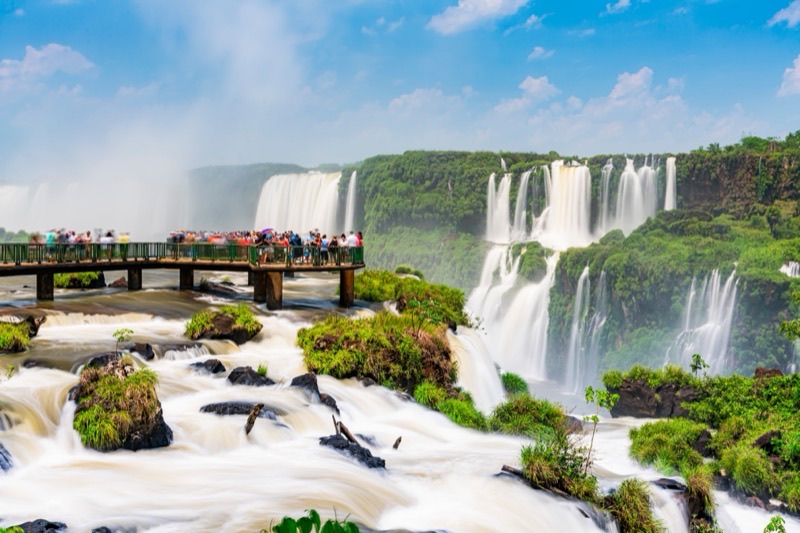
Brazil's culture is a vibrant mix of European, African, and indigenous influences, resulting in a distinct identity. The annual Carnival celebrations in Rio de Janeiro or Salvador are globally recognized expressions of this. Capoeira, a martial art-dance form, and samba music are powerful Afro-Brazilian traditions. The colonial architecture in Salvador (Pelourinho district) or Ouro Preto provides a historical backdrop. Religious syncretism, seen in Candomblé ceremonies, reflects its diverse heritage. While Brazil offers a lively and warm culture, Japan's depth of ancient practices and unique societal norms generally creates a more profound sense of cultural immersion for travelers. Japan wins for its easily accessible and distinct cultural touchstones.
- Winner: Japan
- Why: Japan presents a more consistently distinct and easily accessible set of ancient traditions and cultural practices for travelers.
- Who this matters for: Travelers seeking historical sites, traditional arts, and unique societal customs.
🏞️ Nature & Outdoors
Japan offers stunning natural landscapes, often intertwined with cultural sites. Mount Fuji is an iconic symbol, visible from many points around the country, and accessible for…
Japan
Brazil
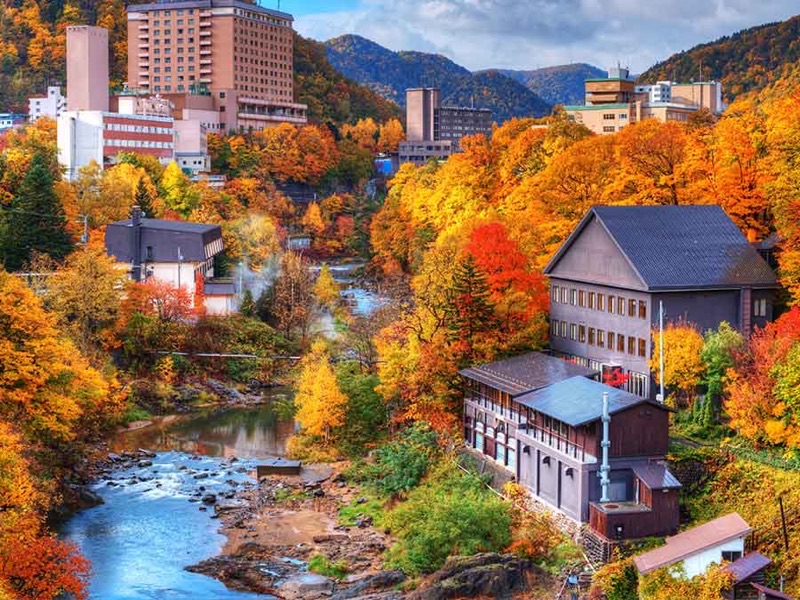
Japan offers stunning natural landscapes, often intertwined with cultural sites. Mount Fuji is an iconic symbol, visible from many points around the country, and accessible for climbing during summer. The Hokkaido region provides extensive national parks and winter sports. Ancient cedar forests on Yakushima island, autumn foliage in Nikko, and the numerous onsen (hot springs) towns like Hakone or Beppu showcase diverse natural beauty. The organized nature trails and pristine conditions are commendable. Access to these areas is generally straightforward via public transport.
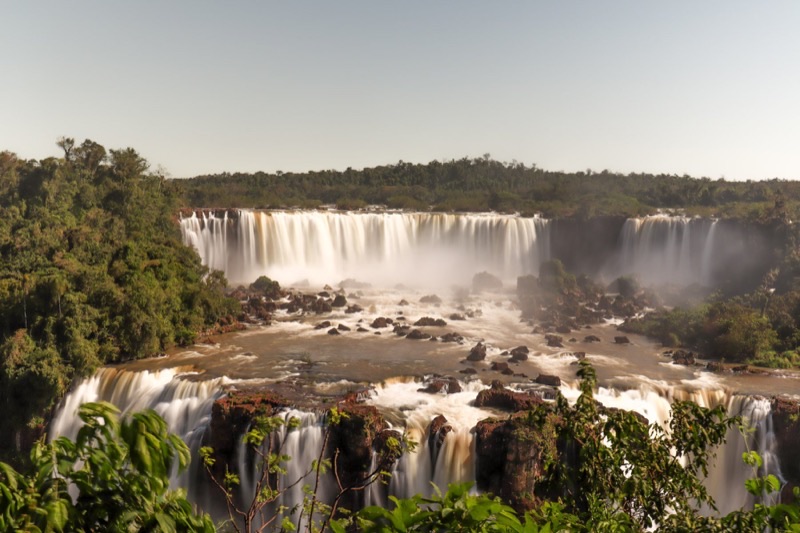
Brazil's natural offerings are on a grander, more biodiverse scale. The Amazon rainforest, a global ecological treasure, provides opportunities for guided river tours from Manaus. The Pantanal, the world's largest tropical wetlands, is unparalleled for wildlife spotting (jaguars, capybaras, caimans). Iguazu Falls, on the border with Argentina, is an immense waterfall system providing a powerful natural spectacle (entrance R$90 / $18). The extensive coastline includes vast stretches of beaches and dramatic cliffs, such as the Northeast's Jericoacoara. While Japan's nature is beautiful, Brazil's sheer scale of biodiversity and iconic natural landmarks provide a more impactful outdoor experience. Brazil takes this category for its immense, specific natural wonders.
- Winner: Brazil
- Why: Brazil boasts unparalleled biodiversity and iconic natural landmarks like the Amazon and Iguazu Falls.
- Who this matters for: Wildlife enthusiasts, adventure travelers, and those seeking awe-inspiring natural formations.
🚄 Getting Around
Japan's transportation system is a model of efficiency and punctuality. The Shinkansen (bullet train) connects major cities like Tokyo, Kyoto, and Osaka at speeds up to 320 km/h.…
Japan's transportation system is a model of efficiency and punctuality. The Shinkansen (bullet train) connects major cities like Tokyo, Kyoto, and Osaka at speeds up to 320 km/h. A trip from Tokyo to Kyoto (approx. 500 km) takes about 2.5 hours and costs around ¥13,000 ($90). Urban public transport in cities like Tokyo (JR lines, subway) is extensive, clean, and easy to navigate with an IC card (Suica/Pasmo). Buses and local trains cover regional areas effectively. Everything runs on time, to the minute, making travel planning predictable and stress-free. Signage is generally in English.
Brazil's domestic transport largely relies on a network of intercity buses and domestic flights for longer distances. Buses are generally comfortable but can be slow, especially on less developed roads. A bus from Rio de Janeiro to Sao Paulo (approx. 430 km) takes 6-7 hours and costs R$100-R$200 ($20-$40). Domestic flights are common for covering vast distances, for example, from Rio to Manaus. Urban transport includes metros, buses, and ride-sharing apps (Uber, 99). While functional, it lacks the seamless integration and punctuality of Japan's system. Japan is the undisputed winner for travel convenience and efficiency.
- Winner: Japan
- Why: Japan's public transportation network is exceptionally efficient, punctual, and user-friendly, simplifying travel.
- Who this matters for: Travelers valuing convenience, punctuality, and minimal travel planning hassle.
🏨 Accommodation
Japan offers a distinct range of accommodation specific to its culture. Business hotels like Toyoko Inn or Dormy Inn provide clean, compact, and functional rooms for…
Japan offers a distinct range of accommodation specific to its culture. Business hotels like Toyoko Inn or Dormy Inn provide clean, compact, and functional rooms for ¥7,000-¥12,000 ($48-$80) per night. Traditional ryokans (Japanese inns), particularly in Hakone or Kyoto, offer an immersive experience with futons and communal baths, often including breakfast and dinner, for ¥15,000-¥30,000 ($100-$200+) per person. Capsule hotels, like 9h ninehours or First Cabin, are a novel and affordable option at ¥3,000-¥5,000 ($20-$35). Service is consistently polite and efficient across all categories, and rooms are spotlessly clean.
Brazil's accommodation landscape is more varied in quality and type. Pousadas (guesthouses) are common, especially in smaller towns and coastal areas, offering a more personal stay for R$150-R$400 ($30-$80). Hostels in major cities like Rio or Salvador can be found for R$80-R$150 ($15-$30), often with a lively social atmosphere. Larger international hotel chains are present in business districts and tourist hubs. Service standards can vary significantly, from excellent to rudimentary. While Brazil offers good value, Japan's unique accommodation types and consistently high service standards edge it out. Japan takes this for its unique offerings and reliability.
- Winner: Japan
- Why: Japan provides diverse, unique accommodation experiences with consistently high standards of cleanliness and service.
- Who this matters for: Travelers seeking culturally specific stays and reliable quality.
🎉 Nightlife & Entertainment
Japan offers a sophisticated and varied nightlife, often more contained and refined. Tokyo's Shinjuku Golden Gai (small, themed bars) or Shibuya's scramble crossing area provide…
Japan offers a sophisticated and varied nightlife, often more contained and refined. Tokyo's Shinjuku Golden Gai (small, themed bars) or Shibuya's scramble crossing area provide specific experiences. Karaoke boxes are a popular group activity. Izakayas are relaxed pub-style eateries for drinks and small plates. Hostess clubs are a distinct part of the entertainment scene. While specific and fun, the energy is often more subdued and less spontaneously public than in Brazil. Closing times for many bars are around midnight or 1 AM.
Brazil's nightlife is known for its passionate, public, and late-night energy. Rio de Janeiro's Lapa district is famous for its samba clubs and street parties spilling out of bars like Rio Scenarium. Beach kiosks along Copacabana and Ipanema stay open late, offering drinks and music. Salvador's Pelourinho district features live music and capoeira performances into the night. Carnival is the pinnacle of this public celebration. The atmosphere is generally more extroverted, with music and dancing central to the experience. For sheer energy and open-air festivity, Brazil is the clear winner. Brazil offers a more outgoing and energetic party scene.
- Winner: Brazil
- Why: Brazil's nightlife is characterized by its infectious energy, live music, and open, social atmosphere.
- Who this matters for: Party-goers, social travelers, and those who enjoy dancing and live music.
🏖️ Beaches & Coastline
Japan is not typically a beach destination, though it has some notable coastal areas. The main island of Honshu has beaches like Enoshima near Kamakura or the Izu Peninsula, but…
Japan is not typically a beach destination, though it has some notable coastal areas. The main island of Honshu has beaches like Enoshima near Kamakura or the Izu Peninsula, but these are often crowded or less pristine. The true beach experience in Japan is found in the Okinawa island chain, offering white sands, coral reefs, and clear waters (e.g., Miyakojima, Ishigaki). However, these require separate domestic flights and dedicated travel time, making them less accessible for a general Japan trip. The appeal is more for diving and marine life than expansive lounging.
Brazil boasts an immense and diverse coastline, featuring some of the worlds most famous beaches. Rio de Janeiros Copacabana and Ipanema are iconic urban beaches, providing specific social atmospheres, places for sports, and vendors selling caipirinhas. Further north, the beaches of Bahia (e.g., Morro de São Paulo) offer tropical paradise settings with warm waters and palm trees. Florianópolis in the south is known for its surfing spots. From lively city scenes to secluded natural coves, Brazil offers an extensive range of beach experiences for every preference. The accessibility and variety of Brazils beaches make it the clear winner.
- Winner: Brazil
- Why: Brazil offers an expansive, diverse coastline with world-renowned beaches that are easily accessible and cater to varied preferences.
- Who this matters for: Beach enthusiasts, sunbathers, surfers, and those seeking tropical relaxation.
✈️ Flights & Accessibility
Reaching Japan typically involves long-haul flights from North America or Europe, often 12-18 hours including layovers. Major airports like Tokyo Narita (NRT) or Haneda (HND) are…
Reaching Japan typically involves long-haul flights from North America or Europe, often 12-18 hours including layovers. Major airports like Tokyo Narita (NRT) or Haneda (HND) are well-connected by carriers like JAL, ANA, United, Delta, Lufthansa. Return economy flights from the US East Coast can range from $800-$1500, depending on the season and booking time. Direct flights are available from many major global cities, simplifying the journey. Once in Japan, domestic travel via train is very straightforward.
Brazil also requires significant flight time, often 10-18 hours from North America or Europe. Major gateways are São Paulo Guarulhos (GRU) and Rio de Janeiro Galeão (GIG). Airlines like LATAM, American Airlines, United, TAP Portugal, and Air France serve these routes. Return economy flights from the US East Coast similarly range from $700-$1300. While direct flights exist from major hubs, connecting flights are common, especially from smaller cities or less-traveled routes. Both destinations are far-flung for most international travelers, requiring substantial time and cost for air travel. Therefore, this category is a tie, as both demand similar commitments in terms of flight duration and cost.
- Winner: Tie
- Why: Both countries require comparable long-haul flights and travel times from major international origins.
- Who this matters for: Any traveler, as flight logistics are a fundamental part of planning for either destination.
🎯 The Decision Framework
Choose Japan If…
- You value immaculate cleanliness and order.
- You appreciate incredibly efficient public transport.
- You seek unique cultural experiences like ryokan stays or tea ceremonies.
- You prioritize personal safety above almost everything else.
- You enjoy refined and diverse culinary experiences, from street food to Michelin-starred restaurants.
- You are comfortable with minimal English spoken outside major tourist areas.
- You want to experience a seamless blend of ancient tradition and futuristic technology.
- You prefer quiet, respectful social interactions over loud, public gatherings.
Choose Brazil If…
- Your budget is a primary concern, and you seek lower daily expenses.
- You crave energetic nightlife, samba, and spontaneous social interactions.
- You want to experience vast natural wonders like the Amazon or Iguazu Falls.
- You are a beach lover and want extensive, famous coastlines.
- You enjoy hearty, flavorful food, especially meat-focused cuisine.
- You are comfortable navigating less predictable travel environments.
- You appreciate a warm, extroverted, and passionate local culture.
- You are looking for adventure and a strong sense of freedom on your trip.
📅 Sample Itineraries
Weekend in Japan (3 Days)
💡 Purchase an IC card like Suica or Pasmo upon arrival for seamless public transport payments; it saves time navigating ticket machines.
Weekend in Brazil (3 Days)
💡 Always carry small bills for street vendors and local transport. Using ride-sharing apps like Uber is generally safer and more convenient than taxis in major cities.
One Week in Japan (7 Days)
💡 Purchase a Japan Rail Pass if you plan extensive inter-city travel; a 7-day pass costs around $210-250, offering significant savings over individual tickets.
One Week in Brazil (7 Days)
💡 Book domestic flights well in advance for better prices. For Iguaçu Falls, consider staying in Foz do Iguaçu for 2-3 nights to comfortably explore both sides.
❓ Frequently Asked Questions
What is a realistic budget difference between Japan and Brazil?
For a mid-range traveler, Japan typically costs $70-135 USD per day, whereas Brazil can be $40-80 USD per day. Accommodation in Tokyo for a mid-tier hotel might be $80-100, while a similar standard in Rio is $40-60. Food is generally more affordable in Brazil too, with a good meal costing $15-30 vs $20-35 in Japan.
Which country is easier to navigate for English speakers?
Japan has good English signage in major tourist areas and transport hubs, but spoken English proficiency is limited outside of hotels and specific tourist services. Brazil's major cities also have some English speakers in tourist zones, but Portuguese is essential for deeper interactions or navigating rural areas. Japan's excellent public transport makes independent travel simpler even with language barriers.
Is solo travel recommended for both Japan and Brazil?
Solo travel is highly recommended for Japan due to its exceptional safety, efficient transport, and welcoming atmosphere. For Brazil, solo travel is possible but requires more caution, especially for women. Staying alert, using ride-sharing apps, and avoiding walking alone at night in cities are important precautions. It is generally safer to travel in groups in Brazil.
What are the typical flight times from the USA to each country?
From major US cities (e.g., New York, Los Angeles), direct flights to Japan (Tokyo Narita/Haneda) are around 12-14 hours. Flights to Brazil (São Paulo Guarulhos/Rio Galeão) are typically 9-11 hours direct. With layovers, both journeys can extend to 15-20 hours, making them similarly long-haul commitments.
When is the best time to visit each country for good weather?
For Japan, spring (March-May) for cherry blossoms or autumn (September-November) for foliage offer pleasant temperatures. Summer is hot and humid, winter can be cold. For Brazil, the shoulder seasons of May-June or September-October offer good weather across many regions, avoiding peak summer crowds and intense heat, and drier conditions in the Pantanal. Rio's peak is December-March.
How do transport costs compare within each country?
Japan's intercity train travel, like the Shinkansen, is fast but expensive (e.g., Tokyo-Kyoto is $90-100 one-way without a JR Pass). Urban transport is affordable ($1.50-3 per ride). Brazil relies more on intercity buses, which are slower but cheaper ($20-40 for a Rio-Sao Paulo trip). Domestic flights are a common but more expensive option for long distances in Brazil, often $100-300 per leg.
Which country offers more unique accommodation experiences?
Japan offers specific types like traditional ryokans (Japanese inns), capsule hotels ($20-35/night), and business hotels ($50-100/night) that provide a distinct cultural flavor. Brazil has pousadas (guesthouses) and hostels, but its accommodation options are generally more conventional. Japan has the edge for truly specific lodging.
What is the primary difference in local interactions?
In Japan, interactions are often polite, reserved, and highly respectful of personal space and rules. There is less spontaneous small talk with strangers. In Brazil, interactions are typically much more open, warm, and expressive. People are often keen to engage, dance, and celebrate, fostering a more direct and lively social atmosphere, particularly in public settings like bars or beaches.
Ready to plan your next adventure?
Get a free custom itinerary for Japan, Brazil, or both — built from real traveler insights.
👥 Travelers Also Compared
🎟️ Book Tours & Experiences
Hand-picked tours and activities for both destinations — book with free cancellation
Experiences via Viator — free cancellation on most tours