How we built this comparison
This page combines traveler discussion patterns, published price ranges, flight schedules, and seasonal data to help you decide between Japan and China.
- Reviewed 100+ Reddit threads from r/travel, r/solotravel, r/JapanTravel, and r/chinatravel for firsthand experiences and cost estimates.
- Verified costs for flights, accommodation, and transportation against current booking platforms (e.g., Google Flights, Booking.com, Trip.com) and official railway sites.
- Cross-referenced seasonal weather patterns and major cultural events to provide optimal travel timing and specific regional advice.
⚡ The TL;DR Verdict
For those seeking pristine order, culinary perfection, and effortless solo travel, Japan is your sanctuary. Expect daily budgets from $70-$150. If you crave epic scale, deep history, budget-friendly adventures, and don't mind a bit of a challenge, China offers unparalleled rewards, with daily budgets ranging from $40-$100.
- Choose Japan: You prioritize seamless travel, exceptional service, unparalleled safety, and a refined cultural experience, even if it costs a bit more. Perfect for first-time East Asian travelers and those who love meticulous planning and quiet efficiency.
- Choose China: You're an adventurous spirit seeking epic landscapes, ancient wonders, vibrant street life, and incredible value. You're comfortable navigating language barriers and cultural differences, and you're rewarded with profoundly unique, less-traveled experiences.
- Choose Both: If you have 3+ weeks, combine them! Start in Japan for ease, then pivot to China for a deeper dive. A Tokyo-Shanghai flight is under 3 hours, making it a very feasible, albeit intense, dual-country expedition.
Quick Comparison
| Category | Japan | China | Winner |
|---|---|---|---|
| Costs & Budget | Generally more expensive, especially for accommodation and transport. High quality justifies price. | Significantly more budget-friendly across all categories, offering great value for money. | China |
| Food & Dining | World-renowned for precision, quality, and diverse regional specialties. Every meal is an experience. | Incredibly diverse, flavorful, and often spicier. Street food is king, offering endless variety and value. | Japan |
| Culture & History | Rich in ancient traditions, meticulous craftsmanship, serene temples, and a fascinating blend of old and new. | Home to millennia of continuous civilization, featuring epic historical sites, diverse ethnic cultures, and profound philosophies. | China |
| Getting Around | Extremely efficient, punctual, and easy to navigate with world-class public transport. JR Pass is a game-changer. | Modern high-speed rail network is impressive, but local transport can be chaotic. Digital payments (WeChat/Alipay) are essential. | Japan |
| Safety & Security | One of the safest countries globally, with extremely low crime rates and a strong sense of public order. | Generally safe, especially in major cities, but political sensitivities and a different legal system require more awareness. | Japan |
| Nature & Scenery | Offers diverse beauty from cherry blossoms and autumn leaves to volcanic landscapes and alpine peaks. | Vast and epic, with incredibly varied landscapes from towering mountains and karst formations to deserts and tropical beaches. | China |
| Accommodation | Offers a wide range from traditional ryokans to modern hotels, generally higher quality but smaller and pricier. | Affordable options abound, from basic guesthouses to luxury hotels, often with more space for the price. | Tie |
| Nightlife & Entertainment | Vibrant and diverse, from neon-lit districts and themed bars to traditional izakayas and karaoke boxes. | Energetic and expansive, particularly in major cities, with massive clubs, KTV (karaoke), and bustling street markets. | Japan |
| Shopping & Souvenirs | Known for quality, craftsmanship, unique fashion, electronics, anime/manga goods, and traditional crafts. | Offers incredible variety, from luxury brands to bustling markets, often at very competitive prices. | Japan |
| Visa & Entry | Most Western visitors enjoy visa-free entry for up to 90 days, making entry seamless. | Requires a visa for almost all nationalities, which can be a complex and time-consuming process. | Japan |
💰 Costs & Budget
Japan, while offering incredible quality, will definitely test your wallet. A budget traveler can get by on ¥8,000-¥12,000 ($50-$80 USD) per day staying in hostels like K's House Tokyo (¥3,000-¥4,500 / $20-$30) and eating convenience store meals (¥500-¥800 / $3-5) or casual ramen (¥900-¥1,200 / $6-8). Mid-range travelers should budget ¥15,000-¥25,000 ($100-$160) for a decent hotel like Hotel Gracery Shinjuku (¥10,000-¥18,000 / $65-$120) and varied dining. The 7-day JR Pass is ¥50,000 ($325), essential for extensive travel. China, on the other hand, offers remarkable value. You can easily travel on ¥250-¥400 ($35-$55 USD) daily, staying in clean hostels like The Great Wall Box House in Beijing (¥80-¥150 / $11-$20) and feasting on street food for ¥10-¥30 ($1.5-$4) per meal, or a nice restaurant for ¥80-¥150 ($11-$20). High-speed train tickets like Beijing to Shanghai (5.5 hrs) are around ¥550 ($75). Flights within China are also very affordable. "Seriously, I ate like a king in Chengdu for less than $10 a day, including beer. Japan was amazing but my bank account cried a little." This makes China an incredible destination for budget-conscious adventurers seeking grand experiences without breaking the bank.
Winner takeaway
- Winner: China
- Why: China offers significantly more bang for your buck, allowing for longer trips and more experiences on a tighter budget.
- Who this matters for: Budget travelers, backpackers, and anyone looking to maximize their travel duration without compromising on experiences.
🍣 Food & Dining
Japan's culinary scene is a global benchmark, a harmonious blend of art and flavor. From Michelin-starred sushi (Jiro Dreams of Sushi, anyone?) to humble yet perfect ramen (Ichiran, Ippudo), every bite feels intentional. Regional specialties like Hiroshima-style okonomiyaki or Hokkaido's seafood are divine. Even convenience store food (konbini) is shockingly good. Expect to pay ¥1,000-¥2,000 ($7-$13) for a casual meal, while a mid-range izakaya will be ¥3,000-¥5,000 ($20-$35). Seasonal ingredients are paramount, and presentation is key. China counters with sheer variety and bold flavors that span centuries and regions. Szechuan's fiery hotpot, Cantonese dim sum, Beijing's Peking duck, or Xi'an's roujiamo (Chinese hamburger) offer a flavor adventure. Street food in cities like Shanghai or Chengdu is cheap (¥10-¥30 / $1.5-$4) and incredibly diverse. Sit-down meals range from ¥50-¥150 ($7-$20). While Japan excels in refined perfection, China triumphs in vibrant, often chaotic, street-level deliciousness. "Japan's food is like a symphony, perfect in every note. China's food is like a rock concert, loud, chaotic, and incredibly exciting. Both are amazing, but Japan's consistency is just next level." Ultimately, Japan's dedication to quality, freshness, and the dining experience edges it out.
Winner takeaway
- Winner: Japan
- Why: Japan's food offers unparalleled quality, consistency, and a refined dining experience from high-end to casual, making every meal memorable.
- Who this matters for: Foodies, those seeking culinary perfection, and anyone who sees dining as a central part of their travel experience.
⛩️ Culture & History
Japan offers a deeply aesthetic and harmonious cultural experience, seamlessly blending ancient traditions with hyper-modernity. You can meditate in a tranquil Kyoto temple like Kinkaku-ji (Golden Pavilion, entrance ¥500 / $3.5), wander through the historic Gion district, witness a sumo match, or immerse yourself in the futuristic glow of Shibuya Crossing. Its history is well-preserved and accessible, focusing on Shintoism, Buddhism, and the samurai era. China, however, boasts a scale of history and cultural diversity that is simply mind-boggling. From the Great Wall of China (entrance ¥40-¥65 / $5.5-$9) and the Terracotta Army in Xi'an (entrance ¥120 / $16.5) to the Forbidden City in Beijing (entrance ¥60 / $8) and the ancient water towns around Shanghai, the sheer magnitude of its historical legacy is overwhelming. The influence of Confucianism, Taoism, and Buddhism runs deep, alongside the vibrant cultures of its 56 recognized ethnic groups. While Japan provides a beautifully curated cultural journey, China presents a raw, expansive, and incredibly diverse historical tapestry that feels profoundly impactful. "Walking the Great Wall, then seeing the Terracotta Army, it just hits different. The scale of China's history is unmatched, you feel it in your bones." China's sheer depth, breadth, and age of its continuous civilization give it the edge.
Winner takeaway
- Winner: China
- Why: China's millennia of continuous civilization offer an unmatched scale and diversity of historical sites and cultural experiences.
- Who this matters for: History buffs, those seeking epic ancient wonders, and travelers interested in diverse ethnic cultures and profound philosophical heritage.
🚆 Getting Around
Japan's transportation system is legendary for its punctuality, cleanliness, and efficiency. The Shinkansen (bullet train) connects major cities at incredible speeds, and the JR Pass (7-day pass around ¥50,000 / $325) offers fantastic value for extensive travel. City metro systems in Tokyo and Kyoto are comprehensive, clearly signposted in English, and easy to use with IC cards like Suica or Pasmo. Buses and local trains are equally reliable. Navigating Japan is a breeze, even for first-time visitors. China's high-speed rail network (HSR) is also world-class, connecting major cities rapidly and comfortably (e.g., Shanghai to Beijing in 5.5 hours, ~¥550 / $75). Major cities have modern subways, but signage can be less English-friendly than Japan. The biggest hurdle is payment: cash is almost non-existent; WeChat Pay or Alipay are crucial for everything from taxis to street vendors. This requires setting up a Chinese bank account or linking a foreign card via a complex process for many. While China's infrastructure is impressive, the language barrier and dependence on specific digital payment systems make it less accessible for independent travelers compared to Japan. "Japan's trains are so clean you could eat off the floor, and they're always on time. China's HSR is fast, but trying to buy a metro ticket without WeChat Pay was a nightmare." Japan's ease of use and English accessibility win hands down.
Winner takeaway
- Winner: Japan
- Why: Japan's public transportation is unrivaled in its efficiency, punctuality, English accessibility, and overall user-friendliness.
- Who this matters for: First-time international travelers, those who prefer seamless logistics, and anyone relying heavily on public transit without local language skills.
🚨 Safety & Security
Japan is renowned as one of the safest countries in the world. Crime rates are incredibly low, and violent crime is almost non-existent. You'll often see people leaving their bags unattended in cafes or children commuting alone on public transport. Lost items are frequently returned, reflecting a strong culture of honesty and respect. Even late at night, major cities like Tokyo or Osaka feel incredibly safe for solo travelers, including women. This peace of mind significantly enhances the travel experience. China is generally safe in major tourist areas and cities, with a visible police presence. Petty crime like pickpocketing can occur in crowded areas, but violent crime against tourists is rare. However, the political climate means increased surveillance, and travelers should be mindful of what they say or do, especially online, and adhere strictly to local laws. Access to certain websites (Google, Facebook, Instagram) is blocked without a reliable VPN. While personal safety is high in China, the broader sense of freedom and lack of surveillance in Japan makes it feel inherently more secure for a tourist. "I accidentally left my wallet on a train in Tokyo and got it back with everything inside. That just wouldn't happen most places." Japan's pervasive sense of safety and trust is truly exceptional.
Winner takeaway
- Winner: Japan
- Why: Japan offers an unparalleled sense of safety and security, with extremely low crime rates and a high level of public trust.
- Who this matters for: Solo travelers (especially women), families, and anyone who prioritizes peace of mind and minimal travel anxiety.
🏞️ Nature & Scenery
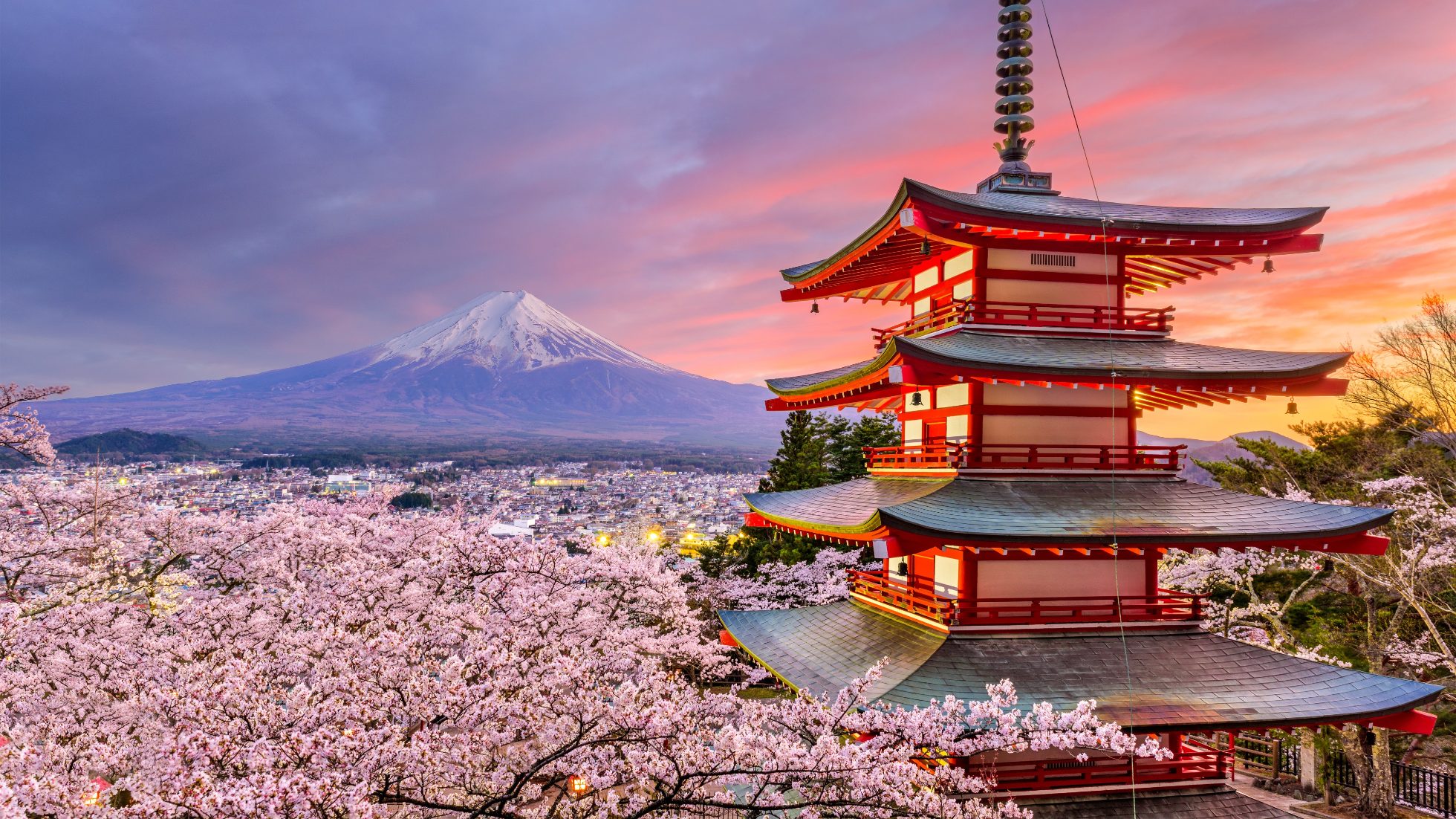
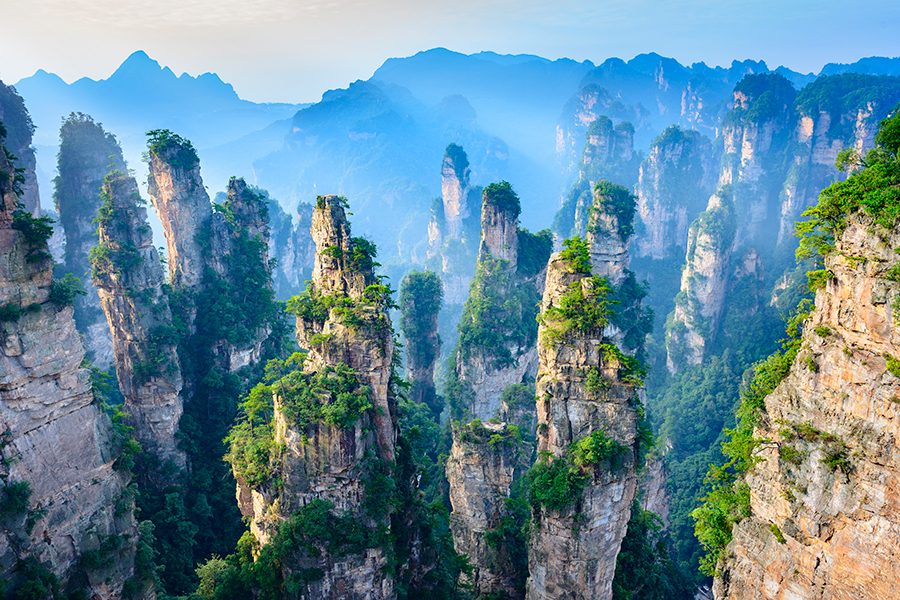
Japan's natural beauty is iconic and easily accessible. Think cherry blossoms in spring, vibrant autumn leaves, the majestic Mt. Fuji, the serene bamboo groves of Arashiyama, and the dramatic volcanic landscapes of Hakone. Hokkaido offers stunning national parks for hiking and winter sports, while Okinawa boasts beautiful sub-tropical beaches. The scale is intimate and refined, often integrated with cultural sites. China, however, offers a staggering diversity and scale of natural wonders that are simply immense. From the surreal karst peaks of Guilin and Yangshuo, the otherworldly pillar formations of Zhangjiajie (inspiration for Avatar's Hallelujah Mountains), the dramatic canyons of Tiger Leaping Gorge, the vast Gobi Desert, to the sacred peaks of Huangshan (Yellow Mountain), and the tropical beaches of Hainan – China's landscapes are incredibly varied and often breathtakingly dramatic. While some areas require more effort to reach, the reward is truly epic. "Zhangjiajie felt like stepping onto another planet, truly unbelievable. Japan's nature is beautiful, but China's is just... bigger and wilder." For sheer diversity and epic scale, China is unmatched.
Winner takeaway
- Winner: China
- Why: China's vastness provides an unparalleled diversity and epic scale of natural landscapes, from towering mountains to unique karst formations.
- Who this matters for: Adventure seekers, photographers, and travelers who prioritize grand, diverse, and often dramatic natural scenery.
🏨 Accommodation
Accommodation in Japan is known for its impeccable cleanliness, high standards, and efficiency, though rooms can be compact. You can experience traditional ryokans (Japanese inns, often with hot springs and elaborate meals, ¥15,000-¥30,000 / $100-$200 per person), modern business hotels (¥8,000-¥18,000 / $50-$120 per night), capsule hotels (¥3,000-¥5,000 / $20-$35), or stylish hostels (¥3,000-¥4,500 / $20-$30). While prices are higher, the quality is consistently excellent. China offers a much broader range of price points and often more spacious rooms for your money. Budget hostels can be found for ¥80-¥150 ($11-$20), mid-range hotels for ¥300-¥600 ($40-$80), and luxury options like The Peninsula Shanghai for ¥2,000+ ($275+). You'll find everything from basic guesthouses in rural areas to world-class international hotels in major cities. Booking via platforms like Trip.com (Ctrip) is popular. The challenge in China can be finding places with English-speaking staff, especially outside of major hubs. "Japan's hotels are tiny but always spotless and have amazing service. In China, you can get a huge room for half the price, but sometimes the communication is rough." For sheer value and space, China often wins, but for consistent quality and service, Japan is hard to beat. It's a tie because both excel in different aspects of what travelers look for.
Winner takeaway
- Winner: Tie
- Why: Both countries offer excellent accommodation options, but cater to different priorities – Japan for consistent quality, China for value and space.
- Who this matters for: Travelers prioritizing either meticulous service and unique cultural stays (Japan) or those seeking more space and affordability (China).
🌃 Nightlife & Entertainment
Japan's nightlife is an electric, sensory overload that truly comes alive after dark, especially in major cities like Tokyo and Osaka. Shibuya and Shinjuku's neon-drenched streets offer endless options: themed bars (robot restaurants, cat cafes, 'maid' cafes), cozy izakayas for drinks and small plates (a beer around ¥600-¥800 / $4-5), high-tech karaoke boxes (¥1,000-¥3,000 / $7-$20 per hour), and world-class nightclubs in areas like Roppongi. The atmosphere is generally safe and welcoming. China's nightlife in cities like Shanghai and Beijing is also incredibly dynamic, featuring massive clubs that host international DJs (entry ¥100-¥300 / $14-$40), KTV (karaoke) complexes with private rooms (often very elaborate), and bustling night markets offering food and goods. Bars range from sleek rooftop lounges on The Bund to more local dive bars. While China offers grander scale clubs, Japan's quirky, diverse, and accessible array of themed experiences, coupled with its safety, creates a more unique and appealing atmosphere for many international visitors. "Tokyo's Golden Gai felt like stepping into a movie, so many tiny, unique bars. China's clubs are huge, but Japan just has more character, and I never felt unsafe walking home." Japan's unique blend of traditional and futuristic entertainment, coupled with its unrivaled safety, gives it the edge.
Winner takeaway
- Winner: Japan
- Why: Japan offers a uniquely diverse, quirky, and safe nightlife experience, from intimate izakayas to neon-lit entertainment districts.
- Who this matters for: Social butterflies, those seeking unique themed experiences, and anyone who wants to enjoy vibrant nightlife with complete peace of mind.
🛍️ Shopping & Souvenirs
Japan is a shopper's paradise, blending high-tech gadgets with timeless craftsmanship and eccentric fashion. Tokyo's Shibuya and Harajuku districts are fashion meccas, Akihabara is the electronics and anime/manga hub, and Ginza hosts luxury brands. Traditional crafts like ceramics, textiles, and intricate wood carvings are found in places like Kyoto. Prices can be higher, but the quality is usually impeccable. A decent souvenir might be ¥1,000-¥3,000 ($7-$20), while unique fashion items can easily run into thousands of yen. China offers an unparalleled variety, from luxury international brands in glitzy malls like IFC Shanghai to chaotic local markets (e.g., Shanghai's Fake Market, where haggling is essential for items like 'designer' bags for ¥100-¥300 / $14-$40). Traditional goods like silk, tea, calligraphy, and jade are abundant, often at very attractive prices. However, quality control can be inconsistent, and counterfeit goods are common. While China offers incredible value and sheer volume, Japan's focus on authentic craftsmanship, unique subcultures (e.g., otaku goods), and reliable quality makes for a more satisfying and trustworthy shopping experience. "I bought so much cool anime stuff and beautifully crafted ceramics in Japan, all real. In China, you have to be super careful about fakes, but the tea markets were amazing." Japan wins for its guaranteed quality, unique offerings, and niche markets.
Winner takeaway
- Winner: Japan
- Why: Japan excels in high-quality goods, unique niche markets (anime, fashion), and traditional craftsmanship with guaranteed authenticity.
- Who this matters for: Collectors, fashion enthusiasts, tech-savvy buyers, and anyone prioritizing authenticity and quality over sheer volume or rock-bottom prices.
🛂 Visa & Entry
Japan offers a remarkably straightforward entry process for travelers from many Western countries, including the USA, Canada, UK, Australia, and most of Europe. Citizens of these countries typically enjoy visa-free entry for tourism for up to 90 days. You simply arrive, fill out a landing card, and often pass through immigration quite swiftly. This ease of entry significantly reduces pre-trip planning stress and cost. China, in contrast, requires a visa for almost all nationalities (with a few exceptions for specific transit rules). Obtaining a Chinese tourist visa (L visa) can be a complex and time-consuming process. It typically involves submitting a detailed application form, flight and hotel bookings, an invitation letter (sometimes required), and a fee (e.g., $185 USD for US citizens). The process can take several weeks, requiring careful planning. While China does offer 72-hour or 144-hour visa-free transit in certain cities for specific nationalities, this is limited and not suitable for a full exploration. "Getting into Japan was a breeze, just walked through immigration. China's visa process was a headache and took forever, but it was worth it in the end." The sheer simplicity and lack of a visa requirement make Japan the clear winner for ease of entry.
Winner takeaway
- Winner: Japan
- Why: Japan offers visa-free entry for most Western nationalities, making the planning and entry process incredibly simple and stress-free.
- Who this matters for: Spontaneous travelers, those on short trips, and anyone who prefers to avoid complex visa application processes.
❓ Frequently Asked Questions
Is it safe to travel solo as a female in Japan or China?
Japan is exceptionally safe for solo female travelers, even at night. Crime rates are very low, and respect for personal space is high. China is generally safe in major cities, but vigilance against petty crime is wise. Both offer unique experiences, but Japan offers unparalleled peace of mind.
Which country is better for a first-time international traveler?
Japan is generally easier for first-time international travelers due to its efficient English signage, seamless public transport, and high safety. China, while incredible, presents more challenges with language barriers and digital payment reliance, making it better for slightly more experienced adventurers.
How important is speaking the local language in Japan versus China?
In Japan, English is widely understood in major tourist areas and on public transport, making navigation manageable without Japanese. In China, English proficiency is less common, especially outside big cities. Essential apps like translation tools (Google Translate with offline packs) and digital payment (WeChat Pay/Alipay) are crucial for China.
What's the best way to get around in each country?
In Japan, the Shinkansen (bullet train) with a JR Pass is ideal for inter-city travel, complemented by efficient city metros. In China, the high-speed rail network is extensive and excellent. Within cities, subways are good, but ride-hailing apps like Didi are essential, requiring WeChat Pay or Alipay.
Which country has better internet access and connectivity?
Japan offers ubiquitous and fast Wi-Fi, with easy access to SIM cards or pocket Wi-Fi rentals. China has good internet, but many Western sites (Google, Facebook, Instagram, WhatsApp) are blocked. A reliable VPN is absolutely essential for China if you need access to these services.
Are tipping customs different in Japan and China?
Yes, tipping is not customary in Japan and can sometimes be seen as rude; excellent service is expected. In China, tipping is also not traditional but is becoming more common in certain high-end tourist services. Generally, don't worry about tipping in either country.
Can I use cash everywhere in Japan and China?
In Japan, cash is still widely used, especially at smaller shops and restaurants, though card payments are common in larger establishments. In China, cash is virtually obsolete; digital payments via WeChat Pay or Alipay are dominant. It's difficult to get by without them.
What are the best times of year to visit each country?
For Japan, spring (March-May) for cherry blossoms and autumn (October-November) for fall foliage are ideal. For China, autumn (September-November) offers pleasant weather across most regions, while spring (March-May) is also good but can be rainy in the south. Summer can be very hot and humid in both.
Ready to plan your East Asia trip?
Get a free custom itinerary for Japan, China, or both — built from real traveler insights.
🎟️ Book Tours & Experiences
Hand-picked tours and activities for both destinations — book with free cancellation
Experiences via Viator — free cancellation on most tours