How we built this comparison
This page combines traveler discussion patterns, published price ranges, flight schedules, and seasonal data to help you decide between Japan and Colombia.
- Reviewed 200+ Reddit threads from r/travel, r/solotravel, r/JapanTravel, r/ColombiaTravel, etc.
- Verified costs and logistics against current booking platforms like Google Flights, Booking.com, Hostelworld, and local transport sites.
- Cross-referenced seasonal patterns, weather data, and safety advisories from government sources and travel forums.
⚡ Quick Answers
⚡ The TL;DR Verdict
For most travelers prioritizing order, safety, and cultural depth without language barriers, Japan is the pick, despite higher costs. If budget is key, you seek adventure, and are willing to navigate more complex logistics, Colombia provides immense experiences. Expect $100-200 daily in Japan, versus $40-80 in Colombia.
- Choose Japan: Travelers who prioritize safety, impeccable service, efficient transport, and a distinct, precise cultural immersion, even with a higher budget.
- Choose Colombia: Travelers on a tighter budget seeking adventure, a more spontaneous travel style, social interactions, and diverse natural settings from beaches to mountains.
- Choose Both: If you have 4+ weeks and a substantial budget, experiencing both offers a broad spectrum of global travel. Start with Colombia for budget travel, then Japan for an organized conclusion.
Choose Japan
Choose Japan if you crave a seamlessly organized journey through ancient traditions and futuristic cities. It's best for travelers who appreciate impeccable service, efficient bullet trains, and exploring serene Kyoto temples or vibrant Tokyo districts like Shinjuku. Expect a higher cost, but an unparalleled experience in safety and profound cultural immersion.
Choose Colombia
Opt for Colombia if you're an adventurous traveler on a tighter budget, eager to connect deeply with vibrant culture. It's best for exploring the colorful streets of Cartagena, dancing salsa in Medellín, or hiking through lush coffee regions. Be prepared for a spontaneous pace and immense natural beauty, offering an authentic and unforgettable experience.
📊 Visual Scorecard
🌤 When to Visit
Average high temperatures (°C). Green = best months, orange = avoid.
Quick Comparison
| Category | Japan | Colombia | Winner |
|---|---|---|---|
| Costs & Budget | Significantly higher costs for accommodation, food, and transport; daily budget $100-200+. | Budget-friendly travel; daily budget $40-80, allowing extended stays. | Colombia |
| Safety & Security | Extremely low crime rates, safe for solo travelers at all hours, minimal petty crime. | Improved safety, but requires more awareness; petty crime and scams are present, especially in cities. | Japan |
| Food & Drink | Refined, diverse cuisine from sushi to ramen; emphasis on fresh ingredients and presentation. | Hearty, flavorful dishes like bandeja paisa, ajiaco; strong coffee culture and tropical fruits. | Japan |
| Nature & Outdoors | Mountains, forests, coastal areas; distinct seasons and hot springs (onsen). | Incredible biodiversity; Andes mountains, Amazon rainforest, Caribbean beaches, coffee regions. | Colombia |
| Culture & History | Ancient traditions, Shinto shrines, Buddhist temples, modern pop culture, distinct etiquette. | Colonial architecture, indigenous heritage, salsa music, coffee culture, political history. | Japan |
| Getting Around | Highly efficient, punctual train system (Shinkansen), extensive urban public transport. | Primarily buses for inter-city travel, domestic flights for long distances, chaotic urban traffic. | Japan |
| Accommodation | Efficient business hotels, traditional ryokans, capsule hotels, clean hostels; higher prices. | Hostels, boutique hotels, haciendas, airbnbs; generally lower prices, more social options. | Tie |
| Nightlife & Entertainment | Izakayas, karaoke, themed bars, gaming arcades; generally polite and contained. | Salsa clubs, reggaeton bars, live music, late-night street food; energetic and social. | Colombia |
| Beaches & Coastal Areas | Okinawa offers subtropical beaches; mainland Japan has smaller, less prominent coastal areas. | Caribbean coast with clear waters, white sands, Tayrona National Park, San Andres island. | Colombia |
| Solo Travel Experience | Extremely safe, easy navigation, respectful interactions, many solo dining options. | Requires more caution and Spanish skills, hostels are social hubs, generally welcoming interactions. | Japan |
💸 Costs & Budget
Japan demands a higher budget across the board. Expect ramen for ¥1000-1500 ($7-10), a sushi set for ¥2500-4500 ($17-30). Accommodation in Tokyo's Shinjuku or Kyoto can range from…
Japan
Colombia
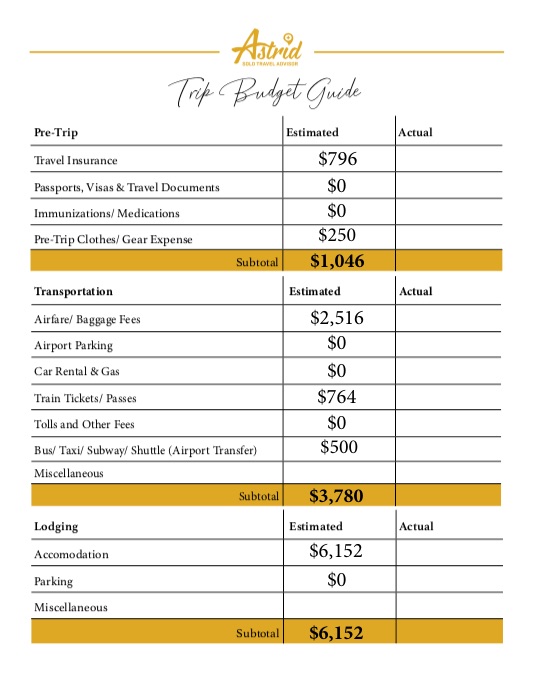
Japan demands a higher budget across the board. Expect ramen for ¥1000-1500 ($7-10), a sushi set for ¥2500-4500 ($17-30). Accommodation in Tokyo's Shinjuku or Kyoto can range from ¥3500-6000 ($25-40) for a capsule hotel or hostel, to ¥8000-15000 ($55-100) for a business hotel. A 7-day JR Pass costs around ¥30,000-50,000 ($200-330), making long-distance train travel efficient but expensive. Eating out often adds up quickly, though convenience store meals are cheaper.
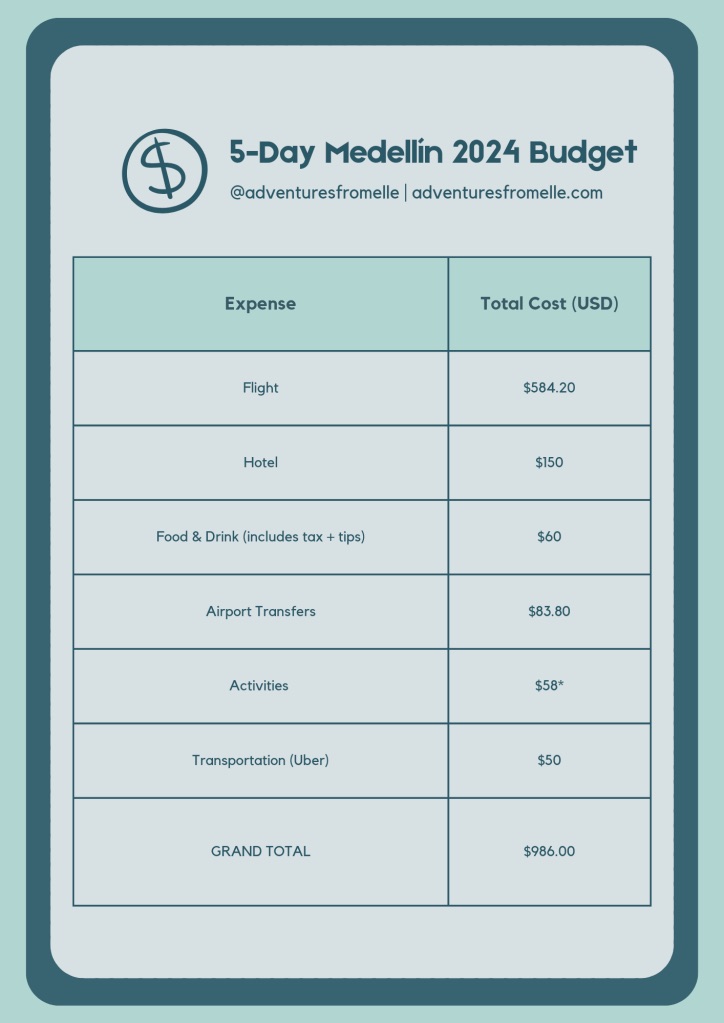
Colombia offers considerably lower expenses. A substantial bandeja paisa costs COP 25,000-40,000 ($6-10), while street empanadas are COP 3,000 ($0.75). Hostel dorm beds in Cartagena or Medellin start at COP 45,000-75,000 ($11-19), with private rooms in a mid-range hotel for COP 150,000-300,000 ($38-75). Long-distance bus travel from Bogota to Medellin costs about COP 80,000-120,000 ($20-30). Local city buses are typically COP 2,700-3,500 ($0.70-0.90). Your money stretches significantly further here. Colombia is the clear winner for budget-conscious explorers.
- Winner: Colombia
- Why: Colombia offers significantly lower daily expenses for food, accommodation, and transport.
- Who this matters for: Travelers prioritizing extended trips or maximizing experiences on a limited budget.
🚨 Safety & Security
Japan is consistently ranked among the safest countries globally. You can leave your belongings unattended in a cafe in Tokyo's Shibuya district and expect to find them later.…
Japan
Colombia
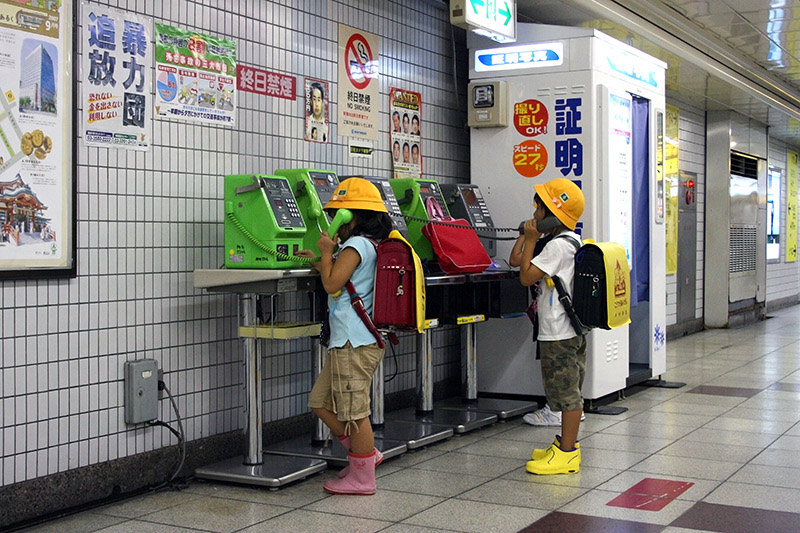
Japan is consistently ranked among the safest countries globally. You can leave your belongings unattended in a cafe in Tokyo's Shibuya district and expect to find them later. Solo female travelers often report feeling completely secure walking alone at night, even in quiet neighborhoods. Pickpocketing and other petty crimes are rare. The politeness and honesty of the populace contribute to a sense of order. Trust in public systems is high, and law enforcement is visible but generally unobtrusive.
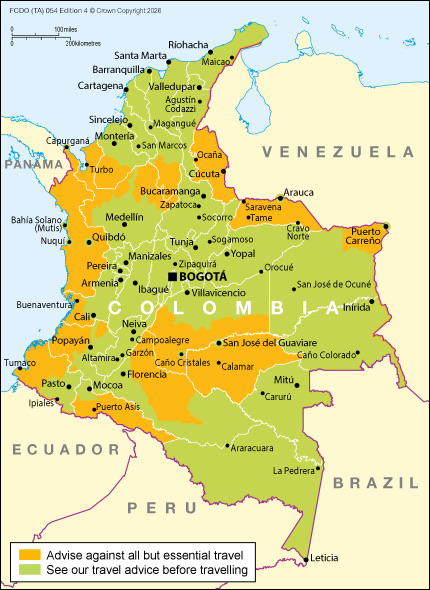
Colombia has made strides in security over the past decades, but it still requires more vigilance. In cities like Bogota or Cali, petty theft (cell phone snatching, pickpocketing) is a concern, especially in crowded areas or after dark. Certain neighborhoods, even within Medellin's Poblado, can be less secure at night. Express kidnappings, while less common, do occur. Travelers should use ride-sharing apps, avoid displaying wealth, and be aware of surroundings. Despite this, many tourists have trouble-free trips, but preparedness is key. Japan is the undisputed winner for peace of mind.
- Winner: Japan
- Why: Japan maintains exceptionally low crime rates and a high level of public trust, offering a secure travel experience.
- Who this matters for: Solo travelers, families, or anyone prioritizing a worry-free environment above all else.
🍣 Food & Drink
Japanese cuisine is about precision, seasonality, and depth. From a ¥900 bowl of tonkotsu ramen at Ichiran to multi-course kaiseki meals in Kyoto, the variety is vast. Sushi,…
Japan
Colombia
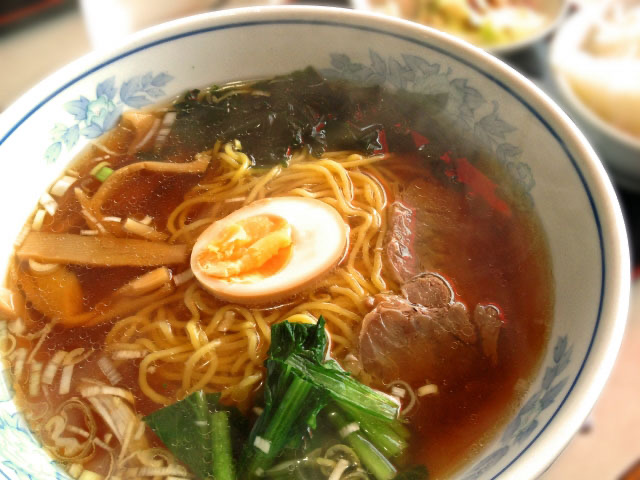
Japanese cuisine is about precision, seasonality, and depth. From a ¥900 bowl of tonkotsu ramen at Ichiran to multi-course kaiseki meals in Kyoto, the variety is vast. Sushi, sashimi, tempura, yakitori, udon, soba, okonomiyaki – each region has its specialties. Convenience stores like 7-Eleven offer high-quality, inexpensive meals. Sake, shochu, and craft beer are prominent drinks. The culinary experience in Japan extends beyond just eating; it is an art form, with chefs dedicated to their craft.
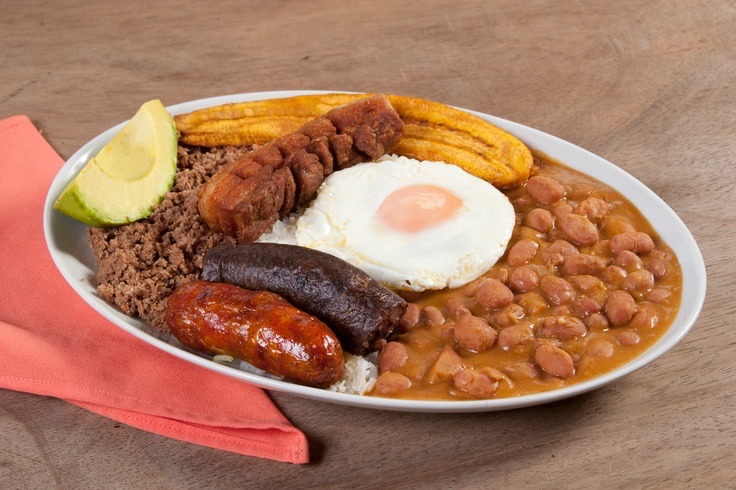
Colombian food is comforting and substantial. Staples include bandeja paisa (a platter with rice, beans, meat, plantains, avocado, and an egg) costing around COP 35,000 ($9), ajiaco (potato and chicken soup), and arepas. Street food like empanadas and buñuelos are cheap and accessible. Colombia boasts exceptional coffee, with tours available in the Zona Cafetera. Tropical fruits like lulo and guanabana are abundant and used in fresh juices. While flavorful, Colombian cuisine is less varied and refined than Japanese. For sheer culinary diversity and quality, Japan wins.
- Winner: Japan
- Why: Japanese food offers unmatched precision, variety, and depth, from street food to Michelin-starred dining.
- Who this matters for: Food enthusiasts and those seeking diverse, high-quality gastronomic experiences.
⛰️ Nature & Outdoors
Japan offers a dramatic landscape of volcanic mountains, dense forests, and clear coastlines. Mount Fuji is an iconic peak for hiking (seasonal). The cherry blossom season…
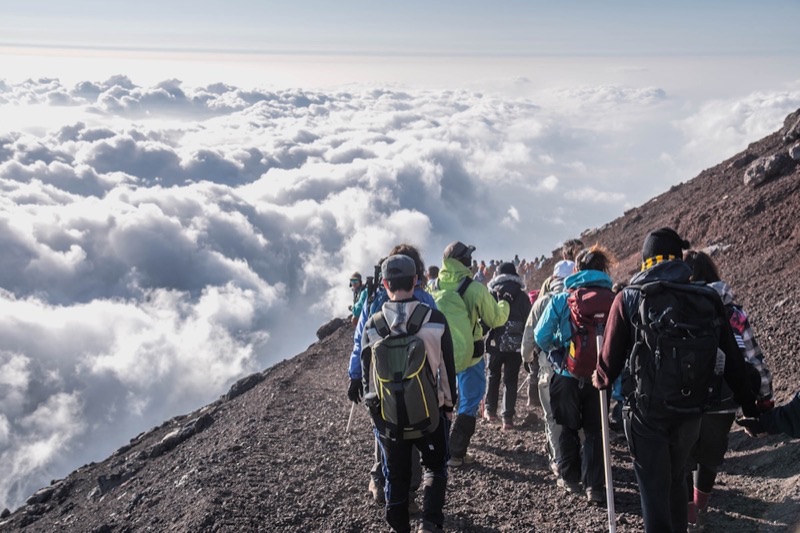
Japan
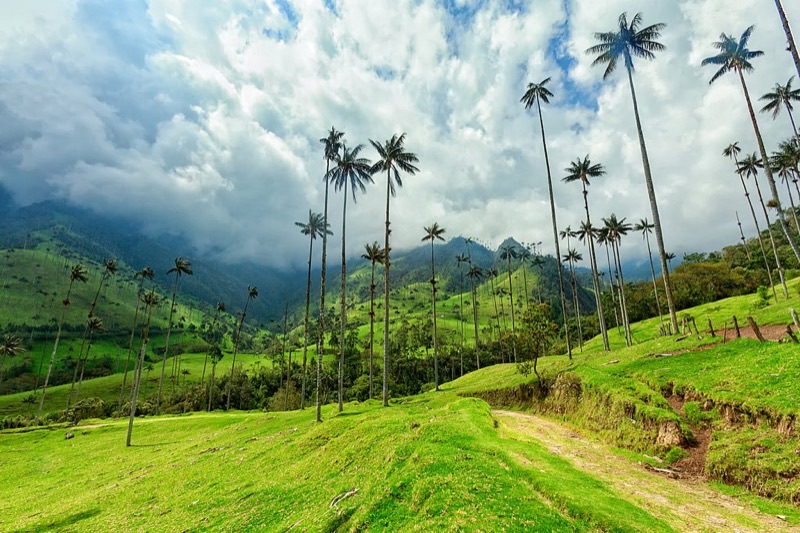
Colombia
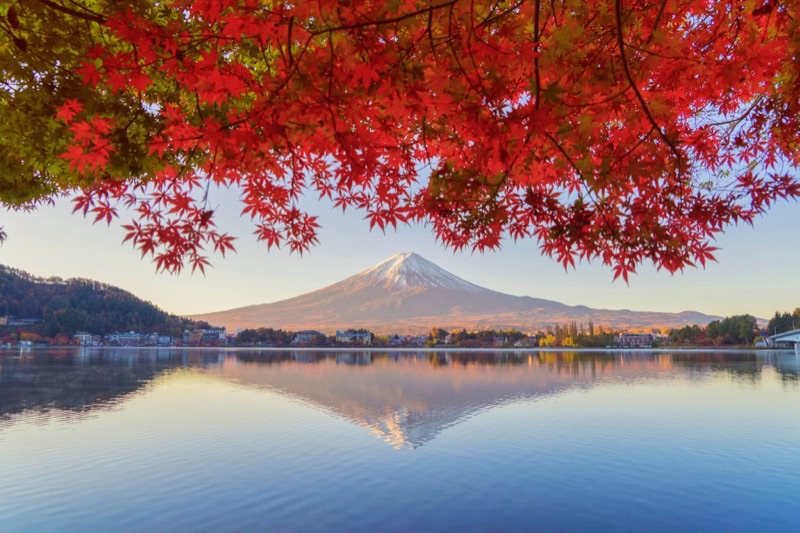
Japan offers a dramatic landscape of volcanic mountains, dense forests, and clear coastlines. Mount Fuji is an iconic peak for hiking (seasonal). The cherry blossom season transforms the country with delicate pinks, and autumn foliage is equally impressive. National parks like Daisetsuzan in Hokkaido provide extensive hiking. Onsen (hot springs) are integral to the culture, found in places like Hakone or Beppu. The nature is well-preserved and accessible, though sometimes manicured.
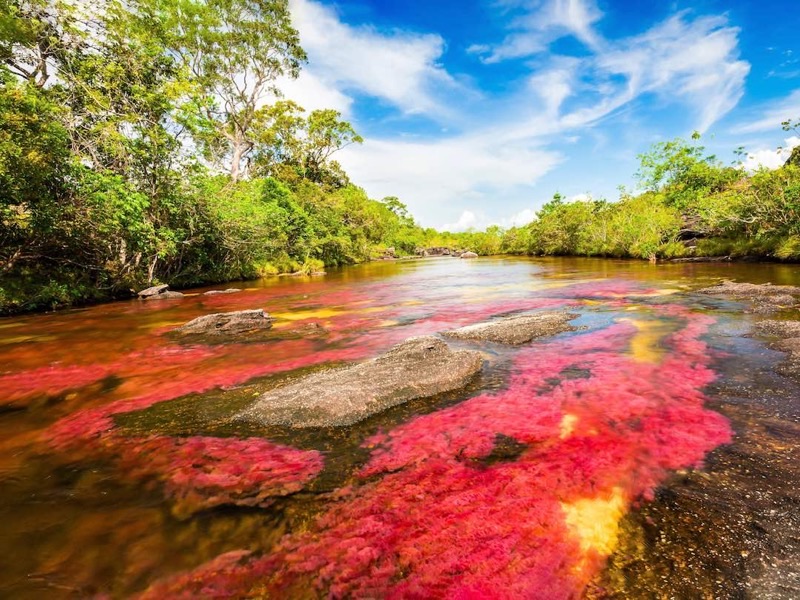
Colombia's natural diversity is staggering. It holds portions of the Amazon rainforest, the high peaks of the Andes (Sierra Nevada del Cocuy for trekkers), and two distinct coastlines – Caribbean and Pacific. Tayrona National Park combines jungle with Caribbean beaches. The Cocora Valley with its wax palm trees is a unique landscape. Coffee regions offer rolling green hills and farm stays. From birdwatching in the Sierra Nevada de Santa Marta to diving off San Andres, Colombia's ecological range is exceptional. The raw, untamed nature here is on another level. Colombia is the clear choice for outdoor adventurers.
- Winner: Colombia
- Why: Colombia boasts unparalleled biodiversity, encompassing Amazon rainforest, Andes mountains, and two distinct coastlines.
- Who this matters for: Adventure travelers, hikers, nature photographers, and those seeking extreme ecological diversity.
⛩️ Culture & History
Japanese culture is a study in contrasts, blending ancient traditions with hyper-modernity. Visiting temples like Kinkaku-ji (Golden Pavilion) in Kyoto or Meiji Jingu in Tokyo…

Japan
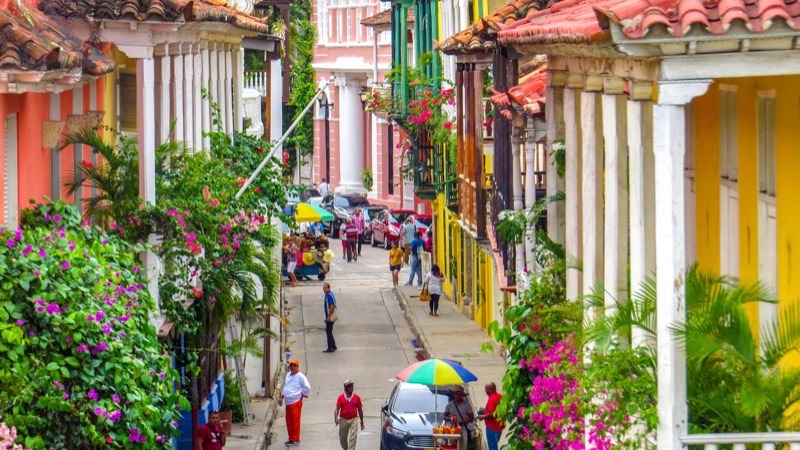
Colombia
Japanese culture is a study in contrasts, blending ancient traditions with hyper-modernity. Visiting temples like Kinkaku-ji (Golden Pavilion) in Kyoto or Meiji Jingu in Tokyo provides insight into Shinto and Buddhist practices. Geisha districts in Gion preserve performing arts. Pop culture in Harajuku, anime, and manga demonstrate a creative modern edge. Etiquette is strict, emphasizing respect, silence, and order. Tea ceremonies, sumo wrestling, and traditional gardens offer deep cultural immersion.
Colombian culture is expressive and passionate. Colonial cities like Cartagena offer well-preserved architecture and history. Bogota's La Candelaria district features street art and historical buildings. Indigenous cultures persist, particularly in regions like La Guajira. Salsa music is a core element, with Cali known as the 'Salsa Capital' with numerous clubs. Coffee is a national identity, celebrated in the Zona Cafetera. The country's complex political history is evident in museums and local narratives. While engaging, the depth and distinctiveness of Japanese culture are harder to match. Japan takes this category for its profound cultural impact.
- Winner: Japan
- Why: Japan offers a deeply rooted, distinct cultural experience that seamlessly blends ancient traditions with modern innovation.
- Who this matters for: Travelers seeking profound cultural immersion, historical sites, and unique societal norms.
🚆 Getting Around
Japan's transportation system is a model of efficiency and punctuality. The Shinkansen (bullet train) connects major cities like Tokyo, Kyoto, and Osaka at high speeds, rarely…
Japan's transportation system is a model of efficiency and punctuality. The Shinkansen (bullet train) connects major cities like Tokyo, Kyoto, and Osaka at high speeds, rarely delayed, though it can be expensive without a JR Pass. Urban areas have comprehensive subway and train networks (e.g., Tokyo Metro, JR Lines) making navigation easy with an IC card (Suica/Pasmo). Buses are also reliable. Signage is generally clear, and service is exceptional. Getting from Narita Airport to Tokyo by Narita Express is smooth.
Colombia relies heavily on buses for inter-city travel, which can be long and sometimes uncomfortable due to road conditions and mountainous terrain. For example, a bus from Bogota to Medellin takes 8-10 hours. Domestic flights (e.g., Avianca, Latam) are common for covering long distances quickly, often more expensive than buses but necessary for efficiency. Urban transport involves buses, taxis, and ride-sharing apps like Uber or Didi, which are recommended for safety. Traffic in major cities can be intense and slow. Navigating independently requires more patience and Spanish skills. Japan's transport network is simply superior.
- Winner: Japan
- Why: Japan's public transportation, especially its train network, is unparalleled in efficiency, punctuality, and coverage.
- Who this matters for: Travelers who value smooth, reliable, and stress-free transit between and within destinations.
🏨 Accommodation
Japan offers a range of accommodation, all marked by cleanliness and efficiency. Business hotels like Toyoko Inn or Dormy Inn provide compact, functional rooms for ¥8000-15000…
Japan offers a range of accommodation, all marked by cleanliness and efficiency. Business hotels like Toyoko Inn or Dormy Inn provide compact, functional rooms for ¥8000-15000 ($55-100). Ryokans (traditional inns) offer a cultural experience, often with tatami mats, futons, and communal baths, costing ¥15000-30000+ ($100-200+) per person. Capsule hotels, like 9hours, are a budget-friendly and unique option at ¥3000-6000 ($20-40). Hostels are plentiful and modern. Space is often at a premium, even in mid-range options.
Colombia's accommodation caters well to budget travelers and those seeking character. Hostels like The Click Clack Hostel in Medellin or Selina in Cartagena offer dorm beds from COP 40,000-70,000 ($10-18) and private rooms from COP 120,000-200,000 ($30-50). Boutique hotels in areas like Bogota's Zona T or Cartagena's Walled City provide charm and comfort for COP 200,000-400,000 ($50-100). Hacienda stays in coffee regions offer a distinct experience. You generally get more space and amenities for your money in Colombia. Both destinations offer distinct strengths, depending on budget and preference.
- Winner: Tie
- Why: Both countries excel in different accommodation niches; Japan for unique, efficient experiences, Colombia for budget and character.
- Who this matters for: Travelers valuing either efficiency and unique concepts (Japan) or character and affordability (Colombia).
🌃 Nightlife & Entertainment
Japan's nightlife is diverse and often starts with colleagues or friends at an Izakaya (Japanese pub) for drinks and small plates. Karaoke is a major pastime, with private rooms…
Japan's nightlife is diverse and often starts with colleagues or friends at an Izakaya (Japanese pub) for drinks and small plates. Karaoke is a major pastime, with private rooms found everywhere from Shinjuku Golden Gai to Shibuya. Themed bars (e.g., Robot Restaurant, cat cafes, 'maid cafes') offer unique, if sometimes tourist-focused, experiences. Clubs in Tokyo can be expensive, and closing times are often earlier than in other global cities. Drinking is common, but public displays of excessive drunkenness are less so.
Colombia's nightlife is known for its energy and social atmosphere. Cali is the world capital of salsa, with clubs like Tin Tin Deo offering intense dance experiences until late. Medellin's El Poblado and Bogota's Zona T are full of bars and discotecas playing reggaeton, cumbia, and pop. Live music venues are common. Street food vendors extend late into the night, particularly on weekends. The atmosphere is generally more extroverted, with dancing and socializing a core part of the experience. For pure social energy and dance, Colombia is the clear choice.
- Winner: Colombia
- Why: Colombia's nightlife is more energetic, social, and accessible, centered around dancing and music.
- Who this matters for: Social travelers, dancers, and those seeking late-night energy and interaction.
🏖️ Beaches & Coastal Areas
Mainland Japan has pleasant coastal towns, but few are major beach destinations for international travelers. The exception is Okinawa Prefecture, a subtropical archipelago far…
Mainland Japan has pleasant coastal towns, but few are major beach destinations for international travelers. The exception is Okinawa Prefecture, a subtropical archipelago far south, known for its coral reefs, clear turquoise waters, and white sand beaches like Emerald Beach. However, getting to Okinawa requires a domestic flight, adding to travel time and cost. Other coastal areas like Enoshima near Tokyo offer pleasant views and surfing spots but are not primarily sunbathing destinations.
Colombia boasts a significant Caribbean coastline with popular destinations. Cartagena offers city beaches and access to Rosario Islands with their clear waters. Tayrona National Park combines lush jungle with stunning, wild beaches, though some are not safe for swimming due to strong currents. San Andres and Providencia are islands further offshore, offering coral reefs, diving, and pristine sandy shores with a distinct island culture. The variety and quality of tropical beaches in Colombia, particularly on the Caribbean side, are much more appealing. Colombia is the definite winner for beach lovers.
- Winner: Colombia
- Why: Colombia provides more extensive, diverse, and accessible tropical beach experiences along its Caribbean coast.
- Who this matters for: Travelers primarily seeking sun, sand, snorkeling, and classic beach relaxation.
🧍 Solo Travel Experience
Japan is a dream for solo travelers due to its unparalleled safety and efficiency. Public transport is easy to use, and crime is virtually nonexistent, allowing for complete…
Japan is a dream for solo travelers due to its unparalleled safety and efficiency. Public transport is easy to use, and crime is virtually nonexistent, allowing for complete freedom to explore, even at night. Many restaurants, like Ichiran Ramen, are designed with solo diners in mind. Language can be a barrier outside major cities, but polite interactions are common, and locals are often helpful. Hostels are clean and offer opportunities for meeting others, but the overall vibe is less overtly social than in Colombia.
Colombia is feasible for solo travelers but demands more awareness. Hostels, especially in Medellin's El Poblado or Bogota's La Candelaria, are major social hubs, making it easy to meet other travelers for tours or nights out. Spanish proficiency helps immensely with interactions and safety. Solo female travelers often report catcalling, and men need to be aware of certain scams. Using ride-sharing apps and exercising caution in certain areas at night are key. While rewarding, it requires more effort and vigilance than Japan. Japan is simply easier and safer for the solo explorer.
- Winner: Japan
- Why: Japan offers a virtually worry-free solo travel experience due to extreme safety, clear navigation, and respectful social norms.
- Who this matters for: First-time solo travelers, those prioritizing safety and ease, or introverted individuals seeking peace.
🎯 The Decision Framework
Choose Japan If…
- You prioritize absolute safety and order above all else.
- You appreciate precision, efficiency, and cleanliness in every aspect of travel.
- You are fascinated by ancient traditions coexisting with futuristic technology.
- You want to experience a truly unique and deeply specific culinary culture.
- You value seamless public transportation and punctual schedules.
- You enjoy quiet contemplation in temples, gardens, and onsen.
- You are comfortable with a higher daily travel budget ($100-200+).
- You are a first-time solo traveler seeking a worry-free destination.
Choose Colombia If…
- You are on a tighter budget ($40-80 daily) and want to maximize your travel time.
- You seek adventure in diverse landscapes: Amazon, Andes, Caribbean beaches.
- You want an energetic, social atmosphere with salsa dancing and late-night revelry.
- You enjoy hearty, flavorful food and exploring coffee plantations.
- You are comfortable navigating with intermediate Spanish or relying on ride-sharing apps.
- You enjoy meeting other travelers in a lively hostel scene.
- You are looking for a destination with a strong sense of spontaneity and less rigid planning.
- You appreciate vibrant street art and colonial architecture.
📅 Sample Itineraries
Weekend in Japan (3 Days)
💡 Purchase an IC Card (Suica/Pasmo) upon arrival for seamless public transport use, saving time on buying individual tickets.
Weekend in Colombia (3 Days)
💡 Use ride-sharing apps like Uber or InDriver in cities for safer and more transparent taxi fares, often saving you from price negotiation.
One Week in Japan (7 Days)
💡 Consider buying a Japan Rail Pass if you plan extensive train travel, as it can offer significant savings on long-distance Shinkansen tickets.
One Week in Colombia (7 Days)
💡 For inter-city travel, domestic flights are often affordable and save substantial time compared to long bus journeys, especially between Bogotá, Medellín, and Cartagena.
❓ Frequently Asked Questions
What is the typical flight time and cost from the US to Japan vs. Colombia?
Flights from major US cities to Japan (e.g., LAX to Tokyo Narita) typically take 10-12 hours direct, costing $800-1500 roundtrip. To Colombia (e.g., Miami to Bogota), direct flights are 3-5 hours, costing $300-600 roundtrip. Long-haul flights to Japan are significantly longer and often more expensive.
Which country is better for speaking English only?
Japan is generally easier for English speakers in major tourist areas like Tokyo and Kyoto, with signs often in English and some staff speaking it. However, outside these areas, English is less common. Colombia requires more effort; basic Spanish is highly recommended for navigating and interacting, though younger generations in cities like Medellin might have some English proficiency.
How do the main cities compare in terms of atmosphere?
Tokyo is a sprawling, efficient metropolis focused on technology, fashion, and distinct neighborhoods, often with a polite, reserved energy. Bogota and Medellin are Latin American cities with more visible street life, spontaneous interactions, and a louder, more expressive atmosphere, balancing modern areas with historical centers. Cartagena offers a distinct Caribbean charm within its walled city.
What are the visa requirements for US citizens for Japan vs. Colombia?
US citizens typically do not need a visa for short tourist stays (up to 90 days) in both Japan and Colombia. Always check current regulations as they can change. Japan may require an entry registration; Colombia often requires proof of onward travel.
Which country has more extreme weather variations?
Japan experiences four distinct seasons, with hot, humid summers (July-August) and cold, snowy winters (December-February), especially in the north. Colombia, being closer to the equator, has more consistent temperatures year-round but varies significantly by altitude; Bogota is cool and rainy, while Cartagena is hot and humid, with a distinct rainy season (April-May, Oct-Nov).
Is solo female travel equally safe in both destinations?
Solo female travel is exceptionally safe in Japan, with virtually no harassment or safety concerns reported. In Colombia, while many women travel solo successfully, more caution is required. Awareness of surroundings, avoiding certain areas at night, and dressing modestly can help mitigate risks, but catcalling is common.
How accessible are each country's main attractions for travelers with disabilities?
Japan is generally well-equipped for accessibility, especially in major cities with ramps, elevators, and accessible public transport on the Shinkansen and subway lines. Many attractions are retrofitted. Colombia's infrastructure is less developed for accessibility; sidewalks are uneven, and public transport can be challenging, though newer hotels and attractions in cities are improving.
What are the options for getting off the beaten path in each country?
In Japan, off-the-beaten-path means exploring less-visited prefectures like Shikoku or Tohoku, discovering remote onsen towns, or hiking in national parks far from tourist hubs. In Colombia, it involves venturing into the Amazon (Leticia), exploring the Pacific coast, or visiting smaller colonial towns in the interior, requiring more planning and often local guides.
Ready to plan your unforgettable trip?
Get a free custom itinerary for Japan, Colombia, or both — built from real traveler insights.
👥 Travelers Also Compared
🎟️ Book Tours & Experiences
Hand-picked tours and activities for both destinations — book with free cancellation
Experiences via Viator — free cancellation on most tours