How we built this comparison
This page combines traveler discussion patterns, published price ranges, flight schedules, and seasonal data to help you decide between Japan and Germany.
- Reviewed 100+ Reddit threads from r/travel, r/solotravel, r/japantravel, and r/germanytravel for candid traveler experiences.
- Verified costs and logistics against current booking platforms for flights, accommodation, and attractions.
- Cross-referenced seasonal patterns, weather data, and cultural event calendars for optimal travel timing.
⚡ Quick Answers
⚡ The TL;DR Verdict
For most first-time long-haul international travelers seeking a profound cultural shift and exceptional hospitality, Japan offers a truly distinct experience, albeit often at a slightly higher daily cost ($70-120). Germany, with its comfortable infrastructure and approachable pricing ($65-110), suits those looking for European history, castles, and a more familiar Western journey.
- Choose Japan: You prioritize unique cultural immersion, impeccable service, technological advancements, diverse regional cuisine, and efficient public transport.
- Choose Germany: You prefer European history, medieval towns, beer gardens, autobahn road trips, and a generally more budget-friendly and less intimidating cultural shift.
- Choose Both: If you have 4+ weeks and a substantial budget, you could explore both, focusing on Japan's main island for 2 weeks and Germany's Bavaria and Berlin for another 2 weeks.
Choose Japan
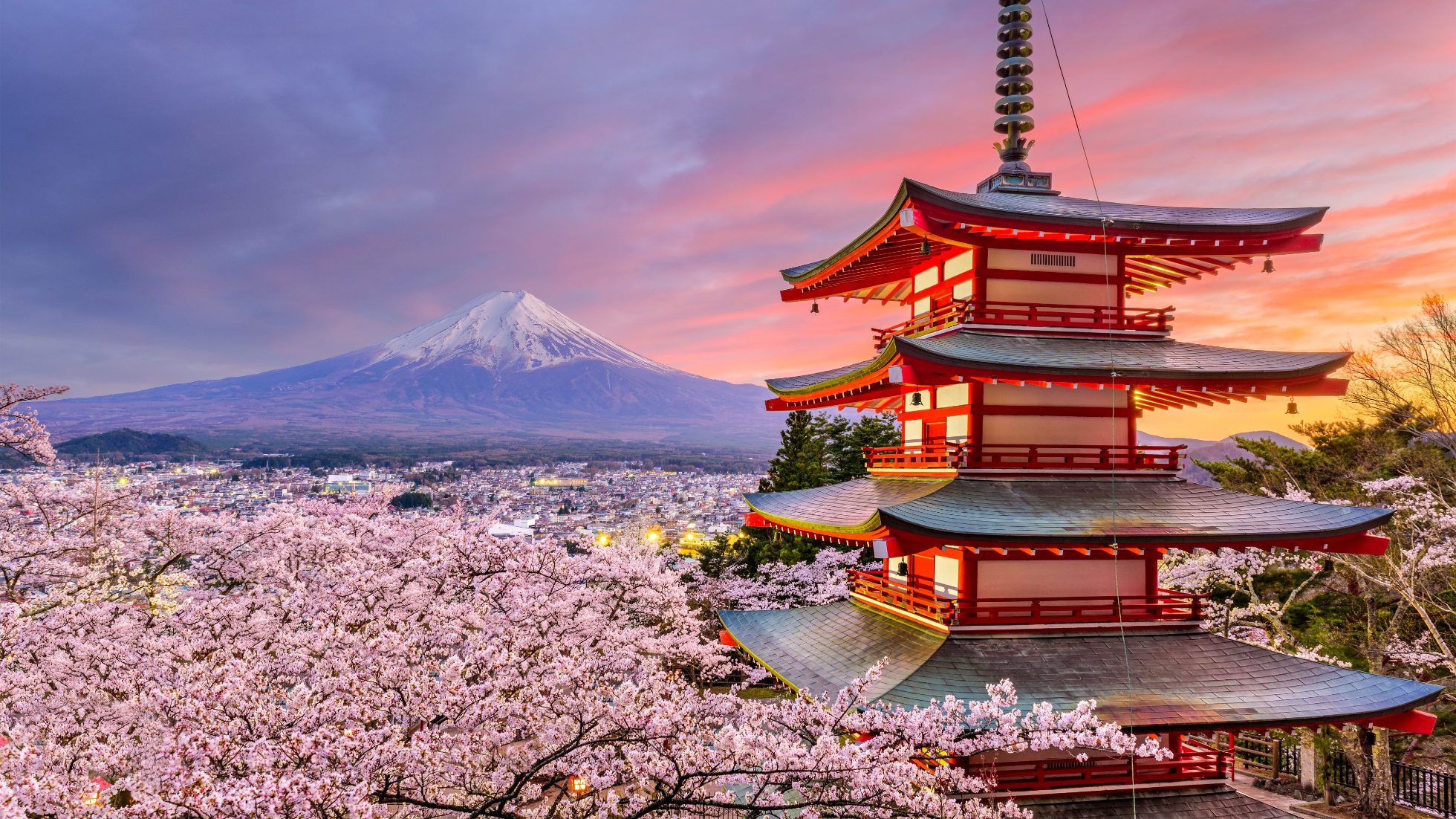
Choose Japan if you're a first-time long-haul traveler yearning for unparalleled cultural immersion and impeccable hospitality. Best for those who dream of futuristic Tokyo's Shibuya Crossing, serene Kyoto temples, and savoring authentic ramen or sushi. Embrace the efficient bullet train system for an unforgettable, albeit slightly pricier, adventure.
Choose Germany
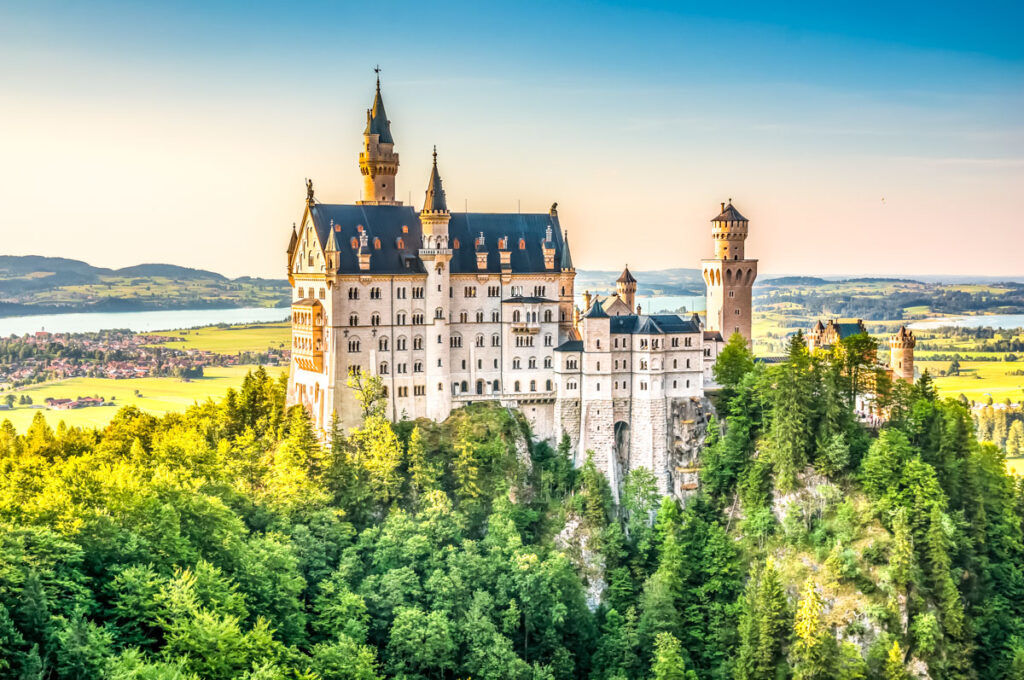
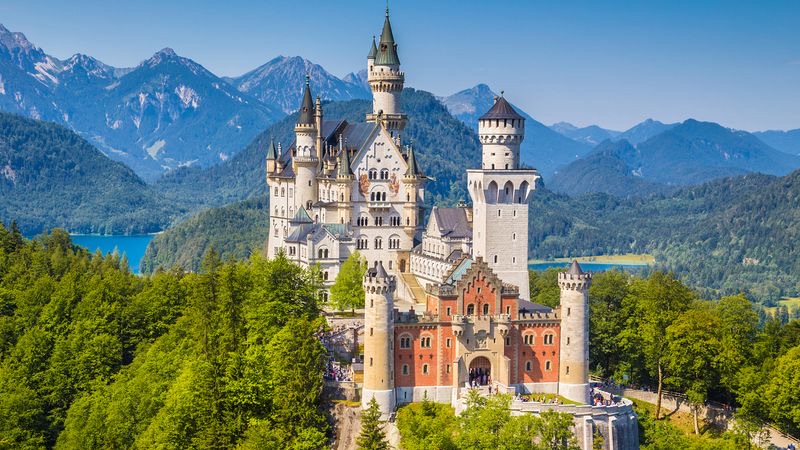
Germany is perfect for travelers craving rich European history, majestic castles like Neuschwanstein, and a vibrant beer garden culture. Best for those seeking an approachable Western journey with excellent infrastructure, whether exploring Berlin's historical depth or driving the scenic Black Forest roads. Enjoy a comfortable and generally more budget-friendly adventure without sacrificing charm.
📊 Visual Scorecard
🌤 When to Visit
Average high temperatures (°C). Green = best months, orange = avoid.
Quick Comparison
| Category | Japan | Germany | Winner |
|---|---|---|---|
| Food & Drink | Culinary excellence, diverse regional specialties, meticulous presentation, affordable everyday options. | Hearty, traditional cuisine, strong beer culture, regional variations like Bavarian and Berlin dishes. | Japan |
| Costs & Budget | Major cities can be expensive, but careful planning and local choices make budget travel possible; transport often a big expense. | Generally more budget-friendly, especially outside major hubs; good value for food and accommodation readily available. | Germany |
| Culture & History | Ancient traditions alongside modern technology, emphasis on respect and order, unique spiritual practices. | Rich European history from Roman times to the Cold War, castles, classical music, art, and philosophical heritage. | Tie |
| Getting Around | World-class public transport; efficient, punctual, extensive rail network, less car-dependent. | Excellent rail network (Deutsche Bahn), autobahns for driving, good public transport in cities, sometimes prone to delays. | Japan |
| Nature & Scenery | Volcanic landscapes, lush forests, diverse coastlines, snow-capped peaks, and cherry blossoms. | Forests, mountains (Alps in the south), lakes, rolling hills, and dramatic coastlines in the north. | Tie |
| Safety & Security | Extremely low crime rates, safe for solo travelers, exceptional public trust. | Generally safe, but like any European country, petty crime exists in major tourist areas. | Japan |
| Accommodation | Compact rooms, efficient use of space, ryokans, capsule hotels, business hotels. | Traditional hotels, guesthouses, hostels, vacation rentals; more spacious on average. | Germany |
| Nightlife | Karaoke, izakayas, themed bars, specific entertainment districts, orderly and safe. | Beer gardens, pubs, clubs, diverse music scenes, relaxed atmosphere. | Germany |
| Language Barrier | Significant barrier, but increasing English support in tourist areas; translation apps are essential. | Less of a barrier, many speak English in tourist areas and cities; German is phonetic. | Germany |
| Day Trips & Excursions | Ancient capitals, spiritual sites, natural parks, themed amusement parks; easy by train. | Castles, medieval towns, scenic rivers, national parks; accessible by train or car. | Tie |
🍣 Food & Drink
Japan stands out for its food. From the intricate preparation of sushi and sashimi to the comforting bowls of ramen (try Ichiran for a solo experience) and udon, the food is…
Japan

Germany
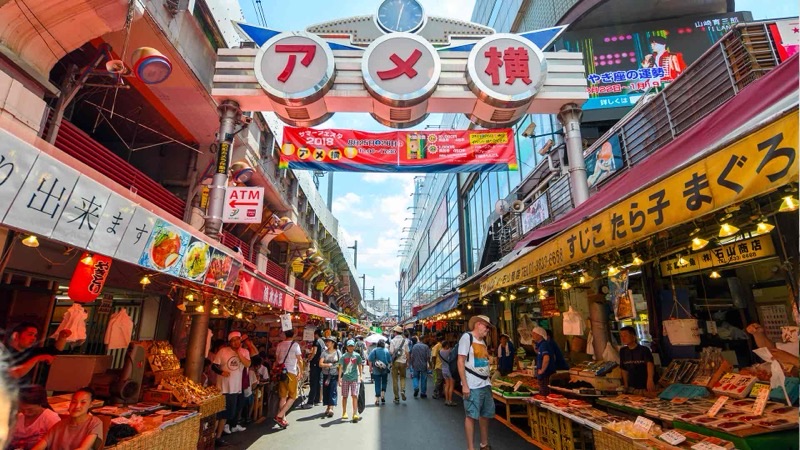
Japan stands out for its food. From the intricate preparation of sushi and sashimi to the comforting bowls of ramen (try Ichiran for a solo experience) and udon, the food is consistently high quality. Street food in places like Osaka’s Dotonbori offers takoyaki and okonomiyaki for around ¥500-800 ($3.50-5.50). A mid-range sushi lunch might cost ¥1500-3000 ($10-20), while a kaiseki dinner can run ¥8000+ ($55+). Convenience store food, like onigiri for ¥150 ($1), is a reliable and cheap option. The country prides itself on fresh ingredients and presentation, making every meal an experience. Coffee culture is present, but tea is core.
Germany offers a hearty, meat-and-potato focused cuisine. Expect various sausages like Currywurst in Berlin (around €4-6, or $4.50-6.50), schnitzel (often €12-20, or $13-22), and pretzels (€2-4, or $2.20-4.40). Bavaria is known for Weißwurst and excellent beer gardens, where a half-liter beer costs €4-6 ($4.40-6.50). Bakeries are ubiquitous, providing good value breakfasts and snacks. While not as diverse as Japan, German food is satisfying and pairs well with its renowned beer. Dining out can be moderately priced, with good value at local Gasthäuser.
Tabiji verdict: For sheer variety, quality, and culinary adventure, Japan’s food culture is unparalleled.
- Winner: Japan
- Why: Japan offers an incredible range of specific, high-quality dishes, from street food to Michelin-starred dining, at various price points.
- Who this matters for: Foodies, adventurous eaters, and those who prioritize culinary experiences.
💰 Costs & Budget
Japan can be perceived as expensive, particularly in Tokyo and Kyoto. Accommodation in a business hotel might cost ¥8,000-15,000 ($55-100) per night, or ¥3,000-5,000 ($20-35) for…
Japan
Germany
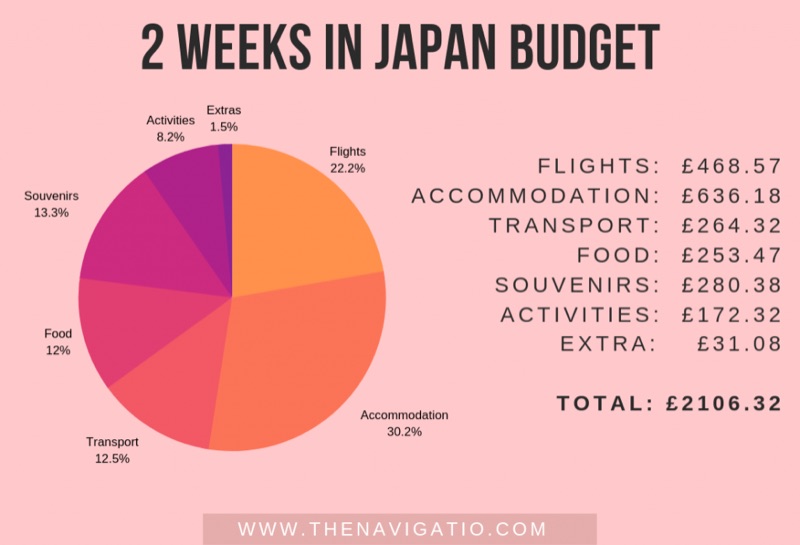
Japan can be perceived as expensive, particularly in Tokyo and Kyoto. Accommodation in a business hotel might cost ¥8,000-15,000 ($55-100) per night, or ¥3,000-5,000 ($20-35) for a capsule hotel or hostel. Food can be very affordable if you stick to ramen shops, convenience stores, and supermarkets, with meals under ¥1,000 ($7). The Japan Rail Pass is a significant upfront cost (e.g., 7-day pass ~¥50,000 or $340), but it provides unlimited long-distance train travel. Local transport is efficient but adds up. A realistic daily budget, excluding long-haul flights, is ¥10,000-18,000 ($70-120).
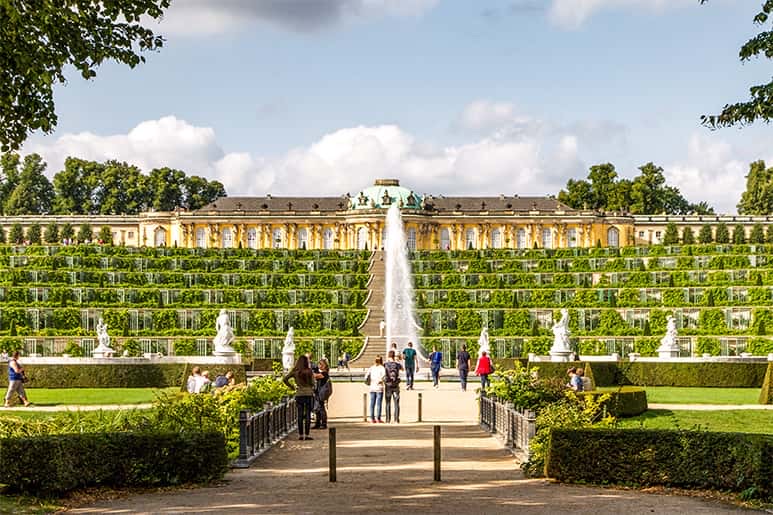
Germany offers a generally more moderate cost of travel. Hostel beds are around €25-40 ($27-44), and a decent hotel room €70-120 ($77-130). Food at an Imbiss or supermarket is inexpensive; a main meal in a restaurant is €12-25 ($13-28). The Deutsche Bahn (DB) train network can be costly for last-minute bookings but offers discounts for advance purchases or regional passes. City public transport is efficient, with day passes around €7-10 ($7.70-11). A realistic daily budget, excluding long-haul flights, is €60-100 ($65-110).
Tabiji verdict: Germany offers a more consistently approachable budget for travelers seeking good value across most categories.
- Winner: Germany
- Why: Germany typically provides better overall value for accommodation, food, and local transportation, making a longer trip more feasible on a budget.
- Who this matters for: Budget-conscious travelers, backpackers, and those planning extended trips.
⛩️ Culture & History
Japan presents a deeply unique culture rooted in Shinto and Buddhism, with a strong emphasis on politeness, cleanliness, and community harmony. Ancient temples like Senso-ji in…
Japan
Germany
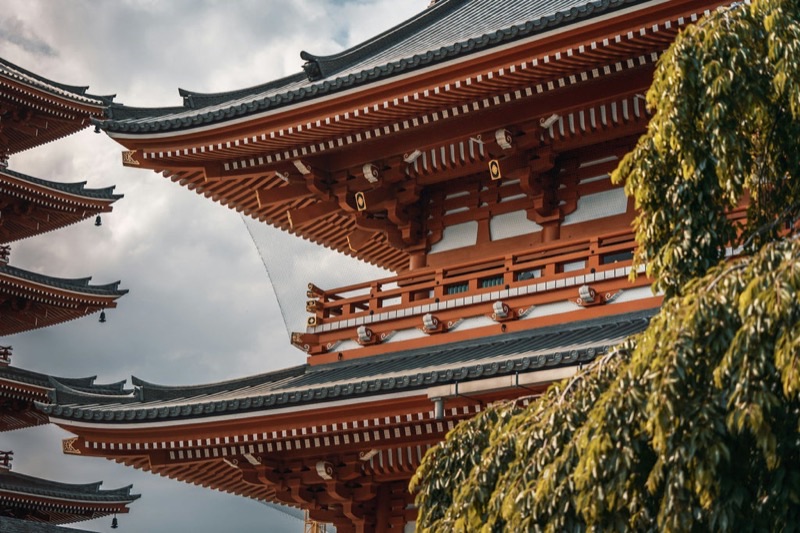
Japan presents a deeply unique culture rooted in Shinto and Buddhism, with a strong emphasis on politeness, cleanliness, and community harmony. Ancient temples like Senso-ji in Tokyo and Kiyomizu-dera in Kyoto stand alongside futuristic cityscapes. Traditional arts such as tea ceremonies, kabuki theater, and sumo wrestling are still practiced. The country’s history includes samurai, shoguns, and periods of isolation, creating traditions distinct from Western influences. The cultural difference is profound, requiring travelers to observe and learn new social norms, which is part of its appeal.
Germany boasts a long, complex European history. From Roman settlements along the Rhine to medieval castles like Neuschwanstein, and significant sites from WWII and the Cold War (e.g., Berlin Wall Memorial, Brandenburg Gate), there is extensive historical ground to cover. German culture is known for its engineering prowess, philosophical contributions (Kant, Goethe), and classical music (Bach, Beethoven). Christmas markets are a prominent cultural event. While distinct, German culture is part of a broader Western framework, making it potentially more familiar for many international travelers.
Tabiji verdict: Both countries offer profoundly rich and distinct cultural experiences; the choice depends purely on individual preference for Eastern versus Western heritage.
- Winner: Tie
- Why: Both countries offer deep, well-preserved, and distinct cultural and historical experiences that cater to different preferences.
- Who this matters for: History buffs, cultural explorers, and those seeking to understand different societal structures.
🚆 Getting Around
Japan’s public transport system is legendary for its efficiency and punctuality. The Shinkansen (bullet train) connects major cities like Tokyo, Kyoto, and Osaka at high speeds,…
Japan
Germany
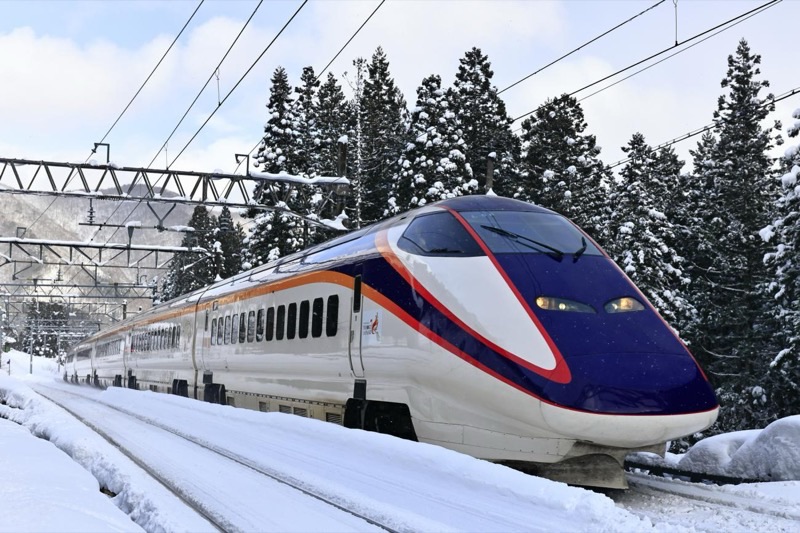
Japan’s public transport system is legendary for its efficiency and punctuality. The Shinkansen (bullet train) connects major cities like Tokyo, Kyoto, and Osaka at high speeds, rarely departing more than a minute late. The Japan Rail Pass can be cost-effective for extensive travel, but requires careful calculation. City metros and local trains are clean, safe, and cover vast areas, making exploring easy even for non-Japanese speakers with apps like Google Maps. Driving is less common for tourists due to complex road systems, high tolls, and parking challenges, though rental cars are available for rural exploration.
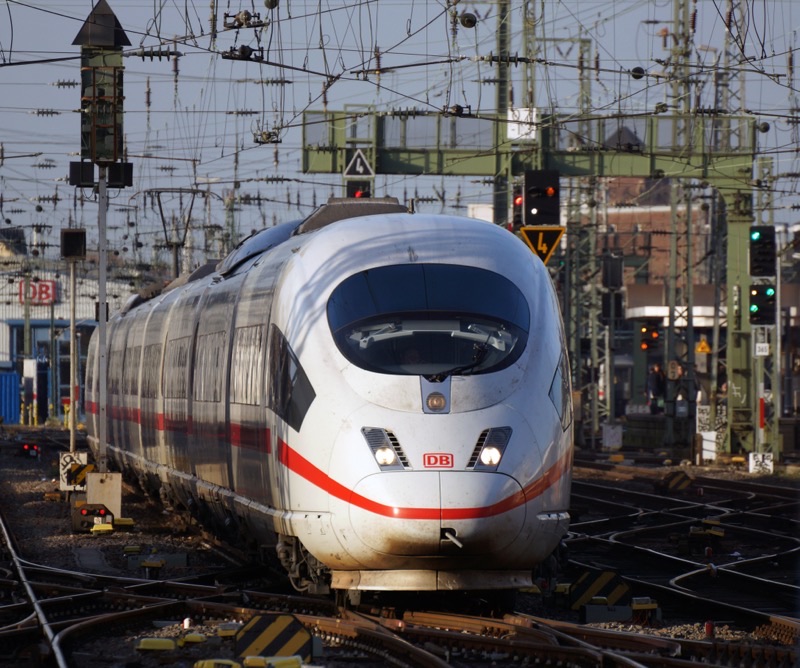
Germany also has an extensive and efficient public transport system, primarily centered around Deutsche Bahn (DB). High-speed ICE trains connect major cities, though they can be expensive if not booked in advance, and occasional delays are a common traveler complaint. Regional trains and local S-Bahn/U-Bahn (suburban/underground) systems are reliable for city and regional travel. Germany is also known for its autobahn network, offering a unique opportunity for high-speed driving with no general speed limit in many sections. Rental cars are popular for exploring smaller towns and the countryside, offering flexibility that Japan lacks.
Tabiji verdict: Japan’s rail system sets an international standard for reliability and ease of use, making car-free travel genuinely simple.
- Winner: Japan
- Why: Japan’s integrated, incredibly punctual, and extensive public transport network, especially its Shinkansen, makes internal travel exceptionally smooth and stress-free.
- Who this matters for: Travelers who prefer public transport, value punctuality, and do not wish to rent a car.
🏞️ Nature & Scenery
Japan offers varied natural environments. From the iconic Mount Fuji and the volcanic hot springs of Hakone to the lush bamboo groves of Arashiyama in Kyoto, the country’s…
Japan
Germany
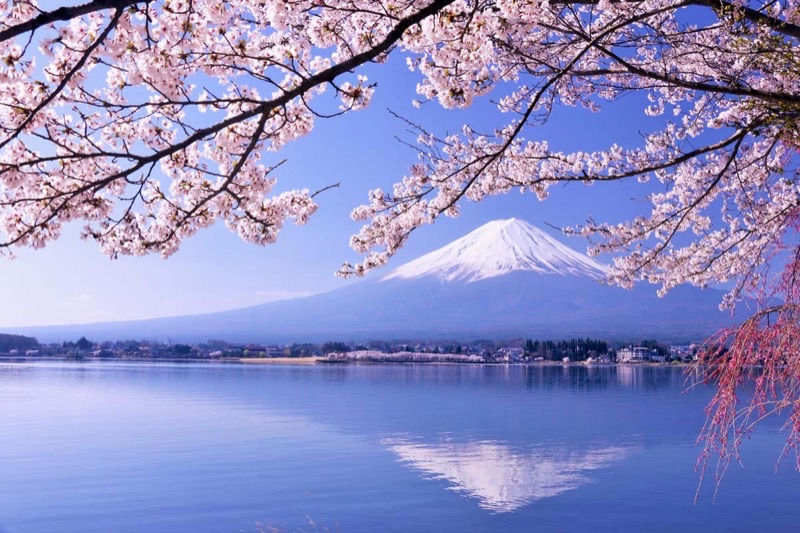
Japan offers varied natural environments. From the iconic Mount Fuji and the volcanic hot springs of Hakone to the lush bamboo groves of Arashiyama in Kyoto, the country’s geography is diverse. Hokkaido in the north features dramatic snowscapes and national parks, while Okinawa in the south has subtropical beaches and coral reefs. Japanese gardens, like Kenrokuen in Kanazawa, are meticulously designed natural spaces. Autumn foliage and spring cherry blossoms are major seasonal draws, transforming landscapes with color. The balance between mountains, forests, and coastline is striking.
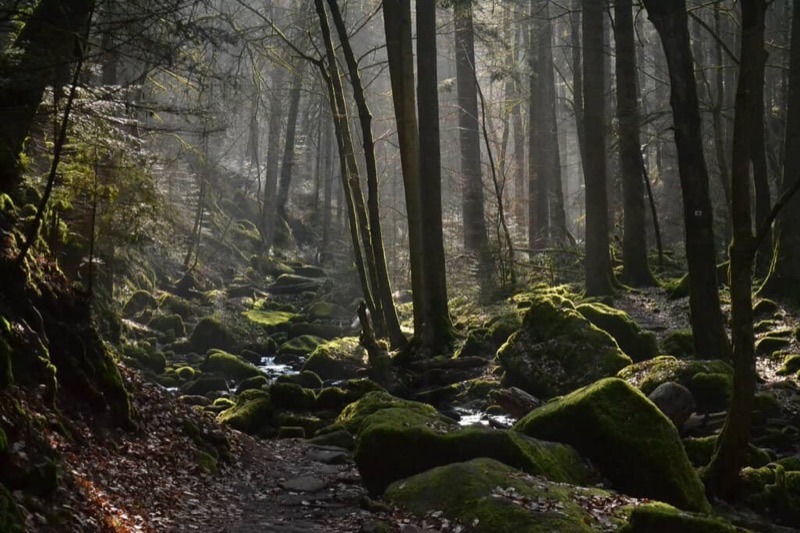
Germany presents a different but equally compelling natural appeal. The Bavarian Alps in the south offer hiking and skiing, with stunning alpine lakes like Eibsee. The Black Forest is known for its dense woods and charming villages. The Rhine Valley boasts river cruises past vineyards and castles. The Baltic Sea coast in the north has sandy beaches and islands like Rügen. National parks, such as Berchtesgaden, preserve areas of natural beauty. While not as dramatically volcanic as Japan, Germany’s landscapes are pastoral, often interspersed with historic towns and well-maintained hiking trails.
Tabiji verdict: Both nations offer compelling natural beauty, with Japan leaning towards dramatic, varied terrain and Germany towards accessible, pastoral landscapes, making them equally appealing for different types of nature appreciation.
- Winner: Tie
- Why: Both countries offer appealing and distinct natural landscapes, from mountainous regions and forests to coastlines, catering to different preferences for scenery and outdoor activities.
- Who this matters for: Hikers, photographers, nature enthusiasts, and those who seek scenic beauty in their travels.
👮 Safety & Security
Japan is consistently ranked as one of the safest countries in the world. Crime rates, especially violent crime, are remarkably low. Travelers can feel secure walking alone at…
Japan is consistently ranked as one of the safest countries in the world. Crime rates, especially violent crime, are remarkably low. Travelers can feel secure walking alone at night in major cities like Tokyo and Osaka, and it is common for people to leave belongings unattended in cafes without worry. Lost items are frequently returned to their owners. This sense of security extends to public transport and crowded areas. Natural disasters, particularly earthquakes and typhoons, are a consideration, but infrastructure is built to withstand them, and warning systems are efficient.
Germany is also a safe country for travelers, particularly outside of major metropolitan centers. However, like most large European cities, pickpocketing and minor theft can occur in crowded tourist areas, train stations, and public transport in cities like Berlin or Munich. It is advisable to be aware of surroundings and secure belongings. While violent crime is low, it is not as negligible as in Japan. Scams targeting tourists, though not widespread, do exist. Overall, travelers can expect a safe trip but should exercise general travel precautions, particularly in busy spots.
Tabiji verdict: Japan’s near-zero crime rate and pervasive sense of public trust offer an unparalleled level of personal safety for travelers.
- Winner: Japan
- Why: Japan’s extremely low crime rates and high public trust provide an almost unparalleled sense of safety and security for travelers.
- Who this matters for: Solo travelers, families, and anyone who prioritizes personal safety and peace of mind above all else.
🏨 Accommodation
Japanese accommodation is known for its cleanliness, efficiency, and often compact size. Business hotels, like APA Hotel or Toyoko Inn, are common, offering small but functional…
Japanese accommodation is known for its cleanliness, efficiency, and often compact size. Business hotels, like APA Hotel or Toyoko Inn, are common, offering small but functional rooms for ¥8,000-15,000 ($55-100). Capsule hotels (e.g., Nine Hours Shinjuku) provide a novel, budget-friendly option at ¥3,000-5,000 ($20-35). For a traditional experience, ryokans (Japanese inns) offer tatami rooms, futon beds, and often communal baths, with prices from ¥15,000 ($100) per person. Hostels are available but sometimes less common than in Europe. Booking in advance is recommended, especially for popular seasons and areas.
German accommodation generally offers more space and a broader range of styles. Traditional hotels (from budget to luxury), guesthouses (Gasthäuser), and a robust hostel network (e.g., A&O Hostels in Berlin) are readily available. Hostel dorm beds typically cost €25-40 ($27-44), while a standard hotel room might be €70-120 ($77-130). Vacation rentals (apartments) are also a popular option, especially for longer stays or groups. Prices can vary significantly between major cities like Munich and smaller towns, where good value options are plentiful. Options are usually straightforward and meet typical Western expectations.
Tabiji verdict: Germany’s accommodation offers more variety in terms of space and conventional comfort at generally better price points.
- Winner: Germany
- Why: Germany offers more spacious and conventionally comfortable accommodation options across various price points, often providing better value for money.
- Who this matters for: Travelers who prioritize spacious rooms, familiar hotel layouts, and a wider range of budget-friendly private options.
🍻 Nightlife
Japan’s nightlife is diverse and often centered around specific districts. Tokyo’s Shinjuku Golden Gai or Shibuya offers small, themed bars and izakayas (Japanese pubs) for drinks…
Japan’s nightlife is diverse and often centered around specific districts. Tokyo’s Shinjuku Golden Gai or Shibuya offers small, themed bars and izakayas (Japanese pubs) for drinks and small plates. Karaoke is a major pastime, with private rooms available everywhere. Clubs in areas like Shibuya or Roppongi cater to different music tastes. The atmosphere is generally controlled and safe, even late at night. Many establishments close around midnight or 1 AM, though some clubs run later. Expect to pay ¥500-1000 ($3.50-7) for a beer or cocktail. It’s an experience often focused on group activities.
Germany has a robust and varied nightlife. Beer gardens in Bavaria, especially during Oktoberfest (though not just then), offer a communal and lively atmosphere with large steins of beer (around €10-12, or $11-13 for a liter). Pubs are common in every town. Berlin is famous for its techno club scene (e.g., Berghain, Sisyphos), which is arguably one of the best globally, with parties often lasting all weekend. Other cities like Hamburg and Cologne also have active club and bar scenes. The atmosphere is generally more relaxed and less formal than in Japan, with many places staying open late into the morning.
Tabiji verdict: Germany, particularly Berlin, offers a more dynamic and internationally renowned nightlife, especially for clubbing and a laid-back pub culture.
- Winner: Germany
- Why: Germany offers a more diverse and internationally recognized nightlife, particularly for its club scene and traditional beer garden culture.
- Who this matters for: Party-goers, club enthusiasts, and those who enjoy a lively pub or beer garden atmosphere.
🗣️ Language Barrier
In Japan, the language barrier can be substantial outside of major tourist hubs and international hotels. While younger generations and service staff in Tokyo, Kyoto, and Osaka…
In Japan, the language barrier can be substantial outside of major tourist hubs and international hotels. While younger generations and service staff in Tokyo, Kyoto, and Osaka often have some English proficiency, many signs and menus are solely in Japanese. Learning a few basic phrases (konnichiwa, arigato, sumimasen) is highly recommended and appreciated. Translation apps and pocket Wi-Fi are almost necessities for navigating daily life, ordering food, or asking for directions. Despite the barrier, Japanese people are generally very patient and helpful, often going out of their way to assist.
In Germany, English proficiency is much more widespread, especially among younger populations and in major cities like Berlin, Munich, and Hamburg. Most tourist-oriented businesses, hotels, and restaurants will have staff who speak English. While speaking some German is appreciated, travelers can generally navigate the country comfortably with English. Road signs and public transport announcements are often in German only, but maps and apps are easy to follow. Learning basic German greetings and polite phrases (Guten Tag, Danke, Bitte) is always a good idea but less critical than in Japan.
Tabiji verdict: Germany offers a much more accessible experience for English-speaking travelers due to higher English proficiency across the population.
- Winner: Germany
- Why: English is more widely spoken and understood in Germany, making communication and navigation simpler for international travelers.
- Who this matters for: First-time international travelers, those less confident with language apps, or anyone who prefers easier communication.
🗺️ Day Trips & Excursions
Japan offers numerous excellent day trip options from its major cities. From Tokyo, you can easily reach Hakone for views of Mount Fuji and hot springs, or Nikko for its UNESCO…
Japan offers numerous excellent day trip options from its major cities. From Tokyo, you can easily reach Hakone for views of Mount Fuji and hot springs, or Nikko for its UNESCO World Heritage temples and shrines. Kyoto provides access to Nara’s deer park and Todai-ji Temple, or Osaka for its food culture and Dotonbori. The Shinkansen allows for longer day trips to Hiroshima (Peace Memorial Park) or Miyajima Island (Itsukushima Shrine). These are all well-connected by train, making independent exploration straightforward and efficient.
Germany also has a wealth of day trip possibilities. From Munich, you can visit the fairytale Neuschwanstein Castle, explore the charming medieval town of Rothenburg ob der Tauber, or hike in the Bavarian Alps. From Berlin, Potsdam with its palaces and gardens is a short train ride away. The Rhine Valley offers scenic river cruises past countless castles and vineyards. Many smaller towns and natural parks are accessible by regional trains, and renting a car provides additional flexibility for exploring the countryside at your own pace. Historic sites and natural beauty are well-distributed.
Tabiji verdict: Both countries excel at providing diverse and easily accessible day trip options that cater to different historical, cultural, and natural interests.
- Winner: Tie
- Why: Both Japan and Germany offer an abundance of easily accessible and diverse day trip opportunities, ranging from historical sites to natural wonders.
- Who this matters for: Travelers who enjoy exploring beyond major cities and prefer a mix of urban and rural experiences.
🎯 The Decision Framework
Choose Japan If…
- You want to experience a truly different culture with unique customs.
- You appreciate exceptional service and attention to detail.
- You crave diverse and meticulously prepared cuisine, from street food to fine dining.
- You value extremely safe travel, even for solo late-night excursions.
- You are fascinated by traditional arts like sumo, geisha, and tea ceremonies.
- You want to ride the world's most punctual and efficient high-speed trains.
- You are interested in cutting-edge technology and modern cityscapes alongside ancient temples.
- You enjoy the challenge and reward of navigating a significant language barrier.
Choose Germany If…
- You prefer European history, including castles, medieval towns, and WWII sites.
- You enjoy a strong beer culture and traditional hearty European food.
- You want to experience the thrill of driving on the autobahn.
- You prefer a trip where English is widely spoken and communication is easier.
- You are looking for generally more budget-friendly travel options.
- You enjoy hiking and exploring natural landscapes like the Bavarian Alps or the Black Forest.
- You appreciate historical architecture and charming city centers.
- You seek a more familiar Western travel experience with good infrastructure.
📅 Sample Itineraries
Weekend in Japan (3 Days)
💡 For a short trip, an IC card (Suica/Pasmo) for local transport is more cost-effective than a Japan Rail Pass. Top up about $20-30 for 3 days.
Weekend in Germany (3 Days)
💡 The Berlin Welcome Card offers unlimited public transport and discounts on attractions, starting around $25 for 72 hours, saving both time and money.
One Week in Japan (7 Days)
💡 Consider activating a 7-day Japan Rail Pass if you plan extensive inter-city travel, as individual Shinkansen tickets can add up quickly.
One Week in Germany (7 Days)
💡 For day trips within Bavaria, the Bayern Ticket is an excellent value, allowing unlimited regional train travel for up to five people after 9 AM on weekdays, or all day on weekends.
❓ Frequently Asked Questions
Which country is better for solo female travelers?
Japan is consistently ranked as one of the safest countries globally, making it an excellent choice for solo female travelers due to its extremely low crime rates and respectful public interactions. Germany is also safe, but like most European countries, basic precautions against pickpocketing in crowded areas are advisable.
What is the typical flight time from the US to each country?
From the US West Coast (e.g., LAX), direct flights to Tokyo (NRT/HND) are typically 10-12 hours. From the US East Coast (e.g., JFK), direct flights to Frankfurt (FRA) are usually 7-8 hours. Expect longer travel times with layovers.
Is a rail pass worth it for Japan or Germany?
For Japan, a Japan Rail Pass (e.g., 7-day for ~$340) is often worth it if you plan to travel between 3 or more major cities (e.g., Tokyo-Kyoto-Osaka). For Germany, individual advance tickets (Sparpreis) can sometimes be cheaper than a pass, but passes like the German Rail Pass can offer flexibility for extensive travel, especially if bought from outside Europe.
Which country offers better vegetarian/vegan options?
Germany generally offers more accessible and widespread vegetarian and vegan options, especially in major cities like Berlin, which is a recognized vegan-friendly hub. While Japan has specific vegetarian Buddhist temple cuisine (shojin ryori), everyday vegetarian or vegan options can be harder to find and communicate due to reliance on dashi (fish broth) and other hidden ingredients.
What is the best time of year to visit each country?
For Japan, spring (March-April) for cherry blossoms or autumn (October-November) for fall foliage are popular, with pleasant temperatures around 10-20°C. For Germany, late spring (May-June) and early autumn (September-October) offer mild weather (15-25°C) and fewer crowds than peak summer, which is also popular for festivals like Oktoberfest (late September).
How do tipping customs differ?
Tipping is not customary in Japan and can sometimes be seen as impolite; excellent service is expected. In Germany, tipping is common and appreciated for good service, usually rounding up or adding 5-10% to the bill in restaurants and for taxi drivers.
Which country is more accessible for travelers with mobility issues?
Japan's infrastructure, especially its newer train stations and public transport, is highly accessible with elevators and ramps. However, older temples and some traditional sites may pose challenges. Germany also has good accessibility standards, particularly in new buildings and transport, but older towns with cobblestones and historic sites can present difficulties. Both are generally good but require research for specific locations.
What are typical daily food costs?
In Japan, you can eat well on ¥2,000-4,000 ($14-27) a day by utilizing convenience stores, ramen shops, and supermarkets. In Germany, a daily food budget of €20-35 ($22-38) is realistic by eating at Imbisses (snack stands), bakeries, and cooking some meals from supermarkets.
Ready to plan your next adventure?
Get a free custom itinerary for Japan, Germany, or both — built from real traveler insights.
👥 Travelers Also Compared
🎟️ Book Tours & Experiences
Hand-picked tours and activities for both destinations — book with free cancellation
Experiences via Viator — free cancellation on most tours