How we built this comparison
This page combines traveler discussion patterns, published price ranges, flight schedules, and seasonal data to help you decide between Japan and India.
- Reviewed 100+ Reddit threads from r/travel, r/solotravel, r/JapanTravel, and r/IndiaTravel for real traveler experiences and advice.
- Verified costs and logistics against current booking platforms (e.g., Booking.com, Google Flights, JR Pass official site, Indian Rail) and reputable travel blogs.
- Cross-referenced seasonal patterns, weather data, and major festival schedules to provide accurate 'best time to visit' recommendations.
⚡ The TL;DR Verdict
Japan is for those seeking impeccable order, stunning aesthetics, and a deeply respectful culture, willing to pay a premium for comfort and efficiency, with a daily budget of $80-150 USD. India offers an unparalleled sensory immersion, spiritual depth, and incredible value for money, perfect for resilient adventurers on a $30-60 USD daily budget.
- Choose Japan: If you prioritize safety, efficiency, clean infrastructure, polite service, and a visually stunning, easy-to-navigate experience, even if it means a higher cost.
- Choose India: If you crave intense cultural immersion, spiritual experiences, diverse landscapes, and incredible value, are comfortable with a bit of chaos, and enjoy stretching your comfort zone.
- Choose Both: To experience the full spectrum of Asian travel, aim for a minimum of 3-4 weeks to allow for at least 10-14 days in each country, focusing on distinct regions to maximize variety.
Quick Comparison
| Category | Japan | India | Winner |
|---|---|---|---|
| Costs & Budget | Significantly more expensive, particularly for transport and mid-range accommodation. Food can be budget-friendly with careful choices. | Extremely budget-friendly, offering incredible value for accommodation, food, and local transport. Major attractions may have higher foreigner fees. | India |
| Safety & Security | One of the safest countries globally, with virtually no street crime. Solo female travel is incredibly easy and worry-free. | Generally safe for travelers, but requires vigilance, especially for women and in crowded areas. Petty theft and scams can occur. | Japan |
| Culture & History | Rich in ancient traditions, meticulous craftsmanship, serene temples, and a unique blend of old and new. | An explosion of diverse cultures, ancient empires, vibrant spiritual practices, and deeply immersive historical sites. | India |
| Food & Gastronomy | World-renowned for its precision, freshness, and artistry. Offers incredible variety from street food to Michelin-starred dining. | A dazzling array of flavors, spices, and regional specialties. Street food is legendary and incredibly cheap, but requires caution. | Tie |
| Getting Around | Unparalleled efficiency, punctuality, and cleanliness via extensive train networks (Shinkansen) and urban subways. | Chaotic but incredibly cheap and extensive public transport. Trains are a cultural experience; auto-rickshaws are ubiquitous. | Japan |
| Accommodation | Diverse options from traditional ryokans to modern capsule hotels and business hotels, all prioritizing cleanliness and efficiency. | Wide range from budget guesthouses and homestays to heritage hotels and luxury resorts, offering great value. | Japan |
| Nature & Scenery | Offers diverse landscapes from cherry blossoms and autumn foliage to volcanic mountains, serene forests, and subtropical islands. | Boasts incredible geographical diversity, from the towering Himalayas and lush backwaters to deserts, national parks, and vibrant coastlines. | India |
| Nightlife & Entertainment | Vibrant and diverse, from neon-lit districts and quirky themed bars to karaoke boxes and traditional izakayas. | Can be lively in major cities and tourist hubs like Goa, but generally more conservative and less widespread than Japan. | Japan |
| Solo Travel Experience | Exceptionally easy, safe, and rewarding. Infrastructure caters well to individual travelers. | Challenging but incredibly rewarding. Requires resilience, adaptability, and often a higher degree of self-awareness, especially for women. | Japan |
| Shopping & Souvenirs | Known for electronics, fashion, quirky gadgets, traditional crafts, and unique souvenirs, with a focus on quality. | A treasure trove of textiles, spices, handicrafts, jewelry, and art, offering vibrant, often hand-made goods at negotiable prices. | Tie |
💰 Costs & Budget
Japan is notoriously expensive, but you get what you pay for in terms of quality and service. A basic budget traveler can expect to spend ¥10,000-¥15,000 ($65-100 USD) per day, covering a hostel bed (e.g., K's House Tokyo: ¥3,000-¥4,500 / $20-30 USD), metro passes (e.g., Tokyo Metro Day Pass: ¥600-¥900 / $4-6 USD), and simple meals like ramen (¥800-¥1,200 / $5-8 USD). The biggest cost is the Japan Rail Pass, which is an investment at around ¥50,000 ($330 USD) for 7 days, or individual Shinkansen tickets like Tokyo to Kyoto for ¥14,000 ($90 USD). India, on the other hand, is a haven for budget travelers. You can comfortably live on ₹2,000-₹3,500 ($25-40 USD) a day, including a clean guesthouse room (e.g., Zostel Delhi: ₹800-₹1,500 / $10-18 USD), delicious street food (e.g., chaat: ₹50-₹150 / $0.60-1.80 USD), and local transport like auto-rickshaws (₹100-₹300 / $1.20-3.60 USD for short rides). Long-distance sleeper trains, like Delhi to Varanasi, can cost as little as ₹700-₹1,500 ($8-18 USD). Major attractions like the Taj Mahal have a foreigner entry fee of ₹1,100 ($13 USD). "Honestly, my 3 weeks in India cost less than a single week in Japan, including flights. Mind blown by the value!" you'll hear often.
Winner takeaway
- Winner: India
- Why: India's incredibly low cost of living and travel makes it the undisputed winner for budget-conscious travelers.
- Who this matters for: Budget travelers, long-term backpackers, and anyone wanting to maximize their travel duration for their money.
🚨 Safety & Security
Japan sets the gold standard for safety. You can walk alone at night in major cities like Tokyo or Kyoto without a second thought, and leaving your bag unattended at a café is surprisingly common and rarely an issue. Lost items are frequently returned to lost-and-found. The crime rate is exceptionally low, and even natural disasters like earthquakes are met with highly organized and efficient public response systems. Solo female travelers find it incredibly liberating, often commenting on how comfortable they feel exploring independently, even in rural areas. India, while generally safe for tourists, requires a different level of awareness. Crowded places, especially markets and train stations, can be hotspots for pickpocketing and minor scams. For solo female travelers, extra precautions are advisable, such as dressing modestly, avoiding walking alone at night, and using reputable taxi/ride-sharing services like Ola or Uber. Harassment, while not universal, can be an unfortunate reality in some areas, making group travel or hiring trusted local guides a common recommendation. "In Japan, I left my phone on a train and got it back an hour later. In India, I held my backpack tight everywhere, but still felt mostly safe with a bit of street smarts." is a typical sentiment.
Winner takeaway
- Winner: Japan
- Why: Japan's near-zero crime rate and unwavering public safety make it an exceptionally worry-free destination for all travelers.
- Who this matters for: Solo travelers (especially female), first-time international travelers, families with young children, and anyone prioritizing peace of mind.
⛩️ Culture & History
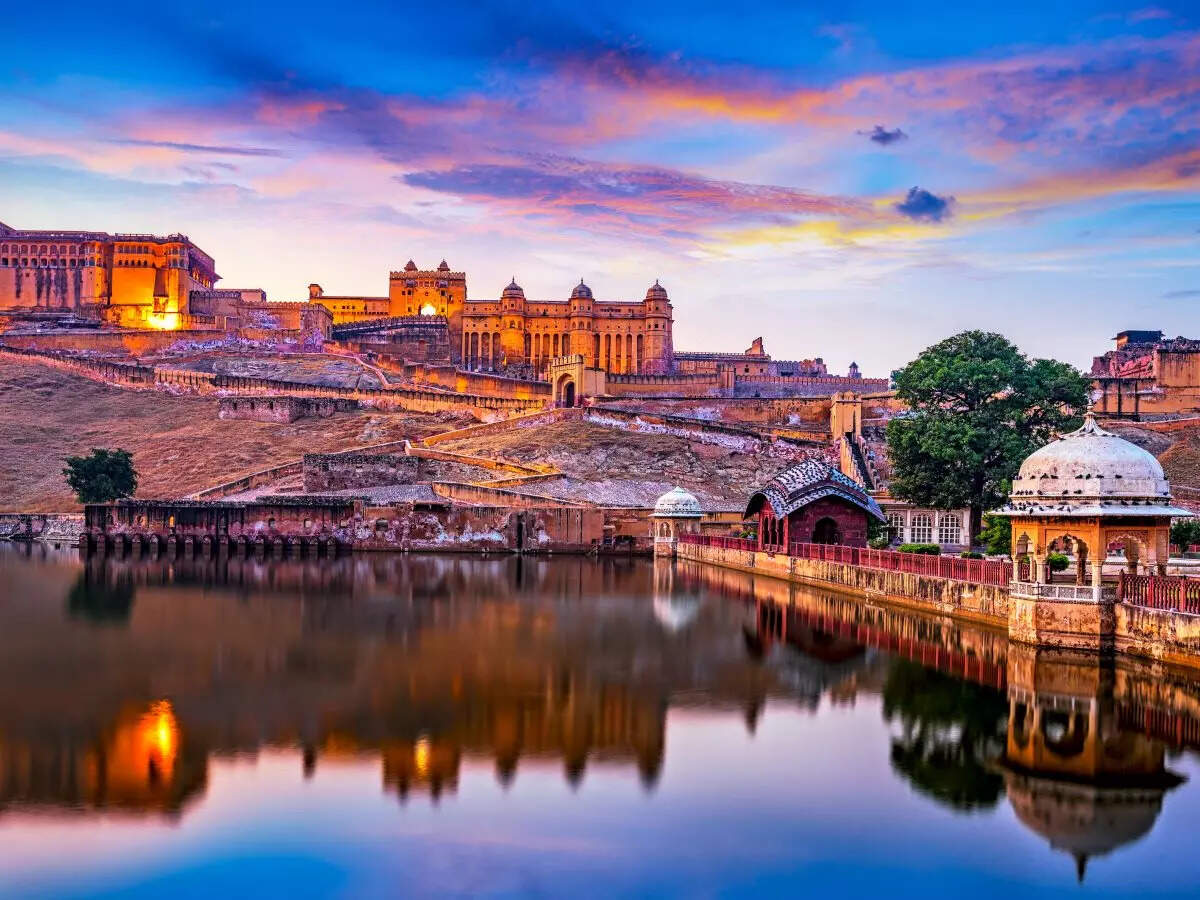
Japan's culture is one of refined elegance, deep respect, and meticulous preservation. From the tranquil Zen gardens of Kyoto (e.g., Ryoan-ji) to the bustling, hyper-modern streets of Shibuya in Tokyo, it's a fascinating juxtaposition. You'll encounter ancient Shinto shrines and Buddhist temples (e.g., Senso-ji, Fushimi Inari), witness tea ceremonies, explore samurai districts, and marvel at the artistry of traditional crafts. The respect for elders, the intricate social etiquette, and the unwavering politeness are deeply ingrained. India's culture is a raw, vibrant, and multi-faceted tapestry woven over millennia. It's a land of ancient empires (Mughal, Maurya), diverse religions (Hinduism, Islam, Sikhism, Buddhism), and countless languages. From the spiritual intensity of Varanasi's ghats, where life and death unfold openly, to the architectural grandeur of the Taj Mahal or Jaipur's Amber Fort, every corner tells a story. The festivals are explosive, the music is soulful, and the sheer human energy is overwhelming in the best possible way. The history here isn't just in museums; it's alive in the daily rituals, the street food, and the conversations. "Japan's culture is like a perfectly brewed cup of green tea – refined and subtle. India's is like a spicy masala chai – intense, complex, and full of kick. Both incredible, but India just hits different with its raw authenticity."
Winner takeaway
- Winner: India
- Why: India's sheer scale, diversity, and immersive intensity of its ancient and living cultures offer an unparalleled and deeply transformative experience.
- Who this matters for: Culture vultures, history buffs, spiritual seekers, and travelers looking for a profound and challenging cultural immersion.
🍣 Food & Gastronomy
Japan's culinary scene is a global benchmark for quality, artistry, and dedication. From perfectly crafted sushi and sashimi, soulful bowls of ramen (e.g., Ichiran, Ippudo), and crispy tempura, to elaborate multi-course Kaiseki dinners in Kyoto (¥8,000-¥20,000 / $55-135 USD), the precision and seasonal focus are unmatched. Even convenience store food is surprisingly high quality. Street food in places like Osaka (takoyaki, okonomiyaki: ¥500-¥800 / $3-5 USD) is delicious and safe. Allergies are often taken seriously. India's food is a vibrant symphony of flavors, spices, and regional specialties, incredibly diverse from North to South, East to West. Think rich curries, fragrant biryanis, crispy dosas, fluffy naan, and an infinite variety of vegetarian options. Street food, like pani puri or aloo tikki (₹50-₹150 / $0.60-1.80 USD), is a must-try experience, but travelers need to exercise caution with hygiene; look for busy stalls. Thalis (platter meals: ₹200-₹500 / $2.50-6 USD) offer a fantastic way to sample local flavors. While Japan excels in precision and subtlety, India offers an explosion of bold, complex flavors that can be truly addictive. "Japan's food is a work of art, India's is a party in your mouth. Couldn't pick a favorite, both absolutely essential!"
Winner takeaway
- Winner: Tie
- Why: Both countries offer world-class, distinct culinary experiences that cater to different palates, making it impossible to declare a single winner.
- Who this matters for: Foodies, adventurous eaters, and anyone whose travel revolves around experiencing unique gastronomic delights.
🚄 Getting Around
Japan's public transportation system is the envy of the world. The Shinkansen (bullet train) is incredibly fast, punctual to the second, and connects major cities seamlessly. A trip from Tokyo to Hiroshima (approx. 4 hours) on the Shinkansen costs around ¥19,000 ($125 USD) without a pass. City subways (like Tokyo's, starting at ¥170 / $1.10 USD) are clean, efficient, and easy to navigate with clear English signage. Buses, while less common for inter-city travel, are also reliable. The Japan Rail Pass can be a cost-effective option for extensive travel. India's transport is a fascinating, often bewildering, experience. The Indian Railways network is one of the largest in the world, a truly immersive way to travel long distances, often overnight (e.g., Delhi to Jaipur in Sleeper Class for ₹250-₹500 / $3-6 USD). However, trains can be delayed, crowded, and require booking well in advance. Within cities, auto-rickshaws (haggle for prices, or use apps like Ola/Uber Auto), cycle-rickshaws, and local buses are ubiquitous and incredibly cheap but can be slow and overwhelming. Domestic flights are also a popular way to cover vast distances quickly. "Japan's trains are a dream, so stress-free. In India, every journey is an adventure, but you gotta be patient and ready for anything. I miss the AC in Japan sometimes!"
Winner takeaway
- Winner: Japan
- Why: Japan's transport system is the epitome of efficiency, punctuality, comfort, and ease of use, making travel seamless.
- Who this matters for: Travelers who prioritize comfort, speed, reliability, and stress-free navigation, especially first-timers or those with limited time.
🏨 Accommodation
Japan offers a unique blend of traditional and futuristic accommodation. Capsule hotels (e.g., Nine Hours Shinjuku: ¥4,000-¥6,000 / $25-40 USD) are a quintessentially Japanese experience, offering compact but clean and efficient sleeping pods. Business hotels (e.g., APA Hotel, Toyoko Inn: ¥7,000-¥12,000 / $45-80 USD) are a reliable mid-range option, always spotless and well-equipped. For a truly authentic experience, a stay in a ryokan (traditional inn, often with hot springs and multi-course meals: ¥15,000-¥40,000+ / $100-270+ USD per person) is unforgettable. Hostels are plentiful, clean, and well-managed. India provides an incredible spectrum of accommodation for every budget. Budget guesthouses and hostels (e.g., Zostel, Moustache: ₹500-₹1,500 / $6-18 USD) are widespread, though quality can vary, so check reviews carefully. Mid-range hotels (₹2,000-₹5,000 / $25-60 USD) offer good comfort, and many historical cities boast stunning heritage hotels (e.g., Lake Palace in Udaipur) that offer a luxurious experience. Homestays are also popular, providing cultural immersion. While India offers more 'bang for your buck' in terms of space and luxury at higher price points, Japan's consistent standard of cleanliness, efficiency, and unique offerings like capsules and ryokans make it a winner for overall quality and unique experiences. "Japanese hotels, even tiny ones, are always impeccably clean and everything just *works*. In India, you can get a palace for cheap, but sometimes the plumbing is a dice roll."
Winner takeaway
- Winner: Japan
- Why: Japan consistently delivers exceptional standards of cleanliness, efficiency, and unique lodging experiences across all price points.
- Who this matters for: Travelers prioritizing consistent quality, unique accommodation experiences, and impeccable hygiene standards.
🏞️ Nature & Scenery
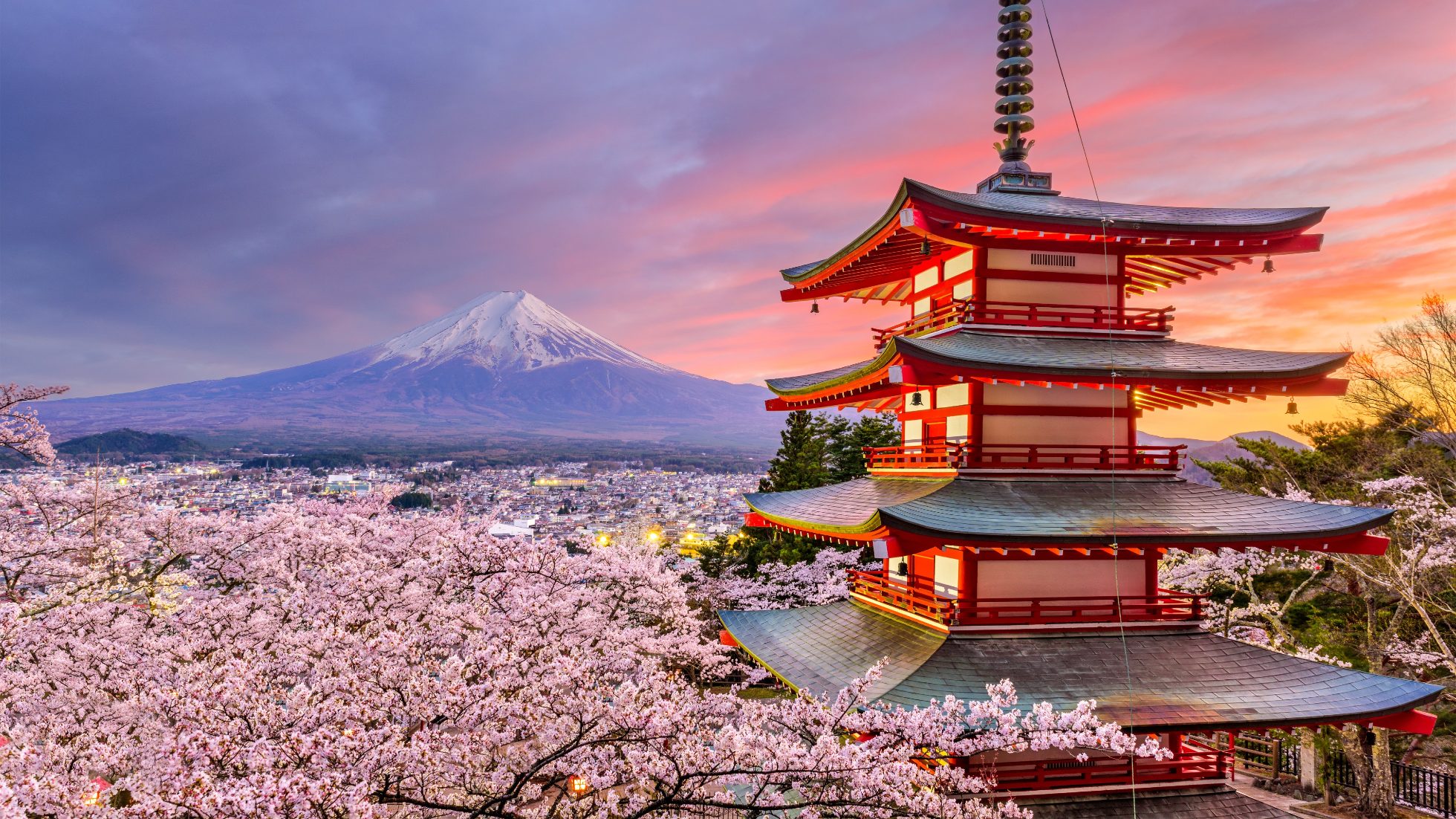
Japan's natural beauty is iconic and often seasonal. Mount Fuji, an active volcano, is a stunning backdrop, especially when viewed from Hakone. The spring cherry blossoms (Sakura) and autumn foliage (Momiji) draw millions, transforming the landscapes into vibrant palettes. Destinations like Arashiyama Bamboo Grove in Kyoto, the spiritual forests of Yakushima, or the subtropical beaches of Okinawa offer diverse natural experiences. Japan excels in its pristine, well-maintained national parks and trails. India's natural landscapes are on a grander, more diverse scale. It's home to the majestic Himalayan range, with trekking opportunities in regions like Ladakh and Uttarakhand. The serene backwaters of Kerala offer unique houseboat cruises. The Thar Desert in Rajasthan provides camel safaris and stark beauty. Wildlife enthusiasts can seek tigers in national parks like Ranthambore or Bandhavgarh (entry fees around ₹1,000-₹2,000 / $12-24 USD per safari). From the lush tea plantations of Darjeeling to the pristine beaches of Goa and the Andaman Islands, India's geographical range is truly staggering. "Japan has gorgeous, manicured nature. India has wild, untamed, epic landscapes that just swallow you whole. Himalayas vs. Fuji? No contest, for sheer scale."
Winner takeaway
- Winner: India
- Why: India's sheer geographical scale and unparalleled diversity, from the world's highest mountains to vast deserts and tropical beaches, offer a more dramatic and varied natural experience.
- Who this matters for: Outdoor adventurers, trekkers, wildlife enthusiasts, and travelers seeking vast, diverse, and often dramatic natural landscapes.
🌃 Nightlife & Entertainment
Japan's nightlife is legendary and incredibly varied. Tokyo's Shinjuku (Golden Gai, Kabukicho) and Shibuya (the famous crossing, countless bars and clubs) are electric, neon-soaked playgrounds. You'll find everything from tiny, themed bars with just a few seats (drinks ¥800-¥1,500 / $5-10 USD) to high-tech karaoke boxes (¥1,000-¥3,000 / $7-20 USD per hour) and lively izakayas (Japanese pubs, often with small dishes for ¥300-¥800 / $2-5 USD per plate) where locals unwind. Osaka and Kyoto also offer fantastic options, often with a more relaxed, local vibe. The safety and ease of getting around at night make exploring simple. India's nightlife is more localized. Goa is famous for its beach parties and trance music scene, attracting international crowds. Major metropolitan cities like Mumbai and Delhi have a growing number of stylish clubs and bars (cocktails ₹500-₹1,000 / $6-12 USD), especially in upscale areas, but they tend to be concentrated and can be expensive by Indian standards. Outside these hubs, nightlife is often limited to restaurant dining or quiet family gatherings. Public drinking is generally frowned upon, and stricter licensing laws mean earlier closing times in many places. "Japan's nightlife just has this energy, you can wander into any tiny bar in Golden Gai and have an amazing time. India has some cool spots, but it feels like you have to search harder for it, and it's not as pervasive."
Winner takeaway
- Winner: Japan
- Why: Japan offers a more widespread, diverse, safe, and easily accessible nightlife experience, from quirky bars to high-energy clubs and unique cultural entertainment.
- Who this matters for: Party-goers, social butterflies, those seeking unique evening entertainment, and travelers who enjoy exploring vibrant cityscapes after dark.
🚶♀️ Solo Travel Experience
Japan is a solo traveler's dream. Its unparalleled safety means you can explore freely, day or night, without constant worry. The efficient public transport system makes navigating the country a breeze, even if you don't speak Japanese (English signage is common in major tourist areas). Solo dining is normalized, with many restaurants (like ramen shops) designed for individual patrons. Hostels are plentiful and high-quality, making it easy to meet other travelers. It offers a sense of independence and peace of mind that few other countries can match. India, for solo travelers, is a different beast entirely. It's profoundly rewarding but demands resilience and adaptability. The constant sensory input, the need to haggle, and the occasional feeling of being overwhelmed can be challenging. For solo female travelers, extra caution is necessary – dress modestly, be aware of your surroundings, and research safe accommodations. However, the hospitality can be immense, and the solo journey often leads to deeper self-discovery and incredible connections with locals. "Traveling solo in Japan was like being on easy mode; everything just worked. India solo was like an epic quest, exhausting but I learned so much about myself and the world. Both incredible, but for pure ease, Japan wins."
Winner takeaway
- Winner: Japan
- Why: Japan's exceptional safety, ease of navigation, and acceptance of solo activities make it an ideal and stress-free destination for individual exploration.
- Who this matters for: First-time solo travelers, those seeking a relaxing and worry-free independent journey, and travelers prioritizing personal safety and convenience.
🛍️ Shopping & Souvenirs
Japan offers a shopping experience that blends high-tech innovation with traditional artistry. Akihabara in Tokyo is a paradise for electronics and anime fans, while Ginza offers high fashion and luxury brands. For unique souvenirs, explore 100-yen shops (like Daiso, ¥100 / $0.65 USD for many items), Don Quijote for quirky goods, or traditional markets like Nakamise-dori in Asakusa for crafts, kimonos, and specialty foods. Japanese craftsmanship is evident in everything from pottery to stationery. India's shopping scene is a vibrant, sensory overload, best experienced in bustling local markets. Jaipur is renowned for its precious and semi-precious gemstones and textiles, while Delhi's Dilli Haat offers crafts from across India. You'll find exquisite silks, pashminas, intricate jewelry, spices (a small bag of garam masala for ₹50-₹100 / $0.60-1.20 USD), leather goods, and hand-carved wooden items. Bargaining is expected in most markets, making it part of the experience. While Japan offers precision and unique gadgets, India provides an incredible array of handmade, culturally rich items at often unbeatable prices. "Japan has all the cool tech and precise souvenirs. India? It's like a giant, colorful treasure hunt for textiles and spices. My suitcase was way heavier coming back from India, that's for sure!"
Winner takeaway
- Winner: Tie
- Why: Both countries excel in offering distinct and rich shopping experiences, catering to different interests – high-quality innovation in Japan, and handcrafted cultural treasures in India.
- Who this matters for: All travelers; Japan for modern goods and unique gifts, India for traditional crafts, textiles, and spices.
❓ Frequently Asked Questions
Do I need a visa for Japan or India?
Yes, both countries generally require a visa for most foreign nationals. Japan offers visa-free travel for short stays to citizens of many countries (e.g., US, Canada, EU), but India typically requires an e-Visa or traditional visa in advance for tourism. Always check the specific requirements based on your nationality well before your trip.
What's the best time to visit Japan vs India?
For Japan, spring (March-May) for cherry blossoms and autumn (September-November) for fall foliage are ideal. Summer can be hot and humid, winter cold but good for skiing. For India, the cooler, dry season from October to March is generally best for most regions, avoiding the intense heat of summer and the monsoon rains from June to September.
Is language a big barrier in Japan or India?
In Japan, English is not widely spoken outside major tourist hubs, but excellent signage and helpful locals make navigation manageable. Google Translate is invaluable. In India, English is widely spoken in tourist areas and cities due to its colonial history, making communication generally easier for travelers, though local languages (Hindi, etc.) are predominant.
How do dietary restrictions (e.g., vegetarian, vegan) fare in both countries?
Japan can be challenging for strict vegetarians/vegans as dashi (fish broth) is ubiquitous, but options are growing in cities. India is a vegetarian's paradise, with a vast and delicious array of plant-based dishes across all regions. Veganism is also easily accommodated, as dairy is less common in many traditional dishes.
Which country is better for a luxury trip?
Both countries offer incredible luxury experiences. Japan excels with Michelin-starred dining, bespoke cultural tours, and high-end ryokans. India shines with opulent heritage hotels (e.g., in Rajasthan), private tours, and serene wellness retreats. Your choice depends on whether you prefer refined elegance (Japan) or grand, historical extravagance (India).
What about internet and connectivity?
Japan has excellent and ubiquitous Wi-Fi, with pocket Wi-Fi rentals and SIM cards readily available and reliable. India's mobile data coverage is generally good in urban areas and improving elsewhere, with affordable local SIM cards easily purchased (though registration can be a process). Wi-Fi in hotels is common but can be slower than Japan.
Can I drink tap water in Japan or India?
In Japan, tap water is generally safe to drink nationwide. It's perfectly fine to refill your water bottle. In India, it's strongly advised not to drink tap water. Always stick to bottled water or use a water filter bottle to avoid stomach issues. Ice in drinks should also be approached with caution.
What unique cultural experiences can I expect in each?
In Japan, experience a traditional tea ceremony, stay in a ryokan, visit a sumo stable, or witness a Gion geisha performance. In India, take a boat ride on the Ganges in Varanasi, attend a Bollywood movie, volunteer at an ashram, or participate in a vibrant local festival like Holi or Diwali.
Ready to plan your unforgettable Asian adventure?
Get a free custom itinerary for Japan, India, or both — built from real traveler insights and tailored to your preferences.
🎟️ Book Tours & Experiences
Hand-picked tours and activities for both destinations — book with free cancellation
Experiences via Viator — free cancellation on most tours