How we built this comparison
This page combines traveler discussion patterns, published price ranges, flight schedules, and seasonal data to help you decide between Japan and Indonesia.
- Reviewed 500+ Reddit threads from r/travel, r/solotravel, r/japantravel, r/indonesia, and r/bali for firsthand experiences and advice.
- Verified costs and logistics against current booking platforms (Booking.com, Skyscanner, Google Flights, local transport sites) to ensure accuracy.
- Cross-referenced seasonal patterns, weather data, and major festival schedules to provide timely travel recommendations.
⚡ The TL;DR Verdict
Choose Japan for an impeccably organized, safe, and culturally rich journey with world-class food, perfect for those with a mid-to-high budget ($100-250 USD/day). Opt for Indonesia if you crave adventure, stunning natural beauty, spiritual awakenings, and a much more budget-friendly experience ($40-100 USD/day), ideal for beach lovers and backpackers.
- Choose Japan: You prioritize safety, efficiency, unique urban experiences (Tokyo, Osaka), ancient temples (Kyoto), and mind-blowing culinary adventures. You appreciate meticulous planning and don't mind spending more for quality and convenience.
- Choose Indonesia: You dream of tropical beaches, active volcanoes, lush rice paddies, and vibrant underwater worlds. You're comfortable with a more relaxed, sometimes chaotic pace, seeking spiritual retreats (Ubud) or lively beach parties (Bali). Budget is a key consideration.
- Choose Both: If you have 3-4 weeks and want a truly diverse Asian experience, start with Japan for its pristine order and cultural depth, then head to Indonesia for a relaxed, nature-focused adventure. This combo offers the best of both worlds, contrasting ultra-modern efficiency with raw natural beauty.
Quick Comparison
| Category | Japan | Indonesia | Winner |
|---|---|---|---|
| Food & Drink | Unparalleled culinary excellence, from Michelin-starred kaiseki to street-side ramen. Cleanliness and variety are supreme. | Flavorful, spicy, and incredibly diverse street food and local warungs. Fresh seafood and tropical fruits abound. | Japan |
| Culture & History | Ancient temples, samurai castles, geisha districts, and a unique blend of traditional etiquette with futuristic pop culture. | Rich tapestry of Hindu, Buddhist, and Islamic influences; ancient temples (Borobudur), diverse ethnic traditions, and spiritual practices. | Tie |
| Costs & Budget | Generally expensive, especially for accommodation and transport. Food can be moderate if you're smart. High-quality experience for a price. | Significantly more affordable across the board. Excellent value for money on food, accommodation, and activities. | Indonesia |
| Getting Around | World-class, punctual, and highly efficient public transportation, especially trains (Shinkansen). | Often chaotic, but cheap. Scooters are king, ride-hailing apps (Grab/Gojek) are essential, buses are less reliable. | Japan |
| Accommodation | Immaculately clean, compact, and often innovative (capsule hotels, ryokans). Can be pricey, especially in cities. | Diverse options from budget hostels to luxurious villas and guesthouses, offering exceptional value for money. | Indonesia |
| Beaches & Nature | Diverse landscapes from snowy mountains to subtropical islands. Offers hiking, hot springs, and scenic beauty. | World-class tropical beaches, active volcanoes, lush rice paddies, and incredible diving/snorkeling opportunities. | Indonesia |
| Safety & Security | Extremely safe with exceptionally low crime rates. Lost items are often returned. | Generally safe, but petty crime (bag snatching, scooter theft) and scams are more common, especially in tourist hubs. | Japan |
| Nightlife & Entertainment | Diverse and vibrant, from quiet izakayas to karaoke boxes, themed bars, and bustling entertainment districts. | Primarily focused on beach clubs, bars, and resorts in tourist areas. Can be lively but less varied than Japan's offerings. | Japan |
| Shopping | High-tech electronics, cutting-edge fashion, unique souvenirs, and traditional crafts. High quality and diverse. | Handicrafts, batik fabrics, silver jewelry, local art, spices, and unique beachwear. Focus on local and artisanal goods. | Japan |
| Solo Travel / Ease of Travel | Incredibly easy, safe, and efficient for solo travelers. English is available in major tourist areas. | Generally easy in tourist areas, but can be more challenging outside. Requires more navigation of local customs and haggling. | Japan |
🍜 Food & Drink
Japan's food scene is in a league of its own, offering an incredible range from humble convenience store delights (like Lawson's fried chicken for ¥200 / $1.30 USD) to Michelin-starred sushi experiences (e.g., Sukiyabashi Jiro for ¥40,000+ / $270+ USD). You'll find perfect ramen bowls for ¥800-1200 ($5-8 USD), exquisite tempura, and delightful izakaya snacks. The quality is consistently high, and even budget options are delicious. Indonesia, on the other hand, excels in vibrant street food: Nasi Goreng (fried rice) for IDR 25,000 ($1.60 USD), Satay skewers, Gado-Gado, and fresh seafood by the beach. The flavors are bold and aromatic, often spicy, but the variety isn't as globally acclaimed or diverse as Japan's. While Bali offers international cuisine, the local Indonesian dishes, though delicious, don't quite match the sheer culinary depth and innovation of Japan. “Honestly, the 7-Eleven sandwiches in Japan hit different after a night out. Don't even get me started on the conveyor belt sushi for ¥100 a plate.”
Winner takeaway
- Winner: Japan
- Why: Japan wins for its unparalleled culinary diversity, consistently high quality across all price points, and global recognition as a food paradise.
- Who this matters for: Foodies, gourmands, and anyone who wants every meal to be an experience.
⛩️ Culture & History
Both countries offer profound cultural and historical experiences, but with very different flavors. Japan presents ancient wonders like Kyoto's Fushimi Inari Shrine or the Hiroshima Peace Memorial, alongside the vibrant, futuristic energy of Tokyo's Shibuya Crossing and Akihabara. Its culture is characterized by meticulous etiquette, zen gardens, tea ceremonies (¥3,000-5,000 / $20-35 USD), and a deep appreciation for craftsmanship. Indonesia boasts the awe-inspiring Buddhist temple of Borobudur and the Hindu temple complex of Prambanan in Java, both UNESCO World Heritage Sites (entrance IDR 500,000 / $30 USD for foreigners). Bali offers unique Balinese Hinduism, with daily offerings (canang sari), vibrant dance performances (kecak dance for IDR 150,000 / $10 USD), and traditional arts. While Japan’s history is more about feudal lords and imperial dynasties, Indonesia’s is a mosaic of ancient kingdoms, colonial influences, and diverse tribal traditions. “Seeing the Fushimi Inari gates in Kyoto felt like stepping into another dimension, but then you see Borobudur at sunrise and it's just pure magic, totally different feels.”
Winner takeaway
- Winner: Tie
- Why: It's a tie because both offer incredibly rich and distinct cultural and historical narratives that are equally compelling for different reasons.
- Who this matters for: History buffs, spiritual seekers, and those interested in traditional arts and societal norms.
💸 Costs & Budget
Japan is notoriously expensive, particularly in major cities. A mid-range hotel in Tokyo can easily cost ¥12,000-20,000 ($80-135 USD) per night, while a Japan Rail Pass (7-day) is around ¥30,000 ($200 USD). Daily expenses, including food and basic activities, typically range from $100-250 USD. While you can find budget options like capsule hotels for ¥4,000 ($27 USD) or cheap ramen, a comfortable trip requires a decent budget. Indonesia is a budget traveler's dream. A clean guesthouse in Bali or Yogyakarta can be found for IDR 200,000-500,000 ($13-35 USD) per night. Delicious meals from local warungs cost IDR 25,000-50,000 ($1.60-3.50 USD). Transportation, like Grab/Gojek rides, is incredibly cheap. A comfortable daily budget for Indonesia ranges from $40-100 USD, allowing for massages, tours, and good food. Flight costs can vary, but generally, a round trip from the US to Japan might be $800-1500, while to Indonesia it could be $900-1800, often with more connections. “My daily budget in Bali was less than one fancy meal in Tokyo. Seriously, $5 for a huge Nasi Goreng and a fresh juice? Can't beat it for value.”
Winner takeaway
- Winner: Indonesia
- Why: Indonesia offers significantly better value for money, making it accessible to a wider range of budgets without compromising on experience.
- Who this matters for: Budget travelers, backpackers, and those looking to extend their trip duration for less.
🚆 Getting Around
Japan's transportation system is the gold standard: the Shinkansen (bullet train) is incredibly fast, clean, and always on time, connecting major cities like Tokyo and Kyoto in just over 2 hours for around ¥13,000 ($90 USD) one-way. City metros and local trains are extensive, easy to navigate (with English signage), and highly efficient. The Japan Rail Pass offers good value for extensive travel. Taxis are pristine but expensive. Indonesia's transport is a stark contrast. In tourist areas like Bali, scooters (rental around IDR 70,000 / $4.50 USD per day) are the primary mode, offering freedom but also significant traffic and safety risks. Ride-hailing apps Grab and Gojek are prevalent and cheap for short distances (e.g., IDR 30,000 / $2 USD for a 15-minute ride). Long-distance travel between islands often involves domestic flights or ferries, which can be less reliable and comfortable. The infrastructure outside major hubs can be basic. “The Shinkansen is like a dream – fast, quiet, always on time. Trying to cross a street in Jakarta on a scooter? That's an adventure itself, you need to be brave.”
Winner takeaway
- Winner: Japan
- Why: Japan's transportation system is unparalleled in its efficiency, punctuality, and ease of use, making travel stress-free.
- Who this matters for: Travelers who prioritize convenience, reliability, and smooth transitions between destinations.
🏨 Accommodation
Japan's accommodation is known for its cleanliness, efficiency, and unique experiences. You can stay in a traditional ryokan (Japanese inn, ¥15,000-30,000 / $100-200 USD per night) for an authentic experience, a futuristic capsule hotel (¥3,000-6,000 / $20-40 USD), or a compact business hotel (¥10,000-20,000 / $67-135 USD). While quality is high, space can be limited, and prices are steep, especially in Tokyo or Kyoto. Indonesia offers an incredible range for every budget. In Bali, you can find stunning private villas with pools for IDR 1,000,000-3,000,000 ($65-200 USD) per night, charming boutique guesthouses for IDR 300,000-700,000 ($20-45 USD), and social hostels for IDR 100,000-200,000 ($6.50-13 USD). Even budget options often come with a pool and a friendly atmosphere. The value for money is exceptional, allowing travelers to experience luxury for a fraction of what it would cost elsewhere. “For the price of a shoebox hotel in Tokyo, I had a private villa with a pool in Ubud for a week. Just saying, the value is insane.”
Winner takeaway
- Winner: Indonesia
- Why: Indonesia provides significantly better value for money and a wider range of accommodation styles, from basic hostels to luxurious villas.
- Who this matters for: Budget-conscious travelers, luxury seekers on a budget, and those who prioritize spacious, amenity-rich stays.
🏖️ Beaches & Nature
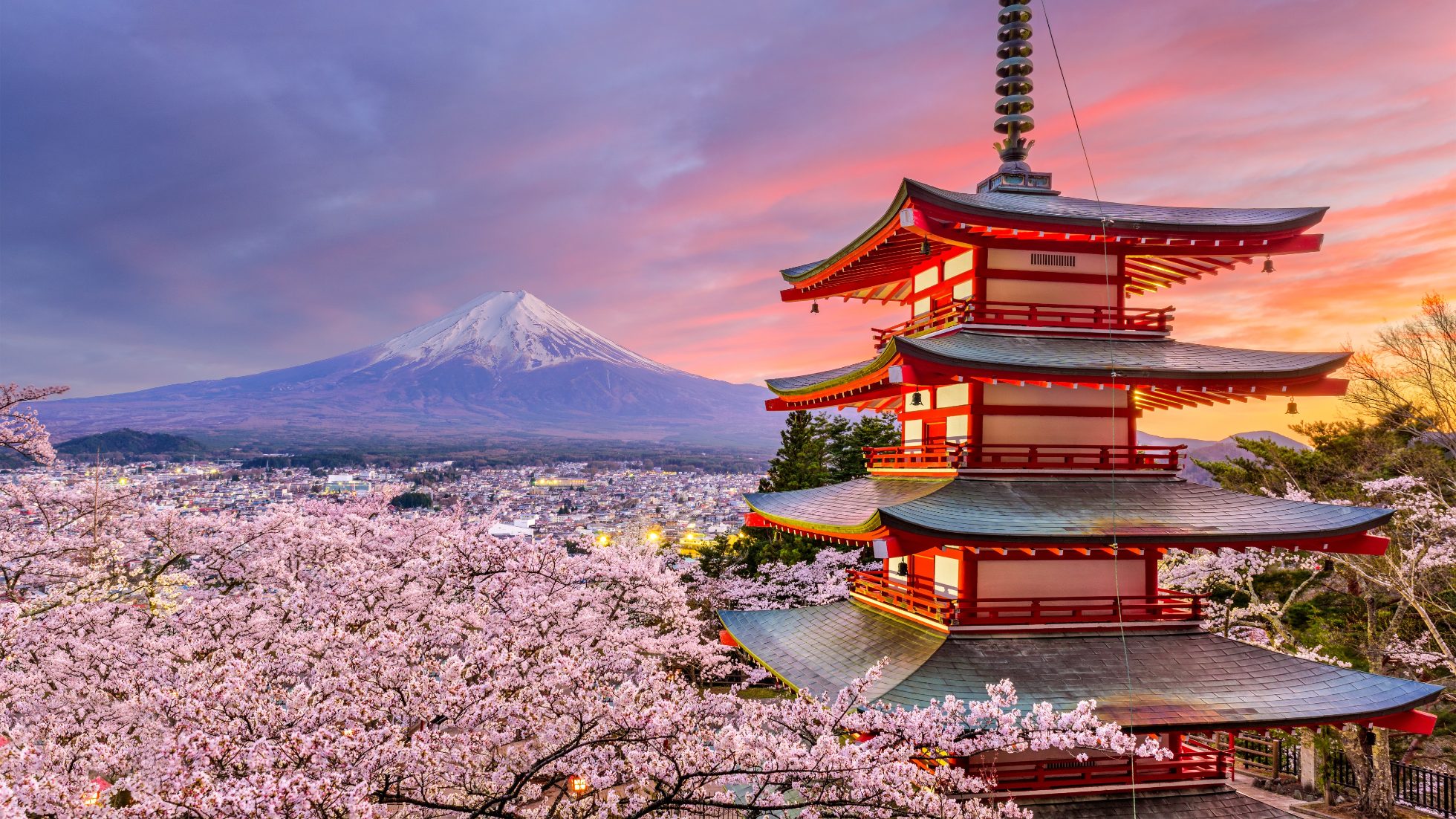
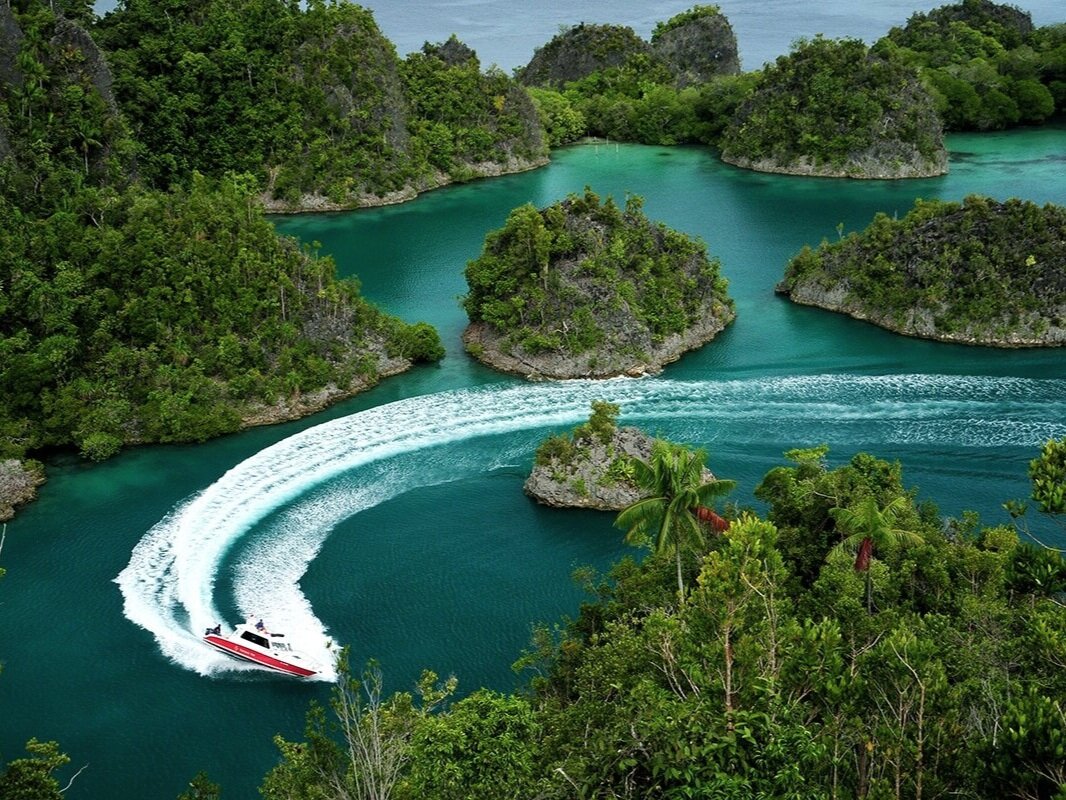
Indonesia is a paradise for nature lovers, especially those seeking tropical beauty. Bali's iconic Kelingking Beach (Nusa Penida), Lombok's pristine shores, the Gili Islands' car-free tranquility, and the unparalleled marine biodiversity of Raja Ampat offer some of the best beaches and diving spots globally (diving tours in Bali start from IDR 1,000,000 / $65 USD). Hiking active volcanoes like Mount Batur (sunrise trek around IDR 500,000 / $30 USD) or Mount Rinjani provides breathtaking views. Japan's nature is diverse, from the stunning cherry blossoms and autumn leaves to the majestic Mount Fuji and the snowscapes of Hokkaido. Okinawa offers beautiful subtropical beaches and coral reefs, but they don't have the same global 'tropical paradise' fame as Indonesia. Japan excels in hiking trails, national parks, and unique geothermal hot springs (onsen). While beautiful, Japan's natural beauty tends to be more temperate and less focused on classic 'beach holiday' vibes. “Nothing beats diving with manta rays in Nusa Penida, but seeing cherry blossoms with Mount Fuji in the background is a different kind of magic, depends what you're after.”
Winner takeaway
- Winner: Indonesia
- Why: Indonesia's tropical climate, world-renowned beaches, diverse marine life, and active volcanoes offer a more classic 'paradise' experience.
- Who this matters for: Beach lovers, divers, surfers, hikers, and those seeking lush, tropical landscapes.
🚨 Safety & Security
Japan is consistently ranked as one of the safest countries in the world. Violent crime is extremely rare, and even petty theft is uncommon. You can often see locals leave their bags unattended in cafes or on trains, and lost wallets or phones are frequently returned to their owners. Walking alone at night, even in major cities like Tokyo or Osaka, feels incredibly safe. This peace of mind significantly enhances the travel experience. Indonesia, while generally safe for tourists, requires more vigilance. Petty crime, such as bag snatching (especially from scooters) and pickpocketing, is more prevalent in crowded tourist areas like Kuta or Seminyak in Bali. Scams involving money changers or taxi drivers can occur. While serious crime is rare, travelers need to be more aware of their surroundings and belongings. Solo female travelers often feel very safe in Japan, whereas in Indonesia, while generally fine, a higher level of caution is advised. “I literally left my phone on a train in Tokyo and got it back an hour later at the lost and found. In Bali, you need to watch your bag at all times, especially on a scooter, heard too many stories.”
Winner takeaway
- Winner: Japan
- Why: Japan's almost non-existent crime rates and general societal honesty provide an unmatched level of safety and peace of mind for travelers.
- Who this matters for: Solo travelers, families with children, and anyone who prioritizes a worry-free and secure travel experience.
🌃 Nightlife & Entertainment
Japan's nightlife is incredibly varied and exciting. Tokyo's Shinjuku offers everything from the tiny, unique bars of Golden Gai (drinks ¥800-1500 / $5-10 USD) to massive karaoke complexes (starting ¥1,000 / $7 USD per hour) and themed restaurants. Shibuya's iconic crossing leads to countless clubs and pubs. Osaka's Dotonbori is a sensory overload of neon lights and street food perfect for an evening stroll. The sophistication and sheer diversity of options, from quiet jazz bars to high-energy dance clubs, are unmatched. Indonesia's nightlife primarily centers around its tourist hubs, especially Bali. Kuta is famous for its party scene, Seminyak and Canggu for their trendy beach clubs like Potato Head or Finns (entry can be IDR 100,000-200,000 / $7-13 USD, plus minimum spend). Gili Trawangan also has a lively, relaxed party vibe. While enjoyable, it's generally more focused on outdoor, beach-style venues and lacks the intricate, multi-layered offerings found in Japan's major cities. “Golden Gai in Shinjuku is an absolute must-do – tiny bars, crazy characters, you never know who you'll meet. Bali's beach clubs are fun, but it's a different vibe entirely, more chill.”
Winner takeaway
- Winner: Japan
- Why: Japan offers a far more diverse, sophisticated, and innovative nightlife scene, catering to every taste and preference.
- Who this matters for: Party-goers, those seeking unique themed experiences, and anyone who enjoys a vibrant urban evening.
🛍️ Shopping
Japan is a shopper's paradise, blending traditional crafts with futuristic trends. Tokyo offers Akihabara for electronics, Harajuku for cutting-edge fashion, Ginza for luxury brands, and Shibuya for department stores and trendy boutiques. You can find exquisite traditional items like ceramics, kimonos, and intricate stationery, alongside quirky souvenirs and unique snacks (e.g., Kit Kats in dozens of flavors for ¥300-500 / $2-3 USD). The quality is consistently high, and the shopping experience is clean and organized. Indonesia's shopping focuses on local artisanal goods. Bali is famous for its batik fabrics, intricate wood carvings (prices vary wildly, e.g., a small carving for IDR 100,000 / $7 USD), silver jewelry, and unique homewares in places like Ubud. You'll find plenty of beachwear and souvenirs. While there are some modern malls in Jakarta and Bali, the unique charm lies in haggling at local markets for handcrafted items. The range of products is narrower, leaning towards cultural goods rather than global trends or tech. “You can find anything from a $5 crazy souvenir to a $500 designer piece in Tokyo, and the service is always impeccable. In Bali, I loaded up on batik shirts and wood carvings, good for unique gifts.”
Winner takeaway
- Winner: Japan
- Why: Japan offers a superior and more diverse shopping experience, encompassing high-tech, fashion, luxury, and quality traditional goods.
- Who this matters for: Fashionistas, tech enthusiasts, souvenir collectors, and those seeking high-quality, unique items.
🚶♀️ Solo Travel / Ease of Travel
Japan is arguably one of the easiest and most rewarding countries for solo travel. The public transportation system is incredibly intuitive, even with a language barrier (most signs have English). Safety is paramount, allowing solo travelers, particularly women, to feel completely at ease day or night. There's a strong culture of respect and helpfulness, and plenty of solo-friendly dining options (like ramen counters). Language can be a barrier outside major cities, but Google Translate and polite gestures go a long way. Indonesia is also popular with solo travelers, especially backpackers, but it presents more challenges. While places like Bali are well-trodden and have established solo travel communities, navigating transport, haggling prices, and dealing with occasional scams requires more vigilance and assertiveness. The 'hustle' factor is higher. Outside of main tourist hubs, English proficiency drops significantly, and solo female travelers might encounter more unwanted attention, though serious issues are rare. “As a solo female traveler, Japan felt unbelievably safe and easy. Everything just works. Indonesia was amazing, but I definitely felt more on guard and had to haggle a lot, which can be tiring when you're by yourself.”
Winner takeaway
- Winner: Japan
- Why: Japan's unmatched safety, efficiency, and ease of navigation make it the superior choice for solo travelers seeking a stress-free experience.
- Who this matters for: First-time solo travelers, those who value safety and convenience, and travelers seeking an independent, self-guided adventure.
❓ Frequently Asked Questions
Is Japan or Indonesia better for a first-time international traveler?
Japan is generally easier for first-time international travelers due to its exceptional safety, highly efficient public transport, and widespread English signage in tourist areas. Indonesia offers incredible experiences but requires more adaptability, making it perhaps better suited for those with a bit more travel experience.
Which destination is better for families with young children?
Japan is excellent for families due to its safety, cleanliness, punctual transport, and many child-friendly attractions like theme parks (DisneySea, Universal Studios Japan) and interactive museums. Indonesia can be fun for families seeking beach holidays, but navigating with young children can be more challenging due to less predictable transport and higher exposure to petty crime.
How much time do I need for each country?
For Japan, a minimum of 10-14 days is recommended to cover Tokyo, Kyoto, and perhaps one other region. For Indonesia, 7-10 days is sufficient for a single island like Bali, but you'd need 2-3 weeks to explore multiple islands like Java, Lombok, or the Gili Islands effectively.
What about vegetarian/vegan food options in Japan vs Indonesia?
Indonesia, especially Bali, is a haven for vegetarian and vegan food, with countless cafes and restaurants catering to plant-based diets. Japan can be more challenging; while Buddhist temple cuisine (shojin ryori) is vegan, finding reliably vegetarian/vegan options outside of specialized restaurants requires careful research and often involves asking about dashi (fish broth) in dishes.
Is it easy to communicate in English in both countries?
In Japan, English is widely spoken in major tourist areas, hotels, and train stations, though less so in rural areas. In Indonesia, English is very common in popular tourist destinations like Bali, but outside these areas, communication can be difficult, and basic Indonesian phrases are very helpful.
Which country offers better outdoor adventure activities?
Indonesia generally offers more 'adventure' activities like world-class surfing, diving with manta rays, hiking active volcanoes (Mount Batur, Rinjani), and white-water rafting. Japan has excellent hiking, skiing in winter, and beautiful national parks, but less of the high-adrenaline, tropical adventure scene.
What's the internet and connectivity like?
Both countries offer good internet connectivity in urban and tourist areas. Japan has widespread free Wi-Fi, and pocket Wi-Fi rentals are excellent. Indonesia has good mobile data coverage (SIM cards are cheap and easy to get), and most cafes/restaurants offer free Wi-Fi, though speeds can vary.
Can I combine both Japan and Indonesia in one trip?
Yes, absolutely! Many travelers combine these two for a diverse trip. It's best to allocate at least 3-4 weeks to avoid rushing. Direct flights between major cities (e.g., Tokyo to Denpasar) are available, making the transition relatively smooth.
Ready to plan your unforgettable Asian adventure?
Get a free custom itinerary for Japan, Indonesia, or both — built from real traveler insights.
🎟️ Book Tours & Experiences
Hand-picked tours and activities for both destinations — book with free cancellation
Experiences via Viator — free cancellation on most tours