How we built this comparison
This page combines traveler discussion patterns, published price ranges, flight schedules, and seasonal data to help you decide between Japan and Italy.
- Reviewed 100+ Reddit threads from r/travel, r/solotravel, r/japantravel, r/italy, and related subreddits for authentic traveler experiences and advice.
- Verified costs and logistics against current booking platforms like Google Flights, Booking.com, Trenitalia, JR Pass, and major attraction websites (e.g., Colosseum, Kiyomizu-dera).
- Cross-referenced seasonal patterns, weather data, and major festival dates to provide optimal travel timing recommendations.
⚡ The TL;DR Verdict
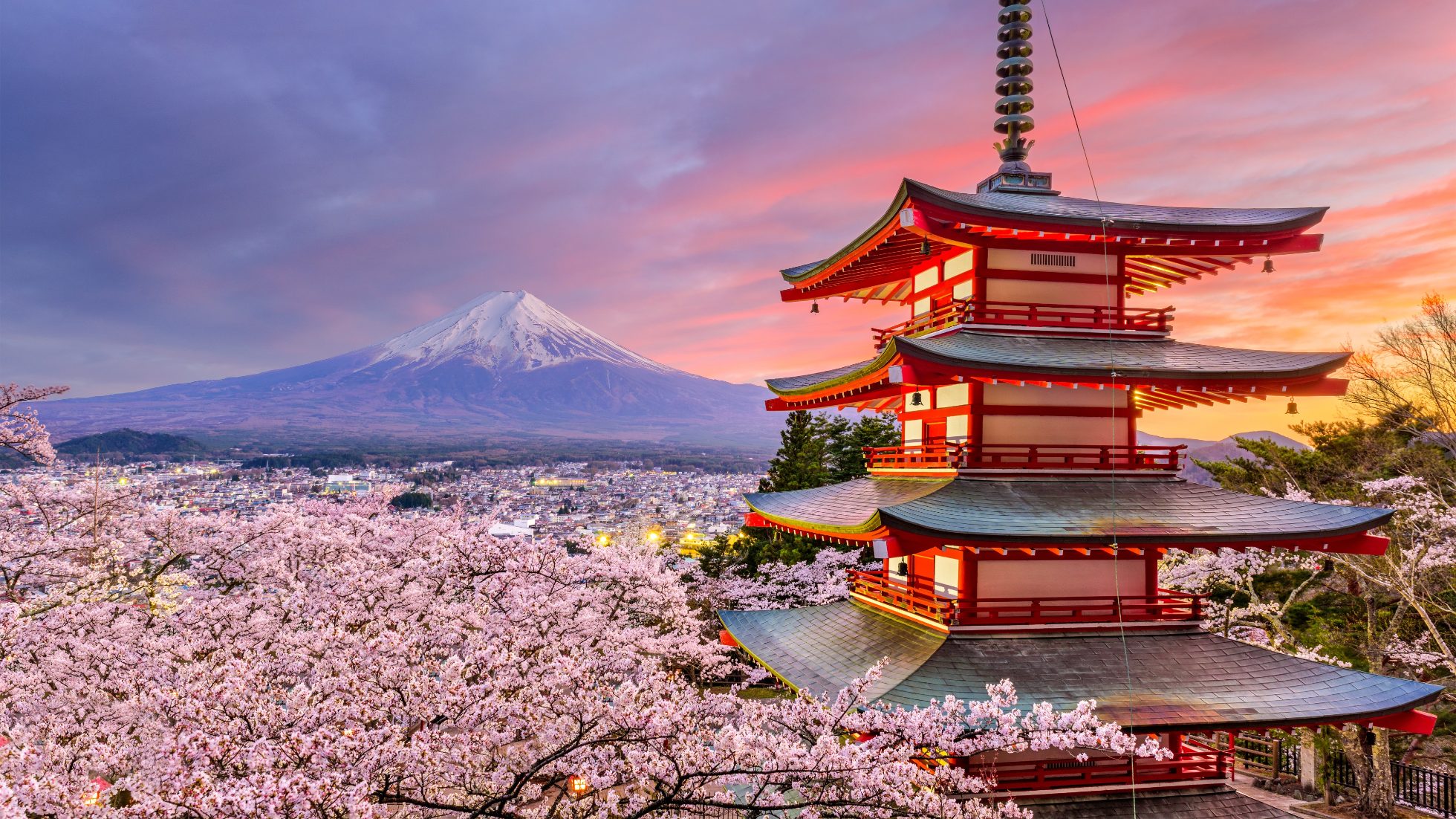
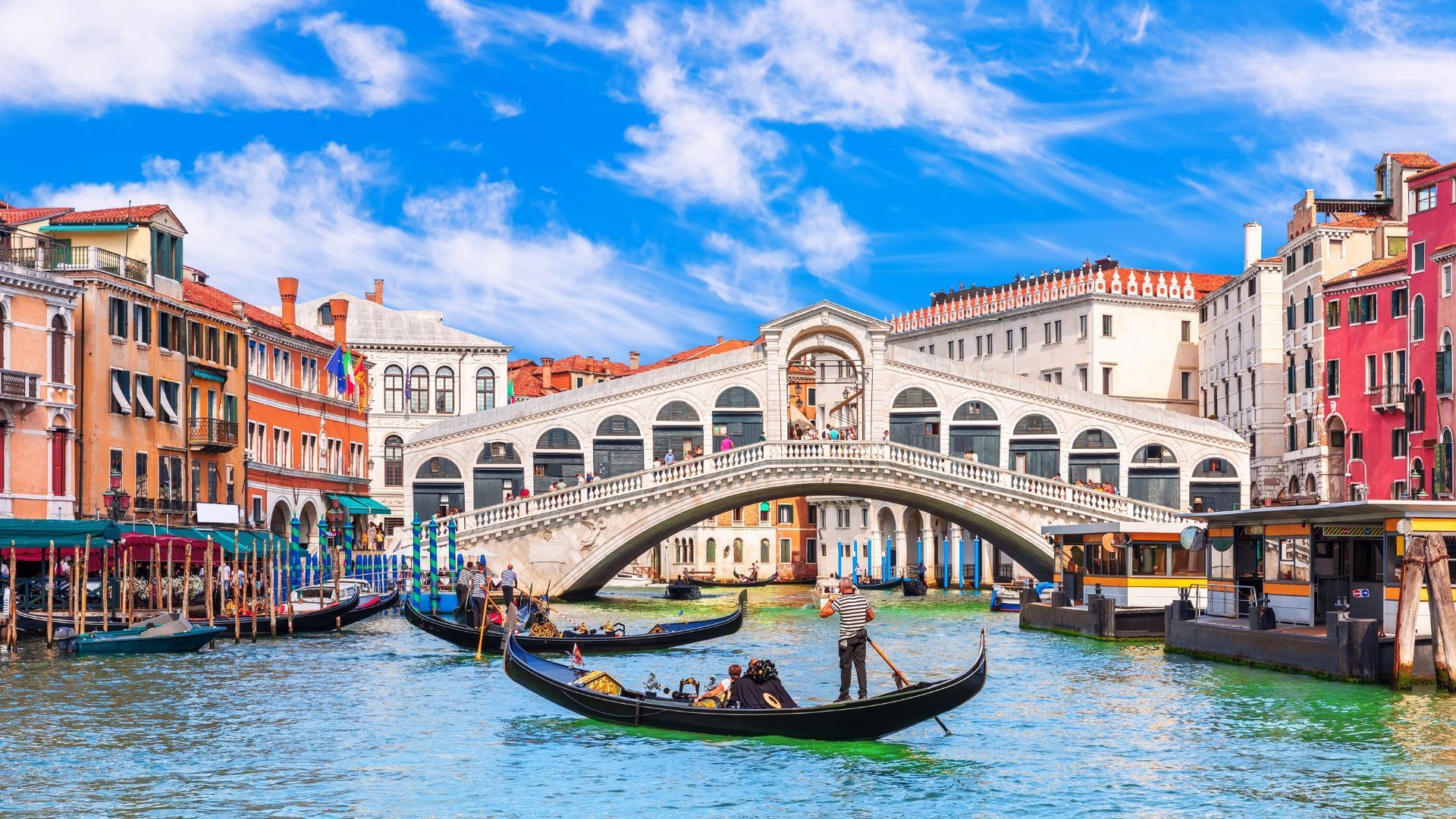
For those seeking efficiency, unique cultural immersion, and impeccable service, Japan is your winner with a typical daily budget of $150-250 USD excluding flights. If your heart yearns for sun-drenched history, world-renowned cuisine, and a vibrant, spontaneous atmosphere, Italy beckons at a more relaxed $120-200 USD per day.
- Choose Japan: Pick Japan if you crave seamless travel, respectful deep dives into unique traditions, incredible food, and a sense of futuristic wonder. Perfect for solo travelers and first-timers in Asia.
- Choose Italy: Opt for Italy if you dream of ancient ruins, Renaissance art, diverse regional cuisines, bustling piazzas, and a more laid-back, romantic vibe. Ideal for history buffs, foodies, and couples.
- Choose Both: If you have 4+ weeks and a generous budget, a two-part adventure could be incredible, spending 2-3 weeks in each. Focus on distinct regions in each country to avoid burnout.
Quick Comparison
| Category | Japan | Italy | Winner |
|---|---|---|---|
| Food & Drink | Unparalleled culinary precision, diverse regional specialties from sushi to ramen, incredible street food, and unique drinking culture. | Regional gastronomic masterpieces, fresh ingredients, pasta, pizza, wine, gelato, and a strong cafe culture. | Tie |
| Culture & History | Ancient traditions meeting futuristic innovation, Shinto shrines, Buddhist temples, samurai history, geisha culture, and unique etiquette. | Millennia of Roman Empire, Renaissance art and architecture, ancient ruins, Vatican City, charming medieval towns, and vibrant local life. | Italy |
| Costs & Budget | Generally higher, especially for transport (JR Pass) and premium experiences; budget-friendly options exist but require planning. | Mid-range, with good value for food and accommodation, but major cities can be expensive; transport is more varied. | Italy |
| Getting There & Flights | Longer flight times, typically more expensive from North America/Europe, fewer direct routes. | Shorter flight times, generally more affordable from North America/Europe, numerous direct routes to major hubs. | Italy |
| Getting Around | Incredibly efficient and punctual public transport (trains, subways), easy to navigate, though inter-city can be pricey. | Extensive train network, but can be less punctual; driving is an option; major cities often have excellent public transport. | Japan |
| Accommodation | Clean, efficient, often compact; diverse options from capsule hotels to ryokans, but can be expensive in major cities. | Charming, varied, from boutique hotels to agriturismos, often offering great value and unique experiences. | Italy |
| Nightlife & Entertainment | Vibrant and diverse, from neon-lit Shibuya crossings to tiny izakayas, karaoke bars, and themed entertainment. | Social and relaxed, centered around aperitivo, late dinners, local bars, and bustling piazzas. | Japan |
| Nature & Scenery | Dramatic mountains, serene bamboo groves, vibrant autumn leaves, cherry blossoms, diverse coastlines, and pristine national parks. | Rolling Tuscan hills, dramatic Amalfi Coast cliffs, volcanic landscapes, stunning lakes, and diverse national parks. | Tie |
| Safety & Etiquette | Extremely safe, low crime rates, high respect for public order and rules; strong emphasis on politeness. | Generally safe, but petty crime (pickpocketing) is common in tourist areas; more relaxed social etiquette. | Japan |
| Shopping & Souvenirs | Unique blend of traditional crafts, high-tech gadgets, fashion, quirky souvenirs, and amazing department stores. | Fashion, leather goods, artisanal crafts, food products (wine, olive oil), and local specialties. | Japan |
🍜🍝 Food & Drink
Comparing the food is like choosing between two perfect children – it's impossible, and truly depends on your palate. Japan offers an incredibly refined and diverse culinary scene, from Michelin-starred sushi in Tokyo (e.g., Sukiyabashi Jiro for ¥40,000+ / ~$270+ USD) to Hokkaido's rich ramen (¥900-1500 / ~$6-10 USD) and Osaka's vibrant street food like takoyaki (¥500-800 / ~$3-5 USD). The presentation, quality, and service are usually impeccable. Italy counters with its regional treasures: Neapolitan pizza (as little as €5 / ~$5.50 USD), Roman carbonara (around €12-18 / ~$13-20 USD), Florentine steak (starting €40-60 / ~$44-66 USD for a T-bone), and world-class wines from Tuscany or Piedmont. The joy in Italy is often in the simplicity and freshness of ingredients, the communal dining, and the sheer abundance. "Honestly, I thought nothing could beat Italian pasta, but then I had ramen in Kyoto and my life changed. It's just different levels of delicious." Both countries offer extraordinary coffee cultures, with Japan favoring intricate drip and pour-overs, and Italy perfecting the espresso shot. You simply cannot go wrong with either.
Winner takeaway
- Winner: Tie
- Why: Both countries offer arguably the best culinary experiences in the world, differing in style but equal in quality and passion.
- Who this matters for: This matters to every traveler, as food is a cornerstone of cultural immersion.
⛩️🏛️ Culture & History
Italy is a living museum, making it a clear winner for sheer historical breadth and accessibility. From the Colosseum and Roman Forum in Rome (entry €18 / ~$20 USD) to the Uffizi Gallery in Florence (entry €25 / ~$27 USD) and the canals of Venice, history is literally at your fingertips and often visible everywhere you look. The Renaissance masterpieces, the Vatican's immense spiritual and artistic significance, and the layers of civilizations are simply astounding. Japan, while rich in its own unique history – from the ancient temples of Kyoto (e.g., Kiyomizu-dera entry ¥400 / ~$2.70 USD) and Nara (Todai-ji entry ¥600 / ~$4 USD) to samurai castles like Himeji (entry ¥1000 / ~$6.80 USD) and the atomic bomb memorials in Hiroshima – offers a more distinct, less globally integrated cultural narrative that often feels more preserved than openly displayed. Its history often comes with a serene, introspective quality, contrasting with Italy's boisterous, palpable past. "Italy's history just hits different. You walk around Rome and you're literally stepping on 2000 years of civilization. Japan's cool, but it's not the same scale of ancient Western history." For pure historical impact and visible remnants, Italy is hard to beat.
Winner takeaway
- Winner: Italy
- Why: Italy boasts a longer, more impactful, and visibly accessible history, particularly regarding Western civilization's foundations.
- Who this matters for: History buffs, art lovers, and those seeking iconic ancient ruins and Renaissance masterpieces.
💸 Costs & Budget
Overall, Italy tends to be more budget-friendly, especially for daily expenses, if you're smart. A reasonable daily budget for Italy, excluding long-distance travel, might be €100-180 / ~$110-200 USD. You can grab a delicious pizza slice for €3-5, a coffee for €1.50-2, and find decent B&Bs outside major tourist hubs for €70-100 / ~$77-110 USD. Japan, while offering incredible value in some areas like convenience store meals (¥500-800 / ~$3.40-5.50 USD) and efficient public transport within cities, quickly adds up for inter-city travel. A 7-day Japan Rail Pass costs around ¥50,000 / ~$340 USD, which is a significant upfront cost that Italy doesn't have a direct equivalent for. A daily budget in Japan might be ¥15,000-25,000 / ~$100-170 USD, but flights from North America are also often significantly more expensive for Japan (e.g., $1000-1800+ USD) compared to Italy ($600-1200+ USD). "Italy felt like I could actually afford a glass of wine with dinner every night, unlike Japan where I was counting every yen for that fancy sushi experience." Accommodation in major Japanese cities can also be pricey, with decent business hotels starting from ¥10,000 / ~$68 USD per night.
Winner takeaway
- Winner: Italy
- Why: Italy generally offers a more accessible price point for daily expenses and flights, allowing for a more relaxed budget.
- Who this matters for: Budget-conscious travelers, backpackers, and those looking to extend their trip duration.
✈️ Getting There & Flights
For most travelers originating from North America or Europe, Italy is considerably easier and cheaper to reach. Flights from major US cities like NYC or LA to Rome or Milan typically range from 8-10 hours, with prices often found between $600-1200 USD roundtrip (non-stop options available). Airlines like Delta, United, and various European carriers offer frequent services. Flying to Japan, specifically Tokyo (Narita/Haneda) or Osaka (Kansai), is a much longer journey, usually 12-14+ hours from the US, and often more expensive, typically $1000-1800+ USD roundtrip. While direct flights exist, they are fewer and can be premium priced. "Getting to Italy from New York was a breeze, just an overnight flight and you're there. Japan felt like a whole day affair with the time change and all." The time difference also means jet lag can be more pronounced for Japan, especially coming from Western hemispheres, taking a few days to fully adjust.
Winner takeaway
- Winner: Italy
- Why: Italy offers shorter, more affordable flights with greater direct availability from major global hubs.
- Who this matters for: Travelers with limited time off, those sensitive to long flights or jet lag, and budget-conscious long-haul travelers.
🚄🛵 Getting Around
Japan's transportation system is the gold standard of efficiency and punctuality, making it the undisputed winner here. The Shinkansen (bullet train) network connects major cities at incredible speeds (e.g., Tokyo to Kyoto in ~2.5 hours, ~¥13,000 / ~$88 USD one-way), and the Japan Rail Pass (7-day pass ~¥50,000 / ~$340 USD) is often a no-brainer for multi-city itineraries. City subways like in Tokyo and Osaka are clean, easy to use (with English signage), and vast. You can genuinely set your watch by Japanese trains. Italy's rail network (Trenitalia, Italo) is comprehensive and good value, connecting cities like Rome, Florence, and Venice efficiently, but delays are more common, and it lacks the same level of seamless integration as Japan. High-speed trains (e.g., Rome to Florence in ~1.5 hours, €30-60 / ~$33-66 USD one-way) are good, but regional trains can be slow. "Japan's trains are a dream. Literally never late, super clean, and you can connect anywhere. Italy was fine, but I definitely had a few unexpected delays." While driving in Italy can be an adventure through scenic routes, it's not for the faint of heart, especially in ZTLs (limited traffic zones) in historic city centers and navigating narrow, winding roads. Japan's public transport eliminates the need for a car for most travelers.
Winner takeaway
- Winner: Japan
- Why: Japan's public transport is unmatched in efficiency, punctuality, and ease of use, making multi-city travel a breeze.
- Who this matters for: Travelers who prioritize seamless, stress-free transit, those who dislike driving, and first-time international travelers.
🏨🏡 Accommodation
While Japan offers unique experiences like staying in a traditional ryokan (e.g., a good one near Kyoto for ¥20,000-40,000 / ~$135-270 USD per night) or the novelty of a capsule hotel (¥3,000-6,000 / ~$20-40 USD), Italy generally provides more spacious and characterful accommodation for a comparable or lower price point, especially outside of peak tourist seasons. A comfortable 3-star hotel in Rome or Florence might cost €100-180 / ~$110-200 USD per night, offering more room and often a better location than a Japanese business hotel at a similar price. Italy excels with its vast array of charming boutique hotels, family-run B&Bs, and agriturismos (farm stays) in the countryside (e.g., Tuscany for €80-150 / ~$88-165 USD per night), which provide a truly authentic and often luxurious experience. "I loved the efficiency of Japanese hotels, but after a few days, I really missed the charm and space of the B&Bs I stayed in Italy. Plus, the breakfast in Italy was usually way better." Japanese rooms, even in higher-end hotels, can feel surprisingly small, and while impeccable, they sometimes lack a certain warmth found in Italian hospitality. For a balance of value, space, and charm, Italy has the edge.
Winner takeaway
- Winner: Italy
- Why: Italy generally offers more spacious, characterful, and often better-value accommodation, from city hotels to unique rural stays.
- Who this matters for: Travelers seeking charm, space, and unique local accommodation experiences, couples, and those on a mid-range budget.
🎤🍷 Nightlife & Entertainment
Japan's nightlife is an electrifying sensory overload, diverse enough to cater to every taste, making it the winner. Tokyo's Shibuya crossing is iconic, but venture into Shinjuku's Golden Gai (tiny, intimate bars, drinks usually ¥800-1500 / ~$5.50-10 USD) or Osaka's Dotonbori for neon-soaked entertainment. Karaoke is a national pastime (private rooms ¥2,000-4,000 / ~$13-27 USD per hour), and themed cafes (e.g., Robot Restaurant, from ¥7,000 / ~$48 USD) offer unique experiences. Izakayas (Japanese pubs) are perfect for authentic food and drink. Italy's nightlife is more about social interaction and relaxation. It revolves around the 'aperitivo' hour (early evening drinks with snacks, often €10-15 / ~$11-17 USD), late dinners, and then perhaps a digestivo at a local bar in a lively piazza. Major cities like Milan have vibrant club scenes, but smaller towns focus on charming wine bars and gelaterias open late. "Japan's nightlife is insane. One minute you're in a tiny jazz bar, the next you're belting out Bon Jovi in a private karaoke room. Italy's cool, but it's more chill, less 'experience'." While Italy offers a romantic, conversational evening, Japan offers a more dynamic, varied, and often wildly unique entertainment landscape.
Winner takeaway
- Winner: Japan
- Why: Japan provides a more diverse, energetic, and unique range of nightlife and entertainment options, from traditional to futuristic.
- Who this matters for: Younger travelers, solo adventurers, those seeking unique experiences, and party-goers.
⛰️🏞️ Nature & Scenery
Both countries are breathtakingly beautiful, making this another tie. Japan offers incredible natural diversity, from the snow-capped peaks of Hokkaido and the iconic Mount Fuji (visible from Hakone, a day trip from Tokyo) to the serene bamboo forests of Arashiyama in Kyoto and the subtropical beaches of Okinawa. The distinct four seasons bring spectacular changes: cherry blossoms in spring, lush greenery in summer, and vibrant autumn leaves (e.g., Nikko, a day trip from Tokyo, or Kyoto) in fall. Italy counters with its equally stunning and varied landscapes. The dramatic cliffs and picturesque villages of the Amalfi Coast (bus fares around €3-5 / ~$3.30-5.50 USD), the rolling vineyards of Tuscany, the crystal-clear waters of Lake Como and Lake Garda, the rugged Dolomites (ski passes €50-70 / ~$55-77 USD per day), and the volcanic majesty of Sicily's Mount Etna are all world-class. "I went to Japan for the cities, but the nature around Hakone and Nara blew me away. Then I saw the Dolomites, and I was like, 'okay, this is a different kind of magic.'" Italy's natural beauty often blends seamlessly with ancient towns and historic agriculture, while Japan's often feels more pristine and distinctly separated from its urban centers. Neither disappoints; it's a matter of preference for coastal drama vs. volcanic peaks and ancient forests.
Winner takeaway
- Winner: Tie
- Why: Both countries offer an incredibly diverse range of stunning natural landscapes, catering to different aesthetic preferences.
- Who this matters for: Nature lovers, hikers, photographers, and those seeking scenic beauty, regardless of preference for mountains, coasts, or forests.
✅👍 Safety & Etiquette
Japan is renowned for being one of the safest countries in the world, making it the clear winner for peace of mind. Crime rates are exceptionally low, even in major cities like Tokyo and Osaka, and public spaces are meticulously clean and orderly. Lost wallets are often returned with all contents intact, and women generally feel very safe walking alone at night. The cultural emphasis on politeness, respect, and 'wa' (harmony) means that social interactions are generally smooth and considerate. While language can be a barrier, locals are almost universally helpful. Italy, while generally safe, does have a higher prevalence of petty crime, particularly pickpocketing, especially in crowded tourist areas of Rome (around the Colosseum, Termini station) and Florence. "In Japan, I left my phone on a train and it was at the lost and found. In Rome, I saw a guy almost get his wallet lifted at the Spanish Steps. Night and day difference." Travelers need to be more vigilant with their belongings and aware of their surroundings. Social etiquette in Italy is more relaxed and expressive, which can be charming but also means less rigid adherence to queues or quiet public spaces compared to Japan. For sheer safety and comfort, Japan leads.
Winner takeaway
- Winner: Japan
- Why: Japan offers unparalleled levels of safety, low crime rates, and a pervasive culture of respect and order.
- Who this matters for: Solo travelers (especially women), families, first-time international travelers, and anyone prioritizing peace of mind.
🛍️🎁 Shopping & Souvenirs
Japan offers a truly unique and diverse shopping experience that caters to every whim, making it the winner. From cutting-edge electronics in Akihabara (e.g., a new camera lens for ¥50,000-100,000 / ~$340-680 USD) to high fashion in Ginza and the quirky, adorable goods in Harajuku, there's endless variety. Traditional crafts like pottery, kimonos, and intricate stationery are found in Kyoto's markets, while convenience stores like 7-Eleven offer incredible snacks and unique regional Kit Kats. Department stores like Isetan are an experience in themselves. "Seriously, I went to Japan thinking I'd just buy some anime stuff, but I came back with amazing pottery, some wild snacks, and a super cool fountain pen. Every shop is an adventure!" Italy, on the other hand, excels in high-end fashion (Milan's Quadrilatero della Moda), exquisite leather goods (Florence's San Lorenzo Market, a leather bag could be €100-300 / ~$110-330 USD), and food-related souvenirs like regional wines, olive oils, and artisanal pasta. While fantastic for specific categories, Japan offers a broader, more eclectic, and often more 'fun' range of shopping opportunities that are harder to replicate elsewhere. The tax-free shopping for tourists in Japan is also very convenient.
Winner takeaway
- Winner: Japan
- Why: Japan provides a broader, more unique, and exciting range of shopping experiences, from traditional crafts to futuristic gadgets and quirky souvenirs.
- Who this matters for: Fashionistas, tech enthusiasts, collectors of unique goods, and those seeking truly distinct souvenirs.
❓ Frequently Asked Questions
Which country is better for solo travel?
Japan edges out Italy for solo travelers due to its exceptional safety, efficient public transport system, and clear etiquette. While Italy is wonderful, the higher incidence of petty crime and more complex travel logistics can be more challenging for those navigating alone.
Is English widely spoken in Japan or Italy?
Neither country has English as a primary language, but you'll find more English speakers in major tourist areas and younger generations in both. Japan's signage is often better translated (especially on public transport), while in Italy, hospitality staff in popular areas usually speak sufficient English.
Which country has better hiking opportunities?
Both offer incredible hiking. Japan has dramatic volcanic landscapes, pristine national parks like Fuji-Hakone-Izu, and spiritual pilgrimage routes. Italy offers the stunning Dolomites, Cinque Terre coastal trails, and diverse national parks. It depends on whether you prefer rugged mountains or coastal paths.
What's the best time of year to visit each?
For Japan, spring (March-May for cherry blossoms) and autumn (October-November for fall foliage) are ideal. Italy shines in spring (April-May) and early autumn (September-October) for pleasant weather and fewer crowds, avoiding the intense summer heat.
How much cash should I carry in each country?
Japan is still quite cash-heavy, especially for smaller shops, temples, and some restaurants; carrying ¥10,000-20,000 (~$68-135 USD) daily is wise. Italy is more card-friendly, but having €50-100 (~$55-110 USD) for small purchases, markets, or cafes is recommended.
Are day trips easy from major cities in both?
Yes, absolutely! Japan excels with its Shinkansen network allowing easy day trips from Tokyo to Hakone, Nikko, or even Kyoto. Italy also offers fantastic day trip options from Rome to Pompeii or Florence to Siena, often via high-speed trains or organized tours.
Which country is better for families with young children?
Japan might be slightly better due to its extreme safety, cleanliness, and the novelty of its efficient public transport (kids often love the Shinkansen). While Italy is family-friendly, the constant vigilance against pickpocketing and less stroller-friendly infrastructure can be more challenging.
What's the internet connectivity like?
Both countries offer excellent internet connectivity. Japan is highly advanced with widespread free Wi-Fi, affordable pocket Wi-Fi rentals, and easily accessible SIM cards. Italy also has good coverage, with public Wi-Fi in cities and readily available eSIMs/local SIMs.
Ready to plan your dream trip?
Get a free custom itinerary for Japan, Italy, or both — built from real traveler insights, tailored to your style and budget.
🎟️ Book Tours & Experiences
Hand-picked tours and activities for both destinations — book with free cancellation
Experiences via Viator — free cancellation on most tours