How we built this comparison
This page combines traveler discussion patterns, published price ranges, flight schedules, and seasonal data to help you decide between Japan and Malaysia.
- Reviewed 50+ Reddit threads from r/travel, r/solotravel, r/JapanTravel, r/Malaysia, etc.
- Verified costs and logistics against current booking platforms (Booking.com, Agoda, Google Flights, Grab, JR Pass official site)
- Cross-referenced seasonal patterns, weather data, and major cultural events from official tourism boards.
⚡ The TL;DR Verdict
If you're after unparalleled efficiency, deep cultural immersion, and are willing to pay a premium, Japan is your dream. For an adventurous, budget-friendly journey through diverse landscapes and cuisines, Malaysia shines. Budget-wise, expect to spend roughly $100-200 USD/day in Japan vs. $50-100 USD/day in Malaysia for a comfortable mid-range trip.
- Choose Japan: You prioritize seamless travel, exquisite food, unique cultural experiences like cherry blossoms and ancient temples, and don't mind a higher daily spend for top-tier service and safety.
- Choose Malaysia: You're seeking incredible value, diverse natural beauty from rainforests to islands, a melting pot of cultures (Malay, Chinese, Indian), and a more laid-back, adventurous vibe.
- Choose Both: If you have 3-4 weeks and a decent budget, combining both offers a phenomenal contrast – start with Malaysia's warmth and affordability, then transition to Japan's awe-inspiring efficiency and depth for a truly comprehensive Southeast/East Asia experience.
Quick Comparison
| Category | Japan | Malaysia | Winner |
|---|---|---|---|
| Costs & Budget | Higher overall costs, but excellent value for quality. Expect ¥15,000-¥25,000 (~$100-170 USD) per day. | Significantly more affordable, offering great value across the board. Expect RM250-RM450 (~$50-95 USD) per day. | Malaysia |
| Food & Drink | World-renowned culinary excellence, from Michelin stars to street food, with deep regional specialities. Alcohol can be pricey. | A vibrant melting pot of Malay, Chinese, and Indian cuisines, incredible street food, and tropical fruits. Alcohol is less common outside tourist areas. | Japan |
| Culture & History | Ancient traditions, unique aesthetics, strong emphasis on respect and harmony, juxtaposed with futuristic modernity. | A dynamic blend of Malay, Chinese, Indian, and indigenous cultures, reflected in architecture, festivals, and languages. | Japan |
| Nature & Scenery | Dramatic mountains, serene coastlines, iconic cherry blossoms, and diverse national parks. Strong seasonal beauty. | Lush rainforests, pristine islands, diverse wildlife (orangutans!), and impressive cave systems. | Malaysia |
| Getting Around | World-class public transport: efficient, punctual, clean trains (Shinkansen), extensive subway systems. | Mix of budget-friendly buses, trains (KTM), and ubiquitous ride-sharing (Grab). Less efficient but very accessible. | Japan |
| Accommodation | Diverse options from traditional Ryokans to capsule hotels, business hotels, and budget hostels. High quality, higher price. | Wide range of options, from budget hostels to boutique hotels, guesthouses, and luxury resorts. Great value for money. | Malaysia |
| Safety | Extremely safe, low crime rates, even in major cities. Petty crime is rare, and public order is paramount. | Generally safe, especially in tourist areas. Petty crime like pickpocketing can occur, particularly in crowded places. | Japan |
| Beaches & Islands | Okinawa offers beautiful subtropical beaches and diving, but mainland Japan beaches are less of a draw. | World-class tropical islands with white sands, clear waters, and excellent diving/snorkeling in places like Langkawi, Perhentian, and Tioman. | Malaysia |
| Nightlife & Entertainment | Vibrant and diverse nightlife from neon-lit districts in Tokyo to karaoke bars and quiet izakayas. Alcohol can be expensive. | Lively but more concentrated nightlife, mainly in major cities like KL (Bukit Bintang) and Penang. Alcohol is readily available but pricey in some areas due to taxes. | Japan |
| Getting There (Flights) | Major international hubs (Narita, Haneda, Kansai) with direct flights from many global cities. Flights can be pricey. | Kuala Lumpur is a major hub for low-cost carriers (AirAsia), offering excellent connectivity within Asia and increasingly globally. Generally cheaper flights. | Tie |
💰 Costs & Budget
Let's be real: Japan is pricier, but you're paying for incredible quality and efficiency. A mid-range hotel in Tokyo or Kyoto might set you back ¥10,000-¥18,000 (~$65-120 USD) per night, while a decent meal at a local izakaya is ¥1,500-¥3,000 (~$10-20 USD). Public transport, especially the Shinkansen, adds up, with a 7-day JR Pass costing around ¥33,610 (~$220 USD). In Malaysia, your ringgit stretches way further. A comfortable hotel in Kuala Lumpur or Penang could be RM150-RM300 (~$30-65 USD), and a delicious street food feast at Jalan Alor or a kopitiam is often under RM20 (~$4 USD). Intercity buses are incredibly cheap, like KL to Penang for RM40-RM60 (~$8-13 USD), and ride-sharing services like Grab are ubiquitous and affordable. Accommodation, food, and local transport are all significantly cheaper in Malaysia, making it a clear winner for budget-conscious travelers. "Honestly, my Malaysia trip cost me less for 2 weeks than a single week in Japan. And I ate like a king!" — u/budgetbackpacker99
Winner takeaway
- Winner: Malaysia
- Why: Malaysia offers a far more budget-friendly travel experience across all categories, allowing for longer trips or more luxurious stays for less money.
- Who this matters for: Budget travelers, long-term backpackers, and families looking to maximize their travel funds.
🍜 Food & Drink
Both countries are foodie paradises, but Japan's dedication to culinary perfection is on another level. From pristine sushi in Tsukiji to rich ramen bowls in Fukuoka, delicate kaiseki in Kyoto, and savory okonomiyaki in Osaka, every meal is an experience. Expect to pay ¥1,000-¥2,000 (~$7-14 USD) for a fantastic ramen bowl or udon. Alcohol, especially craft beer or sake, can be ¥500-¥1,000 (~$3-7 USD) per drink. Malaysia, however, offers an explosion of flavors from its multicultural heritage. Think spicy Nasi Lemak, aromatic Laksa, crispy Roti Canai, and juicy Satay, often found at bustling hawker centers like Penang's Gurney Drive or KL's Lot 10 Hutong. Meals are incredibly cheap, often RM10-RM25 (~$2-5 USD). While Malaysia's food scene is exciting and diverse, Japan's elevated culinary artistry, presentation, and sheer variety of deeply perfected dishes give it the edge for serious foodies. "Japan's food isn't just tasty, it's an art form. Every single dish blew my mind, even convenience store food was gourmet." — u/foodieexplorer
Winner takeaway
- Winner: Japan
- Why: Japan's meticulous approach to food, diverse regional specialties, and unparalleled quality from street stalls to high-end restaurants make it a global culinary leader.
- Who this matters for: Food connoisseurs, those seeking refined dining experiences, and travelers who appreciate intricate culinary traditions.
🏯 Culture & History
Japan offers a deep dive into a profoundly unique culture that has largely developed in isolation. You can wander through ancient temples like Kiyomizu-dera in Kyoto, experience a traditional tea ceremony for around ¥3,000-¥5,000 (~$20-35 USD), explore samurai districts, or witness the futuristic neon glow of Shibuya. The reverence for tradition, impeccable service (omotenashi), and a palpable sense of order are everywhere. Malaysia's culture is a vibrant tapestry, a true melting pot. You'll see majestic mosques like Sultan Salahuddin Abdul Aziz Shah Mosque, colorful Hindu temples like Batu Caves, and bustling Chinese clan houses in Penang. Experiencing festivals like Hari Raya or Deepavali offers incredible insights. While Malaysia's cultural fusion is fascinating, Japan's culture feels more distinct and deeply ingrained in every aspect of daily life, offering a more cohesive and immersive cultural experience that feels truly 'otherworldly' compared to Western norms. "Japan's history and culture just hits different. It's so well preserved, and the way they blend ancient traditions with insane tech is mind-blowing." — u/historybufftraveler
Winner takeaway
- Winner: Japan
- Why: Japan's culture is incredibly unique, deeply preserved, and manifests itself in every facet of life, offering an unparalleled immersive experience.
- Who this matters for: Culture enthusiasts, history buffs, and those seeking a profound, distinctly different societal experience.
⛰️ Nature & Scenery
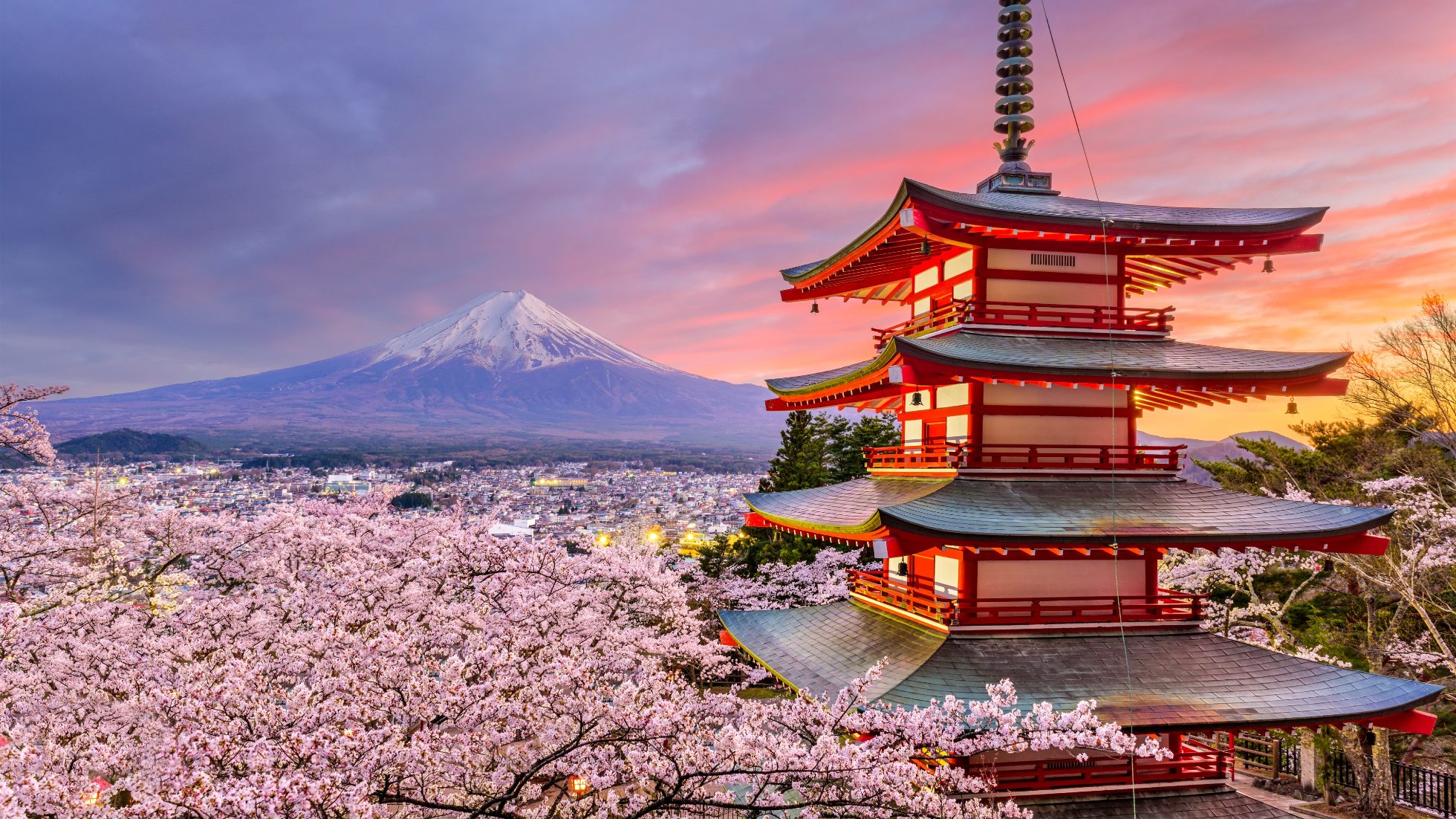
Japan's nature is stunning, especially during cherry blossom season (late March-April) or autumn foliage (October-November), with iconic views of Mount Fuji and serene landscapes like the Arashiyama Bamboo Grove. Hokkaido offers vast wilderness, and Okinawa boasts beautiful beaches. However, Malaysia truly shines with its incredible biodiversity and varied natural landscapes. Borneo's ancient rainforests are home to orangutans (e.g., Sepilok Orangutan Rehabilitation Centre, entry RM30/~$6.50 USD), proboscis monkeys, and diverse birdlife. The Perhentian Islands and Langkawi offer pristine white-sand beaches and crystal-clear waters perfect for snorkeling and diving. Taman Negara is one of the oldest rainforests in the world, with canopy walks and jungle trekking. The sheer variety of ecosystems, from dense jungles to idyllic islands and massive cave systems like Mulu, gives Malaysia the edge for raw, untamed natural beauty and wildlife encounters. "I saw orangutans in the wild in Borneo, then snorkeled with turtles in Perhentians. Malaysia's nature is just next level, so much wildlife!" — u/wildlifejunkie
Winner takeaway
- Winner: Malaysia
- Why: Malaysia boasts unparalleled biodiversity, ancient rainforests, unique wildlife, and stunning tropical islands, offering a wider range of natural adventures.
- Who this matters for: Nature lovers, wildlife enthusiasts, hikers, divers, and those seeking tropical adventures.
🚄 Getting Around
Japan's transportation system is the gold standard globally. The Shinkansen (bullet train) connects major cities at incredible speeds and punctuality – a trip from Tokyo to Kyoto takes just over 2 hours and costs around ¥13,000 (~$85 USD). City subways and JR lines are incredibly extensive, clean, and easy to navigate with a Suica or Pasmo card. Buses cover local routes. You rarely need a car. Malaysia's system is functional but less integrated. Kuala Lumpur has LRT, MRT, and monorail lines, which are modern and efficient within the city. Intercity travel relies heavily on comfortable and affordable long-distance buses (e.g., KL to Penang for RM40-RM60 / ~$8-13 USD) or the slower KTM train network. Ride-sharing apps like Grab are hugely popular and cheap, often costing RM10-RM20 (~$2-4 USD) for a city ride. While Malaysia is affordable, Japan's seamless, punctual, and technologically advanced public transport network makes getting around an absolute breeze, saving precious travel time and stress. "The Japanese train system is pure magic. Never once was it late, always spotless, and got me everywhere without a hitch. Malaysia was more of a 'figure it out' vibe with Grab." — u/trainfanatic
Winner takeaway
- Winner: Japan
- Why: Japan's public transportation is unmatched in efficiency, punctuality, and coverage, making travel seamless and stress-free.
- Who this matters for: Efficiency seekers, first-time international travelers, and those who prefer not to drive.
🏨 Accommodation
Japan offers a fascinating array of accommodation. You can experience a traditional ryokan with an onsen for ¥20,000-¥50,000 (~$130-330 USD) a night, a quirky capsule hotel for ¥3,000-¥6,000 (~$20-40 USD), or a standard business hotel for ¥8,000-¥15,000 (~$55-100 USD). Quality is consistently high, even at lower price points. Malaysia, however, delivers exceptional value. In Kuala Lumpur, you can find a stylish 4-star hotel with a rooftop pool for RM200-RM400 (~$40-85 USD), or a clean, comfortable guesthouse in Penang for RM80-RM150 (~$17-32 USD). Hostels are plentiful and often well-equipped, starting from RM30-RM60 (~$6-13 USD) a night. On the islands, beachfront chalets offer great deals. For the same budget, you'll get significantly more space, amenities, and often luxury in Malaysia than in Japan. "My hostel in KL was nicer than some hotels I've stayed in for triple the price. Japan was great but my wallet cried a little more for a tiny room." — u/budgetglobetrotter
Winner takeaway
- Winner: Malaysia
- Why: Malaysia provides significantly better value for accommodation across all budget ranges, offering more luxurious stays for less money.
- Who this matters for: Budget travelers, those seeking luxury on a smaller budget, and families needing more space without breaking the bank.
🔒 Safety
Japan is renowned as one of the safest countries in the world. You can comfortably walk alone at night in major cities like Tokyo or Osaka, leave your bag unattended briefly at a cafe (though not recommended anywhere), and lost items are often returned. Crime rates are exceptionally low. The biggest 'dangers' are often natural disasters like earthquakes, though infrastructure is built to withstand them. Malaysia is generally safe for travelers, particularly in well-trodden tourist spots like Kuala Lumpur, Penang, and Langkawi. However, like any developing country, petty crime such as snatch theft (especially from motorbikes) and pickpocketing can occur in crowded markets or busy areas. It's advisable to be more vigilant with belongings and avoid walking alone in poorly lit areas at night, especially in larger cities. While serious violent crime against tourists is rare, the pervasive sense of security and trust in Japan is unparalleled. "I accidentally left my wallet on a train in Japan and it was returned to me, untouched, within hours. That just doesn't happen most places." — u/honestyiskey
Winner takeaway
- Winner: Japan
- Why: Japan boasts an incredibly low crime rate and a pervasive sense of public safety and honesty, making it one of the safest destinations globally.
- Who this matters for: Solo female travelers, families with children, first-time international travelers, and anyone prioritizing peace of mind.
🏖️ Beaches & Islands
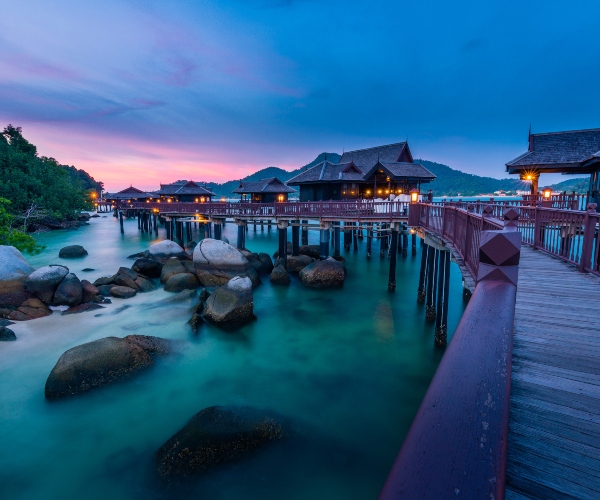
While Japan does have beautiful beaches, primarily found in the subtropical Okinawa archipelago, they require an extra flight from the mainland and can be quite expensive. Okinawa offers fantastic diving, coral reefs, and a laid-back island vibe distinct from mainland Japan. A flight from Tokyo to Naha, Okinawa can cost ¥10,000-¥25,000 (~$65-170 USD) return. Malaysia, on the other hand, is a beach and island paradise. The Perhentian Islands (best from March-October) boast some of the most stunning, clear turquoise waters and soft white sands, perfect for snorkeling and diving, with budget-friendly accommodation from RM80-RM200 (~$17-43 USD) per night. Langkawi offers a more developed resort experience, duty-free shopping, and lush rainforest. Tioman Island is another gem. The accessibility and sheer number of truly idyllic tropical islands make Malaysia the clear winner for beach lovers. "Perhentian Islands absolutely blew my mind. Crystal clear water, cheap diving, felt like paradise. Japan's beaches in Okinawa were nice, but didn't have that same 'wow' factor or affordability." — u/islandhopper
Winner takeaway
- Winner: Malaysia
- Why: Malaysia offers a greater abundance of truly world-class, accessible, and affordable tropical islands with pristine beaches and excellent marine life.
- Who this matters for: Beach lovers, snorkelers, divers, sun-seekers, and those looking for a relaxing tropical escape.
🍻 Nightlife & Entertainment
Japan's nightlife is legendary, especially in cities like Tokyo. Shibuya, Shinjuku (Golden Gai's tiny bars), and Roppongi offer everything from massive nightclubs (entry ¥2,000-¥4,000 / ~$13-27 USD) to themed cafes, karaoke boxes (hourly rates around ¥1,000-¥2,000 / ~$7-14 USD per person), and cozy izakayas. The energy is electric, safe, and diverse enough for any preference. Alcohol prices can be higher than Malaysia, with a beer often ¥500-¥800 (~$3-5 USD). Malaysia's nightlife is concentrated primarily in Kuala Lumpur's Bukit Bintang and Changkat areas, offering rooftop bars, clubs, and pubs. Penang's George Town also has a growing scene. Outside these areas, especially in more conservative states, nightlife is minimal. Alcohol can be expensive due to sin taxes, with a beer often RM20-RM35 (~$4-7 USD) in a bar. While KL offers decent options, Japan's sheer scale, variety, and unique entertainment options (like themed bars or Pachinko parlors) make its nightlife a more compelling and accessible experience for all types of travelers. "Tokyo's nightlife is just insane, it never stops! From crazy themed bars to tiny whiskey dens, there's always something. KL was fun but felt smaller." — u/nightowl
Winner takeaway
- Winner: Japan
- Why: Japan offers a more extensive, diverse, and universally vibrant nightlife scene, with unique entertainment options and a strong sense of safety.
- Who this matters for: Party-goers, those seeking unique entertainment, and travelers who enjoy exploring vibrant urban scenes after dark.
✈️ Getting There (Flights)
Both countries are well-connected internationally, but the flight dynamics differ. Japan's major airports (Narita, Haneda, Kansai) receive direct flights from almost every major global city, offering convenience, especially from North America and Europe. However, these flights can be quite expensive, often ranging from $800-$1500 USD return from major Western hubs. Malaysia, specifically Kuala Lumpur International Airport (KLIA), is a powerhouse for budget travel. It's the primary hub for AirAsia, making internal flights around Southeast Asia incredibly cheap (often under $50 USD) and providing excellent value for long-haul flights, especially from the Middle East and parts of Europe, often around $600-$1000 USD return. For travelers coming from outside Asia, flight cost and directness will be a major factor. While Japan offers more direct routes from North America/Europe, Malaysia often presents significantly cheaper airfare options overall, particularly for those willing to connect or coming from within Asia. This makes it a tough call. "Found a direct flight to Tokyo for $1200, but a connecting flight to KL was only $700. Depends on where you're coming from and if you mind a layover." — u/flightdealhunter
Winner takeaway
- Winner: Tie
- Why: Japan offers more direct long-haul options, but Malaysia's status as a budget carrier hub makes it incredibly accessible and often cheaper, leading to a tie based on origin and budget.
- Who this matters for: Travelers from specific regions, those prioritizing directness vs. cost, and those combining with other Asian destinations.
❓ Frequently Asked Questions
Which country is better for a solo traveler?
Japan is incredibly safe, efficient, and welcoming for solo travelers, though it can feel a bit isolating at times. Malaysia is also generally safe, offers more social opportunities in hostels, and is easier on a solo budget. Both are excellent, but Japan takes a slight edge for its sheer ease and safety.
What's the best time of year to visit each country?
For Japan, spring (March-May) for cherry blossoms or autumn (September-November) for fall foliage. Summers are hot and humid, winters can be cold. For Malaysia, generally May-September for the east coast islands (Perhentian, Tioman) and November-February for the west coast (Langkawi, Penang) and mainland, avoiding the heaviest monsoon seasons.
Is English widely spoken in Japan or Malaysia?
In Malaysia, English is widely spoken, especially in urban areas and tourist zones, making communication very easy. In Japan, English proficiency varies; while major tourist hubs have English signs and some staff speak it, it's less common overall, and having a translation app or basic Japanese phrases is highly recommended.
Which country offers better shopping?
Japan offers a unique shopping experience from high-tech gadgets and fashion in Tokyo's Shibuya to traditional crafts in Kyoto. Malaysia offers excellent value for money with duty-free goods in Langkawi, bustling markets, and modern malls in KL, especially for electronics and clothing. It depends on what you're looking for – unique finds in Japan, or bargains in Malaysia.
Are there any major visa differences for common nationalities (e.g., US, UK, EU citizens)?
Generally, citizens from the US, UK, and EU can enter both Japan and Malaysia visa-free for short tourist stays (e.g., 90 days for Japan, 90 days for Malaysia). Always check the latest visa requirements for your specific nationality before travel, as policies can change.
Which country is better for families with young children?
Japan's safety, cleanliness, and efficiency make it very family-friendly, with excellent public facilities and attractions like Ghibli Museum or Tokyo Disney. Malaysia is also good for families, offering resorts, beaches, and wildlife, often at a lower cost, but might require more planning for transport and safety vigilance.
What's the internet and connectivity like in both countries?
Both countries offer excellent internet connectivity. Japan has widely available free Wi-Fi in cities and hotels, and pocket Wi-Fi rentals are popular. Malaysia also has good mobile data coverage (4G/5G) and readily available SIM cards, plus Wi-Fi in most accommodations and cafes. You'll stay connected easily in either.
Can I easily find vegetarian/vegan food in Japan or Malaysia?
Finding vegetarian/vegan food in Japan can be a challenge, especially outside major cities, as dashi (fish broth) is prevalent. However, awareness is growing, and more options are appearing. Malaysia, with its diverse Indian and Chinese populations, has abundant and delicious vegetarian and vegan options, especially in Indian restaurants and Buddhist vegetarian eateries, making it much easier for plant-based diets.
Ready to plan your Southeast Asian adventure?
Get a free custom itinerary for Japan, Malaysia, or both — built from real traveler insights and personalized to your style.
🎟️ Book Tours & Experiences
Hand-picked tours and activities for both destinations — book with free cancellation
Experiences via Viator — free cancellation on most tours