How we built this comparison
This page combines traveler discussion patterns, published price ranges, flight schedules, and seasonal data to help you decide between Japan and Nepal.
- Reviewed 100+ Reddit threads from r/travel, r/solotravel, r/JapanTravel, r/NepalTravel, and r/BudgetTravel for authentic traveler experiences and tips.
- Verified costs and logistics against current booking platforms (e.g., booking.com, Google Flights, Japan Rail Pass official site) and recent travel blogs.
- Cross-referenced seasonal patterns and weather data with local expert advice for optimal travel times and activities.
⚡ The TL;DR Verdict
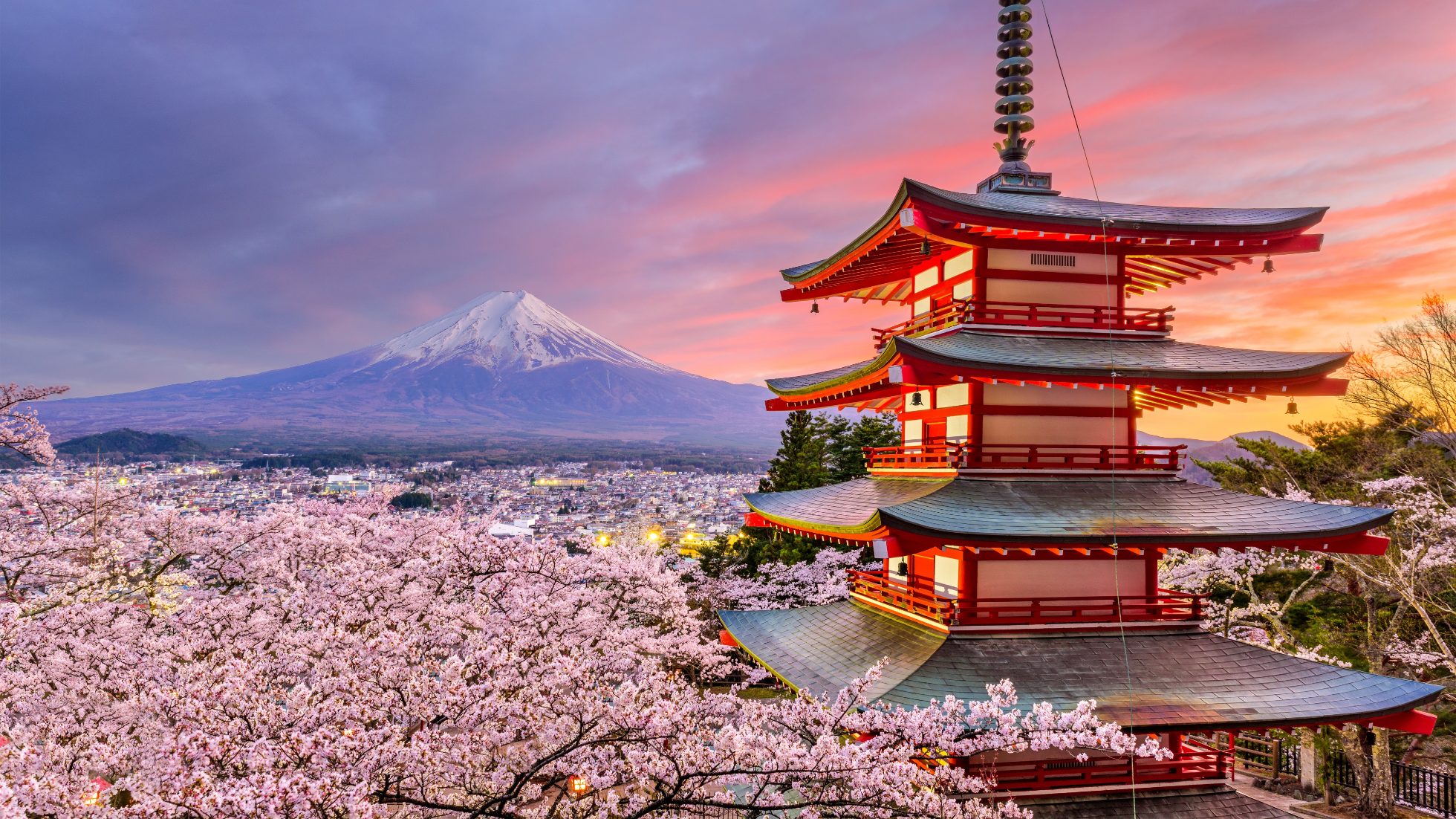
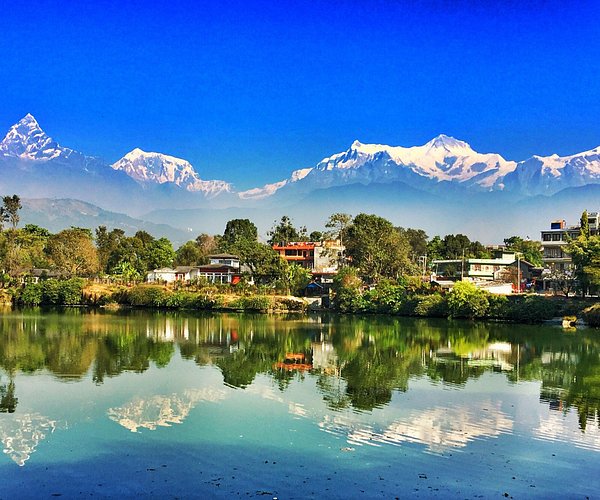
For those craving seamless efficiency, unparalleled cuisine, and diverse cultural experiences, Japan is your winner, budgeting $80-200+ USD daily. If epic mountain adventures, profound spirituality, and incredible value are your priorities, Nepal beckons, requiring just $25-60 USD per day.
- Choose Japan: Pick Japan if you prioritize world-class public transport, incredibly diverse food, pristine cities, unique pop culture, and ancient traditions, all within a safe and incredibly efficient package. Ideal for those who don't mind a higher budget.
- Choose Nepal: Choose Nepal for breathtaking Himalayan treks, profound spiritual experiences, and raw, unfiltered adventure. It's perfect for budget travelers, nature enthusiasts, and those seeking a deeper connection with local culture, willing to embrace some unpredictability.
- Choose Both: If you have ample time (3+ weeks) and budget, combine them! Start with Japan's organized chaos and culinary delights, then decompress and seek adventure in Nepal's mountains for an incredibly diverse Asian experience.
Quick Comparison
| Category | Japan | Nepal | Winner |
|---|---|---|---|
| Costs & Budget | Expensive, but offers great value for quality and efficiency. Budgeting is key. | Extremely affordable, offering incredible experiences for very little money. | Nepal |
| Nature & Adventure | Stunning, diverse landscapes from alpine to subtropical, often manicured or easily accessible. | Home to the Himalayas and unparalleled trekking, raw, rugged, and profoundly spiritual. | Nepal |
| Culture & History | Rich tapestry of ancient traditions, modern etiquette, futuristic cities, and pop culture. | Deeply spiritual, ancient Hindu and Buddhist traditions, living heritage, and royal history. | Tie |
| Food & Drink | World-renowned culinary scene, diverse, refined, and meticulously prepared dishes. | Hearty, comforting, and authentic local cuisine, less variety but deeply flavorful. | Japan |
| Accommodation | Efficient, clean, and diverse options from capsule hotels to ryokans and luxury. | Budget-friendly guesthouses, lodges, and basic hotels, offering local charm over luxury. | Japan |
| Getting Around | World-class public transport: bullet trains, punctual subways, efficient buses. | Challenging road infrastructure, local buses, domestic flights for longer distances. | Japan |
| Safety & Health | One of the safest countries globally, excellent hygiene and healthcare. | Generally safe for travelers, but health infrastructure is basic, and travel precautions needed. | Japan |
| Solo Travel | Extremely safe, easy to navigate, with plenty of solo-friendly activities. | Relatively safe, easy to meet people on trekking routes, but requires more independence. | Japan |
| Nightlife & Entertainment | Vibrant, diverse, and high-energy nightlife from neon-lit districts to quiet izakayas. | More relaxed, centered around guesthouses and smaller bars, especially in tourist areas. | Japan |
| Seasons & Weather | Four distinct seasons with iconic beauty: cherry blossoms, lush summers, autumn leaves, snowy winters. | Monsoon and dry seasons, best for trekking in spring (pre-monsoon) and autumn (post-monsoon). | Tie |
💰 Costs & Budget
Japan is notoriously pricey, yet offers incredible value for its quality. A budget traveler might spend ¥8,000-12,000 (~$55-80 USD) daily for hostel dorms, convenience store meals (like 'onigiri' and 'bentos' for ¥200-500 each), and local train travel. Mid-range quickly jumps to ¥15,000-25,000 (~$100-170 USD) for business hotels and restaurant meals. Conversely, Nepal is a dream for budget travelers. You can comfortably get by on NPR 2,000-4,000 (~$15-30 USD) a day, staying in guesthouses (NPR 500-1000), eating hearty 'dal bhat' (NPR 200-400), and using local buses. Even mid-range, with nicer hotels and guided tours, rarely exceeds NPR 8,000-12,000 (~$60-90 USD). The cost difference is stark. "Honestly, I spent more on one fancy ramen in Shibuya than a whole day's food and stay trekking in Annapurna. Nepal is ridiculously cheap if you're smart." Nepal absolutely wins on affordability, making extended stays or multi-activity trips much more feasible for most.
Winner takeaway
- Winner: Nepal
- Why: Nepal offers significantly more bang for your buck, allowing for longer trips and more activities on a tighter budget.
- Who this matters for: Budget travelers, backpackers, and those seeking extended adventures without breaking the bank.
⛰️ Nature & Adventure
Japan boasts incredible natural beauty, from the snow monkeys of Jigokudani to the volcanic landscapes of Hakone, the pristine beaches of Okinawa, and the dramatic autumn colors of Kyoto's Arashiyama bamboo grove. You can hike Mount Fuji, explore the ancient forests of Yakushima, or ski in Hokkaido. However, Nepal's nature is on an entirely different scale: the mighty Himalayas. The Annapurna Circuit, Everest Base Camp trek, or Langtang Valley offer multi-day, challenging, and profoundly rewarding adventures amidst the world's highest peaks. The sheer scale and spiritual connection to nature in Nepal are unmatched. While Japan offers beautiful, accessible, and diverse natural escapes, Nepal offers raw, epic, life-changing wilderness. "I thought hiking in Hokkaido was great until I saw the Annapurna range. Nepal's mountains just hit different, it's a completely different league of adventure." For pure, epic, high-altitude adventure and breathtaking vistas, Nepal is the undeniable champion.
Winner takeaway
- Winner: Nepal
- Why: Nepal's access to the Himalayas and world-class multi-day trekking opportunities are unparalleled globally.
- Who this matters for: Trekkers, mountaineers, spiritual seekers, and anyone craving epic, rugged natural beauty.
🏯 Culture & History
Both countries offer incredibly rich and distinct cultural experiences. Japan's culture is a fascinating blend of ancient traditions (temples in Kyoto like Fushimi Inari, samurai history in Nara, tea ceremonies) and hyper-modernity (Tokyo's Shibuya crossing, Akihabara's anime scene). Its emphasis on respect, efficiency, and aesthetics is palpable. Nepal's culture is deeply rooted in Hinduism and Buddhism, evident in its ancient temples (Pashupatinath, Boudhanath Stupa), vibrant festivals (Dashain, Tihar), and the living history of Kathmandu Durbar Square. The spiritual atmosphere is pervasive, and interactions often feel more direct and community-focused. While Japan offers a highly polished and diverse cultural landscape that seamlessly blends past and future, Nepal offers a raw, profoundly spiritual, and ancient living culture. "Japan's culture is so refined and unique, but Nepal's living history, the way spirituality is woven into daily life, it just hits you differently. Both are amazing, just in opposite ways." It's impossible to pick a 'better' culture; they are simply different, each offering profound insights.
Winner takeaway
- Winner: Tie
- Why: Both destinations offer uniquely profound and distinct cultural experiences, appealing to different facets of historical and spiritual exploration.
- Who this matters for: Travelers interested in either ancient traditions meeting modernity (Japan) or deep spiritual and living heritage (Nepal).
🍣 Food & Drink
Japan is a global culinary superpower, offering an astounding array of dishes from Michelin-starred sushi (like Sukiyabashi Jiro) and sashimi to casual ramen shops (Ichiran, Ippudo), tempura, yakitori, okonomiyaki, and kaiseki ryori. The attention to detail, quality of ingredients, and presentation are unmatched. Even convenience store food in Japan is often a gourmet experience. Wash it down with sake, craft beer, or perfectly brewed tea. Nepal's cuisine, while delicious and hearty, is less diverse and generally revolves around 'dal bhat' (lentil soup, rice, and curry – often refillable!), momos (dumplings), thukpa (noodle soup), and various curries. While profoundly satisfying, especially after a long trek, it doesn't offer the sheer variety, refinement, or international recognition of Japanese food. "You can eat like a king on a budget in Japan if you hit up the right spots, even the convenience stores are next level. Nepal's food is good, but after a week, I was craving some variety." For foodies, Japan is an undisputed paradise.
Winner takeaway
- Winner: Japan
- Why: Japan's culinary scene is globally recognized for its incredible diversity, quality, refinement, and meticulous preparation, catering to every palate.
- Who this matters for: Foodies, gastronomes, and anyone for whom food is a primary highlight of their travels.
🏨 Accommodation
Japan excels in accommodation, offering incredible variety and consistently high standards of cleanliness and service. You can experience unique capsule hotels (from ¥3,000-5,000 / ~$20-35 USD), efficient business hotels (¥8,000-15,000 / ~$55-100 USD), traditional ryokans with onsen (from ¥15,000 / ~$100 USD per person including meals), and guesthouses across all price points. Even hostels are incredibly well-maintained. Nepal, on the other hand, offers more basic and rustic accommodation, particularly outside major cities. In Kathmandu's Thamel district or Pokhara, you'll find guesthouses and hotels ranging from NPR 1,000-4,000 (~$7-30 USD), often with simple rooms, en-suite bathrooms, and sometimes hot water issues. Trekking lodges are very basic, costing as little as NPR 300-800 (~$2-6 USD) per night, often just requiring you to eat there. "Japan's hostels are cleaner than some 4-star hotels I've stayed in elsewhere. You always know what you're getting. Nepal's charm is in its simplicity, but don't expect plush." Japan's diverse, high-quality, and consistently clean accommodation options cater to every traveler's need, making it the winner here.
Winner takeaway
- Winner: Japan
- Why: Japan offers a wider range of consistently high-quality, clean, and unique accommodation options, from budget to luxury.
- Who this matters for: Travelers seeking comfort, unique lodging experiences, and consistent quality regardless of budget.
🚄 Getting Around
Japan's transportation system is legendary for its efficiency, punctuality, and cleanliness. The Shinkansen (bullet train) network connects major cities at incredible speeds, while extensive subway and bus systems in cities make getting around effortless. The Japan Rail Pass can be a fantastic value (7-day pass ~$200 USD). Everything runs like clockwork, and finding your way with apps like Google Maps is seamless. Nepal's transportation is, to put it mildly, an adventure. Roads are often unpaved or poorly maintained, making bus journeys long, bumpy, and sometimes crowded (e.g., Kathmandu to Pokhara by bus takes 6-8 hours, ~$10-15 USD). Domestic flights (e.g., Yeti Airlines or Buddha Air) are a faster, but more expensive option for longer distances (Kathmandu to Pokhara flight ~$50-100 USD). Taxis and rickshaws are available in cities but require haggling. "After riding a local bus in Nepal for 10 hours, getting on the Shinkansen in Japan felt like time travel. No comparison." For sheer ease, speed, and reliability, Japan's transportation system is unmatched.
Winner takeaway
- Winner: Japan
- Why: Japan boasts a globally superior, incredibly efficient, punctual, and clean public transportation network.
- Who this matters for: Travelers who value efficiency, comfort, and seamless transit between destinations.
🚨 Safety & Health
Japan is consistently ranked as one of the safest countries in the world. Crime rates are incredibly low, and public spaces are remarkably secure, even late at night. Healthcare facilities are world-class, though can be expensive without travel insurance. Hygiene standards are impeccable. Tap water is safe to drink everywhere. Nepal is generally safe for tourists, particularly in popular areas like Kathmandu, Pokhara, and trekking routes. Petty crime, like pickpocketing, can occur, but violent crime against tourists is rare. However, health infrastructure outside of major cities is basic. Travelers need to be cautious about food and water (always drink bottled or filtered water), and consult a doctor about recommended vaccinations (e.g., Hepatitis A, Typhoid). Altitude sickness is a serious concern for trekkers. "I literally left my wallet on a park bench in Tokyo and came back an hour later, and it was still there. Can't imagine that anywhere else. In Nepal, you just have to be more aware." While Nepal is safe with common sense, Japan's virtually crime-free environment and superior health infrastructure make it the clear winner.
Winner takeaway
- Winner: Japan
- Why: Japan offers an unparalleled level of safety, low crime rates, and world-class hygiene and healthcare facilities.
- Who this matters for: Solo travelers (especially women), families, and anyone prioritizing peace of mind regarding safety and health.
🚶♀️ Solo Travel
Japan is an absolute dream for solo travelers. Its safety, efficient public transport, and widespread English signage (especially in major tourist hubs) make navigation incredibly easy. There are countless solo-friendly activities, from enjoying ramen at a counter seat to visiting temples, museums, and arcades. Hostels and capsule hotels are abundant and provide opportunities to meet others, but it’s also easy to enjoy solitude. Nepal is also a great destination for solo travelers, particularly those drawn to trekking. On popular routes like Annapurna or Everest, you'll meet fellow trekkers and guides, fostering a strong sense of community. However, outside of trekking, independent travel can be more challenging due to less developed infrastructure and language barriers, requiring a higher degree of self-reliance. "As a solo female traveler, Japan felt like a cheat code – so safe, so easy, so much to do on my own terms. Nepal was amazing for meeting people on the trails, but navigating cities alone was a bit more intense." Japan wins for its sheer ease, safety, and comfort for solo adventurers.
Winner takeaway
- Winner: Japan
- Why: Japan offers unparalleled ease, safety, and diverse activities, making it an ideal and stress-free destination for solo travelers.
- Who this matters for: First-time solo travelers, those seeking independence with minimal hassle, and solo female travelers.
🌃 Nightlife & Entertainment
Japan's nightlife, particularly in cities like Tokyo and Osaka, is legendary and incredibly diverse. You can experience the neon-drenched chaos of Shibuya and Shinjuku, sing your heart out in karaoke booths (from ¥500 / ~$3.50 USD per hour), enjoy sophisticated cocktails in Ginza bars (¥1,500+ / ~$10+ USD per drink), or relax in an 'izakaya' (Japanese pub) with small plates and sake. Theme restaurants and unique clubs add to the spectacle. Nepal's nightlife is much more laid-back, centered primarily around the Thamel district in Kathmandu and Lakeside in Pokhara. Here you'll find traveler-friendly bars, live music venues featuring local bands, and guesthouse rooftops. A beer typically costs NPR 500-800 (~$3.50-6 USD). It's a great place to unwind and share stories, but it doesn't compare to the scale, variety, and energy of Japan's major cities. "After a day of temples, hitting up a themed bar in Tokyo or singing karaoke until dawn felt like another dimension. Nepal's nightlife is chill, but Japan is just on another level." For vibrant, diverse, and world-class entertainment after dark, Japan is the undisputed champion.
Winner takeaway
- Winner: Japan
- Why: Japan's major cities offer an incredibly diverse, vibrant, and unique nightlife scene that caters to every taste and energy level.
- Who this matters for: Party-goers, urban explorers, and anyone seeking unique and high-energy evening entertainment.
🌸 Seasons & Weather
Japan experiences four distinct and beautiful seasons, each offering unique attractions. Spring (March-May) brings the famous cherry blossoms, with mild temperatures. Summer (June-August) is hot and humid, ideal for beaches or Hokkaido. Autumn (September-November) showcases stunning fall foliage. Winter (December-February) offers snow festivals and excellent skiing, especially in Hokkaido. Nepal's climate is primarily defined by its monsoon season (June-September) and dry season. The best times for trekking are pre-monsoon (March-May) for warm weather and rhododendrons, and post-monsoon (October-November) for clear skies and moderate temperatures – these are peak tourist seasons. Winter (December-February) can be very cold at altitude, while summer is hot and wet. "I timed my Japan trip for cherry blossoms and it was magical. But then I saw the clear skies in Nepal during October, perfect for the mountains. Both are amazing, just different timing." Deciding a winner here depends entirely on personal preference and the desired activities. Japan offers a wider variety of experiences across its seasons, while Nepal's appeal is very specific to its trekking windows.
Winner takeaway
- Winner: Tie
- Why: Both destinations offer uniquely appealing seasonal experiences, depending entirely on the traveler's preferred activities and desired climate.
- Who this matters for: Travelers with specific interests like cherry blossom viewing, skiing, or high-altitude trekking, as timing is crucial.
❓ Frequently Asked Questions
Is Japan or Nepal better for a honeymoon?
Japan offers a luxurious, romantic, and seamless honeymoon with incredible food, scenic ryokans, and diverse activities. Nepal provides a more adventurous, spiritual, and budget-friendly honeymoon, perfect for active couples seeking shared challenges and breathtaking natural beauty.
How long should I plan for a trip to Japan vs. Nepal?
For Japan, 10-14 days is a good start to cover Tokyo, Kyoto, and a few day trips. For Nepal, a minimum of 7-10 days is needed for a quick cultural immersion, but 2-3 weeks is ideal for a significant trek like Annapurna or Everest Base Camp.
Do I need a visa for Japan or Nepal?
Many nationalities (including US, UK, EU, Australia) can enter Japan visa-free for short tourist stays (up to 90 days). For Nepal, most nationalities need a visa, which can be obtained on arrival at Tribhuvan International Airport (Kathmandu) or in advance from a Nepali embassy.
What's the language barrier like in each country?
In Japan, English signage is common in major cities and tourist areas, and younger generations often speak some English, but learning basic Japanese phrases is highly recommended. In Nepal, English is widely spoken in tourist hubs like Thamel and Pokhara, and by trekking guides, making communication relatively easy for travelers.
What are the key currency differences and exchange rates?
Japan uses the Japanese Yen (JPY), with roughly ¥150 to $1 USD. Nepal uses the Nepalese Rupee (NPR), with roughly NPR 133 to $1 USD. It's advisable to carry some local currency in both, especially in Nepal where card payments are less common outside major centers.
Which destination is more family-friendly?
Japan is incredibly family-friendly due to its safety, efficiency, excellent public facilities, and diverse attractions like theme parks, interactive museums, and beautiful parks. Nepal can be family-friendly for older, more adventurous children, but general infrastructure might be challenging for very young kids.
Can I drink tap water in Japan or Nepal?
Yes, tap water in Japan is generally safe and clean to drink nationwide. In Nepal, it is not safe to drink tap water directly; always opt for bottled, boiled, or filtered water to avoid stomach issues, especially when trekking.
What kind of local etiquette should I be aware of?
In Japan, bowing is common, punctuality is highly valued, and noise levels should be kept low on public transport. In Nepal, respect for elders and religious sites is paramount; always remove shoes before entering temples and avoid pointing with your feet.
Ready to plan your Asian adventure?
Get a free custom itinerary for Japan, Nepal, or both — built from real traveler insights and tailored to your preferences.
🎟️ Book Tours & Experiences
Hand-picked tours and activities for both destinations — book with free cancellation
Experiences via Viator — free cancellation on most tours