How we built this comparison
This page combines traveler discussion patterns, published price ranges, flight schedules, and seasonal data to help you decide between Japan and Philippines.
- Reviewed 50+ Reddit threads from r/travel, r/solotravel, r/japantravel, r/Philippines, and r/digitalnomad
- Verified costs and logistics against current booking platforms (Booking.com, Agoda, Skyscanner, JR Pass official site)
- Cross-referenced seasonal patterns and weather data from meteorological organizations
- Incorporated personal travel experiences and insights from experienced globetrotters
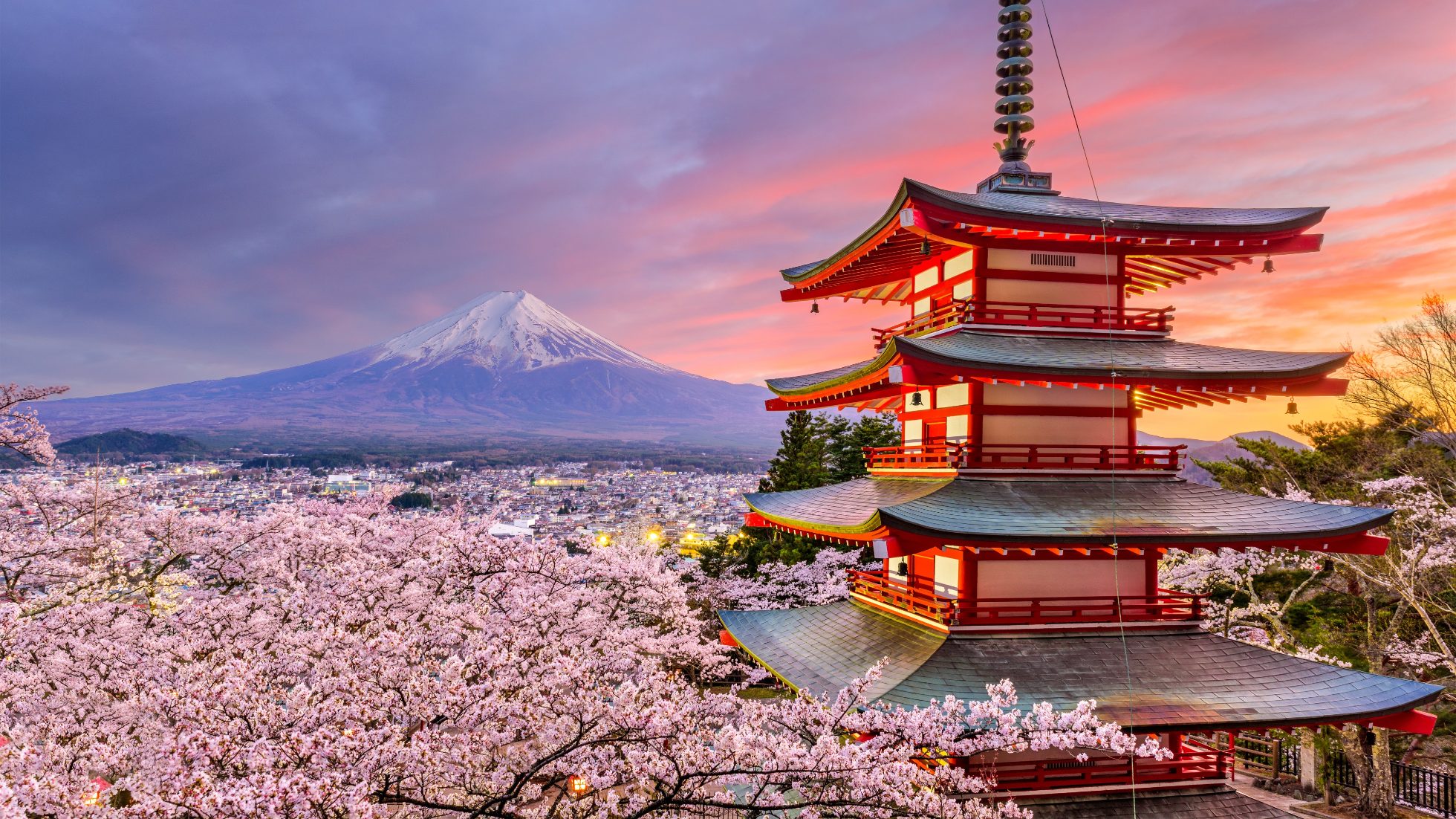
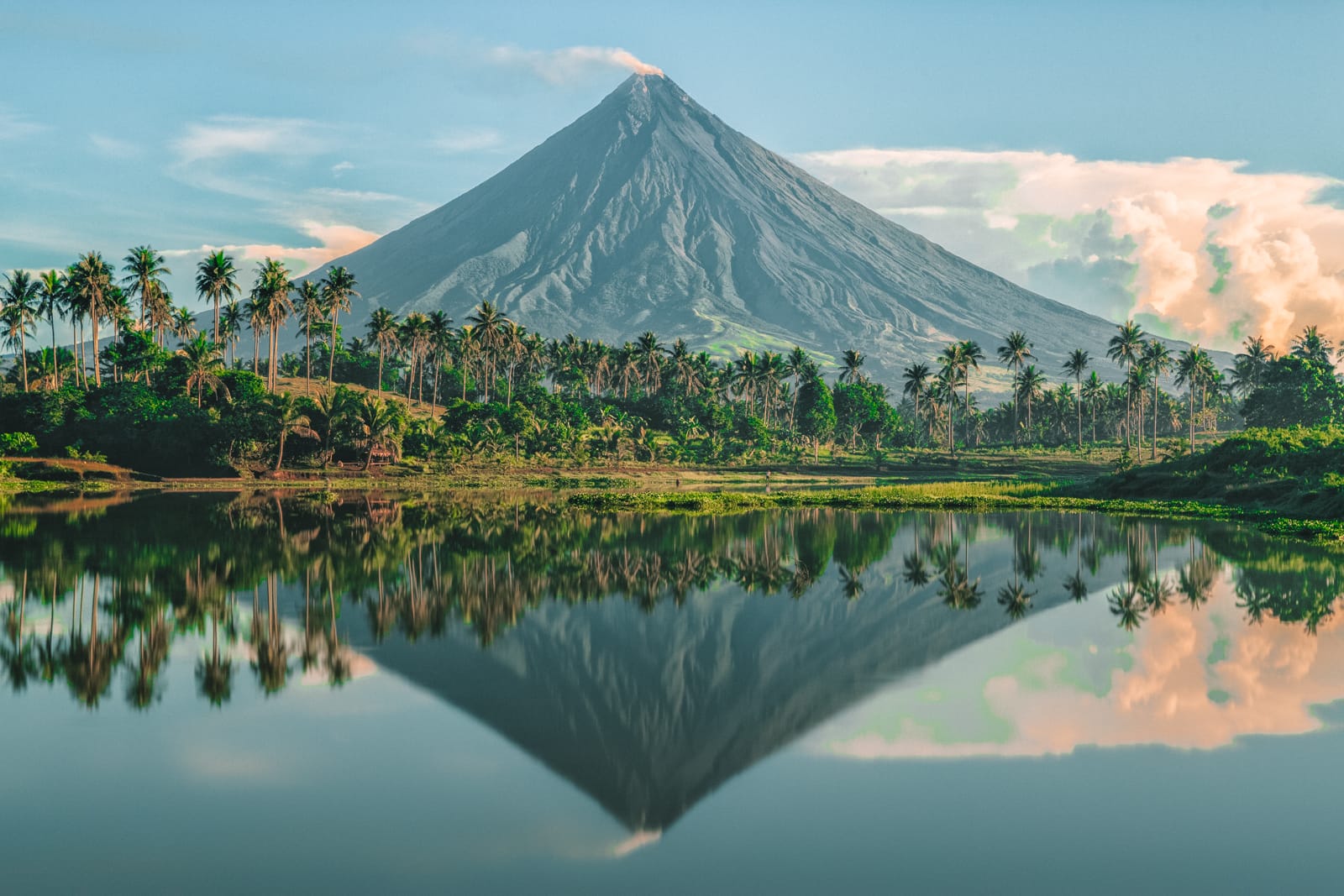
⚡ The TL;DR Verdict
If you crave pristine efficiency, unique culture, and world-class culinary experiences with a mid-range to high budget ($70-$150+/day), Japan is your pick. For stunning beaches, vibrant marine life, and incredible value for money ($25-$60/day) with a more laid-back, adventurous spirit, the Philippines awaits. Both offer unforgettable journeys, but cater to distinctly different travel styles and budgets.
- Choose Japan: You prioritize safety, exceptional public transport, unique cultural immersion, gourmet food, and don't mind a higher daily spend. Perfect for meticulous planners and culture enthusiasts.
- Choose Philippines: You're seeking pristine beaches, island hopping adventures, friendly locals, incredible snorkeling/diving, and want your travel budget to stretch further. Ideal for nature lovers and spontaneous explorers.
- Choose Both: If you have 3+ weeks and crave a diverse Asian experience, combine them! Start with Japan's bustling cities and cultural sites, then unwind on the Philippines' beaches. Budget-wise, doing both means saving on flights from Japan to the Philippines (often direct and affordable).
Quick Comparison
| Category | Japan | Philippines | Winner |
|---|---|---|---|
| Costs & Budget | Significantly higher costs for accommodation, transport, and dining. Budget travelers need to be savvy with food choices and passes. | Extremely budget-friendly for accommodation, food, and local transport. Can travel comfortably on a shoestring budget. | Philippines |
| Beaches & Nature | Okinawa offers beautiful beaches, and Hokkaido stunning national parks, but not the iconic tropical paradise feel. | World-renowned for pristine white-sand beaches, crystal-clear waters, and abundant marine life perfect for diving/snorkeling. | Philippines |
| Culture & History | Deeply rich, ancient traditions interwoven with modern society. Temples, shrines, unique arts, historical sites like Hiroshima. | A blend of indigenous, Spanish colonial, and American influences. More laid-back and less overtly formal. | Japan |
| Food Scene | World-class cuisine from Michelin-starred restaurants to incredible street food. Sushi, ramen, tempura, wagyu, izakayas. | Delicious, hearty, often vinegar-based and savory dishes. Adobo, Lechon, Sinigang, fresh seafood. Less global recognition. | Japan |
| Safety & Infrastructure | Extremely safe with virtually no petty crime. World-class, hyper-efficient public transportation and immaculate public spaces. | Generally safe for tourists, but petty crime is more common. Infrastructure can be challenging with inconsistent public transport and amenities. | Japan |
| Getting Around | Hyper-efficient and punctual public transport network (trains, subways). JR Pass is excellent for inter-city travel. | Relies on local transport like tricycles, jeepneys, buses, and ferries. Domestic flights are essential for island hopping. | Japan |
| Accommodation | Diverse, unique options from ryokans and capsule hotels to modern high-rises. High standards of cleanliness and service. | Wide range from budget hostels and guesthouses to luxury beachfront resorts. Value for money is excellent. | Japan |
| Nightlife & Entertainment | Vibrant and diverse, from themed bars and karaoke boxes to traditional izakayas and high-energy clubs. Unique experiences. | Lively party scenes, especially in tourist hotspots like Boracay. Manila offers clubs and bars, often with live music. | Japan |
| Shopping | World-class shopping for electronics, fashion, unique souvenirs, anime/manga, and traditional crafts. | Known for handicrafts, pearls, local garments, and budget-friendly mall shopping. Less focus on high-end or niche. | Japan |
| Solo Travel & Digital Nomad Friendliness | Extremely safe, easy to navigate solo with efficient public transport. Less focus on digital nomad community, higher cost of living. | Friendly locals, strong expat community in some areas, very affordable. Infrastructure challenges for reliable work, less solo-friendly transport. | Japan |
💸 Costs & Budget
Japan is notoriously expensive, particularly for accommodation and inter-city travel. A basic hostel bed in Tokyo or Kyoto can run ¥3,000-¥5,000 ($20-$35 USD), while a mid-range hotel starts at ¥8,000-¥15,000 ($55-$100+). Food, while exceptional, adds up: a bowl of ramen is ¥800-¥1,200 ($5-$8), sushi sets ¥1,500-¥3,000 ($10-$20+). The JR Pass can save money for extensive travel but is a hefty upfront cost. Conversely, the Philippines offers incredible value. A private room in a decent guesthouse in Palawan or Boracay might cost ₱700-₱1,500 ($12-$25 USD). Street food is abundant and delicious; a meal like Chicken Adobo with rice is often ₱100-₱200 ($1.70-$3.50). Local transport like tricycles or jeepneys cost mere pesos, often ₱10-₱50 ($0.20-$1). Excursions like island hopping tours are typically ₱1,200-₱2,000 ($20-$35) including lunch. "Honestly, my 2 weeks in Palawan cost less than 4 days in Tokyo, and I ate like a king in the Philippines." The difference is stark.
Winner takeaway
- Winner: Philippines
- Why: The Philippines offers significantly more bang for your buck, making incredible experiences accessible to budget travelers.
- Who this matters for: Budget-conscious travelers, backpackers, and those seeking extended trips without breaking the bank.
🏖️ Beaches & Nature
The Philippines is a global titan for natural beauty, especially its beaches and marine environments. Destinations like El Nido and Coron in Palawan boast towering limestone karsts, secret lagoons, and vibrant coral reefs, making them ideal for island hopping (Tour A, B, C, D in El Nido are legendary, costing around ₱1,200-₱1,500 per tour). Boracay's White Beach is consistently ranked among the world's best. You can swim with whale sharks in Oslob (₱1,000/$17 fee) or explore the Chocolate Hills in Bohol. Japan has its own beauty, with the subtropical islands of Okinawa offering lovely beaches like Yonaha Maehama and emerald waters, but they generally lack the dramatic, iconic 'paradise' feel of the Philippines. Japan's nature excels in its mountainous landscapes, like the Japan Alps for hiking, or Hokkaido's national parks, but it's a different kind of natural appeal. "Boracay's White Beach felt like a postcard, nothing in Japan compares for that classic tropical vibe."
Winner takeaway
- Winner: Philippines
- Why: The Philippines offers a sheer quantity and quality of world-class tropical beaches, breathtaking island landscapes, and diverse marine biodiversity.
- Who this matters for: Beach lovers, divers, snorkelers, island hoppers, and anyone craving a classic tropical getaway.
⛩️ Culture & History
Japan's cultural depth is unparalleled and permeates every aspect of daily life, from its meticulous service to its serene gardens. Kyoto alone offers thousands of temples and shrines, including Fushimi Inari-taisha with its iconic torii gates and Kinkaku-ji (Golden Pavilion). The ancient samurai districts of Kanazawa, the solemn history of Hiroshima's Peace Memorial Park, and the vibrant geisha districts of Gion provide profound experiences. Traditional arts like tea ceremony, kabuki, and sumo wrestling are alive and accessible. The Philippines has a fascinating history, particularly in its Spanish colonial past evident in Intramuros, Manila (e.g., San Agustin Church, entry ₱200/$3.50). Indigenous cultures are preserved in places like the Banaue Rice Terraces (often called the 'Eighth Wonder of the World'), and the country's resilience and strong community spirit are palpable. However, the continuous, seamless thread of ancient traditions found in Japan, alongside its impeccably preserved historical sites, offers a more concentrated and diverse cultural immersion for most travelers. "Walking through Kyoto felt like stepping into a living museum, every corner had a story."
Winner takeaway
- Winner: Japan
- Why: Japan provides a more diverse, well-preserved, and deeply ingrained cultural experience, blending ancient traditions with modern life seamlessly.
- Who this matters for: History buffs, culture seekers, those interested in ancient traditions, art, and unique societal norms.
🍣 Food Scene
Japan is a culinary powerhouse, a true paradise for foodies. It boasts more Michelin stars than any other country and offers incredible variety at every price point. From perfectly crafted sushi at Tsukiji fish market (or Toyosu, for the inner market experience), to savory ramen bowls like Ichiran (around ¥900-¥1200), crispy tempura, melt-in-your-mouth Wagyu beef (steaks can be ¥5,000-¥10,000+), and vibrant street food in Osaka (takoyaki for ¥500). Izakayas offer a fantastic social dining experience. The Philippines has a wonderfully comforting and flavorful cuisine, characterized by savory, sour, and sometimes sweet notes. Iconic dishes include Adobo (chicken/pork braised in soy sauce and vinegar), Lechon (whole roasted pig, often costing ₱500-₱800 for a plate), Sinigang (sour soup), and fresh seafood grills. While incredibly tasty and satisfying, Filipino cuisine is less varied and globally celebrated than Japanese food. "I literally planned my Japan trip around eating. Every meal was an experience, from convenience store egg sando to fancy kaiseki."
Winner takeaway
- Winner: Japan
- Why: Japan offers an unparalleled culinary diversity, impeccable quality, and a global reputation for gastronomic excellence across all budgets.
- Who this matters for: Foodies, gourmands, those seeking unique culinary adventures, and anyone who loves high-quality ingredients and preparation.
🚨 Safety & Infrastructure
Japan is consistently ranked as one of the safest countries in the world. You can leave your bag unattended in a café without worry, and crime rates are remarkably low. The infrastructure is a marvel: the Shinkansen (bullet train) network is punctual to the second, urban subways are spotless and efficient, and public facilities are pristine. Even in bustling cities like Tokyo, navigating is a breeze. The Philippines, while largely safe for tourists, requires more vigilance. Petty theft, especially in crowded areas like Manila, is more common, and scams can occur. Public transport largely relies on localized options like jeepneys, tricycles, and buses, which can be chaotic and less reliable. Domestic flights connect islands efficiently but can face delays. Roads outside major cities are often less developed. While locals are incredibly friendly and helpful, the systemic efficiency and peace of mind Japan offers are unmatched. "I felt safer walking alone in Tokyo at 3 AM than I do in my own hometown. It's just a different world."
Winner takeaway
- Winner: Japan
- Why: Japan offers an unparalleled sense of safety, spotless public spaces, and highly efficient, reliable infrastructure.
- Who this matters for: Solo travelers (especially women), families, those prioritizing comfort, reliability, and peace of mind.
🚆 Getting Around
Getting around Japan is a dream. The Shinkansen connects major cities like Tokyo, Kyoto, and Hiroshima at incredible speeds, with services like the Nozomi reaching up to 300 km/h. The Japan Rail Pass (prices vary, e.g., 7-day pass ~¥50,000/$340 USD) is a fantastic value if you plan extensive inter-city travel. Local metro and bus systems are comprehensive, clean, and run on time, making navigation even for first-timers incredibly easy with apps like Google Maps. English signage is prevalent in major tourist areas. In the Philippines, travel is an adventure. Within towns, tricycles (₱10-₱50) and jeepneys (₱10-₱30) are the mainstays, offering a unique but often bumpy and crowded experience. Inter-island travel is primarily via domestic flights (e.g., Manila to Cebu for ₱1,500-₱3,000/$25-$50) or ferries, which can be slower and occasionally less reliable. While the local transport offers a true cultural immersion, it lacks the comfort, speed, and efficiency of Japan's network. "The JR Pass felt like a superpower in Japan; I could get anywhere so fast and easily. In the Philippines, every journey was a multi-step mission."
Winner takeaway
- Winner: Japan
- Why: Japan's public transportation system is a global benchmark for efficiency, punctuality, and ease of use, making travel seamless.
- Who this matters for: Travelers who prioritize efficient, stress-free transit, and prefer public transportation over self-driving or constant taxi negotiation.
🏨 Accommodation
Japan truly excels in offering unique and meticulously maintained accommodation options. You can experience a traditional ryokan (Japanese inn, often ¥15,000-¥30,000/$100-$200+ per night including meals) with tatami mats and futons, unwind in an onsen (hot spring), or try a futuristic capsule hotel (¥3,000-¥6,000/$20-$40). Business hotels are compact but efficient and spotless, starting from ¥8,000 ($55). The level of cleanliness and service, even in budget options, is consistently high. The Philippines offers fantastic value, especially for beachfront stays. You can find basic guesthouses for ₱700-₱1,500 ($12-$25), charming bungalows for ₱2,000-₱4,000 ($35-$70), or indulge in luxurious resorts in places like El Nido or Boracay (₱8,000-₱20,000+/$140-$350+). While the resorts are incredible, budget accommodations might lack the consistent polish found in Japan. For sheer variety of unique, culturally significant, and immaculately kept lodging experiences, Japan takes the lead. "Sleeping in a ryokan in Hakone with a private onsen was an unforgettable highlight, way more unique than any hotel I've stayed in."
Winner takeaway
- Winner: Japan
- Why: Japan offers a broader range of truly unique and culturally immersive accommodation experiences, all with exceptional cleanliness and service standards.
- Who this matters for: Travelers seeking novel lodging experiences (ryokans, capsule hotels), and those who prioritize immaculate conditions.
🌃 Nightlife & Entertainment
Japan's nightlife is incredibly diverse and fascinating. Tokyo's Shibuya crossing is an iconic spectacle, while areas like Golden Gai in Shinjuku offer tiny, quirky themed bars where you can rub shoulders with locals (drinks usually ¥500-¥1,000/$3.50-$7). Karaoke boxes are a national pastime (hourly rates from ¥1,000-¥3,000 per person), and you can find everything from sophisticated jazz clubs to energetic dance clubs. Osaka's Dotonbori is a sensory overload of neon lights and street food. The Philippines offers a more straightforward party vibe, particularly in places like Boracay, where beachfront bars keep the party going late into the night. Manila has a growing club scene, especially in areas like Poblacion, Makati, with live bands and DJ sets. While the Philippines is great for a casual beach party, Japan's offerings are more varied, often more eccentric, and provide a deeper cultural insight into local social customs. "Golden Gai was wild, felt like I stumbled into a movie set, totally different from any bar scene anywhere else."
Winner takeaway
- Winner: Japan
- Why: Japan provides a more varied, unique, and culturally rich nightlife experience, from traditional izakayas to futuristic themed bars.
- Who this matters for: Those seeking unique social experiences, themed bars, karaoke, and a sophisticated urban nightlife.
🛍️ Shopping
Japan is a shopper's paradise. Tokyo's districts cater to every whim: Shinjuku for high fashion and department stores (e.g., Isetan), Akihabara for electronics and anime/manga (Mandarake, Yodobashi Camera), Harajuku for quirky street fashion, and Ginza for luxury brands. 'Don Quijote' stores (often called 'Donki') are massive discount stores selling everything imaginable, from snacks to cosmetics to electronics. Traditional crafts like pottery, textiles, and intricate wooden items can be found in Kyoto. The Philippines offers excellent value for local handicrafts, pearls (especially in Palawan, a good pearl can be ₱2,000-₱10,000+/$35-$170), and souvenir items. Large shopping malls like SM Megamall in Manila provide extensive options for clothing and electronics at generally lower prices than in Japan. However, for sheer variety, uniqueness, quality, and specialized niche markets, Japan significantly surpasses the Philippines. "I spent way too much in Akihabara; the amount of niche anime stuff and cool gadgets was insane, totally unique finds."
Winner takeaway
- Winner: Japan
- Why: Japan offers a vastly more diverse and high-quality shopping experience, from unique cultural items to cutting-edge electronics and fashion.
- Who this matters for: Shopaholics, tech enthusiasts, anime/manga fans, fashionistas, and those seeking unique, high-quality souvenirs.
🚶 Solo Travel & Digital Nomad Friendliness
For solo travelers, Japan is incredibly inviting. Its unparalleled safety means peace of mind, even late at night. Efficient public transport makes navigating alone simple, and there are many activities enjoyable solo, from visiting temples to dining at ramen bars with individual booths. While English isn't universally spoken, politeness and technology (translation apps) bridge gaps. However, for digital nomads, the high cost of living (rent in Tokyo for a small apartment can be ¥80,000-¥150,000/$550-$1,000) and less explicit 'digital nomad hubs' make it challenging for long-term stays. The Philippines is a popular destination for digital nomads due to its low cost of living (rent in Cebu or Palawan for a decent apartment can be ₱15,000-₱30,000/$250-$500), friendly English-speaking locals, and strong expat communities. However, internet speeds can be inconsistent, and solo navigation, especially public transport, is less straightforward. For sheer ease, safety, and stress-free solo exploration, Japan is superior, even if the DN community is less overt. "As a solo female traveler, Japan was absolute bliss. Never once felt unsafe, and getting around was a breeze, even alone."
Winner takeaway
- Winner: Japan
- Why: Japan offers unmatched safety, ease of solo navigation, and a respectful environment that makes independent travel incredibly comfortable.
- Who this matters for: Solo travelers (especially first-timers or women), and those who prioritize security and seamless personal exploration.
❓ Frequently Asked Questions
Which destination is better for a honeymoon?
Japan offers romantic ryokan stays, stunning scenic routes, and gourmet dining for a sophisticated honeymoon. The Philippines provides breathtaking private island resorts, pristine beaches, and adventurous activities like diving for a more traditional tropical getaway. It truly depends on whether you prefer cultural exploration or beach relaxation.
Is English widely spoken in either country?
In the Philippines, English is an official language and widely spoken, especially in tourist areas and cities, making communication very easy. In Japan, English proficiency varies; major tourist hubs have English signage and staff, but outside these areas, it can be challenging. A translation app is highly recommended for Japan.
What's the best time to visit each country?
For Japan, spring (March-May) for cherry blossoms or autumn (September-November) for vibrant foliage are ideal, with pleasant temperatures. For the Philippines, the dry season (November-April) is best for sunny weather and calm seas, perfect for island hopping and diving. Avoid typhoon season (July-October) in the Philippines.
Which country is better for adventure sports and diving?
The Philippines is undeniably superior for adventure sports, especially diving and snorkeling. It boasts world-class dive sites like Coron's wreck dives and Tubbataha Reefs Natural Park, plus opportunities for canyoneering (e.g., Kawasan Falls) and surfing. Japan offers some hiking and winter sports, but its marine adventures are less renowned globally.
Are there direct flights between Japan and the Philippines?
Yes, there are numerous direct flights between major cities in Japan (e.g., Tokyo Narita/Haneda, Osaka Kansai) and Manila, Philippines (Ninoy Aquino International Airport, MNL). Airlines like Philippine Airlines, JAL, ANA, and budget carriers like Cebu Pacific operate these routes, making it relatively easy to combine both countries.
How do visa requirements differ for common travelers (e.g., US, UK citizens)?
For US and UK citizens, Japan typically offers visa-free entry for up to 90 days for tourism. The Philippines also offers visa-free entry for up to 30 days for many nationalities, including US and UK citizens, often extendable. Always check specific, up-to-date visa policies for your nationality before travel.
Which country is more accessible for travelers with disabilities?
Japan is significantly more accessible. Its modern infrastructure, including train stations, public restrooms, and many attractions, is designed with accessibility in mind, often featuring ramps, elevators, and tactile paving. The Philippines' infrastructure is still developing, making it considerably more challenging for travelers with mobility issues.
What kind of local interactions can I expect in each?
In Japan, interactions are generally polite, respectful, and formal, often with a language barrier, but locals are incredibly helpful. In the Philippines, interactions are typically very warm, friendly, and informal, with locals often eager to chat and practice English. Both offer genuine hospitality, but with different cultural nuances.
Ready to plan your unforgettable Asia trip?
Get a free custom itinerary for Japan, Philippines, or both — built from real traveler insights.
🎟️ Book Tours & Experiences
Hand-picked tours and activities for both destinations — book with free cancellation
Experiences via Viator — free cancellation on most tours