How we built this comparison
This page combines traveler discussion patterns, published price ranges, flight schedules, and seasonal data to help you decide between Japan and Singapore.
- Reviewed 50+ Reddit threads from r/travel, r/solotravel, r/JapanTravel, r/singapore, and r/asksingapore for authentic traveler experiences and advice.
- Verified costs and logistics against current booking platforms (e.g., Google Flights, Booking.com, JR Pass official site, local attraction websites) for up-to-date pricing.
- Cross-referenced seasonal patterns and weather data from meteorological sources to provide accurate 'best time to visit' recommendations.
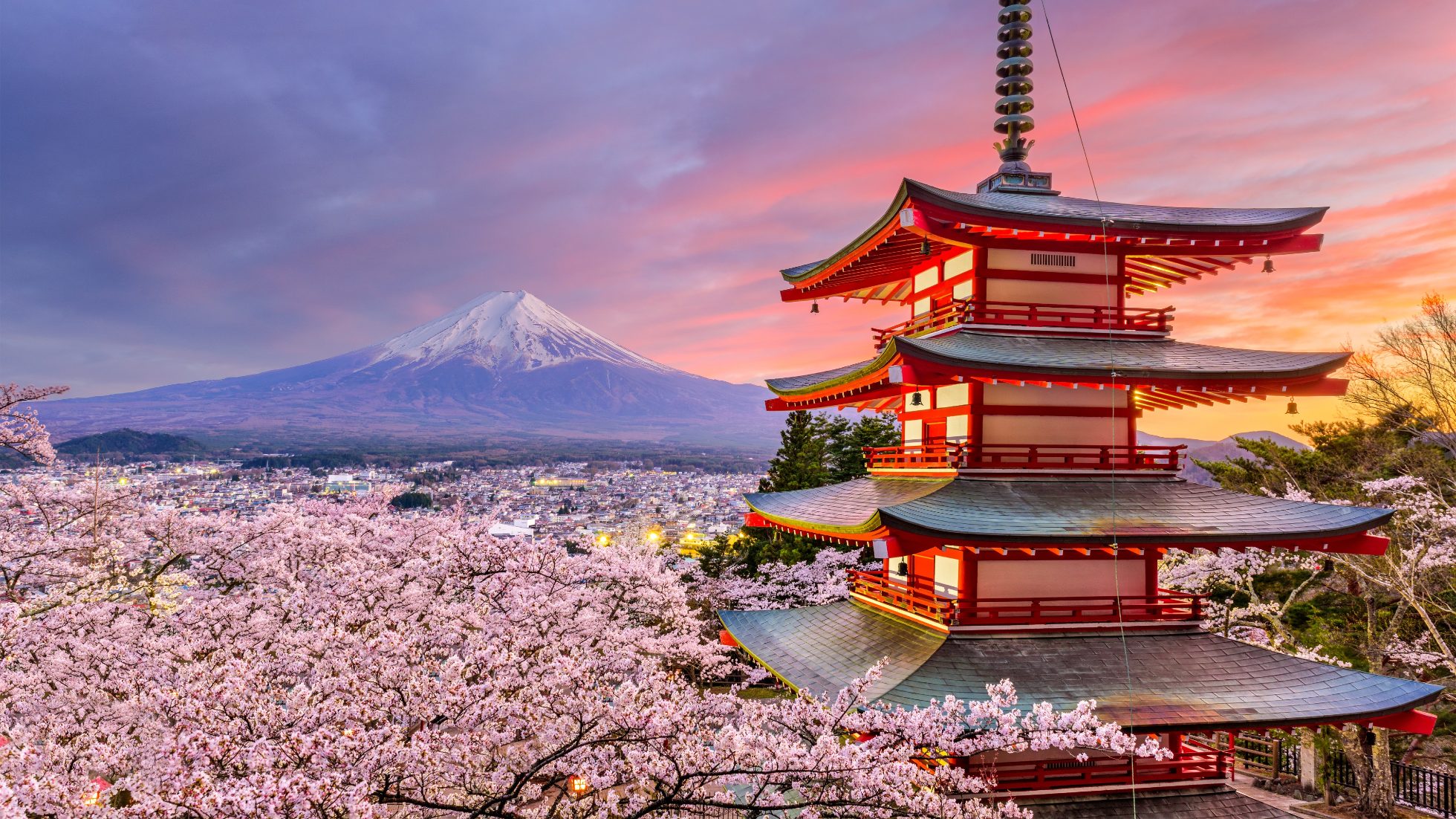
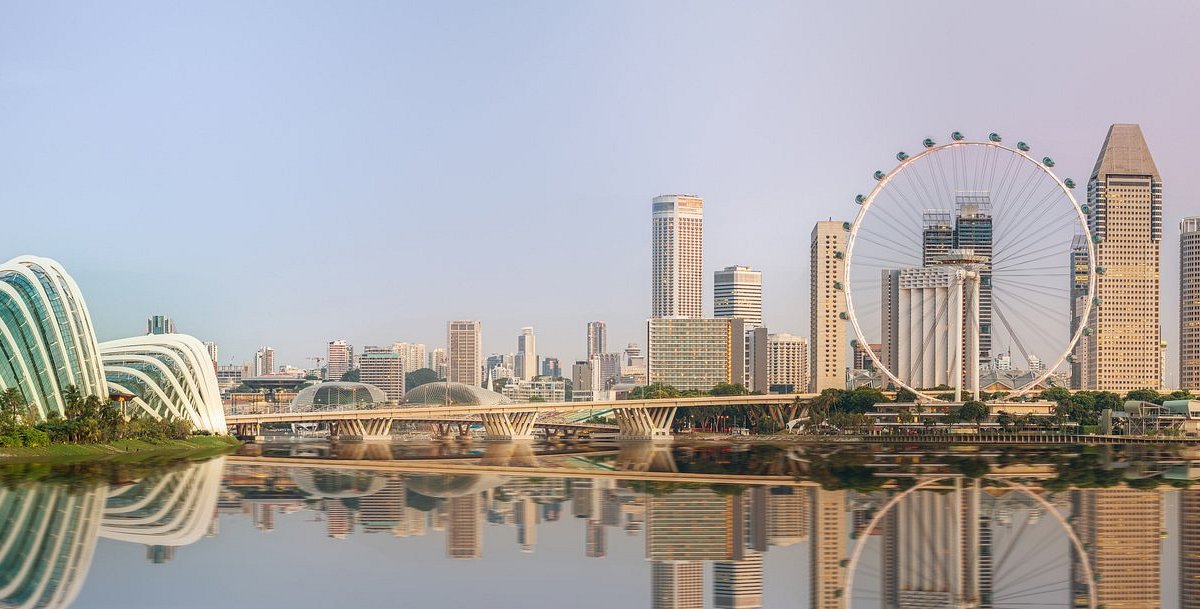
⚡ The TL;DR Verdict
If you're after deep cultural immersion, varied landscapes, and often better value for money, Japan is your pick, with a mid-range daily budget around $100-200 USD. For urban luxury, incredible food diversity in a compact, efficient package, and don't mind a higher daily spend, Singapore shines, typically requiring $150-250 USD per day for a similar experience.
- Choose Japan: Choose Japan for its unparalleled cultural depth, stunning natural beauty ranging from snowy mountains to tropical beaches, world-class cuisine at every price point, and a truly unique blend of ancient tradition and cutting-edge modernity. It’s perfect for those who love to explore, ride efficient trains, and appreciate meticulous service.
- Choose Singapore: Opt for Singapore if you crave a seamless, impeccably clean, and ultra-modern city experience. It's fantastic for foodies who love diverse hawker fare, families looking for easy navigation and themed attractions, and travelers who appreciate high-tech gardens, luxury shopping, and a vibrant, multicultural urban pulse. Ideal for a shorter, action-packed trip.
- Choose Both: Consider doing both if you have 2-3 weeks and want a contrasting Asian experience – starting with Japan for its vastness and culture, then a shorter, punchy few days in Singapore for its urban energy and food scene. Direct flights between Tokyo and Singapore are frequent, taking about 7-8 hours.
Quick Comparison
| Category | Japan | Singapore | Winner |
|---|---|---|---|
| Food & Dining | Unmatched diversity, quality, and value from street food to Michelin stars. Ramen, sushi, tempura, izakayas. | Hawker centers are a national treasure, offering incredible multicultural cuisine at low prices. High-end dining is superb. | Japan |
| Costs & Budget | Generally more affordable than perceived, especially for transport and food if planned well. Accommodation varies. | One of the most expensive cities globally, particularly for accommodation, alcohol, and activities. | Japan |
| Culture & History | Rich, ancient history, deep traditions, unique customs, and a fascinating blend of old and new. | Modern, multicultural melting pot with diverse influences from Malay, Chinese, Indian, and colonial heritage. | Japan |
| Getting Around | World-class public transport network (trains, subways, buses), efficient and punctual, but can be expensive for long distances. | Excellent, affordable, and easy-to-navigate MRT system covering the entire compact city. Taxis/ride-shares readily available. | Singapore |
| Accommodation | Diverse options from budget capsules and business hotels to traditional ryokans and luxury resorts, often good value. | Generally expensive, smaller rooms. Good range of luxury hotels, but budget options are limited and less spacious. | Japan |
| Nightlife & Entertainment | Diverse, vibrant, and unique from themed bars and karaoke to traditional izakayas and neon-lit districts. | Chic rooftop bars, lively Clarke Quay, and sophisticated cocktail lounges, but generally expensive drinks. | Japan |
| Nature & Outdoors | Diverse landscapes including mountains, volcanoes, hot springs, forests, and varied coastlines with distinct seasons. | Modern urban green spaces, impressive man-made gardens, and a few small nature reserves, tropical climate. | Japan |
| Shopping | Diverse options from high-tech electronics and fashion to unique traditional crafts and quirky souvenirs. | Luxury brands, international fashion, high-tech gadgets, and duty-free shopping, concentrated in malls. | Japan |
| Safety & Cleanliness | Extremely safe with low crime rates, pristine public spaces, and excellent hygiene standards. | One of the safest and cleanest cities in the world, with strict laws and efficient public services. | Tie |
| Family Friendliness | Theme parks, interactive museums, safe environments, excellent public transport, and unique cultural experiences. | Theme parks, integrated resorts, easy navigation, kid-friendly attractions, and abundant amenities. | Singapore |
🍜 Food & Dining
Japan wins for its sheer breadth of culinary experiences and the religious devotion to quality at every level. You can find Michelin-starred ramen for under JPY 1,000 (about $7 USD) at places like Tsuta, or splurge on omakase sushi for JPY 20,000-50,000 ($130-330 USD) which would cost double in the West. Izakayas offer fantastic small plates and drinks for JPY 3,000-5,000 ($20-35 USD) per person. Singapore's hawker centers, like Maxwell Food Centre or Tiong Bahru Market, are legendary, with dishes like Hainanese chicken rice or laksa for SGD 4-8 ($3-6 USD), a truly incredible value. But once you step outside the hawker centers, dining costs rise sharply. Alcohol in Singapore is also significantly more expensive, often SGD 12-18 ($9-13 USD) for a beer. Japan simply offers more consistent gourmet experiences without breaking the bank. As one Redditor put it, “In Japan, even the 7-Eleven food is shockingly good. In Singapore, I live for the hawker stalls, but beyond that, it gets pricey fast.”
Winner takeaway
- Winner: Japan
- Why: Japan's food scene offers unparalleled quality, diversity, and value across all price points, from street food to fine dining.
- Who this matters for: Foodies, budget travelers, and those seeking authentic culinary traditions.
💰 Costs & Budget
Japan is often surprisingly affordable once you're there, particularly outside of peak season. A mid-range traveler can expect to spend JPY 15,000-25,000 ($100-170 USD) per day, including a clean business hotel (e.g., Toyoko Inn for JPY 7,000-10,000 / $50-70 USD), local transport, and excellent food. A 7-day JR Pass is around JPY 50,000 ($330 USD), which is a big upfront cost but can save a lot for multi-city travel. Singapore, however, is consistently pricey. Budget accommodation starts around SGD 80-120 ($60-90 USD) for a small hotel room or hostel bed. A mid-range daily budget would be SGD 200-300 ($150-220 USD) per person. Attractions like Gardens by the Bay's Cloud Forest are SGD 32 ($24 USD), and a cocktail at a rooftop bar can easily be SGD 25+ ($18 USD). While hawker food is cheap, other expenses quickly add up, making Japan the clear winner for overall budget-friendliness. "Singapore's great for a layover, but my wallet cries after a few days. Japan, I can stretch a dollar way further and still eat like royalty." This sentiment is common.
Winner takeaway
- Winner: Japan
- Why: Japan offers a better overall value for money across accommodation, dining, and diverse experiences compared to Singapore's higher costs.
- Who this matters for: Budget-conscious travelers, long-term adventurers, and those who want more bang for their buck.
⛩️ Culture & History
Japan offers an unparalleled depth of culture and history spanning millennia. From the ancient temples of Kyoto (like Kinkaku-ji, entry JPY 500 / $3.50 USD) and Nara's Todai-ji (entry JPY 600 / $4 USD) to the samurai districts of Kanazawa and the atomic bomb memorials in Hiroshima, every corner tells a story. The meticulous craftsmanship, traditional arts like tea ceremonies (typically JPY 2,000-5,000 / $13-35 USD), and seasonal festivals provide endless opportunities for deep immersion. Singapore, by contrast, is a young nation, celebrating its 58th anniversary in 2023. Its history is primarily colonial and post-independence, focusing on its multicultural identity. You can explore districts like Little India, Chinatown, and Kampong Glam, each offering a glimpse into distinct ethnic traditions and architecture (e.g., Sri Mariamman Temple, free entry). While fascinating, Singapore's culture is more of a vibrant tapestry of various imported traditions, whereas Japan's is a deeply rooted, indigenous civilization. "If you want to feel like you've stepped into another world with centuries of history surrounding you, Japan wins hands down. Singapore is cool, but it feels very 'new'." is a sentiment often shared by travelers.
Winner takeaway
- Winner: Japan
- Why: Japan provides a profoundly deeper, more ancient, and unique cultural and historical experience.
- Who this matters for: History buffs, culture seekers, and travelers looking for immersive traditional experiences.
🚄 Getting Around
While Japan's Shinkansen (bullet train) and extensive rail network are legendary for efficiency and punctuality, Singapore's MRT system is simply easier and cheaper for getting around the city-state. Singapore is tiny, and its MRT (Mass Rapid Transit) covers virtually every major attraction, with fares typically SGD 1.50-3 ($1.10-2.20 USD) per ride. You can buy an EZ-Link card or use contactless credit cards for seamless travel. Japan's city subways (e.g., Tokyo Metro and JR lines) are also fantastic, but navigating multiple private and public lines can be confusing for first-timers, and long-distance travel on the Shinkansen (e.g., Tokyo to Kyoto is about JPY 14,000 / $95 USD one-way) quickly adds up if you don't use a JR Pass. For sheer simplicity, affordability within its borders, and ease of use for any tourist, Singapore takes the cake. "Honestly, you can get anywhere in Singapore on the MRT in like 30 minutes, and it barely costs anything. Japan's trains are epic, but I felt like I needed a PhD in rail maps sometimes." is a common experience.
Winner takeaway
- Winner: Singapore
- Why: Singapore's compact size and excellent, affordable MRT system make getting around incredibly easy and stress-free for tourists.
- Who this matters for: First-time international travelers, those who prefer simplicity, and budget-conscious urban explorers.
🏨 Accommodation
Japan offers a far more interesting and often better-value accommodation landscape. You can experience a traditional ryokan (Japanese inn with tatami mats and hot springs) for JPY 15,000-30,000 ($100-200 USD) per night, or opt for a modern business hotel like APA or Dormy Inn for JPY 8,000-15,000 ($55-100 USD) in major cities – always impeccably clean and efficient. Capsule hotels (e.g., 9 Hours) offer a unique, budget-friendly experience for JPY 3,000-5,000 ($20-35 USD). Singapore's accommodation is notoriously expensive due to limited land. A basic, clean hotel room often starts at SGD 150-200 ($110-150 USD) per night, and rooms are typically smaller than their Japanese counterparts. Hostels are decent but not as ubiquitous or as cheap as in other Southeast Asian countries, often SGD 30-50 ($22-37 USD) for a dorm bed. Iconic hotels like Marina Bay Sands are SGD 500+ ($370+ USD) a night. "I loved my stay in a Japanese ryokan, it was an experience in itself. In Singapore, I paid double for a tiny shoebox room that was just a place to sleep." This summarizes the typical comparison.
Winner takeaway
- Winner: Japan
- Why: Japan provides a wider array of unique and high-quality accommodation options, often at a better value.
- Who this matters for: Travelers seeking unique stays, those on a mid-range budget, and comfort-focused tourists.
🌃 Nightlife & Entertainment
Japan's nightlife is an experience in itself, offering incredible variety and a unique cultural flair. Tokyo's Shinjuku (Golden Gai, Kabukicho) and Shibuya are legendary for their themed bars, tiny izakayas, and world-class karaoke. You can find everything from robot restaurants to sophisticated jazz clubs. A typical night out with drinks and snacks at an izakaya might cost JPY 3,000-6,000 ($20-40 USD), and karaoke can be surprisingly affordable. Singapore boasts impressive rooftop bars like CE LA VI at Marina Bay Sands or Lantern Bar, offering stunning views but with cocktails costing SGD 25-35 ($18-25 USD) each. Clarke Quay is lively, but the atmosphere can feel more generic 'party street.' While Singapore has its share of sophisticated clubs and bars, the alcohol prices are a significant deterrent for many, making a casual night out much more costly. Japan's ability to offer both high-end and delightfully quirky, affordable options gives it the edge. "Japan's nightlife is just wilder and more diverse, you can stumble into anything. Singapore is fun, but after a couple of $20 beers, I'm heading home." is a sentiment many travelers echo.
Winner takeaway
- Winner: Japan
- Why: Japan's nightlife is more diverse, vibrant, and offers unique experiences at a wider range of price points.
- Who this matters for: Party-goers, unique experience seekers, and those who enjoy a lively evening without breaking the bank.
⛰️ Nature & Outdoors
Japan offers a stunning array of natural beauty that changes dramatically with its four distinct seasons. From the iconic Mount Fuji and the serene lakes of Hakone, to the lush forests of Yakushima, the vibrant autumn leaves in Kyoto, and the snowy peaks of Hokkaido, Japan is a nature lover's paradise. Hiking trails are plentiful, hot springs (onsen) are deeply integrated into the culture, and coastal regions offer beautiful beaches. Places like the Arashiyama Bamboo Grove in Kyoto or the Jigokudani Monkey Park provide unique wildlife encounters. Singapore, while known as a 'City in a Garden,' primarily features meticulously designed urban green spaces like Gardens by the Bay (entry to Cloud Forest/Flower Dome SGD 32 / $24 USD) and the Singapore Botanic Gardens (free entry, UNESCO site). While beautiful, these are largely man-made or highly curated. There are small natural reserves like MacRitchie Reservoir Park for hiking, but they can't compare to the scale and diversity of Japan's wilderness. "Japan's nature is just on another level – hiking volcanoes, soaking in onsen, seeing fall colors. Singapore's gardens are amazing, but it's not the same kind of 'wild.'" This captures the essence of the difference.
Winner takeaway
- Winner: Japan
- Why: Japan boasts vastly more diverse, expansive, and genuinely natural landscapes with distinct seasonal beauty.
- Who this matters for: Hikers, nature photographers, outdoor enthusiasts, and those seeking varied seasonal experiences.
🛍️ Shopping
Japan's shopping scene is incredibly diverse and stimulating, catering to every niche imaginable. In Tokyo, you can dive into Akihabara for electronics and anime goods, explore the trendy fashion districts of Shibuya 109 and Harajuku, or browse luxury brands in Ginza. Department stores like Isetan offer an exquisite experience, while Don Quijote provides quirky, budget-friendly finds. From traditional crafts (e.g., Kyoto's Nishiki Market) to unique local souvenirs, the options are endless and often more characterful. Singapore's shopping is dominated by high-end luxury brands and international retailers, particularly along Orchard Road. Malls like ION Orchard and Ngee Ann City offer a polished, air-conditioned experience. You'll find similar global brands here as you would in any major Western city, and while there are unique local boutiques and markets, they are less pervasive than in Japan. For duty-free electronics, Singapore can be competitive. However, for sheer variety, unique items, and quirky finds, Japan wins. "I bought so many weird and wonderful things in Japan – niche fashion, cool tech gadgets, beautiful crafts. Singapore's malls felt like everywhere else, just more expensive." is a frequent traveler's observation.
Winner takeaway
- Winner: Japan
- Why: Japan offers a more unique, diverse, and characterful shopping experience beyond just luxury brands.
- Who this matters for: Collectors, fashion enthusiasts, tech geeks, and souvenir hunters seeking distinct items.
✅ Safety & Cleanliness
When it comes to safety and cleanliness, both Japan and Singapore are absolute benchmarks. Japan is renowned globally for its incredibly low crime rates; you can comfortably walk alone at night in major cities like Tokyo and Osaka, and petty theft is rare. Public spaces are immaculate, and hygiene standards, especially post-pandemic, are exceptionally high. The country is famous for its efficient waste management and civic pride in keeping areas spotless. Singapore is equally, if not more, famous for its immaculate streets and stringent laws that contribute to its incredibly low crime rate and high level of public order. Littering, jaywalking, and chewing gum are famously penalized, resulting in spotless environments. Both countries have excellent public health infrastructure and are extremely safe for solo travelers, families, and women. It's truly a tie here, as both offer an almost unparalleled sense of security and a pristine environment. "You seriously can't go wrong with either for safety. I felt more secure in both Japan and Singapore than in my own hometown. Pure bliss." This sentiment is universal.
Winner takeaway
- Winner: Tie
- Why: Both destinations set global standards for safety, low crime rates, and impeccable cleanliness, offering unparalleled peace of mind.
- Who this matters for: Solo travelers, families with children, and anyone prioritizing a worry-free and clean travel experience.
👨👩👧👦 Family Friendliness
Both Japan and Singapore are fantastic for families, but Singapore edges it out for its sheer ease of navigation, density of kid-centric attractions, and English-speaking environment. Singapore boasts Universal Studios Singapore (entry SGD 88 / $65 USD), S.E.A. Aquarium (SGD 47 / $35 USD), Sentosa Island's numerous attractions, and the highly interactive Science Centre. The compact nature of the city means less travel time between activities, and the MRT is stroller-friendly. Japan also offers world-class theme parks like Tokyo Disneyland/DisneySea (entry JPY 7,900-9,400 / $55-65 USD) and Universal Studios Japan in Osaka. Its bullet trains are a thrill for kids, and there are many child-friendly museums and natural parks. However, navigating Japan's vastness with smaller children, language barriers outside major tourist hubs, and the sheer amount of walking can be more challenging. Singapore's climate is consistently warm, which means less fuss with layers. "My kids absolutely loved Singapore. Everything was so easy – getting around, finding food, and every attraction felt designed for families. Japan was great too, but a bit more of an 'adventure' with two toddlers." This perfectly encapsulates the difference.
Winner takeaway
- Winner: Singapore
- Why: Singapore offers a slightly more streamlined, easily navigable, and concentrated experience with numerous dedicated family attractions and less language barrier.
- Who this matters for: Families with young children, first-time international travelers with kids, and those prioritizing convenience.
❓ Frequently Asked Questions
What's the best time to visit Japan vs. Singapore?
Japan is best in spring (March-May) for cherry blossoms or autumn (Sept-Nov) for vibrant fall foliage and pleasant temperatures. Singapore, being tropical, is hot and humid year-round, with monsoon seasons from Nov-Jan and May-Sept, but rain showers are usually brief. Any time is fine for Singapore if you're prepared for the heat and humidity.
Do I need a visa for Japan or Singapore?
For most Western nationalities (US, UK, EU, Australia, Canada), neither Japan nor Singapore requires a visa for tourist stays typically up to 90 days. Always check the latest visa requirements based on your nationality before planning your trip, as policies can change.
Is English widely spoken in Japan or Singapore?
English is one of Singapore's four official languages and is widely spoken by nearly everyone, making communication very easy. In Japan, English proficiency varies; while major tourist areas and train stations will have some English signage and staff, it's less common outside these zones. Learning a few basic Japanese phrases is highly recommended for Japan.
Can I do a layover in one country and then visit the other?
Absolutely! Many travelers combine these two destinations. Singapore Changi Airport (SIN) is a major hub, perfect for a layover, and then you can take a direct flight to Tokyo Narita (NRT) or Haneda (HND), which typically takes 7-8 hours. It's a great way to experience contrasting cultures in one trip.
What's the typical flight time from the US to each country?
From the West Coast US (e.g., LAX) to Tokyo (NRT/HND) is about 9-11 hours direct. From the East Coast US (e.g., JFK), it's around 13-15 hours direct. For Singapore (SIN), flights are generally longer, often involving a layover, totaling 17-20 hours from the West Coast and 20-24 hours from the East Coast.
Is tipping customary in Japan or Singapore?
Tipping is not customary in either Japan or Singapore and can sometimes even be considered rude or confusing. Service charges are often included in restaurant bills, particularly in Singapore. The best way to show appreciation is simply to be polite and thank your servers.
Which destination is better for solo female travelers?
Both Japan and Singapore are exceptionally safe and welcoming for solo female travelers. Japan's low crime rate and efficient public transport make it easy to navigate. Singapore's strict laws and well-lit, clean streets offer immense peace of mind. You truly can't go wrong with either for safety and comfort.
Are there any unique cultural experiences I should try in each?
In Japan, definitely try a traditional ryokan stay with an onsen (hot spring bath), participate in a tea ceremony, or explore the spiritual path of a temple stay. In Singapore, experience a hawker center food tour, visit Gardens by the Bay at night for the light show, or explore the colorful cultural enclaves of Little India and Kampong Glam.
Ready to plan your Asian adventure?
Get a free custom itinerary for Japan, Singapore, or both — built from real traveler insights.
🎟️ Book Tours & Experiences
Hand-picked tours and activities for both destinations — book with free cancellation
Experiences via Viator — free cancellation on most tours