How we built this comparison
This page combines traveler discussion patterns, published price ranges, flight schedules, and seasonal data to help you decide between Japan and South Korea.
- Reviewed 100+ Reddit threads from r/travel, r/solotravel, r/JapanTravel, r/koreatravel, and r/digitalnomad.
- Verified costs and logistics against current booking platforms (e.g., Booking.com, Google Flights, JR Pass official site, KTX booking sites).
- Cross-referenced seasonal patterns and weather data from meteorological services and traveler reports.
⚡ The TL;DR Verdict
Choose Japan for a deeply cultural, impeccably organized, and visually stunning journey, budgeting roughly $120-180 USD/day. Opt for South Korea for a dynamic, trend-setting, and budget-friendlier adventure with buzzing nightlife, expecting $80-140 USD/day.
- Choose Japan: You crave ancient history, serene temples, immaculate service, world-class cuisine (sushi, ramen, kaiseki), efficient travel, and unparalleled natural beauty, especially for solo or respectful cultural exploration.
- Choose South Korea: You're into K-pop, K-drama, vibrant nightlife, cutting-edge fashion, delicious and affordable street food, modern art, bustling cities, and a more spontaneous, energetic travel experience.
- Choose Both: If you have 3+ weeks, combining both is feasible. Start with Japan for a cultural immersion, then hop over to South Korea for a dose of urban energy and pop culture. Flights are short and relatively cheap (around $100-200 USD).
Quick Comparison
| Category | Japan | South Korea | Winner |
|---|---|---|---|
| Food Scene | Unparalleled culinary diversity, Michelin stars galore, regional specialties, refined dining, and incredible street food. | Dynamic street food culture, delicious BBQ, comforting stews, unique cafe experiences, and late-night eats. | Japan |
| Nightlife & Entertainment | Diverse options from traditional izakayas, karaoke boxes, themed bars, and unique districts like Golden Gai. | Energetic, late-night culture focused on K-pop clubs, trendy bars, EDM, gaming cafes, and bustling street scenes. | South Korea |
| Culture & History | Deeply traditional, rich imperial history, Zen Buddhism, Shintoism, ancient temples, castles, and unique arts. | Dynamic mix of ancient kingdoms, Joseon Dynasty palaces, Korean War history, and a rapidly evolving modern identity. | Japan |
| Costs & Budget | Generally more expensive, especially for accommodation and transportation, but high value for money. | Generally more budget-friendly, especially for food, public transport, and some accommodation. | South Korea |
| Getting Around | Hyper-efficient and punctual public transport (JR Pass), Shinkansen bullet trains, extensive subway systems. | Excellent subway systems in major cities, good intercity bus network, KTX high-speed rail less extensive than Japan's Shinkansen. | Japan |
| Accommodation | Diverse options from traditional ryokans, capsule hotels, business hotels, and modern hostels, often pricier. | Wide range from modern hotels, guesthouses, Hanok stays, and affordable hostels, generally better value. | South Korea |
| Nature & Scenery | Incredibly diverse landscapes: snow-capped mountains, tropical beaches, volcanic regions, bamboo forests, autumn foliage. | Rugged mountains, coastal beauty, tea plantations, and the volcanic island of Jeju-do. | Japan |
| Shopping | High-end fashion, unique artisanal crafts, electronics, anime/manga goods, and traditional souvenirs. | K-beauty, K-fashion, pop culture merchandise, electronics, and trendy street fashion. | Tie |
| Safety & Cleanliness | Extremely safe, low crime rates, high levels of public cleanliness and order. | Very safe, low crime rates, generally clean cities, but can be slightly less pristine than Japan. | Japan |
| Digital Nomad / Solo Travel | Excellent infrastructure, reliable Wi-Fi, safe, but higher cost of living and less overt English speaking outside cities. | Affordable living, great Wi-Fi, vibrant social scene, easier to meet people, strong café culture. | South Korea |
🍜 Food Scene
Japan's food scene is in a league of its own, renowned globally for its precision, variety, and depth. From the freshest sushi at Tsukiji Outer Market to soul-warming ramen in Fukuoka, the regional specialties are endless. Kaiseki dining offers an artful experience, while even convenience store food (konbini) is surprisingly gourmet. A high-quality sushi meal can range from ¥3,000-10,000 ($20-65 USD), while a bowl of ramen is typically ¥800-1200 ($5-8 USD). South Korea excels in vibrant street food like tteokbokki (spicy rice cakes, ₩5,000/$3.50 USD), Korean BBQ (samgyeopsal, ₩15,000-25,000/$11-18 USD per person), and its innovative cafe culture. While delicious and often more affordable, Japan's sheer range, dedication to craft, and number of Michelin stars (Tokyo alone has more than any other city) give it the edge for serious foodies. "Honestly, I thought Korea had great food, but Japan's just hit different. Every single meal was an experience, from a roadside soba shop to a fancy izakaya. I still dream about that tonkatsu in Kagoshima."
Winner takeaway
- Winner: Japan
- Why: Japan offers an unmatched culinary journey with incredible diversity, precision, and a higher concentration of world-class dining experiences.
- Who this matters for: Serious foodies, those seeking refined dining, and travelers who appreciate culinary artistry.
🌃 Nightlife & Entertainment
South Korea wins hands down for sheer energy and variety in its nightlife, particularly in Seoul. Districts like Hongdae, Itaewon, and Gangnam are alive until the early morning, boasting huge multi-level clubs with K-pop and EDM, trendy cocktail bars, and noraebangs (karaoke rooms). Soju and makgeolli are cheap and flow freely. Club entry often ranges from ₩10,000-30,000 ($7-22 USD), sometimes including a drink. Japan has fantastic nightlife too, with the unique charm of Shinjuku's Golden Gai tiny bars, themed cafes, massive karaoke establishments, and vibrant izakaya culture, especially in Shibuya and Osaka's Dotonbori. However, it often feels more subdued and less about massive clubbing compared to Korea. While Japan offers depth, Korea's party scene is more accessible, widespread, and geared towards a younger, high-energy crowd. "I loved the vibe in Seoul, it just felt so alive at 3 AM. Hongdae was insane, good music, cheap drinks, everyone just having a blast. Japan was cool for a quiet drink but not for dancing all night."
Winner takeaway
- Winner: South Korea
- Why: South Korea offers a more dynamic, accessible, and high-energy nightlife experience with a strong focus on K-pop and club culture.
- Who this matters for: Party-goers, young travelers, K-pop fans, and those who love staying out late.
🏯 Culture & History
Japan offers a profound and incredibly well-preserved cultural experience. Kyoto alone boasts thousands of temples (Kinkaku-ji, Fushimi Inari-taisha), traditional geisha districts (Gion), and imperial palaces. Nara's ancient capital with its deer park and Todai-ji Temple provides another glimpse into deep history. The meticulous preservation of traditions, from tea ceremonies to sumo wrestling, alongside modern life, is captivating. Entry to major temples is typically ¥500-1000 ($3.50-7 USD). South Korea has its own rich history, centered around the Joseon Dynasty with magnificent palaces like Gyeongbokgung (₩3,000/$2.20 USD entry) and Changdeokgung in Seoul, traditional Hanok villages (Bukchon Hanok Village). The DMZ offers a poignant historical experience. While both have deep roots, Japan's ancient history feels more pervasive and seamlessly integrated into daily life, offering a broader and arguably more diverse range of historical and cultural sites that are often better preserved and presented for tourism. "If you're into ancient stuff, Japan is mind-blowing. Kyoto felt like stepping back in time, and the level of respect for their heritage is just incredible. Korea's palaces are beautiful, but Japan has a more 'timeless' feel overall."
Winner takeaway
- Winner: Japan
- Why: Japan provides a more pervasive and diverse range of meticulously preserved ancient historical sites and cultural traditions.
- Who this matters for: History buffs, culture enthusiasts, spiritual seekers, and those interested in traditional arts.
💸 Costs & Budget
South Korea is generally the more budget-friendly option, especially when it comes to everyday expenses. A typical budget meal (like a stew or bibimbap) can be found for ₩8,000-12,000 ($6-9 USD), and street food is even cheaper. Public transport (subway/bus) is efficient and affordable, with single rides around ₩1,250 ($0.90 USD). Accommodation, while varied, offers more budget options like guesthouses for ₩30,000-50,000 ($22-37 USD) per night. Japan, while offering incredible value, has a higher baseline cost. A similar budget meal might be ¥1000-1800 ($7-12 USD). The Japan Rail Pass, while saving money for extensive travel, is a significant upfront cost (7-day pass ~¥50,000/$320 USD). Accommodation, even hostels, can be ¥3,500-6,000 ($23-40 USD) for a dorm bed. For a similar quality experience, Korea will almost always come out cheaper for daily spending. "Korea was definitely easier on the wallet. I could eat like a king for $15-20 a day, and the transit was so cheap. Japan was amazing, but I definitely felt the burn on my credit card more, especially outside the big cities."
Winner takeaway
- Winner: South Korea
- Why: South Korea offers a more affordable overall travel experience, particularly for food, local transportation, and budget accommodation.
- Who this matters for: Budget travelers, students, and those looking to maximize their travel duration for less money.
🚆 Getting Around
Japan's transportation system is world-renowned for its efficiency, punctuality, and coverage. The Shinkansen (bullet train) network connects major cities at incredible speeds, making intercity travel a breeze. A one-way ticket from Tokyo to Kyoto is about ¥13,000-14,000 ($85-90 USD), but the Japan Rail Pass can offer significant savings if you're covering long distances. Major cities like Tokyo and Osaka have incredibly extensive and user-friendly subway systems. South Korea also boasts excellent public transport, particularly within Seoul, with its clean, modern subway. The KTX high-speed rail is great for connecting Seoul to Busan (approx. ₩60,000/$44 USD one-way). However, outside of major city pairs, its intercity network is less extensive than Japan's, relying more on buses, which are still very good but can be slower. Japan's ease of navigation, English signage (especially in tourist areas), and integrated networks make it slightly superior. "Honestly, Japan's trains are a marvel. You never worry about being late, and they go everywhere. The JR Pass made it so easy to see the whole country. Korea's transit was good in Seoul, but getting outside was a bit more planning with buses."
Winner takeaway
- Winner: Japan
- Why: Japan's hyper-efficient, punctual, and extensive Shinkansen and local rail networks provide unparalleled ease and speed of travel.
- Who this matters for: Travelers covering multiple cities, those who value punctuality, and first-time international travelers.
🏨 Accommodation
South Korea edges out Japan on accommodation value, particularly for budget and mid-range options. You can find clean, modern guesthouses or hostels in prime Seoul locations like Hongdae or Myeongdong for ₩30,000-60,000 ($22-45 USD) a night. Boutique hotels offer excellent amenities for ₩100,000-150,000 ($75-110 USD). Unique Hanok stays provide a traditional experience for a reasonable price. Japan has incredible variety, from budget-friendly capsule hotels (¥3,000-5,000/$20-35 USD) to business hotels (¥8,000-15,000/$55-100 USD) and luxurious ryokans (which can be ¥20,000-50,000+/$130-330+ USD per person per night, often including meals). While Japan offers unique experiences like ryokans and capsule hotels, the overall price-to-quality ratio for standard hotel rooms and guesthouses is more favorable in South Korea. Rooms in Japan can often be smaller and more expensive for the same level of comfort. "I found my money went a lot further in Seoul. Got a really nice hotel room near a subway station for like $90, which would have been a tiny business hotel in Tokyo for $120+. Japan's hostels were good, but even those felt a bit more expensive than Korea's."
Winner takeaway
- Winner: South Korea
- Why: South Korea generally offers better value for money across various accommodation types, from budget hostels to mid-range hotels.
- Who this matters for: Budget-conscious travelers, families, and those seeking more spacious rooms for their money.
🏞️ Nature & Scenery
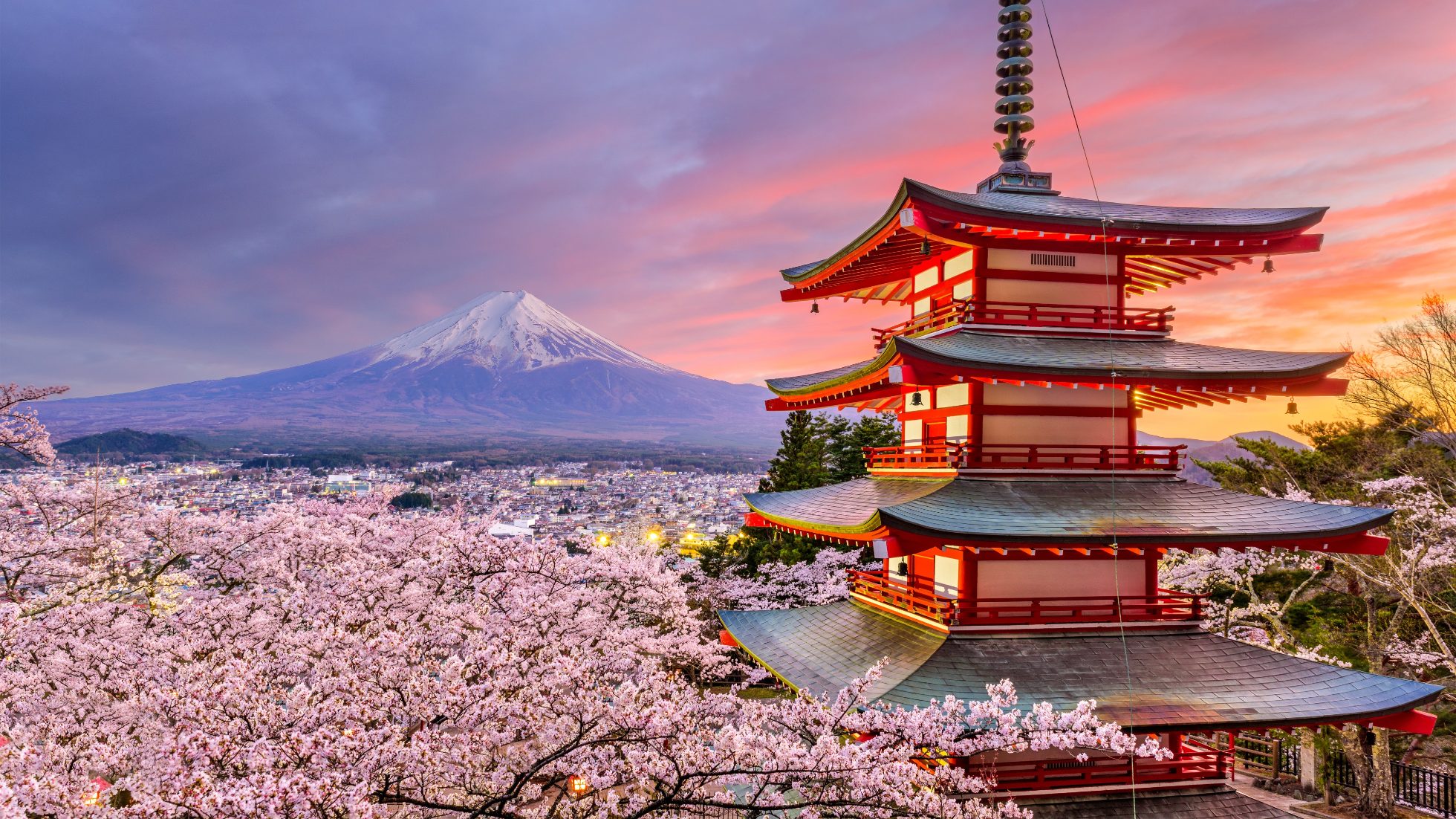
Japan's natural beauty is incredibly diverse and dramatic, offering a wider range of stunning landscapes. From the iconic Mount Fuji and the serene bamboo groves of Arashiyama in Kyoto to the tropical beaches of Okinawa, the volcanic landscapes of Kyushu, and the snow-capped peaks of Hokkaido, it truly has it all. The autumn foliage (koyo) and cherry blossoms (sakura) seasons are world-famous for a reason, transforming entire regions into breathtaking spectacles. National parks like Fuji-Hakone-Izu are easily accessible. South Korea also boasts beautiful natural scenery, particularly its rugged mountains (Bukhansan National Park near Seoul) and coastal areas. Jeju Island is a UNESCO World Heritage site known for its volcanic landscapes and unique features like the Manjanggul Cave and Hallasan Mountain. However, while beautiful, South Korea's natural offerings feel less diverse and grand in scale compared to Japan's vast and varied archipelago. "Japan's nature just blew me away. I mean, climbing Fuji was epic, but then you have these serene gardens, the vibrant fall colors in Nikko, and even the untouched beauty of Hokkaido. Korea's pretty, but Japan felt like it had everything."
Winner takeaway
- Winner: Japan
- Why: Japan boasts a more diverse, dramatic, and iconic range of natural landscapes, from mountains and volcanoes to beaches and forests, with globally renowned seasonal beauty.
- Who this matters for: Outdoor enthusiasts, photographers, hikers, and those seeking varied natural beauty.
🛍️ Shopping
This category is a tough call, as both countries offer fantastic and distinct shopping experiences. Japan excels in high-quality fashion (Ginza, Harajuku), electronics (Akihabara), unique artisanal goods, and an unparalleled selection of anime/manga merchandise (Nakano Broadway). Department stores like Isetan are an experience in themselves. For souvenirs, traditional crafts are abundant. South Korea, however, is the undisputed king of K-beauty (Myeongdong, Olive Young stores everywhere) and trendy K-fashion (Dongdaemun Design Plaza, Hongdae). Its pop culture merchandise (Line Friends, Kakao Friends stores) is vibrant and widespread. Budget fashion can be found in underground malls. Prices for K-beauty products are very competitive (e.g., sheet masks for ₩1,000-3,000/$0.70-2.20 USD). Japan's unique niches and quality are incredible, while Korea offers incredible value and trends in beauty and fashion. It really depends on what you're looking for. "Japan had all the quirky stuff I love, plus electronics. But for skincare and trendy clothes, Korea was definitely cheaper and had way more options. I spent a fortune in both, just on different things!"
Winner takeaway
- Winner: Tie
- Why: Both offer exceptional shopping, with Japan excelling in quality, niche markets, and electronics, while South Korea leads in K-beauty, K-fashion, and pop culture trends.
- Who this matters for: Shopaholics; depends on whether you prefer high-quality unique items (Japan) or trendy, affordable beauty/fashion (South Korea).
✨ Safety & Cleanliness
Japan is consistently ranked as one of the safest countries in the world, with incredibly low crime rates. It's common for people to leave bags unattended in cafes without worry, and lost items are frequently returned. Public spaces are impeccably clean, and there's a strong cultural emphasis on order and respect. You can walk alone at night in major cities with virtually no concerns. South Korea is also remarkably safe, with low crime rates, and travelers generally feel very secure. Cities are clean, especially major tourist areas. However, compared to Japan's near-obsessive level of cleanliness and social order, South Korea might have slightly more litter in some back alleys or less pristine public restrooms, though still excellent by global standards. The difference is marginal but noticeable if you're comparing the absolute best. "I literally left my phone on a train in Japan, got off, realized, and it was still there in the exact spot when I went back an hour later. That's just Japan for you. Korea's super safe too, but Japan's on another level of trust and tidiness."
Winner takeaway
- Winner: Japan
- Why: Japan offers unparalleled levels of safety, public honesty, and immaculate cleanliness, setting a global standard.
- Who this matters for: Solo travelers (especially women), families, and anyone prioritizing peace of mind and pristine environments.
🧑💻 Digital Nomad / Solo Travel
For digital nomads and solo travelers, South Korea presents a slightly more appealing package. The cost of living is more manageable, making long-term stays more feasible. Reliable and fast internet is ubiquitous, and its cafe culture is ideal for working remotely. There's a vibrant expat and local community, and with its emphasis on late-night activities and social gatherings, meeting people can be easier, particularly in Seoul. Budget-friendly accommodation and food options also support a nomad lifestyle. Japan is incredibly safe and has excellent infrastructure, but the higher cost of living, especially for housing, can be a deterrent for longer stays. While Wi-Fi is good, it might not be as universally free or high-speed as in Korea. English proficiency is also generally lower outside of major tourist hubs, potentially making daily life more challenging for long-term nomads. "As a solo traveler, Korea just felt easier to navigate and meet people. The hostels had a great social vibe, and the cafes were perfect for getting work done. Japan was amazing for solo exploration, but a bit harder to 'settle in' due to costs and language barriers if you're not in the main tourist spots."
Winner takeaway
- Winner: South Korea
- Why: South Korea offers a more budget-friendly environment, a vibrant social scene, and a strong cafe culture, making it slightly easier for digital nomads and solo travelers to connect and live affordably.
- Who this matters for: Digital nomads on a budget, solo travelers looking to socialize, and those considering longer stays.
❓ Frequently Asked Questions
Which country is better for a first-time Asia traveler?
Both are excellent, but Japan often feels slightly more approachable due to clearer English signage in tourist areas, an extremely organized system, and a reputation for unparalleled service. South Korea is also very welcoming, but Japan's overall 'ease of travel' might give it a slight edge for absolute first-timers.
How long should I plan for each country?
For a good introduction to either, plan at least 10-14 days to cover 2-3 major cities/regions. If you want to combine both, dedicate at least 2.5 to 3 weeks, giving yourself ample time (e.g., 10-12 days in Japan, 7-9 days in South Korea) without rushing.
What about the language barrier?
In both countries, major tourist areas, hotels, and train stations will have some English speakers and signage. However, venturing off the beaten path can be challenging. Google Translate is an invaluable tool. Learning a few basic phrases (hello, thank you, excuse me) in Japanese or Korean will go a long way and is always appreciated.
Which has better unique cultural experiences?
Japan excels in traditional arts like tea ceremonies, sumo wrestling, cherry blossom viewing, and staying in a ryokan with an onsen. South Korea offers unique experiences like temple stays, K-pop dance classes, visiting the DMZ, and exploring Hanok villages. It depends on your preference for ancient tradition versus modern cultural trends.
Is it easy to travel between Japan and South Korea?
Yes, very easy! Short flights (around 1.5-2 hours) connect major cities like Tokyo/Osaka to Seoul/Busan. Budget airlines like Peach, Jeju Air, and T'way Air offer competitive fares, often between $100-200 USD round trip. High-speed ferries also connect Fukuoka (Japan) to Busan (South Korea).
Which is better for families with kids?
Japan is often cited as slightly better for families due to its exceptional cleanliness, safety, themed attractions (e.g., Disney parks, Universal Studios Japan, Ghibli Museum), and child-friendly amenities. South Korea also has great theme parks (Everland, Lotte World) and kid-friendly museums, but Japan's overall infrastructure feels more geared towards family comfort.
What's the best time of year to visit both?
Spring (late March to May) offers cherry blossoms in both, with pleasant weather, though it's peak season. Autumn (October to November) brings stunning fall foliage and comfortable temperatures. Summer can be hot and humid, while winter can be cold, especially in the north of both countries, but offers skiing opportunities.
Are there any visa requirements for US citizens?
As of my last update, US citizens do not require a visa for tourist stays of up to 90 days in both Japan and South Korea. However, always check the latest entry requirements with the respective embassy or consulate before your trip, as policies can change.
Ready to plan your East Asia trip?
Get a free custom itinerary for Japan, South Korea, or both — built from real traveler insights.
🎟️ Book Tours & Experiences
Hand-picked tours and activities for both destinations — book with free cancellation
Experiences via Viator — free cancellation on most tours