How we built this comparison
This page combines traveler discussion patterns, published price ranges, flight schedules, and seasonal data to help you decide between Japan and Sri Lanka.
- Reviewed 500+ Reddit threads from r/travel, r/solotravel, r/JapanTravel, and r/srilankatravel.
- Verified costs and logistics against current booking platforms like Booking.com, Skyscanner, and local tourism sites.
- Cross-referenced seasonal patterns, weather data, and major cultural events to ensure accurate timing recommendations.
⚡ The TL;DR Verdict
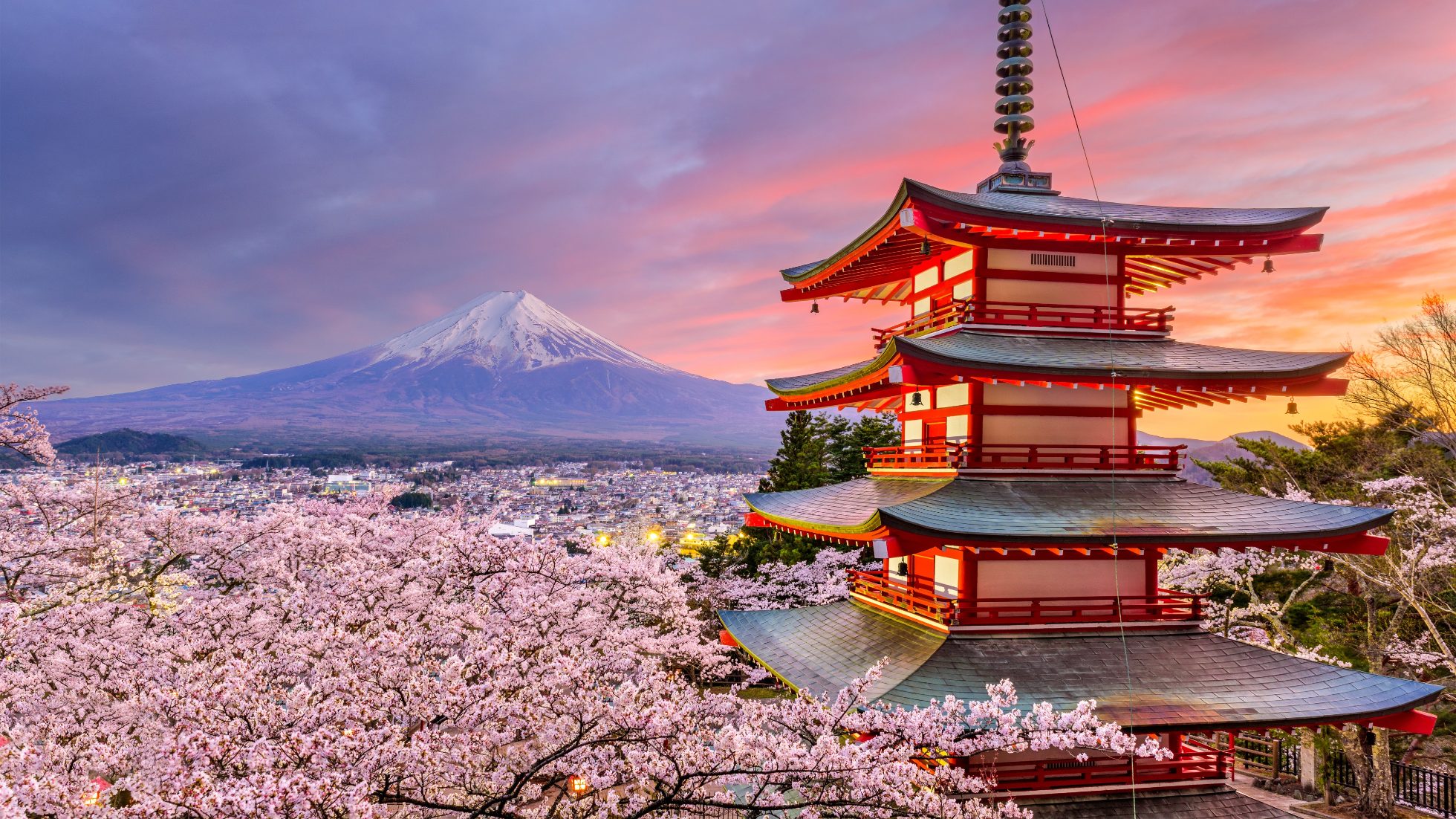
For those craving impeccable efficiency, diverse culinary delights, and a deep dive into ancient yet hyper-modern culture, Japan is your pick, budget around $150-$250 USD/day. If adventure, stunning nature, delicious street food, and a more rustic, budget-friendly experience (think $40-$80 USD/day) appeal, Sri Lanka awaits.
- Choose Japan: You prioritize safety, seamless transport, world-class food, unique cultural experiences (onsen, temples, futuristic cities), and don't mind a higher price tag for unparalleled quality and cleanliness.
- Choose Sri Lanka: You're seeking raw natural beauty (beaches, safaris, tea plantations), a rich but laid-back culture, spicy and flavorful cuisine, and want to stretch your travel budget further for an authentic, adventurous journey.
- Choose Both: If you have 4+ weeks and a flexible budget, combining them offers the ultimate Asian contrast. Start with Sri Lanka's beaches and safaris for a week or two, then transition to Japan's efficient cities and cultural depths.
Quick Comparison
| Category | Japan | Sri Lanka | Winner |
|---|---|---|---|
| Costs & Budget | Significantly higher daily costs, especially for transport and accommodation. Expect to budget ¥15,000-¥30,000 ($100-$200 USD) per person, per day, excluding major travel. | Very budget-friendly. You can comfortably travel on LKR 10,000-LKR 25,000 ($30-$80 USD) per day, allowing for good food, local transport, and nice guesthouses. | Sri Lanka |
| Culture & History | Deeply traditional yet hyper-modern. From ancient Shinto shrines and Buddhist temples to futuristic cities and unique pop culture. | Rich Buddhist heritage, colonial influences, ancient ruins, and a vibrant multi-ethnic society. Temples, fortresses, and tea plantations tell its story. | Japan |
| Food Scene | World-renowned for precision, quality, and diversity – sushi, ramen, tempura, kaiseki, street food, and Michelin-starred dining. | Spicy, flavorful, and incredibly diverse with rice & curries, hoppers, kottu roti, fresh seafood, and tropical fruits. | Japan |
| Nature & Landscapes | Diverse landscapes from Hokkaido's snowscapes to Okinawa's coral reefs, volcanic national parks (Fuji, Hakone), and stunning autumn foliage. | Lush tea plantations, dramatic waterfalls, golden beaches, biodiverse national parks (Yala, Udawalawe) with elephants and leopards, and central highlands. | Sri Lanka |
| Safety & Solo Travel | One of the safest countries in the world with virtually no street crime, even late at night. Extremely safe for solo female travelers. | Generally safe, but requires more awareness regarding petty crime, particularly in tourist areas. Solo female travelers should exercise caution and be mindful of local customs. | Japan |
| Getting Around | World-class, efficient public transport: Shinkansen (bullet trains), extensive local rail, and subway systems. Punctual and easy to navigate. | More adventurous and slower: local buses, tuk-tuks, and scenic train rides (e.g., Ella to Kandy). Roads can be challenging. | Japan |
| Accommodation | Wide range from capsule hotels to traditional ryokans, business hotels, and luxury resorts. High standards but often compact and pricier. | Budget-friendly guesthouses, charming boutique hotels, beachfront villas, and eco-lodges. More spacious for the price. | Sri Lanka |
| Beaches & Relaxation | Some scenic coastal areas (Okinawa, Enoshima), but generally not a primary draw for beach holidays. More for scenic views or specific activities. | World-class tropical beaches with golden sands, palm trees, surfing, and vibrant marine life. Perfect for relaxation and water sports. | Sri Lanka |
| Nightlife & Entertainment | Unrivaled urban nightlife in Tokyo and Osaka, from themed bars to karaoke, arcades, live music, and diverse club scenes. | More subdued, with beachfront bars, laid-back pubs, and occasional cultural shows. Generally not a 'party hard' destination. | Japan |
| Getting There | Excellent international connectivity, particularly to Tokyo (NRT/HND) and Osaka (KIX). Long-haul flights (10-14+ hours from Europe/North America). | Colombo (CMB) is the main international hub. Good connections, but may require a layover. Similar long-haul flight times (10-14+ hours). | Tie |
💰 Costs & Budget
Japan is notoriously expensive, but the quality justifies it. A single bullet train ride from Tokyo to Kyoto can be ¥13,000 ($85 USD), and a decent ramen bowl ¥900-¥1,500 ($6-$10 USD). Accommodation in Tokyo, even a decent business hotel, starts at ¥8,000-¥15,000 ($55-$100 USD) per night. Activities like theme park entry (e.g., Tokyo DisneySea) are ¥8,000-¥10,000 ($55-$65 USD). In contrast, Sri Lanka offers incredible value. A delicious rice & curry meal is LKR 500-LKR 1,500 ($1.50-$5 USD), a long-distance bus ride LKR 300-LKR 1,000 ($1-$3 USD), and a comfortable guesthouse in Ella or Mirissa can be LKR 4,000-LKR 10,000 ($13-$33 USD) per night. Safari entry to Yala National Park is around LKR 8,000-LKR 12,000 ($25-$40 USD) per person, including the jeep. "Honestly, my Japan trip drained my savings, but every yen felt worth it. Sri Lanka, I lived like a king for a fraction of that."
Winner takeaway
- Winner: Sri Lanka
- Why: Sri Lanka offers exceptional value, allowing travelers to experience diverse activities and comfortable stays at a fraction of Japan's cost.
- Who this matters for: Budget travelers, long-term backpackers, and those wanting to maximize experiences per dollar.
⛩️ Culture & History
Japan offers an unparalleled blend of ancient traditions and cutting-edge modernity. You can spend a morning meditating in a Zen garden at Kyoto's Ryoan-ji, costing ¥500 ($3.50 USD) for entry, and by afternoon be immersed in the neon-lit chaos of Tokyo's Shibuya Crossing or exploring the digital art museum TeamLab Planets for ¥3,800 ($25 USD). The cultural depth spans from samurai history to meticulous tea ceremonies and the unique etiquette of daily life. Sri Lanka, while historically rich, presents a more rustic and less 'polished' cultural experience. Sites like the ancient city of Sigiriya (Lion Rock), with an entry fee around LKR 10,000 ($33 USD), or the Temple of the Tooth Relic in Kandy (LKR 2,000 / $7 USD), are profound. However, the contrast of old and new isn't as stark or as integrated as in Japan. "Japan's culture is just so unique, from bowing to vending machines, it's fascinating. Sri Lanka's history is impressive, but feels more spread out."
Winner takeaway
- Winner: Japan
- Why: Japan's cultural tapestry, blending ancient traditions with futuristic innovation, offers a more diverse and captivating experience.
- Who this matters for: Culture enthusiasts, history buffs, and travelers seeking unique societal norms and art forms.
🍣 Food Scene
Japan's food scene is a pilgrimage for gastronomes. From exquisite sushi at Tsukiji Outer Market (a fresh nigiri set can be ¥3,000-¥5,000 / $20-$35 USD) to a hearty bowl of tonkotsu ramen at Ichiran (¥1,000-¥1,500 / $7-$10 USD), every meal is an experience. Don't forget melt-in-your-mouth wagyu beef (¥5,000-¥10,000 / $35-$70 USD) or delicate kaiseki multi-course dinners. Even convenience store food is surprisingly good. Sri Lanka offers a vibrant, spicy, and utterly delicious culinary journey that's more rustic and less formal. Expect fragrant rice & curries (often an all-you-can-eat spread for LKR 500-LKR 1,500 / $1.50-$5 USD), crispy hoppers and string hoppers, the addictive kottu roti, and an abundance of fresh seafood, especially along the coast in places like Mirissa. "Japan's food is art, seriously. Sri Lankan food punches you with flavor in the best way, but it's a different league of 'foodie' experience."
Winner takeaway
- Winner: Japan
- Why: Japan's unparalleled culinary precision, diversity, and global influence make it a superior destination for food lovers seeking unique and refined dining experiences.
- Who this matters for: Foodies, gourmands, and those seeking world-class culinary innovation and traditional delicacies.
🏞️ Nature & Landscapes
Sri Lanka's natural beauty is breathtaking and incredibly varied for its size. Within days, you can be spotting elephants and leopards on a safari in Udawalawe National Park (entry around LKR 8,000 / $26 USD), hiking through the misty tea plantations of Ella (Little Adam's Peak is free), or relaxing on the palm-fringed beaches of Mirissa. The country boasts stunning waterfalls like Diyaluma Falls and diverse marine life for snorkeling. Japan's nature is equally stunning but often requires more effort and cost to access. Iconic Mount Fuji is spectacular, but Hakone's hot springs and views (Hakone Free Pass ¥5,700 / $38 USD) are also popular. Northern Japan offers snow activities, while Okinawa has subtropical beaches. However, Sri Lanka's wildlife encounters and dramatic, easily accessible landscapes give it an edge. "Sri Lanka felt like a nature documentary come to life every single day, especially the safaris. Japan's nature is beautiful, but more 'curated' somehow."
Winner takeaway
- Winner: Sri Lanka
- Why: Sri Lanka offers a more concentrated and accessible variety of dramatic natural landscapes, diverse wildlife, and adventure activities.
- Who this matters for: Wildlife enthusiasts, hikers, beach lovers, and adventure seekers.
🚨 Safety & Solo Travel
Japan is a benchmark for safety. You can leave your phone on a café table to reserve a spot and expect it to be there when you return. Solo travelers, especially women, report feeling incredibly secure walking alone at night in major cities like Tokyo or Osaka. The lost-and-found system is legendary, often returning misplaced wallets with cash intact. Sri Lanka is generally safe for tourists, but it's essential to be more vigilant. Petty theft, scams (especially with tuk-tuk drivers or gem shops), and overly friendly advances towards solo female travelers can occur. While serious crime is rare, awareness of your surroundings and respectful dress, particularly outside beach towns, are advisable. "I've never felt safer than walking around Tokyo at 3 AM. In Sri Lanka, I always kept an eye on my bag, though nothing bad ever happened."
Winner takeaway
- Winner: Japan
- Why: Japan's near-zero crime rate and respectful culture provide an unparalleled sense of safety and peace of mind for all travelers, especially solo adventurers.
- Who this matters for: Solo travelers (especially women), families, and anyone prioritizing absolute peace of mind regarding personal safety.
🚄 Getting Around
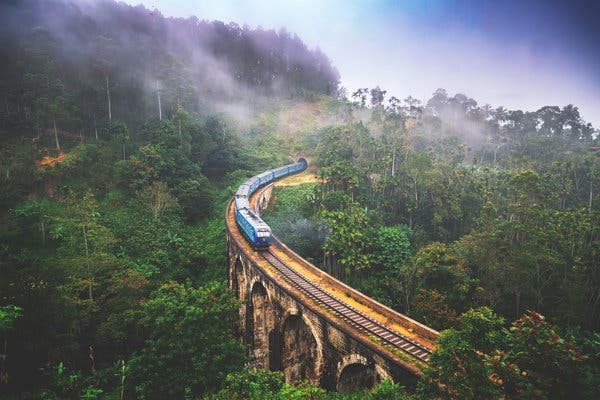
Japan's public transportation is the envy of the world. The Shinkansen connects major cities like Tokyo, Kyoto, and Osaka at incredible speeds, with a 7-day Japan Rail Pass costing around ¥30,000-¥50,000 ($200-$330 USD). Local trains and subways are clean, efficient, and cover virtually every corner of urban areas. Navigating is easy with apps like Google Maps and clear signage. Sri Lanka's transport is part of the adventure. Local buses are incredibly cheap (LKR 50-LKR 300 / $0.15-$1 USD for short distances) but can be crowded and erratic. Tuk-tuks are ubiquitous, affordable for short trips (LKR 200-LKR 1,000 / $0.60-$3.50 USD), but require haggling. The train journey from Kandy to Ella (LKR 300-LKR 600 / $1-$2 USD for a 2nd/3rd class ticket) is iconic for its scenery but can be slow and often fully booked. "Japan's trains spoil you for life; you never think about being late. Sri Lanka's buses are an experience, but definitely not for the faint of heart or tight schedules."
Winner takeaway
- Winner: Japan
- Why: Japan's transportation network is unparalleled in its efficiency, punctuality, and ease of use, making travel seamless and stress-free.
- Who this matters for: Efficiency-focused travelers, those on a tight schedule, and anyone who prefers comfort and reliability in transit.
🏨 Accommodation
In Japan, accommodation, while spotless and efficient, can be expensive and compact. A night in a capsule hotel might be ¥3,000-¥6,000 ($20-$40 USD), a decent business hotel ¥8,000-¥15,000 ($55-$100 USD), and a traditional ryokan with kaiseki dinner can easily exceed ¥20,000-¥40,000 ($130-$260 USD). While unique, luxury comes at a premium. Sri Lanka, on the other hand, offers incredible value for money. For LKR 4,000-LKR 10,000 ($13-$33 USD), you can often find a spacious, clean room in a guesthouse with a private bathroom and sometimes even breakfast in beautiful locations like Ella or Mirissa. Boutique hotels and beachfront villas offer excellent value for LKR 15,000-LKR 30,000 ($50-$100 USD), providing amenities that would cost double or triple in Japan. "I loved my ryokan in Japan, but for the same price, I had a beachfront villa in Sri Lanka. It's just a different level of luxury for your buck."
Winner takeaway
- Winner: Sri Lanka
- Why: Sri Lanka offers significantly better value for accommodation, providing more spacious and often more luxurious options for a lower price point.
- Who this matters for: Budget-conscious travelers, those who prefer more space and luxury without breaking the bank, and those seeking unique, locally-run guesthouses.
🏖️ Beaches & Relaxation
When it comes to pure beach bliss and relaxation, Sri Lanka is a clear winner. Destinations like Mirissa, Unawatuna, and Hikkaduwa offer stunning golden sands, warm turquoise waters, excellent surfing opportunities (board rentals for LKR 1,000-LKR 2,000 / $3-$7 USD per day), and vibrant coral reefs for snorkeling or diving (a dive can be LKR 10,000-LKR 15,000 / $33-$50 USD). You can easily spend days unwinding in beachfront cafes, enjoying fresh seafood, or getting an Ayurvedic massage. Japan has beautiful coastlines, notably in Okinawa, which boasts stunning subtropical beaches and coral reefs. However, they are often a separate, expensive domestic flight from the main island, and the overall 'beach holiday' vibe isn't as central to the travel experience compared to Sri Lanka's readily accessible and renowned shores. "Sri Lanka's beaches are postcard-perfect, exactly what you imagine for a tropical escape. Japan's coasts are nice, but not the same 'flop and drop' vibe."
Winner takeaway
- Winner: Sri Lanka
- Why: Sri Lanka's idyllic tropical beaches, warm waters, and vibrant beach culture offer a superior experience for relaxation and water activities.
- Who this matters for: Beach lovers, surfers, sun-worshippers, and those looking for a laid-back, tropical escape.
🕺 Nightlife & Entertainment
Japan, particularly its major cities, offers a nightlife experience that is second to none. Tokyo's Shibuya, Shinjuku, and Roppongi districts buzz with energy until the early morning. You can sing your heart out in a private karaoke booth (hourly rates from ¥2,000 / $13 USD), explore quirky themed bars (Robot Restaurant show around ¥8,000 / $55 USD), or dance the night away in world-class clubs (entry fees ¥2,000-¥4,000 / $13-$26 USD). Arcades, izakayas, and late-night ramen shops add to the vibrant atmosphere. Sri Lanka's nightlife is much more low-key. Beach towns like Hikkaduwa or Unawatuna have a scattering of beachfront bars with music, particularly during peak season, where a beer might cost LKR 800-LKR 1,500 ($2.50-$5 USD). Kandy and Colombo offer a few pubs and hotel bars, but a wild club scene is largely absent. "If you want to party, Japan is it. Sri Lanka is more 'sunset cocktails on the beach,' which is great, but not the same vibe at all."
Winner takeaway
- Winner: Japan
- Why: Japan's major cities provide a vast, diverse, and energetic nightlife scene unmatched by Sri Lanka's more relaxed offerings.
- Who this matters for: Party-goers, urban explorers, music lovers, and anyone seeking vibrant evening entertainment.
✈️ Getting There
From major hubs in North America or Europe, flight times to both Japan and Sri Lanka are generally comparable, ranging from 10 to 14+ hours, often involving at least one layover depending on your starting point. For instance, a flight from London to Tokyo (NRT) or Colombo (CMB) can both be around 11-13 hours direct, or longer with connections. Prices fluctuate significantly by season and booking window. A round-trip ticket to Tokyo can range from $800-$1500+ USD (approx. ¥120,000-¥225,000), while to Colombo, it might be $700-$1200+ USD (approx. LKR 210,000-LKR 360,000). Japan benefits from more direct flights from a wider array of global cities, especially from North America. Sri Lanka's Bandaranaike International Airport (CMB) is well-served by Middle Eastern and Asian carriers. "Getting to either felt like a marathon from the US, but Japan had slightly more direct flight options, which was a huge plus for me."
Winner takeaway
- Winner: Tie
- Why: Both destinations require similar long-haul flight commitments from major Western hubs, with availability and price often depending more on the specific origin and season.
- Who this matters for: Travelers with long-haul flight tolerance; those prioritizing direct flights may find Japan slightly more convenient.
❓ Frequently Asked Questions
Which destination is better for families with young children?
Japan is generally better for families due to its exceptional safety, cleanliness, and highly efficient public transport. Attractions like Tokyo Disney Resort and Universal Studios Japan, combined with family-friendly amenities everywhere, make it very comfortable. Sri Lanka is more adventurous, which can be challenging with very young kids, though older children might love the safaris and beaches.
What's the best time of year to visit each country?
For Japan, spring (March-May) for cherry blossoms or autumn (September-November) for vibrant foliage offer pleasant weather. Summer is hot and humid, winter can be cold. For Sri Lanka, December to March is ideal for the south and west coasts and the hill country, while May to September is best for the east coast, avoiding monsoon seasons.
Are visas required for these destinations?
Visa requirements vary by nationality. Many nationalities, including US citizens, can enter Japan for short tourist stays (up to 90 days) without a visa. For Sri Lanka, most visitors need an Electronic Travel Authorization (ETA) which can be obtained online before arrival, costing around $50 USD for a 30-day tourist visa.
How do language barriers compare?
In Japan, English is not widely spoken outside major tourist areas, but excellent signage, technology, and helpful locals make navigation manageable. In Sri Lanka, English is more commonly spoken, especially in tourist zones, making communication generally easier for travelers.
Which destination is more suitable for luxury travel?
Japan excels in luxury travel, offering world-class hotels, Michelin-starred dining, bespoke cultural experiences, and unparalleled service. While Sri Lanka has emerging luxury resorts and villas, Japan's established infrastructure and refined offerings place it ahead for a truly high-end, seamless luxury experience.
What are the opportunities for outdoor adventure in each?
Japan offers hiking (e.g., Mount Fuji, Kumano Kodo), skiing/snowboarding in winter, and some diving/snorkeling in Okinawa. Sri Lanka, however, is an adventure playground with safaris (elephants, leopards), surfing, white-water rafting, hiking in the central highlands, and diverse marine activities, making it more robust for varied outdoor adventures.
Is it easy to find vegetarian or vegan food in both countries?
Sri Lanka is very vegetarian and vegan friendly; many traditional curries are naturally plant-based, and fresh fruits/vegetables are abundant. Japan can be more challenging for strict vegetarians/vegans, as dashi (fish stock) is a common base, though options are improving, especially in larger cities with dedicated restaurants.
Which country offers a more 'off-the-beaten-path' experience?
Sri Lanka, while popular, still offers more opportunities for an 'off-the-beaten-path' experience, particularly if you venture beyond the main tourist circuit into lesser-known villages or national parks. Japan, while vast, has a very well-trodden tourist path, and truly 'unspoiled' areas require significant effort and often more advanced language skills to navigate.
Ready to plan your Asian adventure?
Get a free custom itinerary for Japan, Sri Lanka, or both — built from real traveler insights.
🎟️ Book Tours & Experiences
Hand-picked tours and activities for both destinations — book with free cancellation
Experiences via Viator — free cancellation on most tours