How we built this comparison
This page combines traveler discussion patterns, published price ranges, flight schedules, and seasonal data to help you decide between Japan and Thailand.
- Reviewed 500+ Reddit threads from r/travel, r/solotravel, r/JapanTravel, r/ThailandTourism, and r/DigitalNomad for authentic traveler perspectives and tips.
- Verified current costs for flights, accommodation, and activities against leading booking platforms (e.g., Google Flights, Booking.com, Agoda, Klook) to ensure up-to-date pricing.
- Cross-referenced seasonal patterns, weather data, and major festival dates to provide accurate 'best time to visit' recommendations and experiential context.
⚡ The TL;DR Verdict
For those seeking unparalleled efficiency, deep cultural immersion, and pristine safety, Japan is your pick, budget around $100-200+ USD/day. If adventure, incredible value, stunning beaches, and a vibrant social scene are priorities, Thailand awaits, easily managed on $50-100 USD/day.
- Choose Japan: If you prioritize meticulous planning, unique cultural experiences, world-class service, incredibly safe environments, and don't mind a higher price tag for quality.
- Choose Thailand: If you're looking for an affordable adventure, stunning tropical beaches, delicious street food, a bustling nightlife, and a more laid-back, spontaneous travel style.
- Choose Both: For longer trips (3+ weeks), combining both offers an incredible contrast. Start with Japan for structure, then unwind in Thailand's more relaxed pace. Direct flights between Tokyo and Bangkok are common, taking about 6-7 hours.
Quick Comparison
| Category | Japan | Thailand | Winner |
|---|---|---|---|
| Costs & Budget | Significantly higher, but quality matches price. Expect to pay for convenience. | Extremely affordable, especially for food, transport, and basic accommodation. | Thailand |
| Food Scene | Refined, diverse, world-class, with emphasis on seasonality and presentation. Michelin stars abound. | Vibrant, flavorful street food culture, diverse regional cuisines, fresh ingredients, very affordable. | Tie |
| Culture & History | Deeply ingrained traditions, ancient temples, samurai history, meticulous gardens, unique etiquette. | Rich Buddhist heritage, ancient ruins, royal palaces, blend of traditional and modern influences. | Japan |
| Beaches & Nature | Diverse landscapes from alpine mountains to subtropical islands, but tropical beaches are less iconic. | World-renowned tropical beaches, limestone karst landscapes, lush jungles, incredible diving. | Thailand |
| Nightlife & Entertainment | Diverse but generally more subdued, with unique experiences like izakayas, karaoke, and specific entertainment districts. | Legendary for its wild parties, rooftop bars, cheap drinks, and diverse entertainment options for all tastes. | Thailand |
| Safety & Security | One of the safest countries globally with extremely low crime rates and high civic honesty. | Generally safe, but petty crime, scams, and tourist-specific issues are more common. | Japan |
| Getting Around | World-class, efficient, and punctual public transport system, especially trains. | Diverse but sometimes chaotic options, from tuk-tuks to domestic flights, less integrated. | Japan |
| Accommodation | High quality, diverse (ryokans, capsule hotels), but generally more expensive and smaller spaces. | Abundant and affordable options, from budget guesthouses to luxury resorts, great value. | Thailand |
| Flight Logistics | Excellent direct connections from major hubs, generally shorter flight times from North America. | Well-connected, but often requires layovers, leading to longer overall travel times. | Japan |
| Shopping | Unique electronics, fashion, artisanal crafts, themed merchandise, high quality but higher prices. | Bustling markets, tailor-made clothing, affordable souvenirs, handicrafts, good for bargaining. | Tie |
💸 Costs & Budget
When it comes to stretching your dollar, Thailand is the undisputed champion. You can feast like royalty on street food for 50-80 THB (~$1.50-2.50) for a Pad Thai or Green Curry, while a full restaurant meal might set you back 200-400 THB (~$6-12). Hostels range from 300-600 THB (~$8-16) per night, and budget guesthouses are abundant at 600-1200 THB (~$16-35). Transportation via Grab or local buses is also remarkably cheap. In contrast, Japan is a premium destination. A bowl of ramen will typically cost 800-1200 JPY (~$5-8), and even a modest restaurant meal often exceeds 1500 JPY (~$10). A bed in a good hostel is usually 3,000-5,000 JPY (~$20-35), and budget hotels start at 8,000-15,000 JPY (~$55-100). The Japan Rail Pass, while saving money on long-distance travel, is itself a significant upfront cost. For the average traveler, Thailand offers an unparalleled experience-to-cost ratio. "I spent 2 weeks in Thailand living like a king on what I'd blow in 3 days in Tokyo. The food alone is worth the trip, and it costs next to nothing." This sentiment perfectly captures the financial reality.
Winner takeaway
- Winner: Thailand
- Why: Thailand offers incredible value across all categories, allowing for a much longer or more luxurious trip on the same budget.
- Who this matters for: Budget travelers, backpackers, long-term travelers, and those who want their money to go further.
🍜 Food Scene
Both countries are culinary titans, but in profoundly different ways, making this a true tie. Japan's food scene is a masterclass in precision, artistry, and respect for ingredients. From Michelin-starred sushi in Tokyo's Ginza district (expect 15,000-40,000 JPY or ~$100-270+ for omakase) to comforting ramen bowls (800-1200 JPY / ~$5-8) and intricate kaiseki meals in Kyoto (8,000-20,000 JPY / ~$55-135+), every dish feels like a meticulously crafted experience. Convenience store food (konbini) is also surprisingly high quality. Thailand, on the other hand, is a riot of flavors, textures, and aromas, primarily found on its bustling streets and vibrant markets. A bowl of Tom Yum Goong or a plate of Mango Sticky Rice from a street vendor for 50-100 THB (~$1.50-3) is an unforgettable experience. Night markets like Bangkok's Jodd Fairs or Chiang Mai's Saturday Night Market offer an endless array of cheap, delicious, and adventurous eats. While fine dining exists in Thailand, its heart beats on the street. "Japan's food is an art form, every bite is a revelation, but nothing beats a 50 baht Pad See Ew on a Bangkok street after a long day of exploring. Both are essential." The choice depends on whether you seek gastronomic perfection or explosive, accessible flavor.
Winner takeaway
- Winner: Tie
- Why: Both offer distinct, world-class culinary experiences that cater to different preferences and budgets, making it impossible to pick a single winner.
- Who this matters for: Foodies, gourmands, adventurous eaters, and anyone who uses food as a primary way to experience culture.
⛩️ Culture & History
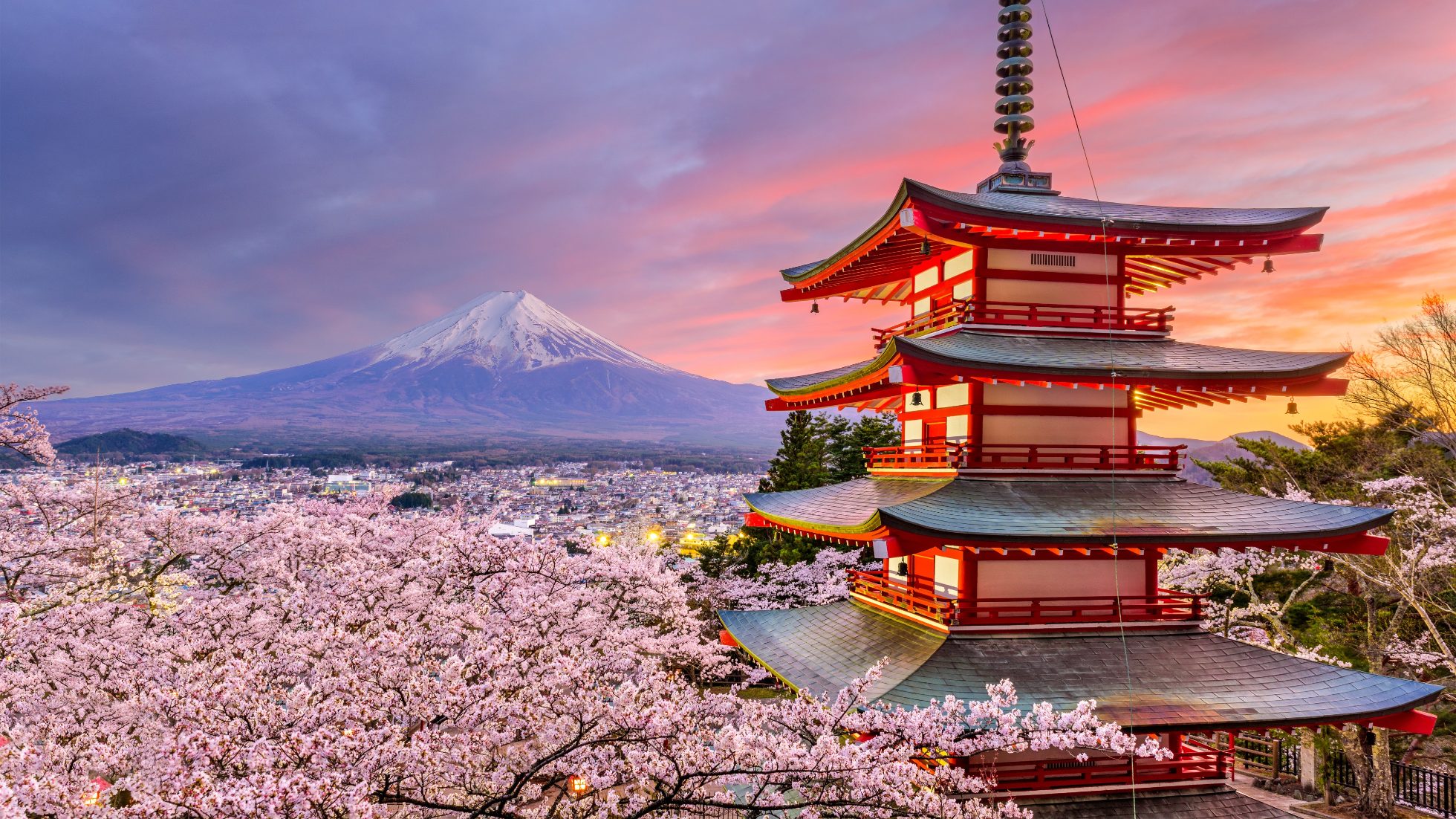
Japan edges out Thailand in its sheer depth and omnipresence of ancient culture, meticulously preserved and integrated into modern life. Kyoto, the former imperial capital, is a living museum with over 2,000 temples and shrines, including the iconic Fushimi Inari-taisha with its thousands of red torii gates and Kinkaku-ji (Golden Pavilion). The samurai history, tea ceremonies, geisha districts, and Zen gardens offer a profound cultural immersion that feels timeless. The Japanese adhere to specific social etiquette (e.g., bowing, taking off shoes indoors) that, while initially daunting, is part of the respectful experience. Thailand's cultural heritage is also rich, particularly its Buddhist traditions, with magnificent temples like Wat Arun and Wat Pho in Bangkok, and the ancient ruins of Ayutthaya and Sukhothai, which are UNESCO World Heritage sites. However, outside of these specific historical sites, Thailand's more relaxed approach and modern tourism development can sometimes make the cultural experience feel a bit less pervasive than in Japan. While incredible, it often feels more 'presented' for tourists. "Kyoto felt like stepping back in time, totally immersive. Ayutthaya was cool but definitely felt more 'touristy' if that makes sense; the scale of ancient Japan just hit different." Japan's ability to maintain its ancient essence while being hyper-modern is truly unique.
Winner takeaway
- Winner: Japan
- Why: Japan offers a more consistently immersive and pervasive cultural experience, where ancient traditions are seamlessly integrated into daily life.
- Who this matters for: History buffs, culture enthusiasts, spiritual seekers, and travelers looking for a profound sense of place and tradition.
🏝️ Beaches & Nature
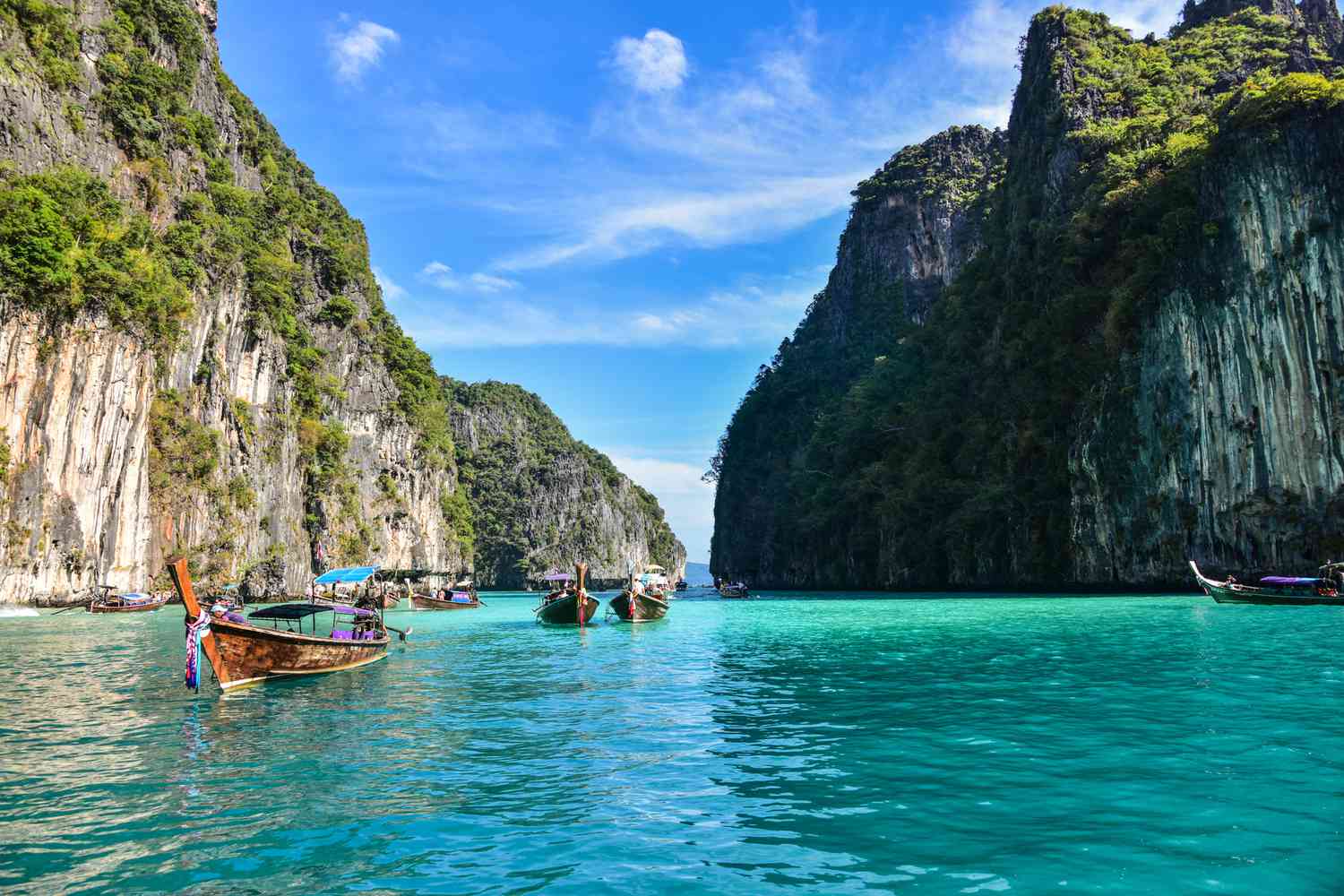
For those dreaming of pristine white sands, turquoise waters, and dramatic limestone karsts, Thailand is the clear winner. Its southern islands and coastal regions like Phuket, Krabi, Koh Phi Phi, Koh Lanta, and Koh Samui offer an astounding array of breathtaking beaches, vibrant coral reefs perfect for snorkeling and diving (e.g., Similan Islands), and lush national parks. Railay Beach, accessible only by boat, with its towering cliffs and serene coves, is a postcard-perfect example. The sheer variety and accessibility of these tropical paradises are unmatched. Japan also boasts incredible natural beauty, from the snow-capped peaks of the Japanese Alps (e.g., Hokkaido for skiing) to the ancient forests of Yakushima and the subtropical islands of Okinawa. Okinawa has beautiful beaches, like Emerald Beach or Kondoi Beach, but they don't quite offer the same iconic, dramatic tropical allure or the extensive island-hopping infrastructure that Thailand does. The overall 'tropical escape' vibe is simply stronger and more widespread in Thailand. "Phi Phi was unreal, even with the crowds. Japan has pretty beaches but they're not the same vibe at all, more serene, less 'party in paradise'." If your ideal trip involves sun, sand, and sea, Thailand is your destination.
Winner takeaway
- Winner: Thailand
- Why: Thailand's world-famous tropical beaches, stunning island landscapes, and exceptional marine biodiversity make it a prime destination for beach and nature lovers.
- Who this matters for: Beach lovers, divers, snorkelers, island-hoppers, rock climbers, and those seeking a tropical escape.
🎉 Nightlife & Entertainment
Thailand is synonymous with vibrant and often wild nightlife, catering to every mood imaginable. From the infamous Full Moon Parties on Koh Phangan to the bustling go-go bars of Bangkok's Soi Cowboy and Patpong, to sophisticated rooftop bars like Octave or Sky Bar (cocktails ~300-500 THB / ~$8-15), Thailand offers an unparalleled spectrum of evening entertainment. Cheap local beers (Singha, Chang) are readily available for 60-100 THB (~$2-3) in bars, and street stalls sell buckets of spirits for a fraction of Western prices. The energy is palpable, and things often kick off late into the night. Japan's nightlife is also excellent but typically more refined and less overtly 'party-hard'. Tokyo's Shinjuku Golden Gai, with its tiny, intimate bars (drinks 800-1500 JPY / ~$5-10), offers a unique, cozy experience. Shibuya's bustling crossings lead to karaoke boxes, themed bars, and clubs, while Osaka's Dotonbori offers lively eateries and entertainment. However, the overall vibe is generally more controlled and expensive than Thailand's free-wheeling scene. "Golden Gai is unique and I loved it, but if you want to dance till dawn on a beach or hit up a crazy club night and pay pennies for drinks, Bangkok or the islands win hands down." For sheer variety, energy, and affordability in nightlife, Thailand takes the crown.
Winner takeaway
- Winner: Thailand
- Why: Thailand offers a broader, more energetic, and significantly more affordable nightlife scene, from beach parties to sophisticated rooftop bars.
- Who this matters for: Party-goers, social travelers, backpackers, and those looking for lively evening entertainment.
🚨 Safety & Security
Japan is consistently ranked as one of the safest countries in the world, and this reputation is well-earned. Violent crime is extremely rare, and even petty theft is uncommon. It's not unusual to see people leave their phones or wallets unattended at a cafe table while they visit the restroom, or for lost items to be returned with all contents intact. Women can feel comfortable walking alone at night in major cities. This high level of public safety contributes immensely to a stress-free travel experience. Thailand, while generally safe for tourists, does have a higher incidence of petty crime such as pickpocketing, bag snatching (especially from motorbikes), and scams targeting tourists (e.g., gem scams, tuk-tuk scams, jet ski rental scams). While serious violent crime against tourists is rare, awareness and caution are advisable, particularly in crowded tourist areas or late at night. Traffic accidents are also a significant concern, especially for those renting scooters. "Lost my wallet in Tokyo, got it back with everything in it a day later. Couldn't imagine that happening anywhere else, definitely felt a lot more on guard in Bangkok sometimes." For absolute peace of mind and an environment where you rarely need to look over your shoulder, Japan is the clear winner.
Winner takeaway
- Winner: Japan
- Why: Japan boasts exceptionally low crime rates and a high level of civic honesty, providing travelers with unparalleled peace of mind.
- Who this matters for: Solo travelers (especially women), families, first-time international travelers, and anyone prioritizing absolute safety.
🚆 Getting Around
Japan's transportation system is legendary for its efficiency, punctuality, and cleanliness, making it incredibly easy to navigate. The Shinkansen (bullet train) connects major cities at high speeds (e.g., Tokyo to Kyoto in ~2.5 hours, ~13,000 JPY / ~$90 one-way), and local trains, subways, and buses cover every corner. The Japan Rail Pass can be a cost-effective option for extensive travel. Signage is typically in English, and navigation apps like Google Maps are highly accurate. This seamless network allows for stress-free exploration. Thailand's transportation is more varied and often more adventurous. In cities, tuk-tuks (negotiate price carefully, e.g., 100-200 THB / ~$3-6 for a short ride), motorbike taxis, and ride-hailing apps like Grab are common. Long-distance travel involves buses, minivans, and domestic flights (e.g., Bangkok to Phuket ~1.5 hours, 1,500-3,000 THB / ~$40-80). While generally affordable, it can be less predictable, and traffic in major cities like Bangkok can be notoriously bad. Transfers between different modes (e.g., bus to boat for islands) require more planning and can involve delays. "Shinkansen is a dream, you set your watch by it. Thailand's Grab is good for cities, but the chaos of Bangkok traffic and figuring out island transfers is a different beast entirely." For sheer ease, speed, and reliability, Japan is unmatched.
Winner takeaway
- Winner: Japan
- Why: Japan's public transportation system is a model of efficiency, punctuality, and widespread coverage, making travel incredibly easy and stress-free.
- Who this matters for: Travelers who prioritize efficiency, convenience, extensive exploration, and those less comfortable with chaotic transport.
🛌 Accommodation
Thailand offers an incredible range of accommodation for every budget, consistently delivering great value. You can find a clean, comfortable guesthouse room for 600-1200 THB (~$16-35) a night, an excellent mid-range hotel with a pool for 1,500-3,000 THB (~$40-80), or indulge in a luxurious resort for 5,000+ THB (~$140+). Hostels are plentiful and often have good social vibes, costing 300-600 THB (~$8-16). The options are vast, and competition keeps prices reasonable. Japan, while offering unique experiences, comes at a higher price point. Even budget hotels often start at 8,000-15,000 JPY (~$55-100) for a small room. Traditional ryokans (Japanese inns) with kaiseki meals can be a splurge, costing 20,000-50,000 JPY (~$135-340+) per person. Capsule hotels (3,000-5,000 JPY / ~$20-35) offer a budget-friendly and novel experience, and hostels are clean but often less social than their Thai counterparts. Space is also a premium in Japanese accommodations. "Found amazing bungalows in Railay for $20 a night with a view. You're lucky to get a decent hostel dorm for that in Japan, let alone a private room." If you want your money to go further for comfort and amenities, Thailand is the winner.
Winner takeaway
- Winner: Thailand
- Why: Thailand provides a vast array of accommodation options at significantly more affordable prices, offering excellent value for money across all budget levels.
- Who this matters for: Budget travelers, families, luxury seekers on a budget, and anyone wanting more space or amenities for less.
✈️ Flight Logistics
When considering the journey itself, Japan often has a slight edge in terms of directness and overall travel time, especially from North America. Major airlines offer numerous direct flights from large North American cities (e.g., LAX, SFO, JFK) to Tokyo (NRT/HND), with flight times typically ranging from 10-14 hours. Round-trip fares can vary widely, but often fall between $800-1500+ USD. This makes for a more straightforward and less exhausting journey. Traveling to Thailand from North America almost invariably involves at least one layover, usually in a major hub like Seoul, Tokyo, Doha, or Dubai, extending total travel time to 17-24+ hours. While fares can sometimes be slightly cheaper than Japan (often $700-1200+ USD round trip from the West Coast, $900-1400+ from the East Coast), the longer duration and added complexity of transfers can be a significant factor. From Europe, flight times are similar, with direct flights to Bangkok often taking around 11-12 hours, and to Tokyo 12-13 hours. "Direct flight to Tokyo is a breeze, you just wake up and you're there. Bangkok always seems to involve a layover and much longer overall travel time, which really cuts into your first day." For a smoother, quicker arrival, Japan holds an advantage.
Winner takeaway
- Winner: Japan
- Why: Japan typically offers more direct flights and shorter overall travel times from major international hubs, particularly North America.
- Who this matters for: Travelers prioritizing minimal travel time, direct routes, and less fatigue upon arrival.
🛍️ Shopping
Both Japan and Thailand offer fantastic, yet distinct, shopping experiences, leading to a tie. Japan excels in unique electronics (Akihabara in Tokyo), high fashion (Shibuya, Harajuku), exquisite artisanal crafts (e.g., ceramics, traditional textiles in Kyoto), and an abundance of quirky themed merchandise (e.g., Ghibli, Pokémon stores). Department stores like Isetan or Takashimaya offer luxury goods and gourmet food halls. While prices are generally higher, the quality and uniqueness of items are often unparalleled. A high-quality kimono might cost 30,000 JPY (~$200+), while a quirky gadget could be 3,000-10,000 JPY (~$20-70). Thailand, conversely, is a paradise for market lovers and bargain hunters. Chatuchak Weekend Market in Bangkok is a sprawling labyrinth offering everything from clothing and accessories to home decor and pets, where haggling is expected. Night markets in Chiang Mai and Bangkok are perfect for souvenirs, street food, and cheap fashion. Custom-tailored suits and dresses are a popular and affordable luxury, often costing 4,000-8,000 THB (~$110-220) for a quality suit. While quality can vary, the sheer volume and affordability of goods are astounding. "Akihabara blew my mind with the tech and anime stuff, but I scored some incredible custom suits and unique handmade gifts for a steal at Chatuchak. Both are amazing for different reasons." Whether you seek refined uniqueness or vibrant bargains, both deliver.
Winner takeaway
- Winner: Tie
- Why: Japan offers unique, high-quality, and niche products, while Thailand provides an unparalleled market experience with fantastic bargains and custom goods, catering to different shopping priorities.
- Who this matters for: Shopaholics, collectors, souvenir hunters, fashion enthusiasts, and those looking for unique local goods.
❓ Frequently Asked Questions
Is Japan or Thailand better for first-time international travelers?
Japan is generally easier for first-timers due to its extreme safety, efficient public transport with English signage, and orderly nature. While more expensive, the predictability reduces stress. Thailand offers incredible value but requires more street smarts and adaptability to navigate potential scams or cultural differences, though it's still very manageable.
Which country is more family-friendly?
Japan is incredibly family-friendly, offering clean facilities, safe environments, polite service, and attractions like Tokyo Disney, Universal Studios Japan, and numerous interactive museums. Thailand is also good for families, especially with older children who can enjoy beaches and animal sanctuaries, but managing heat, crowds, and less structured public transport might be more challenging for those with very young kids.
Can I do both Japan and Thailand in one trip?
Yes, absolutely! It's a fantastic contrast. We recommend at least 3-4 weeks to do both justice. Start with Japan's structured pace for 10-14 days, then fly (a 6-7 hour direct flight is common between Tokyo and Bangkok) to Thailand for 10-14 days of relaxation and adventure. This allows you to experience two very different sides of Asia.
What's the best time of year to visit each?
Japan is best in spring (March-May) for cherry blossoms or autumn (Sept-Nov) for vibrant foliage and pleasant weather. Summers are hot and humid, winters are cold. Thailand's peak season is November-February, with cooler, dry weather. March-May is hot, and June-October is monsoon season, though rain often comes in short, heavy bursts.
Which has better Wi-Fi/connectivity?
Japan offers ubiquitous, high-speed Wi-Fi, often free in major public areas, and incredibly reliable portable Wi-Fi rentals. Sim card options are also excellent. Thailand has decent Wi-Fi in most hotels, cafes, and tourist areas, and local SIM cards are very cheap and easy to acquire (e.g., AIS, TrueMove H). While generally good, Japan's connectivity is more consistently reliable and faster.
Is solo travel safe in both?
Solo travel is incredibly safe in Japan, even for women traveling alone at night. The low crime rate and helpful locals make it a breeze. Thailand is also generally safe for solo travelers, but it's wise to be more aware of your surroundings, especially at night or in crowded areas, and to be cautious of scams. Both are popular with solo adventurers.
What about language barriers?
In Japan, while English signage is improving, especially in major tourist areas, outside of big cities, a language barrier can exist. Learning a few basic Japanese phrases and using translation apps is very helpful. In Thailand, English is more widely spoken in tourist-heavy areas and cities. Basic Thai phrases are appreciated, but you can generally get by with English.
Which has a more relaxed vibe?
Thailand generally offers a more relaxed, spontaneous, and 'go with the flow' vibe, especially outside of Bangkok's hustle. The emphasis on 'sanuk' (fun) and 'mai pen rai' (no worries) fosters a laid-back atmosphere. Japan, while beautiful and serene, operates with a higher degree of precision, order, and respect for rules, which can feel less 'relaxed' but also incredibly efficient and stress-free in a different way.
Ready to plan your unforgettable Asian adventure?
Get a free custom itinerary for Japan, Thailand, or both — built from real traveler insights and tailored just for you.
🎟️ Book Tours & Experiences
Hand-picked tours and activities for both destinations — book with free cancellation
Experiences via Viator — free cancellation on most tours