How we built this comparison
This page combines traveler discussion patterns, published price ranges, flight schedules, and seasonal data to help you decide between Japan and Usa.
- Reviewed 100+ Reddit threads from r/travel, r/solotravel, r/JapanTravel, r/USAtravel for traveler experiences and costs.
- Verified costs and logistics against current booking platforms (e.g., Google Flights, Booking.com, JNTO, NPS).
- Cross-referenced seasonal patterns and weather data for optimal travel timing.
⚡ The TL;DR Verdict
Japan is generally the better choice for most first-time international travelers seeking structure, safety, and specific cultural experiences on a mid-range budget, typically around $100-$180 per day. The USA excels for those prioritizing vast natural spaces, road trips, and a diverse range of experiences, but expects higher daily costs, often $150-$300.
- Choose Japan: Pick Japan if you prioritize safety, efficient public transport, delicious food, and a deep cultural immersion without language barriers proving too difficult. Travelers on a budget will find more value here.
- Choose Usa: Choose the USA for expansive national parks, iconic road trips, diverse city experiences, and if you are comfortable with driving long distances and a generally higher travel budget for accommodation and food.
- Choose Both: Consider both if you have 4-6 weeks and a substantial budget. Start with Japan for 2-3 weeks for concentrated cultural learning, then head to the USA for 2-3 weeks of diverse landscapes and city exploration.
Choose Japan
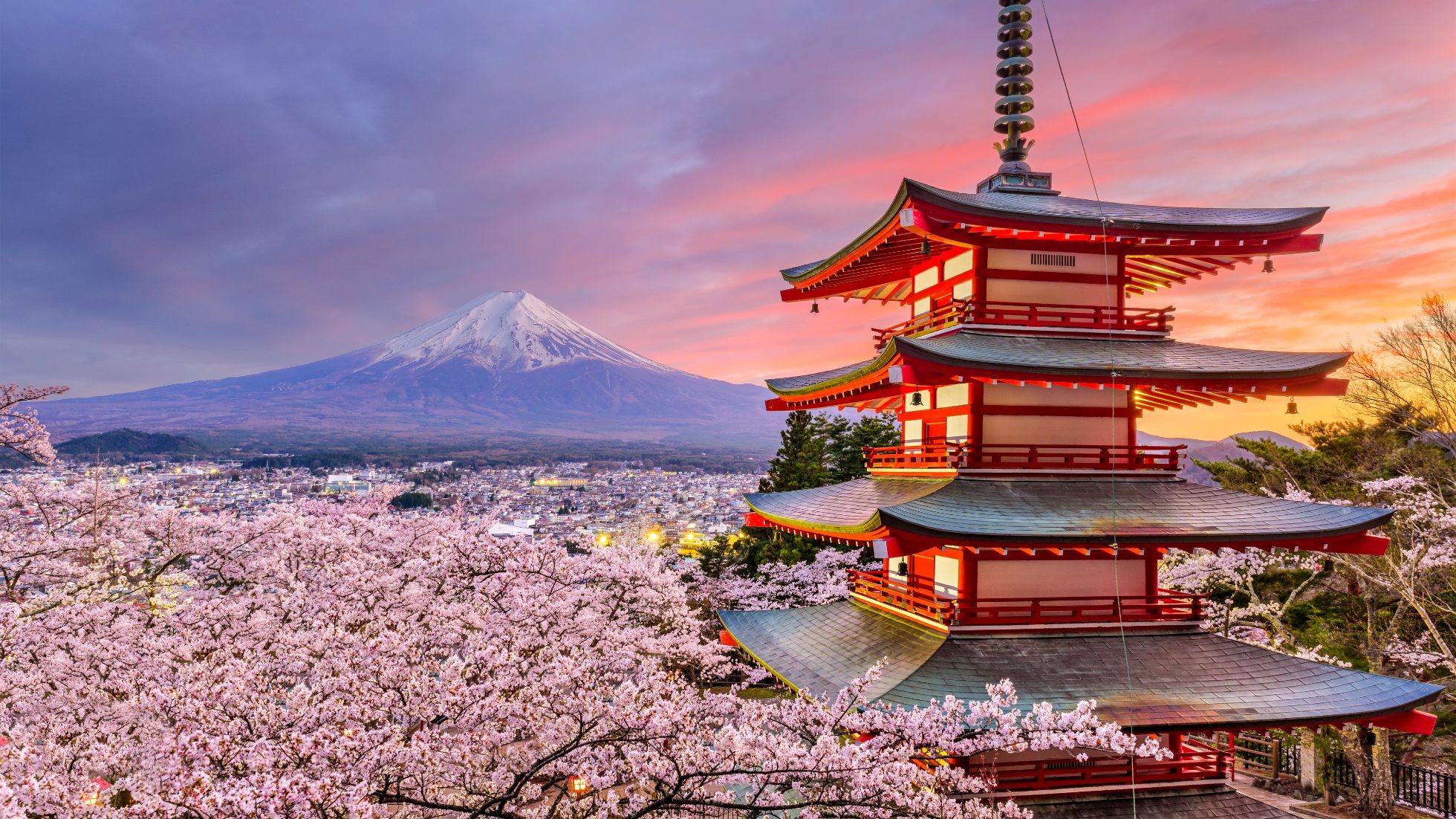
Choose Japan for an unparalleled cultural immersion, perfect for first-time international travelers seeking safety, efficiency, and unique experiences. Explore ancient temples in Kyoto, navigate the vibrant streets of Shibuya, and indulge in world-class ramen without breaking a mid-range budget. It's best for those who value structure, impeccable service, and a truly distinct travel adventure.
Choose Usa
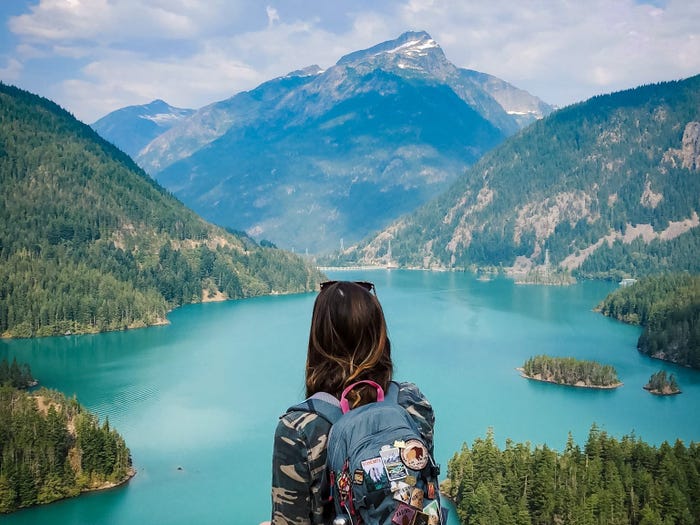
Opt for the USA if you crave epic road trips, breathtaking natural landscapes, and unparalleled diversity, ideal for adventurous travelers with a more substantial budget. Drive the Pacific Coast Highway, hike through the Grand Canyon, or explore iconic cities like New York and Los Angeles. It's best for those who love driving, seek vast open spaces, and appreciate a wide spectrum of experiences.
Quick Comparison
| Category | Japan | Usa | Winner |
|---|---|---|---|
| Costs & Budget | Japan offers good value, especially outside Tokyo. Public transport is a major budget saver. Food is affordable and high quality. | The USA is generally more expensive, particularly in major cities. Rental cars, fuel, and accommodation quickly add up. Food costs vary widely but are often higher. | Japan |
| Getting Around | Japan excels with its efficient, punctual, and extensive public transport network, primarily trains and subways. Minimal need for a rental car. | The USA often requires a rental car for exploration outside major city centers. Public transport exists in cities but is not always comprehensive or reliable for intercity travel. | Japan |
| Food & Drink | Japan offers diverse, high-quality cuisine at all price points. Street food, Michelin-star dining, and convenient stores all provide excellent options. | The USA has a wide range of global cuisines and regional specialties. Portions are often larger. Fast food is prevalent and affordable, while fine dining is available. | Japan |
| Culture & History | Japan offers ancient traditions, meticulously preserved temples, castles, and gardens alongside modern pop culture and technology. It maintains a distinct identity. | The USA presents a younger history, focusing on colonial roots, indigenous cultures, civil rights, and modern innovation. Its culture is a broad mix of many influences. | Japan |
| Accommodation | Japan provides diverse options from hostels, business hotels, traditional ryokans, and capsules. Rooms are often compact but efficient. | The USA has a wide range of hotels, motels, vacation rentals, and campsites. Room sizes are generally larger, but prices can be significantly higher, especially in cities. | Tie |
| Safety & Health | Japan is consistently rated as one of the safest countries globally, with low crime rates. Healthcare is efficient and affordable for visitors. | The USA generally has higher crime rates than Japan, varying significantly by region. Healthcare is high quality but extremely expensive without travel insurance. | Japan |
| Nature & Outdoors | Japan offers varied natural landscapes: volcanic mountains, dense forests, coastlines, and hot springs. Access is often via public transport or short trips. | The USA boasts immense, diverse natural areas including national parks, deserts, coastlines, and mountains. Many areas require a car to reach and explore. | Usa |
| Nightlife & Entertainment | Japan's nightlife is concentrated in major cities, offering karaoke, izakayas, themed bars, and clubs. It is generally orderly and safe. | The USA has diverse nightlife options from live music venues, dance clubs, casinos, and bars across various cities. Laws and atmospheres vary by state and city. | Tie |
| Shopping | Japan offers unique fashion, electronics, anime/manga goods, traditional crafts, and quirky souvenirs. High-quality items are available at various price points. | The USA is known for large malls, outlet stores, brand names, and digital electronics. Prices can be competitive, especially during sales events. | Tie |
| Getting There (Flights) | Direct flights to Japan from major US cities typically take 10-14 hours. Major airports are Tokyo Narita (NRT) and Haneda (HND). | Domestic flights within the USA are common, with travel times varying greatly. Major international gateways like LAX, JFK, ORD are well-connected globally. | Usa |
💰 Costs & Budget
Japan provides a surprising amount of value for a developed nation. A typical daily budget for a solo traveler can range from ¥15,000-¥25,000 ($100-$170 USD), excluding…

Japan

Usa
Japan provides a surprising amount of value for a developed nation. A typical daily budget for a solo traveler can range from ¥15,000-¥25,000 ($100-$170 USD), excluding inter-country flights. You can find excellent meals for ¥800-¥1,500 ($5-$10 USD) at ramen shops, konbini, or supermarket delis. The Japan Rail Pass, while costly at around ¥50,000 ($330 USD) for 7 days, offers savings if you cover many cities like Tokyo, Kyoto, and Hiroshima. Accommodation in business hotels like Toyoko Inn averages ¥7,000-¥12,000 ($45-$80 USD) per night, or hostels at ¥3,000-¥5,000 ($20-$35 USD).
The USA presents a broader range of costs, but generally skews higher. A budget for a solo traveler often sits around $150-$300 USD per day. Accommodation can be the biggest expense, with even basic motels costing $80-$150 USD per night outside major cities, and much more in places like New York or San Francisco ($200-$400+ USD). Rental cars are frequently essential for getting around, costing $50-$100+ USD per day plus fuel ($3-$5 USD per gallon). Food in casual restaurants can run $15-$30 USD per meal, and tipping is an additional 15-20%. Japan offers more controlled expenses and higher baseline quality for a mid-range budget.
- Winner: Japan
- Why: Japan provides better value for money with excellent public transport, affordable quality food, and competitive accommodation rates compared to the USA.
- Who this matters for: This matters most for budget-conscious travelers and those who prefer to keep daily expenses predictable.
🚄 Getting Around
Japan's transportation system is a benchmark for efficiency. The Shinkansen bullet train connects major cities like Tokyo, Kyoto, and Osaka at speeds up to 320 km/h, with trains…

Japan

Usa
Japan's transportation system is a benchmark for efficiency. The Shinkansen bullet train connects major cities like Tokyo, Kyoto, and Osaka at speeds up to 320 km/h, with trains departing every few minutes. Local trains and subways in cities are clean, safe, and punctual, costing ¥150-¥300 ($1-$2 USD) per ride. IC cards like Suica or Pasmo simplify payments. For specific routes, a 7-day Japan Rail Pass might be cost-effective, though individual tickets are also an option. Driving is generally not recommended for tourists due to complex roads, expensive tolls, and parking.
Traveling across the USA typically involves flying for long distances between states, or renting a car for regional exploration. A flight from New York to Los Angeles takes about 5-6 hours and costs $150-$400 USD. Rental car rates vary widely, from $40-$100+ USD per day depending on the season and location, plus fuel. Public transport systems like Amtrak trains are slower and less frequent than Japan's Shinkansen, and intercity bus services (e.g., Greyhound) are budget-friendly but not always comfortable or quick. Within cities like New York or Chicago, subways are effective, costing around $2.75 USD per ride, but many US cities lack comprehensive public transit, making ride-sharing apps like Uber or Lyft a common expense. Japan provides a smoother, less stressful travel experience for movement.
- Winner: Japan
- Why: Japan's public transport system is vastly superior in terms of efficiency, coverage, and cost-effectiveness, making travel stress-free.
- Who this matters for: This is crucial for travelers who prefer not to drive, seek convenience, and want to cover multiple cities efficiently.
🍣 Food & Drink
Japan's food scene is a major draw, offering everything from exquisite sushi and sashimi to comforting ramen, tempura, and yakitori. Even convenience stores like 7-Eleven or…

Japan

Usa
Japan's food scene is a major draw, offering everything from exquisite sushi and sashimi to comforting ramen, tempura, and yakitori. Even convenience stores like 7-Eleven or Family Mart provide high-quality, fresh meals for ¥500-¥1,000 ($3.50-$7 USD). Casual restaurants often have lunch sets for ¥800-¥1,500 ($5-$10 USD), and izakayas offer small plates and drinks for ¥2,000-¥4,000 ($14-$28 USD) per person. Dietary restrictions can be a slight challenge, especially for vegetarians, but options exist. The craft beer and sake scene is also robust, with local breweries appearing across the country.
The USA's culinary landscape is extremely diverse, reflecting its population. You can find authentic regional BBQ in Texas, fresh seafood in New England, Mexican food in the Southwest, and a global selection in major cities like New York and Los Angeles. Fast food chains like McDonald's or Chipotle offer meals for $8-$15 USD, while mid-range restaurants might cost $20-$40 USD per person, excluding drinks and tip. Portions are typically larger than in Japan. Craft breweries and cocktail bars are widespread. However, consistently high quality at lower price points is less common than in Japan. For consistent quality across all price points, Japan is typically a better experience.
- Winner: Japan
- Why: Japan provides consistently high-quality food across all price points, from street stalls to fine dining, often at better value than the USA.
- Who this matters for: Food enthusiasts and travelers who prioritize culinary experiences and consistent quality will find Japan more appealing.
⛩️ Culture & History
Japan's culture is deeply rooted in centuries of tradition, evident in its temples like Kinkaku-ji in Kyoto, ancient samurai districts, and tea ceremonies. Cities like Kyoto and…

Japan

Usa
Japan's culture is deeply rooted in centuries of tradition, evident in its temples like Kinkaku-ji in Kyoto, ancient samurai districts, and tea ceremonies. Cities like Kyoto and Nara are living museums, while Tokyo presents a hyper-modern contrast with Shibuya Crossing and Akihabara's electronics stores. Respect for elders, politeness, and efficiency are noticeable societal norms. Festivals throughout the year, like Gion Matsuri, showcase traditional arts. Visitors can participate in cultural activities like sumo viewing or staying at a ryokan (traditional inn).
The USA's history is shorter but equally impactful, covering Native American heritage, colonial periods, the Civil War, and the Civil Rights Movement. Sites like the National Mall in Washington D.C., Colonial Williamsburg, or Alcatraz Island offer insights into different eras. American culture is a broad collection of regional identities, from the Southern hospitality of Charleston to the laid-back West Coast vibe. Museums like the Smithsonian in D.C. are world-renowned. While the USA has compelling stories, Japan's pervasive, ancient, and cohesive cultural identity offers a more concentrated and deeply foreign experience for many international travelers.
- Winner: Japan
- Why: Japan offers a more concentrated, ancient, and deeply distinct cultural experience, with well-preserved traditions and historical sites.
- Who this matters for: Travelers seeking immersion in ancient traditions, distinct societal norms, and a history markedly different from Western cultures.
🏨 Accommodation
In Japan, accommodation options are varied and efficient. Hostels in major cities average ¥3,000-¥5,000 ($20-$35 USD). Business hotels like APA Hotel or Dormy Inn, common near…

Japan

Usa
In Japan, accommodation options are varied and efficient. Hostels in major cities average ¥3,000-¥5,000 ($20-$35 USD). Business hotels like APA Hotel or Dormy Inn, common near train stations, offer clean, functional rooms with amenities for ¥7,000-¥15,000 ($45-$100 USD). Traditional ryokans with hot springs can range from ¥15,000-¥50,000+ ($100-$350+ USD) per night, often including meals. Rooms are frequently smaller than Western equivalents but are well-maintained. Capsule hotels offer a budget, minimalist experience for ¥3,000-¥6,000 ($20-$40 USD).
The USA offers a broader spectrum of lodging. Budget motels like Motel 6 or Super 8 can be found for $70-$120 USD per night outside city centers. Mid-range hotels like Marriott or Hilton brands range from $150-$300 USD, or significantly more in popular destinations. Vacation rentals (Airbnbs) are popular, offering more space and kitchen facilities, but costs vary wildly. Camping in national parks is an affordable option, often $20-$40 USD per night, but requires reservations far in advance. While Japan offers more consistent quality at lower price points for its specific style, the USA provides more space and choice for different types of stays, often at a higher overall cost. Both have their strengths.
- Winner: Tie
- Why: Both countries offer good accommodation choices depending on budget and travel style; Japan for efficiency, USA for space and variety.
- Who this matters for: This category is important for all travelers, as it directly impacts daily comfort and budget.
🛡️ Safety & Health
Japan is renowned for its exceptional safety. Violent crime is rare, and even petty crime like pickpocketing is minimal. Travelers often feel comfortable walking alone at night in…
Japan is renowned for its exceptional safety. Violent crime is rare, and even petty crime like pickpocketing is minimal. Travelers often feel comfortable walking alone at night in major cities. Lost items are frequently returned to their owners. The public health system is high quality, and visitors can access medical care. A basic doctor's visit might cost ¥5,000-¥10,000 ($35-$70 USD) without insurance, but travel insurance is always recommended for emergencies. Public hygiene standards are also very high, with clean public restrooms and widespread mask-wearing in certain situations.
Safety in the USA varies considerably by location. Major cities and tourist areas are generally safe during the day, but some neighborhoods can be risky at night. Travelers should exercise caution, especially in larger metropolitan areas. Gun violence, while not typically targeting tourists, is a societal concern. Healthcare in the USA is cutting-edge but incredibly expensive. A simple emergency room visit can easily cost $1,000-$5,000 USD, and more complex issues can run into tens or hundreds of thousands. Comprehensive travel insurance is an absolute necessity for visitors to the USA. For a worry-free travel experience, Japan is the clear pick.
- Winner: Japan
- Why: Japan offers a significantly higher level of personal safety and low crime rates, providing peace of mind to travelers, and medical care is more accessible without insurance.
- Who this matters for: Solo travelers, families with children, and anyone prioritizing personal security and predictable healthcare costs.
🏞️ Nature & Outdoors
Japan's nature is accessible and appealing, from the iconic Mount Fuji and the bamboo groves of Arashiyama to the snowy landscapes of Hokkaido and the subtropical beaches of…
Japan's nature is accessible and appealing, from the iconic Mount Fuji and the bamboo groves of Arashiyama to the snowy landscapes of Hokkaido and the subtropical beaches of Okinawa. Hiking is popular, with trails like the Kumano Kodo pilgrimage route. National parks like Fuji-Hakone-Izu are well-maintained. Onsen (hot springs) are an integral part of the nature experience. However, the scale of Japan's natural areas is generally smaller and more contained compared to the vastness of the USA. Many scenic spots are integrated with cultural sites, making for combined experiences.
The USA's outdoor offerings are on a grand scale, with 63 national parks like Yellowstone, Yosemite, and Zion, each offering distinct ecosystems, geological formations, and activities like hiking, camping, and wildlife viewing. The country has extensive coastlines (Pacific, Atlantic, Gulf), deserts, vast forests, and mountain ranges (Rockies, Appalachians). Road trips through these areas are a quintessential American travel experience. While some parks, like Acadia, are accessible without a car, many require driving. Entrance fees for national parks are typically $20-$35 USD per vehicle. The sheer size, diversity, and ruggedness of the USA's natural spaces provide a broader canvas for outdoor adventure.
- Winner: Usa
- Why: The USA offers a greater variety and sheer scale of natural landscapes, particularly through its extensive national park system, making it ideal for outdoor enthusiasts.
- Who this matters for: Adventure travelers, hikers, campers, and those who prioritize exploring expansive natural environments and road tripping.
🌃 Nightlife & Entertainment
Japan's nightlife is most vibrant in cities like Tokyo (Shinjuku, Shibuya, Roppongi) and Osaka (Dotonbori). Karaoke boxes are a staple, costing ¥1,000-¥3,000 ($7-$20 USD) per hour…
Japan's nightlife is most vibrant in cities like Tokyo (Shinjuku, Shibuya, Roppongi) and Osaka (Dotonbori). Karaoke boxes are a staple, costing ¥1,000-¥3,000 ($7-$20 USD) per hour depending on the time. Izakayas (Japanese pubs) are popular for food and drinks, with bills often ¥2,000-¥5,000 ($14-$35 USD) per person. Themed bars, such as those in Golden Gai, offer unique experiences. Clubs play a range of music, and entry fees typically range from ¥1,000-¥3,000 ($7-$20 USD). The atmosphere is generally safe and regulated, with trains stopping around midnight, requiring taxis or walking for late-night returns.
USA nightlife is incredibly varied. Major cities like New York, Los Angeles, Miami, and Las Vegas offer extensive options: Broadway shows in NYC ($80-$300 USD per ticket), world-class DJs in Vegas clubs, live music in Austin, or jazz clubs in New Orleans. Bars, pubs, and clubs are common, with drink prices varying widely but often $8-$15+ USD per drink. Cover charges for clubs can be $10-$50 USD. Gambling is a draw in cities like Las Vegas and Atlantic City. Laws regarding alcohol sales and opening hours vary by state and sometimes by county. While Japan offers a distinct, generally safer, and often more novel nightlife experience, the sheer variety and scale of American entertainment, from high culture to wild clubs, puts them at a similar level for different preferences.
- Winner: Tie
- Why: Both destinations offer robust nightlife options, but cater to different tastes; Japan for specific cultural activities, USA for broad entertainment and scale.
- Who this matters for: Travelers seeking late-night fun, entertainment, and social experiences; preferences will dictate the better choice.
🛍️ Shopping
Japan is a shopper's paradise, especially for those interested in fashion, electronics, and pop culture items. Tokyo's Shibuya and Harajuku districts are fashion hubs, while…
Japan is a shopper's paradise, especially for those interested in fashion, electronics, and pop culture items. Tokyo's Shibuya and Harajuku districts are fashion hubs, while Akihabara caters to electronics and anime enthusiasts. Traditional crafts like ceramics, textiles, and green tea are popular souvenirs, available in specialty stores across Kyoto and other historical areas. Department stores like Isetan or Mitsukoshi offer high-end goods. Prices for consumer electronics can be similar to or slightly higher than in the USA, but unique items are prevalent. Tax-free shopping is available for tourists at many stores for purchases over ¥5,000 ($35 USD).
The USA excels in retail therapy with massive shopping malls, premium outlet centers, and flagship stores for international brands. Cities like New York (Fifth Avenue) and Los Angeles (Rodeo Drive) are synonymous with luxury shopping. For electronics, big box retailers like Best Buy are common. Seasonal sales, especially Black Friday, offer significant discounts. Sales tax varies by state, from 0% in states like Oregon and Delaware to over 9% in others. While Japan offers more unique and culturally specific items, the USA often has better prices on international brands, especially with outlets. Therefore, both are strong depending on what you want to buy.
- Winner: Tie
- Why: Both countries offer compelling shopping experiences but for different types of goods; Japan for unique items, USA for brand names and sales.
- Who this matters for: Travelers who prioritize acquiring goods, whether specific souvenirs or international brands at competitive prices.
✈️ Getting There (Flights)
Flights to Japan from the USA are primarily from major West Coast hubs like Los Angeles (LAX) or San Francisco (SFO), taking around 10-11 hours direct to Tokyo. From East Coast…
Flights to Japan from the USA are primarily from major West Coast hubs like Los Angeles (LAX) or San Francisco (SFO), taking around 10-11 hours direct to Tokyo. From East Coast cities like New York (JFK), flights are longer, about 13-14 hours direct. Round-trip economy tickets typically range from $800-$1500 USD, though sales can bring them down to $600-$700 USD. Haneda Airport (HND) is closer to central Tokyo than Narita (NRT), offering easier access. Japan has other international airports like Osaka Kansai (KIX), providing entry points to different regions. Flights are a significant part of the budget and time commitment.
For international travelers, getting to the USA is generally simpler due to its extensive network of international airports across the country, including major hubs like Los Angeles (LAX), New York (JFK), Chicago (ORD), and Atlanta (ATL). Flight times from Europe or Asia vary, but there are numerous direct routes. Domestic travel within the USA is also very extensive. A flight from New York to Miami is about 3 hours, costing $100-$300 USD. While Japan offers a specific destination, the USA's position as a global air travel hub with more direct options to various entry points often makes it easier to access overall for a wider range of international travelers.
- Winner: Usa
- Why: The USA is generally easier to reach for a wider range of international travelers due to its numerous global air hubs and direct flight options from many continents.
- Who this matters for: This matters most for international travelers looking for convenience in flight options and potentially shorter overall travel times from their origin.
🎯 The Decision Framework
Choose Japan If…
- You desire highly efficient, on-time public transport everywhere.
- You prioritize personal safety and low crime rates above all.
- You want consistently excellent food at reasonable prices.
- You are fascinated by ancient temples and distinct cultural traditions.
- You prefer compact, well-organized cities and towns.
- You appreciate polite service and high standards of cleanliness.
- You want to explore diverse regions easily with a rail pass.
- You seek a travel experience where language barriers are manageable but present.
Choose Usa If…
- You plan to rent a car and drive long distances for road trips.
- You want to explore expansive national parks and varied natural landscapes.
- You are interested in diverse regional subcultures and cuisines.
- You are comfortable with higher overall daily travel expenses.
- You seek broad entertainment options, from Broadway to casinos.
- You prefer large accommodations and more personal space.
- You want a travel experience where English is widely spoken.
- You enjoy exploring huge, sprawling cities with distinct neighborhoods.
❓ Frequently Asked Questions
Which destination is better for solo travelers, Japan or USA?
Japan is typically better for solo travelers due to its exceptional safety, efficient public transport, and ease of navigating cities alone. You can find hostels from $20-$35 USD per night and always feel secure, even late at night.
What is the typical budget difference between Japan and the USA?
Japan offers a solo traveler a daily budget around $100-$170 USD, excluding major inter-country flights. The USA often requires $150-$300 USD per day for a similar travel style, primarily due to higher accommodation and transportation costs like rental cars and fuel.
Is English widely spoken in Japan compared to the USA?
In the USA, English is the primary language and widely spoken everywhere. In Japan, English speakers are common in major tourist areas and large hotels, but outside these areas, you might encounter language barriers. Translation apps are helpful, and signs often have English translations.
Which country offers better outdoor adventure opportunities?
The USA generally offers more expansive and diverse outdoor adventure opportunities, with its vast national park system like Yellowstone or Yosemite. Japan has beautiful nature, like Mount Fuji and Hokkaido, but on a smaller, more accessible scale. For grand, rugged outdoor exploration, the USA excels.
How long should I plan to visit each country for a good experience?
For Japan, a good introductory trip is 10-14 days to cover Tokyo, Kyoto, and a few day trips. For the USA, due to its size, 2-3 weeks for a specific region (e.g., West Coast national parks or East Coast cities) is a good starting point. A cross-country trip needs 4+ weeks.
What are the visa requirements for each country for US citizens?
US citizens do not need a visa for tourist stays up to 90 days in Japan. For the USA, US citizens do not need a visa, as it is their home country. For non-US citizens visiting the USA, an ESTA (Electronic System for Travel Authorization) or a visa is often required, depending on nationality.
Which destination is better for foodies on a budget?
Japan is a better destination for foodies on a budget. You can find incredibly high-quality, delicious meals like ramen, sushi, and bento boxes for $5-$15 USD at local eateries and convenience stores. The consistency of quality at lower prices is difficult to match elsewhere.
How do flight times and costs differ when traveling from Europe?
From Europe, flights to Japan are typically 11-13 hours direct, costing around $700-$1200 USD round trip. Flights to the East Coast USA are shorter, about 7-9 hours, often costing $500-$900 USD. West Coast USA flights from Europe are similar to Japan in duration and price.
Ready to plan your next adventure?
Get a free custom itinerary for Japan, Usa, or both — built from real traveler insights.
🎟️ Book Tours & Experiences
Hand-picked tours and activities for both destinations — book with free cancellation
Experiences via Viator — free cancellation on most tours