How we built this comparison
This page combines traveler discussion patterns, published price ranges, flight schedules, and seasonal data to help you decide between Jerusalem and Amman.
- Reviewed 50+ Reddit threads from r/travel, r/solotravel, r/Israel, r/Jordan, r/backpacking for authentic traveler experiences and tips.
- Verified costs and logistics against current booking platforms (Booking.com, Airbnb, Google Flights) and local transportation services.
- Cross-referenced seasonal patterns, weather data, and geopolitical advisories from reputable government travel resources.
⚡ The TL;DR Verdict
Choose Jerusalem for unparalleled historical depth and spiritual significance, ideal for those prioritizing ancient sites and religious immersion, expecting a daily budget of $120-200 USD. Opt for Amman if you're seeking a more relaxed, budget-friendly urban experience with fantastic food and a strategic base for exploring Jordan's natural wonders, where $80-150 USD a day will go a long way.
- Choose Jerusalem: For history buffs, spiritual seekers, and those fascinated by ancient cultures and religious heritage. Be ready for intense experiences and higher costs.
- Choose Amman: For budget-conscious travelers, foodies, and those looking for a laid-back urban base to explore Jordan's iconic Petra, Wadi Rum, and Dead Sea. More relaxed vibe.
- Choose Both: If you have 7-10+ days and want a comprehensive Middle Eastern experience. Consider flying into Tel Aviv (for Jerusalem) and out of Amman, with a border crossing in between.
Quick Comparison
| Category | Jerusalem | Amman | Winner |
|---|---|---|---|
| Culture & History | Unmatched religious and historical significance with sites like the Old City, Western Wall, and Church of the Holy Sepulchre. | Rich Roman and Islamic history visible in sites like the Citadel, Roman Theater, and various museums. | Jerusalem |
| Costs & Budget | Significantly higher cost of living and tourism, especially for accommodation and dining. | More budget-friendly across the board, from hostels to local meals and transportation. | Amman |
| Food & Drink | Diverse culinary scene with Middle Eastern, Mediterranean, and European influences; famous for hummus, falafel, sabich. | Authentic Jordanian and Levantine cuisine, renowned for mansaf, knafeh, and a vibrant street food culture. | Amman |
| Getting There & Around | Served by Tel Aviv Ben Gurion Airport (TLV), with easy connections via Sherut shared taxis or train/bus. | Directly served by Queen Alia International Airport (AMM), with taxis and JETT buses for city transfer. | Tie |
| Accommodation | Mix of boutique hotels, religious guesthouses, and hostels, often higher-priced, especially in the Old City. | Wide range of budget-friendly hostels, mid-range hotels, and guesthouses, with good value in downtown and Jabal Amman. | Amman |
| Day Trips & Nature | Easy access to Dead Sea, Masada, Bethlehem, and Judean Desert landscapes. | Gateway to iconic Petra, Wadi Rum desert, Jerash Roman ruins, and the Jordanian side of the Dead Sea. | Amman |
| Safety & Vibe | Generally safe for tourists with high security presence, but can feel intense and politically charged. | Very safe and welcoming city with a relaxed, hospitable atmosphere, minimal overt security. | Amman |
| Nightlife | Emerging bar scene, particularly around Mahane Yehuda Market, but generally more conservative than other global cities. | Vibrant and growing nightlife, especially in areas like Jabal Amman and Rainbow Street, with diverse options. | Amman |
| Shopping & Souvenirs | Old City souqs for religious items, spices, ceramics; modern malls for international brands. | Traditional souqs for spices, textiles, artisanal crafts; modern malls and Rainbow Street for unique boutiques. | Tie |
| Solo Travel & Friendliness | Can be intense, but people are generally helpful; hostels are good for meeting others. | Extremely welcoming and friendly, easy to navigate and meet locals or other travelers. | Amman |
🏛️ Culture & History
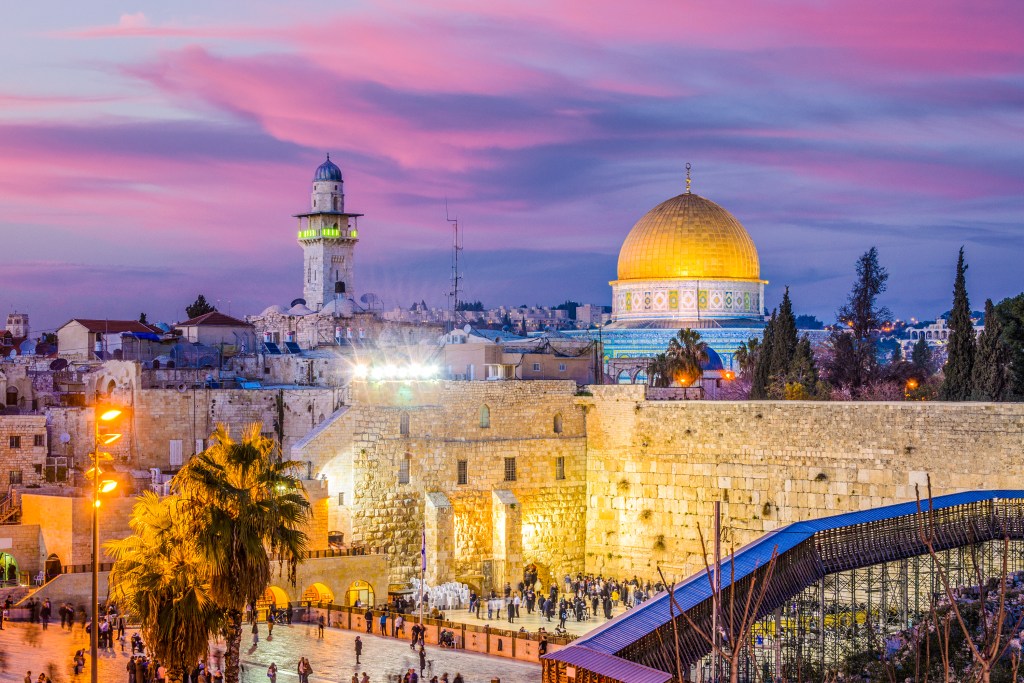
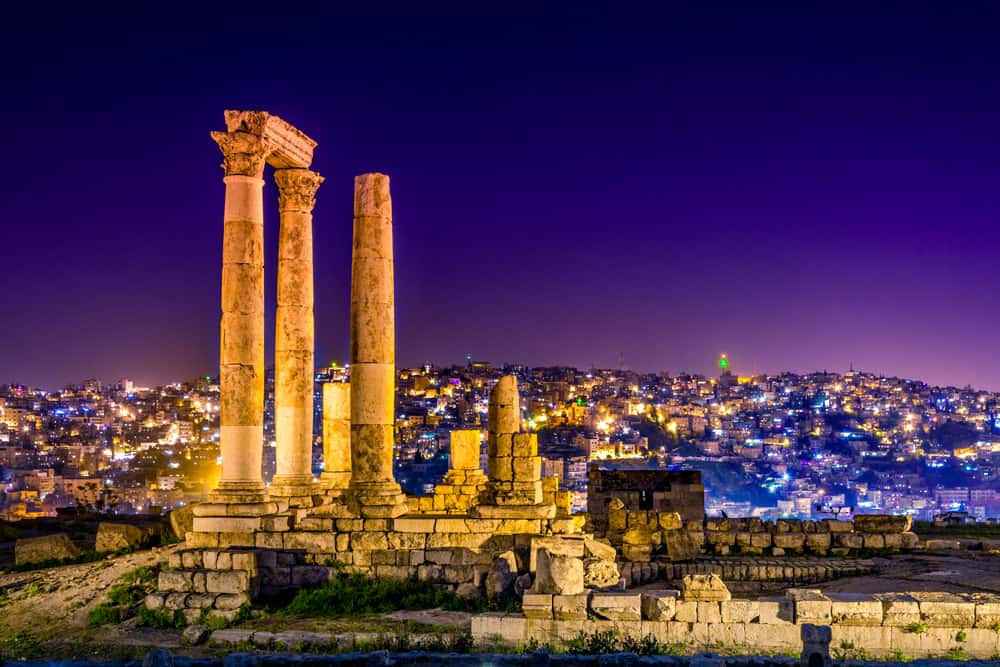
Jerusalem is a living museum, a city where millennia of history and spirituality converge in a profound way. The Old City alone, with its four quarters, the Western Wall, the Dome of the Rock, and the Church of the Holy Sepulchre, offers an overwhelming density of significant sites. Walking its ancient streets is an intensely spiritual and historical journey. In contrast, Amman's historical core, while impressive, feels more like a collection of distinct archaeological sites rather than a continuous, breathing ancient city. The Amman Citadel and the Roman Theater are fantastic, showcasing impressive Roman and Umayyad remnants, but they don't quite offer the same immersive, multi-layered historical narrative as Jerusalem. 'Jerusalem just hits different, man. Like, standing at the Western Wall, you feel the weight of ages. Amman's cool, but Jerusalem's a time machine.'
Winner takeaway
- Winner: Jerusalem
- Why: Jerusalem offers an unparalleled density and depth of world-historical and spiritual sites, making it a truly unique cultural experience.
- Who this matters for: History enthusiasts, religious pilgrims, and those seeking profound cultural immersion.
💰 Costs & Budget
When it comes to your wallet, Amman is the clear winner. A decent hostel bed in Jerusalem can run you 120-180 ILS ($32-48 USD) per night, while a similar spot in Amman might be 15-25 JOD ($21-35 USD). Meals are also pricier in Jerusalem; a mid-range restaurant main course is often 60-90 ILS ($16-24 USD), whereas in Amman, you can feast like a king at a local spot for 5-10 JOD ($7-14 USD) – think delicious mansaf or a huge falafel sandwich. Local transport is also cheaper in Amman. Even basic groceries and water are noticeably more expensive in Israel. Expect to spend at least 25-30% more on average in Jerusalem, if not more, compared to Amman for similar quality. 'Seriously, my budget stretched so much further in Jordan. I could eat out every meal in Amman without breaking the bank, Jerusalem? Not so much.'
Winner takeaway
- Winner: Amman
- Why: Amman consistently offers better value for money across accommodation, food, and local transport, making it more accessible for budget travelers.
- Who this matters for: Budget backpackers, long-term travelers, and anyone trying to maximize their travel funds.
🥙 Food & Drink
While Jerusalem offers fantastic food, especially around Mahane Yehuda Market with its vibrant stalls and eateries (try Machneyuda for a splurge or Mizrahi for authentic street food), Amman delivers a more consistently authentic and often more affordable Middle Eastern culinary experience. Amman's street food scene is legendary, with places like Hashem Restaurant downtown serving incredible hummus, foul, and falafel for just a few JOD ($3-5 USD). You can't leave Amman without trying mansaf, Jordan's national dish, or indulging in the gooey, cheesy sweetness of knafeh from a place like Habibah Sweets. The focus in Amman is often on hearty, traditional, and flavorful dishes that are deeply ingrained in local culture, whereas Jerusalem's food scene can feel a bit more globally influenced. 'The hummus in Amman at Hashem? Life-changing. I ate there almost every day. Jerusalem's good, but Amman's just *chef's kiss* for traditional eats.'
Winner takeaway
- Winner: Amman
- Why: Amman excels in authentic, delicious, and incredibly affordable traditional Jordanian and Levantine cuisine, providing a deeper dive into regional flavors.
- Who this matters for: Foodies, budget travelers, and anyone looking for authentic local flavors without breaking the bank.
✈️ Getting There & Around
Both cities are well-connected internationally, but getting around locally differs. For Jerusalem, you'll fly into Tel Aviv Ben Gurion Airport (TLV), which is a major international hub with numerous direct flights from Europe and North America. From TLV, a shared 'Sherut' taxi costs around 70-80 ILS ($19-22 USD) and takes about an hour directly to your accommodation. Local transport in Jerusalem relies on an efficient tram system and buses. Amman's Queen Alia International Airport (AMM) is also well-served, albeit with fewer direct long-haul options than TLV. A taxi from AMM to downtown Amman costs around 20-25 JOD ($28-35 USD), or you can take the cheaper JETT bus for 3.5 JOD ($5 USD). Within Amman, local taxis are plentiful and affordable, and ride-sharing apps like Careem are popular. While Jerusalem's tram is great for specific routes, Amman's taxi/Careem system offers more flexibility for tourists. 'Getting from TLV to Jerusalem was super easy with the Sherut. In Amman, taxis are everywhere and cheap, just make sure they use the meter or agree on a price first!'
Winner takeaway
- Winner: Tie
- Why: Both cities offer robust international access and efficient, albeit different, local transportation options that cater well to travelers.
- Who this matters for: Travelers prioritizing direct flight access, those who prefer public transport vs. ride-shares.
🏨 Accommodation
Amman offers significantly better value and a wider range of budget-friendly accommodation options compared to Jerusalem. In Jerusalem, a well-rated hostel like Abraham Hostel Jerusalem or The Post Hostel will typically cost 120-180 ILS ($32-48 USD) for a dorm bed. Mid-range hotels can easily exceed 400-600 ILS ($108-160 USD) per night. While there are unique options like guesthouses within the Old City, they often come at a premium. Amman, however, boasts excellent hostels such as The Cabin Hostel or Nomads Hotel, where a dorm bed is typically 15-25 JOD ($21-35 USD). Mid-range hotels in areas like Jabal Amman or Downtown can be found for 40-70 JOD ($56-98 USD), offering great comfort and amenities. The overall quality-to-price ratio in Amman is simply more favorable, allowing travelers to stretch their budget further or enjoy more luxurious stays for less. 'I found a really nice private room in Amman for what a dorm bed cost me in Jerusalem. The value is just way better in Jordan, hands down.'
Winner takeaway
- Winner: Amman
- Why: Amman provides superior value and a broader selection of budget to mid-range accommodations, allowing travelers more flexibility with their spending.
- Who this matters for: Budget travelers, those seeking better value for their money, and backpackers.
🏞️ Day Trips & Nature
While Jerusalem offers fantastic day trips to the Dead Sea, Masada, and the historical and religious sites of Bethlehem, Amman truly shines as a base for exploring some of the world's most breathtaking natural and archaeological wonders. From Amman, you're perfectly positioned for trips to the ancient Nabataean city of Petra (around 3 hours drive, JOD 50/day pass ~ $70 USD), the stunning desert landscapes of Wadi Rum (around 4 hours drive, guided tours from JOD 50-100+ ~ $70-140+ USD), and the remarkably preserved Roman ruins of Jerash (less than an hour north, JOD 10 ~ $14 USD). While Israel has its own Dead Sea access, Jordan's side, particularly the panoramic views from Mujib Reserve, is equally impressive. The sheer diversity and global significance of Amman's surrounding attractions give it the edge. 'Petra and Wadi Rum from Amman were easily the highlights of my whole trip. Nothing in Israel quite matched that level of natural beauty and ancient wonder.'
Winner takeaway
- Winner: Amman
- Why: Amman serves as a superior base for accessing globally renowned natural and archaeological sites like Petra, Wadi Rum, and Jerash.
- Who this matters for: Adventure seekers, photographers, history enthusiasts interested in ancient civilizations, and nature lovers.
🛡️ Safety & Vibe
Both cities are generally safe for tourists, but the vibe is distinctly different. Jerusalem, while having a strong security presence, can feel intense and politically charged, especially around sensitive religious sites or during times of heightened tension. Tourists are rarely targeted, but the underlying geopolitical situation is palpable. Amman, on the other hand, radiates a much more relaxed and welcoming atmosphere. Jordanians are renowned for their hospitality, and visitors often feel genuinely welcomed and safe exploring the city, even at night. The security presence is much less overt, contributing to a more laid-back experience. While petty crime exists in both, serious incidents are rare. The overall feeling of ease and warmth in Amman makes it a more comfortable destination for many. 'Amman felt so chill and friendly. I never once felt uncomfortable, even walking alone at night. Jerusalem was safe, but definitely more... intense, if that makes sense.'
Winner takeaway
- Winner: Amman
- Why: Amman offers a more relaxed, universally welcoming, and less politically charged atmosphere, contributing to a greater sense of ease for travelers.
- Who this matters for: Solo female travelers, first-time Middle East visitors, and those seeking a low-stress, friendly environment.
🍻 Nightlife
While Jerusalem isn't known as a party city, its nightlife has been growing, particularly around Mahane Yehuda Market where several bars and pubs like 'Shuka Bar' or 'Beer Bazaar' come alive after the market closes. However, it's generally a more subdued scene, often ending earlier than in other major cities due to the city's religious character. Amman, conversely, offers a more diverse and vibrant nightlife, especially in areas like Jabal Amman (around Rainbow Street) and Abdoun. Here you'll find everything from trendy rooftop bars and lounges (like Cantaloupe Gastropub) to more casual pubs and shisha cafes, many of which stay open late. There's a more liberal attitude towards alcohol and entertainment, catering to a wider demographic looking for evening fun. 'Amman surprised me with its nightlife! Rainbow Street had so many cool bars and cafes, way more options than Jerusalem which felt a bit more limited after dark.'
Winner takeaway
- Winner: Amman
- Why: Amman provides a more extensive, diverse, and lively nightlife scene with more options for bars, lounges, and late-night entertainment.
- Who this matters for: Travelers looking for social evenings, a vibrant bar scene, and late-night entertainment options.
🛍️ Shopping & Souvenirs
Both cities offer distinct and rewarding shopping experiences. Jerusalem's Old City souqs are a treasure trove for religious artifacts, olive wood carvings, ceramics, and spices. You can find unique items reflecting its historical and spiritual significance. The new city offers modern malls like Mamilla Avenue for international brands and upscale boutiques. Amman's downtown souqs are bustling with local life, offering traditional clothing, spices, gold, and everyday goods. For more curated artisanal crafts, Dead Sea products, and unique boutiques, head to Rainbow Street or Jabal Amman. You'll find beautiful mosaics, intricate silver jewelry, and contemporary Jordanian art. The markets in both cities are vibrant and offer an immersive experience, but the types of souvenirs reflect their distinct cultural identities. 'Loved getting my olive wood rosary in Jerusalem's Old City, but the artisanal stuff on Rainbow Street in Amman was really unique and great for gifts.'
Winner takeaway
- Winner: Tie
- Why: Both cities provide rich and distinct shopping experiences, catering to different interests, from religious artifacts to traditional crafts and modern goods.
- Who this matters for: Travelers seeking unique local crafts, traditional souvenirs, and culturally relevant purchases.
👤 Solo Travel & Friendliness
Amman is exceptionally welcoming for solo travelers. Jordanians are renowned for their hospitality, often going out of their way to assist visitors. It’s easy to strike up conversations, and the city feels very safe to explore independently. Hostels like The Cabin Hostel or Nomads Hotel are excellent for meeting fellow travelers. The relaxed pace and friendly demeanor make it very comfortable for solos to navigate. Jerusalem, while generally safe and with helpful locals, can feel more intense due to its profound history and political sensitivity. It's a city that demands a lot from a solo traveler emotionally and intellectually, and while meeting people in hostels like Abraham Hostel is easy, the general street interaction can be less overtly 'friendly' than in Amman. 'As a solo female, Amman felt incredibly safe and easy. People were so genuinely kind and helpful. Jerusalem was fine too, but Amman just had a warmer, more approachable vibe.'
Winner takeaway
- Winner: Amman
- Why: Amman's warm, hospitable culture and relaxed atmosphere make it an incredibly easy and friendly city for solo travelers to navigate and connect with locals.
- Who this matters for: Solo travelers, especially first-timers to the region, and those prioritizing ease of interaction and a welcoming environment.
❓ Frequently Asked Questions
Do I need a visa for Israel or Jordan?
Visa requirements vary greatly by nationality. Many Western citizens can enter Israel visa-free for up to 90 days. For Jordan, many nationalities can obtain a visa on arrival at Queen Alia Airport (AMM) or land borders, or apply for a Jordan Pass in advance which includes visa fees and entry to Petra. Always check current regulations for your specific passport before traveling.
Can I easily travel between Jerusalem and Amman?
Yes, it is possible to travel between Jerusalem and Amman via land borders. The King Hussein/Allenby Bridge is the closest but only allows specific nationalities and often requires pre-arranged visas. The Sheikh Hussein/Jordan River Crossing (north) and Yitzhak Rabin/Arava Crossing (south, near Eilat/Aqaba) are generally easier for tourists. Be prepared for potentially long waits and thorough security checks, especially on the Israeli side. A shared taxi (sherut) or bus can take you from Jerusalem to the border, and a taxi from the border to Amman.
What's the best time of year to visit both cities?
The best time to visit both Jerusalem and Amman is during the spring (April-May) or autumn (September-October). The weather is pleasantly mild and sunny, ideal for sightseeing and outdoor activities. Summers (June-August) can be extremely hot, while winters (November-March) can be cool, wet, and occasionally experience snow, especially in Jerusalem.
Is it safe for solo female travelers in Jerusalem and Amman?
Both cities are generally safe for solo female travelers. Jerusalem has a strong security presence, and while politically charged, tourists are rarely targets. Amman is renowned for its hospitality and feels very safe and welcoming. As always, dress modestly, especially in religious areas, be aware of your surroundings, and exercise common sense, particularly at night.
What currency should I use in Jerusalem and Amman?
In Jerusalem, the local currency is the Israeli New Shekel (ILS). In Amman, it's the Jordanian Dinar (JOD). While some tourist-focused businesses might accept USD or EUR, it's always best to have local currency for smaller purchases, taxis, and local eateries. ATMs are widely available in both cities.
What are the language differences?
In Jerusalem, the main languages are Hebrew and Arabic, with English widely spoken in tourist areas. In Amman, the primary language is Arabic, and again, English is commonly understood in hotels, tourist sites, and by younger generations. Learning a few basic phrases in Arabic (like 'Shukran' for thank you) will be appreciated in both locations.
How many days should I allocate for each city?
For Jerusalem, plan at least 3-4 full days to cover the Old City, major religious sites, and perhaps a day trip to the Dead Sea or Bethlehem. For Amman, 2-3 full days are usually sufficient to explore the city's highlights, but you'll want to add 3-4 extra days if you plan to visit Petra, Wadi Rum, and Jerash as day trips from Amman.
Is one city better for families with children?
Amman might be slightly more comfortable for families due to its relaxed pace, easier navigation, and generally lower costs, which can add up with kids. Jerusalem offers incredible educational experiences, but the intensity and crowds of the Old City might be overwhelming for very young children. Both have attractions suitable for various ages, but Amman provides a less intense introduction to the region.
Ready to plan your Middle East trip?
Get a free custom itinerary for Jerusalem, Amman, or both — built from real traveler insights.
🎟️ Book Tours & Experiences
Hand-picked tours and activities for both destinations — book with free cancellation
Experiences via Viator — free cancellation on most tours