How we built this comparison
This page combines traveler discussion patterns from Reddit, published price ranges, and seasonal data to make the Jordan vs Egypt decision easier to resolve.
- Reviewed 20+ Reddit threads across r/travel, r/solotravel, r/Shoestring, and r/JordanTravel.
- Cross-checked costs against recent trip reports (2024–2026) for accommodation, transport, and entrance fees.
- Updated safety assessments using first-hand reports from solo travelers, including solo female accounts.
Best read as a decision guide, not a universal truth: your experience will depend on your budget, travel style, and which side of both countries you end up seeing.
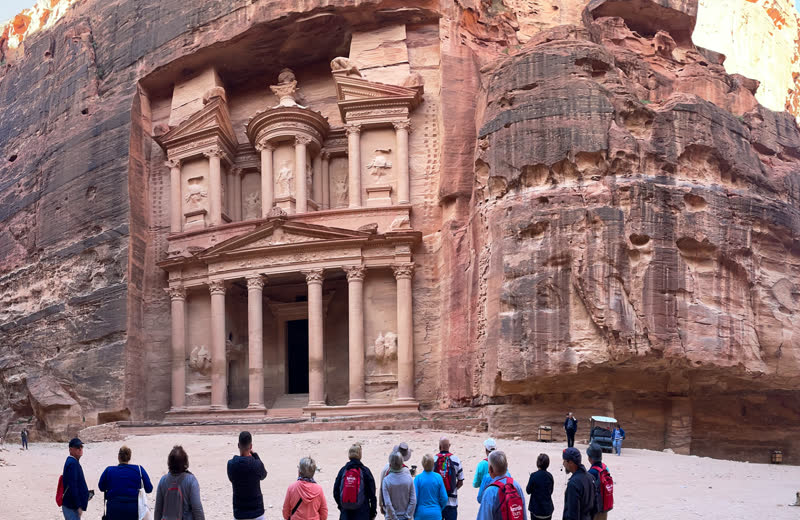
The Treasury, Petra — Jordan's crown jewel

The Pyramids of Giza — Egypt's ancient wonder
⚡ The TL;DR Verdict
Jordan is better if you want your first Middle East trip to be smooth, safe, and spectacular. Egypt is better if you want the most dramatic ancient history on the planet — and are willing to deal with some chaos to get it. Mid-range budget: Jordan $70–120/day vs Egypt $35–75/day.
- Choose Jordan: First-timers, solo female travelers, easy logistics, Petra + Wadi Rum in one trip.
- Choose Egypt: Bucket-list pyramid seekers, budget travelers, Nile cruise romantics, history obsessives.
- Budget snapshot: Jordan: 50–80 JOD/day ($70–115); Egypt: 1,000–2,500 EGP/day ($33–80).
Choose Jordan
First-timers, solo women, anyone who wants world-class sights without the hustle.
Choose Egypt
Pyramid dreamers, Nile romantics, budget travelers, history obsessives.
Quick Comparison
| Category | 🏛️ Jordan | 🔺 Egypt | Edge |
|---|---|---|---|
| Daily Budget | $70–120/day mid-range | $35–75/day mid-range | Egypt |
| Top Sight | Petra (The Treasury) | Great Pyramids of Giza | Tie |
| Safety (solo) | Very safe, low harassment | Moderate; guides recommended | Jordan |
| Solo Female Travel | One of best in region | More challenging; tour advised | Jordan |
| Food Quality | Excellent mezze, shawarma | Excellent street food, koshari | Tie |
| Getting Around | Rent a car or private driver | Uber + internal flights | Egypt |
| Ancient History | Petra, Jerash, Dead Sea | Pyramids, Luxor, Abu Simbel | Egypt |
| Nature & Landscapes | Wadi Rum desert, Dead Sea | Sinai desert, Nile Valley | Jordan |
| Beaches | Aqaba (Red Sea) | Sharm, Hurghada, Sinai | Egypt |
| Visa Ease | Jordan Pass covers visa ($70–100) | e-Visa ~$25, easy online | Egypt |
| Tour Required? | No — easy DIY with car rental | Recommended for first-timers | Jordan |
| Days Needed | 5–7 days covers highlights | 7–12 days for full experience | Jordan |
🏛️ Ancient Wonders & Historical Sites
This is the core question for most travelers: Petra vs the Pyramids. Both are legitimately life-changing. But they're different kinds of experiences.
Jordan: Petra, Jerash & the Roman Legacy
Petra is Jordan's crown jewel and one of the New Seven Wonders of the World. You walk through a 1.2km narrow canyon (the Siq) and emerge to find the Rose-Red City carved directly into sandstone cliffs. The Treasury is the iconic shot — but the full archaeological park is massive: tombs, temples, the Roman Street, the Monastery (even more impressive than the Treasury, reached via 800 steps). Budget 2 full days minimum.
Jerash is 50km north of Amman — one of the best-preserved Roman cities outside of Italy. The oval forum, colonnaded street, and intact temples are extraordinary, and unlike Petra, you'll have them to yourself compared to peak tourist sites. Entry ~8 JOD (~$11), or free with Jordan Pass.
Egypt: The Pyramids, Luxor & Abu Simbel
The Great Pyramids of Giza are the only remaining original Seven Wonders of the Ancient World — they've been standing for 4,500 years. The Sphinx, the Sound and Light Show at night, and the sheer impossibility of their construction hits differently in person. Entry to the Giza complex is ~400 EGP (~$13) with interior pyramid access extra. Cairo's Egyptian Museum and the new Grand Egyptian Museum (opened 2023) house Tutankhamun's treasures and thousands of artifacts — budget half a day each minimum.
Luxor is where Egypt's pharaonic heritage reaches its peak: the Valley of the Kings, Karnak Temple, and Luxor Temple. Karnak alone is extraordinary — the Great Hypostyle Hall with 134 massive columns is one of the most surreal human achievements on earth. A 3-day Nile cruise between Aswan and Luxor is a classic for a reason.
🍽️ Food & Cuisine
Both countries are excellent for food — especially street food. But the style, price point, and dining culture differ significantly.
Jordan: Mezze, Mansaf & Shawarma Culture
Jordanian food is mezze-heavy: hummus, falafel, ful medames, fattoush, and labneh served with fresh pita. Street food is dirt cheap by Middle Eastern standards — 1–2 JOD (~$1.40–2.80) for shawarma, falafel wraps, or a plate of hummus. Amman's shawarma scene is legitimate, and the Downtown area near Rainbow Street has excellent casual dining. The national dish, mansaf — lamb slow-cooked in fermented dried yogurt over rice — is an experience you shouldn't skip. Try it at a local restaurant for under 8 JOD (~$11).
See our guide to the best mansaf in Amman for where locals actually eat.
Egypt: Koshari, Street Food & Cairo's Rooftop Scene
Egypt has one of the world's best street food cultures. Koshari — lentils, rice, pasta, tomato sauce, and crispy onions — costs 15–30 EGP (~$0.50–1) and is Egypt's unofficial national dish. In Cairo, you'll find incredible street food from koshari carts to koshary El Tahrir (a famous chain). The Cairo rooftop café scene overlooking the Nile or the city skyline is genuinely world-class. Seafood in both Aqaba and Sharm/Hurghada is exceptional.
💰 Cost Comparison
This is where the two countries diverge most sharply. Jordan uses the Jordanian Dinar (JOD), one of the world's strongest currencies — 1 JOD ≈ $1.41 USD. Egypt's pound has weakened dramatically, making it exceptional value for Western visitors.
| Item | 🏛️ Jordan (JOD / USD) | 🔺 Egypt (EGP / USD) |
|---|---|---|
| Budget hostel/night | 15–25 JOD ($21–35) | 300–600 EGP ($10–20) |
| Mid-range hotel/night | 40–90 JOD ($56–127) | 1,000–3,000 EGP ($32–96) |
| Street meal | 1–3 JOD ($1.40–4.20) | 15–60 EGP ($0.50–2) |
| Restaurant dinner | 10–25 JOD ($14–35) | 200–600 EGP ($6–20) |
| Petra entry (1 day) | 50 JOD ($70) or Jordan Pass | N/A |
| Giza Pyramids entry | N/A | 450 EGP (~$14) |
| Uber/taxi (city) | 3–8 JOD ($4–11) | 30–100 EGP ($1–3) |
| Car rental/day | 25–35 JOD ($35–50) | 1,500–3,000 EGP ($48–96) |
| Daily budget (mid-range) | 50–80 JOD ($70–115) | 1,000–2,200 EGP ($32–71) |
The Jordan Pass math: If you need a visa ($40–60 USD) and want to visit Petra (50 JOD = $70), the Jordan Pass ($70–100 USD depending on tier) pays for itself immediately while also covering 40+ other sites including Jerash and Wadi Rum. Buy it online before arrival.
🚌 Getting Around
Jordan: Rent a Car
Jordan is a road-trip country. Public transport exists (JETT buses connect Amman–Petra–Aqaba) but is infrequent and slow. Renting a car is the best way to see the country — 25–35 JOD/day ($35–50). Roads are in excellent condition and signage is good in English. Petra, Wadi Rum, Jerash, the Dead Sea, and Aqaba are all manageable as a self-drive loop. Uber and local taxi apps (Careem) work in Amman.
One key note: many Jordan experiences (overnight Bedouin camps, off-road Wadi Rum) are best booked through local guides rather than pre-trip online tours — the local price is considerably lower.
Egypt: Uber + Domestic Flights
Egypt is a huge country — Cairo to Luxor is 700km. Uber works reliably in Cairo and is extraordinarily cheap (30–80 EGP, $1–2.50, for most city trips). For Luxor and Aswan, domestic flights are the practical choice (EgyptAir often under $80 one-way); the overnight sleeper train is also popular and scenic. Between Luxor and Aswan, the classic option is a 3-day felucca or Nile cruise (3-day cruise $200–500 depending on quality).
🛡️ Safety & Solo Travel
Safety is the number-one question on every Jordan vs Egypt Reddit thread. The honest answer: both are generally safe for tourists, but the experience is very different.
Jordan: Calm, Welcoming, Low Harassment
Jordan consistently ranks as one of the safest countries in the Middle East for tourists. The government depends heavily on tourism revenue and takes visitor safety seriously. Petty crime is low. Harassment at tourist sites exists (particularly at Petra) but is less aggressive than Egypt. Solo female travelers report feeling comfortable in Jordan — particularly outside Petra's tourist strip, where vendors can be persistent. Amman's residential neighborhoods and Dead Sea resorts feel completely unthreatening.
Egypt: Chaotic, Pushy, But Generally Safe
Egypt is safe in the sense that violent crime against tourists is rare. The challenge is a relentless tourism hustle: touts, fake guides, overcharging, and persistent vendors are everywhere at major sites. Cairo, Giza, and Luxor require a higher tolerance for being approached. For solo female travelers especially, Egypt's level of street harassment is significantly higher than Jordan's. Multiple Reddit users who visited both agree: hire a guide in Egypt, especially at the major sites. Tour groups eliminate most friction.
🌡️ Best Time to Visit
Ramadan timing: If visiting during Ramadan (dates shift annually), both countries operate differently during daylight hours. Restaurants may have limited hours; alcohol is harder to find. Jordan is quite manageable during Ramadan. Egypt can be challenging (especially daytime food access), though tourist sites remain open. Check the lunar calendar before booking.
🏨 Where to Stay
Jordan: Amman, Petra Village, Wadi Rum Camps
Amman: Stay in Jabal Amman (1st–3rd Circles) or Abdali for easy access to Rainbow Street's cafes and restaurants. Budget hostels from 15 JOD/night; mid-range hotels 40–70 JOD. The W and Four Seasons are strong luxury options (from 150 JOD).
Wadi Musa (Petra): Stay in the town closest to Petra's entrance. Budget guesthouses 15–25 JOD/night. The Petra Moon Hotel is a popular mid-range pick. For a true experience, stay one night at a Bedouin camp inside Wadi Rum — most are luxury "bubble tents" or Martian-style domes (60–150 JOD/night including dinner and sunrise camel ride).
Egypt: Cairo, Luxor, Aswan, Sharm
Cairo: Stay near the Egyptian Museum (Downtown/Garden City) or in Zamalek Island for a calmer, more café-filled atmosphere. Budget hotels from 400–800 EGP ($13–26); good mid-range from 1,500–3,500 EGP. The Marriott in Zamalek overlooks the Nile and is exceptional value compared to Western prices.
Luxor: Both banks offer distinct stays — the East Bank is busier and closer to Karnak; the West Bank (near Valley of the Kings) is quieter and atmospheric. Budget guesthouses from 300–600 EGP; Sofitel Winter Palace is the historic luxury option.
🌊 Beaches, Diving & Nature
Jordan: Wadi Rum Desert + Aqaba Red Sea
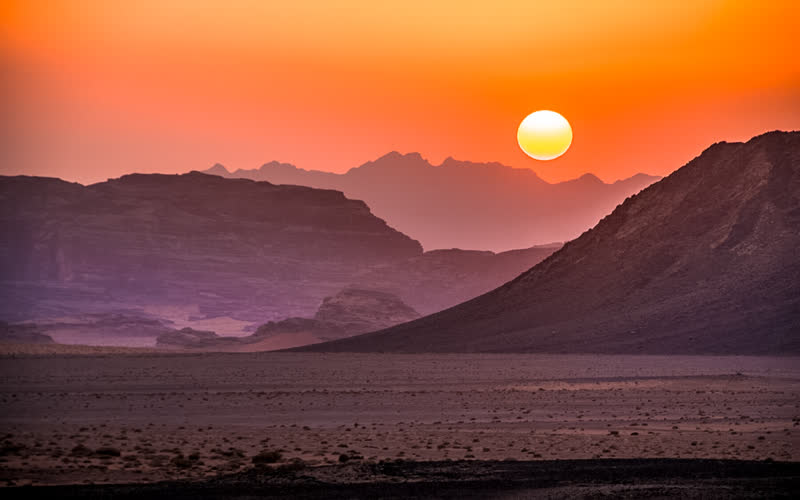
Wadi Rum is Jordan's natural wonder — a vast red desert of sandstone mountains and Bedouin culture that NASA's Curiosity team used as a Mars analog. Lawrence of Arabia was filmed here. The experience (jeep tours, camel treks, overnight camps under a star-saturated sky) is genuinely other-worldly. This alone justifies a Jordan trip for many travelers.
Aqaba sits at Jordan's narrow Red Sea coastline and offers some of the best scuba diving in the world — clear warm water, excellent visibility, and reefs within minutes of shore. The beach scene is modest compared to Egypt's Red Sea resorts, but the dive sites rival Dahab and Hurghada at a fraction of the price.
Egypt: Sinai, Red Sea Resorts & the Sahara
Egypt dominates on beaches by sheer scale. Sharm El-Sheikh, Hurghada, and Dahab offer some of the world's most popular dive destinations — the Blue Hole at Dahab is legendary (and humbling). All-inclusive Red Sea resorts run $60–150/night and are excellent value. Dahab is the backpacker-friendly alternative: laid-back, cheap, and fantastic for diving and windsurfing.
The White Desert (Sahara El Beyda) — 500km west of Cairo — is Egypt's secret natural wonder: chalk formations shaped by wind erosion, with overnight camping that rivals Wadi Rum for surreal beauty.
🔀 Why Not Both? The Jordan–Egypt Circuit
Good news: Jordan and Egypt are easy to combine. The land border crossing from Aqaba (Jordan) to Taba (Egypt) is a 15-minute ferry — one of the most convenient border crossings in the region. From Taba, you can connect to Sharm El-Sheikh or Dahab. Alternatively, Royal Jordanian and EgyptAir fly Amman–Cairo in ~1 hour.
The Classic Two-Week Circuit
- Days 1–2: Amman — explore the Citadel, Roman Theatre, Downtown street food
- Day 3: Jerash day trip from Amman (~1 hour north)
- Days 4–5: Petra — 2 full days to do it properly
- Day 6: Wadi Rum — overnight in a Bedouin camp
- Day 7: Aqaba → ferry to Taba → drive or transfer to Dahab
- Days 8–9: Dahab — diving, snorkeling, Blue Hole
- Day 10: Fly Cairo or drive through Sinai
- Days 11–12: Cairo — Giza, Egyptian Museum, Islamic Cairo
- Days 13–14: Fly to Luxor — Valley of the Kings, Karnak Temple, Nile at sunset
See the full Jordan itinerary and Egypt itinerary on tabiji for more detailed day-by-day planning.
One note on passport stamps: If you've been to Israel (including crossing via Jordan-Israel border), you may face extra scrutiny at Egyptian land crossings. Ideally, do Jordan → Egypt via Aqaba-Taba and avoid complications. And consider the order: most travelers find Jordan first, then Egypt, flows better — you start "easy" and finish with the big pyramids.
🎯 The Decision Framework
Choose Jordan If…
- It's your first trip to the Middle East
- You're a solo female traveler
- You want to avoid persistent touts and guides
- Wadi Rum desert camping is on your bucket list
- You prefer a compact, easy self-drive itinerary
- 5–7 days is your available window
- You're willing to pay more for a smoother experience
- Roman ruins and Nabataean culture interest you
- You want the Dead Sea on your trip
Choose Egypt If…
- The Pyramids are an actual bucket-list item for you
- Budget is your top priority
- You've traveled in complex destinations before
- A Nile cruise is your dream
- You want maximum ancient history per day
- Red Sea diving and beach resorts appeal to you
- You're going with a partner or group
- You want to hire a guide and see everything properly
- You have 8+ days and want an epic journey
❓ Frequently Asked Questions
Is Jordan or Egypt better for first-time visitors to the Middle East?
Jordan wins for first-timers. It's safer, more accessible, English is widely spoken at tourist sites, and the Jordan Pass ($70–100) bundles your visa + Petra entry. Egypt has more dramatic ancient sites but requires more street-smarts and patience. Reddit consensus: Jordan is "beginner-friendly" Middle East; Egypt rewards experienced travelers who come prepared.
How far apart are Jordan and Egypt?
They share a border at Aqaba (Jordan) / Taba (Egypt) on the Red Sea coast — just a 15-minute ferry crossing. You can also fly Cairo–Amman in about 1 hour on Royal Jordanian or EgyptAir. Many travelers combine both countries in a two-week circuit: fly into Amman, end in Cairo (or vice versa).
Which is cheaper, Jordan or Egypt?
Egypt is significantly cheaper. Budget travelers can manage $30–50/day in Egypt; Jordan runs $60–100+/day. The Jordanian Dinar (JOD) is one of the world's strongest currencies — 1 JOD ≈ $1.41 USD. Egypt's pound has weakened considerably, making everything from hotels to meals a bargain for Western visitors. Petra's entry fee alone is 50 JOD (~$70) for one day without the Jordan Pass.
Is Jordan safe for solo female travelers?
Jordan is widely considered one of the safer countries for solo female travel in the Middle East. Dress modestly and you'll encounter minimal harassment outside Petra's tourist core. Egypt carries more risk — Cairo and tourist sites involve more persistent harassment. Multiple Reddit reports from solo women rate Jordan considerably safer. Hiring a guide or joining a tour group significantly improves the Egypt experience.
How many days do you need in Jordan vs Egypt?
Jordan is compact and manageable in 5–7 days: 1 day Amman, 2 days Petra, 1–2 days Wadi Rum, 1 day Dead Sea. Egypt needs at least 7–10 days to cover Cairo (pyramids + museum) and Luxor/Aswan properly — the country is vast. A 3-day Nile cruise between Luxor and Aswan adds time but is widely considered worth it.
Is the Jordan Pass worth it?
Almost always yes. The Jordan Pass costs $70–100 USD depending on the tier, and includes your Jordan visa (saves $40–60) plus Petra entry (1, 2, or 3 days). It also covers 40+ other sites like Jerash, Wadi Rum, and Aqaba. If you're flying into Jordan and plan to visit Petra, the math almost always works in your favor. Buy it online before arriving.
Can you do a combined Jordan and Egypt trip?
Absolutely — it's one of the classic Middle East circuits. A popular two-week itinerary: Days 1–7 Jordan (Amman → Petra → Wadi Rum → Dead Sea → Aqaba), then cross into Egypt via the Aqaba-Taba ferry, Days 8–14 Egypt (Sinai/Sharm → Luxor → Cairo). The land crossing is straightforward. Note: Israeli passport stamps may cause issues at some crossings; enter Jordan from Egypt if you've visited Israel recently.
Which has better food: Jordan or Egypt?
Both have excellent food but different styles. Jordan excels with mezze culture — hummus, falafel, mansaf (slow-cooked lamb), and shawarma at prices locals pay (1–2 JOD for street food). Egypt's koshari (lentil-rice-pasta dish) is one of the world's great budget meals at 15–30 EGP ($0.50–1), and Cairo's rooftop café scene is exceptional. Seafood in Aqaba (Jordan) and Sharm/Hurghada (Egypt) is outstanding in both.
Plan Your Middle East Adventure
Get a free, custom day-by-day itinerary for Jordan, Egypt, or both — built around your travel style and budget.
Get a Free Itinerary →🎟️ Book Tours & Experiences
Hand-picked tours and activities for both destinations — book with free cancellation
Experiences via Viator — free cancellation on most tours