How we built this comparison
This page combines traveler discussion patterns, published price ranges, flight schedules, and seasonal data to help you decide between Kagoshima and Okinawa.
- Reviewed 50+ Reddit threads from r/travel, r/solotravel, r/JapanTravel, r/Okinawa, r/kagoshima for authentic traveler experiences and advice.
- Verified costs and logistics against current booking platforms (e.g., Google Flights, Japan Rail Pass site, hotel booking sites) and local attraction websites.
- Cross-referenced seasonal patterns, weather data, and major event calendars to provide accurate 'best season' recommendations and identify potential disruptions.
⚡ The TL;DR Verdict
If you're after dramatic volcanic landscapes, unique onsen culture, and a gateway to ancient forests, Kagoshima is your pick. But for stunning beaches, a distinct island culture, and a relaxed tropical vibe, Okinawa calls. Budget-wise, expect ¥10,000-¥20,000 (US$70-US$140) per day for mid-range travel in either.
- Choose Kagoshima: Choose Kagoshima for diverse natural beauty (volcanoes, forests), traditional Japanese experiences, excellent food (Kurobuta pork), and a more integrated feel with mainland Japan's history.
- Choose Okinawa: Choose Okinawa for world-class beaches, unique Ryukyuan culture, fantastic diving and snorkeling, and a laid-back, resort-like atmosphere perfect for unwinding by the sea.
- Choose Both: For a truly comprehensive southern Japan experience, combine both over 10-14 days. Start with Kagoshima and Yakushima for nature and culture, then fly to Naha for beaches and island relaxation, experiencing the best of both worlds.
Quick Comparison
| Category | Kagoshima | Okinawa | Winner |
|---|---|---|---|
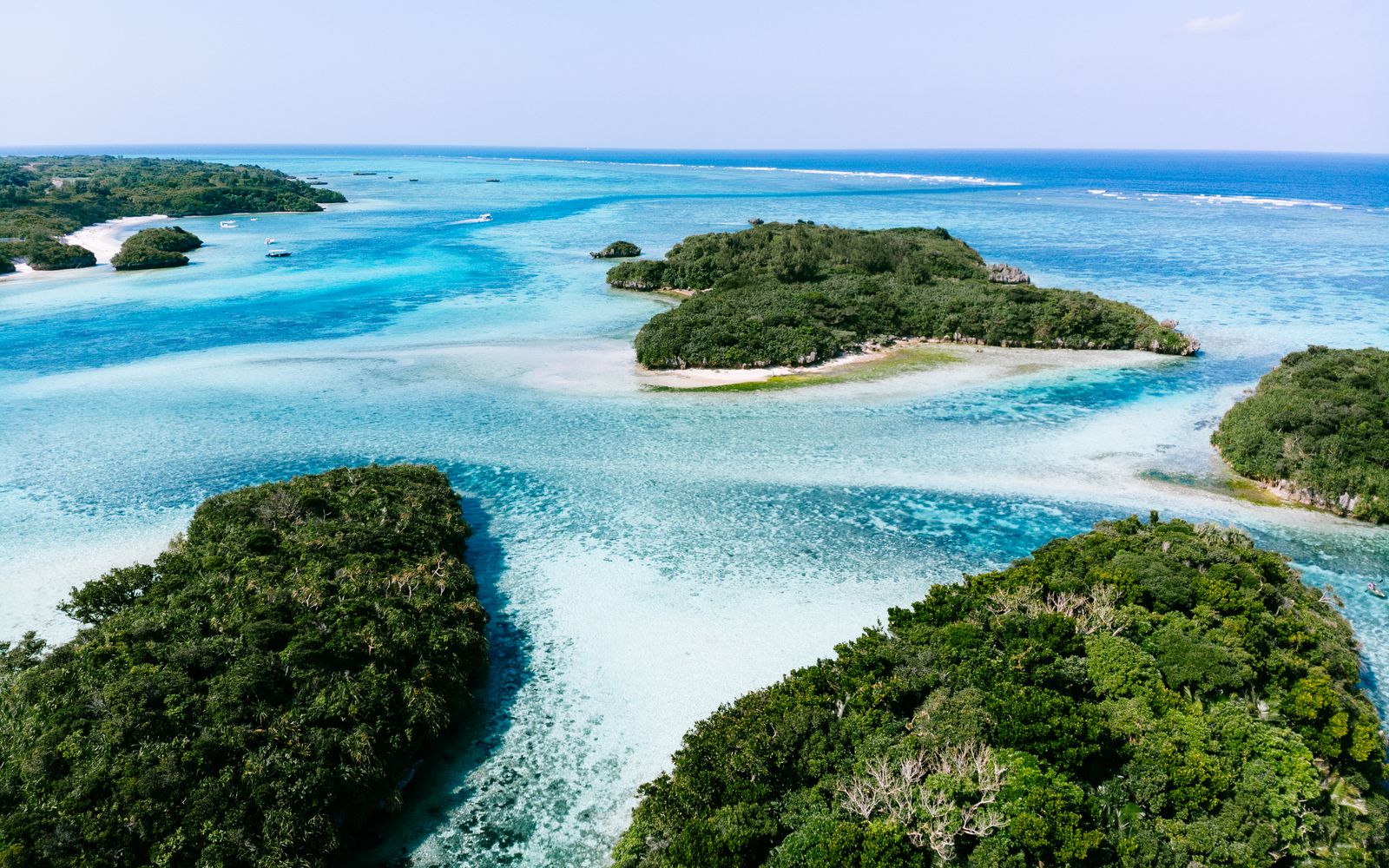
| Beaches & Water Activities | Limited mainland beaches, but excellent access to remote islands with beautiful coasts like Yakushima or Amami Oshima. | Stunning white sand beaches and crystal-clear waters perfect for swimming, snorkeling, and diving are Okinawa's main draw. | Okinawa |
| Food & Drink | Famous for Kurobuta pork, high-quality beef, fresh seafood, and distinctive shochu (distilled liquor). | Unique Ryukyuan cuisine, including Goya Champuru, Okinawan soba, and tropical fruits, distinct from mainland Japanese food. | Kagoshima |
| Culture & History | Rich samurai history, Meiji Restoration significance, and a strong traditional Japanese identity. | Distinct Ryukyuan Kingdom heritage, unique language, traditions, and post-WWII history influenced by the US. | Kagoshima |
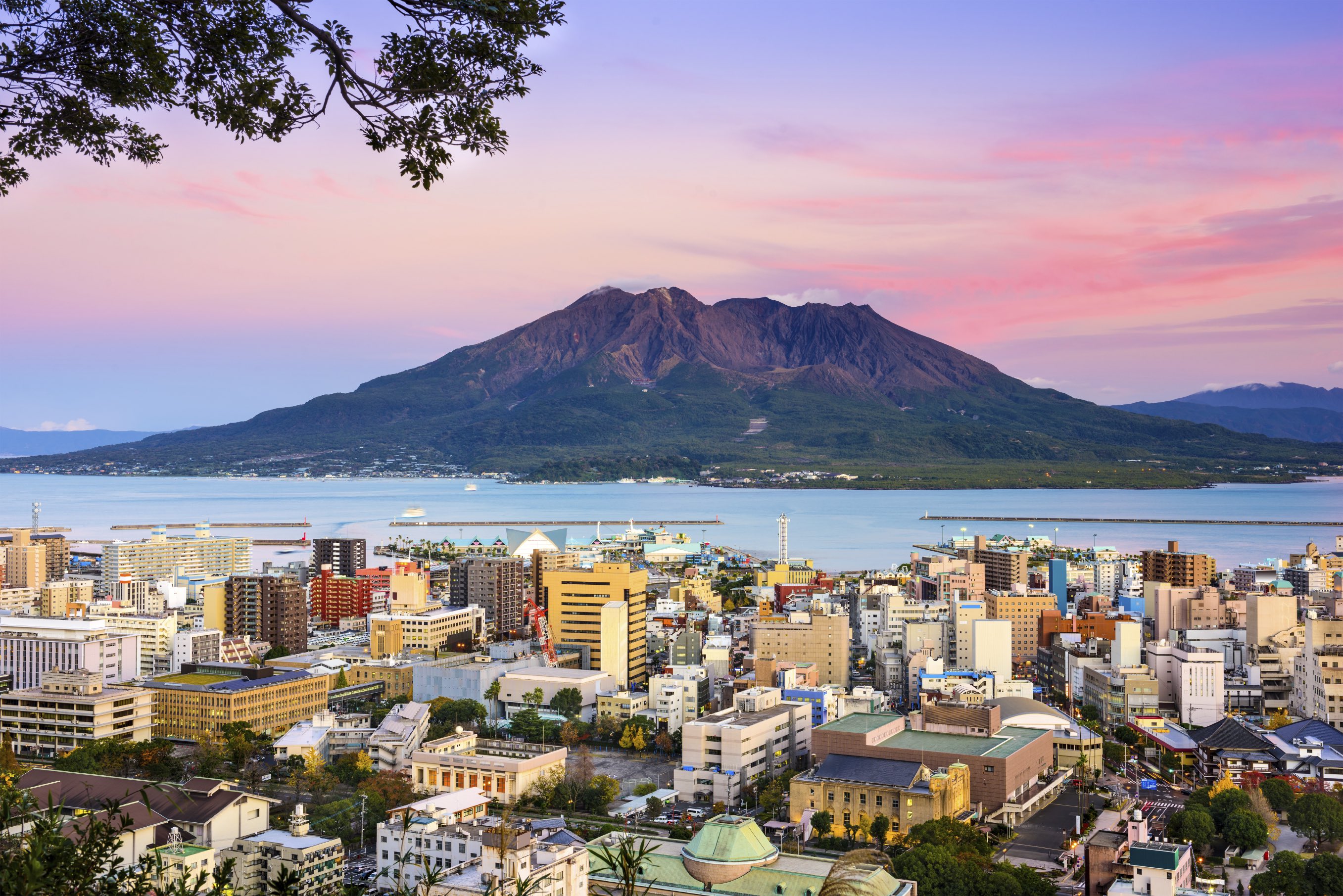
| Nature & Outdoors | Home to active volcano Sakurajima, lush forests (Yakushima), and numerous onsen. | Coral reefs, subtropical forests, and unique island ecosystems, best explored through water activities. | Kagoshima |
| Costs & Budget | Generally more affordable than major cities, but high-end experiences (Yakushima tours, premium food) can add up. | Flights to Okinawa can be pricier, and island hopping adds costs, but food and accommodation on the main island can be reasonable. | Tie |
| Getting There & Around | Easily accessible by Shinkansen or domestic flight from major Japanese cities. Good local public transport. | Requires flying from mainland Japan. Car rental is almost essential for exploring beyond Naha. | Kagoshima |
| Accommodation | Good range of business hotels, traditional ryokans, and unique onsen resorts. | Wide array of resort hotels, guesthouses, and beachfront properties, especially outside Naha. | Tie |
| Day Trips | Excellent day trips to Sakurajima, Ibusuki (sand baths), and longer trips to Yakushima or Kirishima. | Plenty of options within the main island, like Churaumi Aquarium, Cape Manza, and cultural villages, or island hopping to nearby Kerama Islands. | Kagoshima |
| Vibe & Atmosphere | Relaxed yet vibrant, with a strong connection to nature (Sakurajima) and traditional Japanese culture. | Laid-back, tropical island vibe; a distinct blend of Japanese, Ryukyuan, and American influences. | Okinawa |
| Weather & Best Season | Subtropical climate; pleasant spring/autumn, hot/humid summer, mild winter. Typhoon risk in late summer/early autumn. | Subtropical ocean climate; warm year-round, hot/humid summer, very mild winter. Higher typhoon risk than Kagoshima. | Kagoshima |
🏖️ Beaches & Water Activities
Okinawa is the undisputed champion here. Its main island boasts iconic spots like Manza Beach (part of ANA InterContinental Manza Beach Resort, often accessible for day visitors for a fee, ~¥1,500-¥2,000 / US$10-US$14 for activities) and Emerald Beach near the Churaumi Aquarium, famous for its calm, family-friendly waters. The real gems, however, are the outer islands like Miyako-jima and Ishigaki-jima, where you'll find Yonaha Maehama Beach, consistently ranked among Japan's best, offering pristine conditions for snorkeling and diving with vibrant coral reefs. Expect snorkeling tours to cost around ¥6,000-¥10,000 (US$40-US$70). Kagoshima itself isn't known for its beaches, though nearby islands like Amami Oshima offer beautiful, less-trafficked coastal areas, requiring an additional flight or ferry (e.g., a ferry to Amami costs about ¥8,000 / US$55). If your priority is sun, sand, and sea, Okinawa delivers. "Seriously, Okinawa's just built different for beaches. I spent a week on Ishigaki and barely touched a bus, just rented a scooter and beach-hopped. Manza was great too but a bit more resort-y."
Winner takeaway
- Winner: Okinawa
- Why: Okinawa offers an abundance of world-class beaches and a vibrant marine ecosystem ideal for all water activities.
- Who this matters for: Beach lovers, snorkelers, divers, and families seeking a relaxed tropical getaway.
🍜 Food & Drink
Kagoshima shines with its distinct culinary identity rooted in high-quality ingredients. The star is undoubtedly Kurobuta (black pork), renowned for its tenderness and flavor, best enjoyed as tonkatsu (fried cutlet) at places like 'Kurobuta Tonkatsu Aji-no-tonkatsu Maruichi' (meals around ¥1,500-¥2,500 / US$10-US$18) or in shabu-shabu. Kagoshima also boasts excellent wagyu beef, fresh seafood from its long coastline, and a rich history of shochu production (sweet potato shochu is a local specialty, available in izakayas from ¥500 / US$3.50 a glass). Okinawa offers a unique Ryukyuan cuisine, a blend of Japanese, Chinese, and Southeast Asian influences. Must-tries include Goya Champuru (bitter melon stir-fry), Okinawan soba (pork broth noodle soup, ¥700-¥1,200 / US$5-US$8), and Taco Rice. While delicious and unique, it’s a more acquired taste for some compared to Kagoshima’s universally appealing and richer flavors. "That Kurobuta katsu in Kagoshima was seriously life-changing. Okinawa food is good, but Kagoshima's pork is just next level delicious."
Winner takeaway
- Winner: Kagoshima
- Why: Kagoshima offers richer, more universally appealing flavors with its premium Kurobuta pork, wagyu, and diverse seafood.
- Who this matters for: Foodies, meat-lovers, and those seeking sophisticated local specialties.
🏯 Culture & History
Kagoshima offers a deep dive into Japanese history, especially its crucial role in the Meiji Restoration. Sites like Sengan-en Garden (entry ¥1,000 / US$7), a traditional Japanese landscape garden with views of Sakurajima, and the Reimeikan Museum provide insight into the Shimazu clan's influence and the Satsuma Rebellion. The city feels more traditionally Japanese, steeped in samurai lore and feudal history. Okinawa, conversely, showcases the unique culture of the independent Ryukyuan Kingdom, which flourished for centuries before being absorbed into Japan. Shuri Castle (entry ¥400 / US$2.80, though partially under reconstruction after a fire) in Naha is its iconic symbol, alongside traditional Ryukyuan dance and music. The history here also encompasses the devastating Battle of Okinawa during WWII, with solemn sites like the Peace Memorial Park. While Okinawa's culture is fascinatingly distinct, Kagoshima's historical narrative feels more intrinsically woven into the fabric of Japan's national story, offering a broader and more impactful historical journey. "If you're into Japanese history beyond just temples, Kagoshima is way more interesting. The samurai stuff and Meiji Restoration links are everywhere, felt much more authentic than some of the touristy culture spots in Okinawa."
Winner takeaway
- Winner: Kagoshima
- Why: Kagoshima provides a more profound and nationally significant historical experience, particularly regarding samurai and the Meiji Restoration.
- Who this matters for: History buffs, those interested in samurai culture, and traditional Japanese heritage.
⛰️ Nature & Outdoors
Kagoshima Prefecture is a nature lover's paradise, primarily due to the majestic Sakurajima volcano, an ever-present, active stratovolcano that defines the cityscape. You can take a ferry for ¥160 (US$1.10) to Sakurajima and explore its observatories, lava fields, and foot onsen. The true gem, however, is Yakushima Island, a UNESCO World Heritage site reachable by high-speed ferry (~¥9,000 / US$62 one-way, 2.5 hours) or regular ferry. Its ancient cedar forests, including the famous Jomon Sugi, offer unparalleled hiking experiences (permit sometimes required, and guides are recommended for longer treks, ~¥20,000-¥30,000 / US$140-US$210 for a full day). Okinawa offers beautiful subtropical landscapes and vibrant marine nature, but its terrestrial offerings are less dramatic. While places like Yanbaru National Park on the main island's north offer hiking, and the Okinawa Churaumi Aquarium (¥2,180 / US$15) showcases marine life, the sheer diversity and grandeur of Kagoshima's volcanic and ancient forest landscapes give it the edge for terrestrial outdoor adventures. "Yakushima is seriously one of the most incredible places I've ever hiked. Nothing in Okinawa quite compares to those ancient cedars and the misty forests. Sakurajima is also a wild sight right from the city!"
Winner takeaway
- Winner: Kagoshima
- Why: Kagoshima offers a more diverse and dramatic natural landscape, from an active volcano to ancient, pristine forests.
- Who this matters for: Hikers, nature photographers, volcano enthusiasts, and those seeking unique natural wonders.
💰 Costs & Budget
Both Kagoshima and Okinawa can be done on a range of budgets, but they present different cost structures. In Kagoshima, local transportation (trams, buses) is efficient and affordable (¥170 / US$1.20 per ride). Food, especially local specialties like Kurobuta pork, offers excellent value, with a hearty meal costing ¥1,500-¥2,500 (US$10-US$18). The main cost driver can be the ferry/flight to Yakushima if you plan to visit, plus any guided hikes. Okinawa's main cost often lies in getting there, as flights from Tokyo can be ¥15,000-¥30,000 (US$100-US$200) round trip, significantly more than a Shinkansen to Kagoshima if booked last minute. Once there, renting a car is almost essential for exploring (from ¥4,000-¥7,000 / US$28-US$50 per day plus gas), adding to the daily expenses. Accommodation can range from budget hostels (¥3,000 / US$20) to resorts (¥15,000+ / US$100+). Daily food costs are similar to Kagoshima, with Okinawan soba being a budget-friendly option. Both offer good value if planned well. "I found Okinawa a bit pricier overall once you factor in the flight and car rental. Kagoshima felt more manageable with public transport, even with the Yakushima ferry."
Winner takeaway
- Winner: Tie
- Why: Both destinations offer similar mid-range daily budgets, with different primary cost drivers (transport vs. flights/car rental).
- Who this matters for: Budget-conscious travelers who prioritize either internal exploration (Kagoshima) or air travel/car rental (Okinawa).
✈️ Getting There & Around
Kagoshima wins for accessibility and ease of internal movement for most travelers. From Tokyo, you can fly to Kagoshima Airport (Kagoshima Kuko, 1h 45m, ~¥10,000-¥20,000 / US$70-US$140) or take the scenic Shinkansen (Sakura/Mizuho lines, ~6-7 hours, ~¥23,000-¥25,000 / US$160-US$175). Within the city, a tram network and buses (flat fare ¥170 / US$1.20) make sightseeing very convenient. Day trips to Sakurajima are a quick ferry ride. Okinawa, however, is an island prefecture, so flying into Naha Airport (OKA) is the primary option from mainland Japan (e.g., Tokyo to Naha, 2.5-3 hours, ~¥15,000-¥30,000 / US$100-US$200). While Naha has a monorail (Yui Rail), exploring the rest of Okinawa Main Island, especially the beautiful northern and southern areas, virtually requires renting a car (from ¥4,000 / US$28 per day, plus insurance/gas). Buses exist but are slow and infrequent for tourists. This dependence on car rental adds a layer of complexity and cost for many. "Getting around Kagoshima was a breeze with the trams. But in Okinawa, I really regretted not getting a rental car from day one, those beaches are spread out!"
Winner takeaway
- Winner: Kagoshima
- Why: Kagoshima is more accessible from mainland Japan via multiple transport options and offers superior public transport for local exploration.
- Who this matters for: Travelers without a driver's license, those prioritizing convenience, and JR Pass holders.
🏨 Accommodation
Both destinations offer a robust selection of accommodation, catering to different styles and budgets. Kagoshima city provides a solid mix of comfortable business hotels like Dormy Inn Kagoshima (¥7,000-¥12,000 / US$50-US$85) and more upscale options near Kagoshima-Chuo Station. For a more unique experience, there are traditional ryokans, especially around Ibusuki with its sand baths, offering stays from ¥15,000 / US$100 including dinner and breakfast. Okinawa, particularly Naha, also has many business hotels and budget guesthouses. However, its strength lies in the resort-style hotels scattered along the coast, such as the Hilton Okinawa Chatan Resort or Rizzan Sea-Park Hotel Tancha Bay, offering beachfront access, pools, and activities (often ¥15,000-¥30,000+ / US$100-US$210+ per night). If you're looking for a relaxing resort vacation, Okinawa excels. If you prefer traditional Japanese hospitality or modern city convenience, Kagoshima delivers. It really depends on your travel style. "I found some amazing deals on boutique guesthouses in Naha, but the beachfront resorts were definitely a splurge. In Kagoshima, I got a great business hotel for way less, and it had a fantastic onsen!"
Winner takeaway
- Winner: Tie
- Why: Both offer excellent accommodation options, but cater to different preferences: Kagoshima for traditional/city stays, Okinawa for resort experiences.
- Who this matters for: Depends on preference: Okinawa for resort-goers, Kagoshima for traditional or urban travelers.
🗺️ Day Trips
Kagoshima offers a truly diverse range of day trip options that extend beyond the city itself. A classic is the ferry trip to Sakurajima (¥160 / US$1.10, 15 minutes), allowing close-up views of the active volcano and its observatories. Another popular destination is Ibusuki, famous for its unique natural sand baths (sunamushi onsen, ~¥1,100 / US$7.50 entry), about an hour by train from Kagoshima-Chuo. For adventurers, Yakushima (requiring an early start or overnight) is arguably the best nature day trip in Japan, offering ancient forests and hiking trails. Additionally, the Kirishima Mountains provide beautiful hiking and onsen experiences. Okinawa's day trips are primarily focused on its main island attractions like the Okinawa Churaumi Aquarium (¥2,180 / US$15), the Ryukyu Mura cultural village (¥1,800 / US$12), or scenic capes. The best 'day trips' often involve taking a ferry to the Kerama Islands for snorkeling/diving (ferry to Zamami or Tokashiki ~¥3,000-¥5,000 / US$20-US$35 one-way), but these are largely beach-focused. Kagoshima's offerings simply provide more variety in terms of natural wonders, unique cultural experiences, and historical significance within a reasonable distance. "The Ibusuki sand baths were such a unique experience, totally worth the train ride. And Yakushima, even if just for a day, blows anything in Okinawa out of the water for sheer natural awe."
Winner takeaway
- Winner: Kagoshima
- Why: Kagoshima offers a greater variety of unique and impactful day trips, from volcanoes and sand baths to ancient forests.
- Who this matters for: Adventurous travelers, those seeking unique cultural or natural experiences, and hikers.
😌 Vibe & Atmosphere
Okinawa’s vibe is distinct and hard to beat if you’re looking for genuine relaxation. It exudes a laid-back, subtropical island atmosphere that feels a world away from mainland Japan's hustle. The influence of the Ryukyuan Kingdom is palpable, from the unique architecture and music to the 'uchina-guchi' (Okinawan language) you might overhear. There's also a significant, visible American presence due to military bases, which adds another layer of cultural fusion, especially in areas like American Village in Chatan. This mix creates a unique, unhurried pace of life, often described as 'nankuru nai sa' (everything will be alright). Kagoshima, while also relaxed compared to Tokyo, maintains a more traditional Japanese feel. The constant presence of Sakurajima adds a dramatic, almost meditative backdrop to daily life, giving it a unique gravitas. It's calm and friendly but doesn't have the same 'island time' ease as Okinawa. If unwinding and disconnecting are your top priorities, Okinawa's chill atmosphere is superior. "Okinawa just has this incredible, chilled-out vibe you don't find anywhere else in Japan. It's like island time meets Japanese efficiency, but leaning heavily on island time. Kagoshima was nice, but felt more 'Japanese city' than 'escape'."
Winner takeaway
- Winner: Okinawa
- Why: Okinawa offers a uniquely relaxed, tropical island atmosphere with a distinct cultural fusion that is perfect for unwinding.
- Who this matters for: Travelers seeking relaxation, a slow pace, and a departure from typical Japanese urban environments.
☀️ Weather & Best Season
Kagoshima offers a slightly more stable and pleasant weather profile for diverse activities, especially outside of peak summer. Its subtropical climate means pleasant spring (March-May) and autumn (October-November) with temperatures around 18-25°C (64-77°F), ideal for hiking Yakushima or exploring the city. Summers (June-September) are hot and humid, similar to much of Japan, with temperatures often exceeding 30°C (86°F), and typhoon season runs from August to October, though direct hits are less frequent than Okinawa. Winters (December-February) are mild, rarely dipping below 5°C (41°F). Okinawa, being further south, is warmer year-round but also significantly more susceptible to typhoons from July to October, which can severely disrupt travel plans (flights, ferries). Summers are intensely hot and humid, often above 32°C (90°F). While its mild winters (average 17°C / 63°F) are great for escaping the cold, the risk of typhoons in its otherwise 'best' seasons for water activities makes Kagoshima a safer bet for consistent, enjoyable weather for a broader range of activities. "I got stuck in Okinawa for two days during a typhoon in September, completely ruined my beach plans. Kagoshima's weather felt a bit more predictable, especially if you avoid mid-summer."
Winner takeaway
- Winner: Kagoshima
- Why: Kagoshima offers more stable weather patterns and a lower typhoon risk during peak travel seasons, suitable for varied activities.
- Who this matters for: Travelers sensitive to extreme heat/humidity, those with fixed itineraries, and those wary of typhoon disruptions.
❓ Frequently Asked Questions
Which destination is better for families with young children?
Okinawa often edges out Kagoshima for families with young children due to its numerous safe, sandy beaches, family-friendly resorts with pools, and attractions like the Churaumi Aquarium. Kagoshima has fewer direct child-focused attractions, though Yakushima's nature can be appealing for older, adventurous kids.
Is English widely spoken in Kagoshima or Okinawa?
In both destinations, English proficiency is generally limited, especially outside major tourist hubs and hotels. Okinawa, with its US military presence and higher international tourism, might have slightly more English speakers in service industries, but basic Japanese phrases and translation apps are highly recommended for both.
Which destination is better for solo female travelers?
Both Kagoshima and Okinawa are extremely safe for solo female travelers. Kagoshima offers a more traditional, quiet experience, while Okinawa provides a relaxed, resort-like environment. The choice depends on personal preference for atmosphere; both are welcoming and secure.
Can I visit both Kagoshima and Okinawa on a single trip?
Yes, it's very feasible! You can fly directly between Kagoshima Airport (KOJ) and Naha Airport (OKA) in about 1 hour 15 minutes. A common itinerary might be 5-7 days in Kagoshima/Yakushima, followed by 5-7 days in Okinawa, allowing you to experience both distinct regions of southern Japan.
What kind of nightlife can I expect?
Kagoshima's nightlife is generally more subdued, centered around izakayas (Japanese pubs) and shochu bars, especially near Kagoshima-Chuo Station, offering a local, relaxed drinking experience. Okinawa's Naha, particularly in the Kokusai Dori area, has a livelier bar scene catering to tourists and locals, with some live Okinawan music venues. Other areas are quieter.
Are there good shopping opportunities in either place?
Kagoshima offers shopping for local specialties like shochu, unique crafts, and department stores around Kagoshima-Chuo. Okinawa's Naha boasts Kokusai Dori (International Street) with a wide array of souvenir shops, local crafts, clothing, and duty-free stores. American Village in Chatan also provides a distinct, Western-influenced shopping experience.
Which destination is better for escaping crowds?
While Okinawa's main island can get busy, especially around Naha and popular beaches, its outer islands (Miyako, Ishigaki, Keramas) offer excellent opportunities to escape crowds. Kagoshima, outside of Yakushima's main hiking trails during peak season, generally feels less crowded than Okinawa's popular spots and offers many tranquil onsen towns and rural areas.
What's the best way to handle luggage between destinations?
For inter-island travel in Japan, Yamato Transport (Takkyubin) is highly recommended. You can send luggage from your hotel in Kagoshima directly to your hotel in Okinawa (or vice versa), allowing you to travel light between flights or ferries. This typically costs around ¥2,000-¥3,000 (US$14-US$21) per suitcase for next-day delivery.
Ready to plan your Southern Japan trip?
Get a free custom itinerary for Kagoshima, Okinawa, or both — built from real traveler insights.
🎟️ Book Tours & Experiences
Hand-picked tours and activities for both destinations — book with free cancellation
Experiences via Viator — free cancellation on most tours