How we built this comparison
This page combines traveler discussion patterns from Reddit, published transit prices, temple entry fees, and seasonal data to make the Kamakura vs Nikko decision clearer.
- Reviewed dozens of Reddit threads in r/JapanTravel, r/JapanTravelTips, and r/solotravel on Kamakura vs Nikko day trip decisions and itinerary planning.
- Checked numeric claims — transit costs, entry fees, accommodation ranges, travel times — against current published sources (JR East, Tobu Railway, official temple sites).
- Structured the page so each major section ends with a clear winner and practical traveler note.
This is a decision guide, not a universal truth. Both day trips are worth doing. This comparison exists to help you prioritize your limited Tokyo time.
⚡ The TL;DR Verdict
Kamakura for a single day trip: easier, cheaper, and you can add Enoshima or a beach. Nikko for an overnight: the temples are more spectacular and Oku-Nikko alone justifies the trip. Budget snapshot — Kamakura day: ¥3,000–5,000 ($20–33) all-in; Nikko day: ¥5,000–8,000 ($33–53) with the Nikko All Area Pass.
- Choose Kamakura: One-day trips, coastal lovers, beach add-ons to Enoshima, travelers who want easier logistics, shorter commute, and lower costs.
- Choose Nikko: Overnight stays, autumn foliage hunters, people who want elaborate shrines unlike anything else in Japan, and hikers who want Oku-Nikko's waterfalls and lake.
- Budget snapshot: Kamakura day: ¥3,000–5,000 ($20–33); Nikko day: ¥5,000–8,000 ($33–53) with pass; Nikko overnight: add ¥6,000–10,000 for accommodation.
Choose Kamakura
One-day logistics, Great Buddha + beaches, temple hiking trails, coastal town charm, easy from anywhere in Tokyo.
Choose Nikko
Overnight stays, Toshogu Shrine spectacle, autumn foliage at Oku-Nikko, Kegon Falls, Lake Chuzenji — worth the extra travel time.
Quick Comparison
| Category | 🏖️ Kamakura | ⛩️ Nikko | Winner |
|---|---|---|---|
| Transit from Tokyo (one way) | 55–65 min, ~¥920 (JR Yokosuka/Shonan-Shinjuku) | 110 min, ~¥1,360–2,390 (Tobu Limited Express) | Kamakura |
| Day Trip Ease | Very easy — compact, walkable, 1 day ideal | Doable but rushed — overnight strongly recommended | Kamakura |
| Main Temple/Shrine | Kotoku-in Great Buddha, Hase-dera, Tsurugaoka Hachimangu | Toshogu Shrine — Japan's most ornate, UNESCO World Heritage | Nikko |
| Entry Fees | Great Buddha ¥300, Hase-dera ¥400, most shrines free | World Heritage Pass ¥1,300 (covers Toshogu, Rinnoji, Futarasan) | Kamakura |
| Nature & Scenery | Coastal views, Yuigahama beach, wooded temple trails | Oku-Nikko plateau, Kegon Falls, Lake Chuzenji, cedar forests | Nikko |
| Autumn Foliage | Good — ginkgo trees at Hachimangu (late Nov) | Excellent — Oku-Nikko plateau peaks late Oct, town peaks early Nov | Nikko |
| Food Scene | Shirasu (whitebait) dishes, craft coffee, beach cafes, street food on Komachi-dori | Yuba (tofu skin) specialties, onsen ryokan dining, limited town options | Kamakura |
| Hiking & Trails | Daibutsu Hiking Course (2.5 hrs), Tenen Trail, Zeniarai Benten | Oku-Nikko Senjogahara Marshland trail, Nantai-san volcano hike | Tie |
| Crowds | Heavy on weekends at Daibutsu & Komachi-dori; trails quiet | Toshogu packed in peak season; Oku-Nikko bus queues can be 1+ hr | Tie |
| Best For | First-time Japan visitors, coastal fans, easy day trips, families | Shrine architecture lovers, autumn foliage, overnight explorers | — |
| Overall Day Trip Value | Excellent — easy, affordable, much to do in one day | Very high — but only if you allow enough time (overnight ideal) | Kamakura |
⛩️ Temples & Shrines
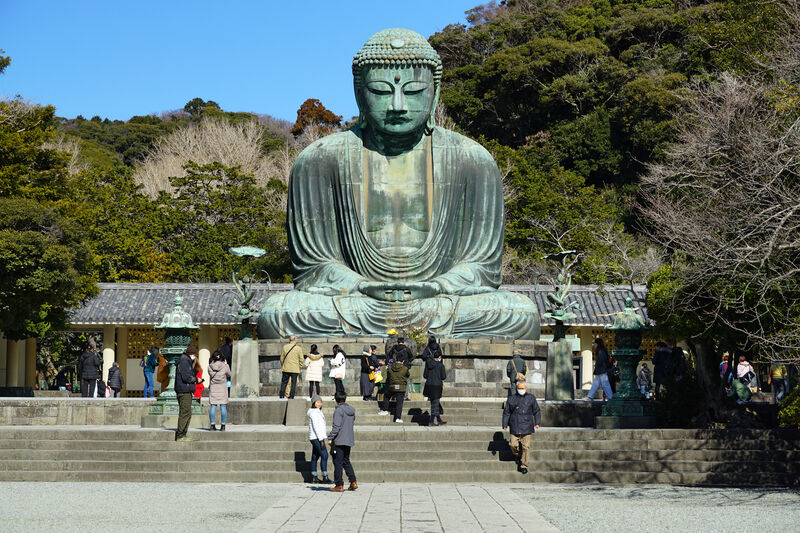
Both destinations are temple towns, but they couldn't feel more different. Kamakura was Japan's military capital from 1185–1333, and it shows: 65+ temples and shrines scattered across wooded hillsides, connected by hiking trails. The star is Kotoku-in (¥300), home to the 11-meter bronze Great Buddha — a 13th-century icon that has sat in the open air since its wooden housing was swept away by a tsunami in 1498. You can enter the statue itself for ¥20. Hase-dera (¥400) features a stunning 9-meter wooden Kannon and a hillside view over the bay. Tsurugaoka Hachimangu, the city's main Shinto shrine, sits at the end of Wakamiya-oji boulevard — approach it along the 1.8 km tree-lined path. Check out Nikko's yuba dining scene if you're planning an overnight.
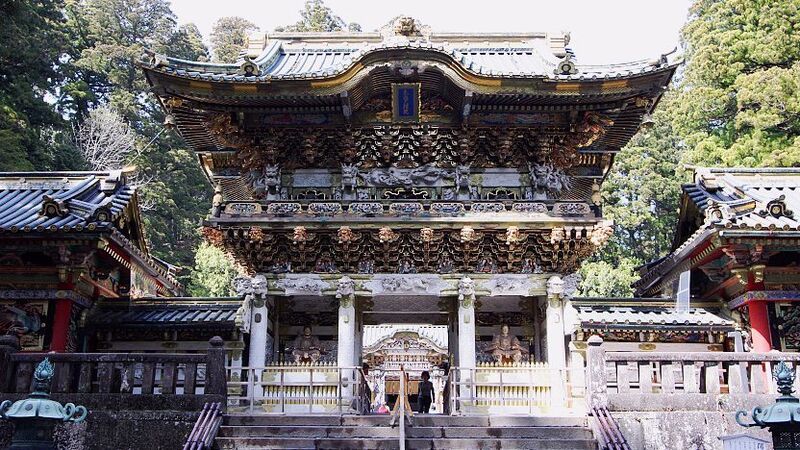
Nikko has fewer temples but delivers a different tier of spectacle. Toshogu Shrine is the mausoleum of Tokugawa Ieyasu, built in 1634 by his grandson with the explicit goal of creating the most visually overwhelming religious complex in Japan. He succeeded. The Yomeimon Gate — nicknamed "Higurashi-no-mon" (the gate you could stare at until dusk) — is covered in 508 carved figures of lions, dragons, phoenixes, and sages, layered in red lacquer and gold leaf. Nearby, Rinnoji Temple houses three 8-meter gilded Buddhist statues, and Futarasan Shrine marks the sacred site of Mt. Nantai. The combined World Heritage Area Pass (¥1,300) covers all three.
Winner takeaway
- Winner: Nikko
- Why: Toshogu is objectively one of the most ornate religious structures in Japan — nothing in Kamakura matches its visual impact. Kamakura wins on quantity and walking diversity, but Nikko delivers the single most striking temple experience of any Tokyo day trip.
- Who this matters for: Anyone choosing between Kamakura and Nikko based on shrine and temple quality alone. Nikko's Toshogu is in a separate league; Kamakura wins on variety and hiking connectivity.
🚃 Getting There & Transit
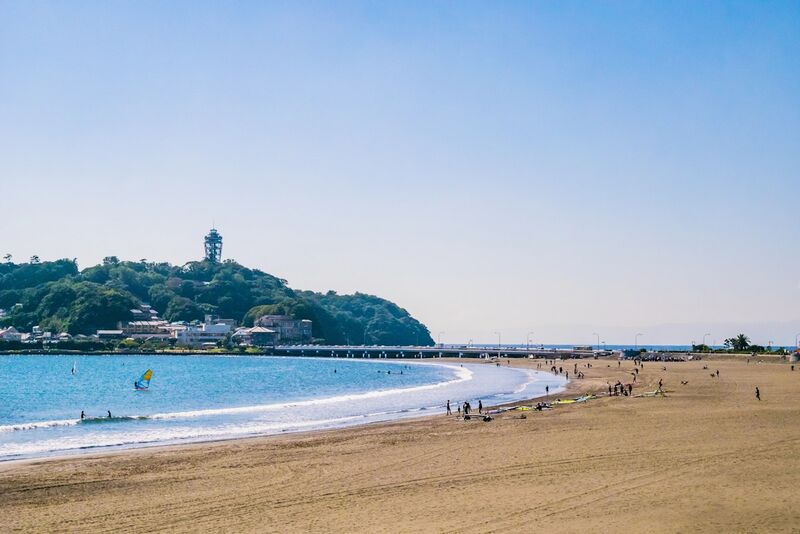
Kamakura is one of the easiest day trips you can take from Tokyo. From Shinjuku, the JR Shonan-Shinjuku Line runs direct to Kamakura in 55–65 minutes for ¥920 — no reserved seats, just tap your Suica. From Tokyo Station, the JR Yokosuka Line takes 55 minutes for ¥940. Once in Kamakura, the city is walkable or accessible via the Enoden (Enoshima Electric Railway) — a charming single-track tram that costs ¥260–310 per ride or ¥700 for an all-day pass.
Nikko requires more planning. The most popular route is the Tobu Nikko Line Limited Express from Tobu Asakusa Station: about 110 minutes for ¥1,360 (regular) to ¥2,390 (reserved). The Nikko All Area Pass (¥4,780) covers the round-trip Tobu Limited Express from Asakusa plus unlimited bus use in Nikko — it pays off the moment you need the bus to Oku-Nikko. Alternatively, shinkansen to Utsunomiya + JR Nikko Line takes about 1.5 hrs from Tokyo Station at ¥4,810+. Once in Nikko, the shrines are walkable, but Oku-Nikko (Lake Chuzenji, Kegon Falls) requires the bus — about 40 minutes each way.
Winner takeaway
- Winner: Kamakura
- Why: Kamakura wins on transit ease by a wide margin. ~1 hour vs ~2 hours each way, ¥920 vs ¥2,390+, no planning needed vs reserved trains and bus strategies. Nikko's logistics actively discourage same-day returns — which is partly why many Reddit users say it deserves an overnight.
- Who this matters for: Travelers with limited time, those staying at hotels far from Asakusa, or anyone who wants to arrive and not worry about buses. For Nikko, the Nikko All Area Pass removes most of the stress if you do commit to the trip.
💰 Cost Comparison
Kamakura is significantly cheaper for a day trip. Transit from central Tokyo: ¥920 each way (JR). Entry fees are low — the Great Buddha costs ¥300, Hase-dera ¥400, the bamboo garden at Hokoku-ji ¥500, most other shrines and temples are free. Lunch on Komachi-dori (the main shopping street) runs ¥1,000–1,800 for shirasu (whitebait) bowls or ramen. Add Enoshima for another ¥200–500 in transit. Total for a solid Kamakura day: ¥3,000–5,000 ($20–33) per person.
Nikko costs more at every stage. Transit: ¥1,360–2,390 each way (or ¥4,780 for the Nikko All Area Pass, which is the best value if you're using buses). The World Heritage Area Pass (¥1,300) covers the three main shrine/temple complexes. Add bus rides to Oku-Nikko (included in the All Area Pass), lunch at a yuba restaurant (¥1,200–2,500), and snacks — and a Nikko day trip runs ¥5,000–8,000 ($33–53) all-in with the pass. An overnight adds ¥6,000–12,000 for a guesthouse or ryokan.
Winner takeaway
- Winner: Kamakura
- Why: Kamakura costs roughly half as much as a Nikko day trip — and that gap widens significantly if you stay overnight in Nikko. For budget-conscious travelers or those on a short Japan trip, Kamakura delivers exceptional value.
- Who this matters for: Budget travelers, those on short 5–7 day Japan trips, and anyone trying to fit multiple day trips into one week. Nikko is worth the premium if you plan it properly — just don't underestimate the total spend.
🌿 Nature & Outdoors
Kamakura's nature highlight is its hiking network. The Daibutsu Hiking Course (about 2.5 hours) connects Jochi-ji Temple in Kita-Kamakura with the Great Buddha — a genuinely scenic ridge walk through forested hills with glimpses of the sea. The Tenen Trail loops from Zuisen-ji toward Egara Tenjin and offers sweeping bay views. Zeniarai Benzaiten Ugafuku Shrine, a cave shrine tucked into a hillside, requires a short scramble to reach and is one of Kamakura's most atmospheric spots. And of course, the coast: Yuigahama and Zaimokuza beaches are swimming beaches in summer, and the ride to Enoshima by Enoden gives you the sea view that Instagram loves.
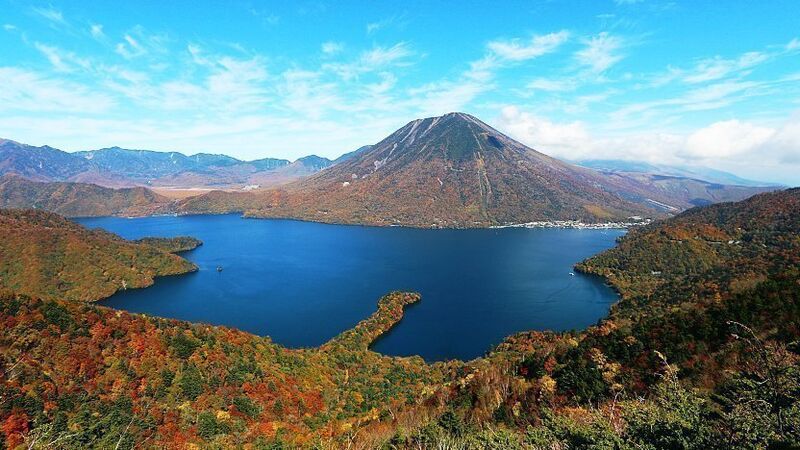
Nikko's nature is in a different category. The Oku-Nikko plateau sits at 1,270 meters above sea level, reached by a switchback road called the Irohazaka (48 hairpin turns). At the top: Lake Chuzenji, a volcanic caldera lake 12 km wide, formed when Mt. Nantai erupted and dammed the valley. Kegon Falls, 97 meters of thundering water with an observation elevator (¥570), is one of Japan's three famous waterfalls. The Senjogahara Marshland boardwalk trail (3 km) offers otherworldly highland scenery. In peak autumn (late October), the entire plateau turns amber and red — one of the most dramatic color displays in Japan.
Winner takeaway
- Winner: Nikko
- Why: Oku-Nikko — Lake Chuzenji, Kegon Falls, the Senjogahara marshland trail — is simply grander than anything in Kamakura. Kamakura's hiking trails are lovely but accessible; Nikko's highland scenery is genuinely dramatic and unique in the Tokyo day-trip circuit.
- Who this matters for: Nature lovers, hikers, and photographers who want landscapes beyond temple gardens. If Oku-Nikko is skippable to you, Kamakura's coastal trails and beach access win on convenience.
🍜 Food & Dining
Kamakura has a genuinely good food scene — better than most day-trip destinations near Tokyo. The local specialty is shirasu (whitebait), served as fresh or semi-dried rice bowls at restaurants along Komachi-dori and near the beach. Yuigahama and Enoshima are also good for seafood. Komachi-dori, the 250-meter pedestrian shopping street between Kamakura Station and Hachimangu Shrine, is lined with craft coffee shops, matcha ice cream stands, and street food stalls selling fried squid, warabi mochi, and seasonal sweets. There are solid options for soba, ramen, and izakayas if you stay into the evening.
Nikko's specialty is yuba (tofu skin), a Nikko delicacy because the town's Buddhist temples historically prohibited meat and relied on tofu-based cuisine. You'll find yuba in soups, sashimi, rice bowls, and as tofu skin rolls at restaurants near the shrine complex. The best yuba restaurants cluster on the main road between the station and Toshogu. Check out our guide to Nikko yuba restaurants for the best spots. Outside the main tourist drag, dining options thin out quickly — and most restaurants close by 8–9pm.
Winner takeaway
- Winner: Kamakura
- Why: Kamakura's food scene is more varied, more accessible to casual diners, and doesn't require planning. The shirasu bowl on the coast is a legitimate local food experience. Nikko's yuba is excellent but narrow — great for one meal, not for food-focused exploration.
- Who this matters for: Foodies and travelers who want to graze throughout the day. Kamakura's Komachi-dori lets you pick up snacks between temples without committing to a sit-down meal.
🌸 Best Time to Visit
Kamakura is good year-round but best in spring and autumn. Cherry blossom season (late March–early April) is spectacular — the approach to Tsurugaoka Hachimangu along Wakamiya-oji is lined with cherry trees, and the Daibutsu Hiking Course goes through blooming hillsides. Late spring and early autumn (May, late September–October) offer pleasant hiking weather (20–25°C) and manageable crowds. Summer (July–August) is hot and humid (30–34°C) but draws beach visitors to Yuigahama — if you want to combine temples and swimming, this is your window. Late November brings beautiful ginkgo trees at Hachimangu. Avoid rainy season (mid-June–mid-July) for hiking.
Nikko's peak season is October–November for autumn foliage — the most dramatic color display on any Tokyo day trip circuit. The Oku-Nikko plateau peaks in late October (earlier because of higher elevation), the town temples peak in early November. Spring (April–May) is beautiful with cherry blossoms at lower elevations. Summer (June–August) sees the mountain plateau at its greenest — cooler temperatures than Tokyo (Oku-Nikko is typically 5–10°C cooler) make it a popular escape, but the bus system is congested. Winter brings snow to Oku-Nikko, which is beautiful but requires checking road closures on the Irohazaka switchbacks.
Winner takeaway
- Winner: Nikko (in autumn), Kamakura (all other seasons)
- Why: Nikko's October–November foliage is simply one of the best seasonal experiences near Tokyo. Outside that window, Kamakura offers a more consistently rewarding experience year-round with less weather risk and no mountain road hazards in winter.
- Who this matters for: Timing-sensitive travelers planning autumn itineraries should strongly consider Nikko. Everyone else, Kamakura is the lower-risk, higher-consistency choice.
🏨 Where to Stay
Kamakura as an overnight base is underrated — and increasingly recommended by Reddit users who want to experience the town before the day-trip crowds arrive. Guesthouses run ¥3,500–6,000/person in a dorm, or ¥8,000–15,000 for a private room at a traditional inn. The vibe is significantly different after 6pm when tour buses leave: quiet streets, good izakayas, and a genuinely local feel. Staying in Kita-Kamakura (the stop before Kamakura Station) is especially recommended for a peaceful, residential experience.
Nikko's accommodation scene is purpose-built for overnight stays. The town has several ryokan (traditional inns) offering onsen baths and kaiseki-style meals — an authentic experience that's hard to find in Kamakura. Budget guesthouses start around ¥3,500–5,000/dorm bed. Mid-range ryokan with meals run ¥12,000–20,000/person per night (dinner + breakfast included). The nicest properties are along the Daiya River valley. Staying overnight is near-essential if you want to visit Oku-Nikko without rushing — it adds the bus-free morning hours that make the plateau worth the trip.
Winner takeaway
- Winner: Nikko (for overnight); Kamakura (for day-only)
- Why: Nikko's ryokan experience and onsen access add genuine value to an overnight — not just convenience but a fundamentally different kind of trip. Kamakura overnight is pleasant but optional since the city is easily covered in one day. Nikko overnight is close to mandatory for seeing it properly.
- Who this matters for: Travelers who want a ryokan experience on a Tokyo-centric trip should book Nikko. Kamakura overnights are best for travelers who want to experience a quiet traditional town without committing to Nikko's logistics.
🔀 Why Not Both?
Kamakura and Nikko are in completely opposite directions from Tokyo — Kamakura is south toward Yokohama, Nikko is north toward Tochigi prefecture. There's no practical way to visit both on the same day. But on a 7–10 day Tokyo-based itinerary, doing both is absolutely feasible: Kamakura as a day trip (no planning required, take any morning train), Nikko as an overnight (book the Limited Express and a ryokan in advance). Many experienced Japan travelers on Reddit recommend this combination specifically because the two destinations are so different: Kamakura's coastal, walkable, democratic charm vs Nikko's remote, dramatic, baroque spectacle.
A suggested routing: Day 1 — Kamakura (leave Tokyo by 9am, hit Great Buddha + Hase-dera + hiking trail + Komachi-dori lunch + Enoshima if time, return by 7pm). Day 3–4 — Nikko overnight (early Limited Express from Asakusa, Toshogu + Rinnoji afternoon, ryokan night, Oku-Nikko morning, back to Tokyo by 2pm). Also worth comparing: Tokyo vs Kyoto if you're planning the broader Japan itinerary, or Kyoto vs Nara for the classic Kansai comparison.
Winner takeaway
- Winner: Both
- Why: If you have 7+ days in Tokyo, this isn't a choice — it's a sequence. Kamakura first (easy day trip, no planning needed), Nikko second (requires overnight booking in advance). The two destinations don't compete; they complement each other completely.
- Who this matters for: Travelers with 7+ days in Tokyo who want the best of both coastal shrine culture and mountain temple spectacle. First-time Japan visitors with 5 days or fewer should pick one — and the Reddit consensus is Kamakura for ease.
❓ Frequently Asked Questions
Should I visit Kamakura or Nikko on a Tokyo trip?
Both are excellent Tokyo day trips, but they suit different travelers. Kamakura (1–1.5 hrs, ~¥920) is easier, compact, and combines history with the coast — ideal for a single full day. Nikko (2 hrs, ~¥2,390) is more remote, needs more time, and rewards those who stay overnight. If you only have one day, most Reddit users recommend Kamakura for ease; Nikko for those who want something more dramatic and different from the typical Japan experience.
How far is Kamakura from Tokyo?
About 50 km south of central Tokyo. From Shinjuku, the JR Shonan-Shinjuku Line takes 55–65 minutes direct to Kamakura Station (¥920 one way). From Tokyo Station, the JR Yokosuka Line takes about 55 minutes. It's one of the easiest major day trips from Tokyo — no reserved seats required, just a Suica card and a morning train.
How far is Nikko from Tokyo?
About 140 km north of Tokyo. From Asakusa, the Tobu Nikko Line Limited Express takes about 110 minutes to Nikko Station (from ¥1,360 one way; the Nikko All Area Pass at ¥4,780 covers round-trip plus unlimited bus). From Utsunomiya on the Shinkansen, the Nikko Line takes 45 minutes. Budget at least 4–5 hours in Nikko itself to cover the main shrines and Oku-Nikko — meaning an overnight is nearly required to see everything properly.
Which is cheaper — Kamakura or Nikko?
Kamakura is significantly cheaper. Transit from Tokyo costs ~¥920 each way vs ~¥1,360–2,390 for Nikko. Entry fees at Kamakura are low (Great Buddha ¥300, Hase-dera ¥400, most shrines free) vs Nikko's World Heritage Pass at ¥1,300. A full Kamakura day runs ¥3,000–5,000 all-in; Nikko runs ¥5,000–8,000 with the Nikko Pass, or more if you add ryokan accommodation.
Can you do Nikko as a day trip from Tokyo?
Technically yes, but many Reddit users advise against it. The temples take 3–4 hours, but adding Oku-Nikko (Lake Chuzenji, Kegon Falls) requires a bus ride each way — and weekend bus queues can be brutal in peak season. If you're doing a Nikko day trip, take the 7–8am Limited Express from Asakusa and return by 6pm. Staying one night gives you Oku-Nikko in the morning with far fewer crowds and a much more complete experience.
What is Kamakura most famous for?
Kamakura is best known for the Kotoku-in Daibutsu — an 11-meter bronze Great Buddha that has sat in the open air since its wooden hall was destroyed by a tsunami in 1498. Beyond the Daibutsu, the city has 65+ temples and shrines including Hase-dera (9-meter wooden Kannon, sea views), Tsurugaoka Hachimangu (the main shrine, cherry blossom approach boulevard), and the bamboo garden at Hokoku-ji. The coastal boardwalk and the surf town of Enoshima are nearby.
What is Nikko most famous for?
Nikko is known for Toshogu Shrine — the ornate mausoleum of Tokugawa Ieyasu, Japan's first shogun, famous for the Yomeimon Gate (508 carvings in gold, red lacquer, and polychrome paint) and the three wise monkeys (see no evil, hear no evil, speak no evil). Nikko is also the gateway to Oku-Nikko: Lake Chuzenji, Kegon Falls (97 meters), and mountain foliage that peaks in late October, producing some of Japan's best autumn color.
Which is better for autumn foliage — Kamakura or Nikko?
Nikko wins easily. The Oku-Nikko plateau (1,270m) peaks in late October, and the combination of Kegon Falls, Lake Chuzenji, and the shrine forests in autumn color is one of the most photographed scenes in Japan. Kamakura has ginkgo trees at Tsurugaoka Hachimangu (late November) but it's not comparable to Nikko's mountain autumn. If you're visiting Japan in October or November, Nikko is worth the extra effort specifically for the foliage.
Ready to plan your Tokyo day trips?
Get a free custom itinerary for Kamakura, Nikko, or a full Tokyo week — built from real traveler insights, not generic templates.
🎟️ Book Tours & Experiences
Hand-picked tours and activities for both destinations — book with free cancellation
Experiences via Viator — free cancellation on most tours