How we built this comparison
This page combines traveler discussion patterns, published price ranges, flight schedules, and seasonal data to help you decide between Kathmandu and Lhasa.
- Reviewed 50+ Reddit threads from r/travel, r/solotravel, r/Nepal, r/China, and r/Tibet for firsthand experiences and advice.
- Verified costs and logistics against current booking platforms, government visa sites, and tour agency quotes (mid-2024 data).
- Cross-referenced seasonal patterns, weather data, and altitude sickness prevention guidelines from health organizations.
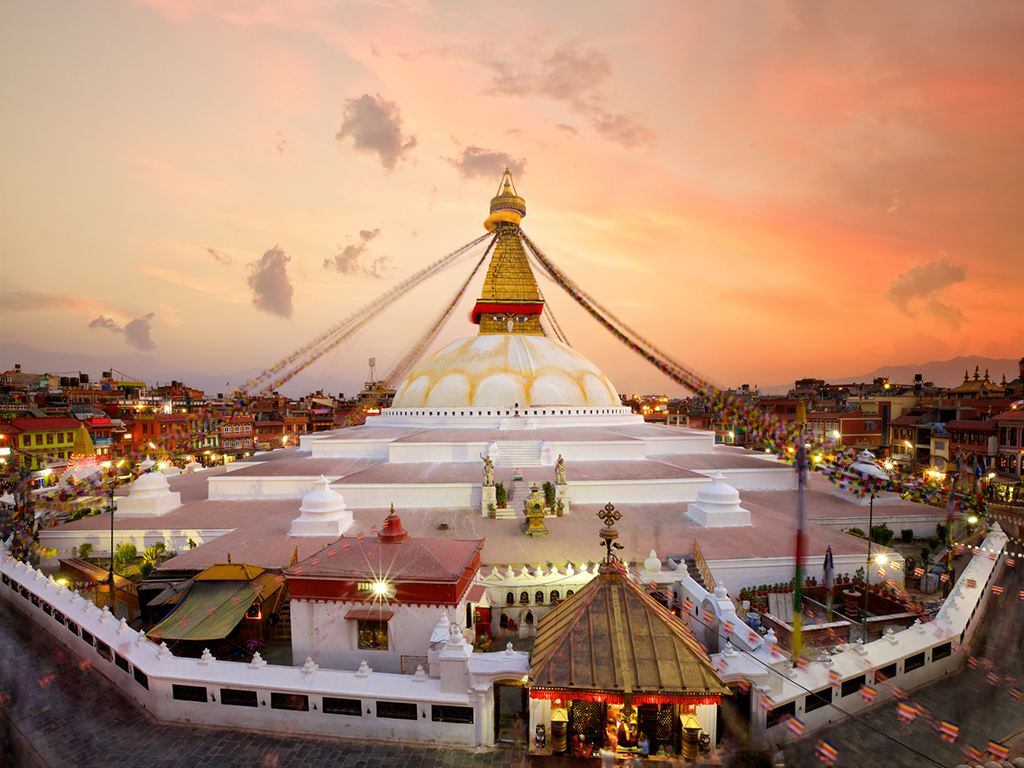
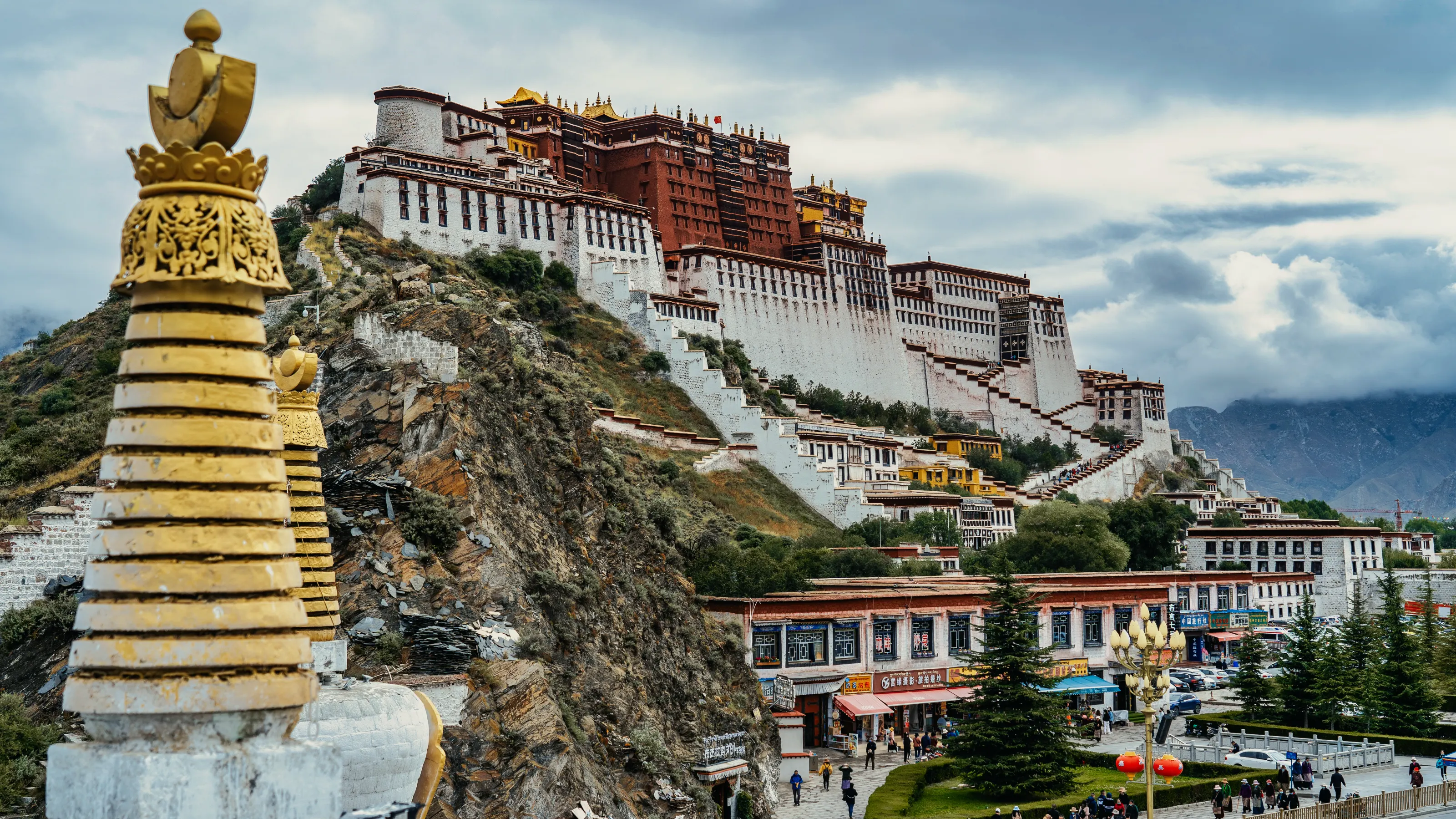
⚡ The TL;DR Verdict
For the independent, budget-conscious explorer craving raw, accessible culture and diverse spiritual experiences, Kathmandu is your undisputed champion, allowing for a daily budget of $40-80 USD. If a deeply immersive, highly spiritual Tibetan Buddhist journey is your non-negotiable, and you're prepared for significant logistical hurdles and a higher budget ($200-400+ USD/day), Lhasa awaits, offering an experience few destinations can match.
- Choose Kathmandu: You prioritize affordability, freedom to explore independently, a vibrant mix of Hindu and Buddhist cultures, diverse food, and easy access to trekking adventures.
- Choose Lhasa: You seek an unparalleled, deeply spiritual Tibetan Buddhist immersion, are comfortable with organized tours and permits, and your budget accommodates a more restrictive but profoundly unique experience.
- Choose Both: If you have ample time (3+ weeks) and budget, combine them. Start with Kathmandu's accessible chaos to acclimate, then fly to Lhasa for a guided, high-altitude spiritual dive. This offers the full spectrum of Himalayan cultural and natural beauty.
Quick Comparison
| Category | Kathmandu | Lhasa | Winner |
|---|---|---|---|
| Culture & Spirituality | Vibrant, accessible mix of Hindu & Buddhist traditions; living history in Durbar Squares. | Profound, intense Tibetan Buddhist heartland; Potala Palace, Jokhang Temple. | Lhasa |
| Costs & Budget | Extremely affordable for all budgets; food, accommodation, and transport are cheap. | Significantly more expensive due to mandatory tours, permits, and higher local prices. | Kathmandu |
| Getting There & Visas | Visa-on-arrival for most nationalities; direct flights from many global hubs. | Complex, multi-stage process involving China visa, Tibet Travel Permit, and mandatory tour. | Kathmandu |
| Accommodation | Wide range of budget guesthouses to boutique hotels, especially in Thamel and Patan. | Fewer independent options, often part of tour packages; hotels are more regulated. | Kathmandu |
| Food & Drink | Diverse, delicious, and budget-friendly; Nepali, Newari, Tibetan, Indian, and international cuisine. | Traditional Tibetan fare, less variety for tourists; yak meat, momos, butter tea. | Kathmandu |
| Getting Around & Logistics | Chaotic but easy to navigate independently via taxis, ride-sharing, or walking. | Almost exclusively guided transport as part of a tour; limited independent movement. | Kathmandu |
| Nature & Scenery | Gateway to the Himalayas; hills, forests, and views nearby; trekking hub. | Stunning high-altitude plateau landscapes; dramatic mountains and sacred lakes. | Lhasa |
| Safety & Health | General urban safety concerns (traffic, petty crime, pollution); lower altitude. | Very safe due to heavy security, but high risk of altitude sickness; medical care is limited. | Tie |
| Day Trips & Excursions | Easy, independent access to UNESCO sites, hiking, and rural villages. | Excursions are typically integrated into your main tour itinerary; limited independent options. | Kathmandu |
| Atmosphere & Vibe | Chaotic, vibrant, raw, and authentic; a mix of tradition and modern life. | Serene, deeply spiritual, but also regulated and quiet; a sense of reverence. | Kathmandu |
🙏 Culture & Spirituality
Kathmandu offers an incredibly rich, diverse tapestry where Hinduism and Buddhism intermingle openly. You can wander through Kathmandu Durbar Square (entry ~NPR 1,000 / $7.50 USD), witness cremations at Pashupatinath Temple (entry ~NPR 1,000 / $7.50 USD), and circle the colossal stupas of Boudhanath (entry ~NPR 400 / $3 USD) and Swayambhunath (entry ~NPR 200 / $1.50 USD) independently. The raw, living culture is palpable. Lhasa, however, offers a spiritual depth that is almost unparalleled, focused solely on Tibetan Buddhism. The Potala Palace (entry ~CNY 200 / $28 USD, permits required) and Jokhang Temple (entry ~CNY 85 / $12 USD, permits required) are not just ancient sites but active, revered pilgrimage destinations. While access is highly restricted and always guided, the sheer devotion and unique rituals you witness are profoundly moving. 'Kathmandu is chaotic and beautiful, but Lhasa felt like stepping into another dimension of spiritual intensity,' a Redditor once shared. The intensity and unique purity of Tibetan Buddhism, despite the restrictions, gives Lhasa the edge here for sheer spiritual impact.
Winner takeaway
- Winner: Lhasa
- Why: Lhasa's focused, intense Tibetan Buddhist culture offers a uniquely profound spiritual experience that is hard to match.
- Who this matters for: Those seeking a deeply immersive, singular spiritual journey, particularly into Tibetan Buddhism.
💰 Costs & Budget
Kathmandu is a budget traveler's dream. You can comfortably get by on $40-60 USD per day, including guesthouse accommodation (e.g., Hotel Ganesh Himal for ~NPR 2,000 / $15 USD), delicious local food (a hearty Dal Bhat for NPR 300-500 / $2-4 USD), and local transport. Even mid-range travelers might spend $80-120 USD for more comfort. Lhasa, by stark contrast, is significantly pricier, primarily due to the mandatory Tibet Travel Permit and organized tour requirement. A typical 7-day Lhasa and surrounding area tour often starts from $1500-2500 USD per person, which translates to $200-350+ USD per day *before* flights to mainland China. Food and basic goods are also more expensive than Kathmandu. A basic meal might cost CNY 50-80 ($7-11 USD), and hotel rooms are upwards of CNY 400 ($55 USD) per night. 'I blew my entire Nepal budget in like 3 days in Lhasa, mostly on tour fees. Kathmandu felt like free travel,' a traveler recounted. Kathmandu's open market and lack of mandatory guided tours make it vastly more accessible and affordable.
Winner takeaway
- Winner: Kathmandu
- Why: Kathmandu offers an exceptional value for money, allowing for extensive exploration on a much smaller daily budget.
- Who this matters for: Budget travelers, backpackers, and anyone seeking maximum flexibility for their money.
✈️ Getting There & Visas
Getting to Kathmandu is refreshingly straightforward. Most nationalities can obtain a visa on arrival at Tribhuvan International Airport (TIA) for 15, 30, or 90 days (e.g., 30-day visa costs $50 USD). Direct flights are available from major hubs like Delhi, Doha, Dubai, Kuala Lumpur, and Bangkok. The process is usually quick and efficient. Lhasa, on the other hand, is one of the most logistically challenging destinations globally. You first need a Chinese visa (which can be difficult if you mention Tibet). Then, you must obtain a separate Tibet Travel Permit (TTP) through a licensed tour agency, and you can only travel to Tibet as part of an organized tour with a guide and driver. You cannot enter Tibet as an independent traveler. The TTP takes weeks to process and is often only delivered to your hotel in a Chinese city (e.g., Chengdu or Xi'an) shortly before your flight to Lhasa. 'Trying to get into Tibet felt like a spy mission, honestly. Nepal was just 'show up and go',' a seasoned traveler joked. The complexity, cost, and time required for Lhasa's entry makes Kathmandu the clear winner.
Winner takeaway
- Winner: Kathmandu
- Why: Kathmandu's visa-on-arrival and direct flight access offer unparalleled ease compared to Lhasa's highly restricted and multi-stage entry requirements.
- Who this matters for: All travelers, especially those who prefer minimal bureaucracy and spontaneous travel.
🏨 Accommodation
Kathmandu boasts a vast and diverse range of accommodation options to suit every budget. In areas like Thamel, you can find simple guesthouses like Zostel Kathmandu for as little as NPR 700 ($5 USD) for a dorm bed or NPR 2,000-4,000 ($15-30 USD) for a private room with basic amenities. Mid-range boutique hotels like Dalaila Boutique Hotel or Hotel Mulberry offer rooms for NPR 6,000-12,000 ($45-90 USD). Patan and Bhaktapur also offer charming heritage properties. Lhasa's accommodation scene is more constrained. While there are some decent hotels, many are booked as part of mandatory tour packages, and independent guesthouses are fewer and farther between. Options like the Lhasa Tashi Delek Hotel or St. Regis Lhasa offer rooms generally starting from CNY 400-800 ($55-110 USD) and often lack the same character as Nepali alternatives. 'Finding a cute, cheap guesthouse in Kathmandu was so easy. In Lhasa, I just stayed where my tour agency put me, which was fine but not much choice,' a backpacker noted. The sheer variety, affordability, and local charm of accommodation in Kathmandu make it the superior choice.
Winner takeaway
- Winner: Kathmandu
- Why: Kathmandu offers significantly more variety, character, and affordability across its accommodation spectrum, catering to all traveler types.
- Who this matters for: Budget travelers, independent explorers, and those seeking unique, locally-run lodging.
🍜 Food & Drink
Kathmandu is a culinary delight, offering incredible variety at unbeatable prices. Beyond the ubiquitous and delicious Dal Bhat (lentil soup with rice and curries, often refillable for ~NPR 300-500 / $2-4 USD), you can indulge in Newari specialties like Bara (lentil pancakes) and Yomari (sweet dumplings), a plethora of momos (dumplings, NPR 200-400 / $1.50-3 USD), Indian curries, and surprisingly good international cuisine in Thamel (e.g., Fire & Ice Pizzeria). Local Nepali tea stalls offer chai for NPR 50 ($0.40 USD). Lhasa's food scene is predominantly traditional Tibetan, revolving around yak meat (often in stews or grilled), Tsampa (roasted barley flour), and momos (often larger, meatier). While authentic and interesting, the options are less diverse for the average traveler, and prices are higher. Butter tea is a local staple. 'Kathmandu felt like a foodie adventure every day. Lhasa was more about trying the local staples, which were good, but I missed the variety,' a food blogger mentioned. For sheer diversity, flavor, and value, Kathmandu easily takes the win.
Winner takeaway
- Winner: Kathmandu
- Why: Kathmandu's culinary landscape is far more diverse, affordable, and accessible, offering a wide array of delicious local and international options.
- Who this matters for: Foodies, budget travelers, and anyone who enjoys exploring diverse cuisines.
🗺️ Getting Around & Logistics
Navigating Kathmandu is part of the adventure. Within the city, you can walk most areas, take a local bus (very cheap, ~NPR 25-50 / $0.20-0.40 USD), hail a taxi (haggle fiercely, short rides ~NPR 300-600 / $2-5 USD), or use ride-sharing apps like Pathao or InDrive (fares often cheaper than taxis). While traffic is intense and pollution can be an issue, you have complete freedom to go where you please, when you please. Lhasa's logistics are dictated by your tour. You will have a designated driver and guide, and your movements outside of designated areas are restricted. You cannot hail a taxi for an unapproved destination or simply wander off into the countryside. Even within the city, police checkpoints and surveillance are common. 'In Kathmandu, I just hopped on a local bus or walked everywhere. In Lhasa, I felt like I was always waiting for the tour van,' a solo traveler observed. The freedom and independence offered by Kathmandu's transport system are a huge advantage.
Winner takeaway
- Winner: Kathmandu
- Why: Kathmandu provides complete independence and diverse, affordable options for getting around, while Lhasa's movement is heavily restricted by mandatory tours.
- Who this matters for: Independent travelers, those who prefer spontaneity, and budget-conscious adventurers.
⛰️ Nature & Scenery
Kathmandu itself is a valley, surrounded by hills that offer excellent day hikes and views (e.g., Nagarkot for sunrise over the Himalayas, Shivapuri-Nagarjun National Park for birdwatching). It's primarily the *gateway* to the world-famous Himalayan treks like Everest Base Camp or Annapurna Circuit. The immediate scenery is lush and green, with terraced fields. Lhasa, however, is situated on the Tibetan Plateau at an astonishing altitude of 3,650 meters (12,000 feet). The surrounding landscape is immediately dramatic, featuring vast, arid plains, snow-capped peaks in the distance, and incredibly blue sacred lakes like Yamdrok Lake. The sheer scale and raw beauty of the high-altitude environment are breathtaking and unique. 'Kathmandu is pretty, but Lhasa's scenery just punched me in the face with its grandeur. The air felt different, the mountains were *right there*,' a Redditor vividly described. While Kathmandu offers access to the greatest mountains, Lhasa delivers an immediate, immersive high-altitude natural spectacle that is truly special.
Winner takeaway
- Winner: Lhasa
- Why: Lhasa's immediate high-altitude setting provides a more dramatic and uniquely stunning natural landscape directly surrounding the city.
- Who this matters for: Nature lovers seeking vast, awe-inspiring high-altitude landscapes and dramatic mountain vistas.
⚕️ Safety & Health
Kathmandu, like many bustling South Asian cities, requires common sense. Traffic is chaotic, air pollution can be severe (especially in winter), and petty crime like pickpocketing can occur, particularly in crowded areas. However, serious violent crime against tourists is rare. The biggest health concern is traveler's diarrhea. Altitude sickness is not an issue within the valley itself. Lhasa presents a different set of safety and health dynamics. Due to heavy state surveillance and security, crime rates are extremely low, making it feel very safe in terms of personal security. However, the paramount health concern is Acute Mountain Sickness (AMS). At 3,650 meters, most travelers will experience some symptoms, and severe cases can be life-threatening. Medical facilities, while available, are not always equipped for severe AMS. 'I felt incredibly safe walking around Lhasa, but the headaches from altitude were no joke. I saw a few people get evacuated,' a traveler recalled. The trade-off between urban hazards and altitude risk makes this category a tie, depending on individual priorities and health preparedness.
Winner takeaway
- Winner: Tie
- Why: Both destinations have unique safety and health considerations that balance each other out, making neither a clear 'winner' for all travelers.
- Who this matters for: All travelers, but particularly those with pre-existing health conditions or concerns about altitude.
🚗 Day Trips & Excursions
Kathmandu excels in its accessibility to diverse and enriching day trips. Within an hour or two, you can visit the ancient cities of Patan and Bhaktapur (each entry ~NPR 1,500-1,800 / $11-13 USD), both UNESCO World Heritage Sites offering stunning architecture and a calmer atmosphere. Nagarkot provides breathtaking sunrise views over the Himalayas. Hiking trails in the Shivapuri-Nagarjun National Park are easily reachable by taxi. You can hire a car and driver for a day for around NPR 5,000-8,000 ($38-60 USD) or use local buses for a fraction of the cost. Lhasa's 'day trips' are usually pre-planned and integrated into your mandatory tour package. Popular excursions include visiting Sera Monastery for the monk debates (entry ~CNY 50 / $7 USD), Drepung Monastery (entry ~CNY 50 / $7 USD), or venturing further afield to sacred sites like Lake Yamdrok. While these are spectacular, you don't have the flexibility to spontaneously decide on a destination or explore independently. 'In Nepal, I just hopped on a local bus to Bhaktapur on a whim. In Tibet, every single move outside Lhasa was planned weeks in advance,' a traveler shared. Kathmandu's freedom of exploration for day trips is unmatched.
Winner takeaway
- Winner: Kathmandu
- Why: Kathmandu offers vastly more flexibility, variety, and independent access for day trips to cultural sites, nature, and rural experiences.
- Who this matters for: Independent travelers and those who enjoy spontaneous exploration beyond the city center.
✨ Atmosphere & Vibe
Kathmandu pulsates with an electrifying energy that's both chaotic and captivating. The air is thick with incense, dust, motorbikes, and the murmur of prayers. Ancient temples stand next to bustling markets (e.g., Asan Tole), and the general vibe is one of resilience, spiritual devotion, and an open, welcoming spirit, particularly in areas like Thamel for travelers. It's an immersive, sometimes overwhelming, but ultimately authentic experience where you feel deeply connected to local life. Lhasa, in contrast, offers a more serene, almost ethereal atmosphere. The reverence around its sacred sites is profound, and the city carries a palpable spiritual weight. However, due to heavy security presence and restrictions, it can also feel somewhat subdued or even sterile outside of the immediate pilgrimage areas. The presence of Chinese influence is undeniable. 'Kathmandu is a beautiful mess you can get lost in. Lhasa is incredibly profound, but felt less 'alive' in the everyday sense, more like a living museum in some ways,' a frequent traveler commented. For the sheer vibrancy, freedom, and raw authenticity of its urban pulse, Kathmandu is the more compelling experience.
Winner takeaway
- Winner: Kathmandu
- Why: Kathmandu's chaotic yet vibrant and authentic atmosphere offers a more dynamic and unfiltered experience for independent exploration.
- Who this matters for: Independent travelers, those seeking raw cultural immersion, and people who thrive in bustling, energetic environments.
❓ Frequently Asked Questions
Is altitude sickness a major concern for both cities?
Altitude sickness is a significant concern only for Lhasa, which sits at 3,650 meters (12,000 feet). Most visitors will experience some symptoms. Kathmandu is at a much lower altitude of 1,400 meters (4,600 feet), so altitude sickness is not an issue there unless you're immediately heading to higher trekking regions.
Can I travel solo and independently to both Kathmandu and Lhasa?
You can absolutely travel solo and independently to Kathmandu – it's a popular choice for solo backpackers. For Lhasa, independent travel is strictly forbidden. You must join an organized tour with a licensed guide and driver, even if you are traveling solo, your movements will be part of a group or private tour itinerary.
What's the best time of year to visit Kathmandu vs Lhasa?
For Kathmandu, the best times are autumn (September to November) for clear skies and pleasant temperatures, and spring (March to May) for wildflowers. For Lhasa, autumn (September to October) and late spring/early summer (May to June) offer the most comfortable weather and clear views, avoiding the intense winter cold and summer monsoon.
Are both cities safe for female solo travelers?
Kathmandu is generally safe for solo female travelers, but common precautions like avoiding walking alone late at night in unlit areas and dressing respectfully are advised. Lhasa is extremely safe due to heavy security, but remember you'll always be with your guide and group outside your hotel, limiting independent exploration.
What kind of local interactions can I expect in each city?
In Kathmandu, you can expect frequent, spontaneous, and open interactions with locals in markets, teahouses, and temples. People are generally friendly and curious. In Lhasa, interactions are primarily mediated through your guide, though brief, polite exchanges with pilgrims or shopkeepers are possible, albeit less frequent and often more reserved due to language barriers and political sensitivities.
Is the food very different between Nepali and Tibetan cuisine?
While both share dishes like momos, there are distinct differences. Nepali cuisine is broader, often spicier, with strong Indian influences (curries, daal). Tibetan cuisine is heartier, designed for the high-altitude climate, featuring more yak meat, tsampa (barley flour), and butter tea, with less emphasis on spices and vegetables than Nepali food.
What's the internet and connectivity like?
In Kathmandu, WiFi is widely available in hotels, guesthouses, and cafes, and local SIM cards (Ncell, NTC) offer affordable data. Connectivity is generally good. In Lhasa, WiFi is common in hotels, but internet access can be slower and subject to Chinese censorship, meaning many international apps (Google, Facebook, Instagram) require a VPN.
How long should I plan to spend in each city?
For Kathmandu and its immediate valley (Patan, Bhaktapur), plan at least 4-6 full days to experience the main sites comfortably, with extra time if you plan day hikes. For Lhasa, a typical tour is 4-8 days, which includes the city and key surrounding monasteries/lakes, as your itinerary will be fixed by your tour agency.
Ready to plan your Himalayan trip?
Get a free custom itinerary for Kathmandu, Lhasa, or both — built from real traveler insights.
🎟️ Book Tours & Experiences
Hand-picked tours and activities for both destinations — book with free cancellation
Experiences via Viator — free cancellation on most tours