How we built this comparison
This page combines traveler discussion patterns, published price ranges, flight schedules, and seasonal data to help you decide between Kathmandu and Paro.
- Reviewed 100+ Reddit threads from r/travel, r/solotravel, r/Nepal, r/Bhutan, etc.
- Verified costs and logistics against current booking platforms (Booking.com, Agoda, Skyscanner, tour operators)
- Cross-referenced seasonal patterns, weather data, and visa regulations from official government sources
⚡ The TL;DR Verdict
Choose Kathmandu for a vibrant, budget-friendly dive into ancient history and bustling markets, ideal for backpackers and culture vultures with a daily budget of $30-60 USD. Opt for Paro if you seek tranquility, pristine nature, and a deeply preserved culture with a luxury-leaning budget of $200-300+ USD per day.
- Choose Kathmandu: Perfect for budget travelers, history buffs, trekkers, and those who thrive in organized chaos. You'll find ancient temples, bustling bazaars, and a vibrant street life without breaking the bank.
- Choose Paro: Ideal for spiritual seekers, nature lovers, and travelers desiring a high-value, curated experience. Expect breathtaking landscapes, pristine air, and a unique, well-preserved Buddhist culture under a 'high value, low impact' tourism policy.
- Choose Both: If you have 2-3 weeks and a flexible budget, combining both offers the full Himalayan spectrum. Start with Kathmandu's vibrant energy, then cleanse your senses with Paro's serenity. Direct flights connect these two easily.
Quick Comparison
| Category | Kathmandu | Paro | Winner |
|---|---|---|---|
| Culture & History | Ancient Hindu and Buddhist sites, living heritage, diverse Newari culture, vibrant festivals. | Unique Bhutanese Buddhist traditions, well-preserved dzongs and monasteries, Gross National Happiness philosophy. | Kathmandu |
| Costs & Budget | Highly budget-friendly, cheap accommodation, food, and local transport. Visa required (~$50 USD for 30 days). | Expensive due to Minimum Daily Package (MDP) of ~$200-250+ USD, covering visa, accommodation, food, guide, and transport. | Kathmandu |
| Getting There & Around | Kathmandu's Tribhuvan Airport (KTM) is a major hub with many international connections. Easy and cheap local transport. | Paro International Airport (PBH) has limited flights, mainly Drukair/Bhutan Airlines from select cities. All ground transport is arranged via tour operators. | Kathmandu |
| Nature & Scenery | Gateway to the Himalayas, with nearby hills offering views, but significant urban pollution. | Pristine Himalayan landscapes, lush valleys, clean air, iconic cliffside monasteries, protected natural beauty. | Paro |
| Accommodation | Wide range from budget hostels to luxury hotels. Hostels like Zostel Kathmandu ($8-15), boutique hotels like Dwarika's ($300+). | Limited options, mostly high-end resorts (e.g., Uma Paro by COMO, Zhiwa Ling) or pre-arranged standard hotels/guesthouses included in the MDP. | Tie |
| Food & Drink | Vibrant street food, diverse local (Newari, Tibetan, Nepali) and international cuisine. Alcohol widely available. | Bhutanese cuisine (Ema Datshi, Phaksha Paa), often served in hotels. Limited variety outside tour arrangements. Alcohol is less prevalent. | Kathmandu |
| Safety & Vibe | Bustling, chaotic, generally safe but petty crime (pickpocketing) and scams can occur. Traffic is intense. | Extremely safe, tranquil, peaceful, crime is virtually non-existent. Controlled tourism ensures a calm atmosphere. | Paro |
| Day Trips & Activities | Rich array: Bhaktapur, Patan, Nagarkot for sunrise, Chandragiri Hills, starting point for trekking. | Iconic Taktsang Monastery (Tiger's Nest), Chele La Pass, Haa Valley, cultural village visits, farm stays. | Kathmandu |
| Shopping & Souvenirs | Bustling markets (Thamel, Ason Bazaar) with pashminas, thangkas, singing bowls, spices, handicrafts. Bargaining expected. | Artisan shops with high-quality textiles, masks, thangkas, and traditional crafts. Less variety, fixed (higher) prices. | Kathmandu |
| Unique Experience/Exclusivity | Raw, authentic, spiritual melting pot, a true plunge into South Asian urban life and ancient traditions. | Curated, high-value, Gross National Happiness philosophy, pristine culture, limited tourist numbers for an exclusive feel. | Paro |
🏛️ Culture & History
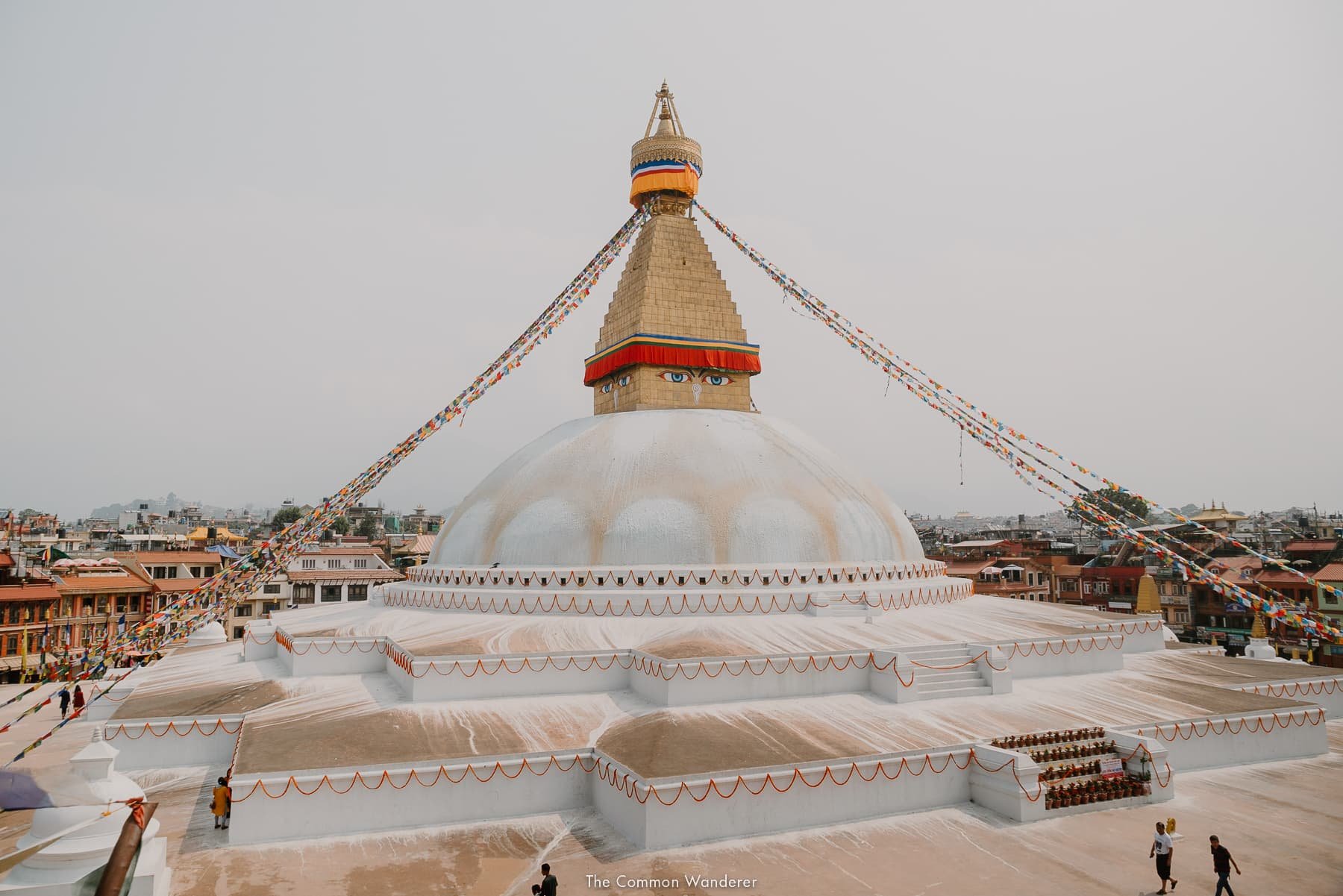
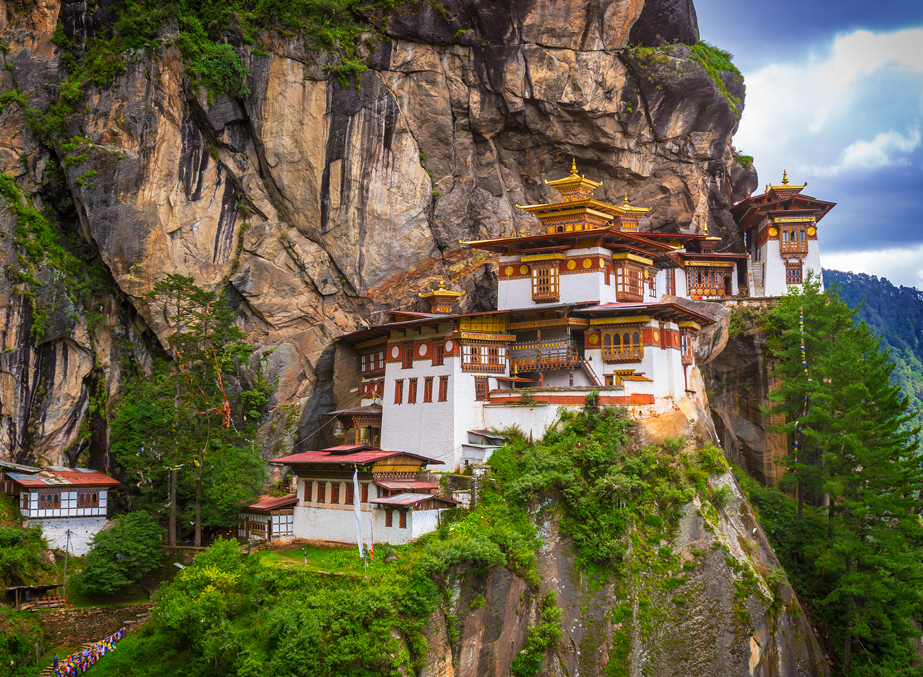
Kathmandu is a living museum, offering an unparalleled density of UNESCO World Heritage Sites. Wander through Kathmandu Durbar Square (entry ~NPR 1000 / $8 USD), gaze at the Boudhanath Stupa, or witness cremations at Pashupatinath Temple. The city's history is raw, tangible, and often chaotic, with every alleyway telling a story of ancient kingdoms and diverse ethnic groups. Paro, while historically significant, offers a more singular cultural narrative focused on Bhutanese Buddhism, epitomized by the iconic Paro Rinpung Dzong or the sacred Kichu Lhakhang. The Taktsang 'Tiger's Nest' Monastery, perched dramatically on a cliff, is undoubtedly a cultural highlight, but its experience is more curated and less 'in-your-face' than Kathmandu's sprawling heritage. "Kathmandu felt like stepping back in time, every corner had another ancient temple or bustling market. Paro was beautiful, but less 'lived-in' history, more like a preserved exhibit." The sheer volume and accessibility of historical sites give Kathmandu the edge.
Winner takeaway
- Winner: Kathmandu
- Why: Kathmandu offers a richer, more diverse, and more accessible array of ancient cultural and historical sites.
- Who this matters for: History buffs, culture vultures, and those who appreciate raw, living heritage.
💰 Costs & Budget
Kathmandu is incredibly budget-friendly. You can find hostel dorms for $5-10 USD, guesthouses for $15-30 USD, and delicious local meals like momos (NPR 100-200 / $0.75-1.50) or a full dal bhat for NPR 300-500 ($2.50-4). Taxis within the city are typically NPR 300-500 ($2.50-4). A 30-day tourist visa for Nepal costs approximately $50 USD on arrival. Paro, by contrast, is one of the most expensive destinations globally for tourists, primarily due to Bhutan's 'High Value, Low Impact' tourism policy. The Minimum Daily Package (MDP) for most tourists is $200-250 USD (or more depending on season/group size) and includes a visa, accommodation, meals, a licensed guide, and all internal transport. While this offers a hassle-free, all-inclusive experience, it makes budget travel impossible. "Dude, Bhutan was gorgeous but my wallet cried. Kathmandu felt like I was living like a king on $50 a day, easily." Kathmandu unequivocally wins for budget travelers.
Winner takeaway
- Winner: Kathmandu
- Why: Kathmandu offers significantly lower daily costs, allowing for extensive travel on a tight budget, unlike Paro's mandatory high daily tariff.
- Who this matters for: Budget travelers, backpackers, and those looking to maximize their travel duration without overspending.
✈️ Getting There & Around
Getting to Kathmandu is relatively straightforward with numerous direct and connecting flights to Tribhuvan International Airport (KTM) from major hubs like Delhi, Doha, Dubai, and Kuala Lumpur. Once in Kathmandu, local transport is abundant and affordable: taxis (always haggle or use a ride-sharing app like Pathao/Indrive), rickshaws, and local buses easily connect different parts of the city. A taxi from KTM to Thamel is around NPR 700-1000 ($5-8 USD). Paro International Airport (PBH) is notoriously challenging, often described as one of the world's most difficult landings, and is serviced exclusively by Bhutan's national carrier Drukair and Bhutan Airlines. Flights are limited and often depart from specific regional hubs like Kathmandu, Delhi, Bangkok, or Singapore. Once you arrive, all your ground transportation and transfers are pre-arranged as part of your tour package and included in the MDP, meaning no independent exploration or local public transport options for tourists. "Flying into Paro felt like an adventure, but getting around in Kathmandu was so much more flexible and cheap. Just hailing a taxi or rickshaw whenever was awesome." Kathmandu offers greater flexibility and accessibility.
Winner takeaway
- Winner: Kathmandu
- Why: Kathmandu is easier and cheaper to reach with more flight options, and offers diverse, affordable local transport for independent exploration.
- Who this matters for: Independent travelers, those seeking flexibility, and anyone preferring budget-friendly and accessible transport options.
⛰️ Nature & Scenery
While Kathmandu is the gateway to the mighty Himalayas, the city itself struggles with significant air pollution and urban sprawl. You can find pockets of green like Shivapuri Nagarjun National Park or take a day trip to Nagarkot for sunrise mountain views, but the immediate natural beauty is often overshadowed. Paro, on the other hand, is nestled in a stunning valley, surrounded by pristine forests, terraced rice fields, and towering Himalayan peaks. The air is crisp and clean, and the landscape feels untouched. The hike to Tiger's Nest Monastery itself is an immersion into breathtaking nature, offering panoramic views of the valley. Day trips to places like the Haa Valley via the Chele La Pass (at 3,988m/13,083ft) reveal incredible alpine scenery. "After the dust of Kathmandu, Paro felt like a detox for my lungs and eyes. The sheer scale and untouched beauty were unreal." Paro offers a significantly more pristine and immersive natural experience.
Winner takeaway
- Winner: Paro
- Why: Paro boasts unparalleled pristine Himalayan landscapes, clean air, and deeply integrated natural beauty, largely untouched by urban development.
- Who this matters for: Nature lovers, photographers, hikers, and those seeking tranquility and breathtaking natural vistas.
🏨 Accommodation
Kathmandu offers an incredibly diverse range of accommodation. Budget travelers can choose from numerous lively hostels in Thamel (like Zostel Kathmandu from $8-15 USD a night) or quieter guesthouses. Mid-range options are plentiful, and for luxury, hotels like The Dwarika's Hotel offer an exceptional experience ($300+ USD). Booking independently is easy. Paro's accommodation landscape is different. While there are some truly stunning luxury resorts (like Uma Paro by COMO, often $500-1000+ USD), most visitors stay in hotels or guesthouses pre-arranged as part of their Minimum Daily Package. These are typically comfortable, clean, and locally owned, but choice is often limited to what your tour operator provides within the MDP. It's less about independent selection and more about convenience within the package. "In Kathmandu, I could pick a cheap hostel or splurge on a fancy hotel. In Paro, my hotel was nice, but it felt more like part of the package deal, less about personal choice." Both destinations offer excellent value for their respective price points, but in different ways.
Winner takeaway
- Winner: Tie
- Why: Kathmandu wins for choice and budget flexibility, while Paro wins for guaranteed quality and curated experience within its package. It's a tie based on different value propositions.
- Who this matters for: Kathmandu for independent travelers and budget-conscious. Paro for those who prefer an all-inclusive, curated experience without the hassle of booking.
🍜 Food & Drink
Kathmandu is a culinary playground. From delicious street-side momos (steamed dumplings) for NPR 100 ($0.75) to hearty Dal Bhat Thali for NPR 300-500 ($2.50-4), the food is flavorful and incredibly affordable. Thamel and Freak Street are packed with restaurants offering everything from traditional Nepali and Newari cuisine (like Bara and Chatamari) to Tibetan, Indian, and international fare. Alcohol is widely available, with local beers (e.g., Gorkha, Everest) costing around NPR 400-600 ($3-5) in restaurants. Paro's food scene is much more focused on traditional Bhutanese cuisine, which can be spicy and unique, featuring dishes like Ema Datshi (chili and cheese stew) or Phaksha Paa (pork with chilies). Meals are typically provided by your tour operator, either at your hotel or at local restaurants catering to tourists. While authentic, the variety is limited, and independent culinary exploration is less common. "Seriously, the momos in Thamel changed my life. Every meal was an adventure. Bhutan's food was good but after a few days, I missed the options." Kathmandu offers a far more diverse and vibrant food and drink experience.
Winner takeaway
- Winner: Kathmandu
- Why: Kathmandu offers a vastly more diverse, accessible, and affordable culinary scene, with abundant street food and international options.
- Who this matters for: Foodies, adventurous eaters, and those who enjoy exploring local flavors and dining out frequently.
🛡️ Safety & Vibe
Kathmandu is a lively, bustling city, which comes with its own set of challenges. While generally safe for tourists, petty crime like pickpocketing can occur in crowded areas like Thamel or Durbar Square, especially at night. Traffic is notoriously chaotic and can be overwhelming, with constant horn-honking and vehicle fumes. Scams, while not rampant, can be encountered by unsuspecting tourists. Paro, by stark contrast, is exceptionally safe and tranquil. Crime rates are among the lowest in the world, and the atmosphere is one of profound peace and serenity. The controlled nature of tourism in Bhutan means that interactions are generally positive and guided, fostering a very secure environment. "After the beautiful chaos of Kathmandu, Paro felt like stepping into a peaceful, protected bubble. I never once felt unsafe, even walking alone." For a truly worry-free and peaceful experience, Paro is the clear winner.
Winner takeaway
- Winner: Paro
- Why: Paro offers an exceptionally safe, serene, and peaceful environment with virtually no crime, providing a stark contrast to Kathmandu's bustling chaos.
- Who this matters for: Solo female travelers, families, and anyone prioritizing peace of mind and a very low-stress environment.
🗺️ Day Trips & Activities
From Kathmandu, the options for day trips are vast and diverse. You can easily visit the ancient city-states of Bhaktapur and Patan, both UNESCO sites with incredible architecture and culture, accessible by local bus (NPR 50-100 / $0.40-0.80) or taxi. A sunrise trip to Nagarkot offers stunning Himalayan vistas. For adventure, Kathmandu is the primary gateway for treks into the Himalayas, from short hikes in Shivapuri National Park to multi-day expeditions. Paro's premier activity is undoubtedly the hike to Taktsang 'Tiger's Nest' Monastery, a breathtaking and spiritual experience taking 5-7 hours. Other popular day trips include a drive to the Haa Valley via the scenic Chele La Pass, or visits to local farmhouses and archery ranges, offering unique cultural insights. While Paro's activities are profoundly impactful, Kathmandu offers a broader range of historical, cultural, and adventure-focused day trips directly accessible to independent travelers. "Bhaktapur felt like another world, and then hiking around Shivapuri was such a relief from the city. Paro's Tiger's Nest was amazing, but it was just one big thing." Kathmandu wins for sheer volume and variety of options.
Winner takeaway
- Winner: Kathmandu
- Why: Kathmandu provides a much wider and more diverse range of accessible day trips, from historical cities to nature hikes and trekking starting points.
- Who this matters for: Active travelers, explorers, and those who enjoy a variety of cultural and adventure excursions from a central hub.
🛍️ Shopping & Souvenirs
Kathmandu is a shopper's paradise, especially for those who love to browse and bargain. Thamel is the epicenter for tourist shopping, offering everything from exquisite pashmina scarves (starting around NPR 1000-2000 for good quality / $8-16 USD), intricate thangka paintings, prayer flags, singing bowls, and a vast array of handicrafts. Ason Bazaar offers a more local experience with spices, textiles, and everyday goods. Haggling is expected and part of the fun. Paro, while offering beautiful, high-quality souvenirs, has a much more curated and less diverse shopping scene. You'll find intricate hand-woven textiles, traditional masks, thangkas, and Buddhist artifacts in government-approved artisan shops or hotel boutiques. Prices are generally fixed and significantly higher due to the 'high value, low impact' tourism model. "I literally bought an extra duffel bag in Kathmandu for all the pashminas and prayer flags. In Paro, I found some lovely textiles, but it was more about quality over quantity, and definitely pricier." Kathmandu offers a more extensive and budget-friendly shopping experience.
Winner takeaway
- Winner: Kathmandu
- Why: Kathmandu offers a significantly wider variety of goods, more vibrant market experiences, and better prices for souvenirs, with bargaining expected.
- Who this matters for: Bargain hunters, souvenir collectors, and those looking for diverse local handicrafts and textiles.
🌟 Unique Experience/Exclusivity
Kathmandu offers a raw, unfiltered, and deeply authentic South Asian experience. It's a chaotic symphony of sights, sounds, and smells, where ancient traditions blend with modern life. The unique experience lies in its vibrant, spiritual energy, the accessibility of its living heritage, and the sheer sensory immersion. It's an adventure in navigating the unexpected. Paro, and indeed Bhutan as a whole, offers a profoundly different and highly exclusive unique experience. The 'High Value, Low Impact' tourism policy ensures limited tourist numbers, preserving its pristine culture and natural beauty. The emphasis on Gross National Happiness is palpable in daily life, creating a tranquil and almost utopian atmosphere. Every experience, from guided tours to interaction with locals, feels carefully managed and deeply respectful. "Kathmandu felt like a wild, beautiful dream. Paro felt like I was allowed into a secret garden, pristine and utterly unique, almost spiritual in its quietness." For a truly exclusive, curated, and serene cultural immersion, Paro stands alone.
Winner takeaway
- Winner: Paro
- Why: Paro provides a uniquely exclusive, pristine, and tranquil experience shaped by Bhutan's 'Gross National Happiness' philosophy and controlled tourism.
- Who this matters for: Travelers seeking a deeply immersive, high-value, and uncrowded cultural experience, willing to pay for exclusivity and serenity.
❓ Frequently Asked Questions
What are the visa requirements for Kathmandu vs Paro?
For Nepal (Kathmandu), most nationalities can obtain a visa on arrival at Tribhuvan Airport (KTM) or land borders. A 30-day tourist visa typically costs around $50 USD. For Bhutan (Paro), a visa is mandatory and is processed by your licensed Bhutanese tour operator as part of your Minimum Daily Package. You cannot apply for a Bhutanese visa independently.
When is the best time to visit Kathmandu and Paro?
The best time for both destinations is during the autumn (September to November) for clear skies, moderate temperatures, and festive seasons, and spring (March to May) for rhododendron blooms and pleasant weather. Winter (December to February) can be cold but clear, while monsoon season (June to August) brings heavy rains and leeches, though the landscapes are lush.
Are these destinations suitable for solo travelers?
Kathmandu is excellent for solo travelers, with a vibrant hostel scene, easy access to tours and treks, and many opportunities to meet other travelers. Paro is also safe for solo travelers, but the experience is highly structured through guided tours, which means less spontaneous solo exploration but enhanced safety and convenience. Both are generally very welcoming.
Can I combine a trip to Kathmandu and Paro?
Absolutely! Combining Kathmandu and Paro is a popular and rewarding way to experience both the vibrant chaos of Nepal and the serene exclusivity of Bhutan. Drukair and Bhutan Airlines operate direct flights between Kathmandu (KTM) and Paro (PBH), taking about 1 hour. This makes for an easy transition, typically requiring 7-10 days in Nepal and 5-7 days in Bhutan for a comprehensive trip.
What is the internet and mobile connectivity like?
In Kathmandu, Wi-Fi is widely available in hotels, cafes, and restaurants, though speeds can be inconsistent. Local SIM cards (Ncell, Nepal Telecom) are cheap and offer decent 4G coverage. In Paro, most hotels offer Wi-Fi, often included in your package, but it might be slower than you're used to. Mobile coverage is good in towns but spotty in remote areas. A local Bhutanese SIM can be purchased, but your guide will often facilitate communication.
How should I prepare for altitude sickness?
While Kathmandu (1,400m / 4,600ft) and Paro (2,200m / 7,200ft) are not extremely high, some day trips or treks from Kathmandu (e.g., to Everest Base Camp) or hikes in Bhutan (e.g., to Tiger's Nest) reach higher altitudes. It's advisable to stay hydrated, avoid alcohol and strenuous activity on your first day, and ascend gradually if planning higher treks. Consult your doctor for medication like Diamox if you're concerned.
What currency should I use in each destination?
In Nepal (Kathmandu), the local currency is the Nepalese Rupee (NPR). ATMs are plentiful, and major credit cards are accepted in larger establishments. USD is accepted by some tourist businesses but it's best to pay in NPR. In Bhutan (Paro), the local currency is the Bhutanese Ngultrum (BTN), which is pegged to the Indian Rupee (INR). Both BTN and INR are accepted. ATMs are available, and credit cards are accepted in major hotels and stores. Your tour package costs are typically paid in USD before arrival.
Is it ethical to visit Bhutan given the Minimum Daily Package?
Bhutan's Minimum Daily Package (MDP) is specifically designed to support its 'High Value, Low Impact' tourism policy, which funds free education, healthcare, and infrastructure, and helps preserve its unique culture and pristine environment. Many travelers consider this a highly ethical model as it directly benefits the local population and prevents mass tourism. Your visit contributes to sustainable development, rather than just profit.
Ready to plan your Himalayan adventure?
Get a free custom itinerary for Kathmandu, Paro, or both — built from real traveler insights and personalized to your budget and interests.
🎟️ Book Tours & Experiences
Hand-picked tours and activities for both destinations — book with free cancellation
Experiences via Viator — free cancellation on most tours