How we built this comparison
This page combines traveler discussion patterns, published price ranges, flight schedules, and seasonal data to help you decide between Kefalonia and Corfu.
- Reviewed 50+ Reddit threads from r/travel, r/Greece, r/solotravel, r/europetravel, etc.
- Verified costs and logistics against current booking platforms like Booking.com, Skyscanner, Rentalcars.com, and local ferry operators.
- Cross-referenced seasonal patterns and weather data from meteorological sources for optimal travel times and conditions.
- Incorporated insights from travel blogs and official tourism sites for specific attractions and dining recommendations.
- Consulted recent traveler reviews and forum discussions to gauge real-world experiences and current pricing trends.
⚡ The TL;DR Verdict
For those craving dramatic natural beauty, pristine beaches, and a more laid-back vibe, Kefalonia is your island, with a daily budget around €90-150. If you seek vibrant nightlife, rich history, diverse cuisine, and more developed tourist infrastructure, Corfu is the pick, typically €100-180 per day.
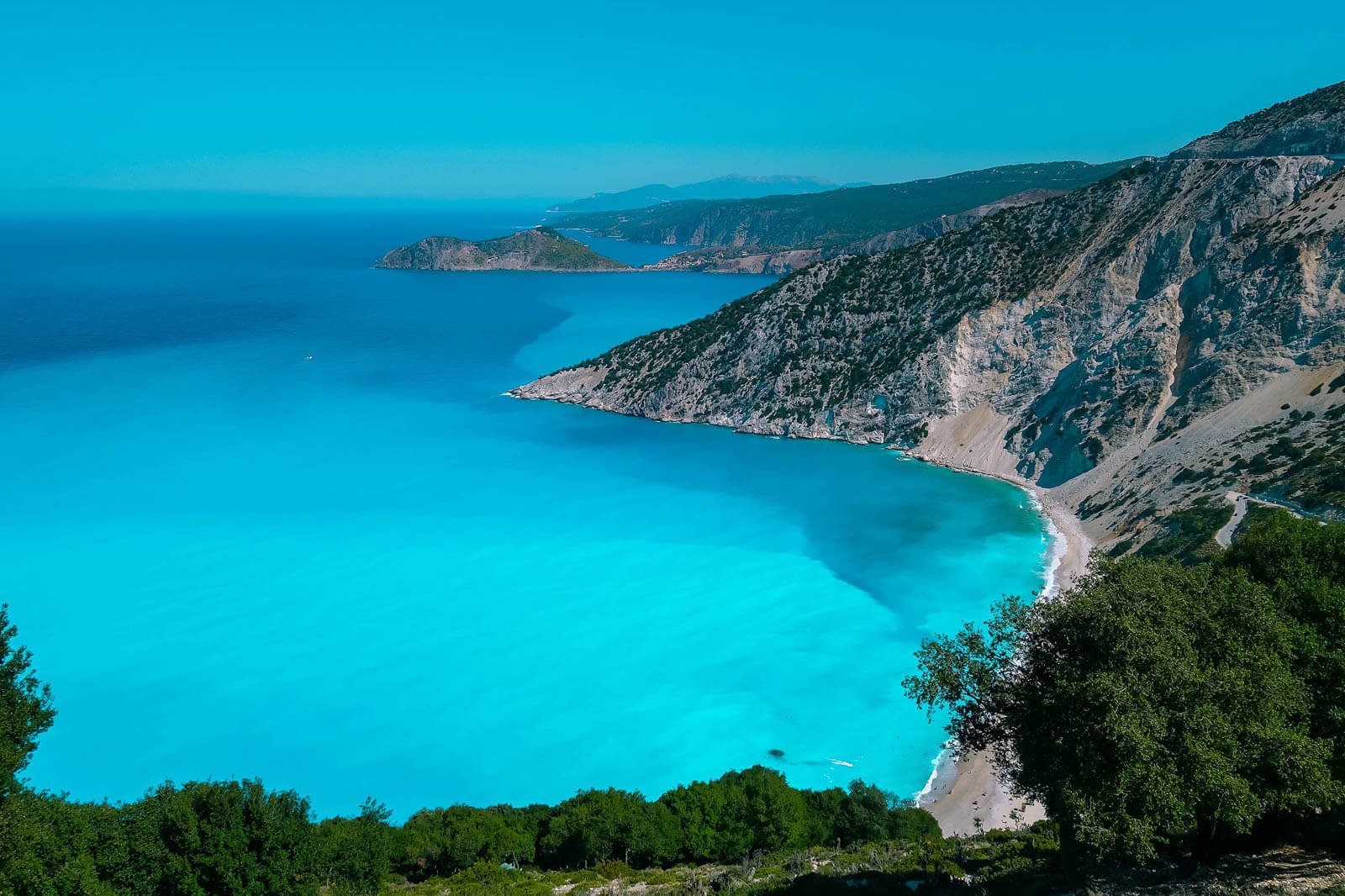
- Choose Kefalonia: Choose Kefalonia if your priority is breathtaking natural scenery, iconic beaches like Myrtos, serene villages, and an authentic, tranquil Greek island experience away from crowds. Ideal for couples, nature lovers, and those seeking relaxation.
- Choose Corfu: Opt for Corfu if you desire a vibrant mix of historical sites (especially Corfu Old Town), diverse dining, bustling nightlife, and a wider range of activities. Perfect for families, history buffs, and those who enjoy a more social and energetic holiday.
- Choose Both: If you have 10-14 days, you can absolutely do both! Fly into one, spend 5-7 days, then take a ferry (via Patras or Igoumenitsa to Lefkada, then a shorter ferry to the other, or a direct seasonal ferry if available) to the other island for another 5-7 days. This offers a comprehensive Ionian experience.
Quick Comparison
| Category | Kefalonia | Corfu | Winner |
|---|---|---|---|
| Beaches & Swimming | Unrivaled dramatic beauty, iconic white pebble beaches, turquoise waters. | Varied options from sandy family beaches to rugged coves, often more developed. | Kefalonia |
| Food & Drink | Traditional Greek island fare, fresh seafood, local Robola wine, meat pies. | Rich culinary heritage influenced by Venetians, French; wider variety of tavernas and fine dining. | Corfu |
| Nightlife & Vibe | Relaxed, low-key evenings, charming taverna dinners, quiet bars. | Vibrant and varied, from clubbing zones to sophisticated wine bars and traditional music. | Corfu |
| Culture & History | Ancient ruins, Byzantine monasteries, folklore, rich maritime heritage. | UNESCO World Heritage Old Town, Venetian and British architecture, significant fortresses. | Corfu |
| Costs & Budget | Generally slightly more affordable for accommodation and dining, less mass tourism. | Wider range of options from budget to luxury, but popular areas can be pricier. | Kefalonia |
| Getting There | International airport (EFL), but often requires connections or ferry from mainland. | Larger international airport (CFU) with more direct flights, good ferry links. | Corfu |
| Getting Around | Car rental essential for exploration, limited public transport. | Car rental recommended, but better public bus network, especially around Corfu Town. | Corfu |
| Accommodation | Charming boutique hotels, villas, apartments, often family-run. | Wide range from budget hostels to luxury resorts, more established chains. | Corfu |
| Day Trips & Excursions | Boat trips to Ithaca, Zante's Shipwreck Beach, exploring nearby islands. | Trips to Albania, Paxos/Antipaxos, mainland Greece, more organized tours. | Corfu |
| Nature & Scenery | Dramatic landscapes, iconic caves, towering mountains, lush valleys. | Green and fertile, olive groves, rugged northern coast, impressive cliffs. | Kefalonia |
🏖️ Beaches & Swimming
Kefalonia takes the crown here, hands down. Its beaches are postcard-perfect, defined by towering cliffs, dazzling white pebbles, and almost fluorescent blue waters. Myrtos Beach, accessible via a winding road, is consistently ranked among the world's best, while Antisamos offers a more organized experience with lush greenery. Petani Beach is another stunner with incredible sunsets. Snorkeling is fantastic in areas like Foki Beach. You won't find endless stretches of soft sand, but the sheer 'wow' factor is immense. Expect to pay €10-15 (approx. $11-16) for a sunbed and umbrella set at Myrtos or Antisamos. Corfu, while beautiful, has a more varied but less dramatic beach scene. Glyfada and Paleokastritsa offer sandy stretches and calm waters, great for families, but can get very crowded. Canal d'Amour in Sidari is unique, but it’s a specific geological feature, not a sprawling beach. 'The beaches in Kefalonia just hit different, Myrtos is unreal, nothing like it,' a Redditor once put it, and it's true.
Winner takeaway
- Winner: Kefalonia
- Why: Kefalonia offers more iconic, dramatically beautiful, and less developed beaches that truly stand out.
- Who this matters for: Nature lovers, photographers, and those seeking breathtaking swimming spots.
🍽️ Food & Drink
Corfu boasts a more distinct and diverse culinary scene thanks to its rich history. Dishes like Pastitsada (pasta with slow-cooked beef or rooster in a rich tomato sauce), Sofrito (veal in white wine sauce), and Bourdeto (spicy fish stew) are unique to the island. Corfu Town offers a fantastic array of traditional tavernas like Pomo d'Oro (mains €15-25 / $16-27) and more upscale dining options. You'll find vibrant bars in the Old Town and tourist hubs. Kefalonia's food is excellent, focusing on fresh, authentic Greek flavors – think fresh grilled fish, Kefalonian meat pie (Kreatopita), and local Robola wine. Fiscardo and Assos offer charming waterfront tavernas where a good seafood meal might cost €20-35 ($22-38). While Kefalonia's food is delicious, Corfu's historical influences give it a broader, more unique gastronomic identity. 'Corfu's food scene is next level, especially the Venetian stuff, felt like every meal was an experience,' one traveler shared, highlighting the depth of its cuisine.
Winner takeaway
- Winner: Corfu
- Why: Corfu's unique Venetian-influenced cuisine and wider range of dining experiences edge out Kefalonia's more traditional Greek fare.
- Who this matters for: Foodies, those seeking diverse culinary experiences, and anyone who appreciates historical influences in their meals.
💃 Nightlife & Vibe
If you're looking for lively evenings, Corfu is your island. Kavos, in the south, is a well-known party hotspot catering to younger crowds with numerous clubs and bars (cocktails €8-12 / $9-13). Corfu Town offers a more sophisticated nightlife with chic cocktail bars like The Old School House and traditional kafeneia where locals gather. You can enjoy live music and a bustling atmosphere well into the night. Kefalonia, by contrast, is much more laid-back. Nightlife revolves around leisurely dinners at waterfront tavernas in places like Fiscardo or Sami, followed by a quiet drink at a local bar. There are no major clubbing scenes. Lassi has a few more tourist-oriented bars, but it's far from wild. It's perfect for romantic evenings or quiet contemplation under the stars. 'Kefalonia is definitely for chilling, don't expect crazy parties. Corfu for sure if you want to dance,' a traveler advised, perfectly encapsulating the difference.
Winner takeaway
- Winner: Corfu
- Why: Corfu offers a significantly wider and more energetic range of nightlife options, from party resorts to sophisticated city bars.
- Who this matters for: Younger travelers, groups of friends, and those who enjoy a lively evening scene.
🏛️ Culture & History
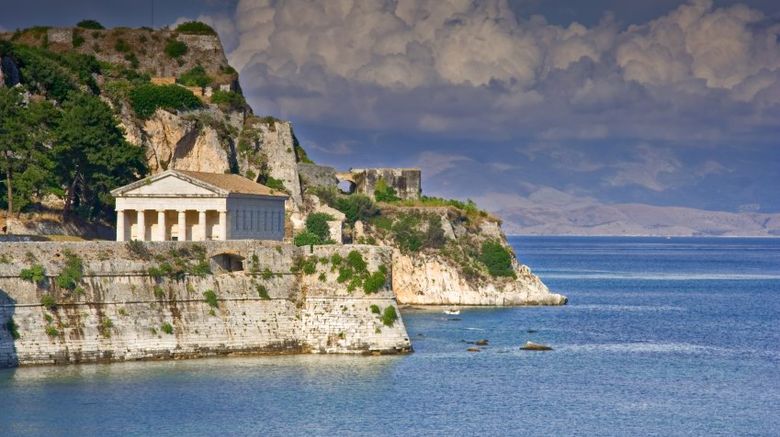
Corfu is a history buff's dream, largely due to its Venetian, French, and British past. Corfu Town, a UNESCO World Heritage site, is a labyrinth of narrow cobblestone streets, grand Venetian architecture, and two impressive fortresses (entrance to Old Fortress approx. €6 / $6.50). The Achilleion Palace, built for Empress Elisabeth of Austria, is another stunning historical site (entry €10 / $11). The island's museums, like the Asian Art Museum, are well-curated. Kefalonia, while having its own ancient history, doesn't boast the same density of well-preserved historical sites. You can visit the Kastro (Venetian castle) of Agios Georgios near Argostoli, and various monasteries like Moni Agrilion or Moni Kipoureon, offering glimpses into its past and stunning views. The Roman Villa of Skala offers some interesting mosaics. However, its history is more subtly woven into the landscape rather than dramatically displayed. 'Corfu Old Town alone is worth the trip for history lovers, could spend days just wandering,' a history enthusiast shared, and it’s true, the sheer volume of historical architecture is unparalleled.
Winner takeaway
- Winner: Corfu
- Why: Corfu's UNESCO-listed Old Town, impressive fortresses, and rich historical influences provide a more extensive and accessible cultural experience.
- Who this matters for: History buffs, architecture enthusiasts, and those who enjoy exploring ancient cities.
💰 Costs & Budget
Kefalonia generally offers a slightly better value, especially for accommodation and daily expenses. While both islands are part of Greece and face similar pricing pressures, Kefalonia has less large-scale tourism infrastructure, leading to slightly more competitive prices. A decent meal at a taverna in Kefalonia might cost €15-25 ($16-27), whereas in popular parts of Corfu, it can easily creep up to €20-35 ($22-38) or more for similar quality. Car rentals are comparable, around €30-50 ($32-54) per day in low season, but can jump to €60-90+ ($65-98) in peak. Accommodation in a charming apartment in Kefalonia can be found for €70-120 ($76-130) per night, while similar quality in Corfu's popular areas might start at €80-150 ($87-163). Flight costs can vary, but Corfu often has more direct budget airline options from major European cities. 'Kefalonia felt like I got more for my money, especially outside of Fiscardo. Corfu was great but definitely felt a bit more tourist-taxed,' a budget-conscious traveler noted. Overall, Kefalonia allows your budget to stretch a bit further for a comparable experience.
Winner takeaway
- Winner: Kefalonia
- Why: Kefalonia offers a slightly more budget-friendly experience for accommodation and dining, especially outside of its most famous villages.
- Who this matters for: Budget-conscious travelers, backpackers, and those looking for good value for money.
✈️ Getting There
Corfu is generally easier to reach, especially for international travelers. Corfu International Airport (CFU) has a much wider range of direct flights from numerous European cities, particularly during the summer season. For instance, a direct flight from London to Corfu typically takes around 3 hours, with multiple daily options. Ferry connections to mainland Greece (Igoumenitsa) and Italy (Bari, Brindisi, Ancona) are frequent and well-established. Kefalonia International Airport (EFL) also has direct flights from some European hubs, but often fewer and less frequent than Corfu. From places like London, you might find direct flights around 3 hours 15 minutes, but connections are more common. You might also fly into Athens and take a domestic flight or a bus-ferry combination from Killini or Patras, which adds travel time (e.g., Athens to Kefalonia can be 5-7 hours total). 'Getting to Corfu was a breeze, direct flight from Manchester and then a quick taxi. Kefalonia felt a bit more of a journey,' a traveler commented, reflecting the ease of access for Corfu.
Winner takeaway
- Winner: Corfu
- Why: Corfu benefits from a larger international airport with more direct flight routes and more frequent ferry connections.
- Who this matters for: Travelers prioritizing ease of access, shorter travel times, and more flight options.
🚗 Getting Around
While a car rental is highly recommended for both islands to truly explore, Corfu offers slightly better alternatives. Corfu Town has an excellent local bus system (Blue Buses) connecting the town center to nearby resorts, and Green Buses serve longer routes across the island (tickets approx. €1.50-4 / $1.60-4.30). Taxis are readily available but can be pricey. However, exploring hidden coves or mountain villages still necessitates a car. Kefalonia, being larger and more rugged, makes a rental car almost mandatory for any serious exploration. Public transport is very limited, primarily connecting major towns like Argostoli, Sami, and Skala. Taxis are available but can be expensive for longer distances. Scooters or ATVs are popular options for smaller distances in both, but roads can be winding and challenging. 'Definitely rent a car in Kefalonia, otherwise you'll miss so much. Corfu's buses are okay for main spots but still a car is king,' a seasoned traveler suggested. Corfu's slightly more developed infrastructure gives it the edge for getting around without a private vehicle.
Winner takeaway
- Winner: Corfu
- Why: Corfu offers a more extensive public bus network, making it slightly easier to get around without a rental car for certain routes.
- Who this matters for: Travelers who prefer to avoid car rentals or rely more on public transport for some journeys.
🏨 Accommodation
Corfu offers a broader and more diverse range of accommodation to suit all budgets and styles. From luxury resorts like Ikos Dassia (starting €400+ / $435+) to boutique hotels in Corfu Town, family-friendly apartments in resorts like Sidari, and even budget hostels, Corfu has it all. This wider selection means more competition and often better deals across various categories. Kefalonia primarily excels in charming boutique hotels, privately-owned villas, and family-run apartments (e.g., The F Zeen Retreat in Lourdata offers luxury from €300+ / $325+, while a standard apartment might be €80-150 / $87-163). While the quality is high, the sheer variety, especially at the luxury resort or budget hostel end, is less extensive than Corfu. 'Corfu has so many options, you can find a quiet villa, a budget hostel, or an all-inclusive. Kefalonia felt more like boutique hotels and private rentals,' a traveler noted, indicating Corfu's versatility.
Winner takeaway
- Winner: Corfu
- Why: Corfu provides a significantly wider array of accommodation types, from budget to luxury, catering to more diverse traveler needs.
- Who this matters for: All types of travelers, from budget backpackers to luxury resort seekers and large families.
🚢 Day Trips & Excursions
Corfu offers a more diverse and easily accessible range of day trips, significantly boosting its appeal. The most popular include boat trips to the stunning islands of Paxos and Antipaxos, known for their incredible turquoise waters and sea caves (full-day trip approx. €30-50 / $32-54). Unique to Corfu is the option for a quick ferry hop to Albania (Saranda), offering a fascinating cultural contrast and access to sites like Butrint (approx. €40-60 / $43-65 for ferry return). You can also easily venture to mainland Greece. Kefalonia primarily offers boat trips to the nearby, charming island of Ithaca (Odysseus's home, around €25-40 / $27-43 for a day cruise) and to the iconic Shipwreck Beach (Navagio) on Zakynthos (Zante), though this often involves longer travel. While both offer scenic boat tours to various coves and beaches, Corfu's proximity to another country and the popular Paxos/Antipaxos makes it a stronger contender. 'We did the Paxos trip from Corfu and it was magical, and the Saranda trip was surprisingly easy and interesting. Kefalonia mostly had Ithaca,' a traveler commented, highlighting the breadth of options.
Winner takeaway
- Winner: Corfu
- Why: Corfu provides more unique and varied day trip opportunities, including international excursions to Albania and popular Paxos/Antipaxos.
- Who this matters for: Adventurous travelers, those who enjoy exploring multiple destinations from a single base, and island hoppers.
⛰️ Nature & Scenery
Kefalonia's natural scenery is simply breathtaking and often more dramatic than Corfu's. It's home to the stunning underground Melissani Cave (entrance €8 / $8.70), where sunlight penetrates through a collapsed roof to illuminate a subterranean lake, and Drogarati Cave with its impressive stalactites and stalagmites. Mount Ainos, the tallest peak in the Ionian Islands, is a national park featuring unique black fir trees and offering incredible panoramic views. The coastline is rugged and dramatic, with cliffs plunging into brilliant turquoise waters, most famously at Myrtos. While Corfu is lush and green, especially with its endless olive groves, and boasts impressive sea cliffs in the north (e.g., Loggas Beach sunset), its beauty is generally softer and less 'jaw-dropping' than Kefalonia's. The sheer scale and variety of natural wonders in Kefalonia give it the edge for pure scenic impact. 'Kefalonia felt like nature just showing off, those caves and Myrtos are unreal, totally different vibe to Corfu's green hills,' a nature enthusiast remarked, capturing the essence of Kefalonia's natural appeal.
Winner takeaway
- Winner: Kefalonia
- Why: Kefalonia offers more dramatic, unique, and iconic natural landmarks, including famous caves, a national park mountain, and unparalleled coastal vistas.
- Who this matters for: Hikers, photographers, nature enthusiasts, and those seeking awe-inspiring landscapes.
❓ Frequently Asked Questions
Which island is better for families with young children?
Corfu often edges out Kefalonia for families due to its wider range of resorts with kid-friendly amenities, more developed sandy beaches like Glyfada with calm waters, and a greater variety of activities beyond just beaches, such as water parks (Aqualand) and historical sites that can be made engaging. Kefalonia is still family-friendly, but its rugged terrain and pebble beaches might be less ideal for toddlers.
Is it easy to get between Kefalonia and Corfu?
Direct ferry services between Kefalonia and Corfu are not always frequent or year-round. Typically, you'd need to take a ferry from Kefalonia (Sami port) to Patras or Killini on the mainland, then travel by bus/car to Igoumenitsa, and finally take another ferry to Corfu. During peak season, some seasonal direct routes might operate, but checking specific schedules is crucial. It's often a full-day journey.
Which island is more 'authentic' Greek?
Kefalonia often feels more 'authentically Greek' in its slower pace of life, traditional villages (like Assos and Fiscardo), and fewer large-scale tourist resorts. Its focus is more on natural beauty and local experiences. Corfu, while retaining its Greek identity, has a more pronounced historical influence from Venice and other powers, and its main tourist areas can feel more internationalized. Both offer authentic experiences, but Kefalonia has a slight edge for a more traditional, unspoiled feel.
What's the best time of year to visit either island?
The best time to visit both Kefalonia and Corfu is late May to early June or September to early October. During these shoulder seasons, the weather is pleasant (temperatures typically 20-28°C / 68-82°F), the sea is warm enough for swimming, and the islands are less crowded than in the peak summer months of July and August. Prices for flights and accommodation are also generally lower.
Do I need to rent a car on both islands?
For both islands, renting a car is highly recommended if you want to explore beyond your immediate resort or town. It gives you the freedom to discover hidden beaches, remote villages, and scenic viewpoints that are inaccessible by public transport. While Corfu has a better bus network for main routes, a car unlocks the true beauty of both islands.
Which island is better for hiking and outdoor activities?
Kefalonia offers a more rugged and dramatic landscape, making it ideal for serious hikers. Mount Ainos National Park has well-marked trails with stunning views and unique flora. Corfu also has excellent hiking opportunities, particularly in its northern regions (e.g., Corfu Trail), with lush olive groves and coastal paths. However, Kefalonia's mountainous terrain and spectacular caves provide a slight edge for varied and awe-inspiring outdoor adventures.
Are there good options for solo travelers on either island?
Both islands are safe and welcoming for solo travelers. Corfu offers more opportunities for meeting people, especially in Corfu Town's hostels and bars, or in more social resort areas. Kefalonia is fantastic for solo travelers seeking peace, self-reflection, and nature, but might be less ideal for easily finding social interactions unless staying in a shared villa or specific solo-friendly accommodations. Both are safe for women solo travelers.
What kind of natural disasters or risks should I be aware of?
Both islands are in an active seismic zone, so minor earthquakes can occur, though significant damaging ones are rare. Wildfires, particularly during hot, dry summers, are a concern, so always be mindful of fire safety. Stingray sightings are very rare but possible, and sea urchins can be found on rocky shores, so water shoes are advisable. Otherwise, both islands are generally very safe with typical Mediterranean risks.
Ready to plan your Ionian adventure?
Get a free custom itinerary for Kefalonia, Corfu, or both — built from real traveler insights.
🎟️ Book Tours & Experiences
Hand-picked tours and activities for both destinations — book with free cancellation
Experiences via Viator — free cancellation on most tours