How we built this comparison
This page combines traveler discussion patterns, published price ranges, flight schedules, and seasonal data to help you decide between Kefalonia and Mykonos.
- Reviewed 100+ Reddit threads from r/travel, r/Greece, r/solotravel, etc.
- Verified costs and logistics against current booking platforms like Booking.com, Skyscanner, and local rental agencies.
- Cross-referenced seasonal patterns, weather data, and personal travel experiences for nuanced insights.
⚡ The TL;DR Verdict
If your ideal Greek getaway involves pristine natural beaches, charming villages, and an authentic, laid-back vibe without breaking the bank, Kefalonia is your island (think €80-150/$90-160 per day). But if you crave a high-energy party scene, luxurious beach clubs, and an international foodie experience, Mykonos delivers, albeit at a much higher price point (€250-500+/$270-540+ per day).
- Choose Kefalonia: Perfect for nature lovers, families, couples seeking relaxation, and budget-conscious travelers. You'll find breathtaking landscapes, authentic Greek culture, and excellent value.
- Choose Mykonos: Ideal for party-goers, luxury seekers, and those who want to see and be seen. Expect world-class nightlife, chic beach clubs, high-end dining, and a vibrant, international atmosphere.
- Choose Both: If you have 10-14 days and a generous budget, you could combine both for a diverse Greek experience. Start with the energy of Mykonos (3-4 days), then unwind in Kefalonia (5-7 days) for a complete contrast.
Quick Comparison
| Category | Kefalonia | Mykonos | Winner |
|---|---|---|---|
| Beaches | Dramatic, wild, and incredibly scenic beaches like Myrtos, Antisamos, and Petani. Often backed by lush greenery and cliffs, with turquoise waters. | Golden sandy beaches, often well-organized with luxury sunbeds, beach bars, and vibrant party atmospheres (Paradise, Super Paradise, Psarou). | Kefalonia |
| Nightlife | Relaxed evenings with waterfront tavernas, quiet bars, and live Greek music. No large clubs or late-night party scenes. | World-famous, high-energy party scene with luxury beach clubs, international DJs, and vibrant bars that stay open until dawn. | Mykonos |
| Costs & Budget | Significantly more affordable across accommodation, dining, activities, and transport. Offers excellent value for money. | One of the most expensive islands in Greece and Europe. Expect premium prices for everything, especially during peak season. | Kefalonia |
| Food & Drink | Traditional Ionian cuisine emphasizing fresh seafood, local produce, and hearty meat dishes like kreatopita (meat pie) and pastitsada. | Upscale international dining, fusion cuisine, and trendy seafood restaurants, often found in chic settings or beach clubs. | Kefalonia |
| Culture & Authenticity | Rich history, traditional villages, monasteries, and a strong sense of local identity. Less impacted by mass tourism. | Iconic Cycladic architecture in Mykonos Town, but less emphasis on deep historical sites or traditional village life. More cosmopolitan. | Kefalonia |
| Getting There & Around | International airport (Kefalonia International Airport - EFL) with some direct seasonal flights. Car rental is essential for exploring. | Well-connected international airport (Mykonos International Airport - JMK) with many direct flights. Good local bus network and taxis, but high taxi costs. | Mykonos |
| Accommodation | Diverse range of charming villas, apartments, and family-run hotels. Focus on comfort, authenticity, and value. | Dominated by luxury boutique hotels, designer villas, and high-end resorts. Known for its opulent and chic stays. | Kefalonia |
| Nature & Scenery | Lush, green, mountainous landscapes with dramatic cliffs, caves, underground lakes, and extensive forests. Diverse and vibrant. | Classic Cycladic barren landscape with rolling hills, dotted with windmills and white-washed villages. Beautiful but less diverse. | Kefalonia |
| Travel Style & Vibe | Relaxed, authentic, family-friendly, and tranquil. Ideal for unwinding, exploring, and slow travel. | Glamorous, high-energy, chic, and cosmopolitan. Appeals to a younger, luxury-seeking, party-oriented crowd. | Kefalonia |
| Best Time to Visit | May-June or September-October for pleasant weather, fewer crowds, and lush landscapes. Peak July-August can be hot and busy. | June and September for lively but manageable crowds. July-August is peak party season, extremely crowded and expensive. | Tie |
🏖️ Beaches
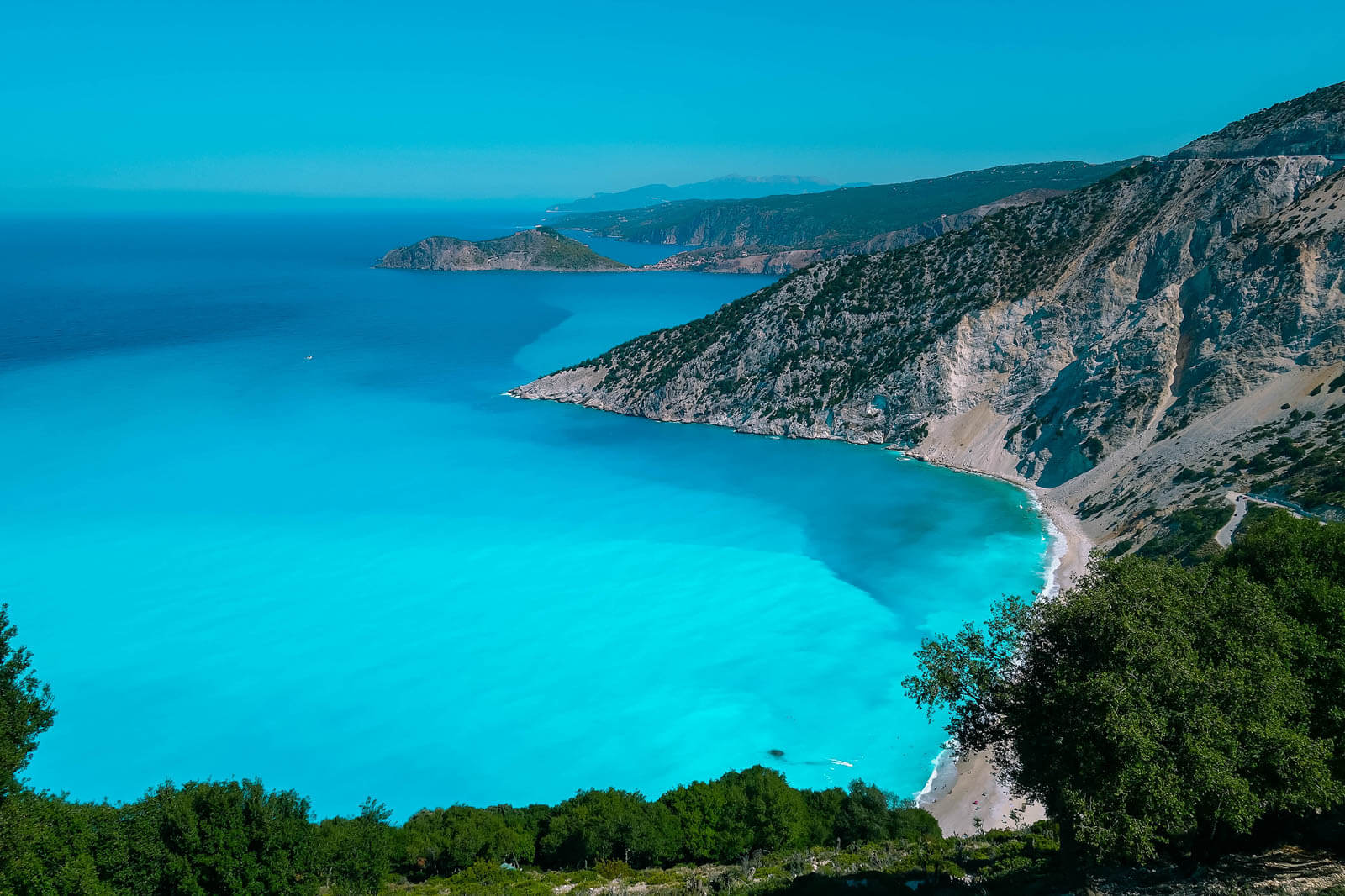
Kefalonia boasts some of Greece's most iconic and naturally stunning beaches. Myrtos Beach, with its brilliant white pebbles and electric blue water nestled between towering cliffs, is routinely ranked among the world's best. Antisamos offers lush green hills spilling into the sea, perfect for families, while Petani provides a more dramatic sunset spot. You'll find plenty of secluded coves too. Mykonos's beaches, while beautiful, are more about the 'scene.' Think organized sunbeds at Nammos or Scorpios, thumping music, and bottle service at Paradise Beach. While Mykonos has charming, quieter spots like Agios Sostis with Kiki's Tavern, they don't hold a candle to the raw natural beauty Kefalonia offers. "Myrtos Beach is just next-level. Nothing on Mykonos even comes close in terms of pure beauty. Just rent a car and explore, you won't regret it." A sunbed at Myrtos might be €10-15 ($11-16), compared to €50-100+ ($54-108+) at a Mykonos beach club.
Winner takeaway
- Winner: Kefalonia
- Why: Kefalonia's beaches offer unparalleled natural beauty and variety, from dramatic cliffs to lush coves.
- Who this matters for: Nature lovers, photographers, and those seeking serene, picturesque swimming spots.
🥳 Nightlife
Mykonos is synonymous with world-class nightlife, easily making it the winner here. From the iconic beach clubs like Scorpios, Nammos, and Super Paradise, where parties start in the afternoon and go until late night, to the stylish bars in Mykonos Town (Chora) like JackieO' and Little Venice's Caprice, the island caters to a glamorous, high-energy crowd. Expect renowned international DJs, bottle service, and cover charges for major events that can run €50-100+ ($54-108+). Cocktails average €18-30 ($20-33). Kefalonia, in stark contrast, offers a much more subdued evening experience. The 'nightlife' here consists of enjoying a leisurely dinner at a waterfront taverna in Fiscardo or Argostoli, followed by a drink at a cozy bar. Places like Captain's Bar in Fiscardo offer a pleasant atmosphere, but don't expect thumping beats. "Mykonos nightlife is insane, but you pay for it. Kefalonia is more 'wine on a balcony' vibe." Cocktails in Kefalonia are a more reasonable €8-12 ($9-13).
Winner takeaway
- Winner: Mykonos
- Why: Mykonos is a global hub for luxury nightlife and party culture, attracting top DJs and an international crowd.
- Who this matters for: Party animals, luxury travelers, and anyone looking for a vibrant, late-night scene.
💰 Costs & Budget
Kefalonia is a clear winner for budget-conscious travelers. A lovely meal at a traditional taverna in Argostoli or Sami will cost around €20-35 ($22-38) per person, including house wine. Decent mid-range hotels can be found for €80-150 ($87-163) per night, and car rentals are typically €30-50 ($33-54) per day. A typical daily budget for a comfortable trip might be €80-150 ($90-160). Mykonos, on the other hand, is notorious for its exorbitant prices. A simple lunch can easily be €30-50 ($33-54), and dinner at a popular spot can run €80-150 ($87-163) per person. Beach club sunbeds are €50-100+ ($54-108+), and a basic hotel room starts at €150-300 ($163-325), with luxury options soaring to €500-1000+ ($540-1080+). "Mykonos was a blast, but my wallet definitely took a beating. Kefalonia felt like I was actually getting value for my money, even for amazing food." A daily budget in Mykonos can easily hit €250-500+ ($270-540+).
Winner takeaway
- Winner: Kefalonia
- Why: Kefalonia offers a truly authentic and high-quality Greek island experience at a fraction of Mykonos's cost.
- Who this matters for: Budget travelers, families, and anyone seeking great value without sacrificing quality.
🍴 Food & Drink
While Mykonos offers an array of high-end, international dining experiences – from celebrity chef restaurants to chic beach club eateries like Nammos and Scorpios, focusing on upscale seafood and modern Greek fusion – Kefalonia wins for its authentic, hearty, and delicious traditional Greek cuisine at accessible prices. Kefalonian specialties include 'kreatopita' (a savory meat pie), 'pastitsada' (pasta with slow-cooked meat), and fresh-caught fish often grilled simply with olive oil and lemon. You'll find charming family-run tavernas like Tassia's in Fiscardo or Stavros in Argostoli, where a delicious multi-course meal with wine can be €30-40 ($33-43) per person. Mykonos, while having some good traditional spots like Kiki's Tavern (though often with long waits), generally leans into luxury, with mains easily reaching €40-80+ ($43-87+). "I loved the fresh octopus and local wine at a tiny taverna in Assos. Mykonos was great for fancy cocktails, but the food felt more 'real' in Kefalonia and didn't cost a fortune." For an authentic, unpretentious, and consistently delicious culinary journey, Kefalonia takes the crown.
Winner takeaway
- Winner: Kefalonia
- Why: Kefalonia excels in authentic, delicious, and affordable traditional Greek and Ionian cuisine.
- Who this matters for: Foodies seeking genuine local flavors, fresh ingredients, and excellent value.
🏛️ Culture & Authenticity
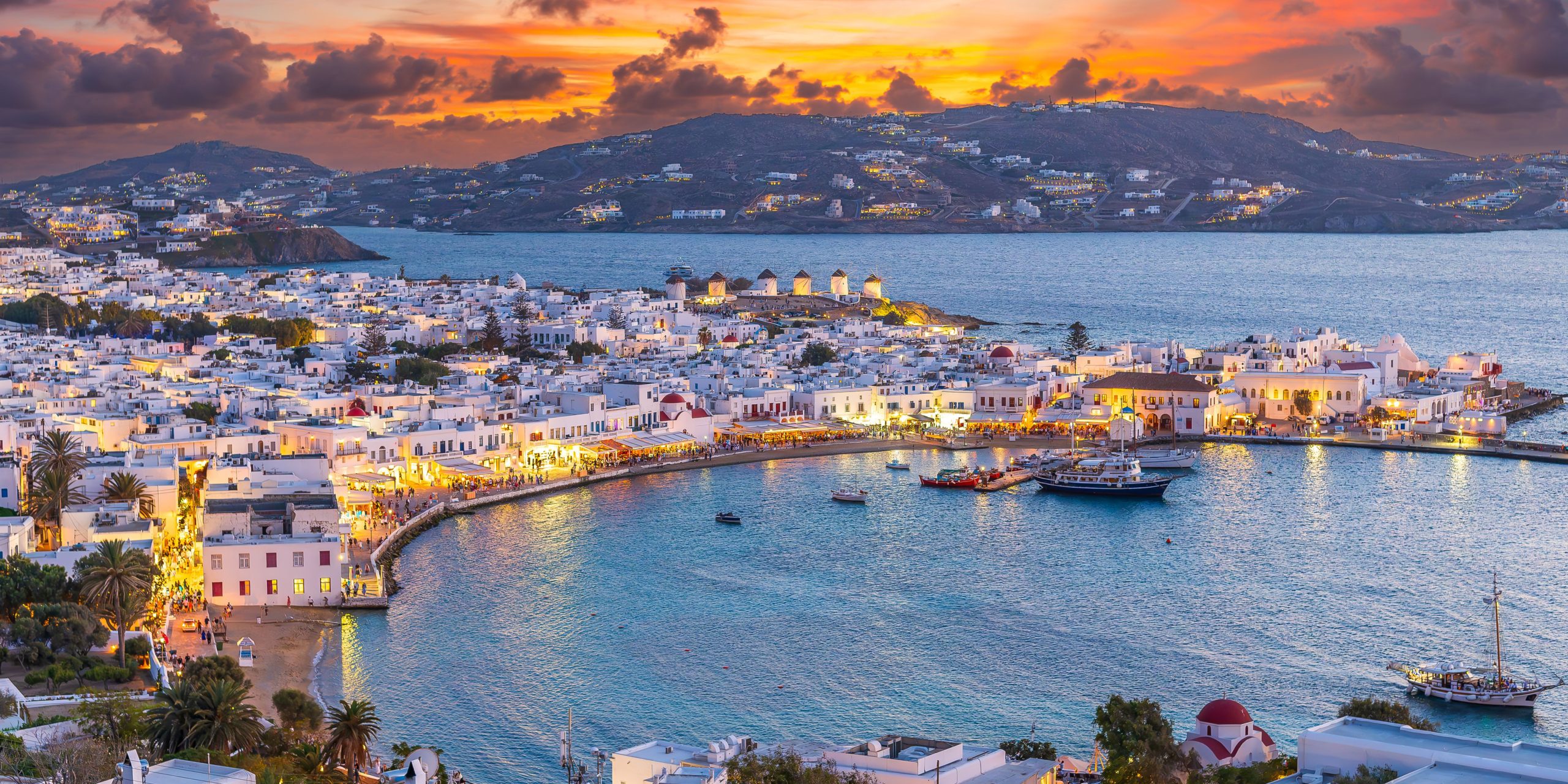
Kefalonia offers a much deeper dive into authentic Greek island life. Despite significant damage from the 1953 earthquake, charming villages like Fiscardo, Assos, and Kourkoumelata have retained or meticulously restored their traditional Ionian architecture. You can visit historic monasteries like Agios Gerasimos, explore the fascinating Melissani Cave (a lake inside a cave), or wander through local markets. The island feels less commercialized, allowing for more genuine interactions with locals. Mykonos, while undeniably beautiful with its iconic white-washed houses, windmills, and Little Venice in Mykonos Town, often feels more like a curated, cosmopolitan experience catering to international tourism. Its historical significance is often overlooked in favor of its party reputation, though the nearby sacred island of Delos offers a powerful day trip into ancient Greek history. "Kefalonia felt like 'real' Greece. People were friendly, and it wasn't just about selling you expensive stuff. Mykonos was pretty, but felt like a luxury resort." For a true sense of Greek culture, village life, and historical context beyond ancient ruins, Kefalonia shines.
Winner takeaway
- Winner: Kefalonia
- Why: Kefalonia provides a more authentic and traditional Greek island experience with rich history and local charm.
- Who this matters for: Culture enthusiasts, history buffs, and travelers seeking genuine local interactions.
✈️ Getting There & Around
Mykonos generally wins for ease of access and getting around, especially without a car. Mykonos International Airport (JMK) has extensive direct flights from major European cities, particularly during peak season (April-October), and frequent connections to Athens (approx. 45-minute flight). Once there, a relatively efficient local bus network connects Mykonos Town to popular beaches and villages, though taxis are expensive (e.g., €25-40 ($27-43) for a short ride). Kefalonia International Airport (EFL) also has seasonal direct flights from some European cities and regular connections to Athens (approx. 1-hour flight), but fewer and often less frequent than Mykonos. However, getting around Kefalonia without a rental car is challenging. The island is large and mountainous, and public transport is limited. Exploring its hidden gems, like Myrtos Beach or Assos, absolutely requires a car, which costs around €30-50 ($33-54) per day. "Getting to Mykonos was a breeze, and I just used the buses. In Kefalonia, my rental car was my best friend, couldn't have seen anything without it." Ferries between islands are also more frequent from Mykonos to other Cycladic islands.
Winner takeaway
- Winner: Mykonos
- Why: Mykonos boasts superior international flight connectivity and a more accessible, albeit expensive, internal transport system.
- Who this matters for: Travelers who prefer not to rent a car, or prioritize direct and frequent flight options.
🏨 Accommodation
Kefalonia offers a fantastic range of accommodation that emphasizes authenticity, comfort, and value. You can find beautiful, family-run hotels and apartments in picturesque villages like Fiscardo or Assos for €80-150 ($87-163) per night, or stunning villas with private pools for €150-300 ($163-325) per night, even in high season. Options like the Emelisse Nature Resort in Fiscardo provide luxury without the Mykonos price tag. The focus is on integrating with the natural surroundings and providing a peaceful retreat. Mykonos, conversely, is all about luxury and designer stays. From iconic hotels like Cavo Tagoo and Myconian Utopia to exclusive villas with panoramic sea views, you'll find opulence at every turn. However, these come at a significant premium, with even mid-range options starting at €150-300 ($163-325) per night, and luxury resorts easily exceeding €500-1000+ ($540-1080+). "We stayed in a lovely villa overlooking the sea in Kefalonia for what a basic hotel room cost in Mykonos. So much more space and privacy." While Mykonos has stunning properties, Kefalonia delivers better value and a broader range of genuinely charming, unique stays.
Winner takeaway
- Winner: Kefalonia
- Why: Kefalonia offers a wider selection of authentic, high-quality, and significantly more affordable accommodation options.
- Who this matters for: Budget-conscious travelers, families, and those seeking charming, authentic stays over ultra-luxury.
⛰️ Nature & Scenery
Kefalonia is an island of astounding natural diversity and beauty, easily winning this category. It's the greenest of the Ionian islands, boasting Mount Ainos, the only national park island mountain in Greece, covered in rare black fir trees. Beyond its world-famous beaches, you'll discover the mesmerizing Melissani Cave, an underground lake where sunlight creates ethereal blue hues, and Drogarati Cave, known for its impressive stalactites and stalagmites. Picturesque fishing villages like Fiscardo and Assos are nestled in dramatic coves, providing postcard-perfect views. Mykonos, while possessing its own iconic charm with its Cycladic architecture, windmills, and beautiful coastal lines, has a largely arid, rocky landscape. It's beautiful in its starkness, but lacks the lushness, caves, and dramatic geological features of Kefalonia. "Kefalonia's landscapes felt like something out of a movie. Every turn was a new view – mountains, caves, beaches. Mykonos is pretty, but it's all kind of the same after a while." For hiking, exploring natural wonders, and breathtaking panoramic vistas, Kefalonia is unmatched.
Winner takeaway
- Winner: Kefalonia
- Why: Kefalonia offers a richer, more diverse, and dramatically beautiful natural landscape with unique geological wonders.
- Who this matters for: Outdoor enthusiasts, nature photographers, and those who appreciate lush, varied scenery.
✨ Travel Style & Vibe
Kefalonia embodies a more relaxed, authentic, and family-friendly vibe. It's the kind of place where you can truly unwind, connect with nature, and experience genuine Greek hospitality without the constant buzz of commercialism. The pace is slow, the atmosphere peaceful, and exploration is rewarded with hidden gems. It attracts couples, families, and travelers seeking a serene escape. Mykonos, by contrast, is known for its glamorous, high-energy, and 'see and be seen' atmosphere. It's a magnet for international jet-setters, party-goers, and those who enjoy a more luxurious and vibrant social scene. The island pulses with a cosmopolitan beat, focused on chic beach clubs, designer boutiques, and late-night revelry. "Kefalonia was pure bliss, just chilling, eating amazing food, and swimming. Mykonos felt like I needed to be 'on' all the time to keep up with the scene." While Mykonos's vibe is undeniably unique and exciting for its target audience, Kefalonia offers a more universally appealing and less demanding style of travel for a broader range of visitors.
Winner takeaway
- Winner: Kefalonia
- Why: Kefalonia provides a more universally appealing, laid-back, and authentic Greek island experience.
- Who this matters for: Families, couples, and travelers seeking relaxation, authenticity, and a tranquil escape.
☀️ Best Time to Visit
Choosing the 'best' time largely depends on your travel goals, so this category is a tie. For Kefalonia, the sweet spots are May-June and September-October. During these shoulder seasons, the weather is beautifully warm (€20-28°C / 68-82°F), the island is lush and green, and tourist crowds are significantly smaller. You can enjoy the beaches and sights without feeling overwhelmed. July and August are peak season, bringing hotter temperatures (€28-35°C / 82-95°F) and more visitors, especially families. Mykonos truly comes alive from June to September. If you're there for the party, July and August are the absolute peak, with renowned DJs, packed clubs, and an electrifying atmosphere, though prices are at their highest and it's extremely crowded. For a balance of good weather and lively but not overwhelming crowds, late May-early June or September are ideal for Mykonos (€25-30°C / 77-86°F). "I went to Mykonos in August and it was insane, packed everywhere. Kefalonia in early June was perfect, peaceful and gorgeous." Both islands offer great weather in their respective peak seasons, but the 'best' time aligns with differing visitor preferences.
Winner takeaway
- Winner: Tie
- Why: The ideal time to visit each island depends entirely on a traveler's priorities for crowds, weather, and atmosphere.
- Who this matters for: Travelers whose priority for their trip is either peak party season or quiet shoulder-season relaxation.
❓ Frequently Asked Questions
Is Kefalonia cheaper than Mykonos?
Absolutely, Kefalonia is significantly more affordable than Mykonos. From accommodation and dining to car rentals and activities, you'll find much better value for your money, making it ideal for budget-conscious travelers or those seeking a longer stay.
Which island has better beaches?
Kefalonia wins for natural, dramatic, and varied beaches like Myrtos, Antisamos, and Petani, often nestled in lush landscapes. Mykonos has beautiful sandy beaches, but they are generally more organized with beach clubs and a party scene, less focused on raw natural beauty.
Which is better for nightlife?
Mykonos is the undisputed champion for nightlife. It offers a world-famous, high-energy party scene with luxury beach clubs, international DJs, and vibrant bars that stay open until the early hours. Kefalonia provides a much more relaxed evening, centered around waterfront tavernas and quiet bars.
Is Kefalonia good for families?
Yes, Kefalonia is excellent for families. Its safe, relaxed atmosphere, beautiful child-friendly beaches, charming villages, and natural attractions like Melissani Cave make it a fantastic destination for all ages. There are plenty of activities and space to explore without feeling overcrowded.
How many days do I need in each island?
For Mykonos, 3-4 days are usually sufficient to experience its highlights and nightlife. For Kefalonia, we recommend at least 5-7 days to fully explore its diverse landscapes, charming villages, and numerous beaches without feeling rushed, especially if you plan on renting a car.
Do I need a car in Kefalonia/Mykonos?
You absolutely need a car in Kefalonia to properly explore its vast and mountainous terrain and reach its stunning hidden gems. In Mykonos, a car is not strictly necessary as there's a bus network and taxis, though renting an ATV or car can offer more flexibility, albeit for a higher price.
Can I combine Kefalonia and Mykonos in one trip?
Yes, but it requires careful planning and a minimum of 10-14 days. You'd likely fly between the islands, possibly with a stopover in Athens, as direct ferry connections are rare or non-existent. It's best for those with a generous budget and desire for contrasting experiences.
Which is better for a honeymoon?
It depends on the couple! For a romantic, luxurious, and vibrant honeymoon with a focus on chic dining and lively evenings, Mykonos is ideal. For a more tranquil, picturesque, and adventurous honeymoon focused on natural beauty, authentic experiences, and relaxation, Kefalonia is a perfect choice.
Ready to plan your Greek Islands trip?
Get a free custom itinerary for Kefalonia, Mykonos, or both — built from real traveler insights.
🎟️ Book Tours & Experiences
Hand-picked tours and activities for both destinations — book with free cancellation
Experiences via Viator — free cancellation on most tours