How we built this comparison
This page combines traveler discussion patterns, published price ranges, flight schedules, and seasonal data to help you decide between Kefalonia and Zakynthos.
- Reviewed 50+ Reddit threads from r/travel, r/Greece, r/solotravel, r/europetravel, and island-specific forums.
- Verified costs and logistics against current booking platforms (e.g., Skyscanner, Booking.com, local car rentals).
- Cross-referenced seasonal patterns, weather data, and major local events for optimal travel timing.
⚡ The TL;DR Verdict
If you're after unspoiled natural beauty, authentic Greek charm, and a more relaxed pace, Kefalonia is your island, with a daily budget typically ranging from €80-€150 ($85-$160). For those seeking iconic beaches, lively nightlife, and a more resort-centric vibe, Zakynthos delivers, often at a similar or slightly higher budget of €90-€170 ($95-$180) per day, especially for nightlife-focused travelers.
- Choose Kefalonia: Pick Kefalonia if you prioritize breathtaking, diverse landscapes, quiet coves, charming traditional villages, and exceptional local food and wine, ideal for couples, families, or nature lovers seeking tranquility.
- Choose Zakynthos: Opt for Zakynthos if your focus is on world-famous beaches like Navagio, vibrant resort towns with ample nightlife, water sports, and easily accessible tourist amenities, appealing to younger crowds, party-goers, and those wanting a more 'classic' holiday package experience.
- Choose Both: To experience the best of both worlds, dedicate 3-4 days to each island, accessible via a short (~1 hour) ferry ride, allowing you to enjoy Kefalonia's serene grandeur and Zakynthos's iconic sights and energy on a single trip.
Quick Comparison
| Category | Kefalonia | Zakynthos | Winner |
|---|---|---|---|
| Beaches & Swimming | Stunning variety, from iconic Myrtos with its dramatic cliffs to family-friendly Antisamos and secluded Foki Beach. | Home to the world-famous Shipwreck Beach (Navagio), plus vibrant resort beaches like Gerakas and Tsilivi. | Kefalonia |
| Nightlife & Entertainment | Relaxed evenings in charming villages, enjoying local wine and traditional tavernas; gentle buzz in Argostoli and Fiskardo. | Renowned for its energetic party scene in Laganas, plus family-friendly bars and entertainment in Tsilivi and Argassi. | Zakynthos |
| Food & Drink | Emphasis on fresh, local ingredients, traditional Kefalonian dishes like 'kreatopita' (meat pie) and Robola wine. | Wide array of tavernas and international restaurants, good seafood, and local olive oil, but can be more tourist-oriented. | Kefalonia |
| Nature & Scenery | Dramatic landscapes including Mount Ainos, Melissani Cave, Drogarati Cave, and diverse hiking trails. | Iconic cliffs of Navagio, Blue Caves, and a greener, more fertile interior, but fewer dramatic mountainscapes. | Kefalonia |
| Costs & Budget | Generally slightly more affordable for accommodation and dining outside of peak season and luxury resorts. | Can be budget-friendly in certain areas, but popular resorts and tours can quickly add up; nightlife drives costs for some. | Kefalonia |
| Culture & History | Rich history, traditional villages like Assos and Fiskardo, monasteries, and remnants from the Venetian era. | Byzantine and Venetian influences in Zakynthos Town, monasteries, but less overt 'traditional village' appeal than Kefalonia. | Kefalonia |
| Getting There | Served by Kefalonia International Airport (EFL) with direct flights from many European cities, plus ferry connections. | Served by Zakynthos International Airport (ZTH) with direct flights from many European cities, also good ferry links. | Tie |
| Getting Around | Car rental is essential for exploring; limited public transport. | Car rental is highly recommended; some public bus routes connect major towns, but less comprehensive for exploring. | Tie |
| Family Friendliness | Calmer atmosphere, safe beaches, gentle activities, and a focus on nature and authentic experiences. | Resort-centric, with water parks and dedicated kids' clubs; can be very busy in peak season. | Kefalonia |
| Accommodation | Diverse range from charming boutique hotels and traditional villas to budget-friendly studios, often with stunning views. | Wide selection of large resorts, all-inclusive hotels, and apartment complexes, especially around popular tourist hubs. | Kefalonia |
🏖️ Beaches & Swimming
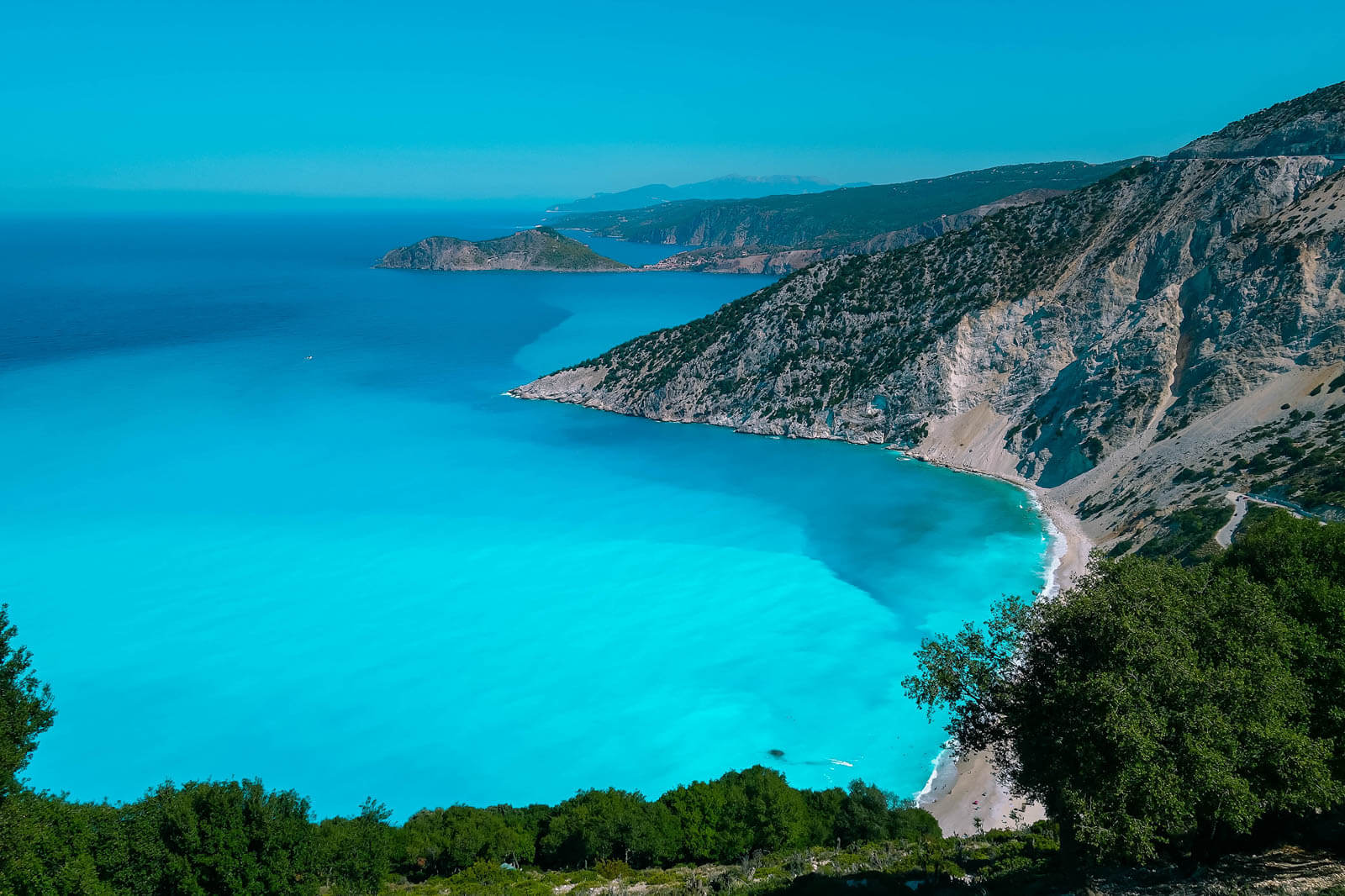
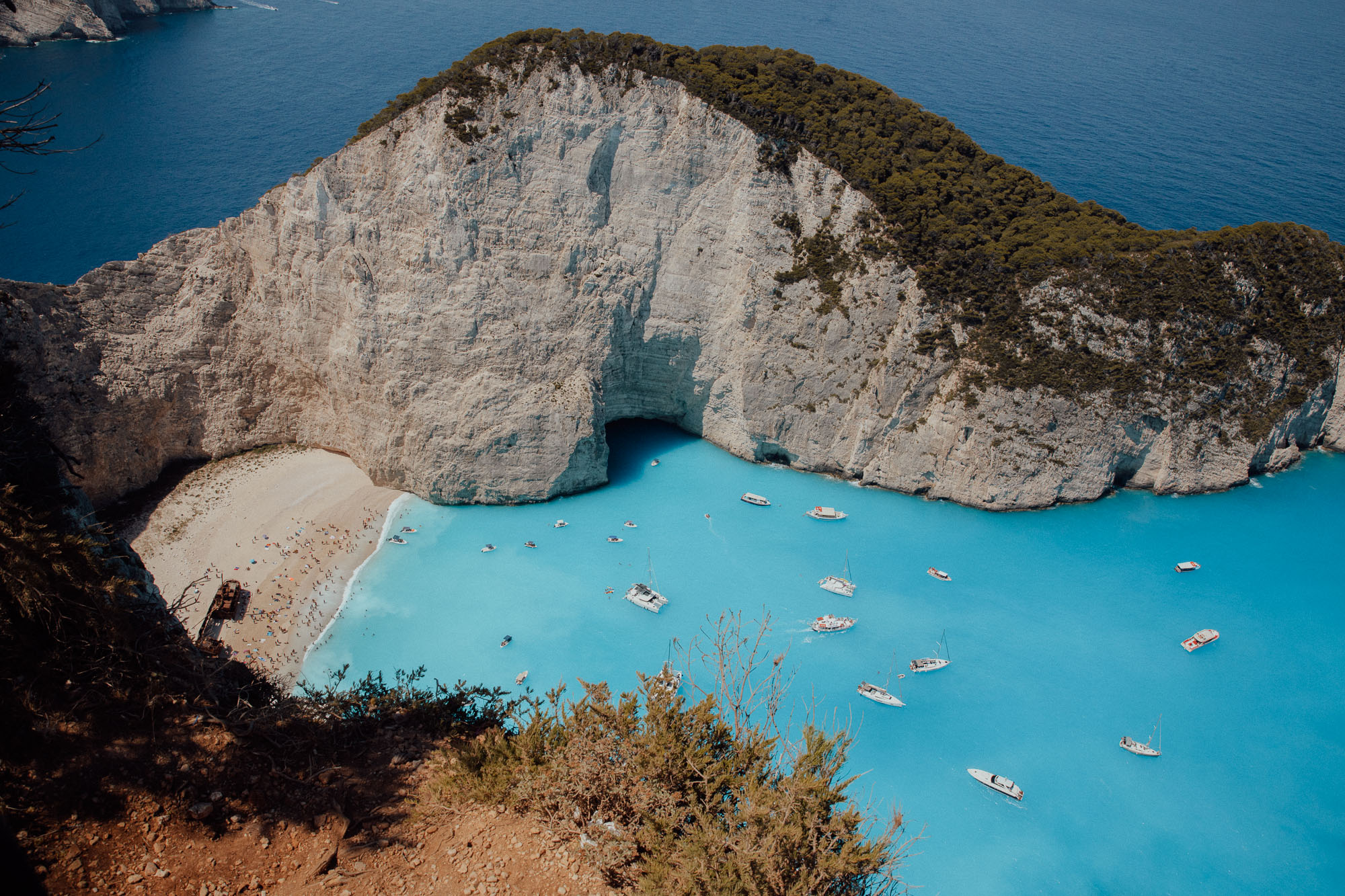
While Zakynthos boasts the undeniably iconic Navagio (Shipwreck Beach) — a true marvel for photos, though access is now often restricted to viewing platforms or boat tours – Kefalonia offers a vastly superior and more diverse overall beach experience. Kefalonia’s Myrtos Beach is a breathtaking crescent of white pebbles and turquoise waters, consistently ranked among the best in the world, with easier access for swimming. You'll also find Antisamos, a beautiful pebble beach with lush greenery and clear waters, perfect for snorkeling and with beachfront tavernas. For families, Skala Beach provides soft sand and amenities. Zakynthos's other beaches like Gerakas (nesting site for loggerhead turtles, often requiring respectful quiet) and Tsilivi are lovely, but tend to be more developed and resort-focused. The sheer variety and natural, less-commercialized feel of Kefalonia's beaches make it the clear winner for beach lovers. Sunbeds and umbrellas on either island typically cost €10-€20 ($11-$22) for a set. "Honestly, Zakynthos has Navagio, which is cool for Instagram, but Kefalonia's Myrtos, Antisamos, Petani… they're actually places you want to spend the whole day swimming and relaxing, not just taking a pic."
Winner takeaway
- Winner: Kefalonia
- Why: Kefalonia offers unmatched diversity and natural beauty across its beaches, providing a more authentic and enjoyable swimming experience beyond just one famous spot.
- Who this matters for: Beach enthusiasts, nature lovers, families, and those seeking less crowded, more pristine swimming spots.
💃 Nightlife & Entertainment
For anyone seeking vibrant nightlife, Zakynthos is the undisputed champion. Laganas is infamous, or famous depending on your perspective, for its strip of nightclubs, bars, and late-night revelry catering largely to a younger, international crowd. Expect cheap drinks (cocktails starting from €6-€8 / $6.50-$8.50), loud music, and a party atmosphere that continues until dawn. Beyond Laganas, towns like Tsilivi and Argassi offer a more balanced, but still lively, evening scene with family-friendly pubs, live music, and cocktail bars. Kefalonia, by contrast, offers a much more subdued and sophisticated evening experience. The main 'buzz' can be found in the capital, Argostoli, where locals and tourists enjoy waterfront strolls and drinks in pleasant bars. Charming Fiskardo offers chic cocktail bars overlooking the harbor, perfect for a relaxed, upscale evening. Expect to pay €8-€12 ($8.50-$13) for a cocktail in these areas. If your idea of nightlife involves boisterous clubs and dancing until sunrise, Zakynthos is your island. "If you're under 25 and want to get absolutely wild, Laganas is it. Otherwise, Kefalonia is more about good food and wine with friends, not fist-pumping."
Winner takeaway
- Winner: Zakynthos
- Why: Zakynthos, particularly Laganas, offers a highly concentrated and energetic party scene unmatched by Kefalonia's tranquil evenings.
- Who this matters for: Young travelers, party-goers, groups of friends seeking high-energy entertainment and late-night revelry.
🍽️ Food & Drink
Kefalonia wins for its authentic, high-quality culinary scene. The island prides itself on fresh, local produce, olive oil, and unique regional specialties. You absolutely must try the Kefalonian meat pie (kreatopita), a savory delight, and their excellent dry white Robola wine, produced from grapes grown in the island's central region. Restaurants like Tassia's in Fiskardo or the family-run Kastro Cafe in Assos offer incredible, fresh dishes with stunning views. Expect to pay €15-€25 ($16-$27) for a quality main course in a good taverna. Zakynthos also offers delicious Greek food, with plenty of fresh seafood and traditional dishes. However, in popular resort towns like Tsilivi or Laganas, you'll find a higher concentration of tourist-trap restaurants serving international cuisine or less authentic Greek fare. If you venture to smaller villages or the mountains, you'll discover more genuine tavernas. For instance, 'Malanos' in Zakynthos Town is known for its excellent Greek dishes. A good meal here might also cost €15-€25. But Kefalonia’s commitment to local ingredients and unique culinary identity gives it the edge. "Seriously, the Robola wine in Kefalonia is underrated, and their meat pie? Unreal. Zakynthos food is good, but it felt more generic outside of a few local spots."
Winner takeaway
- Winner: Kefalonia
- Why: Kefalonia offers a more authentic, distinct, and high-quality local culinary experience with unique regional specialties and wines.
- Who this matters for: Foodies, travelers seeking authentic local cuisine, wine enthusiasts, and those prioritizing fresh, high-quality ingredients.
⛰️ Nature & Scenery
Kefalonia is a visual feast, offering a more diverse and dramatic natural landscape. Its geological wonders are truly captivating: the stunning turquoise waters of Melissani Cave (entrance ~€8 / $8.50) where sunlight pierces through a collapsed roof, and the impressive stalactites and stalagmites of Drogarati Cave (entrance ~€5 / $5.50). Beyond the caves, the island boasts Mount Ainos, the highest peak in the Ionian, offering incredible hiking trails and panoramic views, and is even home to a unique black fir forest. The sheer cliffs dropping into Myrtos Bay are iconic. Zakynthos also has its natural gems, most notably the stunning Blue Caves (boat tours ~€20-€30 / $22-$32) with their vibrant azure waters, and of course, the dramatic coastline around Navagio. The interior of Zakynthos is greener and more fertile in parts, particularly the south, with olive groves and vineyards. However, Kefalonia's combination of majestic mountains, mystical caves, lush valleys, and dramatic coastlines provides a more varied and awe-inspiring natural experience. "Kefalonia's got those insane caves and actual mountains you can hike. Zakynthos is beautiful, but a lot of its 'nature' is coast and what you see on a boat tour."
Winner takeaway
- Winner: Kefalonia
- Why: Kefalonia presents a more diverse and dramatic natural landscape, featuring mountains, unique caves, and varied coastlines that offer a richer exploration experience.
- Who this matters for: Hikers, photographers, geology enthusiasts, and those seeking awe-inspiring natural wonders beyond just beaches.
💰 Costs & Budget
Kefalonia tends to be marginally more affordable than Zakynthos, especially when it comes to accommodation and dining in authentic tavernas. A decent meal in a local Kefalonian taverna might cost €15-€20 ($16-$22) per person, whereas in a popular Zakynthos resort town, you might pay €18-€25 ($19-$27) for something similar. Car rental, essential for both islands, runs about €30-€50 ($32-$55) per day depending on the season and car type. Basic accommodation in Kefalonia can start from €60-€90 ($65-$95) per night for a studio or guesthouse, while similar options in Zakynthos, particularly near party zones or popular beaches, might start from €70-€100 ($75-$105). Both islands have luxury options that can easily push daily budgets much higher. The key difference is that Zakynthos's popular tourist infrastructure and nightlife can encourage more spending, whereas Kefalonia's appeal lies more in its natural beauty and quieter villages, naturally leading to a more moderate spend for a similar quality of experience. "Kefalonia felt like I got more bang for my buck, especially when it came to eating out. Zakynthos definitely has more tourist pricing in its main spots."
Winner takeaway
- Winner: Kefalonia
- Why: Kefalonia generally offers slightly better value for money, especially for accommodation and dining, outside of high-end options.
- Who this matters for: Budget-conscious travelers, those looking for good value, and travelers who prefer authentic local experiences over tourist traps.
🏛️ Culture & History
Kefalonia feels more rooted in traditional Greek island life and offers a richer cultural and historical experience, largely due to its charming, preserved villages and resilient spirit post-1953 earthquake. While much of Argostoli was rebuilt, villages like Assos with its Venetian castle ruins and Fiskardo, miraculously untouched by the earthquake, offer a glimpse into the island's past. The Korgialenio Historical and Folklore Museum in Argostoli provides excellent insight into the island's heritage. Monasteries like Agios Gerasimos, the island's patron saint, are significant cultural sites. Zakynthos Town (Zante Town) also has historical depth, with Venetian influences evident in Solomos Square and Byzantine churches. The Byzantine Museum of Zakynthos is worth a visit. However, outside of the capital, the traditional village feel is less pronounced than in Kefalonia, with many areas more focused on modern tourism development. Kefalonia provides more opportunities to wander through genuinely old streets and feel a stronger sense of enduring local culture. "Kefalonia felt more like 'real' Greece, especially wandering around Assos or up to the monasteries. Zakynthos was more resort-y, even in the main town sometimes."
Winner takeaway
- Winner: Kefalonia
- Why: Kefalonia retains a stronger sense of traditional Greek island culture and history, particularly in its well-preserved villages and historical sites.
- Who this matters for: History buffs, culture seekers, those interested in authentic local life, and travelers preferring charming, traditional settings.
✈️ Getting There
Both islands are incredibly accessible, making this category a tie. Kefalonia International Airport (EFL) has direct seasonal flights from numerous European cities, including London, Manchester, Rome, and Amsterdam. Flight times from London are typically around 3 hours. Similarly, Zakynthos International Airport (ZTH) offers a comparable range of direct flights from major European hubs, often with similar flight durations. Both airports are relatively small and efficient. For inter-island travel or connections from mainland Greece, both islands have excellent ferry services. Kefalonia connects to Kyllini on the Peloponnese mainland (approx. 1.5 hours, €10-€15 / $11-$16 per person), and also has a direct ferry to Ithaka. Zakynthos connects to Kyllini (approx. 1 hour, €9-€13 / $10-$14 per person). There are also direct ferry services between the two islands (e.g., from Pessada, Kefalonia to Skinari, Zakynthos, taking about 1 hour). So, whether you choose Kefalonia or Zakynthos, getting there by air or sea is straightforward and convenient. "Flying into either ZTH or EFL is pretty standard. No real difference, just check which one has better flight times from your specific city."
Winner takeaway
- Winner: Tie
- Why: Both islands have well-connected international airports and robust ferry services, offering comparable ease of access for travelers.
- Who this matters for: All travelers, as both islands are equally easy to reach from major European cities.
🚗 Getting Around
When it comes to navigating the islands, both Kefalonia and Zakynthos pretty much require a rental car for any serious exploration, making it a tie. Public transportation on both islands is rudimentary, mostly connecting major towns and resorts, but won't get you to the secluded beaches, charming mountain villages, or specific viewpoints. Car rental prices typically range from €30-€50 ($32-$55) per day in shoulder season, rising to €50-€80 ($55-$85) in peak July/August. Roads on both islands can be winding, narrow, and steep, especially in mountainous areas, so confident driving is a plus. Scooters are an option for experienced riders, but less safe. Taxis are available but can be expensive for longer distances. Booking your rental car in advance, especially during peak season, is highly advisable for both destinations to ensure availability and better rates. Don't rely on getting around without your own wheels if you want to see anything beyond your immediate resort area. "You absolutely need a car on both these islands, end of story. Don't even think about relying on buses if you want to actually explore beyond your hotel."
Winner takeaway
- Winner: Tie
- Why: Both islands necessitate car rental for comprehensive exploration due to limited public transport and winding roads, offering a similar experience in mobility.
- Who this matters for: Independent travelers, those who prefer flexibility, and anyone wanting to explore beyond their immediate accommodation.
👨👩👧👦 Family Friendliness
Kefalonia is generally considered more family-friendly, especially for families with younger children or those seeking a more relaxed holiday. Its beautiful beaches like Antisamos, Lourdas, and Skala offer calm, clear waters perfect for swimming and gentle slopes. The atmosphere is generally quieter and less chaotic, making it easier for families to relax. Activities like exploring Melissani Cave or Drogarati Cave are magical for kids, and the slower pace allows for quality family time. Many tavernas are welcoming and offer traditional Greek dishes suitable for all ages. Zakynthos also caters to families, particularly in resorts like Tsilivi and Argassi, which boast water parks (e.g., Tsilivi Waterpark, entrance ~€20-€25 / $22-$27 per person), kids' clubs, and plenty of amenities. However, these areas can be very busy and commercialized during peak season, which might not appeal to all families. While Navagio Beach is iconic, its accessibility issues (often boat trips only) might be challenging with very young children. Kefalonia offers a more serene and naturally engaging environment for a family vacation. "Kefalonia felt so much more relaxed with the kids. Beaches were calmer, and we weren't constantly dodging party groups. Zakynthos felt a bit too much in the main spots."
Winner takeaway
- Winner: Kefalonia
- Why: Kefalonia offers a calmer, more authentic, and naturally engaging environment with gentler beaches, making it ideal for a relaxed family vacation.
- Who this matters for: Families with young children, those seeking a peaceful holiday, and families who prioritize nature and culture over resort amenities.
🏨 Accommodation
Kefalonia edges out Zakynthos in accommodation for its emphasis on quality, charm, and authenticity over sheer volume of mass-market resorts. You'll find a delightful array of boutique hotels, beautifully restored traditional villas (especially around Fiskardo and Assos, where prices can be €200-€500+ / $215-$530+ per night), and well-maintained guesthouses and studios in quieter villages (e.g., in Sami or Agia Efimia, starting from €70-€120 / $75-$130 per night). Many options offer stunning sea views or private pools without feeling overly commercialized. Zakynthos has an abundance of accommodation, from large all-inclusive resorts in Tsilivi and Argassi (€150-€300+ / $160-$320+ per night for all-inclusive) to budget-friendly apartments in Laganas (often €50-€90 / $55-$95 per night). While there are certainly lovely, independent hotels and villas in Zakynthos, the sheer prevalence of larger, more impersonal resort complexes means that finding truly unique and charming stays can sometimes require more effort, especially if you want to avoid the bustling tourist hubs. Kefalonia provides more opportunities for a unique and aesthetically pleasing stay that complements the island's natural beauty. "Kefalonia's villas and guesthouses felt so much more special. We stayed in an amazing spot overlooking Assos for less than a bland resort room in Zakynthos."
Winner takeaway
- Winner: Kefalonia
- Why: Kefalonia offers a wider selection of charming, authentic, and often boutique-style accommodations that blend seamlessly with the island's natural beauty.
- Who this matters for: Couples, luxury travelers, those seeking unique and charming stays, and travelers prioritizing aesthetics and local character in their accommodation.
❓ Frequently Asked Questions
Which island is better for a honeymoon or romantic getaway?
Kefalonia is generally preferred for honeymoons due to its more serene atmosphere, stunning natural beauty, charming villages like Fiskardo, and excellent fine dining. It offers more opportunities for quiet romantic moments and breathtaking scenery without the heavy party crowds.
Can I easily travel between Kefalonia and Zakynthos?
Yes, it's quite easy! There's a direct ferry service connecting Pessada in Kefalonia with Skinari (Agios Nikolaos) in Zakynthos, typically taking about an hour. It’s a great way to experience both islands in one trip, but remember to check seasonal schedules in advance.
Which island has better hiking opportunities?
Kefalonia definitely takes the lead for hiking. With Mount Ainos National Park, the highest peak in the Ionian Islands, it offers numerous well-marked trails through unique black fir forests and provides panoramic views. Zakynthos has some pleasant walking trails, but lacks the dramatic mountain terrain of Kefalonia.
Is one island safer than the other for solo female travelers?
Both islands are generally very safe for solo female travelers, particularly outside of the main party zones. Kefalonia's quieter atmosphere might feel slightly more reassuring for some. In Zakynthos, exercising caution in busy nightlife areas like Laganas, as you would in any major tourist hotspot, is advisable.
What's the best time of year to visit either island?
The shoulder seasons (May-June and September-October) are ideal for both. Temperatures are pleasant, the sea is warm enough for swimming, and the islands are less crowded than in peak July/August. You'll also find better deals on flights and accommodation during these times.
Do I need to rent a car to explore these islands?
Yes, absolutely. While there are local buses connecting major towns, a rental car is essential on both Kefalonia and Zakynthos if you want to explore beyond your immediate resort area. It allows you the flexibility to discover secluded beaches, charming villages, and natural attractions at your own pace.
Which island is better for water sports and activities?
Zakynthos generally offers a wider array of organized water sports due to its more developed tourist infrastructure. You'll find more options for jet-skiing, parasailing, banana boating, and larger boat trips in resorts like Tsilivi and Laganas. Kefalonia also has options, but they are fewer and more dispersed.
Are there good options for vegetarian/vegan dining on both islands?
Both islands offer decent options for vegetarian and increasingly vegan diets, as Greek cuisine features many naturally plant-based dishes like 'briam' (roasted vegetables), 'gigantes plaki' (baked beans), and fresh salads. Kefalonia's focus on fresh local produce shines here, but Zakynthos's tourist areas also have restaurants catering to these needs, often with clearly marked menus.
Ready to plan your Ionian Islands trip?
Get a free custom itinerary for Kefalonia, Zakynthos, or both — built from real traveler insights.
🎟️ Book Tours & Experiences
Hand-picked tours and activities for both destinations — book with free cancellation
Experiences via Viator — free cancellation on most tours