How we built this comparison
This page combines traveler discussion patterns, published price ranges, flight schedules, and seasonal data to help you decide between Kenya and Madagascar.
- Reviewed 50+ Reddit threads from r/travel, r/solotravel, r/Kenya, r/Madagascar, r/safari
- Verified costs and logistics against current booking platforms and government travel advisories
- Cross-referenced seasonal patterns and weather data for optimal travel timing
⚡ Quick Answers
⚡ The TL;DR Verdict
For most first-time visitors to Africa prioritizing big game safaris and relatively straightforward logistics, Kenya is the stronger choice, despite its higher cost. Madagascar caters to those seeking a truly unusual, slower-paced adventure centered on unique species and a French-influenced culture, willing to navigate more challenging infrastructure. Kenya offers a more polished experience for around $200-500 per person per day; Madagascar delivers profound peculiarity for $70-200 per person per day.
- Choose Kenya: You want classic African safaris, diverse wildlife in large numbers, well-developed tourism infrastructure, and relatively easy internal travel.
- Choose Madagascar: You prioritize unique endemic species like lemurs, a slower travel pace, rugged adventure, French colonial influence, and a generally lower budget.
- Choose Both: Consider both if you have 3-4 weeks and a substantial budget. Start with Kenya for a safari, then fly to Madagascar for its distinct biodiversity.
Choose Kenya
Choose Kenya if you're a first-time safari-goer prioritizing an iconic African experience with abundant big game. It's best for travelers seeking classic safari adventures, like witnessing the Great Migration in the Maasai Mara, enjoying well-developed tourism infrastructure and relatively smooth logistics, even with a higher budget. Expect a polished and diverse wildlife viewing journey.
Choose Madagascar
Choose Madagascar if you're an adventurous explorer drawn to truly unique biodiversity and a slower, more rugged pace of travel. It's best for those prioritizing encounters with endemic species like lemurs in places like Andasibe-Mantadia, immersing in a French-influenced culture, and navigating more challenging infrastructure for a profound, peculiar adventure on a lower budget.
📊 Visual Scorecard
🌤 When to Visit
Average high temperatures (°C). Green = best months, orange = avoid.
Quick Comparison
| Category | Kenya | Madagascar | Winner |
|---|---|---|---|
| Nature & Wildlife | Premier safari destination with vast plains, big cats, elephants, and wildebeest migration. Diverse ecosystems from savannah to coast. | Unparalleled endemism, home to lemurs, chameleons, and baobabs. Focus on smaller, unique creatures rather than large mammals. | Kenya |
| Costs & Budget | Higher costs for safaris, park fees, and quality accommodation. Food and local transport outside tourist areas can be reasonable. | Generally lower daily costs for accommodation, food, and guides. Internal transport and specific excursions can add up due to logistics. | Madagascar |
| Getting There & Around | Excellent international flight connections to Nairobi (NBO). Good internal flight network and decent road infrastructure for tourist routes. | Fewer direct international flights, often requiring multiple layovers to Antananarivo (TNR). Internal travel is slow, challenging, and often requires private drivers. | Kenya |
| Beaches & Coastline | White sand beaches, clear waters, and water sports along the Indian Ocean, particularly Diani Beach. | Beaches range from remote, undeveloped stretches to popular islands like Nosy Be. Fewer organized water sports, more focus on relaxed village life. | Kenya |
| Food & Drink | Influence from Indian, Arab, and local traditions. Ugali, nyama choma, fresh seafood. Tusker beer is popular. | Strong French influence, rice-based dishes, zebu, seafood. Vanilla and rum are prominent. Simpler street food. | Tie |
| Culture & Local Interaction | Diverse ethnic groups including Maasai, Kikuyu, Luo. Swahili and English are official languages. Strong colonial history. | Unique Malagasy culture, derived from Southeast Asian and African roots. Strong French influence. Malagasy and French spoken. | Madagascar |
| Safety & Health | Higher risk of petty crime in cities. Safari areas generally safe. Malaria risk in certain areas. Good medical facilities in Nairobi. | Petty crime common, some road banditry in remote areas. Malaria risk widespread. Limited quality medical facilities outside capital. | Kenya |
| Accommodation Options | Wide range from budget hostels to luxury safari lodges and beach resorts. Well-established booking platforms. | Fewer luxury options outside major tourist spots. Guesthouses and basic hotels are common. Booking can be less streamlined. | Kenya |
| Adventure & Activities | Safaris, mountain climbing (Mount Kenya), white-water rafting, snorkeling, diving, cultural visits. | Lemur trekking, Tsingy exploration, Avenue of the Baobabs, diving, river trips, unique hiking. | Kenya |
| Family Travel | Family-friendly safari lodges, resorts with kids' clubs, good infrastructure. Malaria awareness needed for younger children. | Challenging logistics and limited facilities for younger children. Older, adventurous families might appreciate the unique experiences. | Kenya |
🦁 Nature & Wildlife
Kenya is synonymous with the classic African safari. The Masai Mara hosts the Great Migration from July to October, offering views of millions of wildebeest and zebras alongside…
Kenya
Madagascar
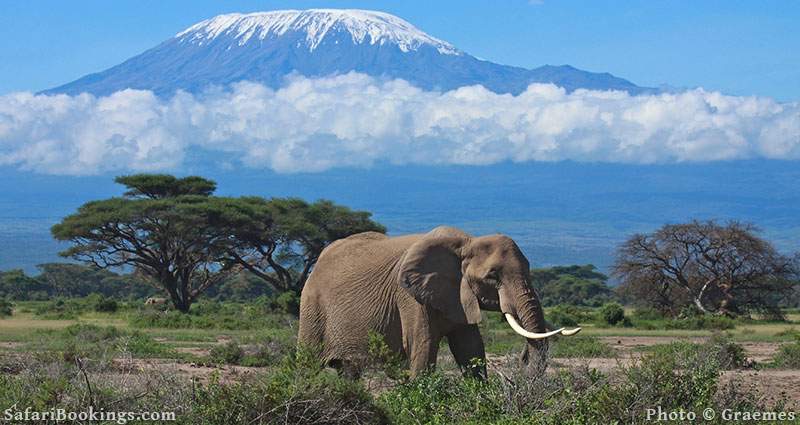
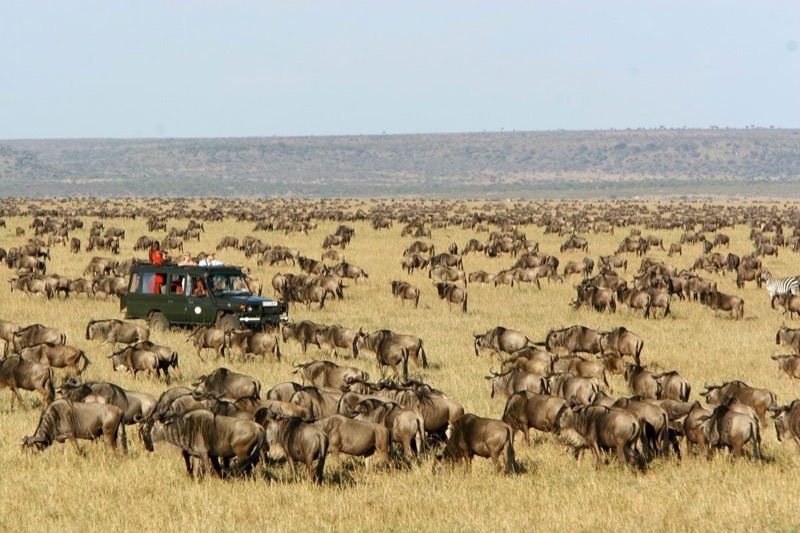
Kenya is synonymous with the classic African safari. The Masai Mara hosts the Great Migration from July to October, offering views of millions of wildebeest and zebras alongside lions, leopards, and cheetahs. Amboseli National Park provides views of large elephant herds against Mount Kilimanjaro. Lake Nakuru is known for its rhinos and birdlife. You can expect multiple game drives daily, often with rangers who track animals, providing opportunities for close observation. A 3-day budget safari to Masai Mara might cost around Ksh 50,000-80,000 / $350-550 per person, including park fees and basic accommodation.
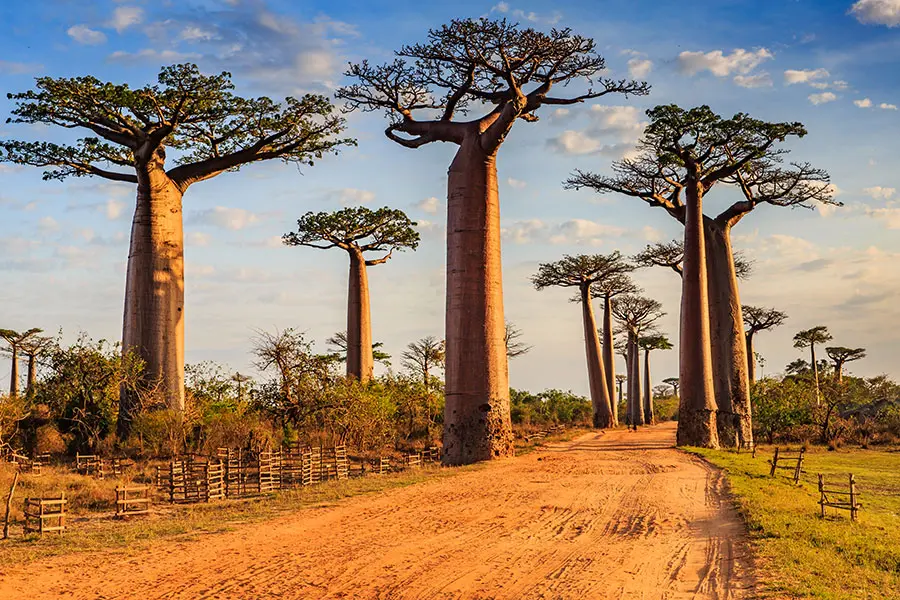
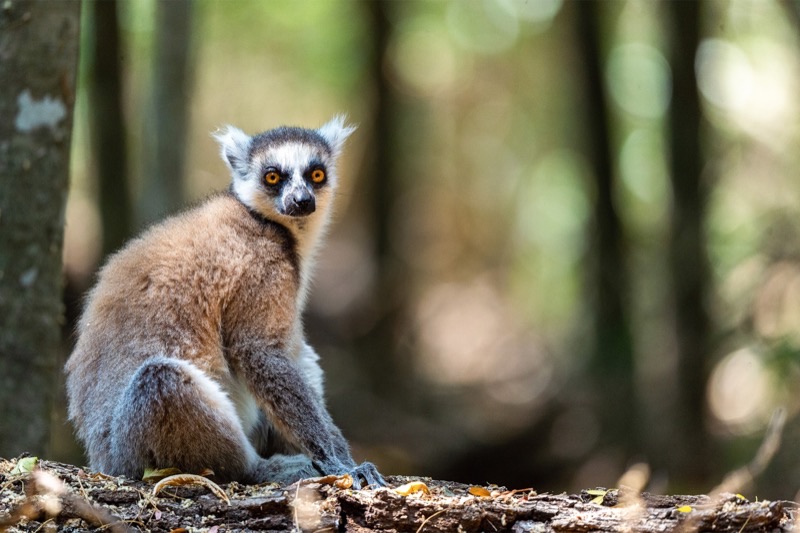
Madagascar's wildlife is entirely different. It is a biological isolated zone, home to over 100 species of lemurs, which are found nowhere else. Andasibe-Mantadia National Park is an accessible place to see indri lemurs. Tsingy de Bemaraha National Park features dramatic limestone formations and offers views of sifakas. The focus is on smaller animals, reptiles, and specific plants like the baobab trees along the Avenue of the Baobabs. Wildlife encounters are typically on foot with a local guide. A 3-day mid-range lemur spotting tour in Andasibe could be MGA 800,000-1,500,000 / $180-350 per person, excluding international flights. Kenya offers a more robust, large-scale wildlife experience.
- Winner: Kenya
- Why: Kenya provides the iconic big-game safari experience with vast animal numbers and well-established viewing opportunities.
- Who this matters for: Travelers prioritizing classic African wildlife, particularly big mammals and migration events.
💸 Costs & Budget
Kenya can be expensive, primarily due to safari costs. Park entry fees alone can be $70-80 per person per day for major parks like Masai Mara. Safari packages, including…
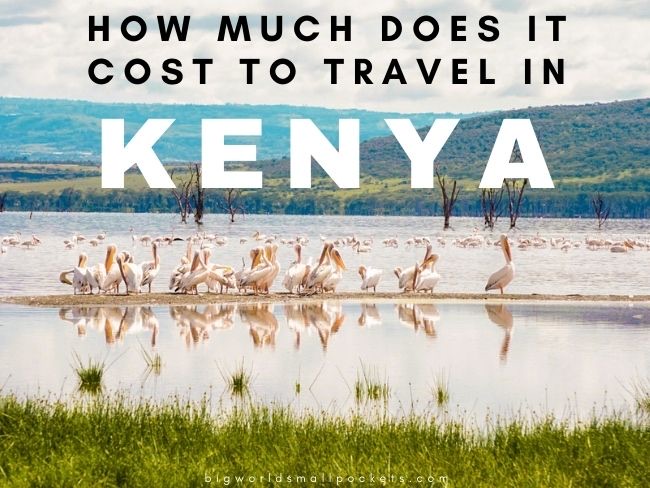
Kenya
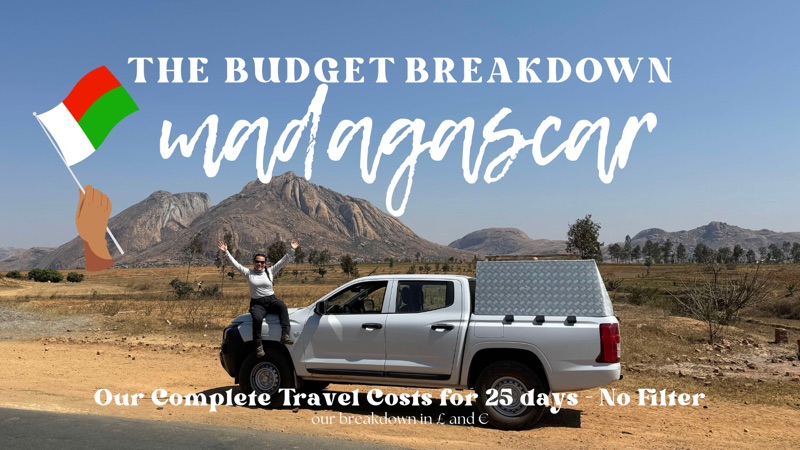
Madagascar
Kenya can be expensive, primarily due to safari costs. Park entry fees alone can be $70-80 per person per day for major parks like Masai Mara. Safari packages, including accommodation, transport, and game drives, typically range from $250-600+ per person per day for mid-range to luxury. A basic dorm bed in Nairobi might be $15-25, while a decent hotel is $80-150. Meals in a local eatery cost Ksh 300-700 / $2-5, but tourist restaurants charge Ksh 1,500-3,000 / $10-20 per meal. Overall, a mid-range budget for Kenya is $150-300 per day, excluding long-haul flights.
Madagascar is generally more budget-friendly on a daily basis for accommodation and food. A decent guesthouse might cost MGA 100,000-200,000 / $25-50 per night. Local meals are MGA 10,000-30,000 / $2-7. However, internal transport (often requiring private drivers for comfort and safety) and specialized guides for wildlife can increase costs. Park fees are typically MGA 40,000-60,000 / $10-15 per day, plus a mandatory guide fee of MGA 30,000-70,000 / $7-16 per group per day. A realistic mid-range budget is $70-150 per day, with major overland trips pushing it higher. Madagascar offers more travel for less money if you are flexible.
- Winner: Madagascar
- Why: Madagascar provides a significantly lower daily expenditure for accommodation, food, and local experiences.
- Who this matters for: Budget-conscious travelers and those looking for a longer trip without high daily costs.
✈️ Getting There & Around
Kenya's Jomo Kenyatta International Airport (NBO) in Nairobi is a major East African hub with direct flights from Europe, the Middle East, and increasingly, the US. Flight times…
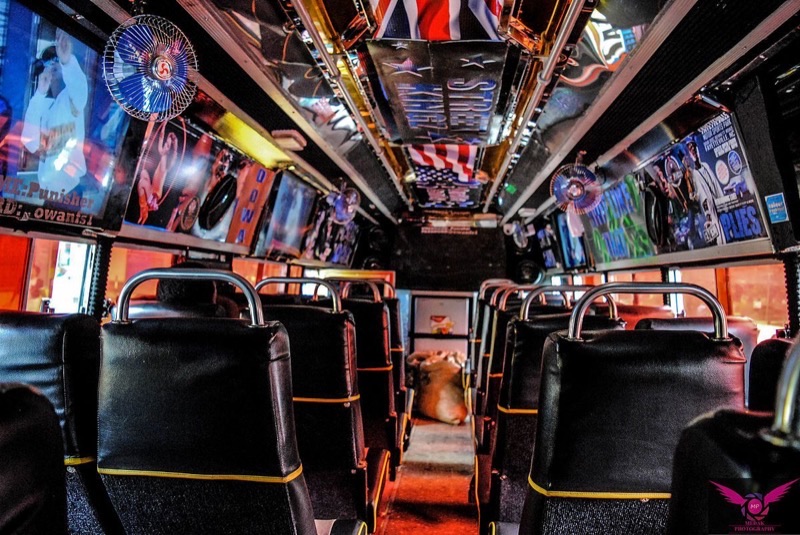
Kenya
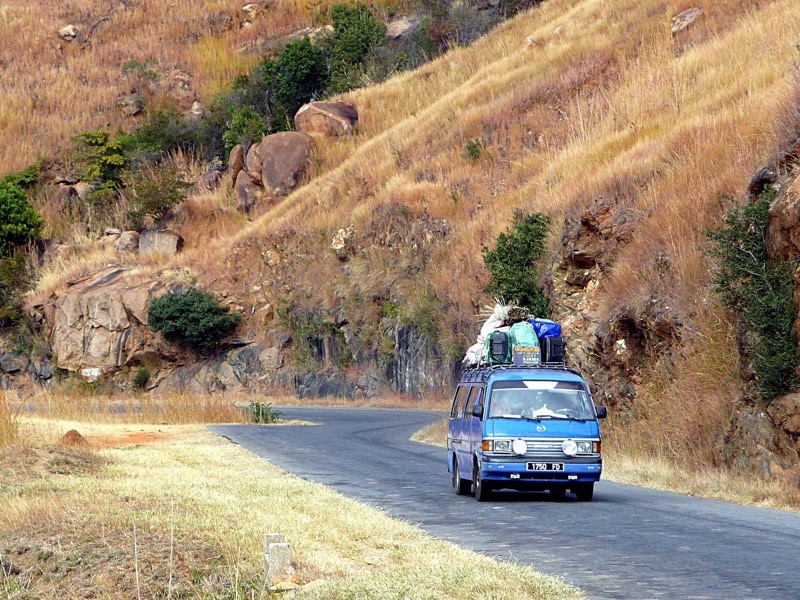
Madagascar
Kenya's Jomo Kenyatta International Airport (NBO) in Nairobi is a major East African hub with direct flights from Europe, the Middle East, and increasingly, the US. Flight times from London are around 8.5 hours, from New York around 14-16 hours with a stop. Once inside Kenya, domestic flights connecting Nairobi to safari parks (like Wilson Airport for Masai Mara) and coastal towns (Diani, Mombasa) are frequent and reliable. Major tourist roads are paved and maintained, making safari transfers relatively comfortable, typically using 4x4 vehicles. Inter-city buses are common but can be slower. Expect a flight from NBO to Diani Beach to cost around $100-180.
Madagascar's Ivato International Airport (TNR) in Antananarivo has fewer direct connections, mainly from Paris, Reunion, and Mauritius. Flights from Europe often take 14-18 hours with a stop, from the US 20-24 hours with multiple stops. Internal travel is the primary logistical hurdle. Roads are often unpaved and in poor condition, making long distances slow and arduous, sometimes taking a full day for a few hundred kilometers. Public transport (taxi-brousses) is cheap but packed and unreliable. Hiring a private driver and 4x4 is frequently recommended for comfort and efficiency, costing $50-100 per day. Domestic flights with Tsaradia are available but limited and often expensive (e.g., TNR to Nosy Be for $200-350 one way). Kenya offers far simpler and quicker travel logistics.
- Winner: Kenya
- Why: Kenya has superior international flight access and a more developed, efficient internal transport network for tourists.
- Who this matters for: Travelers who prioritize ease of travel, quick transfers, and less logistical planning.
🏖️ Beaches & Coastline
Kenya's coastline along the Indian Ocean offers accessible and well-developed beach destinations. Diani Beach, south of Mombasa, consistently ranks high for its soft white sands,…
Kenya
Madagascar
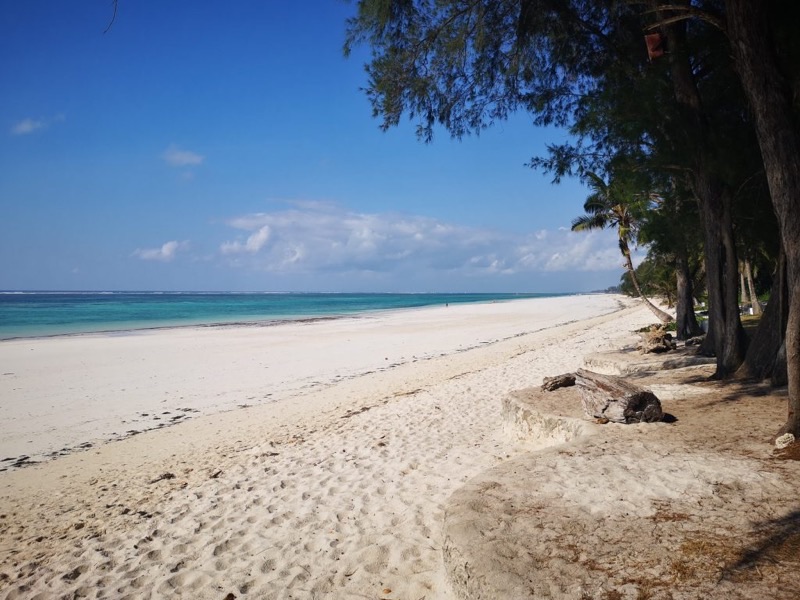
Kenya's coastline along the Indian Ocean offers accessible and well-developed beach destinations. Diani Beach, south of Mombasa, consistently ranks high for its soft white sands, calm turquoise waters, and coral reefs suitable for snorkeling and diving. Resorts cater to various budgets, and activities like kitesurfing, jet-skiing, and deep-sea fishing are readily available. Mombasa itself offers historical sites like Fort Jesus alongside urban beaches. A mid-range hotel on Diani Beach might cost Ksh 10,000-20,000 / $70-140 per night. There are regular domestic flights to Diani's Ukunda Airstrip from Nairobi, making it an easy add-on to a safari.
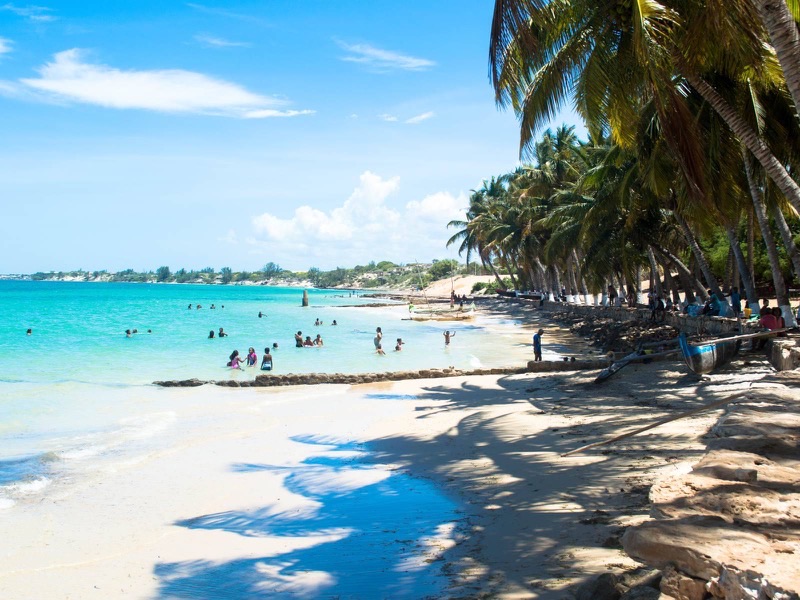
Madagascar's coastline is extensive but less developed for mainstream tourism. Nosy Be, an island off the northwest coast, is the primary beach resort area, offering clear waters, diving, and boat trips to smaller islands. Other areas like Ifaty in the southwest have beaches but often with basic infrastructure. The beaches tend to be more rustic, less manicured, and the focus is often on local village life rather than organized water sports. A guesthouse in Nosy Be could cost MGA 150,000-300,000 / $35-70 per night. Access to many remote beaches requires significant travel effort. Kenya's beaches are more polished and easier to access.
- Winner: Kenya
- Why: Kenya's Diani Beach and surrounding areas provide a more developed, accessible, and activity-rich beach experience.
- Who this matters for: Travelers seeking convenient beach relaxation, water sports, and a range of resort options.
🍽️ Food & Drink
Kenyan cuisine is a mix of influences. Ugali (cornmeal porridge) is a staple, often served with sukuma wiki (collard greens) or nyama choma (grilled meat, usually goat or beef).…
Kenya
Madagascar
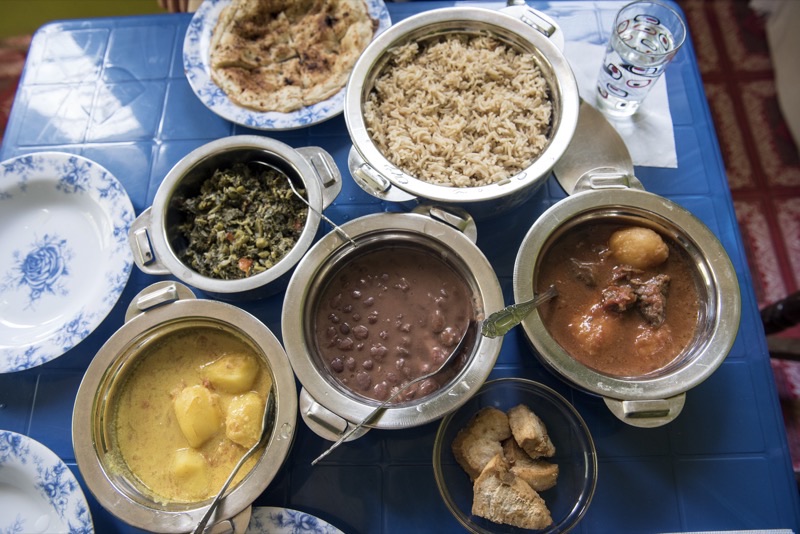
Kenyan cuisine is a mix of influences. Ugali (cornmeal porridge) is a staple, often served with sukuma wiki (collard greens) or nyama choma (grilled meat, usually goat or beef). Indian influences are strong, especially in coastal areas with dishes like biryani and pilau. Fresh seafood is abundant along the coast. Street food like samosas and mandazi (donuts) is common and affordable (Ksh 50-150 / $0.30-1). Tusker Lager is the national beer. In Nairobi, you can find a range of international restaurants alongside local eateries. A mid-range dinner might cost Ksh 1,500-3,000 / $10-20 in a tourist area.
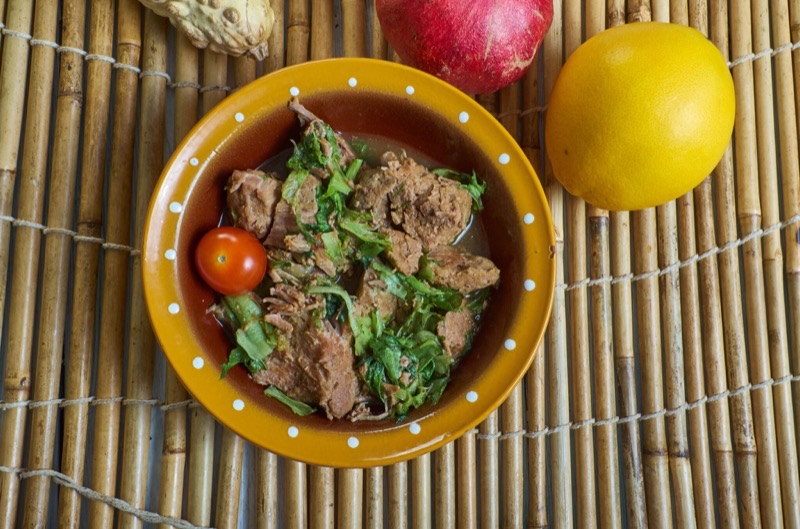
Madagascar's food scene has a significant French colonial legacy combined with local ingredients. Rice (vary) is the base of almost every meal, often served with a 'laoka' – a side dish like zebu stew (beef), chicken, or fish, often in a simple sauce. Street food consists of fried snacks, skewers, and often freshly baked baguettes. Seafood is plentiful, especially in coastal regions. Vanilla, spices, and rum production are significant, leading to unique rum arrangements. A simple meal at a 'hotely' (local eatery) can be MGA 10,000-25,000 / $2-6. Fine dining in Antananarivo can be MGA 80,000-150,000 / $18-35. Both countries offer interesting culinary experiences depending on what you seek.
- Winner: Tie
- Why: Both countries offer distinct and enjoyable food experiences, with Kenya's diversity and Madagascar's unique French-local blend.
- Who this matters for: Travelers open to trying local flavors; Kenya for broader influences, Madagascar for unique French-Malagasy fusion.
🎭 Culture & Local Interaction
Kenya's culture is a mosaic of over 40 ethnic groups, each with its own traditions. The Maasai are perhaps the most recognized, known for their pastoralist lifestyle and…
Kenya's culture is a mosaic of over 40 ethnic groups, each with its own traditions. The Maasai are perhaps the most recognized, known for their pastoralist lifestyle and distinctive dress, and interacting with them (often in structured village visits) is a common safari add-on. The official languages are Swahili and English, making communication relatively easy for English speakers. Nairobi is a modern African city with galleries, markets like Maasai Market, and historical sites. Cultural interactions can feel tourist-oriented in popular areas but are genuine in local markets or smaller towns. Consider visiting the Bomas of Kenya for an overview of tribal dances and homesteads.
Madagascar's culture is distinctly different from mainland Africa, rooted in its Austronesian origins with later African and Arab influences. This heritage is visible in its language (Malagasy, a Malayo-Polynesian language), architecture, and customs. French is widely spoken, especially in urban areas and among educated populations. Interactions with locals tend to be more organic and less commercialized outside of specific wildlife tours. Fady (taboos) are important local customs to respect. The capital, Antananarivo, offers markets like Analakely and historical palaces. Madagascar offers a more profound cultural divergence from typical African experiences.
- Winner: Madagascar
- Why: Madagascar offers a singular, less commercialized cultural experience distinct from mainland Africa.
- Who this matters for: Travelers seeking truly unique cultural immersion and interactions that feel less staged.
🛡️ Safety & Health
Kenya generally has a higher risk of petty crime, especially in Nairobi and Mombasa (e.g., pickpocketing, snatch-and-grab). Night travel in cities is often advised against without…
Kenya generally has a higher risk of petty crime, especially in Nairobi and Mombasa (e.g., pickpocketing, snatch-and-grab). Night travel in cities is often advised against without a taxi. Safari areas are usually very safe due to controlled environments and guides. Road safety outside main highways can be a concern. Malaria is present in coastal and low-lying areas, so prophylaxis is necessary. Nairobi has private hospitals like Nairobi Hospital and Aga Khan University Hospital which offer good medical care by regional standards. Travelers should always use reputable tour operators and exercise caution in urban settings. For a 2-week trip, expect to pay around $50-100 for necessary vaccinations and malaria medication.
Madagascar also has issues with petty crime, particularly in Antananarivo and other urban centers. There have been reports of road banditry on remote routes, making private transport often a safer choice. Malaria is a significant risk across much of the country, requiring strict preventative measures. Access to quality medical care is severely limited outside the capital. Hospitals in Antananarivo offer basic services, but for serious conditions, medical evacuation is often required. Tap water is generally not safe to drink in either country. Kenya offers a more robust support system for health and safety, especially with its better medical infrastructure in the capital.
- Winner: Kenya
- Why: Kenya offers relatively better medical infrastructure and more secure tourist-focused operations, particularly within safari zones.
- Who this matters for: Travelers prioritizing personal safety, access to reliable medical care, and less exposure to remote travel risks.
🏨 Accommodation Options
Kenya boasts a developed tourism infrastructure with a broad spectrum of accommodation. In Nairobi, you can find international hotel chains, boutique hotels, and budget-friendly…
Kenya boasts a developed tourism infrastructure with a broad spectrum of accommodation. In Nairobi, you can find international hotel chains, boutique hotels, and budget-friendly hostels. Safari lodges range from rustic tented camps (e.g., Angama Mara, $1500+/night) to high-end luxury properties (e.g., Olare Mara Kempinski, $800+/night), and more affordable mid-range options around $200-400 per night. Coastal areas like Diani Beach offer numerous resorts and guesthouses. Booking through international platforms or reputable tour operators is generally straightforward and reliable. You'll find options for every budget and style, with good service standards.
Madagascar's accommodation landscape is more modest. In Antananarivo, there are a few mid-range hotels (e.g., Hotel Colbert, $100-200/night) and many guesthouses (e.g., Chez Francis, $30-60/night). Outside the capital and main tourist hubs like Nosy Be, options are primarily basic guesthouses or simple hotels. While some eco-lodges exist near national parks (e.g., Vakona Forest Lodge near Andasibe, $70-150/night), true luxury options are scarce and usually expensive for what they offer compared to Kenya. Booking might require more direct communication or working with local agencies, as online presence can be limited. Kenya provides a wider selection of higher-quality, readily bookable accommodations.
- Winner: Kenya
- Why: Kenya has a significantly wider and higher-quality range of accommodation, particularly in mid-range to luxury segments.
- Who this matters for: Travelers who value comfort, diverse lodging choices, and straightforward booking processes.
⛰️ Adventure & Activities
Kenya offers a classic adventure lineup centered around its geography. The primary activity is safari, with options for game drives, walking safaris, and hot air balloon rides…
Kenya offers a classic adventure lineup centered around its geography. The primary activity is safari, with options for game drives, walking safaris, and hot air balloon rides over the Masai Mara (around $500-650). Mountaineering is popular on Mount Kenya, Africa's second-highest peak, offering various routes for different skill levels (5-7 day treks costing $1000-2000). Water sports are abundant on the coast, including diving, snorkeling, and kitesurfing in Diani. White-water rafting on the Tana River and exploring the Great Rift Valley are also options. You can engage in community visits or explore Nairobi's nightlife. The activities are well-organized and accessible.
Madagascar offers a different kind of adventure, focusing on its unique geological and biological features. Lemur trekking in national parks like Andasibe-Mantadia or Ranomafana is a highlight. Exploring the 'tsingy' (limestone karst forests) in Tsingy de Bemaraha offers challenging hikes and incredible views. A visit to the Avenue of the Baobabs provides iconic photo opportunities. River trips on the Tsiribihina River or hiking in Isalo National Park are popular. Diving and snorkeling are possible around Nosy Be. While less about adrenaline, the logistical challenges of reaching these places add an element of adventure. Kenya offers a broader and more established range of traditional adventure activities.
- Winner: Kenya
- Why: Kenya offers a more diverse and easily accessible range of conventional adventure activities, particularly safaris and mountain climbing.
- Who this matters for: Travelers seeking established adventure sports, iconic wildlife encounters, and diverse outdoor pursuits.
👨👩👧👦 Family Travel
Kenya is well-equipped for family travel, especially for safaris. Many safari lodges and camps specifically cater to families, offering interconnecting rooms, kids' programs…
Kenya is well-equipped for family travel, especially for safaris. Many safari lodges and camps specifically cater to families, offering interconnecting rooms, kids' programs (e.g., junior ranger activities), and family-friendly guides. Coastal resorts like those in Diani Beach also provide kids' clubs and safe environments. The ease of internal flights means less time in cars for young children. Nairobi offers attractions like the Giraffe Centre and David Sheldrick Wildlife Trust, which are hits with kids. The main health consideration is malaria prevention, especially for young ones. Reputable tour operators can arrange customized family itineraries, ensuring comfortable transport and age-appropriate activities.
Madagascar presents more challenges for families, particularly with very young children. The extensive and often difficult road travel can be tiring and uncomfortable. Accommodation outside major centers might lack expected family amenities. While older, adventurous children might enjoy the unique lemur encounters and landscapes, the slower pace and logistical hurdles could test patience. Activities often involve walking or trekking, which might not suit toddlers. Health precautions, especially regarding malaria and limited medical access, are significant considerations. Kenya's established tourism infrastructure makes it a more comfortable and practical choice for most families.
- Winner: Kenya
- Why: Kenya offers superior family-friendly infrastructure, smoother logistics, and more tailored activities for children.
- Who this matters for: Families with young children, or those prioritizing comfort and convenience on their trip.
🎯 The Decision Framework
Choose Kenya If…
- You want to see the Great Migration or large numbers of 'Big Five' animals.
- You prioritize easy, comfortable internal travel and good road conditions.
- You value well-established, reliable tourism infrastructure and services.
- You seek diverse activities beyond wildlife, like mountain climbing or coastal resorts.
- You prefer to communicate easily in English in most tourist settings.
- You appreciate a wide range of accommodation options, from budget to luxury.
- You are traveling with young children and need family-friendly amenities.
- You want a more polished and predictable travel experience.
Choose Madagascar If…
- You are fascinated by unique, endemic species like lemurs and chameleons.
- You enjoy slow travel and are willing to navigate challenging logistics.
- You prefer a significantly lower daily budget for accommodation and food.
- You are intrigued by a culture distinct from mainland Africa, with French influences.
- You seek genuine, less commercialized interactions with local communities.
- You are an adventurous traveler comfortable with less developed infrastructure.
- You prioritize seeing geological wonders like the Tsingy formations and Baobab trees.
- You speak some French or are comfortable with Malagasy phrases.
📅 Sample Itineraries
Weekend in Kenya (3 Days)
💡 Book your Nairobi National Park safari in advance, especially if you want a private vehicle, which can cost around $150-200 for a half-day with a driver.
Weekend in Madagascar (3 Days)
💡 Hiring a local guide for your visits to national parks like Andasibe is highly recommended for spotting lemurs and other wildlife, typically costing $10-15 for a few hours.
One Week in Kenya (7 Days)
💡 For safaris, consider an all-inclusive package that covers park fees, accommodation, food, and game drives. This simplifies logistics and can sometimes offer better value than booking everything separately.
One Week in Madagascar (7 Days)
💡 Domestic flights in Madagascar can be unreliable and expensive. If time allows, consider longer overland journeys by taxi-brousse (shared taxi) for a more authentic and cheaper experience, but expect comfort levels to be basic.
❓ Frequently Asked Questions
Which country is better for a first-time safari experience?
Kenya provides the quintessential African safari, especially with the Masai Mara's large animal concentrations and established guiding services. You are almost guaranteed to see the 'Big Five' here. A 5-day safari typically ranges from $1200-3000 per person depending on lodge choice, offering a well-organized and impactful first safari.
Is one destination significantly safer than the other?
Both countries require vigilance regarding petty crime in urban areas. However, Kenya's major safari zones are highly regulated and generally safe for tourists. Madagascar has reports of road banditry in some remote regions, making private transport essential. For overall perceived safety and medical support, Kenya has a slight edge.
What are the typical flight times to each country from major hubs?
Flights to Nairobi (NBO) from Europe (e.g., London) are around 8.5-9 hours direct. From the US (e.g., New York), expect 14-16 hours with at least one stop. To Antananarivo (TNR), flights from Europe (e.g., Paris) take 11-13 hours direct, but often involve longer layovers. From the US, flights can easily exceed 20 hours with multiple stops.
Which country is easier to travel around independently?
Kenya is significantly easier for independent travel, especially with its better road network, reliable domestic flights, and established bus services on main routes. Madagascar's poor road conditions and limited public transport often necessitate hiring private drivers, making independent exploration more challenging and slower. Budget for around $50-100/day for a private driver in Madagascar.
What unique animals can I see in each place?
In Kenya, you'll see the 'Big Five' (lion, leopard, elephant, rhino, buffalo), wildebeest, zebra, giraffe, and various antelopes. Madagascar is home to all lemur species (e.g., Indri, Sifaka), unique chameleons, geckos, and Fossa, which are found nowhere else on Earth. The focus is on large mammals in Kenya, smaller endemics in Madagascar.
What's the best time to visit each, and do their seasons align?
Kenya's dry seasons (Jan-Feb and Jun-Oct) are best for safaris. Madagascar's dry season (Apr-Oct) is ideal for trekking and seeing lemurs. Their peak seasons overlap, so combining them within a single trip is feasible if you manage the logistics and time. Avoid Kenya's long rains (Mar-May) and Madagascar's cyclone season (Jan-Mar).
Which offers better opportunities for budget travelers?
Madagascar is more budget-friendly for daily expenses like food and accommodation, with simple guesthouses costing $25-50/night and meals for $2-7. While internal transport costs can add up, the overall daily spend is lower than Kenya. Kenya's safari costs and park fees drive up the overall budget considerably, even for budget safaris starting at $250/day.
What are the visa requirements like for US citizens?
For Kenya, US citizens need an e-visa, which can be obtained online for around $50. For Madagascar, a visa is required and can be obtained upon arrival at Ivato International Airport (TNR) for short stays (e.g., 30 days for around MGA 100,000 / $25), or an e-visa can be pre-arranged.
Ready to plan your East Africa trip?
Get a free custom itinerary for Kenya, Madagascar, or both — built from real traveler insights.
👥 Travelers Also Compared
🎟️ Book Tours & Experiences
Hand-picked tours and activities for both destinations — book with free cancellation
Experiences via Viator — free cancellation on most tours