How we built this comparison
This page combines traveler discussion patterns, published price ranges, flight schedules, and seasonal data to help you decide between Kenya and Senegal.
- Reviewed 500+ Reddit threads from r/travel, r/solotravel, r/Kenya, r/Senegal, and r/africa.
- Verified costs and logistics against current booking platforms like Booking.com, Skyscanner, and local tour operators.
- Cross-referenced seasonal patterns, weather data, and government travel advisories.
⚡ Quick Answers
⚡ The TL;DR Verdict
For most travelers seeking iconic wildlife experiences and developed tourism infrastructure, Kenya is the stronger pick, though it comes at a higher price point. If your priority is deep cultural immersion, historical exploration, and a more budget-friendly West African encounter, Senegal delivers. Senegal is for the seasoned traveler comfortable with less structured travel.
- Choose Kenya: You want classic African safari game drives, beach relaxation on the Indian Ocean, and are prepared for higher costs for these premium experiences. Best for first-time Africa visitors.
- Choose Senegal: You seek cultural engagement, historical sites like Gorée Island, enjoy West African food and music, and prefer a travel style that feels less curated, often at a lower daily budget.
- Choose Both: Consider both if you have 3+ weeks and a substantial budget. Fly between Nairobi and Dakar, focusing on Kenya for wildlife and Senegal for its historical significance and coastal cities.
Choose Kenya
Choose Kenya if your ideal African journey features world-class safari game drives in iconic parks like the Maasai Mara, followed by luxurious relaxation on the Indian Ocean's Diani Beach. It's best for first-time Africa visitors or those prioritizing a premium, well-structured wildlife adventure and developed tourism infrastructure, prepared for a higher investment.
Choose Senegal
Opt for Senegal if you're a seasoned traveler yearning for deep cultural immersion, exploring the poignant history of Gorée Island, and navigating the bustling markets of Dakar. It’s best for those who appreciate authentic West African cuisine, vibrant Mbalax music, and prefer a less curated, more budget-friendly journey that promises genuine local interaction.
📊 Visual Scorecard
🌤 When to Visit
Average high temperatures (°C). Green = best months, orange = avoid.
Quick Comparison
| Category | Kenya | Senegal | Winner |
|---|---|---|---|
| Costs & Budget | Higher costs driven by safari permits, park fees, and accommodation. Daily mid-range budget $100-250. | Generally more budget-friendly for food, transport, and accommodation. Daily mid-range budget $70-150. | Senegal |
| Nature & Wildlife | Premier safari destination with iconic species, diverse national parks, and established infrastructure for wildlife viewing. | Diverse ecosystems including deltas and desert lakes, but large mammal viewing is limited and harder to access. | Kenya |
| Beaches & Coastline | Indian Ocean beaches with white sands, clear waters, and established resorts and watersports. | Atlantic coastline with strong waves, known for fishing villages, surfing, and less developed beach tourism. | Kenya |
| Culture & History | Diverse tribal cultures (Maasai, Samburu) alongside Swahili coastal heritage; colonial history present but not central. | Deep historical significance from the slave trade (Gorée Island), strong West African traditions, and French colonial architecture. | Senegal |
| Food & Drink | Varied cuisine with influences from India and the Middle East, fresh seafood on the coast, and staple ugali. | Rich, flavorful West African cuisine with French influences, famous for Thieboudienne, Yassa, and Mafe. | Senegal |
| Getting There | Major East African hub (NBO) with good connections from Europe and Asia; longer flights from North America. | Major West African hub (DKR) with direct flights from Europe and North America; often shorter flight times to US. | Senegal |
| Getting Around | Varied options from private safari vehicles to matatus; domestic flights are common for longer distances. | Reliance on shared taxis (sept-places), local buses, and private drivers; road conditions can be challenging. | Kenya |
| Safety & Security | Generally safe for tourists, but urban areas require vigilance for petty crime; some areas to avoid. | Generally safe for tourists, but petty crime is common in cities; political stability has been a recent concern. | Tie |
| Accommodation | Wide range from luxury safari lodges and resorts to budget guesthouses; booking in advance is common. | Mix of small guesthouses, traditional riad-style hotels, and some international chains; less emphasis on luxury safari camps. | Kenya |
| Nightlife & Entertainment | Nightclubs, bars, and live music in major cities like Nairobi; coastal towns offer relaxed beach bars. | Vibrant music scene (Mbalax), lively local bars (maquis), and social gatherings; less tourist-centric. | Senegal |
💰 Costs & Budget
Travelers to Kenya should budget significantly more, primarily due to the expense of safari excursions. A multi-day safari to Maasai Mara or Amboseli can cost $300-500 per person…

Kenya
Senegal
Travelers to Kenya should budget significantly more, primarily due to the expense of safari excursions. A multi-day safari to Maasai Mara or Amboseli can cost $300-500 per person per day for a mid-range camp, including park fees (around $80-100/day for foreigners), accommodation, and game drives. Budget accommodations in Nairobi can be found for KES 3,000-6,000 ($25-50), while mid-range hotels are KES 10,000-20,000 ($80-160). Local meals average KES 200-500 ($1.50-4) for street food like nyama choma, and KES 1,500-3,000 ($12-25) at sit-down restaurants. Domestic flights, such as Nairobi to Diani Beach, cost KES 8,000-15,000 ($65-120).
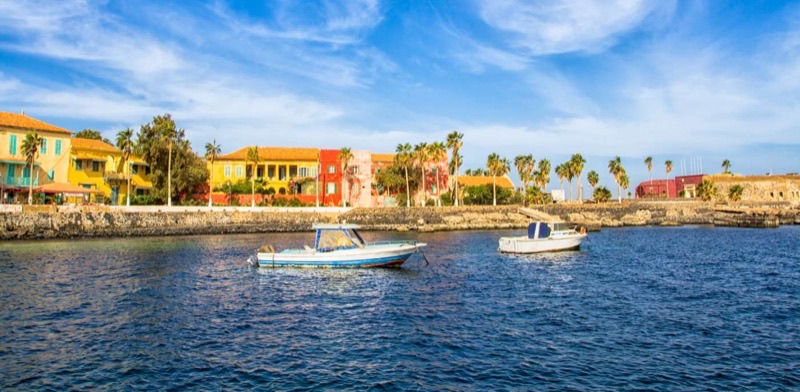
Senegal offers a more accessible budget for most independent travelers. Budget guesthouses in Dakar or Saint-Louis are XOF 15,000-30,000 ($25-50), with mid-range options XOF 40,000-70,000 ($65-115). Food is notably cheaper; a substantial street meal like Thieboudienne or Yassa can be XOF 1,000-2,500 ($1.60-4), and a restaurant meal XOF 5,000-10,000 ($8-16). Local transport via sept-place taxis or city buses is very inexpensive, often XOF 500-2,000 ($0.80-3.30) for inter-city routes. Entrance fees to sites like Gorée Island are modest, typically XOF 5,000 ($8). Expect to spend less daily in Senegal for similar levels of comfort and experience. tabiji verdict: Senegal is the clear winner for budget-conscious travelers seeking an authentic experience.
- Winner: Senegal
- Why: Senegal provides a more affordable travel experience across accommodation, food, and local transport, making it easier to explore on a tighter budget.
- Who this matters for: Budget travelers, backpackers, and those preferring to stretch their travel funds for a longer duration.
🦁 Nature & Wildlife
Kenya is synonymous with African wildlife. The Maasai Mara National Reserve offers exceptional game viewing, especially during the Great Migration (July-October), with…
Kenya
Senegal
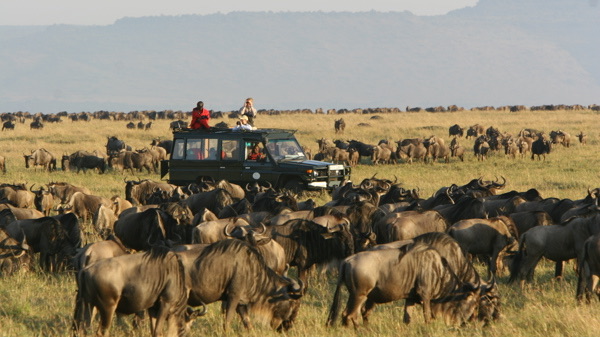
Kenya is synonymous with African wildlife. The Maasai Mara National Reserve offers exceptional game viewing, especially during the Great Migration (July-October), with opportunities to see the Big Five. Amboseli National Park provides elephants against Kilimanjaro views. Lake Nakuru National Park is known for its rhinos and birdlife, including flamingos. Beyond safaris, Kenya has marine parks like Watamu and Diani Beach for snorkeling and diving, plus Mount Kenya for trekking. The countrys conservation efforts and tourism infrastructure are geared towards wildlife encounters, with numerous lodges, guides, and well-maintained park roads.
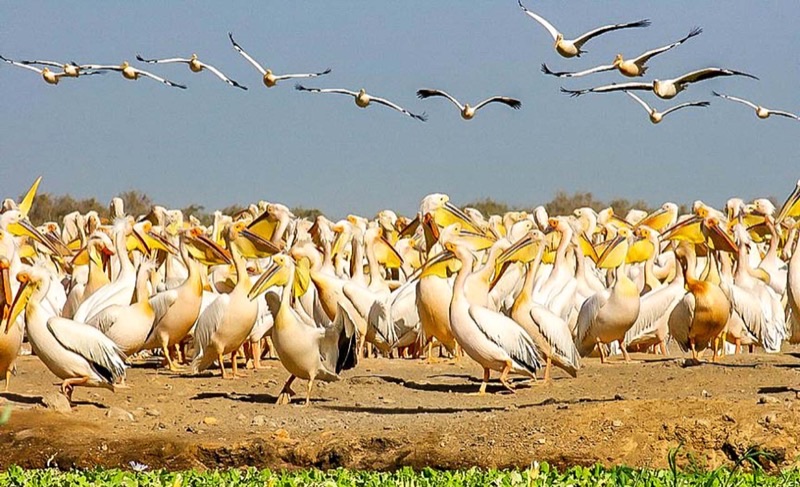
Senegal’s natural attractions are different. The Saloum Delta National Park, a UNESCO site, features mangrove forests, lagoons, and islands, excellent for birdwatching and boating. Lac Rose (Pink Lake) offers a natural spectacle due to its high salt content, and Île aux Coquillages (Shell Island) is a unique geological formation. Niokolo-Koba National Park in the southeast is a UNESCO World Heritage site and has populations of lions, elephants, and chimpanzees, but it is remote, difficult to access, and lacks the developed safari infrastructure and sheer animal densities of Kenya’s parks. Marine parks like Îles de la Madeleine offer birdwatching. tabiji verdict: Kenya provides an unparalleled and more accessible wildlife experience for most travelers.
- Winner: Kenya
- Why: Kenya's national parks offer consistent, accessible, and diverse wildlife viewing opportunities, including the Big Five, supported by extensive safari infrastructure.
- Who this matters for: Wildlife enthusiasts, photographers, and those for whom a safari is a primary reason for visiting Africa.
🏖️ Beaches & Coastline
Kenya's Indian Ocean coastline is a major draw. Diani Beach, south of Mombasa, consistently ranks among Africas best, with soft white sands, calm turquoise waters protected by a…

Kenya
Senegal
Kenya's Indian Ocean coastline is a major draw. Diani Beach, south of Mombasa, consistently ranks among Africas best, with soft white sands, calm turquoise waters protected by a reef, and ample opportunities for watersports like kitesurfing, snorkeling, and diving. Popular resorts such as The Sands at Nomad or Almanara Diani offer high-end stays. Watamu and Malindi further north provide similar appeal with marine parks and ancient Swahili ruins. Lamu Island, a UNESCO World Heritage site, offers a more traditional, car-free coastal experience with narrow alleys, dhow safaris, and smaller guesthouses like Peponi Hotel. The calm, warm waters are excellent for swimming year-round.
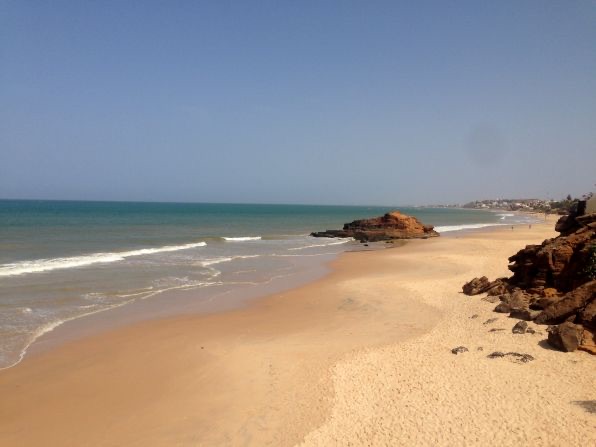
Senegal's Atlantic coastline stretches for hundreds of kilometers, offering a different character. Beaches around Dakar, such as Plage de Ngor or Plage des Mamelles, are popular with locals and surfers due to stronger currents and larger waves. Toubab Dialaw and Popenguine are fishing villages with more relaxed atmospheres and guesthouses, but the sand is generally coarser and the waters less clear than Kenya's Indian Ocean. Saly Portudal, a purpose-built resort town, caters to package tourists but lacks the natural charm of other areas. While Senegal has beautiful coastal stretches, the strong Atlantic currents and less pristine sand make it less appealing for typical beach relaxation compared to Kenya. tabiji verdict: Kenya’s Indian Ocean coast offers superior conditions for classic beach holidays and water activities.
- Winner: Kenya
- Why: Kenya's Diani Beach and Lamu provide calmer, clearer Indian Ocean waters, pristine white sands, and a more developed, relaxing beach tourism experience.
- Who this matters for: Beach lovers, snorkelers, divers, and those seeking post-safari relaxation by the sea.
🗿 Culture & History
Kenya’s cultural landscape is multifaceted. The Maasai and Samburu people in the Rift Valley and northern regions maintain traditional lifestyles, and cultural visits to their…
Kenya
Senegal
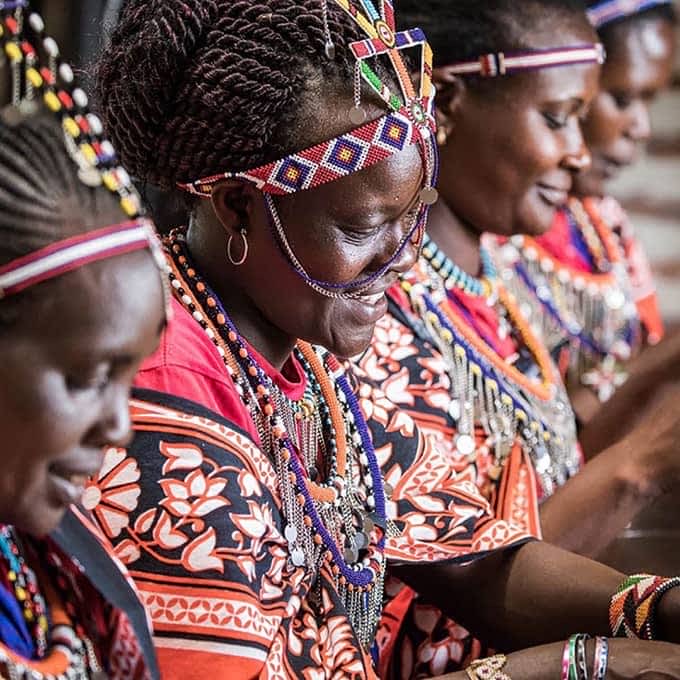
Kenya’s cultural landscape is multifaceted. The Maasai and Samburu people in the Rift Valley and northern regions maintain traditional lifestyles, and cultural visits to their villages can be arranged, though some experiences are tailored for tourists. The Swahili culture along the coast, particularly in Lamu and Mombasa Old Town, reflects centuries of trade with Arab, Indian, and Portuguese influences, evident in the architecture, food, and language. Nairobi, as a modern African capital, hosts museums like the Nairobi National Museum and Bomas of Kenya, showcasing various tribal dances and crafts. Kenya’s history is largely focused on pre-colonial tribal kingdoms and the struggle for independence from British rule.
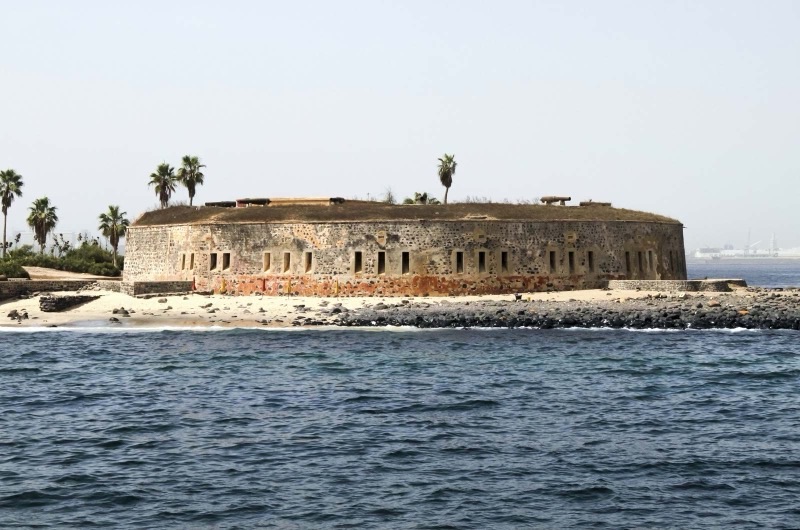
Senegal offers a profound journey into West African history and culture. Gorée Island, a UNESCO World Heritage site off Dakar, is a chilling reminder of the transatlantic slave trade, with the House of Slaves as its focal point. Saint-Louis, another UNESCO site, served as the capital of French West Africa and features well-preserved colonial architecture, making it a living museum. Senegal’s culture is expressed through its music (Mbalax), storytelling, and vibrant markets. Traditional wrestling (Laamb) is a national sport. The Lebou, Wolof, and Serer ethnic groups contribute to a complex societal fabric. The blend of indigenous traditions with French colonial influence is palpable across the country, making cultural interaction a central part of the travel experience. tabiji verdict: Senegal provides a deeper and more historically significant cultural immersion for travelers.
- Winner: Senegal
- Why: Senegal offers a more profound historical narrative, particularly concerning the transatlantic slave trade, and a deeply ingrained West African cultural identity visible daily.
- Who this matters for: History buffs, those interested in colonial and post-colonial African narratives, and travelers seeking deep cultural interaction.
🍽️ Food & Drink
Kenyan cuisine is generally hearty and satisfying. Ugali (a maize flour porridge) served with sukuma wiki (collard greens) and nyama choma (grilled meat, often goat or beef) is a…

Kenya
Senegal
Kenyan cuisine is generally hearty and satisfying. Ugali (a maize flour porridge) served with sukuma wiki (collard greens) and nyama choma (grilled meat, often goat or beef) is a national dish. Along the coast, Swahili dishes like biryani, pilau, and fresh seafood (prawns, snapper, octopus) prepared with coconut milk and spices are common. Indian influences are strong, especially in Nairobi, with many excellent Indian restaurants. Coffee is a major export, but local coffee culture for travelers is not as widespread as tea (chai). Street food options are decent, but not as ubiquitous or diverse as in West Africa. Alcohol is available, with Tusker being the national beer.
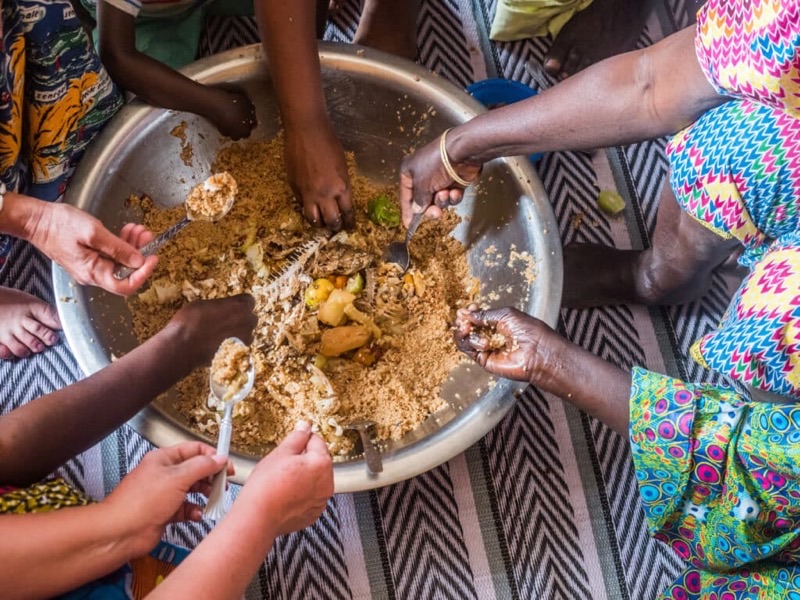
Senegalese cuisine is widely considered among the best in West Africa, known for its rich flavors and stews. Thieboudienne (fish, rice, and tomato sauce with vegetables) is the national dish, found everywhere from street stalls to upscale restaurants. Yassa (chicken or fish marinated in lemon and onions, then stewed) and Mafe (peanut stew with meat and vegetables) are other staples. French influence is evident in the prevalence of fresh baguettes and pastries. Street food is abundant, diverse, and affordable, with grilled fish, brochettes, and accras (fritters) readily available. Bissap (hibiscus juice) and Bouye (baobab fruit juice) are popular non-alcoholic drinks. Senegalese food culture is central to social life. tabiji verdict: Senegal wins for its distinct, flavorful, and accessible culinary tradition.
- Winner: Senegal
- Why: Senegal's cuisine is more distinct, flavorful, and deeply integrated into daily life, offering a wider range of iconic national dishes readily available.
- Who this matters for: Foodies, adventurous eaters, and travelers who enjoy exploring local culinary traditions through street food and traditional restaurants.
✈️ Getting There
Nairobi’s Jomo Kenyatta International Airport (NBO) is a significant hub in East Africa, with numerous direct flights from European cities like London (approx 8.5 hours),…
Nairobi’s Jomo Kenyatta International Airport (NBO) is a significant hub in East Africa, with numerous direct flights from European cities like London (approx 8.5 hours), Amsterdam, and Frankfurt. From North America, flights typically involve one stop in Europe or the Middle East (e.g., JFK to NBO via Doha is 18-20 hours, costing $1,000-1,500+). Kenya Airways offers good regional connectivity. Visa requirements for Kenya vary by nationality, but many can obtain an e-visa online (approx $50).
Dakar’s Blaise Diagne International Airport (DKR) is a modern airport with direct connections from several major European cities (e.g., Paris, Lisbon: approx 5-6 hours) and increasingly from North America. Direct flights from New York (JFK to DKR) are often around 7-8 hours, costing $700-1,000, making it geographically closer and often cheaper for US travelers than Kenya. Airlines like Air Senegal, Delta, and Air France operate these routes. For many nationalities, a visa is not required for stays up to 90 days, simplifying entry. The shorter flight times and direct options from the US make Senegal more accessible for that market. tabiji verdict: Senegal offers more convenient and often shorter flight routes, especially for North American travelers.
- Winner: Senegal
- Why: Senegal often has shorter, more direct flight routes from North America and easier visa requirements for many nationalities, simplifying travel logistics.
- Who this matters for: Travelers coming from the Americas, those seeking quicker journeys, and those who prefer less complex visa processes.
🚗 Getting Around
In Kenya, transport depends heavily on your itinerary. For safaris, dedicated 4x4 vehicles with experienced guides are standard and included in tour packages. Within cities like…
In Kenya, transport depends heavily on your itinerary. For safaris, dedicated 4x4 vehicles with experienced guides are standard and included in tour packages. Within cities like Nairobi, ride-sharing apps like Uber and Bolt are readily available and affordable. For inter-city travel, long-distance buses and matatus (shared minibuses) are cheap but can be slow and sometimes overcrowded. Domestic flights are a common and efficient way to cover long distances quickly, for instance, from Nairobi to the coast or to safari airstrips. Roads connecting major towns and tourist sites are generally paved and in reasonable condition, though rural areas can have rougher tracks.
Senegal's transport primarily relies on shared taxis known as sept-places for inter-city travel, which are inexpensive but can be uncomfortable and slow, waiting until full before departing. Within cities like Dakar, yellow-and-black taxis are plentiful, and ride-sharing apps are becoming more common. Local public buses (car rapides and Ndiaga Ndiaye) are an experience but can be confusing for newcomers. While there are some paved roads, many routes, especially to rural areas like the Saloum Delta, involve unpaved, dusty, or sandy tracks requiring 4x4 vehicles. Domestic flights are limited. Independent driving can be challenging due to varying road conditions, aggressive driving styles, and navigation issues. tabiji verdict: Kenya offers a more comfortable and structured transport experience, especially for tourists.
- Winner: Kenya
- Why: Kenya offers more reliable and comfortable options for tourist travel, particularly with organized safari transport and better domestic flight networks.
- Who this matters for: Travelers who prioritize comfort and efficiency in their local transportation, especially those on organized tours.
🛡️ Safety & Security
Kenya is generally safe for tourists, especially in well-trafficked safari areas and coastal resorts where security is often enhanced. In Nairobi, as with any major city, petty…
Kenya is generally safe for tourists, especially in well-trafficked safari areas and coastal resorts where security is often enhanced. In Nairobi, as with any major city, petty crime like pickpocketing and bag snatching can occur, particularly in crowded markets or bus stations. It’s advisable to avoid walking alone at night in certain neighborhoods and to use reputable taxis or ride-shares. There have been past concerns about terrorism, but tourist areas are usually well-protected. Government advisories often warn against travel to specific border regions or parts of the North due to insecurity, which most tourists avoid anyway.
Senegal is also generally considered safe for tourists, with a reputation for hospitality. However, petty crime, including pickpocketing and bag snatching, is a concern in busy urban areas like Dakar’s markets and public transport. Recent political protests and unrest have occasionally led to disruptions and increased security presence in Dakar, which is a factor to monitor. Outside of major cities, rural areas are typically very safe, but it is important to be aware of local customs and behave respectfully. While both countries require common sense precautions, Senegals recent political events add a layer of unpredictability. tabiji verdict: Both countries require standard urban precautions, with Kenya having a more consistent safety record for tourist zones.
- Winner: Tie
- Why: Both countries present similar levels of petty crime in urban areas, requiring travelers to exercise standard vigilance. Kenyas tourist infrastructure is highly secure.
- Who this matters for: All travelers, particularly solo travelers and those concerned with personal security in unfamiliar environments.
🏨 Accommodation
Kenya excels in providing a diverse and high-quality range of accommodations, particularly for the safari experience. Luxury safari lodges like Angama Mara or Olare Mara Kempinski…
Kenya excels in providing a diverse and high-quality range of accommodations, particularly for the safari experience. Luxury safari lodges like Angama Mara or Olare Mara Kempinski offer amenities and service, often costing $800-1500+ per night per person. Mid-range tented camps and lodges are numerous, costing $300-600 per person per night. Along the coast, there are many resorts from budget to luxury, such as Baobab Beach Resort in Diani. In cities like Nairobi, you can find international hotel chains (e.g., Fairmont, Sarova) and locally-run guesthouses. The tourism industry is well-established, meaning booking platforms and tour operators provide clear options. Options cater to various budgets, but the high-end safari market is a strong focus.
Senegal offers a good selection of accommodations, though the luxury safari lodge market seen in Kenya is absent. In Dakar, you’ll find international chain hotels (e.g., Radisson Blu, Terrou-Bi) alongside more traditional guesthouses or aparthotels. Outside the capital, especially in places like Saint-Louis or Toubab Dialaw, small, independently run guesthouses (auberges) or boutique hotels (riads) are common, offering local charm. Prices are generally more affordable than in Kenya, with good mid-range options for XOF 40,000-70,000 ($65-115) per night. While quality is decent, the scale and variety of high-end, purpose-built tourist accommodations, particularly for nature-focused stays, are less extensive than in Kenya. tabiji verdict: Kenya offers a broader and more refined range of accommodation options, especially in the safari and luxury sectors.
- Winner: Kenya
- Why: Kenya's accommodation sector is more developed, particularly for high-end safari lodges and beach resorts, offering a wider range of quality and service levels.
- Who this matters for: Luxury travelers, those prioritizing comfort and amenities, and travelers on organized safari tours.
🌃 Nightlife & Entertainment
Nairobi has a growing nightlife scene, particularly in areas like Westlands, with numerous nightclubs, bars, and lounges. You can find everything from electronic music venues to…
Nairobi has a growing nightlife scene, particularly in areas like Westlands, with numerous nightclubs, bars, and lounges. You can find everything from electronic music venues to places playing Afrobeats and R&B. Live music is present, though not always the primary focus. Coastal towns like Diani Beach and Malindi have beach bars and resorts that host evening entertainment, often catering to tourists. While there are local spots, many of the more accessible nightlife venues in Kenya's cities are geared towards a more international or affluent crowd, and safety precautions are important, especially late at night.
Senegal’s nightlife is deeply intertwined with its music culture, particularly Mbalax, a popular local genre. Dakar is known for its live music venues (maquis) where you can experience local bands and dancing. Places like Just 4 U or Thiof are famous for live performances. Local bars are lively and social, often with music and dancing extending late into the night. The atmosphere is generally more authentic and less overtly tourist-focused than in Kenya, offering a chance to engage with local culture. Outside Dakar, nightlife is more subdued but still centers around local gatherings and music. Alcohol consumption is less prevalent than in Kenya, but bars are still present. tabiji verdict: Senegal offers a more authentic and culturally immersive nightlife experience focused on local music and social interaction.
- Winner: Senegal
- Why: Senegal's nightlife is more distinct and culturally immersive, centered around its vibrant Mbalax music scene and local social venues.
- Who this matters for: Travelers seeking authentic local music, dance, and social interaction rather than generic clubbing.
🎯 The Decision Framework
Choose Kenya If…
- You prioritize iconic wildlife safaris and seeing the 'Big Five'.
- You want white-sand Indian Ocean beaches for relaxation and water sports.
- You are comfortable with a higher budget for a more developed tourism infrastructure.
- You appreciate a wide range of accommodation options, including luxury lodges.
- You prefer the ease of domestic flights for covering long distances.
- You are interested in the Great Migration (seasonal).
- You value organized tours with professional guides.
- You are a first-time visitor to Africa.
Choose Senegal If…
- You seek deep cultural immersion and historical exploration, especially related to the slave trade.
- You prefer a more budget-friendly travel experience.
- You are an adventurous eater keen on West African cuisine like Thieboudienne.
- You enjoy authentic local music and social nightlife.
- You are comfortable with less structured transport (sept-places) and potentially rougher roads.
- You appreciate French colonial architecture and history (Saint-Louis).
- You are traveling from North America and value shorter, direct flights.
- You want a less curated, more 'raw' travel experience.
📅 Sample Itineraries
Weekend in Kenya (3 Days)
💡 Book safari tours well in advance, especially during peak season (July-October), to secure better rates and availability. A 3-day budget safari can cost from $400-600 per person including transport, accommodation, and park fees.
Weekend in Senegal (3 Days)
💡 Haggle respectfully for taxi fares and market purchases; it's expected in Senegal. Agree on the price before starting your journey to avoid misunderstandings, saving you about 20-30% on initial quotes.
One Week in Kenya (7 Days)
💡 For safaris, consider an all-inclusive package that covers transport, accommodation, meals, and park fees. This can streamline your trip and often be more cost-effective than booking components separately, potentially saving hundreds of dollars.
One Week in Senegal (7 Days)
💡 Utilize 'sept-place' shared taxis for intercity travel; they are significantly cheaper than private taxis (e.g., Dakar to Saint-Louis for $10-15 vs. $80-100 private), offering substantial savings for budget-conscious travelers.
❓ Frequently Asked Questions
What is the best time of year to visit Kenya for a safari?
The dry seasons (January-March and July-October) are ideal for wildlife viewing in Kenya. Animals congregate around water sources, making them easier to spot. The Great Migration in Maasai Mara typically occurs from July to October. Expect pleasant temperatures around 20-30°C.
What is the best time of year to visit Senegal?
The dry season from November to June is best, with pleasant temperatures around 25-35°C and less humidity. The rainy season (July-October) can make some roads difficult to navigate, especially to rural areas like the Saloum Delta.
How much does a typical 7-day safari in Kenya cost?
A mid-range 7-day safari, including Maasai Mara and Amboseli, can cost between $2,000 and $4,000 per person, covering park fees, accommodation, food, and game drives. Budget options might start at $1,500, while luxury can exceed $6,000.
Is English widely spoken in Kenya and Senegal?
In Kenya, English is an official language and widely spoken, especially in tourist areas, hotels, and cities. In Senegal, French is the official language, and Wolof is the most common local language. English is less common, so learning a few French phrases is helpful.
What are the main cultural differences a traveler might notice?
Kenya blends East African tribal traditions with Swahili coastal influences and British colonial history. Senegal has a strong West African cultural identity influenced by Islam and French colonialism, with Wolof customs and Mbalax music central to daily life. Social interactions and daily rhythms will feel different.
What unique natural attractions does each country offer?
Kenya offers the Maasai Mara for its Great Migration, Amboseli with Kilimanjaro views, and Diani Beach's Indian Ocean. Senegal provides the intricate Saloum Delta mangroves, the pink Lac Rose, and the historical Gorée Island, a UNESCO World Heritage site.
Are specific vaccinations required for Kenya or Senegal?
Both countries often require proof of Yellow Fever vaccination, especially if arriving from an endemic country. Malaria prophylaxis is usually recommended for both. Consult your doctor or a travel clinic 4-6 weeks before departure for specific advice based on your itinerary.
Which country is better for a solo female traveler?
Both countries are generally welcoming, but Kenya's more developed tourist infrastructure and English-speaking environment might feel more straightforward for a first-time solo female traveler. Senegal is manageable but requires more independence and comfort with language barriers.
Ready to plan your African adventure?
Get a free custom itinerary for Kenya, Senegal, or both — built from real traveler insights.
👥 Travelers Also Compared
🎟️ Book Tours & Experiences
Hand-picked tours and activities for both destinations — book with free cancellation
Experiences via Viator — free cancellation on most tours