How we built this comparison
This page combines traveler discussion patterns, published price ranges, flight schedules, and seasonal data to help you decide between Kilimanjaro and Aconcagua.
- Reviewed 50+ Reddit threads from r/travel, r/solotravel, r/mountaineering, etc.
- Verified costs and logistics against current booking platforms (e.g., reputable tour operators for Kili, Aconcagua outfitters)
- Cross-referenced seasonal patterns and weather data from NOAA and historical climbing reports
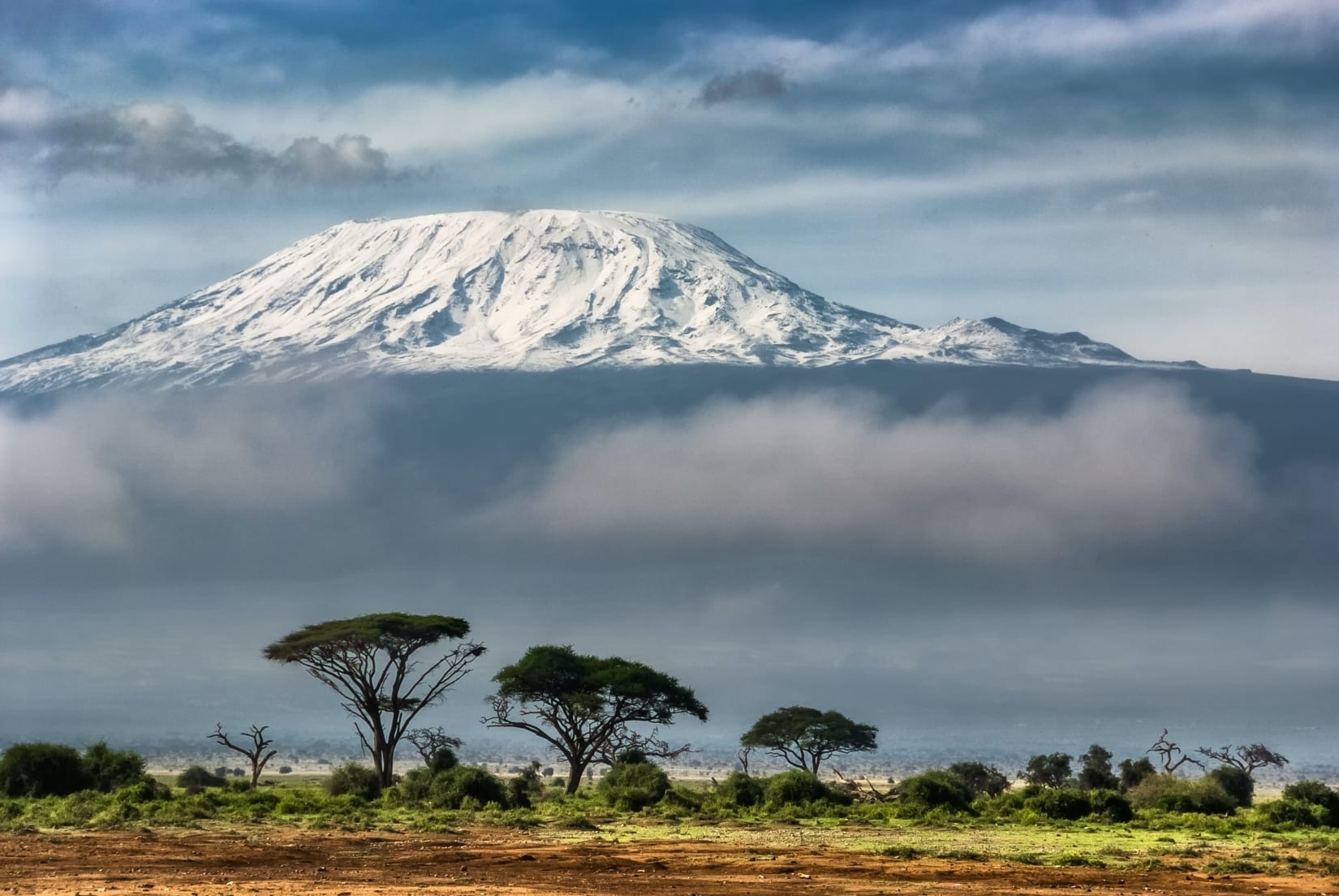
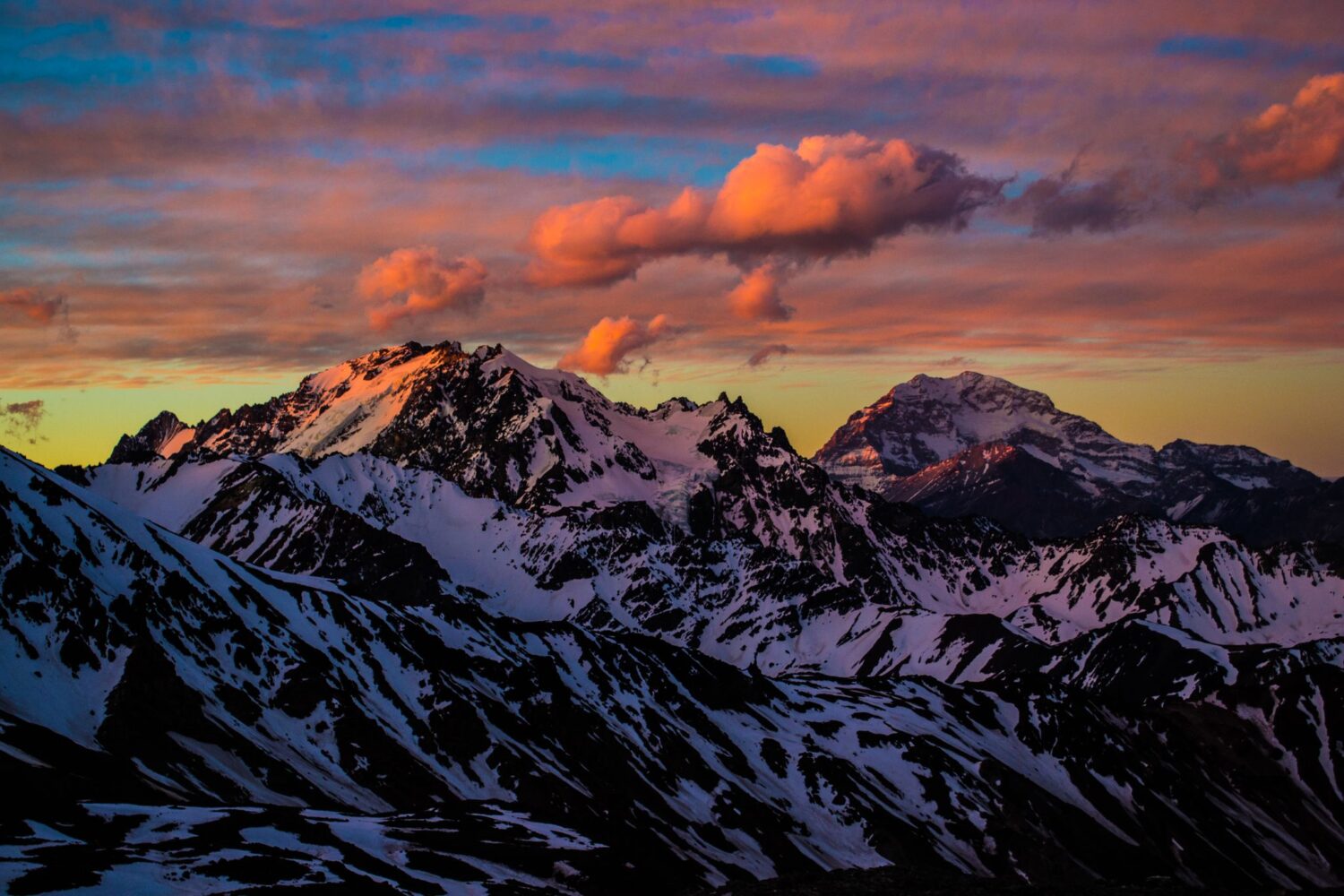
⚡ The TL;DR Verdict
If you crave a highly structured, well-supported trek with rich cultural add-ons and a guaranteed summit attempt, Kilimanjaro is your mountain, budget around $350-600 USD/day. For the self-reliant adventurer seeking a higher, more demanding expeditionary challenge with world-class wine country pre/post, Aconcagua calls, expect $400-800 USD/day for guided trips.
- Choose Kilimanjaro: You prioritize a meticulously organized, all-inclusive package with a strong support team (guides, porters) and appreciate the opportunity to easily combine your trek with a safari or cultural tour. You prefer a more 'trekking' rather than 'mountaineering' feel, even at altitude.
- Choose Aconcagua: You're an experienced high-altitude trekker or aspiring mountaineer looking for a significant challenge at extreme altitude (nearly 7,000m). You value the rugged, expeditionary style, potentially carrying more of your own gear (or relying on mules), and enjoy the vibrant city life of Mendoza before and after your climb.
- Choose Both: If you're a serious peak bagger with time and budget, these are both 'Seven Summits' contenders (Kilimanjaro is Africa's highest, Aconcagua is the highest outside Asia). Do Kili first for a 'warm-up' to high altitude, then tackle Aconcagua a year or two later. Allow 14-20 days for each, including travel.
Quick Comparison
| Category | Kilimanjaro | Aconcagua | Winner |
|---|---|---|---|
| Trekking Difficulty & Technicality | High altitude trek, no technical climbing, but demanding. Focus on endurance and altitude management. | Higher altitude, more extreme weather, often requires basic crampon/ice axe skills, more exposed. Expeditionary style. | Aconcagua |
| Overall Costs & Budget | High fixed costs due to mandatory park fees, guides, porters. All-inclusive packages typical. | Permit fees are significant, but more flexibility in support. Can be cheaper if going very light, but guided expeditions are still pricey. | Kilimanjaro |
| Logistics & Getting There | Fly into Kilimanjaro International Airport (JRO), direct transfers to Moshi/Arusha. Relatively straightforward. | Fly into Mendoza (MDZ), often requiring a connection in Buenos Aires (EZE). Longer local travel component. | Kilimanjaro |
| Pre/Post Trek Experience | Moshi/Arusha are trek-focused, but vibrant. Easy access to safaris, cultural tours (Maasai villages). | Mendoza is a sophisticated city known for wine, food, and culture. Excellent recovery options, but park itself is remote. | Aconcagua |
| Permits & Regulations | Highly regulated. Mandatory licensed guides and porters. Permits secured by operators. | Permit required, purchased in Mendoza. Guides highly recommended but not always mandatory for experienced climbers. | Kilimanjaro |
| Cultural Immersion | Rich opportunities to interact with local Chagga people, Maasai, and the extensive porter teams. | Strong Argentine (Mendoza) culture pre/post trek, but limited interaction on the mountain itself. | Kilimanjaro |
| Weather & Best Seasons | Tropical climate at base, arctic at summit. Two distinct dry seasons. | Arid, extreme winds, bitter cold, high UV. Summer is prime climbing season. | Tie |
| Food & Drink (off-mountain) | Authentic Tanzanian cuisine, fresh tropical fruits, basic but hearty. | World-renowned wine region, incredible steak, empanadas. Sophisticated dining. | Aconcagua |
| Safety & Support | Highly regulated, experienced guides, mandatory porters, rescue services integrated. | Park Rangers enforce rules, mandatory medical checks, rescue services present but can be slower due to remoteness. | Kilimanjaro |
| Group Dynamic & Solo Travel | Mandatory group treks, easy for solo travelers to join. Diverse groups. | Can be done independently (experienced only) or with guided expeditions. Groups are usually smaller. | Kilimanjaro |
⛰️ Trekking Difficulty & Technicality
Kilimanjaro, while Africa's highest, is largely a walk-up—albeit a very tough one. The challenge comes from sustained high altitude (up to 5,895m / 19,341ft), long days, and cold summit pushes. Routes like Lemosho or Machame are long but non-technical. Aconcagua, at 6,962m (22,841ft), is a beast of a different color. It's often called the 'highest trekking peak,' but don't be fooled; the Normal Route can be incredibly demanding, facing extreme winds, brutal cold (down to -30°C / -22°F), and often requiring self-sufficiency with more gear. While not technical rock climbing, fixed ropes or short sections requiring crampons/ice axes are common on certain routes, especially late in the season. The air is noticeably thinner on Aconcagua. As one Redditor put it, 'Kili was hard, but Aconcagua felt like a different league. The wind alone was relentless, made me question every life choice.' Summit day on Aconcagua, traversing the Canaleta, is a grueling, mind-numbing affair far beyond Kili's final push.
Winner takeaway
- Winner: Aconcagua
- Why: Aconcagua presents a significantly higher altitude, more severe weather, and a more self-reliant, expeditionary style, making it the harder and more technical climb.
- Who this matters for: Experienced trekkers and aspiring mountaineers looking for a serious test of endurance and resilience at extreme altitudes.
💸 Overall Costs & Budget
Kilimanjaro typically runs $2,000-$5,000+ USD for a 6-8 day trek, excluding international flights. The big hit is park fees, which are around $70-100 USD per person per day (including conservation, rescue, and camping fees), plus mandatory guide and porter wages, which add up quickly. A reputable company might charge $2,500-$4,000 for a Lemosho route, ensuring good food, gear, and fair wages. For Aconcagua, permit fees alone are a significant variable, ranging from $800-$1,500+ USD depending on the season and route – they're highest during peak season (Dec-Jan). A full-service guided expedition might cost $4,000-$7,000+ USD (excluding flights). You can save by going semi-supported (mules for gear, no full-time guide, just a permit), but that's for the very experienced. 'I paid $3500 for Kili Lemosho, all-in from Moshi. Friend did Aconcagua for $5k but went with a cheaper Argentine outfitter. Both were worth it.' For budget travelers, Kili's fixed costs are unavoidable, while Aconcagua offers *some* (risky) flexibility if you're truly self-sufficient. However, for a comparable level of support and safety, Aconcagua usually ends up pricier.
Winner takeaway
- Winner: Kilimanjaro
- Why: While both are expensive, Kilimanjaro's costs are more transparent and fixed within all-inclusive packages, making it easier to budget without unexpected expeditionary expenses.
- Who this matters for: Travelers who prefer predictable, all-inclusive pricing with fewer hidden costs and mandatory fees.
✈️ Logistics & Getting There
Getting to Kilimanjaro is surprisingly straightforward. You'll fly into Kilimanjaro International Airport (JRO), which has good connections from major hubs like Amsterdam (KLM) or Doha (Qatar Airways), making it accessible from North America, Europe, and Asia. From JRO, it's typically a 45-90 minute drive to your pre-trek hotel in Moshi or Arusha, often included in your trek package. The process is very smooth, almost like clockwork. Aconcagua, on the other hand, involves a bit more legwork. You'll likely fly into Ministro Pistarini International Airport (EZE) in Buenos Aires, then take a domestic flight (another 2 hours) to Mendoza (MDZ). Total international flight time from, say, New York or London, could be 15-20 hours just to get to Buenos Aires, plus the domestic leg. Once in Mendoza, it's a bustling city, and your outfitter will handle transport to Penitentes or Puente del Inca, the closest towns to the park entrance. 'JRO was a breeze, driver waiting, straight to the hotel. Getting to Mendoza involved a layover in BA, then another flight, then a bus. Definitely more travel time.' Kilimanjaro's direct international connections to its closest major airport give it the edge for sheer ease of access.
Winner takeaway
- Winner: Kilimanjaro
- Why: Kilimanjaro has direct international flights to its closest airport (JRO), making pre-trek logistics simpler and faster compared to Aconcagua's multi-leg journey to Mendoza.
- Who this matters for: Travelers prioritizing minimal travel complexity and quick transitions from airport to base town.
🧘 Pre/Post Trek Experience
Around Kilimanjaro, the towns of Moshi and Arusha are the main hubs. They're bustling, authentic Tanzanian towns focused heavily on the trekking and safari industries. You'll find good, basic hotels like Springlands Hotel or Panama Garden Resort, decent local food (try Nyama Choma!), and lively markets. The real draw here is the seamless integration with safaris to the Serengeti, Ngorongoro Crater, or Tarangire, and cultural visits to Maasai villages or coffee plantations. It's an immersive African experience. Mendoza, however, is a world-class destination in its own right. It's Argentina's wine capital, surrounded by stunning vineyards producing Malbec. Post-trek, you can indulge in incredible steak and wine at places like Azafrán, relax at upscale hotels like Park Hyatt Mendoza, and enjoy a vibrant nightlife. The city itself offers a sophisticated, European-influenced charm with beautiful plazas and tree-lined streets. 'After Aconcagua, a week in Mendoza hitting wineries and eating steak was pure heaven. Kili was great, but Moshi just isn't Mendoza.' While Tanzania offers unparalleled wildlife, Mendoza offers a superior urban and gastronomic recovery experience.
Winner takeaway
- Winner: Aconcagua
- Why: Mendoza offers a far more developed, sophisticated, and diverse pre/post-trek experience with world-class wine, food, and urban amenities, compared to the more functional base towns near Kilimanjaro.
- Who this matters for: Travelers who appreciate fine dining, excellent wine, and a vibrant city atmosphere for recovery and relaxation after a strenuous climb.
📜 Permits & Regulations
Kilimanjaro operates under strict Tanzanian National Parks (TANAPA) regulations. It is absolutely mandatory to be accompanied by a licensed guide and a team of porters. You cannot climb Kilimanjaro independently. All permits, park fees, and camping fees are handled by your chosen tour operator, which streamlines the process immensely. You simply pay your package fee, and they take care of all the paperwork and access. This system, while adding to the cost, ensures a standardized safety level and supports local employment. For Aconcagua, the process is a bit more personal. You'll need to purchase your permit directly from the Provincial Parks office in Mendoza (Parque Provincial Aconcagua office) before heading to the mountain. Prices vary significantly based on season (peak, mid, low) and route, ranging from $800-$1500+ USD for foreign nationals. While a guide is highly recommended for safety and summit success, especially for less experienced climbers, it's not strictly mandatory if you can prove sufficient experience and register as an independent expedition (though this is rare for first-timers). 'Kili, you just show up and they handle everything. Aconcagua was a whole day in Mendoza just dealing with permits and medical checks. More freedom, but more hassle.' The simplicity and clarity of Kilimanjaro's permit system give it the edge.
Winner takeaway
- Winner: Kilimanjaro
- Why: Kilimanjaro's permit process is seamlessly handled by tour operators as part of an all-inclusive package, requiring no direct action from the climber beyond booking.
- Who this matters for: Travelers who prefer a hassle-free, fully managed experience without needing to navigate local bureaucracy for permits.
🌍 Cultural Immersion
Kilimanjaro offers a genuinely rich cultural experience. From the moment you arrive in Moshi or Arusha, you're immersed in Tanzanian life. Your trek itself is a profound cultural exchange: you'll spend days with your local guides, cooks, and porters, learning about their lives, traditions, and the mountain itself. Many companies offer optional pre/post trek tours to local villages, coffee farms, or Maasai bomas, providing direct interaction. The 'dancing on the mountain' with your crew is a memorable part of the Kili experience. Aconcagua, while offering the vibrant Argentine culture of Mendoza, is much more isolated on the mountain itself. Once you leave Puente del Inca, you're in a very remote, stark environment. Your interaction will primarily be with your expedition team, who may be a mix of nationalities. While Mendoza is culturally rich with its European influences, wine culture, and delicious food, the mountain experience itself is less about local interaction and more about raw nature. 'The Kili porters singing and dancing, the stories from our guide… that was a huge part of the trip. Aconcagua was just us and the mountain.' For a truly immersive cultural experience alongside your climb, Kilimanjaro stands out.
Winner takeaway
- Winner: Kilimanjaro
- Why: Kilimanjaro provides extensive opportunities for direct interaction with local Tanzanian cultures, including your entire support team, offering a deeper cultural immersion during the trek.
- Who this matters for: Travelers who value cultural exchange and connecting with local people as an integral part of their adventure travel experience.
☀️ Weather & Best Seasons
Kilimanjaro has two main dry seasons: January-March and June-October. These offer the best chances for clear skies and less rain, but even then, conditions on the summit can be brutally cold (down to -20°C / -4°F) and windy. The mountain experiences multiple climate zones, from rainforest at the base to arctic conditions near the peak. Aconcagua's climbing season is much shorter, predominantly December to February, which is the austral summer. During this time, base camp temperatures can be pleasant, but higher up, the conditions are notoriously harsh. Extreme winds (the 'Viento Blanco' or White Wind), sub-zero temperatures (often -20°C to -30°C on summit day), and intense UV radiation are the norm. Both mountains demand proper gear for extreme cold. 'We hit Kili in March and had perfect weather, but my friend got hammered by rain in November. Aconcagua in January was just constant wind, but clear skies.' While Kili has more flexible windows, Aconcagua's 'best season' is critical for even a chance at the summit, and even then, conditions are far more extreme. It's a tie because both have specific, unforgiving windows, but with very different weather challenges.
Winner takeaway
- Winner: Tie
- Why: Both mountains have specific, critical climbing windows with distinct and challenging weather patterns, making it difficult to declare one 'easier' or 'better' than the other.
- Who this matters for: Climbers who are meticulous about seasonal planning and prepared for vastly different extreme weather conditions based on their chosen mountain.
🍷 Food & Drink (off-mountain)
After days of rehydrated meals and basic camp food, what awaits you off the mountain is crucial! In Moshi/Arusha, you'll find hearty Tanzanian fare. Think 'ugali' (cornmeal porridge), 'pilau' (spiced rice), 'wali na kuku' (rice and chicken), and the ubiquitous 'chips mayai' (chip omelet). Fresh tropical fruits are amazing. While good, it's generally simple, wholesome food. Alcohol options are basic local beers (Safari Lager, Kilimanjaro Lager). Mendoza, however, is a gastronomic paradise. It's the heart of Argentina's wine country, so expect world-class Malbec, Cabernet Sauvignon, and Torrontés at incredibly reasonable prices. The food scene is dominated by Argentina's famous beef – 'asado' (barbecue) is a must-try, with cuts like 'ojo de bife' (ribeye) or 'lomo' (tenderloin) at steakhouses like El Asadito. Empanadas, choripán, and dulce de leche desserts are everywhere. 'Coming off Kili, I just wanted a cold beer and some chicken. After Aconcagua, I devoured steak and Malbec for a week straight. No comparison.' The sheer quality, variety, and sophistication of Mendoza's food and drink scene easily win this category.
Winner takeaway
- Winner: Aconcagua
- Why: Mendoza offers a world-class culinary experience with exceptional wine, gourmet steak, and a sophisticated dining scene, far surpassing the more rustic options around Kilimanjaro.
- Who this matters for: Foodies and wine enthusiasts who want to celebrate their climb with exquisite meals and drinks in a vibrant setting.
⛑️ Safety & Support
Kilimanjaro's safety protocols are robust and strictly enforced by TANAPA. Every trek must have a licensed guide, assistant guides, and a team of porters, creating a high guide-to-client ratio. Reputable companies provide daily health checks (pulse oximeters), regular briefings, and have clear emergency protocols. Rescue services are integrated, and while basic, they are prompt, often involving stretchers or even helicopter evacuation for serious cases. The guides are well-versed in altitude sickness. For Aconcagua, safety is taken seriously by the park authority. Upon obtaining your permit, a medical check-up is mandatory in Mendoza. There are park rangers stationed at various camps (Confluencia, Plaza de Mulas) who monitor climbers and assist with emergencies. Mules are used for evacuation from lower camps, but higher up, it's all human power or costly helicopter operations. While very experienced guides operate, the sheer remoteness and extreme conditions mean self-reliance is a higher factor, and rescue can take longer. 'I felt so secure on Kili, constantly checked on. Aconcagua, you're more on your own, felt riskier up high.' The comprehensive, mandatory support system and established infrastructure on Kilimanjaro give it the edge for perceived and actual safety.
Winner takeaway
- Winner: Kilimanjaro
- Why: Kilimanjaro boasts a highly regulated system with mandatory, experienced guides and porters, daily health checks, and integrated, relatively prompt rescue services, offering a more supported and predictable safety environment.
- Who this matters for: First-time high-altitude trekkers, those who prioritize a high level of support, and travelers concerned about emergency logistics.
👯 Group Dynamic & Solo Travel
If you're a solo traveler, Kilimanjaro is incredibly welcoming. Since guided treks with a full support team are mandatory, you'll simply book a spot on a scheduled departure. You'll join a group of fellow climbers from all over the world, typically ranging from 6-15 people, plus your extensive local crew. This creates an instant camaraderie and shared experience, making it perfect for those traveling alone but wanting companionship on the mountain. Reputable outfitters have multiple departures, making it easy to find a suitable date. Aconcagua offers more flexibility but less guaranteed companionship for solo travelers. While you can book onto a guided expedition with a group, these tend to be smaller, more focused teams, often 4-8 people. It's also possible (for highly experienced climbers) to obtain an independent permit and go solo or with just a partner, without a full guided team, though this is significantly riskier and not recommended for most. 'I went to Kili solo and left with 10 new friends. Aconcagua felt more like a hardcore expedition, less social for me.' The inherent group nature of Kilimanjaro makes it superior for solo travelers seeking a social and supportive environment.
Winner takeaway
- Winner: Kilimanjaro
- Why: Kilimanjaro's mandatory group trek system makes it incredibly easy for solo travelers to join an existing expedition and immediately become part of a supportive and diverse team.
- Who this matters for: Solo travelers who want to join a group, enjoy shared experiences, and don't want the pressure of organizing an independent expedition.
❓ Frequently Asked Questions
Do I need a guide for both Kilimanjaro and Aconcagua?
For Kilimanjaro, a licensed guide and full support team (porters, cook) are mandatory by Tanzanian law – you cannot climb independently. For Aconcagua, a guide is highly recommended for safety and summit success, especially for less experienced climbers, though highly skilled mountaineers can apply for independent permits.
Which mountain is physically higher and more challenging?
Aconcagua, at 6,962 meters (22,841 feet), is significantly higher than Kilimanjaro, at 5,895 meters (19,341 feet). Aconcagua is generally considered a much more challenging climb due to its extreme altitude, harsher weather conditions (intense winds, colder temperatures), and more expeditionary style.
Which mountain is typically cheaper to climb?
Kilimanjaro generally has higher fixed costs due to mandatory park fees and a large support staff, with guided trips averaging $2,000-$5,000 USD. Aconcagua's permit fees are also substantial ($800-$1,500+ USD), and guided expeditions typically range from $4,000-$7,000+ USD, making it usually more expensive for a comparable experience.
What's the best time of year to climb each mountain?
For Kilimanjaro, the dry seasons are January-March and June-October. For Aconcagua, the climbing season is shorter and during the austral summer, primarily December to February, when conditions are most favorable (though still extremely harsh).
Can I combine a Kilimanjaro trek with a safari?
Absolutely! Combining a Kilimanjaro trek with a safari in Tanzania's world-famous national parks (like Serengeti, Ngorongoro Crater, Tarangire) is a very popular and highly recommended option, easily arranged by most tour operators pre or post-climb.
How much training do I need for these climbs?
Both mountains require significant physical preparation. You should be in excellent cardiovascular shape, capable of sustained hiking for 6-8+ hours a day for multiple days, often with a backpack. Specific training for altitude, leg strength, and endurance is crucial for both, with Aconcagua demanding an even higher level of fitness and mental fortitude.
What are the risks of altitude sickness on these mountains?
Both Kilimanjaro and Aconcagua are high-altitude climbs where Acute Mountain Sickness (AMS), High Altitude Pulmonary Edema (HAPE), and High Altitude Cerebral Edema (HACE) are serious risks. Proper acclimatization, slow ascent, hydration, and listening to your guides are critical for minimizing these dangers. Descent is the only cure for severe symptoms.
Which mountain feels more 'crowded' or 'remote'?
Kilimanjaro, especially on popular routes like Machame, can feel more crowded due to the higher number of trekkers and large support teams. Aconcagua, while popular, feels more remote and wild, particularly once you're above base camp, due to its harsher environment and the more expeditionary nature of the climb.
Ready to plan your next summit?
Get a free custom itinerary for Kilimanjaro, Aconcagua, or both — built from real traveler insights.
🎟️ Book Tours & Experiences
Hand-picked tours and activities for both destinations — book with free cancellation
Experiences via Viator — free cancellation on most tours