How we built this comparison
This page combines traveler discussion patterns, published price ranges, flight schedules, and seasonal data to help you decide between Kobe and Kyoto.
- Reviewed 50+ Reddit threads from r/JapanTravel, r/solotravel, r/travel, and regional subreddits for authentic traveler experiences and tips.
- Verified costs and logistics against current booking platforms (e.g., JR Pass, Booking.com, Google Flights) and official tourism sites (e.g., JNTO, city tourism boards).
- Cross-referenced seasonal patterns, weather data from the Japan Meteorological Agency, and local event calendars to inform advice on timing and activities.
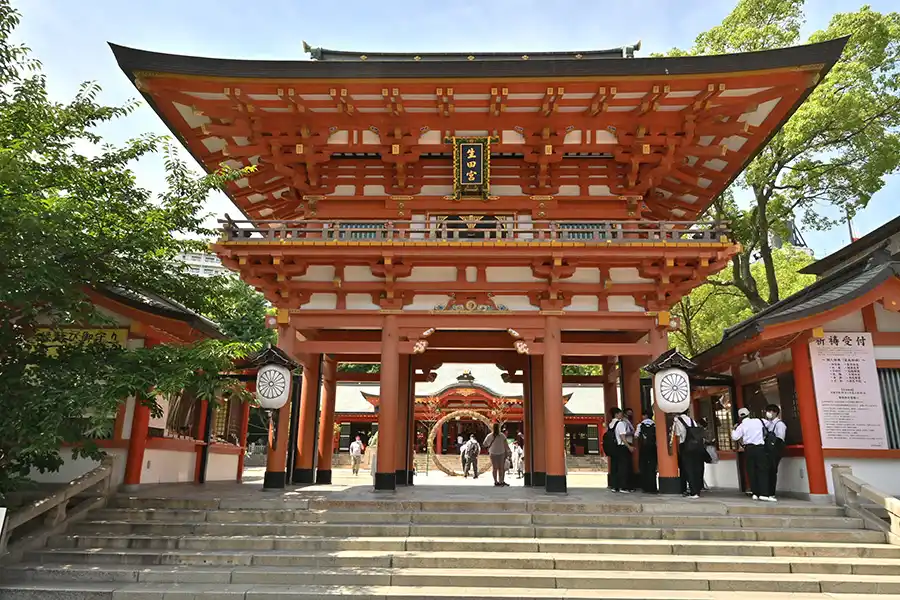
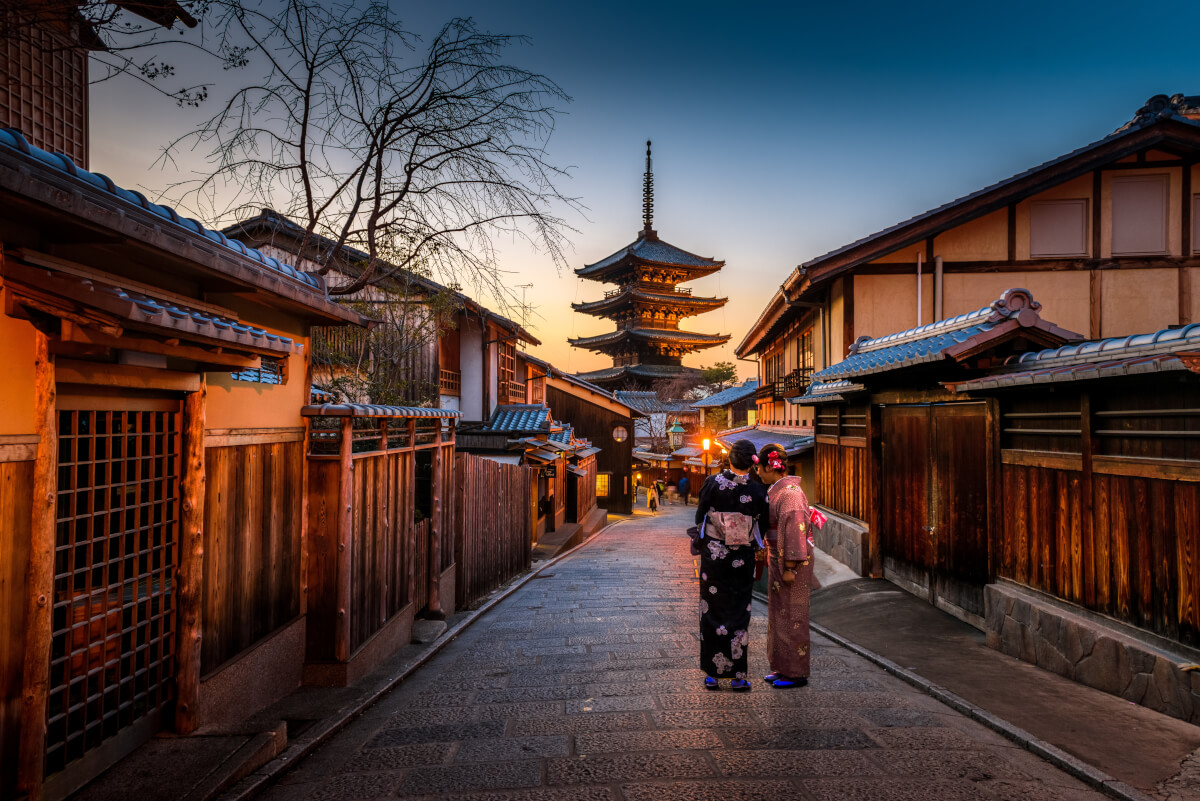
⚡ The TL;DR Verdict
Kyoto is the undisputed champion for culture hounds and first-time Japan visitors, offering an unparalleled dive into ancient traditions, albeit at a slightly higher daily cost, typically ¥12,000-¥20,000 ($80-$135). Kobe, on the other hand, suits those seeking a sophisticated urban experience with world-class food, stunning views, and a more relaxed pace, often for ¥10,000-¥18,000 ($65-$120) a day.
- Choose Kobe: Choose Kobe if you're a food enthusiast, appreciate modern urban design, stunning port views, and a more laid-back, cosmopolitan atmosphere, especially if you've already experienced traditional Japan.
- Choose Kyoto: Pick Kyoto for an immersive journey into traditional Japanese culture, ancient temples, geisha districts, and serene gardens. It's ideal for first-time visitors seeking iconic historical experiences.
- Choose Both: Absolutely do both if you have 5+ days in the Kansai region. They're only about an hour apart by train, making for an easy day trip or a rewarding split stay to experience both facets of Japan.
Quick Comparison
| Category | Kobe | Kyoto | Winner |
|---|---|---|---|
| Culture & History | Modern port city with a rich foreign settlement history, earthquake memorial, and sake district. | Epicenter of traditional Japanese culture, countless temples, shrines, geisha districts, and imperial history. | Kyoto |
| Food Scene | Home to world-renowned Kobe Beef, diverse international cuisine, and a vibrant Chinatown. | Known for elegant Kaiseki ryori, traditional Kyoto vegetables (Kyo-yasai), and excellent street food near markets. | Kobe |
| Costs & Budget | Generally slightly more affordable for accommodation and general expenses than Kyoto, except for high-end beef. | Higher accommodation prices due to popularity, though budget-friendly food options exist. | Kobe |
| Getting There & Around | Easily accessible by Shinkansen/local trains; compact and walkable city center with good public transport. | Well-connected by Shinkansen; extensive bus network is primary for sightseeing, but can be slow. | Tie |
| Accommodation | Good selection of modern business hotels, boutique options, and some ryokans, generally better value. | Wide range from luxury hotels to traditional ryokans and budget hostels, but often at higher price points. | Kobe |
| Nightlife & Entertainment | Sophisticated bars, live music venues, and vibrant areas like Sannomiya and Motomachi. | Quieter, more traditional izakayas, cocktail bars in Pontocho, but less of a 'party' scene. | Kobe |
| Nature & Outdoors | Home to Mount Rokko with panoramic views, hiking trails, and Arima Onsen hot springs. | Features Arashiyama Bamboo Forest, Philosopher's Path, and scenic river walks, but less 'adventure'. | Kobe |
| Day Trips | Great base for Himeji Castle, Arima Onsen, and easy access to Osaka. | Ideal for Nara (deer park), Osaka, Uji (tea plantations), and Lake Biwa. | Tie |
| Vibe & Atmosphere | Sophisticated, cosmopolitan, relaxed, and modern with a European flair and stunning bay views. | Traditional, serene, bustling with tourists, deeply spiritual, and culturally rich. | Kobe |
| Shopping | Modern shopping malls, international brands, unique boutiques in Motomachi, and fashion-forward districts. | Traditional crafts, souvenirs, green tea products, and local specialties, with department stores for modern goods. | Kobe |
⛩️ Culture & History
When it comes to a deep dive into traditional Japanese culture and history, Kyoto is simply unmatched. It boasts over 2,000 temples and shrines, including iconic sites like Fushimi Inari-taisha with its thousands of vermilion gates, the serene Kinkaku-ji (Golden Pavilion), and the historic Gion district where you can still spot geiko (Kyoto geisha) and maiko. Walking through the narrow streets of Higashiyama feels like stepping back in time, offering authentic experiences from tea ceremonies to traditional crafts. Kobe, while historically significant as a port city with its foreign settlement (Kitano-cho) and the moving Great Hanshin Earthquake Memorial, offers a more modern and international cultural narrative. Its sake district in Nada is fantastic for a different kind of cultural exploration, but it can't rival Kyoto's millennia of imperial and spiritual heritage. "Kyoto is basically a living museum, every corner has a story. Kobe is cool for the vibe but if you want temples, it's Kyoto, no contest." The sheer volume and preservation of historical sites in Kyoto make it an unparalleled destination for cultural immersion.
Winner takeaway
- Winner: Kyoto
- Why: Kyoto's density of iconic temples, shrines, and traditional districts offers an unparalleled historical and cultural immersion.
- Who this matters for: First-time visitors to Japan, history buffs, and those seeking iconic traditional experiences.
🍣 Food Scene
Kobe truly shines as a culinary destination, especially for meat lovers. The star, of course, is authentic Kobe Beef, which you can savor at restaurants like Steakland Kobe or Mouriya, with premium cuts starting from around ¥8,000-¥15,000 ($55-$100) per person for a decent meal. Beyond beef, Kobe's international port history has fostered a diverse food scene, evidenced by Nankin-machi (Chinatown) offering fantastic dim sum and street food. The city also excels in bread, sweets, and Western-influenced dishes. Kyoto, while celebrated for its refined Kaiseki ryori (multi-course haute cuisine, often ¥10,000-¥30,000+ ($65-$200+) per person at places like Kikunoi Roan) and traditional Kyo-yasai dishes, offers a more subtle and less immediately 'wow' experience for many travelers. Its street food around Nishiki Market is good (try the tamagoyaki or takoyaki), but Kobe's overall breadth, from high-end beef to casual international eats, feels more exciting and accessible for a wider range of palates. "Kobe beef is a religious experience, but honestly, even the bakeries and Chinese food there are amazing. Kyoto food is good but more subtle, less 'in your face' delicious." For sheer variety and show-stopping dishes, Kobe takes the crown.
Winner takeaway
- Winner: Kobe
- Why: Kobe offers a more diverse and internationally acclaimed food scene, highlighted by its famous beef and excellent international options.
- Who this matters for: Foodies, steak lovers, and those looking for a wide variety of culinary experiences beyond traditional Japanese.
💸 Costs & Budget
When comparing overall travel costs, Kobe tends to offer slightly better value, particularly in accommodation. A decent business hotel in Kobe like Hotel Piena Kobe or Hotel Monte Hermana Kobe Amalie can be found for ¥7,000-¥12,000 ($45-$80) per night, whereas similar quality in Kyoto, especially during peak season, often starts from ¥9,000-¥18,000 ($60-$120) or more. Transportation within both cities is efficient and similarly priced (subway/bus rides typically ¥210-¥280, or ~$1.40-$1.90). The main cost differentiator in Kobe is if you indulge in high-grade Kobe Beef, which can significantly inflate your food budget. However, outside of that specific splurge, everyday meals and activities are often a tad cheaper. Kyoto's immense popularity, especially among international tourists, drives up demand and thus prices for hotels, ryokans, and even some popular attractions. "Kyoto felt like I was constantly paying a premium for the 'Japan experience'. Kobe felt a bit more grounded, except for that one beef dinner, haha." For budget-conscious travelers aiming for a comfortable but not extravagant trip, Kobe often allows for a slightly lower daily spend, averaging around ¥10,000-¥18,000 ($65-$120), compared to Kyoto's ¥12,000-¥20,000 ($80-$135).
Winner takeaway
- Winner: Kobe
- Why: Kobe generally offers more affordable accommodation and dining options outside of its signature beef, providing better overall value.
- Who this matters for: Budget-conscious travelers and those looking to stretch their yen without compromising on quality.
🚆 Getting There & Around
Both Kobe and Kyoto boast excellent connectivity within Japan. From Tokyo, a Shinkansen (bullet train) ride to Kyoto takes approximately 2 hours 40 minutes (around ¥14,000 / $95), and to Shin-Kobe station (just outside Kobe's city center) takes about 2 hours 50 minutes (also around ¥14,000 / $95). From Osaka, both are a quick local train ride: Kyoto is about 30 minutes (¥570 / $3.80) from Osaka Station on the Special Rapid service, while Kobe (Sannomiya Station) is only 20-25 minutes (¥410 / $2.70). Getting around within each city differs slightly. Kobe's main areas (Sannomiya, Motomachi, Harborland) are very walkable, and its subway system is efficient for longer distances. Kyoto relies heavily on an extensive bus network for reaching its spread-out attractions, which can be scenic but also prone to traffic jams and crowded during peak seasons. "Kyoto buses are a nightmare during cherry blossom season, but Kobe felt super easy to just walk everywhere or hop on a train for a couple stops." While Kyoto's public transport covers more ground, Kobe's compact and easily navigable city center often provides a more relaxed sightseeing experience on foot. For sheer convenience and speed of intra-city travel without traffic concerns, Kobe holds a slight edge, but Kyoto's bus system, while sometimes slow, is comprehensive.
Winner takeaway
- Winner: Tie
- Why: Both cities offer excellent accessibility from major hubs and efficient internal transport, catering to different preferences (walkability vs. extensive bus network).
- Who this matters for: Travelers prioritizing easy inter-city travel; those who prefer walking/subway (Kobe) vs. bus (Kyoto).
🏨 Accommodation
When it comes to accommodation, Kobe offers a generally more competitive and value-driven market. You can find excellent modern hotels like Hotel Okura Kobe or The B Kobe for around ¥9,000-¥15,000 ($60-$100) per night, often with stunning bay or mountain views, particularly in the Harborland or Sannomiya areas. Boutique hotels and guesthouses also offer unique stays without the hefty price tag. Kyoto, on the other hand, provides a wider *variety* of accommodation types, from luxurious international hotels (e.g., The Ritz-Carlton Kyoto, starting at ¥60,000+ ($400+)) to charming traditional ryokans like Hiiragiya or Tawaraya (often ¥30,000+ ($200+) per person per night with meals) and numerous budget hostels. However, due to its immense popularity, Kyoto's prices across all tiers are significantly higher, especially during peak seasons. "I stayed at a gorgeous hotel in Kobe near the bay for less than a mediocre business hotel in Kyoto. Definitely got more bang for my buck." Finding a decent, well-located hotel in Kyoto for under ¥12,000 ($80) can be a challenge, whereas it's more common in Kobe. For travelers seeking comfort and quality without breaking the bank, Kobe consistently delivers better value.
Winner takeaway
- Winner: Kobe
- Why: Kobe provides better value for money in accommodation, offering quality hotels at more competitive prices than Kyoto.
- Who this matters for: Budget-conscious travelers and those seeking modern comforts without a premium price tag.
🍻 Nightlife & Entertainment
For those seeking a more vibrant and diverse nightlife, Kobe takes the lead. The Sannomiya and Motomachi districts are brimming with stylish cocktail bars, lively izakayas, and numerous establishments offering live music, from jazz clubs to rock venues. Areas like Kitano-cho also host chic lounges perfect for a sophisticated evening out, often with stunning city views. You can easily find a high-quality cocktail for ¥1,000-¥1,500 ($7-$10) or enjoy local sake bars. Kobe's atmosphere feels more cosmopolitan and energetic after dark. Kyoto's nightlife is generally much more subdued and traditional. While areas like Pontocho alley offer beautiful traditional izakayas and modern cocktail bars, the focus is more on quiet conversation and appreciating the ambiance rather than high-energy revelry. Gion also has exclusive establishments, but they cater to a different, often more private, clientele. "Kobe actually felt like a city where people go out to have fun, not just eat and sleep. Kyoto was charming but dead after 9pm outside of a few tourist traps." If you're looking to enjoy drinks, listen to music, or simply soak in a lively urban evening, Kobe offers a more robust and varied selection of venues.
Winner takeaway
- Winner: Kobe
- Why: Kobe offers a more energetic, diverse, and modern nightlife scene with sophisticated bars and live music venues.
- Who this matters for: Younger travelers, solo travelers, and anyone looking for a lively evening out beyond traditional dining.
⛰️ Nature & Outdoors
Kobe truly shines when it comes to accessible nature and outdoor activities, largely thanks to Mount Rokko. You can take the Rokko Cable Car up to the summit (round trip ¥1,100 / $7.50) and enjoy breathtaking panoramic views of Kobe and Osaka Bay, especially at night. The mountain offers various attractions like the Rokko Garden Terrace, Music Box Museum, and extensive hiking trails suitable for different fitness levels. Just beyond Rokko lies Arima Onsen, one of Japan's oldest and most renowned hot spring towns, offering a perfect escape for relaxation (public baths around ¥600-¥2,500 / $4-$17). Kobe provides a fantastic blend of urban sophistication and natural escape. Kyoto, while beautiful with its famous Arashiyama Bamboo Forest and the scenic Philosopher's Path, offers more cultivated and serene natural experiences rather than rugged outdoor adventures. The hiking around Fushimi Inari-taisha is more of a spiritual walk than a challenging trek. "If you want real hiking and amazing views, Rokko is incredible. Kyoto's nature is pretty, but it's more like a walk in a really nice park, not a mountain adventure." For those seeking panoramic vistas, invigorating hikes, and a relaxing onsen experience amidst nature, Kobe is the clear winner.
Winner takeaway
- Winner: Kobe
- Why: Kobe offers more robust outdoor activities and stunning panoramic views from Mount Rokko, plus the famous Arima Onsen.
- Who this matters for: Outdoor enthusiasts, hikers, nature lovers, and those seeking hot spring experiences near a city.
🗺️ Day Trips
Both Kobe and Kyoto serve as excellent bases for exploring the wider Kansai region, offering distinct but equally compelling day trip options. From Kobe, the undeniable highlight is Himeji Castle, Japan's most spectacular original samurai castle, reachable in about 40 minutes by train (¥1,000 / $6.70). The nearby Arima Onsen is also a fantastic half-day or full-day escape. Osaka, with its vibrant Dotonbori and Universal Studios Japan, is a mere 20-30 minute train ride away. Kyoto counters with the immensely popular Nara, home to the friendly wild deer and the stunning Todai-ji Temple (around 45 minutes by train, ¥720 / $4.80). Osaka is also easily accessible from Kyoto (30 minutes, ¥570 / $3.80). Additionally, Kyoto offers unique trips to Uji for green tea culture or Lake Biwa for nature and history. "Honestly, you can't go wrong with either. Himeji from Kobe is a must-see, but Nara from Kyoto is just pure magic with the deer. It evens out." The quality and diversity of day trips from both cities are so high that it truly depends on personal preference – iconic castle vs. ancient capital with deer. Therefore, for the sheer breadth and quality of destinations, it's a well-deserved tie.
Winner takeaway
- Winner: Tie
- Why: Both cities provide access to equally iconic and diverse day trip destinations that cater to different interests.
- Who this matters for: Travelers who want to explore beyond the main city and experience other major Kansai attractions.
✨ Vibe & Atmosphere
The atmosphere of Kobe and Kyoto couldn't be more different, and this is where personal preference truly dictates the 'winner.' Kobe exudes a sophisticated, cosmopolitan, and relaxed vibe, largely due to its history as an international port city. Walking through areas like Kitano-cho with its Western-style houses, strolling along the vibrant Harborland, or enjoying a coffee in Motomachi, you feel a distinct European influence blended with Japanese efficiency. It's less crowded than Kyoto and feels more like a city where locals live and enjoy life, offering a refreshing break from the tourist hordes. "Kobe just feels... cooler. Less pressure, more chill. Kyoto is amazing but it's like an open-air museum filled with selfie sticks." Kyoto, by contrast, is a living postcard of traditional Japan: serene temples, bustling geisha districts, and the constant hum of tourist activity. While undeniably beautiful and deeply spiritual, its immense popularity means it can often feel crowded and geared towards visitors. If you're seeking a tranquil, authentic slice of everyday Japanese life away from the main tourist circuits, Kobe's modern yet relaxed charm often resonates more deeply. Kobe feels like an undiscovered gem for those who appreciate understated elegance and a relaxed pace.
Winner takeaway
- Winner: Kobe
- Why: Kobe offers a more relaxed, cosmopolitan, and less tourist-heavy atmosphere, blending modern sophistication with international flair.
- Who this matters for: Travelers seeking a refined, laid-back urban experience, or those looking to escape the dense tourist crowds of traditional hotspots.
🛍️ Shopping
For general shopping and fashion, Kobe offers a more diverse and contemporary experience. The Sannomiya and Motomachi areas are a shopper's paradise, featuring everything from major department stores like Daimaru and Sogo to trendy boutiques, international fashion brands, and specialty shops. Harborland offers a more relaxed, waterfront shopping experience with large malls like Umie. You can find unique Japanese fashion alongside global brands, making it excellent for general retail therapy. "Kobe had way better fashion shopping than Kyoto. Kyoto was all souvenirs and matcha, which is fine, but sometimes I just want a new shirt!" Kyoto's shopping scene, while rich in its own right, leans heavily towards traditional crafts, souvenirs, local delicacies (especially green tea products from Uji), and artisanal goods, primarily found around Nishiki Market, Gion, and Higashiyama. While it has modern department stores like Takashimaya and Isetan, the unique shopping experience is distinctly traditional. If you're looking for modern fashion, electronics, or a broad range of retail options, Kobe provides a more satisfying and varied shopping landscape. For those who want to buy beyond just souvenirs, Kobe is the stronger contender.
Winner takeaway
- Winner: Kobe
- Why: Kobe provides a more extensive and modern shopping experience with a wider range of fashion, international brands, and diverse retail options.
- Who this matters for: Fashion enthusiasts, those seeking modern retail therapy, and travelers looking for a broad selection of goods.
❓ Frequently Asked Questions
Can I do Kobe as a day trip from Kyoto?
Yes, absolutely! Kobe is very accessible from Kyoto. A direct train ride on the JR Special Rapid service from Kyoto Station to Sannomiya Station (Kobe's main hub) takes only about 50 minutes and costs around ¥1,100 ($7.50). You can easily spend a full day exploring Kobe's highlights like Harborland, Kitano-cho, and enjoying some Kobe Beef.
Which city is better for families with children?
Both cities offer family-friendly attractions, but Kobe might have a slight edge for younger children due to attractions like the Anpanman Children's Museum & Mall, Kobe Animal Kingdom, and the relaxing atmosphere of Harborland with its Ferris wheel. Kyoto's cultural sites might require more patience from kids, though places like Arashiyama Bamboo Forest and Nara's deer park are big hits.
Is the JR Pass worth it for travel between Kobe and Kyoto?
If you are only traveling between Kobe, Kyoto, and perhaps Osaka, the JR Pass is unlikely to be cost-effective. These routes are covered by regular local JR trains, which are quite affordable. The JR Pass is primarily beneficial for longer-distance travel on Shinkansen, especially if you're coming from or going to Tokyo or other distant regions.
Which city has better cherry blossom or autumn foliage viewing?
Kyoto is undeniably the champion for both cherry blossom (Sakura) and autumn foliage (Koyo) viewing. Its countless temples, shrines, and gardens, like Maruyama Park, Philosopher's Path, and Arashiyama, become absolutely breathtaking during these seasons, offering iconic, picturesque scenes that Kobe cannot match, though Kobe also has lovely spots on Mount Rokko.
What's the best way to get from Kyoto to Kobe (or vice versa)?
The most efficient way is to take the JR Special Rapid service (Shinkaisoku) from Kyoto Station to Sannomiya Station. It's a direct route, takes about 50 minutes, and costs around ¥1,100 ($7.50). This line is covered by the Japan Rail Pass, if you have one.
Which city feels more 'authentic' Japanese?
Kyoto undoubtedly feels more 'authentically' traditional Japanese due to its preserved historical districts, numerous temples, and prevalence of traditional arts. Kobe, while retaining its own Japanese character, has a more modern, international, and cosmopolitan feel owing to its port city history and contemporary urban development. It depends on what 'authentic' means to you.
Are there good English speaking resources in both cities?
Yes, both Kyoto and Kobe are major tourist destinations, and you'll find good English support. Major train stations, hotels, and popular attractions in both cities typically have English signage and staff who can communicate in English. Tourist information centers in both cities are also very helpful with English-speaking staff.
Which city is better for solo travelers?
Both are excellent for solo travelers due to Japan's safety and efficient transport. Kyoto offers more structured tours and cultural experiences, which can be great for meeting people. Kobe's relaxed vibe and diverse food scene are perfect for independent exploration, and its nightlife offers more opportunities for casual interactions. It really depends on your solo travel style.
Ready to plan your Kansai trip?
Get a free custom itinerary for Kobe, Kyoto, or both — built from real traveler insights.
🎟️ Book Tours & Experiences
Hand-picked tours and activities for both destinations — book with free cancellation
Experiences via Viator — free cancellation on most tours