How we built this comparison
This page combines traveler discussion patterns, published price ranges, flight schedules, and seasonal data to help you decide between Kobe and Osaka.
- Reviewed 50+ Reddit threads from r/JapanTravel, r/travel, and r/solotravel for authentic traveler perspectives.
- Verified costs and logistics against current booking platforms (e.g., Japan Rail, hotel aggregators, restaurant reviews).
- Cross-referenced seasonal patterns and weather data from the Japan Meteorological Agency for optimal visit times.
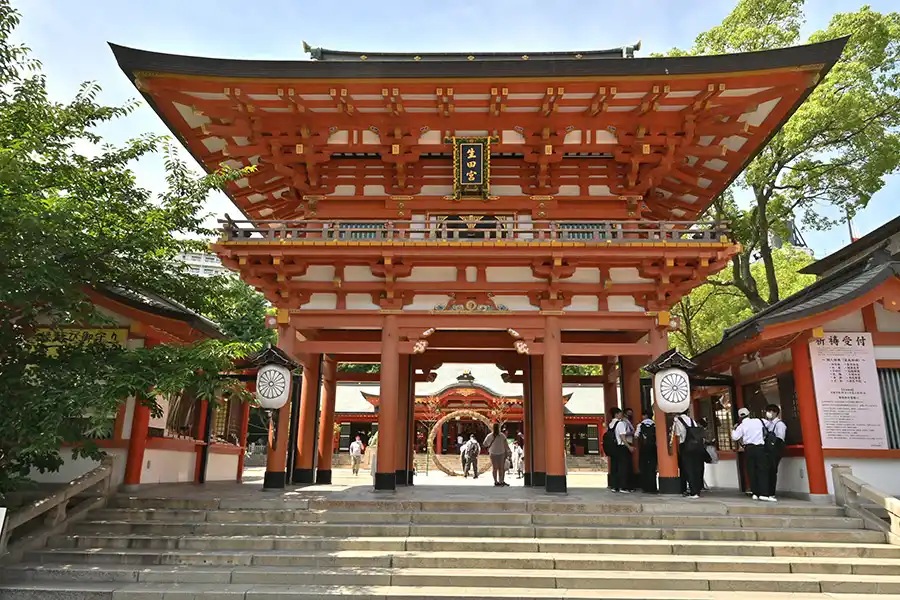
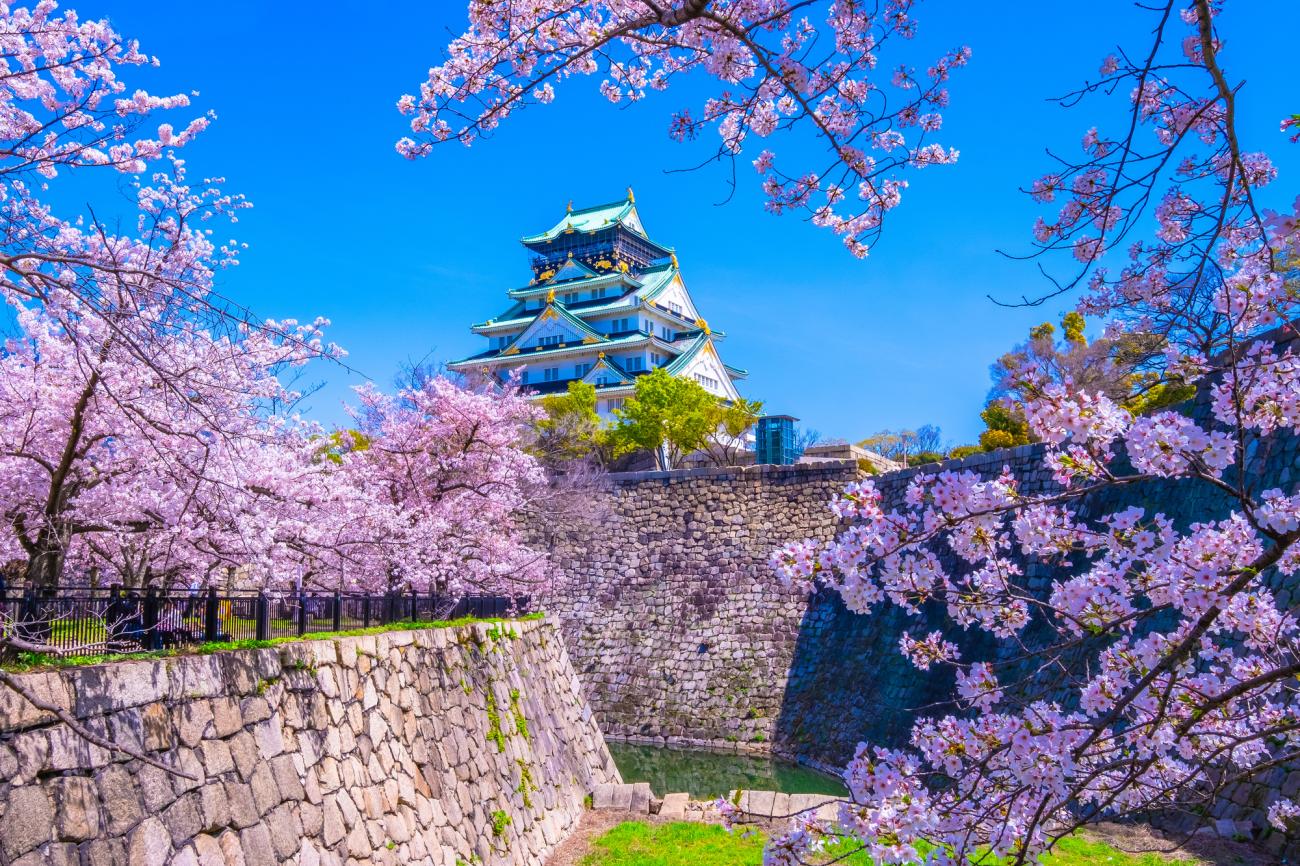
⚡ The TL;DR Verdict
Choose Kobe for a more relaxed, picturesque, and refined experience with stunning harbor views and a touch of Western elegance, budgeting around ¥12,000-¥20,000 ($80-$135) daily. Opt for Osaka if you crave an energetic city, unparalleled street food, and a perfect hub for day trips, with a slightly more budget-friendly daily spend of ¥9,000-¥18,000 ($60-$120).
- Choose Kobe: For travelers seeking a sophisticated escape, scenic beauty, high-quality cuisine (especially beef and sake), and a laid-back, walkable city vibe. It's ideal for couples, foodies, and those who appreciate European architectural influences.
- Choose Osaka: For the ultimate food adventure, vibrant nightlife, endless shopping, and a convenient base for exploring Kansai. Perfect for solo travelers, groups of friends, and families who love bustling city life and a great bang for their buck.
- Choose Both: If you have 5+ days in the Kansai region, dedicating 2 full days to Osaka and a full day or two to Kobe is perfectly feasible. They're just 30 minutes apart by train, making them excellent complements to a broader itinerary that might include Kyoto or Nara.
Quick Comparison
| Category | Kobe | Osaka | Winner |
|---|---|---|---|
| Food Scene | World-famous Kobe beef, sophisticated cafes, international cuisine, renowned sake breweries. | Japan's 'Kitchen', street food paradise (takoyaki, okonomiyaki), Michelin-starred restaurants, vibrant izakayas. | Osaka |
| Nightlife | Sophisticated bars, live music venues, relaxed pubs in Sannomiya, scenic harbor night views. | Electric atmosphere, endless izakayas, karaoke, themed bars, Dotonbori's neon glow, clubbing in Namba/Umeda. | Osaka |
| Culture & History | Kitano-cho foreign residences, Earthquake Memorial Museum, sake breweries, unique Western influences. | Osaka Castle, Shitennoji Temple (Japan's oldest Buddhist temple), Sumiyoshi Taisha Shrine, National Museum of Art. | Osaka |
| Costs & Budget | Generally slightly higher prices for dining and accommodation, especially Kobe beef, but transportation is compact. | More budget-friendly options for food, accommodation, and entertainment, extensive public transport network. | Osaka |
| Getting There & Around | Well-connected by Shinkansen and local trains, compact and walkable city center, scenic ropeway. | Major transportation hub for Kansai, extensive subway system, easy access to other cities via JR. | Tie |
| Accommodation | Boutique hotels, luxury options, some mid-range business hotels, good for harbor views. | Vast selection from budget hostels to luxury hotels, business hotels, capsule hotels, more options for every price point. | Osaka |
| Day Trips | Arima Onsen, Mt. Rokko, Awaji Island, Himeji Castle (slightly closer). | Kyoto, Nara, Himeji Castle, Universal Studios Japan, Koyasan, Uji. | Osaka |
| Shopping | Motomachi shopping street, Sannomiya Center Gai, Harborland malls, unique boutiques. | Massive department stores, trendy boutiques, electronics, anime goods, street fashion in Umeda, Namba, Shinsaibashi. | Osaka |
| Nature & Scenery | Panoramic views from Mt. Rokko, scenic harborfront (Meriken Park), Nunobiki Falls, botanical gardens. | Limited natural scenery within the city, some urban parks (Osaka Castle Park), Umeda Sky Building views. | Kobe |
| Vibe & Atmosphere | Sophisticated, cosmopolitan, relaxed, elegant with European influences, charming port city feel. | Energetic, boisterous, friendly, authentic, bustling with a 'foodie' culture and lively street scenes. | Kobe |
🍜 Food Scene
Osaka truly earns its title as 'Japan's Kitchen' (Kuidaore). From the bustling Dotonbori district, where you can sample iconic takoyaki for around ¥600-¥800 ($4-$5) and savory okonomiyaki for ¥800-¥1,200 ($5-$8), to the fresh seafood at Kuromon Ichiba Market, the culinary diversity is staggering. Shinsekai offers retro charm and kushiage (fried skewers) from ¥100-¥200 ($0.70-$1.30) per stick. While Kobe boasts its legendary Kobe beef, which can set you back ¥8,000-¥20,000+ ($55-$135+) for a steak meal, Osaka offers an endless array of delicious and often more affordable options. Even high-end dining in Osaka feels more accessible. "Honestly, you could spend a week in Osaka just eating, and still not hit all the must-try spots. Kobe beef is amazing, but Osaka's everyday food is just more fun and varied." Osaka's sheer volume, variety, and accessibility of fantastic food options for every budget make it the undeniable winner.
Winner takeaway
- Winner: Osaka
- Why: Osaka offers an unparalleled breadth, depth, and affordability of delicious food experiences, from street snacks to high-end dining.
- Who this matters for: Foodies, budget travelers, and anyone who loves exploring a city through its culinary offerings.
🌃 Nightlife
Osaka's nightlife is legendary for its raw energy and diverse options. Dotonbori is the heart of the action, with its iconic neon signs reflected in the canal, bustling izakayas, and endless entertainment. You can find everything from casual pub crawls to high-energy nightclubs in Namba and Umeda. Expect to pay ¥500-¥800 ($3.50-$5.50) for a beer in a casual bar, or ¥1,500-¥3,000 ($10-$20) for a cover charge at a club. Karaoke is everywhere, with an hour costing around ¥1,000-¥2,000 ($7-$13) per person. Kobe's nightlife, centered around Sannomiya and Motomachi, is more refined and laid-back. You'll find chic cocktail bars, jazz clubs, and cozy pubs, often with fantastic views of the harbor, but it generally closes earlier and is less boisterous. "Osaka just hits different after dark. Dotonbori is insane, and the energy is contagious. Kobe's nice for a quiet drink, but if you want to party, it's Osaka all the way." For sheer variety, energy, and late-night options, Osaka easily takes the crown.
Winner takeaway
- Winner: Osaka
- Why: Osaka offers a more vibrant, diverse, and energetic nightlife scene with options ranging from bustling street entertainment to high-energy clubs.
- Who this matters for: Party-goers, social travelers, and anyone looking for lively evening entertainment.
⛩️ Culture & History
Osaka boasts a richer, deeper historical narrative rooted in ancient Japan. Osaka Castle, a magnificent reconstruction, offers panoramic views and exhibits detailing its history (entrance fee approx. ¥600 / $4). Shitennoji Temple, founded in 593 AD, is Japan's first official Buddhist temple, providing a serene escape into ancient spirituality (free entry to grounds, ¥300 / $2 for central area). Sumiyoshi Taisha Shrine showcases a unique architectural style rarely seen elsewhere. Kobe, while historically significant as one of Japan's first ports opened to the West, offers a different cultural flavor. Kitano-cho's 'Ijinkan' (foreign residences, ¥300-¥500 / $2-$3.50 per house, or combo tickets) provide a glimpse into the city's cosmopolitan past, while the Great Hanshin-Awaji Earthquake Memorial Museum offers a powerful modern history lesson. "Osaka's history is just more monumental – you've got castles and ancient temples. Kobe's history is cool, but it's more about that specific foreign influence." While Kobe's unique blend of Eastern and Western history is charming, Osaka's foundational historical sites and cultural institutions provide a more profound connection to Japan's past.
Winner takeaway
- Winner: Osaka
- Why: Osaka offers a more extensive collection of historically significant sites and cultural institutions reflecting Japan's deep past.
- Who this matters for: History buffs, architecture enthusiasts, and those interested in traditional Japanese culture.
💰 Costs & Budget
When it comes to stretching your yen, Osaka is typically the more budget-friendly choice. Accommodation in Osaka, particularly around Namba or Umeda, offers a wider range of options, from ¥3,000-¥6,000 ($20-$40) for a capsule hotel or hostel bed, to business hotels for ¥8,000-¥15,000 ($55-$100) per night. Food, as mentioned, is abundant and affordable, with fantastic street eats and casual restaurants. Transport within Osaka is comprehensive with the subway starting at ¥180 ($1.20) per ride. Kobe, while not prohibitively expensive, generally trends a bit higher. A basic business hotel might start around ¥9,000-¥18,000 ($60-$120), and if you indulge in a proper Kobe beef meal, your dining budget will quickly escalate. "I found I could eat like a king in Osaka for half what I'd spend on a decent dinner in Kobe. Everything just feels a little pricier in Kobe, especially if you're not careful." For travelers mindful of their spending, Osaka provides more value across the board, making it easier to enjoy yourself without breaking the bank.
Winner takeaway
- Winner: Osaka
- Why: Osaka provides a broader range of budget-friendly options for food, accommodation, and entertainment, making it more accessible for cost-conscious travelers.
- Who this matters for: Budget travelers, long-term travelers, and families looking to maximize their spending power.
🚆 Getting There & Around
Both Kobe and Osaka are exceptionally well-connected within Japan and the Kansai region, making them equally convenient for arrivals and internal travel. Shin-Osaka Station is a major Shinkansen hub, with direct lines to Tokyo (approx. 2.5-3 hours, ¥14,500 / $98) and other major cities. Kansai International Airport (KIX) serves both, with various train options (Haruka Express to Shin-Osaka approx. 50 mins, ¥2,500 / $17; Rapid Express to Sannomiya approx. 80 mins, ¥1,700 / $11.50). Within each city, both have excellent public transport. Osaka's subway network is vast and efficient, connecting all major districts. Kobe's city center around Sannomiya and Motomachi is very walkable, supplemented by local trains (JR, Hankyu, Hanshin) and a city loop bus for tourist spots. Travel between Kobe and Osaka is incredibly easy, with frequent JR Special Rapid trains taking about 20-30 minutes and costing only ¥410 ($2.80). "Honestly, you can't go wrong with either. Getting to both from KIX is simple, and once you're there, public transport is fantastic. I loved how walkable Kobe was, but Osaka's subway is a beast for getting anywhere fast." Due to their excellent connectivity and proximity, this category is a tie.
Winner takeaway
- Winner: Tie
- Why: Both cities offer superb connectivity via Shinkansen, international airports (KIX), and efficient local public transport, making travel to and within them equally convenient.
- Who this matters for: All travelers, as seamless transportation is key to any trip.
🏨 Accommodation
Osaka offers a much wider and more diverse range of accommodation options to suit every budget and travel style. From the ubiquitous capsule hotels (¥3,000-¥5,000 / $20-$35) and lively hostels in areas like Namba and Shinsekai, to countless business hotels (¥8,000-¥15,000 / $55-$100) and high-end luxury establishments (e.g., Conrad Osaka, The Ritz-Carlton Osaka, from ¥30,000+ / $200+), you'll find plenty of choices. Popular districts like Umeda, Namba, and Shinsaibashi are packed with hotels. Kobe's accommodation scene, while quality, is somewhat smaller and leans towards mid-to-high range, with many hotels concentrated around Sannomiya and the harbor area. You can find excellent business hotels (¥9,000-¥18,000 / $60-$120) and some charming boutique options. "Finding a cheap but decent place in Osaka was super easy, especially if you book a bit in advance. Kobe felt like it had fewer budget-friendly options, or they were snapped up faster." For sheer volume, variety, and competitive pricing across all categories, Osaka is the clear winner, especially for budget-conscious travelers or those needing specific amenities.
Winner takeaway
- Winner: Osaka
- Why: Osaka provides a significantly broader and more competitive range of accommodation options across all price points, from hostels to luxury hotels.
- Who this matters for: All travelers, especially budget travelers, groups, and those with specific accommodation needs.
➡️ Day Trips
Osaka serves as an unparalleled hub for exploring the entire Kansai region, offering a fantastic array of day trip opportunities. From Shin-Osaka or Namba, you can reach the ancient wonders of Kyoto (30 mins, ¥570 / $3.80) or Nara (40-50 mins, ¥800 / $5.50) with ease. Universal Studios Japan (USJ) is also a major draw, easily accessible within Osaka (train tickets around ¥200 / $1.30, park entry from ¥8,600 / $58). Himeji Castle, a UNESCO World Heritage site, is also very accessible (1 hour, ¥1,520 / $10.30). Kobe also offers excellent day trips, notably the historic Himeji Castle (30-40 mins from Sannomiya, ¥990 / $6.70) and the traditional hot spring town of Arima Onsen (1 hour via train/bus, ¥1,000 / $6.70). You can also ascend Mt. Rokko for panoramic views. "Osaka is just *the* base for Kansai. You're centrally located for Kyoto, Nara, even Hiroshima if you push it. Kobe's day trips are good, but not as extensive or iconic." While Kobe offers some fantastic options like Arima Onsen, Osaka's central location and extensive train network make it the superior choice for accessing a wider variety of iconic destinations.
Winner takeaway
- Winner: Osaka
- Why: Osaka's central location and extensive train network provide easier and quicker access to a wider array of iconic and diverse day trip destinations across Kansai.
- Who this matters for: Travelers who plan to explore beyond the main city, maximizing their time in the region.
🛍️ Shopping
Osaka is a shopper's paradise, offering an overwhelming variety of retail experiences. Umeda boasts massive department stores like Hankyu and Daimaru, along with the sprawling Grand Front Osaka complex. Shinsaibashi-suji shopping arcade is a covered wonderland stretching for kilometers, packed with fashion, souvenirs, and specialty stores. Den Den Town in Namba is Osaka's equivalent of Akihabara, perfect for electronics, anime, and manga (expect to spend ¥500-¥5,000+ / $3.50-$35+ for manga/figures). "If you want to shop till you drop, Osaka is the place. Shinsaibashi felt never-ending, and the sheer amount of options in Umeda is crazy. Kobe's nice, but it's more curated." Kobe offers a more curated shopping experience in areas like Motomachi (known for fashion and specialty goods) and Sannomiya Center Gai (a lively covered arcade), plus modern malls in Harborland. While Kobe has its charm, Osaka's sheer scale, diversity, and competitive pricing across all categories make it the undisputed champion for shopping enthusiasts.
Winner takeaway
- Winner: Osaka
- Why: Osaka offers a vastly larger and more diverse shopping landscape, catering to every taste and budget, from high fashion to electronics and anime.
- Who this matters for: Fashionistas, electronics enthusiasts, souvenir collectors, and anyone who enjoys retail therapy.
🏞️ Nature & Scenery
Kobe excels in natural beauty, offering stunning panoramic views and lush green spaces right on its doorstep. A definite highlight is Mt. Rokko, easily accessible by ropeway (around ¥1,000-¥1,500 / $7-$10 one-way) or cable car, providing breathtaking vistas of the city, Osaka Bay, and even Awaji Island. The mountain hosts attractions like the Rokko Garden Terrace and the Rokko Alpine Botanical Garden. The city's waterfront, especially Meriken Park and Harborland, offers beautiful bay views, iconic structures like the Kobe Port Tower, and refreshing sea breezes. Nunobiki Falls, just a short hike from Shin-Kobe Station, is another accessible natural gem. Osaka, in contrast, is a dense urban sprawl with limited natural scenery within the city itself. While Osaka Castle Park offers some greenery and the Umeda Sky Building provides impressive cityscapes (entry ¥1,500 / $10), it doesn't compare to Kobe's direct access to mountains and sea. "Kobe's views from Mt. Rokko are absolutely unreal, especially at night. It's such a nice escape from the city bustle, right there. Osaka is just... concrete." For those seeking scenic beauty and easy access to nature, Kobe is the clear winner.
Winner takeaway
- Winner: Kobe
- Why: Kobe offers immediate access to stunning natural landscapes like Mt. Rokko and picturesque harbor views, providing a more scenic and refreshing experience.
- Who this matters for: Nature lovers, photographers, those seeking relaxation, and travelers who appreciate scenic cityscapes.
✨ Vibe & Atmosphere
The atmosphere of Kobe is distinctly more relaxed, sophisticated, and cosmopolitan compared to Osaka's vibrant intensity. Kobe possesses a charming blend of Japanese efficiency and European elegance, particularly evident in areas like Kitano-cho with its Western-style houses and the chic boutiques of Motomachi. The city feels less frenetic, offering a pleasant, walkable experience with scenic harbor views and a generally more upscale, stylish ambiance. Osaka, on the other hand, is known for its boisterous, down-to-earth, and incredibly friendly atmosphere. It's a city that embraces 'kuidaore' (eat till you drop) and 'nori' (good vibes/energy). The street scenes in Dotonbori and Shinsekai are lively and authentic, but also constantly bustling and can be overwhelming for some. "Kobe just felt more chill and refined. I loved walking around, soaking in the harbor vibes and finding cute cafes. Osaka was awesome for the energy, but sometimes I needed a break from it." While Osaka's energy is infectious, Kobe's unique blend of refinement, natural beauty, and a more relaxed pace makes it a winner for those seeking a less intense, more elegant urban experience.
Winner takeaway
- Winner: Kobe
- Why: Kobe offers a more sophisticated, relaxed, and elegant atmosphere with a unique blend of Japanese and European charm, perfect for a tranquil yet engaging experience.
- Who this matters for: Travelers seeking a more relaxed pace, couples, those who appreciate aesthetic beauty and a refined urban environment.
❓ Frequently Asked Questions
How many days should I spend in Kobe vs Osaka?
For Osaka, 3-4 full days allow you to experience its main attractions, food, and a day trip to Nara or Kyoto. For Kobe, 1-2 full days are usually sufficient to explore its highlights like Mt. Rokko, the harbor, and Kitano-cho. If visiting both, allocate 2-3 days for Osaka and 1 day for Kobe.
Can I do Kobe as a day trip from Osaka?
Absolutely! Kobe is an excellent day trip from Osaka. The JR Special Rapid train takes only 20-30 minutes from Osaka Station to Sannomiya (Kobe's city center), costing just ¥410 ($2.80). You can easily explore Kobe's main sights in a packed day.
What's the best time of year to visit either city?
Spring (March-May) offers pleasant weather and cherry blossoms, while Autumn (October-November) has comfortable temperatures and beautiful fall foliage. Summer (July-August) can be hot and humid, and winter (December-February) is cooler but usually sunny, with potential for snow on Mt. Rokko.
Which city is better for solo female travelers?
Both cities are incredibly safe for solo female travelers. Osaka offers more hostels and a more bustling atmosphere, which some solo travelers prefer for meeting people. Kobe is equally safe but has a slightly quieter nightlife, which might appeal to others. Both have excellent public transport and friendly locals.
Which city has better attractions for families with children?
Osaka generally has more kid-friendly attractions. Universal Studios Japan (USJ) is a huge draw, and the Osaka Aquarium Kaiyukan is one of the best in Japan. Kobe offers attractions like the Anpanman Children's Museum & Mall, and the animal kingdom, but Osaka provides a broader range of options for diverse age groups.
Is Kobe beef really worth the price?
If you are a meat enthusiast and appreciate high-quality, melt-in-your-mouth wagyu, then experiencing authentic Kobe beef can absolutely be worth it for a special occasion. Expect to pay a premium (¥8,000-¥20,000+ / $55-$135+ for a meal), but the unique tenderness and marbling are an experience unto themselves. Look for certified restaurants.
How far apart are Kobe and Osaka, and how do I travel between them?
Kobe and Osaka are very close, approximately 30 kilometers (18 miles) apart. The easiest way to travel is by train. The JR Special Rapid Service from Osaka Station to Sannomiya Station (Kobe) takes about 20-30 minutes and costs ¥410 ($2.80). Trains run very frequently throughout the day.
Are there any joint passes or discounts for visiting both cities?
While there isn't a specific 'Kobe-Osaka' joint pass, the Kansai Thru Pass or JR Kansai Area Pass can be very cost-effective if you plan to visit multiple cities in the wider Kansai region (Kyoto, Nara, Himeji) over several days, as they cover train and subway lines connecting both cities and beyond.
Ready to plan your Kansai trip?
Get a free custom itinerary for Kobe, Osaka, or both — built from real traveler insights.
🎟️ Book Tours & Experiences
Hand-picked tours and activities for both destinations — book with free cancellation
Experiences via Viator — free cancellation on most tours