How we built this comparison
This page combines traveler discussion patterns, published price ranges, flight schedules, and seasonal data to help you decide between Kolkata and Delhi.
- Reviewed 50+ Reddit threads from r/travel, r/solotravel, r/IndiaTravel, r/Kolkata, and r/Delhi for authentic traveler sentiment and tips.
- Verified costs for flights, accommodation, food, and attractions against current booking platforms (e.g., MakeMyTrip, Booking.com, Google Flights, Zomato).
- Cross-referenced seasonal patterns and weather data with local advisories and long-term climate statistics for optimal travel timing.
⚡ The TL;DR Verdict
If you're after old-world charm, intellectual depth, and incredible value, Kolkata is your city, perfect for a daily budget of ₹1,500-3,000 (roughly $18-36 USD). For those craving grand history, diverse cuisine, and more polished infrastructure with access to iconic day trips, Delhi awaits, typically requiring ₹2,500-5,000 (roughly $30-60 USD) daily. Both offer unforgettable experiences, but cater to different travel styles and budgets.
- Choose Kolkata: Pick Kolkata if you love authentic street life, colonial history, Bengali culture, fantastic food on a budget, and a slightly slower, more reflective pace. It's less touristy and feels more 'real' to many.
- Choose Delhi: Choose Delhi for its epic historical sites, diverse culinary scene, modern amenities, excellent connectivity for day trips (like the Taj Mahal), and a more bustling, metropolitan vibe. It's a great gateway to Northern India.
- Choose Both: If you have 10-14 days in India, absolutely do both! Spend 4-5 days in each, flying between them (approx. 2-hour flight, ₹3,000-5,000/$36-60 USD). You'll experience two distinct facets of Indian culture and history.
Quick Comparison
| Category | Kolkata | Delhi | Winner |
|---|---|---|---|
| Culture & History | A living museum of colonial-era architecture, intellectual hub, and the birthplace of many Indian reform movements. Rich in Bengali arts and festivals. | Centuries of empires have left an indelible mark, from Mughal forts to British-era government buildings. A vast repository of Indian history and diverse cultures. | Delhi |
| Food Scene | Known for its unique Bengali cuisine, incredible street food (phuchka, kathi rolls), and a vibrant sweet culture (rosogolla). | A culinary melting pot, famous for Mughlai dishes, diverse street food (chaat, parathas), and a wide range of national and international cuisines. | Kolkata |
| Costs & Value | Significantly more budget-friendly across the board, from accommodation and food to local transport and attractions. | Generally more expensive, especially for mid-range and luxury options, though budget travel is still possible with careful planning. | Kolkata |
| Getting Around | Unique public transport includes trams, a busy metro, iconic yellow taxis, and hand-pulled rickshaws (controversial). | Extensive and modern metro system, readily available auto-rickshaws, ride-sharing apps, and local buses. | Delhi |
| Accommodation | Offers excellent value, from budget hostels in Sudder Street to charming boutique hotels and colonial-era stays. | Wide range from backpacker hostels in Paharganj to luxurious five-star properties in Lutyens' Delhi and modern serviced apartments. | Delhi |
| Nightlife | Centered around Park Street, with a mix of old-school pubs, live music venues, and family-friendly restaurants. | Vibrant and diverse, with upscale clubs, microbreweries, and trendy bars scattered across various hubs like Hauz Khas, Connaught Place, and Cyber Hub (Gurgaon). | Delhi |
| Day Trips | Options include the unique Sunderbans National Park, the serene Shantiniketan, or colonial Chandannagar. | Unbeatable access to iconic Indian landmarks like the Taj Mahal (Agra) and the Pink City (Jaipur), plus spiritual sites like Haridwar and Rishikesh. | Delhi |
| Shopping | Known for traditional Bengali sarees, handicrafts, and bustling markets like New Market and Gariahat. | A shopper's paradise with everything from high-end malls and designer boutiques to chaotic street bazaars and specialized markets. | Delhi |
| Safety & Vibe | Generally perceived as slightly safer for women, with a more relaxed pace and an intellectual, artistic atmosphere. | A large, bustling metropolis where standard urban precautions are essential; offers a dynamic, fast-paced, and more 'forward-looking' vibe. | Kolkata |
| Weather & Seasons | Hot and humid summers (April-June), heavy monsoons (July-Sept), pleasant and mild winters (Oct-March). | Extremely hot and dry summers (April-June), moderate monsoons (July-Sept), chilly and foggy winters (Dec-Feb), and pleasant spring/autumn (Oct-Nov, March). | Tie |
🏛️ Culture & History
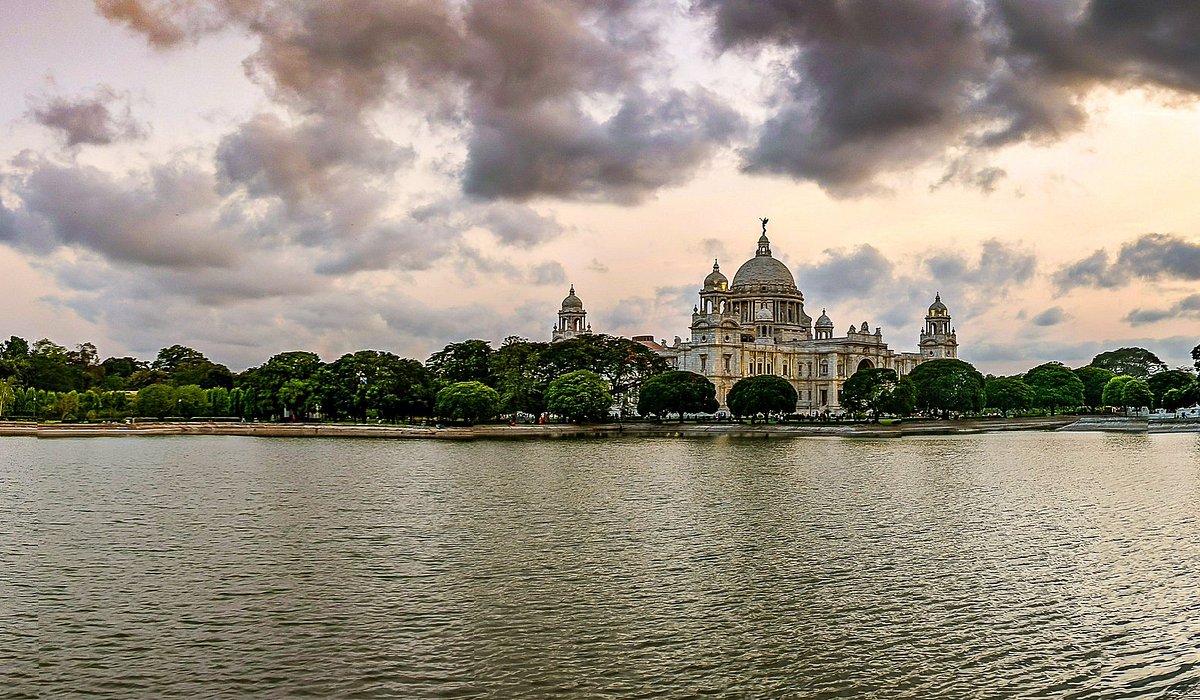
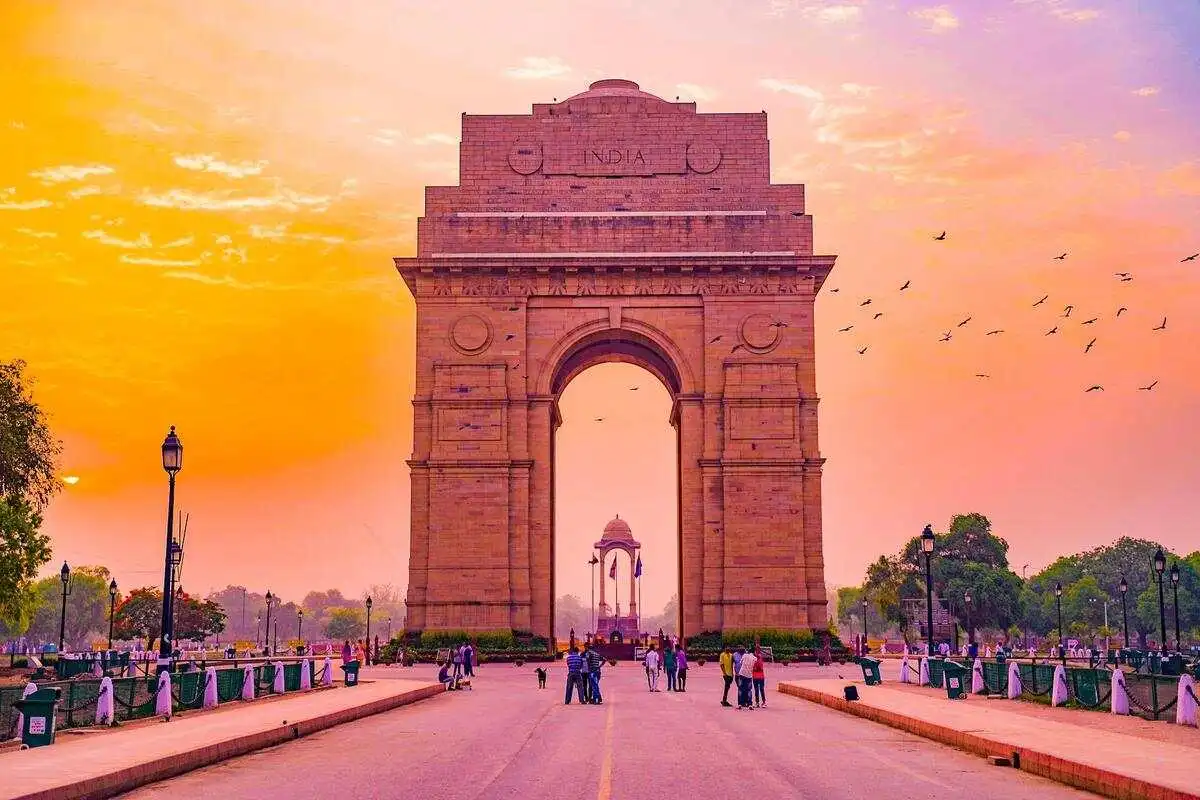
Delhi is an undisputed heavyweight when it comes to historical grandeur. From the towering Qutub Minar (entry ₹600 for foreigners) to the sprawling Red Fort (entry ₹600 for foreigners) and the serene Humayun's Tomb (entry ₹600), the city is dotted with UNESCO World Heritage Sites that tell tales of various empires. The scale and preservation are truly remarkable, offering a comprehensive timeline of Indian civilization. Beyond the big names, explore the chaotic charm of Old Delhi's Chandni Chowk, or the spiritual tranquility of Bangla Sahib Gurudwara. Kolkata, while equally rich, offers a different flavor: a colonial elegance seen in the Victoria Memorial (entry ₹500 for foreigners) and the grand buildings along Dalhousie Square, but its historical sites often feel more integrated into the bustling daily life rather than standing as isolated monuments. Kolkata's strength lies in its intellectual and artistic heritage, evident in its vibrant theatre scene and literary cafes. However, for sheer historical impact and variety of monumental sites, Delhi takes the crown. As one traveler put it, "Delhi's history just hits different, every corner has a story, and the scale of places like the Red Fort is insane."
Winner takeaway
- Winner: Delhi
- Why: Delhi's sheer volume, grandeur, and preservation of monumental historical sites from various eras make it a more comprehensive historical experience.
- Who this matters for: History buffs, architecture enthusiasts, and those looking for iconic, well-preserved monuments.
🍲 Food Scene
Kolkata's food scene is a distinct, soulful experience that often leaves travelers craving more. Its street food is legendary; you can't leave without trying a 'phuchka' (pani puri) from Vivekananda Park for ₹20-30 ($0.25-0.35), a 'kathi roll' from Kusum Rolls or Nizam's for ₹80-150 ($1-1.80), or 'telebhaja' (fried snacks) from a local vendor. Bengali sweets like 'rosogolla' and 'mishti doi' from Balaram Mullick & Radharaman Mullick are world-famous and surprisingly affordable. For a sit-down meal, try local Bengali thalis at places like Bhojohori Manna (average ₹400-600/$5-7 per person). Delhi, on the other hand, offers a magnificent breadth, from the Mughlai delicacies of Karim's in Old Delhi (try their mutton korma for ₹500/$6) to the diverse chaat options around Bengali Market. Paranthe Wali Gali in Chandni Chowk is famous for its stuffed parathas (₹150-250/$1.80-3). While Delhi offers more variety, Kolkata wins for its unique, deeply ingrained culinary identity and the sheer joy of its accessible, authentic street food culture. "Kolkata's street food, especially the phuchka and kathi rolls, is an absolute game-changer. Delhi has good food, but Kolkata's just has more soul," a Redditor noted.
Winner takeaway
- Winner: Kolkata
- Why: Kolkata wins for its unique, deeply ingrained Bengali culinary identity and its unbeatable, incredibly affordable street food culture that offers a truly authentic local experience.
- Who this matters for: Foodies, budget travelers, and anyone looking for distinct, authentic regional flavors and street food experiences.
💰 Costs & Value
When it comes to stretching your rupees, Kolkata is a clear winner. A decent hostel bed can be found for ₹400-700 ($5-8 USD) in areas like Sudder Street, and even mid-range hotels like The Peerless Inn or The Lalit Great Eastern can be surprisingly affordable, often ₹3,000-5,000 ($36-60 USD) for good value. Street food is incredibly cheap, with a full meal easily under ₹100 ($1.20). Local transport like trams (₹5-10/$0.06-0.12), buses, and even yellow taxis are very pocket-friendly. Delhi, conversely, will generally demand a higher budget. Hostels in Paharganj start around ₹500-900 ($6-11), but mid-range hotels often start upwards of ₹4,000-7,000 ($48-85 USD). While Delhi's metro is efficient, its fares (₹10-60/$0.12-0.70) are slightly higher, and auto-rickshaws can be pricier if you don't haggle. Attraction entry fees are similar in both cities for foreigners (around ₹600/$7.20 per site), but the overall daily spend on food, transport, and accommodation in Kolkata allows for a much more comfortable experience on a lower budget. "Kolkata is such a steal. I spent almost half of what I did in Delhi for similar experiences, especially on food and Ubers," remarked a backpacker.
Winner takeaway
- Winner: Kolkata
- Why: Kolkata offers exceptional value across all categories, making it significantly more budget-friendly without compromising on experience.
- Who this matters for: Budget travelers, backpackers, and those seeking to maximize their experience on a limited daily spend.
🚇 Getting Around
Delhi's public transportation network, particularly its metro, is incredibly efficient, modern, and expansive, making it exceptionally easy for tourists to navigate the city. With multiple lines covering most major attractions and well-maintained stations, a metro ride is often the quickest and most comfortable way to get around, costing between ₹10-60 ($0.12-0.70) depending on distance. Auto-rickshaws are abundant, and ride-sharing apps like Uber and Ola are reliable and affordable. Kolkata also has a metro, India's first, which is a lifesaver for north-south travel, though it's not as extensive as Delhi's. What makes Kolkata unique are its iconic yellow Ambassador taxis (easily hailed, fair prices if metered) and the charming, albeit slow, tram system (₹5-10/$0.06-0.12), which offers a nostalgic way to see certain areas. Hand-pulled rickshaws are still present but are a point of ethical debate for many travelers. While Kolkata offers character, Delhi's overall connectivity, speed, and modern infrastructure for getting around win out for sheer convenience and efficiency. As one traveler shared, "Delhi's metro is a blessing. It's clean, fast, and covers almost everything you want to see, which is crucial in a city that big."
Winner takeaway
- Winner: Delhi
- Why: Delhi's modern, extensive, and highly efficient metro system, combined with ubiquitous ride-sharing, offers superior convenience and speed for tourists.
- Who this matters for: Travelers who prioritize efficient and easy navigation, especially in a large metropolitan area.
🏨 Accommodation
Delhi boasts a more diverse and polished range of accommodation options that cater to every budget and style, often with better infrastructure and service quality, especially in the mid-to-high range. You can find excellent backpacker hostels like Zostel Delhi or Moustache Delhi in Paharganj or other central areas for ₹500-900 ($6-11) a night. Mid-range options like The Park Delhi or Bloomrooms offer modern amenities for ₹4,000-7,000 ($48-85 USD), while luxury hotels such as The Imperial or The Leela Palace Delhi are world-class. Kolkata also has its gems, with budget options in Sudder Street (₹400-700/$5-8) and historical hotels like The Oberoi Grand or The Peerless Inn, which provide a colonial charm, typically from ₹3,000-6,000 ($36-72 USD). However, outside of a few standout properties, the general standard of mid-range hotels in Delhi often feels a notch higher, with more modern amenities, better maintenance, and a wider array of choices in well-connected neighborhoods. "Finding a great, clean hotel in Delhi that wasn't absurdly expensive was easier than I expected, and the service was top-notch," a traveler mentioned.
Winner takeaway
- Winner: Delhi
- Why: Delhi offers a wider variety of accommodation types, particularly in the mid-to-high range, with generally more modern facilities and higher service standards.
- Who this matters for: Travelers seeking modern amenities, diverse options across all budget ranges, and those prioritizing comfort and luxury.
🍸 Nightlife
Delhi truly shines when it comes to nightlife, offering a more extensive and varied scene that caters to different tastes, from high-energy clubs to chill microbreweries. Popular hubs like Connaught Place boast a plethora of bars and lounges such as Lord of the Drinks or My Bar Headquarters where a pint can cost ₹250-400 ($3-5). Hauz Khas Village offers a bohemian vibe with numerous pubs and cafes, while areas like Cyber Hub in Gurgaon (easily accessible from Delhi) are packed with upscale breweries and restaurants. Entry fees for clubs can range from ₹1,000-2,500 ($12-30 USD) on weekends, often including cover charges or drink coupons. Kolkata's nightlife is charming but more concentrated, primarily around Park Street. Here you'll find iconic establishments like Olypub (a pint for ₹150-200/$1.80-2.40) and Someplace Else at The Park hotel, known for its live music. While Kolkata has its loyal patrons and offers a more relaxed, old-world pub culture, Delhi's scene is undoubtedly more dynamic, modern, and offers greater choice, especially for those seeking trendy clubs or a wide array of craft beers. "Delhi's nightlife is just on another level compared to Kolkata. So many options, from chill bars to proper clubs," a Redditor summarized.
Winner takeaway
- Winner: Delhi
- Why: Delhi offers a more diverse, extensive, and modern nightlife scene with a wider range of upscale clubs, trendy bars, and microbreweries.
- Who this matters for: Party-goers, those seeking vibrant evening entertainment, and travelers looking for modern bars and clubs.
🗺️ Day Trips
Delhi is an unparalleled base for some of India's most iconic day and weekend trips, making it a clear winner in this category. The crown jewel is, of course, Agra, home to the magnificent Taj Mahal (about 3-4 hours by train/car). A round-trip AC chair car train ticket on the Gatimaan Express costs around ₹1,500-2,000 ($18-24 USD), and a private car can be hired for ₹4,000-6,000 ($48-72 USD). You can easily combine this with Agra Fort. Another popular option is Jaipur, the 'Pink City', accessible by train (4-5 hours) or bus, offering a taste of Rajasthan's royal heritage. For nature and spirituality, Rishikesh and Haridwar are also within reach. Kolkata's day trip options are unique but don't quite carry the same global iconic status. The Sunderbans National Park (a UNESCO site, but requires overnight stay for a full experience) offers tiger spotting and mangrove forests, costing around ₹3,000-5,000 ($36-60 USD) for a 2-day trip. Shantiniketan, Tagore's university town, is a tranquil cultural escape. While these are interesting, Delhi's proximity to the Taj Mahal and Jaipur is a major draw for international tourists. "Being able to do a day trip to the Taj Mahal from Delhi was huge for me; it's just so convenient," a traveler mentioned.
Winner takeaway
- Winner: Delhi
- Why: Delhi's strategic location provides easy and convenient access to globally renowned landmarks like the Taj Mahal and Jaipur, offering iconic experiences.
- Who this matters for: First-time visitors to India, those with limited time who want to see the 'must-sees', and history/architecture enthusiasts.
🛍️ Shopping
Delhi offers an incredibly diverse and comprehensive shopping experience that caters to every taste and budget, making it the clear winner. For traditional goods and chaotic market vibes, Chandni Chowk in Old Delhi is unparalleled, offering textiles, jewelry, and street food. Sarojini Nagar and Lajpat Nagar markets are famous for trendy, affordable clothes (you can find dresses for ₹200-500/$2.40-6). For handicrafts and artisanal goods, Dilli Haat is a fantastic open-air market showcasing crafts from across India. The city also boasts numerous modern malls like Select CITYWALK and Ambience Mall, featuring international brands. Kolkata, while charming, has a more niche shopping scene. New Market is an iconic colonial-era bazaar where you can find everything from clothes to electronics, but it requires diligent haggling. Gariahat Market is famous for traditional Bengali sarees (e.g., Tant, Baluchari) and jewelry, with prices varying widely from ₹1,000 ($12) for basic cotton to tens of thousands for silk. While Kolkata offers authentic regional specialties, Delhi's sheer scale, variety, and the presence of both high-end and budget-friendly options for almost anything you could want to buy makes it superior. "Delhi is a shopper's dream, you can literally find anything from designer wear to amazing street bargains if you know where to look," one traveler remarked.
Winner takeaway
- Winner: Delhi
- Why: Delhi offers an unmatched diversity of shopping experiences, from traditional bazaars and street markets to high-end malls, catering to all budgets and preferences.
- Who this matters for: Shopaholics, fashion enthusiasts, and those looking for a wide variety of goods, both traditional and modern.
🛡️ Safety & Vibe
While both cities require travelers to exercise caution, especially at night and for solo female travelers, Kolkata often has a reputation for being slightly safer and having a more approachable, 'friendlier' vibe. The city's pace is a bit slower, and people are generally perceived as less aggressive, especially compared to the hustle of Delhi. Walking through areas like Park Street or along the Hooghly River in the evening often feels relatively comfortable. Kolkata embodies an intellectual, artistic spirit, fostering a sense of community and warmth. Delhi, being a much larger and more intensely competitive metropolis, often feels more impersonal and can be perceived as more challenging, particularly for solo female travelers. While major tourist areas are generally safe during the day, navigating crowded markets like Chandni Chowk or returning to accommodations late at night requires heightened awareness. Scams are prevalent in both, but Kolkata's smaller scale and emphasis on community can make interactions feel more genuine. "I felt a lot safer walking around Kolkata at night compared to Delhi. People just seem a bit more laid-back and less pushy," a solo female traveler shared. This perceived sense of relative safety and the inherent warmth of Bengali culture gives Kolkata a slight edge in terms of overall 'vibe' and comfort for many visitors.
Winner takeaway
- Winner: Kolkata
- Why: Kolkata often has a reputation for being slightly safer, especially for solo female travelers, and offers a more relaxed, community-oriented, and intellectually vibrant atmosphere.
- Who this matters for: Solo female travelers, those seeking a more relaxed and less overwhelming urban experience, and travelers prioritizing a 'friendly' local vibe.
☀️ Weather & Seasons
Both Kolkata and Delhi experience extreme weather, making the 'best time to visit' largely dependent on personal preference for tolerating heat or cold. Kolkata has a tropical climate, meaning hot and incredibly humid summers (April-June, often exceeding 40°C/104°F with high humidity) that can be exhausting. The monsoon season (July-September) brings heavy rainfall and continued humidity. The winter months (October-March) are by far the most pleasant, with mild temperatures (15-25°C/59-77°F) and lower humidity, perfect for sightseeing. Delhi, on the other hand, has a subtropical climate characterized by scorching dry heat in summer (often 40-45°C/104-113°F) and a monsoon that, while not as heavy as Kolkata's, still brings humidity. Delhi's winters (December-February) are surprisingly chilly, with temperatures dropping to 5-10°C (41-50°F) and often accompanied by dense fog and pollution, which can impact visibility and health. The shoulder seasons of October-November and March are delightful, with mild, dry weather. Ultimately, both cities are best visited in their respective winter periods, making it a tie as neither offers a universally 'better' climate throughout the year; it's about picking your poison. "Seriously, avoid Delhi in May unless you love feeling like you're in an oven. Winter is the only way to go, even if it gets foggy," a traveler commented.
Winner takeaway
- Winner: Tie
- Why: Both cities have distinct yet challenging weather patterns outside their pleasant winter months, making the 'best' season highly subjective and leading to a tie.
- Who this matters for: Travelers sensitive to extreme heat, humidity, or cold, as careful seasonal planning is crucial for both destinations.
❓ Frequently Asked Questions
Which city is better for a solo female traveler?
Kolkata is generally perceived as slightly safer and more laid-back for solo female travelers. While standard precautions apply to both, Kolkata's smaller scale and less aggressive environment often lead to a more comfortable experience. Delhi, being a larger metropolis, requires heightened awareness, especially at night or in very crowded areas.
Is Delhi or Kolkata more authentic?
Both offer authentic experiences, but in different ways. Kolkata often feels more 'authentic' in its preservation of old-world charm, intellectual spirit, and distinct Bengali culture, with fewer overt tourist traps. Delhi's authenticity lies in its raw historical layers and the vibrant chaos of Old Delhi, showcasing a broader, more diverse Indian experience.
Which city has better connectivity to other parts of India?
Delhi has superior connectivity. As the capital, it's a major transportation hub with a massive international airport (DEL) and extensive rail and road networks connecting to major tourist destinations across North India (Rajasthan, Uttar Pradesh) and beyond. Kolkata (CCU) is well-connected to Eastern and Northeastern India but less so to the rest of the country.
What's the best time to visit Kolkata vs Delhi?
For both cities, the winter months (October to March) are ideal. Kolkata experiences pleasant, mild weather with low humidity. Delhi has cool, dry days during this period, though December-January can be quite chilly and foggy. Avoid both during the scorching summers (April-June) and humid monsoons (July-September).
Which city is better for art and culture lovers?
Kolkata is often called India's 'Cultural Capital.' It's a haven for art, literature, theatre, and music, with numerous galleries, colonial-era architecture, and a vibrant intellectual scene. Delhi has its own rich cultural institutions, including national museums and performing arts centers, but Kolkata's artistic pulse feels more inherent to its daily life.
Can I visit both Kolkata and Delhi in a single trip?
Absolutely! If you have 10-14 days, you can comfortably visit both. Fly between the cities (approx. 2-hour flight, ₹3,000-5,000/$36-60 USD). This allows you to experience two very distinct facets of Indian history, culture, and cuisine, offering a comprehensive and enriching travel experience.
Which city has better shopping for unique souvenirs?
For unique, region-specific souvenirs, Kolkata shines with its traditional Bengali sarees, terracotta crafts, and sweet shop delicacies. Delhi offers a broader range of handicrafts from across India at places like Dilli Haat, alongside high-end fashion and bustling street markets, providing more overall choice but perhaps less 'local' specificity.
How do the pollution levels compare?
Both cities struggle with air pollution, particularly in winter months due to agricultural stubble burning and vehicle emissions. Delhi often sees more extreme and consistent 'severe' air quality days, especially from October to February, significantly impacting visibility and health. Kolkata also has high pollution, but Delhi's is often considered more critical.
Ready to plan your India trip?
Get a free custom itinerary for Kolkata, Delhi, or both — built from real traveler insights.
🎟️ Book Tours & Experiences
Hand-picked tours and activities for both destinations — book with free cancellation
Experiences via Viator — free cancellation on most tours