How we built this comparison
This page combines traveler discussion patterns, published price ranges, flight schedules, and seasonal data to help you decide between Komodo and Galapagos.
- Reviewed 50+ Reddit threads from r/travel, r/solotravel, r/Indonesia, r/Ecuador, and r/backpacking.
- Verified costs and logistics against current booking platforms (e.g., Skyscanner, Booking.com, local tour operators).
- Cross-referenced seasonal patterns and weather data from NOAA and local tourism boards.
⚡ The TL;DR Verdict
For raw, untamed nature on a tighter budget with a focus on diving and stunning landscapes, Komodo wins hands down, perfect for backpackers and adventure seekers with daily budgets around $50-150. If once-in-a-lifetime endemic wildlife encounters, stricter conservation, and a more structured, comfortable (and expensive) cruise experience are your priority, the Galapagos, with daily budgets easily reaching $300-800+, is the unparalleled choice for discerning wildlife enthusiasts.
- Choose Komodo: You're an adventurous, budget-conscious traveler eager for diving, stunning island views, and the thrill of Komodo dragons, okay with less infrastructure.
- Choose Galapagos: You prioritize unique, fearless wildlife encounters in a pristine environment and are willing to invest significantly for a guided, immersive experience, likely via a cruise.
- Choose Both: If you have ample time (4-6 weeks) and budget, combine them for a comprehensive natural history journey, focusing on Komodo for diving and dragons, and Galapagos for iconic endemic species.
Quick Comparison
| Category | Komodo | Galapagos | Winner |
|---|---|---|---|
| Costs & Budget | Significantly more affordable for accommodation, food, and tours, making it ideal for backpackers and budget travelers. | One of the most expensive travel destinations globally, driven by high park fees, flights, and mandatory guided tours/cruises. | Komodo |
| Nature & Wildlife | Home to the iconic Komodo dragon, vibrant coral reefs, manta rays, and stunning volcanic island landscapes. | Unmatched for its unique endemic species, fearless wildlife, and a living laboratory of evolution, offering up-close encounters. | Galapagos |
| Getting There | Requires international flight to Bali (DPS) then a domestic flight to Labuan Bajo (LBJ), usually an all-day journey. | Involves international flight to Quito (UIO) or Guayaquil (GYE), then a domestic flight to Baltra (GPS) or San Cristobal (SCY). | Tie |
| Getting Around | Primarily multi-day boat tours for island hopping; motorbikes and taxis in Labuan Bajo. | Mostly structured cruise itineraries, or inter-island ferries/flights for land-based hopping, with local taxis on main islands. | Galapagos |
| Accommodation | Wide range from budget hostels to luxury resorts in Labuan Bajo; liveaboards for multi-day tours. | Dominantly cruise-based; land options range from mid-range hotels to upscale eco-lodges, all pricier. | Komodo |
| Food & Dining | Delicious, affordable Indonesian food with fresh seafood; local warungs and basic restaurants. | Ecuadorian cuisine with a focus on fresh seafood; more international options in main towns but pricier. | Komodo |
| Safety | Generally safe, but petty crime exists; awareness of boat safety and Komodo dragon encounters is crucial. | Very safe due to strict conservation and tourism regulations; low crime rates, focus on ocean and wildlife safety. | Galapagos |
| Weather & Seasons | Best during the dry season (May-October) for optimal diving and clear skies; wet season (Nov-Apr) can mean rough seas. | Good year-round, but with two distinct seasons affecting wildlife and marine life viewing, as well as water temperature. | Tie |
| Day Trips & Excursions | Multi-day boat tours are common, covering Komodo/Rinca, Padar Island, Pink Beach, and multiple dive sites. | Structured excursions from main islands to smaller, uninhabited ones, focusing on specific wildlife habitats. | Galapagos |
| Solo Travel | Very easy to meet people in hostels and on group boat tours; generally welcoming and budget-friendly. | Feasible but often pricier due to cruise single supplements; easier to meet people on organized tours or cruises. | Komodo |
💰 Costs & Budget
Komodo National Park is a dream for budget travelers, offering incredible value. A bed in a reputable hostel like La Boheme in Labuan Bajo can be as low as IDR 100,000-200,000 (US$7-14) per night. Meals at local warungs are often IDR 20,000-50,000 (US$1.50-3.50), and a multi-day boat trip to see dragons, dive, and visit islands averages IDR 2,000,000-4,000,000 (US$140-280). Conversely, the Galapagos is notoriously pricey. The national park entrance fee alone is US$100, plus a US$20 transit control card. Internal flights from Quito (UIO) or Guayaquil (GYE) to Baltra (GPS) or San Cristobal (SCY) can range from US$400-600 return. A budget 5-day cruise starts around US$1,500-2,500, easily going up to US$5,000+ for luxury options. Even land-based travel with day trips will set you back US$300-500+ per day. "Seriously, I thought Komodo was cheap, but Galapagos makes Bali look like a bargain. My 8-day cruise was more than my entire month in SEA," shared one Redditor.
Winner takeaway
- Winner: Komodo
- Why: Komodo offers world-class experiences at a fraction of the cost, making it accessible to a much wider range of travelers.
- Who this matters for: Budget travelers, backpackers, and those who want to extend their trip without breaking the bank.
🦎 Nature & Wildlife
While Komodo National Park boasts the formidable Komodo dragon and incredible underwater biodiversity (think Manta Point for huge manta ray congregations and Batu Bolong for diverse corals), the Galapagos Islands are in a league of their own for sheer uniqueness and accessibility of wildlife. You'll literally step over marine iguanas, share beaches with sea lions, and spot blue-footed boobies nesting just feet away. Endemic species like the Galapagos giant tortoise, Darwin's finches, and flightless cormorants are everywhere, displaying no fear of humans due to isolation. The land and marine ecosystems are both incredibly rich and pristine, with strict conservation rules ensuring minimal human impact. "Seeing a marine iguana sneeze salt was wild, but then a sea lion pup tried to untie my shoelace. That's the Galapagos for you – totally unafraid animals," a traveler posted.
Winner takeaway
- Winner: Galapagos
- Why: The Galapagos offers unparalleled, intimate encounters with an astonishing array of fearless, endemic wildlife found nowhere else on Earth.
- Who this matters for: Wildlife photographers, nature enthusiasts, evolutionary biology buffs, and anyone seeking truly unique animal interactions.
✈️ Getting There
Both destinations require significant travel effort. For Komodo, you'll typically fly into Denpasar (DPS), Bali from an international hub, then take a connecting domestic flight (about 1.5 hours) with airlines like Garuda Indonesia or Lion Air to Labuan Bajo (LBJ) on Flores. Flights from Jakarta (CGK) are also an option. It's often an all-day affair from most international starting points. For the Galapagos, the journey starts with an international flight to Ecuador's mainland, either Quito (UIO) or Guayaquil (GYE). From there, you'll catch a domestic flight (about 2-3 hours) to Baltra (GPS) or San Cristobal (SCY). You must arrive at the airport early to process your INGALA transit control card and pay the US$20 fee before check-in. Both are multi-leg journeys, often involving overnight layovers depending on your origin. "My flight to Labuan Bajo felt like it took forever after the Bali leg, but it was nothing compared to the 24 hours total it took me to get to Baltra," one traveler recounted.
Winner takeaway
- Winner: Tie
- Why: Both destinations demand a similar level of commitment in terms of flight legs and overall travel time from major international hubs.
- Who this matters for: Travelers coming from distant international locations, as the overall travel time will be significant for both.
⛵ Getting Around
In Komodo, getting around means taking boat tours. Labuan Bajo serves as the main gateway, and from there, you'll book multi-day liveaboard trips (e.g., a 3D/2N to Padar, Pink Beach, Manta Point, and Rinca or Komodo Island) that include transport, food, and often accommodation on the boat. Land transport in Labuan Bajo is via motorbike rentals (IDR 70,000-100,000/day) or local taxis. The Galapagos, however, offers a more seamless and regulated experience, especially with cruises which handle all transport between islands, excursions, and guiding. For land-based travel, inter-island ferries (US$30-40 per leg) connect Santa Cruz, Isabela, and San Cristobal, or you can opt for pricier inter-island flights (US$150-200). Local taxis (often pickups) are readily available on the larger islands. The organized nature of Galapagos transport generally means less hassle, though at a higher cost. "I loved the Komodo boat trips, but having everything handled on the Galapagos cruise was a huge relief, no haggling for taxis or figuring out ferry times," noted a traveler.
Winner takeaway
- Winner: Galapagos
- Why: The structured cruise options and efficient inter-island transport in the Galapagos offer a more polished and less logistical travel experience.
- Who this matters for: Travelers who prefer structured itineraries, minimal planning, and a higher level of comfort and convenience.
🏨 Accommodation
Komodo offers diverse accommodation. In Labuan Bajo, you can find vibrant hostels like La Boheme or Ciao Hostel for around IDR 100,000-200,000 (US$7-14). Mid-range hotels like Puri Sari Beach Hotel are IDR 500,000-800,000 (US$35-55), and luxury options like AYANA Komodo Resort start at IDR 2,500,000+ (US$170+). For the true Komodo experience, many opt for liveaboard boats, which double as accommodation for multi-day trips. The Galapagos largely revolves around cruises, ranging from budget-friendly tourist class to ultra-luxury expedition vessels, with prices varying wildly. On the main islands (Santa Cruz, San Cristobal, Isabela), hotels like Hotel Solymar on Santa Cruz can be US$150-300+, while budget hostels might be US$50-100. The options are more limited and pricier than Komodo, reflecting the destination's overall cost. "Finding a decent hostel in Labuan Bajo for under 10 bucks was a lifesaver. In Galapagos, my 'budget' hotel was still like $80 a night," mentioned one Redditor.
Winner takeaway
- Winner: Komodo
- Why: Komodo offers significantly more budget-friendly and diverse accommodation options, including unique liveaboard experiences.
- Who this matters for: Budget travelers, backpackers, and those seeking good value across various comfort levels.
🍽️ Food & Dining
Komodo's culinary scene, centered in Labuan Bajo, is a delight for the taste buds and wallet. Expect fresh grilled seafood, Nasi Goreng (fried rice), Mie Goreng (fried noodles), and Sate (skewers) at incredibly low prices. Local warungs offer meals for IDR 15,000-50,000 (US$1-3.50). Night markets, like the one in Labuan Bajo, are fantastic for cheap, fresh seafood. Restaurants like MadeInItaly offer good Western options too. In the Galapagos, food quality is generally high, especially fresh ceviche, encebollado (fish stew), and other seafood dishes. However, prices are significantly higher. A typical meal in Puerto Ayora (Santa Cruz) can range from US$15-30 at a mid-range restaurant, or US$5-10 at a very local spot. On cruises, food is usually included and of good quality, but you're paying for the whole package. "I lived on fresh grilled fish and Nasi Goreng for like 5 bucks a day in Labuan Bajo. In Puerto Ayora, even a simple lunch was $15. My wallet definitely felt the difference," a traveler shared.
Winner takeaway
- Winner: Komodo
- Why: Komodo offers an abundance of delicious, authentic, and incredibly affordable local cuisine, especially fresh seafood.
- Who this matters for: Foodies on a budget, travelers who enjoy local street food, and seafood lovers.
🚨 Safety
Komodo National Park is generally safe for tourists, but like any popular destination, petty theft can occur in Labuan Bajo. The primary safety concerns revolve around boat travel (ensure your operator is reputable and the boat seaworthy) and, of course, the Komodo dragons. Always adhere to ranger instructions on Komodo and Rinca islands, as dragon bites can be fatal. In contrast, the Galapagos Islands are exceptionally safe, largely due to strict environmental regulations, controlled tourism, and a low population density. Crime rates are very low. Safety concerns here are more about ocean conditions during snorkeling/diving (currents) and respecting wildlife space, rather than personal security. Medical facilities are basic on both destinations, so travel insurance is essential for both. "I felt super safe walking around Puerto Ayora at night, way more than I expected. The biggest danger was probably tripping over a sea lion on the dock," a traveler commented.
Winner takeaway
- Winner: Galapagos
- Why: The Galapagos Islands boast an exceptionally low crime rate and a highly regulated, secure environment focused on visitor and wildlife safety.
- Who this matters for: Solo travelers, families, and anyone prioritizing a very secure and low-stress travel environment.
☀️ Weather & Seasons
Komodo has a distinct dry season from May to October, which is considered the best time to visit for sunny skies, calm seas, and excellent visibility for diving and snorkeling. Temperatures hover around 25-30°C (77-86°F). The wet season (November to April) brings rain and can lead to rougher seas, potentially impacting boat trips. The Galapagos, however, offers a 'good' experience year-round, but with two main seasons: the warm/wet season (December to May) with greener landscapes, warmer air/water, and better visibility for snorkeling, and the cool/dry season (June to November), also known as 'Garúa' season, with cloudier skies, cooler air/water (requiring wetsuits), but higher marine activity due to nutrient-rich upwellings. Both seasons offer unique wildlife viewing opportunities. "I went to Komodo in July and the weather was perfect, but my friend went in January and had some boat trips cancelled. Galapagos is more consistently 'good' but you still need to pick your season based on what you want to see most," a traveler advised.
Winner takeaway
- Winner: Tie
- Why: Both destinations have optimal windows based on weather and wildlife, making it dependent on individual preferences rather than a clear 'better' time.
- Who this matters for: Travelers with specific interests (e.g., diving, particular wildlife sightings) and those sensitive to climate or sea conditions.
🗺️ Day Trips & Excursions
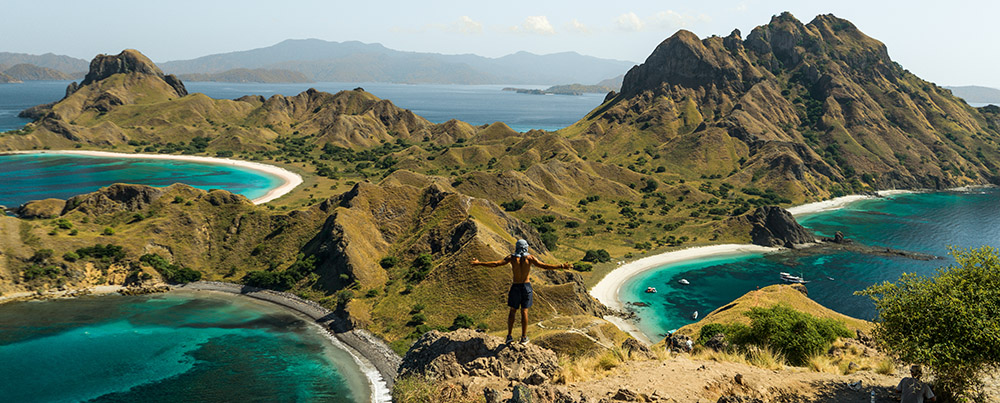
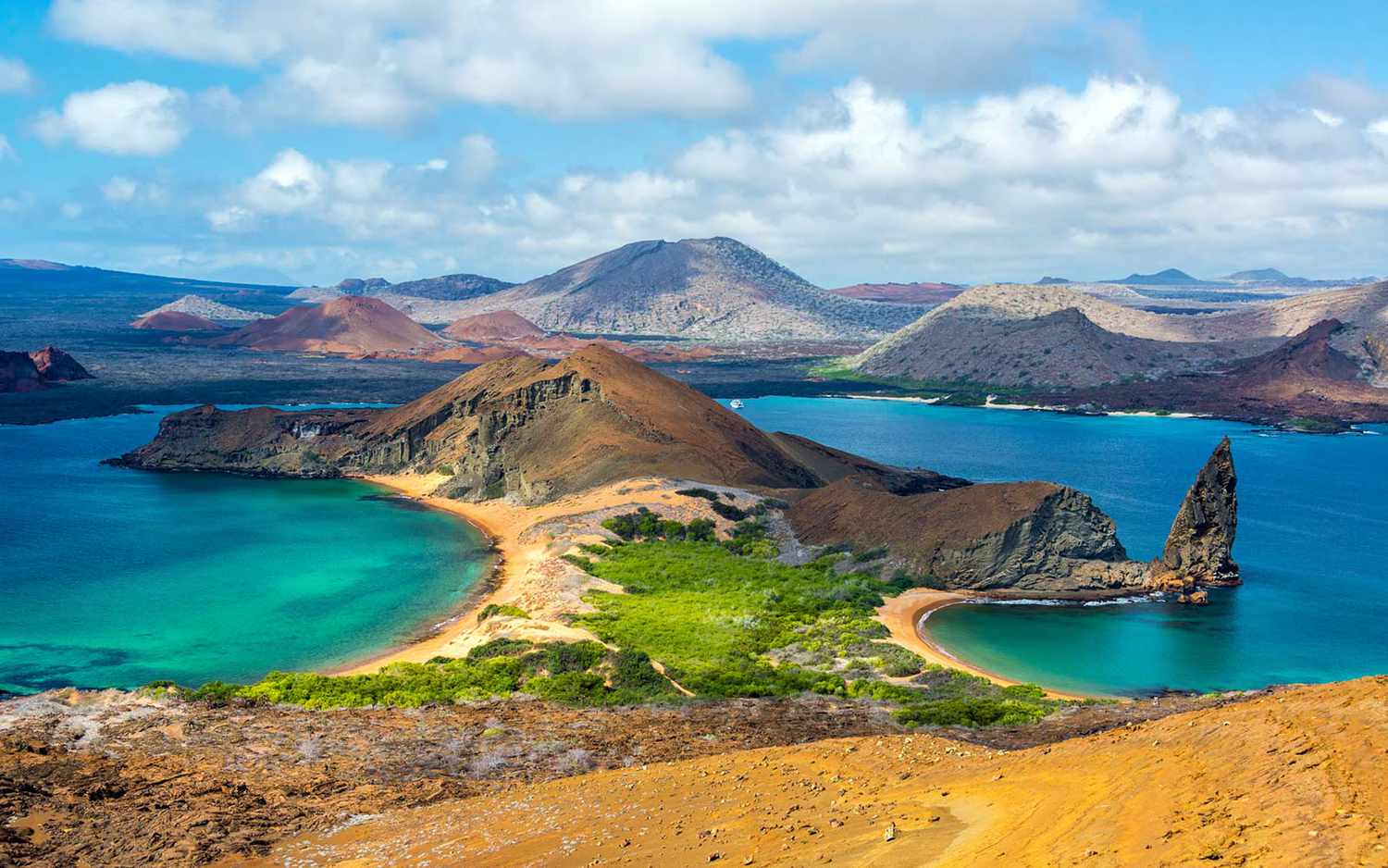
Komodo's primary excursions are multi-day boat trips from Labuan Bajo, often 2-4 days. These typically include visits to Komodo Island or Rinca to see dragons (entrance fee approx. IDR 250,000-350,000 for foreigners), hiking Padar Island for iconic views, relaxing on Pink Beach, and snorkeling/diving at Manta Point or Taka Makassar. You can also do single-day tours, but multi-day offers better value. In the Galapagos, day trips are highly regulated and diverse. From Puerto Ayora (Santa Cruz), you can visit Santa Fe, North Seymour, or Bartolome Island (each with specific wildlife like blue-footed boobies, frigatebirds, penguins). These full-day tours typically cost US$150-300+ and include a guide, lunch, and snorkeling. The variety and strict guidance on these excursions ensure highly impactful and educational wildlife encounters. "The Komodo 3-day boat trip was epic for views and dragons, but the Galapagos day trips to places like North Seymour felt like being on a Nat Geo documentary, truly immersive with the guides explaining everything," a traveler stated.
Winner takeaway
- Winner: Galapagos
- Why: Galapagos day trips offer a more concentrated, guided, and educationally rich wildlife experience to highly protected, unique sites.
- Who this matters for: Wildlife enthusiasts, those who appreciate expert guiding, and travelers seeking highly focused natural experiences.
🚶♀️ Solo Travel
Komodo is fantastic for solo travelers. Labuan Bajo's hostel scene is incredibly social, making it easy to connect with other backpackers. Most multi-day boat tours are group-based, fostering instant camaraderie, perfect for finding dive buddies or hiking partners. It’s also very budget-friendly for solo adventurers, as costs for food, transport, and accommodation scale well for individuals. The Galapagos is certainly doable solo, but it comes with a higher price tag. Many cruises charge a 'single supplement' or require you to share a cabin, which can significantly increase costs (often 20-100% more). Land-based solo travel is an option, where you can join day tours from towns like Puerto Ayora, making it easy to meet fellow travelers. However, the overall cost still makes it less accessible for budget soloists compared to Komodo. "As a solo female traveler, Komodo was a breeze. Everyone on my boat trip became friends, and I never felt out of place. Galapagos was cool, but I definitely paid more being by myself," a Redditor shared.
Winner takeaway
- Winner: Komodo
- Why: Komodo offers a more social, budget-friendly, and logistically simpler experience for solo travelers, especially backpackers.
- Who this matters for: Budget-conscious solo travelers, backpackers, and those looking to easily meet new people on their journey.
❓ Frequently Asked Questions
Which destination is better for diving and snorkeling?
Komodo National Park is a world-renowned diving and snorkeling paradise, boasting incredibly rich biodiversity, strong currents, and famous sites like Manta Point and Batu Bolong. While the Galapagos offers unique opportunities to swim with sea lions, marine iguanas, and penguins, Komodo generally offers more vibrant coral reefs and larger pelagic species like manta rays and sharks. For dedicated divers and snorkelers, Komodo is often the preferred choice due to its sheer diversity and healthy marine ecosystems.
How many days should I allocate for each trip?
For Komodo, a 3-day/2-night liveaboard boat trip is ideal to cover the main highlights (Komodo/Rinca, Padar, Pink Beach, Manta Point), plus a day or two in Labuan Bajo for arrival/departure, totaling 4-5 days. For the Galapagos, a 5-day cruise is the minimum recommended to get a good feel for the islands and wildlife, but 7-8 days on a cruise or a combination of island-hopping and day trips will provide a more comprehensive experience. Factor in travel days to reach the main gateways for both.
Are Komodo dragons dangerous?
Yes, Komodo dragons are apex predators with venomous bites and can be dangerous. However, all visits to Komodo and Rinca islands are conducted with mandatory, trained park rangers who ensure visitor safety by keeping a safe distance and providing guidance. Fatal attacks are rare and typically involve locals or careless individuals, not tourists following guidelines. Always listen to your ranger and never approach a dragon on your own.
Is it possible to visit the Galapagos without a cruise?
Yes, it is definitely possible to visit the Galapagos land-based. You can fly to Santa Cruz or San Cristobal, stay in hotels or hostels, and arrange day trips to nearby islands or explore the main islands independently. This approach can be slightly cheaper than a cruise but often requires more planning and may not reach the more remote or pristine sites only accessible by liveaboard. However, it offers more flexibility and a chance to experience local life in the towns.
Which destination is better for families with young children?
The Galapagos Islands tend to be more family-friendly, especially with a cruise, due to the structured environment, excellent guides, and the incredible, fearless wildlife that captivates children of all ages. The safety and ease of travel on a cruise are major benefits. Komodo can be more challenging for very young children due to long boat rides, basic facilities on some liveaboards, and the strenuous hikes on Padar Island. However, older, adventurous children will love the dragons and snorkeling in Komodo.
What kind of clothing should I pack for each?
For Komodo, pack lightweight, breathable clothing, swimwear, reef-safe sunscreen, a wide-brimmed hat, sturdy walking shoes for hiking (Padar), and sandals. A light rain jacket is useful during the wet season. For the Galapagos, similar lightweight clothing and swimwear are essential. Additionally, pack a wetsuit (especially for the cool/dry season June-November when water temperatures drop), sturdy walking shoes for volcanic terrain, and layers for cooler evenings. Binoculars are highly recommended for wildlife viewing in both.
Are visas required for Komodo (Indonesia) or Galapagos (Ecuador)?
For Komodo (Indonesia), many nationalities (including US, UK, EU, Australia) can enter Indonesia visa-free for up to 30 days or obtain a Visa on Arrival (VOA) for a slightly longer stay. For the Galapagos (Ecuador), most nationalities (including US, UK, EU, Australia) do not require a visa for stays up to 90 days in Ecuador. However, you will need to purchase an INGALA Transit Control Card (US$20) and pay the Galapagos National Park entrance fee (US$100 for foreigners) upon arrival.
Can I interact with the wildlife in either destination?
In both destinations, strict rules are in place to protect the wildlife. In Komodo, interactions with Komodo dragons are strictly guided and from a safe distance; swimming with manta rays is allowed but touching them is forbidden. In the Galapagos, there's a strict 2-meter distance rule from all animals. While the animals are famously fearless and often approach humans, touching or feeding them is strictly prohibited to maintain their natural behavior and protect them. You'll get incredibly close, but always observe, don't interact.
Ready to plan your incredible adventure?
Get a free custom itinerary for Komodo, Galapagos, or both — built from real traveler insights and expert advice.
🎟️ Book Tours & Experiences
Hand-picked tours and activities for both destinations — book with free cancellation
Experiences via Viator — free cancellation on most tours