How we built this comparison
This page combines traveler discussion patterns, published price ranges, flight schedules, and seasonal data to help you decide between Krakow and Warsaw.
- Reviewed 50+ Reddit threads from r/travel, r/solotravel, r/Poland, r/Krakow, r/Warsaw, etc.
- Verified costs and logistics against current booking platforms (Booking.com, Google Flights, PKP Intercity, local transport apps)
- Cross-referenced seasonal patterns, weather data, and major event calendars to inform 'Best Time to Visit' insights.
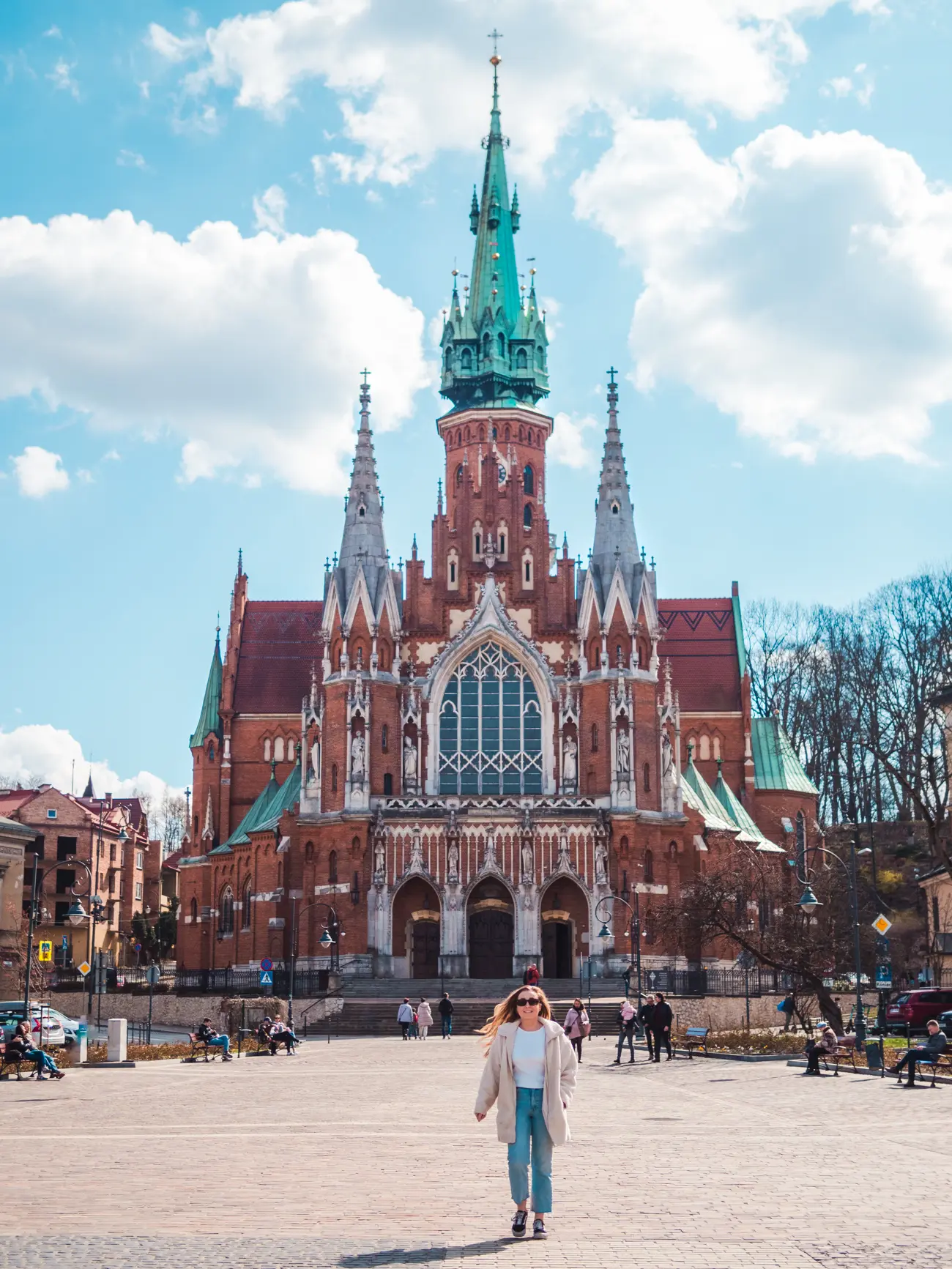
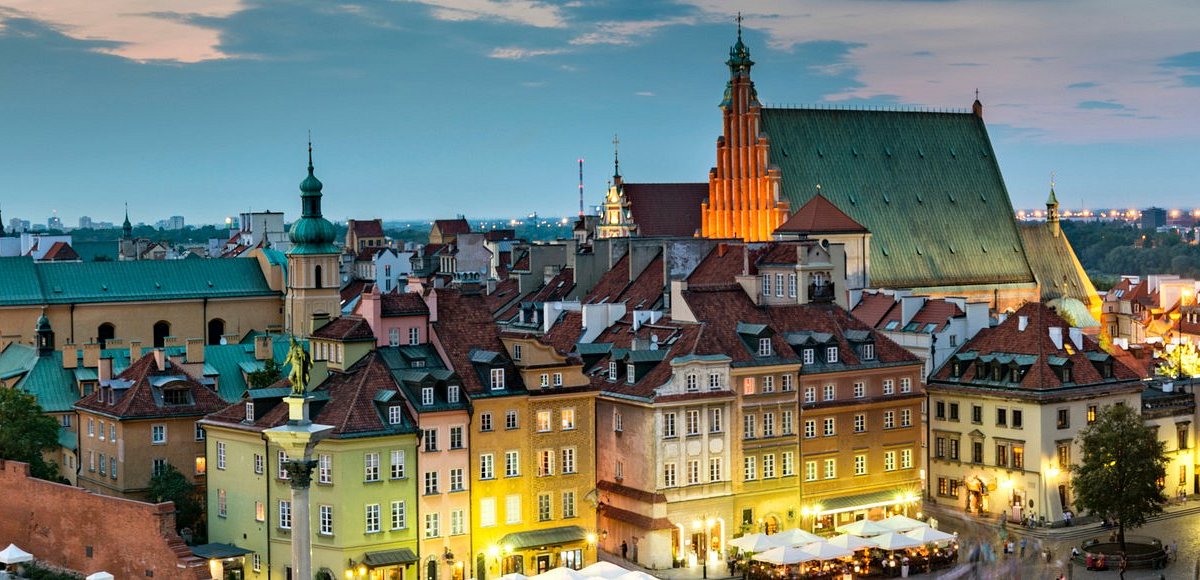
⚡ The TL;DR Verdict
For first-timers seeking classic European charm, rich history, and a more compact, walkable experience, Krakow is your pick with a daily budget around $60-90. If you prefer a dynamic, modern capital with excellent dining, vibrant nightlife, and a deeper dive into recent history, Warsaw offers more at a slightly higher daily budget of $70-110.
- Choose Krakow: If you love medieval architecture, cozy pubs, and a fairytale atmosphere with easy day trips to Auschwitz and the Salt Mine. Ideal for history buffs and those who prefer a slower pace.
- Choose Warsaw: For urban explorers who appreciate a bustling capital, diverse culinary scene, contemporary art, and a powerful story of post-war rebirth. Perfect for foodies, nightlife seekers, and history learners interested in WWII and communism.
- Choose Both: To experience the full spectrum of Poland, dedicating 3-4 days to each city is ideal. High-speed trains connect them in ~2.5-3 hours, making a combined trip very feasible and rewarding.
Quick Comparison
| Category | Krakow | Warsaw | Winner |
|---|---|---|---|
| Culture & History | Unesco Old Town, Wawel Castle, Jewish Quarter, well-preserved medieval charm. | Rebuilt Old Town, WWII history, communist past, modern museums, resilience. | Krakow |
| Food Scene | Traditional Polish, pierogi, cheap eats, milk bars, cozy cafes. | Diverse international, modern Polish, fine dining, trendy cafes, street food. | Warsaw |
| Nightlife & Entertainment | Underground cellars, student bars, lively pubs in Kazimierz. | Sophisticated cocktail bars, large clubs, live music venues, diverse districts. | Warsaw |
| Costs & Budget | Generally cheaper, especially for food, transport, and hostels. | Slightly more expensive, especially for dining and high-end accommodation. | Krakow |
| Accessibility & Getting Around | Compact and walkable Old Town, good public transport, international airport. | Larger and more spread out, excellent public transport, major international airport. | Warsaw |
| Accommodation Options | Charming boutique hotels, hostels in historic buildings, apartments. | Wide range from luxury to budget, modern hotels, design hostels. | Tie |
| Day Trips & Excursions | Auschwitz-Birkenau, Wieliczka Salt Mine, Zakopane, Ojców National Park. | Żelazowa Wola (Chopin's birthplace), Kampinos National Park, Lublin, Toruń (further afield). | Krakow |
| Vibe & Atmosphere | Romantic, charming, historic, student-friendly, cozy, touristy. | Modern, dynamic, resilient, bustling, metropolitan, business-oriented. | Krakow |
| Shopping & Souvenirs | Amber, local crafts, traditional Polish goods, Cloth Hall souvenirs. | High-end fashion, modern malls, unique design stores, local brands, communist-era memorabilia. | Warsaw |
| Safety & Solo Travel | Very safe, walkable, well-lit, popular for solo female travelers. | Very safe, excellent public transport, bustling, feels secure even at night. | Tie |
🏛️ Culture & History
Krakow truly shines with its impeccably preserved medieval Old Town, a UNESCO World Heritage site centered around the stunning Main Market Square. You can spend days exploring Wawel Royal Castle, St. Mary's Basilica, and the atmospheric Jewish Quarter (Kazimierz), which tells centuries of history. The city's history feels tangible around every corner. Warsaw, by contrast, presents a powerful narrative of destruction and rebirth. Its Old Town was meticulously rebuilt after WWII, a testament to Polish resilience, featuring the Royal Castle and Market Square. While beautiful, it lacks the original medieval fabric of Krakow. Warsaw's history is often darker, focusing on the Warsaw Uprising Museum and POLIN Museum of the History of Polish Jews, offering a more somber but incredibly important educational experience. For a classic, visually arresting historical journey, Krakow edges it out. "Krakow's Old Town just *feels* historic, like you stepped back in time. Warsaw is cool, but it's a different vibe, more about memory and rebuilding." Entry to Wawel Castle state rooms is around 30-40 PLN ($7-10 USD), while the Warsaw Uprising Museum is 30 PLN ($7.50 USD).
Winner takeaway
- Winner: Krakow
- Why: Krakow offers a more visually intact and traditionally 'European' historical experience with its original medieval architecture.
- Who this matters for: First-time visitors to Poland, classical history buffs, and those seeking picturesque historical backdrops.
🍽️ Food Scene
Warsaw's food scene is a dynamic explosion of flavors, reflecting its status as a modern European capital. You'll find everything from Michelin-starred restaurants like Senses to trendy street food halls like Hala Gwardii and excellent vegan options. Modern Polish cuisine is reinvented here, alongside a vast array of international eateries. A good dinner might cost 60-120 PLN ($15-30 USD) per person, excluding drinks, with high-end options much more. Krakow, while rich in traditional Polish fare, offers a cozier, perhaps less diverse, culinary journey. You'll find countless traditional restaurants serving pierogi, żurek, and oscypek (smoked sheep cheese) in the Old Town or Kazimierz. Milk bars (bar mleczny) like Bar Mleczny Targowy offer incredibly cheap and authentic meals for around 20-30 PLN ($5-7 USD). While Krakow excels at comfort food and traditional dishes, Warsaw's innovation, variety, and higher-end dining experiences give it the edge for serious foodies. "Warsaw's food scene blew me away, way more diverse than I expected. Krakow has great pierogi, but Warsaw has *everything*."
Winner takeaway
- Winner: Warsaw
- Why: Warsaw boasts a more diverse, innovative, and international culinary landscape with a broader range of dining experiences.
- Who this matters for: Foodies, those seeking modern and varied dining experiences, and travelers who appreciate culinary innovation.
🍻 Nightlife & Entertainment
Krakow's nightlife is legendary, especially in the Jewish Quarter (Kazimierz), which buzzes with atmospheric pubs and cellar bars until the early hours. The Old Town also has plenty of student-friendly venues and underground clubs like Prozac 2.0. A beer typically costs 12-18 PLN ($3-4.50 USD), and cocktails around 30-45 PLN ($7.50-11 USD). The scene is intimate, often sprawling through historical cellars. Warsaw, however, offers a grander and more diverse nightlife experience befitting a capital city. From chic cocktail bars in Plac Zbawiciela to massive techno clubs along the Wisła River (like La Playa in summer) and the vibrant club scene around Mazowiecka Street, there's something for every taste. The sheer scale and variety of options, catering to a more international and sophisticated crowd, makes Warsaw's nightlife more dynamic. "Krakow's nightlife is fun and charming, but Warsaw has proper, big city clubs and some really cool speakeasies. It just feels more grown-up." Expect similar drink prices to Krakow, but a wider range of high-end options.
Winner takeaway
- Winner: Warsaw
- Why: Warsaw offers a more varied and sophisticated nightlife with a wider array of large clubs, cocktail bars, and international venues.
- Who this matters for: Party-goers seeking diverse clubbing experiences, cocktail enthusiasts, and those who enjoy a more cosmopolitan scene.
💰 Costs & Budget
Overall, Krakow tends to be slightly more budget-friendly than Warsaw. For accommodation, a decent hostel bed in Krakow can be found for 50-80 PLN ($12-20 USD), while a mid-range hotel might be 200-350 PLN ($50-90 USD). In Warsaw, similar options might be 60-100 PLN ($15-25 USD) for a hostel and 250-450 PLN ($60-110 USD) for a hotel. Food is also generally cheaper in Krakow, particularly at traditional milk bars where a full meal can be had for 20-30 PLN ($5-7 USD). While Warsaw has budget options, its average dining experience is pricier. Public transport in both cities is efficient and affordable, with a single ticket around 4-5 PLN ($1-1.25 USD). Sightseeing entries are comparable. For travelers looking to stretch their zloty further without sacrificing quality, Krakow is the clear winner. "Krakow felt noticeably cheaper, especially when eating out or just grabbing a coffee. My daily budget went further there." You can easily have a great day in Krakow for $60-80 USD, whereas in Warsaw, it's more like $70-100 USD.
Winner takeaway
- Winner: Krakow
- Why: Krakow consistently offers lower prices for accommodation, food, and general living expenses, making it more budget-friendly.
- Who this matters for: Budget travelers, backpackers, and those looking to maximize their travel funds.
🚆 Accessibility & Getting Around
When it comes to international access, Warsaw Chopin Airport (WAW) is the largest and best-connected airport in Poland, serving more international destinations and often offering more competitive flight prices than Krakow's John Paul II International Airport (KRK). For getting between cities, Warsaw is also the main hub for Polish railways (PKP Intercity), with frequent, fast train connections across the country, including to Krakow (around 2.5-3 hours, 60-150 PLN / $15-38 USD). Within Krakow, the Old Town and Kazimierz are incredibly walkable, making it easy to explore on foot. Its public transport network of trams and buses is efficient for longer distances. Warsaw is a much larger, more sprawling city, so walking everywhere isn't feasible. However, its public transport system (trams, buses, metro) is extensive, modern, and very easy to navigate with single tickets around 4.40 PLN ($1.10 USD) or day passes for 15 PLN ($3.75 USD). While Krakow is more walkable *locally*, Warsaw's superior international and national transport links give it the edge for overall accessibility. "Warsaw felt like a proper European hub, super easy to fly into and then get around the city with the metro. Krakow's nice for walking, but Warsaw handles the bigger logistics better."
Winner takeaway
- Winner: Warsaw
- Why: Warsaw is Poland's primary international transport hub with a larger airport and superior national rail connections.
- Who this matters for: International travelers, those combining Poland with other European destinations, and travelers prioritizing convenience for arrival/departure.
🏨 Accommodation Options
Both Krakow and Warsaw offer excellent accommodation options catering to all budgets and preferences, making this category a comfortable tie. In Krakow, you'll find a plethora of charming boutique hotels within historic buildings in the Old Town or Kazimierz, often with unique character. Hostels like Greg & Tom Beer House Hostel are famous for their social atmosphere, with beds from 50-80 PLN ($12-20 USD). Mid-range hotels such as Hotel Ester are typically 250-400 PLN ($60-100 USD). Warsaw offers a broader spectrum of modern, stylish hotels, from international luxury chains like Hotel Bristol (starting around 800 PLN / $200 USD) to trendy design hostels like Oki Doki Hostel (60-100 PLN / $15-25 USD) and plenty of business-oriented hotels. Apartment rentals are abundant in both cities, offering flexibility. The choice really comes down to preference: Krakow for old-world charm, Warsaw for modern amenities and a wider selection of high-end options. "Honestly, both cities have great places to stay. Krakow felt more 'quaint boutique', while Warsaw had more sleek, modern hotels. Depends on your vibe."
Winner takeaway
- Winner: Tie
- Why: Both cities provide a wide, high-quality range of accommodation, from budget hostels to luxury hotels, catering to diverse traveler needs.
- Who this matters for: All travelers, as both cities excel in providing suitable lodging for every budget and style.
🏞️ Day Trips & Excursions
Krakow is the undisputed champion for day trips, boasting two of Poland's most significant and moving attractions within easy reach. Auschwitz-Birkenau Memorial and Museum is a profoundly impactful site, about 1.5 hours away by bus (20 PLN / $5 USD return) or organized tour (150-250 PLN / $38-63 USD). The Wieliczka Salt Mine, a UNESCO site with stunning underground chapels carved from salt, is just 30 minutes away by train or bus (5 PLN / $1.25 USD one way, entry ~100 PLN / $25 USD). Beyond these, the picturesque mountain town of Zakopane is a popular escape (2-3 hours by bus), and Ojców National Park offers beautiful hiking. Warsaw's day trip options are fewer and generally less iconic. Chopin's birthplace in Żelazowa Wola is a pleasant cultural excursion, and Kampinos National Park offers nature escapes close to the city. Further afield, cities like Toruń (a beautiful medieval town, ~2.5 hours by train) or Lublin (historic eastern city, ~2 hours by train) are worthwhile but require a longer commitment. "If you're coming to Poland for Auschwitz or the Salt Mine, Krakow is a no-brainer. Warsaw's day trips just don't compare in terms of impact or uniqueness." Krakow's proximity to these world-renowned sites makes it the clear winner.
Winner takeaway
- Winner: Krakow
- Why: Krakow offers immediate access to globally significant and highly recommended day trips like Auschwitz-Birkenau and Wieliczka Salt Mine.
- Who this matters for: History enthusiasts, those looking to visit specific iconic Polish sites, and travelers seeking diverse excursions.
✨ Vibe & Atmosphere
Krakow exudes an undeniable old-world charm and romantic atmosphere, especially in its well-preserved Old Town and the labyrinthine streets of Kazimierz. It feels like stepping into a postcard, with horse-drawn carriages, street performers, and a lively buzz that balances historic reverence with youthful energy from its large student population. It's incredibly picturesque and generally feels more intimate and accessible. However, it can also feel quite touristy, especially in peak season. Warsaw, on the other hand, has a more metropolitan, dynamic, and resilient vibe. It's a city that has overcome immense hardship and rebuilt itself into a modern European capital. Its energy is palpable, with bustling business districts, sleek skyscrapers, and a vibrant cultural scene. While it has its charming corners (like the meticulously rebuilt Old Town), it doesn't possess the same 'fairytale' aesthetic as Krakow. "Krakow just *feels* more magical and romantic for a weekend getaway. Warsaw is amazing for its energy and history of rebuilding, but it's a different kind of beauty." For sheer enchanting atmosphere, Krakow takes the crown.
Winner takeaway
- Winner: Krakow
- Why: Krakow's preserved medieval charm, romantic squares, and intimate scale create a more immediately enchanting and picturesque atmosphere.
- Who this matters for: Couples, photographers, those seeking a 'classic Europe' feel, and travelers who prefer a slower, more picturesque pace.
🛍️ Shopping & Souvenirs
While Krakow's Cloth Hall (Sukiennice) is an iconic spot for traditional souvenirs – think amber jewelry, wooden carvings, and local crafts – its shopping scene is largely focused on tourist-oriented items. You'll find plenty of kitsch alongside genuine regional products. A small amber pendant might cost 80-200 PLN ($20-50 USD). Warsaw, as the capital, offers a far more diverse and extensive shopping experience. It boasts large, modern shopping malls like Złote Tarasy (right next to the central station) and Galeria Mokotów, featuring international brands, high-end fashion, and electronics. Beyond the malls, you'll discover unique independent boutiques, design stores, and Polish fashion brands in areas like Mokotów or the trendy streets around Plac Zbawiciela. For those interested in unique finds or contemporary fashion, Warsaw is the clear winner. You can also find interesting communist-era memorabilia in specific markets. "Krakow's good for traditional stuff, but if you actually want to *shop* for clothes or modern Polish design, Warsaw is way better. Plus, the malls are huge!" A trendy Polish designer scarf might run you 150-300 PLN ($38-75 USD).
Winner takeaway
- Winner: Warsaw
- Why: Warsaw offers a much broader and more modern shopping experience, from international brands to unique local boutiques and large malls.
- Who this matters for: Fashion enthusiasts, those seeking modern goods, and travelers who enjoy extensive retail therapy beyond souvenirs.
🚶♀️ Safety & Solo Travel
Both Krakow and Warsaw are considered very safe cities for travelers, including solo adventurers. Poland generally has low crime rates, and serious incidents are rare. In Krakow, the compact Old Town and Kazimierz are well-lit and constantly populated, making them feel secure even late at night. Solo female travelers often report feeling very comfortable. The biggest concern might be petty theft in crowded tourist areas or overly persistent street vendors. Warsaw, despite being a much larger capital, maintains a high level of safety. Its efficient and well-maintained public transport runs late, and main areas are bustling. Like any major city, exercise standard precautions, especially around train stations or less-trafficked parks at night. Taxis (especially ride-sharing apps like Bolt or Uber) are reliable and affordable. "I traveled solo to both and felt completely safe walking around, even late. Both cities are super friendly, and people are helpful." Ultimately, the level of safety is comparable, making both excellent choices for solo travel. A typical taxi ride within the city center for 15-20 PLN ($4-5 USD) is a safe option late at night.
Winner takeaway
- Winner: Tie
- Why: Both Krakow and Warsaw offer an exceptionally high level of safety for travelers, with low crime rates and friendly locals, making them equally ideal for solo exploration.
- Who this matters for: Solo travelers, families, and anyone prioritizing peace of mind regarding personal safety during their trip.
❓ Frequently Asked Questions
Which city is better for a first-time visitor to Poland?
For a classic, picturesque introduction to Poland, Krakow is often recommended for first-timers. Its compact, well-preserved Old Town and immediate access to iconic historical sites like Auschwitz and the Salt Mine make it an easier and more traditional European experience.
How long should I spend in each city?
For Krakow, 3 full days is ideal to explore the Old Town, Jewish Quarter, and take one major day trip (Auschwitz or Salt Mine). For Warsaw, 2-3 days allows you to see the rebuilt Old Town, key museums, and enjoy its modern vibe. If visiting both, allocate 3-4 days for each.
Is it easy to travel between Krakow and Warsaw?
Yes, it's very easy and convenient. High-speed EIP/IC trains connect Krakow Główny and Warszawa Centralna stations frequently, with journey times between 2.5 to 3 hours. Tickets typically cost 60-150 PLN ($15-38 USD) and can be booked via PKP Intercity online.
Which city is better for families with children?
Both cities are family-friendly, but Krakow might have a slight edge due to its smaller size, more pedestrian-friendly areas, and attractions like Wawel Dragon's Den or the Krakow Zoo. Warsaw offers Copernicus Science Centre and various parks, but requires more reliance on public transport for longer distances.
Do I need to speak Polish to get around?
No, you don't. In both Krakow and Warsaw, especially in tourist areas, hotels, restaurants, and museums, English is widely spoken by younger generations and service staff. Learning a few basic Polish phrases like 'Dzień dobry' (hello) and 'Dziękuję' (thank you) is always appreciated, though.
What's the best time of year to visit?
Spring (April-May) and early autumn (September-October) offer pleasant weather, fewer crowds, and vibrant city life. Summer (June-August) is popular but can be hot and crowded. Winters (November-March) are cold with a chance of snow, offering a magical, festive atmosphere, especially around Christmas markets.
Which city has better art and museum scenes?
Warsaw generally offers a broader and more diverse museum scene, focusing on modern history, art, and science with institutions like the National Museum in Warsaw, POLIN Museum, and the Copernicus Science Centre. Krakow's museums lean more towards classical art, royal history, and ethnography, such as the National Museum in Krakow and the Czartoryski Museum (home to 'Lady with an Ermine').
Are there good options for vegetarian/vegan food?
Absolutely! Both cities have seen a huge rise in vegetarian and vegan-friendly restaurants and cafes in recent years. Warsaw, as a larger, more cosmopolitan city, arguably has a wider and more innovative selection of dedicated vegan establishments, but Krakow also offers plenty of delicious plant-based choices, especially in Kazimierz.
Ready to plan your Poland trip?
Get a free custom itinerary for Krakow, Warsaw, or both — built from real traveler insights.
🎟️ Book Tours & Experiences
Hand-picked tours and activities for both destinations — book with free cancellation
Experiences via Viator — free cancellation on most tours