How we built this comparison
This page combines traveler discussion patterns, published price ranges, flight schedules, and seasonal data to help you decide between Kuala Lumpur and Bangkok.
- Reviewed 50+ Reddit threads from r/travel, r/solotravel, r/malaysia, r/thailand, etc.
- Verified costs and logistics against current booking platforms (Agoda, Booking.com, Grab, AirAsia)
- Cross-referenced seasonal patterns and weather data from meteorological sources
⚡ The TL;DR Verdict
For those seeking an electrifying, sensory-overload experience with incredible street food and vibrant nightlife on a budget, Bangkok is your chaotic paradise. If you prefer a more modern, slightly calmer city with excellent infrastructure, impressive architecture, and diverse dining, Kuala Lumpur offers a polished Southeast Asian charm. Budget travelers will find Bangkok generally cheaper (daily budget $30-60 USD), while Kuala Lumpur offers good value (daily budget $40-80 USD) for a more contemporary experience.
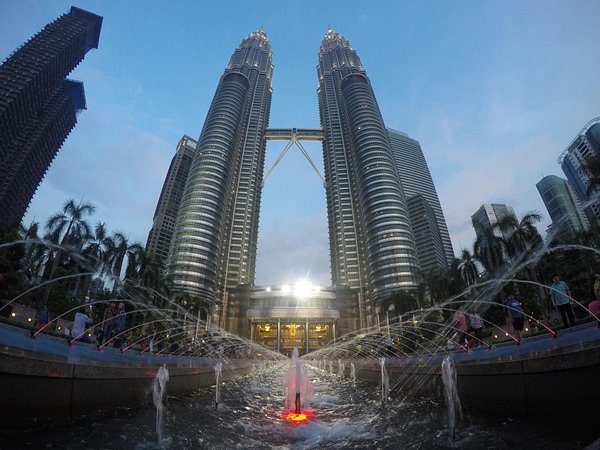
- Choose Kuala Lumpur: You prioritize modern infrastructure, diverse shopping, impressive architecture, and a slightly less chaotic urban experience with excellent Malay, Indian, and Chinese culinary fusion. It's a great hub for exploring other parts of Malaysia.
- Choose Bangkok: You're all about vibrant street life, world-class street food, bustling markets, legendary nightlife, and a rich, traditional Thai cultural immersion. It's often cheaper and offers a more 'quintessential' Southeast Asian backpacking vibe.
- Choose Both: Absolutely! They're just a 2-hour flight apart. Spend 3-4 days in each for a fantastic urban duo. Direct flights from Kuala Lumpur (KUL) to Bangkok (BKK) are plentiful and cheap, often under $50-70 USD one-way on AirAsia or Malaysia Airlines.
Quick Comparison
| Category | Kuala Lumpur | Bangkok | Winner |
|---|---|---|---|
| Food Scene | A diverse melting pot of Malay, Indian, and Chinese cuisines with excellent hawker centers and modern dining. Less street food, more dedicated food courts/restaurants. | A street food mecca with endless options, from Michelin-starred stalls to bustling night markets. Incredible variety and generally lower prices. | Bangkok |
| Nightlife & Entertainment | Sophisticated rooftop bars, swanky clubs, and live music venues, often in dedicated entertainment districts like Changkat Bukit Bintang. | A wild mix of rooftop bars, massive clubs, live music, Go-Go bars, and an anything-goes atmosphere across multiple vibrant districts. | Bangkok |
| Culture & History | A blend of Malay, Chinese, and Indian cultures reflected in mosques, temples, and colonial architecture. Focus on modern Malay identity. | Rich Thai Buddhist heritage evident in stunning temples, grand palaces, and traditional way of life. Deep historical roots. | Bangkok |
| Costs & Budget | Generally good value, especially for modern amenities. Transport is affordable, food can be cheap to mid-range. | Renowned as a budget-friendly destination, offering extremely cheap food, transport, and accommodation options for all budgets. | Bangkok |
| Getting Around | Modern, efficient public transport (LRT, MRT, Monorail) supplemented by Grab. Pedestrian-friendly in certain areas. | Extensive public transport (BTS Skytrain, MRT Subway), abundant taxis, tuk-tuks, and Grab. Traffic can be notorious. | Kuala Lumpur |
| Accommodation | Excellent value for modern, high-quality hotels, often with impressive facilities like rooftop pools, even at mid-range prices. | Wide range of options from ultra-cheap hostels to luxurious hotels. Good value, but high-end might be slightly more expensive for equivalent luxury. | Kuala Lumpur |
| Day Trips & Nature | Batu Caves, Genting Highlands, Cameron Highlands (further), Melaka (historical), and various national parks within a few hours. | Ayutthaya (historical), Damnoen Saduak/Maeklong Railway Market, Erawan Falls (Kanchanaburi), and nearby beaches (Pattaya/Hua Hin). | Tie |
| Shopping | World-class modern shopping malls with international brands, local boutiques, and tech markets. Less traditional market shopping. | Famous for bustling night markets, massive weekend markets (Chatuchak), and modern malls. Great for unique souvenirs and bargain hunting. | Kuala Lumpur |
| Connectivity & Digital Nomad | Excellent, reliable internet, numerous co-working spaces, and a modern infrastructure. Good visa options. | Fast internet, abundant cafes with Wi-Fi, co-working spaces. Visa runs are common, but longer-term stays require planning. | Kuala Lumpur |
| Weather & Best Seasons | Equatorial climate: hot and humid year-round with frequent, short tropical downpours. Drier season May-July. | Tropical savanna climate: distinct wet (May-Oct) and dry (Nov-Feb) seasons, hot season (Mar-May). | Bangkok |
🍜 Food Scene
Bangkok undeniably wins the food category, especially for street food aficionados. From the legendary 'Jay Fai' (a Michelin-starred street food stall) to the endless delights of Chatuchak Weekend Market or Yaowarat (Chinatown), you can eat like royalty for incredibly little. A full, delicious meal from a street stall can be as cheap as 50-80 THB ($1.50-2.50 USD). Iconic dishes like Pad Thai, Tom Yum Goong, Som Tum, and Mango Sticky Rice are everywhere. Kuala Lumpur, while having a fantastic food scene with its own unique blend of Malay, Indian, and Chinese flavors (think Nasi Lemak, Laksa, Roti Canai), tends to be more concentrated in hawker centers like Jalan Alor or modern food courts. It's still delicious and diverse, with meals often costing 10-25 MYR ($2.50-6 USD) at a good hawker, but it lacks the sheer, in-your-face abundance of street food that Bangkok boasts. "Bangkok street food is just on another level, you literally can't walk five feet without finding something amazing. KL is great too, but it's more about specific food streets or hawker centres." While KL's fine dining is catching up, Bangkok's range from budget to high-end, combined with its street-level vibrancy, makes it a foodie's dream.
Winner takeaway
- Winner: Bangkok
- Why: Bangkok offers an unparalleled street food experience with immense variety and affordability that's hard to beat.
- Who this matters for: Foodies, budget travelers, and anyone who loves to explore a city through its culinary offerings.
🍻 Nightlife & Entertainment
Bangkok's nightlife is legendary and diverse, catering to every taste. From the high-end glamour of rooftop bars like Vertigo at Banyan Tree or Octave at Marriott Sukhumvit 57, to the pulsating energy of clubs in RCA (Royal City Avenue) like ONYX or Route 66, to the infamous red-light districts of Soi Cowboy and Nana Plaza, there's an option for everyone. A local beer might cost 80-150 THB ($2.50-4.50 USD) at a bar, while club entry can range from free to 500+ THB ($15+ USD) with a drink. Kuala Lumpur has its own sophisticated scene, particularly around Changkat Bukit Bintang, with numerous bars and clubs. Rooftop bars like Heli Lounge Bar or Marini's on 57 offer stunning views of the Petronas Towers. "KL has some decent spots, especially the rooftop bars, but Bangkok is just... more. More energy, more variety, more 'what just happened?' moments." While KL's nightlife is polished and enjoyable, a pint of beer typically costs 15-25 MYR ($3.50-6 USD), making it slightly pricier than local spots in Bangkok. Bangkok simply offers more raw energy, variety, and a broader spectrum of experiences, from relaxed riverside bars to full-blown mega-clubs.
Winner takeaway
- Winner: Bangkok
- Why: Bangkok's nightlife is more diverse, vibrant, and offers a wider range of experiences for different budgets and preferences.
- Who this matters for: Party-goers, social travelers, and anyone looking for a lively and memorable evening out.
🏛️ Culture & History
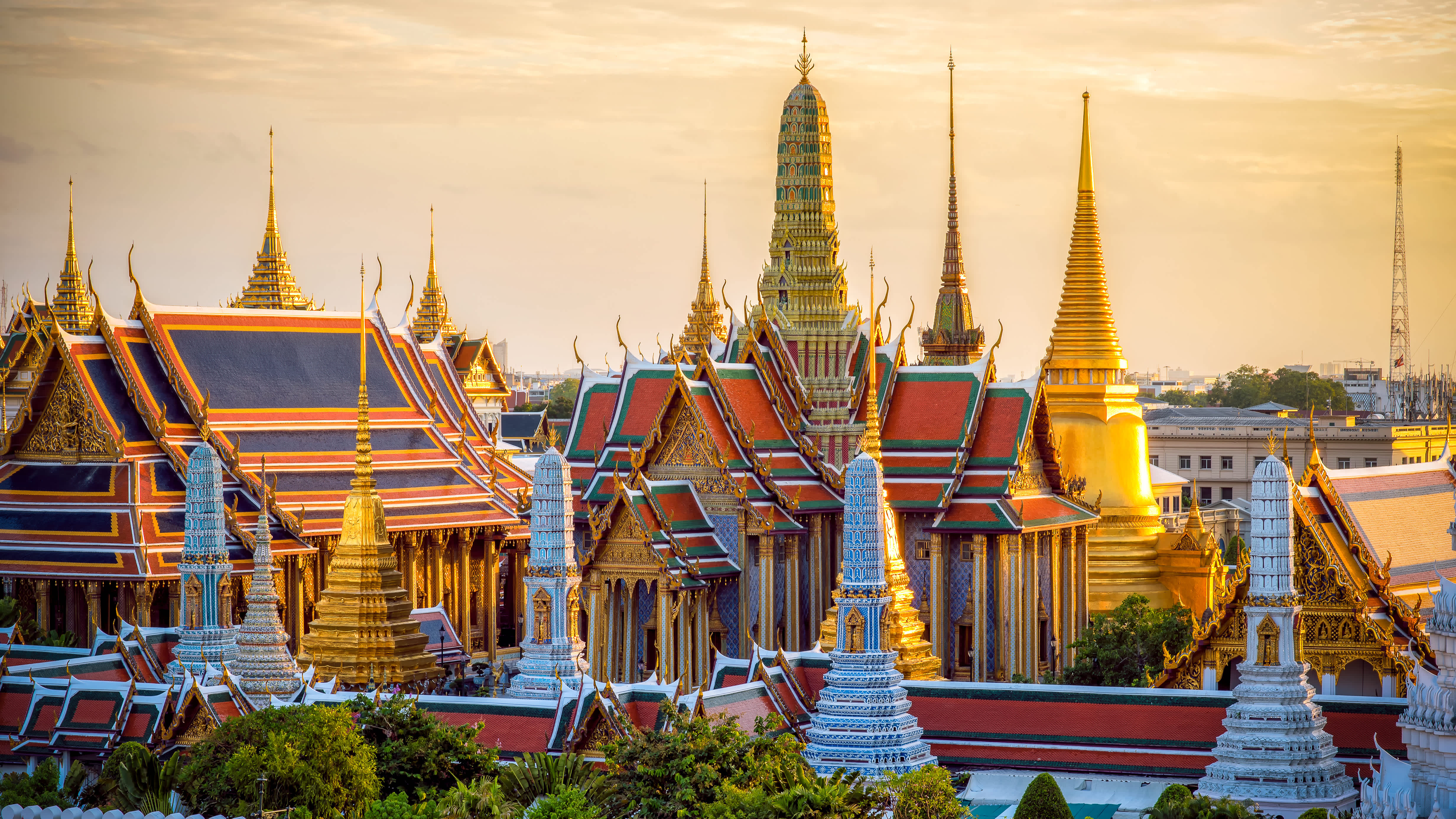
Bangkok's cultural and historical offerings are truly iconic. The Grand Palace, Wat Arun (Temple of Dawn), Wat Pho (Temple of the Reclining Buddha), and the various floating markets provide a deep dive into traditional Thai Buddhist culture. Entrance fees to major temples typically range from 100-500 THB ($3-15 USD). The city's history is palpably present in its ornate architecture, ceremonies, and the reverence shown to its monarchy. "You really feel the history and spirituality in Bangkok, the temples are just breathtaking and so well-preserved." Kuala Lumpur, while culturally rich, presents a different tapestry. It's a newer city that celebrates its multicultural heritage, with beautiful mosques like the Jamek Mosque, Hindu temples like Batu Caves (free entry to main cave, cave tours extra), and various Chinese temples. Petaling Street (Chinatown) and Little India offer glimpses into these communities. However, KL's historical sites feel less grand and less central to the urban experience compared to Bangkok's monumental landmarks. It’s more about the juxtaposition of diverse communities than a singular, deeply entrenched historical narrative like in Bangkok.
Winner takeaway
- Winner: Bangkok
- Why: Bangkok offers a more profound and visually stunning immersion into traditional Southeast Asian culture and history.
- Who this matters for: History buffs, culture enthusiasts, and those seeking spiritual or traditional experiences.
💰 Costs & Budget
For budget travelers, Bangkok is generally more forgiving on the wallet. Street food is incredibly cheap, with full meals costing 50-80 THB ($1.50-2.50 USD). Local transport like the BTS Skytrain or MRT Subway costs 16-59 THB ($0.50-1.80 USD) per ride, while Grab rides are also very reasonable. Hostel dorms can be found for 200-400 THB ($6-12 USD) per night, and decent private rooms in guesthouses for 600-1000 THB ($18-30 USD). Kuala Lumpur offers excellent value for a modern city, but generally slightly higher prices than Bangkok. Hawker meals average 10-25 MYR ($2.50-6 USD). Public transport (LRT/MRT/Monorail) costs 2-7 MYR ($0.50-1.70 USD) per ride. Hostel dorms typically run 40-70 MYR ($9-16 USD), and private rooms 100-200 MYR ($22-45 USD). "If every dollar counts, Bangkok stretches your budget further, especially with street food and local transport. KL isn't expensive but it's not as rock-bottom cheap." While both offer great value compared to Western cities, Bangkok consistently allows travelers to get more for their money across nearly all categories, making it the clear winner for ultra-budget conscious travelers.
Winner takeaway
- Winner: Bangkok
- Why: Bangkok consistently offers lower prices across food, accommodation, and transport, allowing budgets to stretch further.
- Who this matters for: Backpackers, budget-conscious travelers, and anyone looking to maximize their travel time on a limited budget.
🚇 Getting Around
Kuala Lumpur's public transport system is remarkably efficient, clean, and well-integrated. The LRT, MRT, and Monorail lines cover most major attractions, and connections are generally seamless. A ride across the city costs around 2-7 MYR ($0.50-1.70 USD). Grab (ride-sharing) is also readily available and affordable, with most city center rides costing 10-20 MYR ($2.50-5 USD). Walking can be pleasant in areas like Bukit Bintang or around KLCC. "KL's MRT is so easy to use, it feels like a modern European city. Bangkok's BTS/MRT is great too, but the sheer number of vehicles on the road makes driving a nightmare." Bangkok has an excellent BTS Skytrain and MRT Subway system, which are crucial for bypassing the city's infamous traffic. Rides cost 16-59 THB ($0.50-1.80 USD). However, venturing off the rail lines often means dealing with gridlock. Taxis and tuk-tuks are plentiful but notorious for overcharging or refusing meters (always insist on the meter!). Grab is also widely used, but journeys can be slow due to congestion, costing 80-200 THB ($2.50-6 USD) for a short to mid-distance trip. While Bangkok's public transport is extensive, KL feels slightly more user-friendly, less congested, and offers a more pleasant overall experience for navigating its urban sprawl.
Winner takeaway
- Winner: Kuala Lumpur
- Why: Kuala Lumpur's public transport is more integrated and efficient, and the city experiences less crippling traffic congestion.
- Who this matters for: Travelers who prefer ease of navigation, less traffic stress, and a modern urban transport experience.
🏨 Accommodation
Kuala Lumpur punches above its weight in accommodation value. You can find incredibly stylish, modern hotels with fantastic amenities like infinity pools and stunning skyline views for surprisingly affordable prices. A 4-star hotel in a prime location like Bukit Bintang or near KLCC can often be booked for 200-400 MYR ($45-90 USD) per night, offering amenities that would cost double or triple in many other major cities. "I stayed at a 5-star hotel in KL with an amazing rooftop pool for what I'd pay for a 3-star back home. Unbelievable value!" Boutique hotels and guesthouses also offer great options. Bangkok also has an immense range of accommodation, from backpacker hostels at 200-400 THB ($6-12 USD) to luxury hotels like The Peninsula or Mandarin Oriental. While you can find great deals, equivalent 4-5 star hotels might cost slightly more, often in the 1800-4000 THB ($50-120 USD) range for comparable quality to KL. The sheer density of options in Bangkok can be overwhelming, but KL seems to offer a consistently higher standard of modern comfort and luxury per dollar spent, especially in the mid-to-high range.
Winner takeaway
- Winner: Kuala Lumpur
- Why: Kuala Lumpur offers exceptional value for modern, high-quality accommodation, especially in the mid-range to luxury segments.
- Who this matters for: Travelers who prioritize comfort, modern amenities, and luxury on a reasonable budget.
🌳 Day Trips & Nature
Both cities offer fantastic day trip options, making this a tough call. From Kuala Lumpur, the iconic Batu Caves are just a short train ride away, offering impressive cave temples and stunning views. Genting Highlands provides a cool mountain escape with theme parks and casinos. For a deeper dive into nature, the Semenyih EcoVenture Resort & Recreation Park offers hiking and waterfalls within an hour, or a more ambitious trip to Fraser's Hill for birdwatching. Melaka, a UNESCO World Heritage site, is a popular historical day trip (2-hour bus). "KL has Batu Caves which are incredible, and Melaka is a must-do for history. But Bangkok has Ayutthaya and those unique markets." Bangkok offers the ancient city of Ayutthaya, another UNESCO site with stunning temple ruins, just an hour's train ride away. The unique experience of the Maeklong Railway Market and Damnoen Saduak Floating Market are popular (though touristy) excursions. For nature, Erawan Falls (Kanchanaburi) provides beautiful seven-tiered waterfalls, about a 2-3 hour drive. While Bangkok has the unique floating/railway markets, KL offers a more diverse mix of nature and history within a similar radius, from caves to colonial towns to cooler highlands, making it a tie for sheer variety and accessibility.
Winner takeaway
- Winner: Tie
- Why: Both cities offer a rich array of diverse and accessible day trip options covering history, culture, and nature.
- Who this matters for: Travelers who enjoy exploring beyond the city limits and seeking out cultural or natural attractions.
🛍️ Shopping
Kuala Lumpur is a true shopping paradise, especially if you appreciate modern malls. The Bukit Bintang area alone boasts several massive interconnected malls like Pavilion KL, Suria KLCC (under the Petronas Towers), and Starhill Gallery, offering everything from high-end luxury brands to popular international retailers. Plus, areas like Low Yat Plaza are famous for electronics. "KL's malls are on another level, so much variety, and you can really find good deals on international brands." While Bangkok has its fair share of impressive malls like Siam Paragon and MBK Center, its shopping fame largely rests on its vibrant markets. Chatuchak Weekend Market (over 15,000 stalls), Asiatique The Riverfront, and various night markets like Jodd Fairs are fantastic for unique souvenirs, local fashion, and bargain hunting. A typical souvenir might cost 100-300 THB ($3-9 USD) in Bangkok, while a mid-range fashion item in KL could be 80-200 MYR ($18-45 USD). However, for a cohesive, comfortable, and comprehensive modern shopping experience with a wider array of international brands and luxury goods, Kuala Lumpur takes the edge. Its malls are often considered among the best in Asia, offering a more refined and air-conditioned retail therapy experience.
Winner takeaway
- Winner: Kuala Lumpur
- Why: Kuala Lumpur excels with its world-class, integrated modern shopping malls offering a premium retail experience.
- Who this matters for: Fashionistas, tech enthusiasts, and travelers who enjoy comfortable, comprehensive modern shopping.
💻 Connectivity & Digital Nomad
Kuala Lumpur is increasingly becoming a hub for digital nomads due to its excellent infrastructure. Internet speeds are consistently fast and reliable (averaging 100+ Mbps), co-working spaces like Common Ground or WeWork are plentiful and modern (daily passes often 50-80 MYR / $11-18 USD). The city offers a great quality of life at a reasonable cost, with a wide range of accommodation. Malaysia's 'Digital Nomad Visa' (DE Rantau) also offers a pathway for longer stays. "KL just feels more organized for working remotely; the cafes are great, Wi-Fi is strong everywhere, and it's easy to get around." Bangkok also boasts fast internet and a vibrant digital nomad scene, particularly around areas like Sukhumvit and Nimmanhaemin (in Chiang Mai, not BKK but a common DN hub from Thailand). Cafes with good Wi-Fi are abundant, and co-working spaces like The Hive or Hubba are popular (daily passes often 250-400 THB / $7-12 USD). However, visa regulations in Thailand can be more complex, often requiring frequent visa runs for those wanting to stay long-term on tourist visas. While Bangkok's community might feel larger, KL's combination of modern amenities, reliable infrastructure, competitive costs, and clearer visa pathways give it a slight edge for sustained digital nomad life.
Winner takeaway
- Winner: Kuala Lumpur
- Why: Kuala Lumpur offers superior infrastructure, reliable connectivity, and better long-term visa options for digital nomads.
- Who this matters for: Digital nomads, remote workers, and travelers who need consistent, high-quality connectivity and a comfortable work environment.
☀️ Weather & Best Seasons
Bangkok experiences a tropical savanna climate with three main seasons. The cool and dry season (November to February) is generally considered the best time to visit, with temperatures around 20-30°C (68-86°F) and lower humidity. The hot season (March to May) sees temperatures soar to 35-40°C (95-104°F) with high humidity. The rainy season (May to October) brings heavy, short downpours, but these rarely last all day. "Visiting Bangkok in December felt perfect, sunny but not scorching, and no rain at all." Kuala Lumpur has an equatorial climate, meaning it's hot and humid year-round with less distinct seasons. Daily temperatures average 25-35°C (77-95°F), and rain is common throughout the year, often in short, intense tropical downpours in the late afternoon. While there's a slightly 'drier' period from May to July, you can expect rain almost any time. This constant humidity and less variation can be a bit more draining for some travelers. Bangkok's clear dry season offers a more predictably pleasant weather window for exploring, making it slightly preferable for those sensitive to relentless heat and humidity.
Winner takeaway
- Winner: Bangkok
- Why: Bangkok offers a more distinct 'cool and dry' season which provides a more comfortable travel experience than KL's year-round humidity.
- Who this matters for: Travelers sensitive to heat and humidity, and those who prefer predictably pleasant weather for outdoor activities.
❓ Frequently Asked Questions
Which city is safer for solo female travelers?
Both cities are generally safe for solo female travelers, but common sense precautions apply. Kuala Lumpur might feel slightly more conservative and thus a bit calmer, especially at night. Bangkok is very well-trafficked by tourists, but its vibrant nightlife can sometimes lead to situations requiring more awareness. Always be mindful of your belongings and surroundings.
Which city has better English speakers?
English proficiency is generally high in both cities, especially in tourist areas, hotels, and business districts. In Kuala Lumpur, English is widely spoken due to its colonial history and multicultural population. In Bangkok, while many Thais in tourist-centric roles speak English, outside these areas, you might encounter more language barriers than in KL.
Is it easy to get a SIM card in KL or Bangkok?
Yes, incredibly easy in both! Upon arrival at KUL or BKK airports, you'll find numerous kiosks from major providers like Celcom/Maxis (KL) or AIS/TrueMove H (Bangkok) offering tourist SIMs with generous data packages for 7-30 days, costing around 30-60 MYR ($7-14 USD) or 200-400 THB ($6-12 USD) respectively. Activation is quick, usually requiring your passport.
Which city is better for families with kids?
Kuala Lumpur generally offers a slightly more family-friendly experience with excellent modern malls (many with indoor playgrounds), dedicated family attractions like KidZania, Aquaria KLCC, and the KL Bird Park. It feels a bit less overwhelming. Bangkok has its share of family fun (e.g., Sea Life Bangkok Ocean World, Safari World), but the chaotic traffic and intense heat can be more challenging with small children.
What's the flight time and cost between Kuala Lumpur and Bangkok?
The flight time between Kuala Lumpur International Airport (KUL) and Suvarnabhumi Airport (BKK) or Don Mueang International Airport (DMK) is approximately 2 hours. Direct flights are frequent, with budget airlines like AirAsia and Malindo Air (now Batik Air) offering one-way fares often in the range of $30-70 USD, depending on booking time and demand. Full-service carriers like Malaysia Airlines and Thai Airways might be slightly more.
Which city has better beaches nearby?
Neither Kuala Lumpur nor Bangkok are known for their immediate proximity to stunning beaches. For beautiful beaches from Kuala Lumpur, you'd need to fly to Penang, Langkawi, or the Perhentian Islands. From Bangkok, you can take a bus or train to Hua Hin or Pattaya (about 2-3 hours), which are popular but not considered world-class. For truly pristine beaches from Bangkok, you'd fly to destinations like Phuket, Krabi, or Koh Samui.
Are Grab/ride-sharing apps common in both cities?
Absolutely, Grab is dominant and highly recommended in both Kuala Lumpur and Bangkok. It offers convenience, fixed prices, and a layer of safety compared to hailing traditional taxis off the street (especially in Bangkok where taxi drivers can be notorious for refusing meters or overcharging). Always have the app downloaded and set up before you arrive.
Which city offers better opportunities for unique souvenirs?
Bangkok, hands down. Its vast network of markets, particularly Chatuchak Weekend Market, offers an incredible array of unique handicrafts, local art, textiles, and quirky finds at bargain prices. While Kuala Lumpur has Central Market for local crafts, its selection feels more curated and less expansive compared to Bangkok's bustling market scene.
Ready to plan your Southeast Asia trip?
Get a free custom itinerary for Kuala Lumpur, Bangkok, or both — built from real traveler insights.
🎟️ Book Tours & Experiences
Hand-picked tours and activities for both destinations — book with free cancellation
Experiences via Viator — free cancellation on most tours