How we built this comparison
This page combines traveler discussion patterns, published price ranges, flight schedules, and seasonal data to help you decide between Kyoto and Bangkok.
- Reviewed 70+ Reddit threads from r/travel, r/solotravel, r/JapanTravel, r/ThailandTourism, and r/Bangkok for authentic traveler experiences and advice.
- Verified current costs for flights, accommodation, food, and transport using Google Flights, Booking.com, and local service providers.
- Cross-referenced seasonal weather patterns and optimal visiting times with historical climate data and traveler consensus.
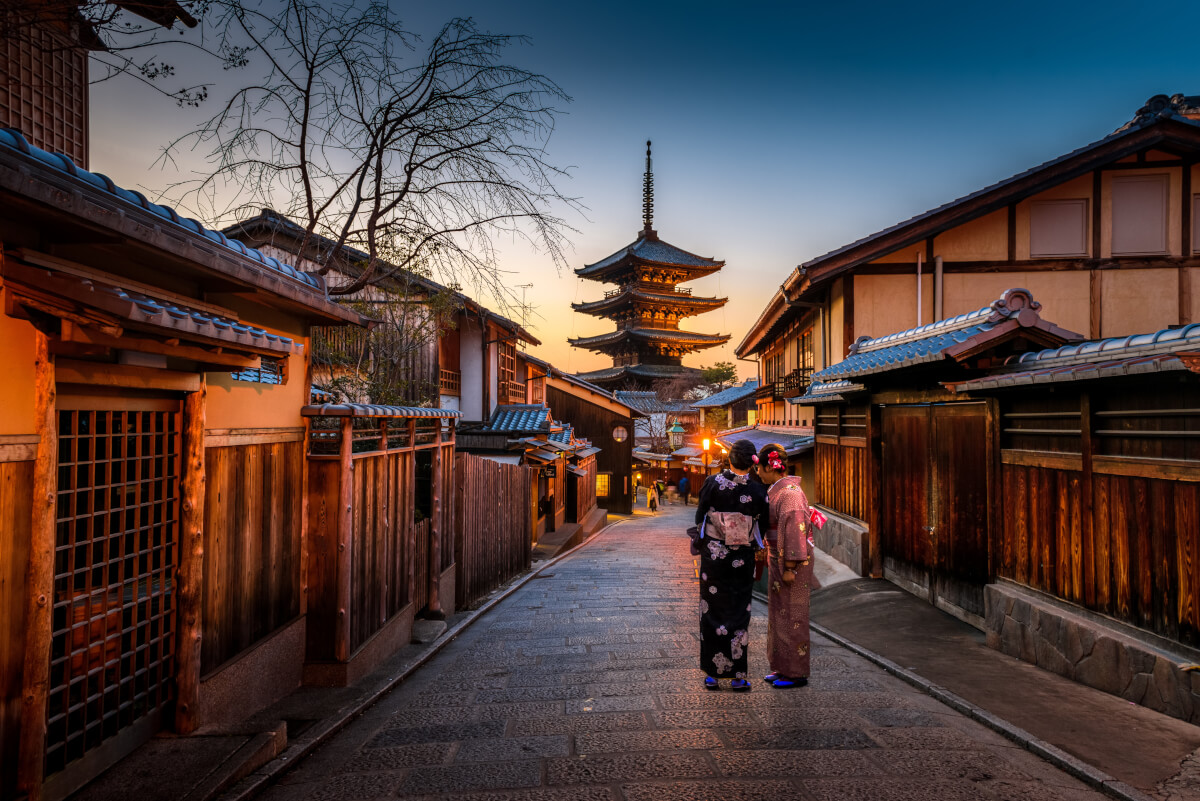
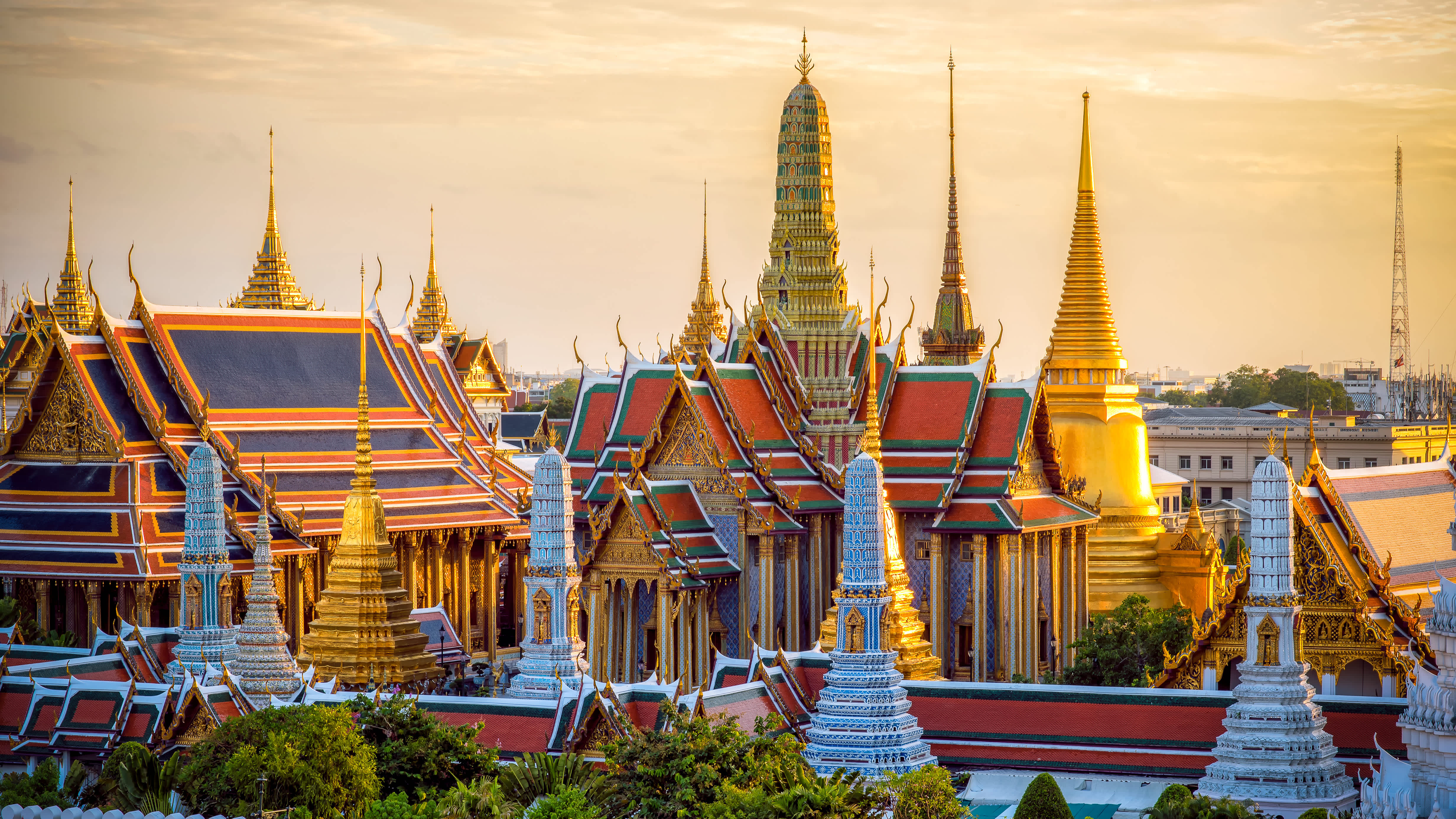
⚡ The TL;DR Verdict
For those seeking deep cultural immersion, serene beauty, and unparalleled safety, Kyoto is your pick (budget: $100-200/day). If vibrant chaos, incredible street food, and serious value are priorities, Bangkok beckons (budget: $50-100/day). Both offer unforgettable experiences, just different flavors.
- Choose Kyoto: If you crave tranquility, ancient temples, traditional arts, exquisite food, and meticulous order, Kyoto delivers. Ideal for culture vultures, couples, and those prioritizing safety and refined experiences.
- Choose Bangkok: If you thrive on sensory overload, bustling markets, legendary street food, wild nightlife, and incredible value for money, Bangkok is your city. Perfect for solo adventurers, foodies, and budget-conscious travelers.
- Choose Both: For the ultimate Asia experience mixing ancient tradition with modern vibrancy, combine them! Plan at least 4-5 full days in Kyoto and 3-4 full days in Bangkok. Flight from Osaka (KIX) to Bangkok (BKK) is ~6-7 hours direct.
Quick Comparison
| Category | Kyoto | Bangkok | Winner |
|---|---|---|---|
| Costs & Budget | Significantly higher costs across all categories: accommodation, food, transport, and activities. | Excellent value for money, especially for food and local transport, making luxury more accessible. | Bangkok |
| Food Scene | Refined, traditional Japanese cuisine with an emphasis on seasonality, presentation, and subtle flavors. | Dynamic, diverse, and incredibly flavorful street food culture, alongside global and high-end dining. | Bangkok |
| Culture & History | The heart of traditional Japan, with thousands of ancient temples, shrines, geisha districts, and serene gardens. | A blend of ancient Buddhist temples, royal palaces, and a vibrant contemporary Thai culture. | Kyoto |
| Nightlife | Subdued and sophisticated, focusing on traditional izakayas, cocktail bars, and quiet cultural performances. | Legendary and diverse, from bustling night markets and rooftop bars to world-class clubs and lively red-light districts. | Bangkok |
| Getting Around | Excellent public bus and subway system, highly walkable, and efficient. | Extensive BTS Skytrain and MRT subway, but notorious traffic means reliance on Grab/taxis for some areas. | Kyoto |
| Accommodation | Traditional ryokans, modern hotels, capsule hotels, and guesthouses, generally higher priced. | Vast range from luxury hotels and boutique guesthouses to budget hostels, offering exceptional value. | Bangkok |
| Day Trips | Excellent access to historical cities, scenic nature, and cultural sites within a short train ride. | Varied options from ancient ruins to floating markets, though often requiring more travel time. | Kyoto |
| Weather & Seasons | Distinct four seasons: pleasant spring/autumn, hot/humid summers, cold winters. | Tropical climate: hot and humid year-round, with a distinct dry season (Nov-Feb) and rainy season (May-Oct). | Kyoto |
| Safety & Cleanliness | Exceptionally safe with very low crime rates, pristine public spaces, and orderly conduct. | Generally safe, but petty crime and scams are more common; public cleanliness varies greatly. | Kyoto |
| Shopping | Focus on traditional crafts, artisan goods, unique souvenirs, and department stores. | From sprawling modern malls and luxury brands to chaotic night markets and bespoke tailoring, offering immense variety and value. | Bangkok |
💰 Costs & Budget
Let's be real, Japan is expensive, and Kyoto is no exception. A decent budget hotel in Kyoto starts around 10,000 JPY ($65 USD) per night, while a delicious ramen might run you 1,200 JPY ($8 USD). Public transport like a Kyoto City Bus day pass is 700 JPY ($4.50 USD). Expect to budget at least $100-150 USD per person per day for a comfortable experience, excluding major splurges. In stark contrast, Bangkok is a budget traveler's dream. You can snag a clean, modern hostel bed for 300-500 THB ($8-14 USD) or a stylish boutique hotel for 1,500 THB ($40 USD). Street food meals are often 50-100 THB ($1.50-3 USD), and a Grab ride across town might be 150 THB ($4 USD). You can live like royalty on $50-70 USD a day. The difference is stark; Bangkok wins this hands down for overall affordability and value. "I spent $50 a day in Bangkok and ate like a king, then got to Kyoto and felt like I had to choose between another temple or dinner." It’s that much of a difference.
Winner takeaway
- Winner: Bangkok
- Why: Bangkok offers significantly better value across all major travel expenses, making luxury more attainable for less.
- Who this matters for: Budget-conscious travelers, backpackers, and those who want to maximize their spending power.
🍜 Food Scene
Kyoto's food scene is an exquisite journey into traditional Japanese gastronomy. Think multi-course kaiseki meals at establishments like Gion Karyo (20,000 JPY+ / $130 USD+), delicate tofu dishes, vibrant kyo-yasai (Kyoto vegetables), and endless bowls of perfectly balanced ramen (like at Ichiran, ~1,000 JPY). Nishiki Market offers an array of local treats and snacks. It's an experience of precision and artistry. Bangkok, however, is a relentless assault of deliciousness, an unparalleled street food paradise. From the iconic Pad Thai at Thip Samai (90-150 THB / $2.50-4 USD) to the boat noodles near Victory Monument (15-20 THB / $0.40-0.60 USD per bowl), the variety is endless and the flavors are bold. Explore Yaowarat (Chinatown) for late-night eats, or indulge in a Michelin-starred meal at Nahm. The sheer accessibility, diversity, and affordability of incredible food give Bangkok the edge. "I loved the ramen in Kyoto, but Bangkok street food made me feel like I was discovering something new every hour. So much flavor!" For sheer volume, variety, and accessible deliciousness, Bangkok takes the crown, though Kyoto remains a culinary masterpiece in its own right.
Winner takeaway
- Winner: Bangkok
- Why: Bangkok's food scene offers an unmatched diversity of flavors, incredible accessibility, and phenomenal value, especially for street food.
- Who this matters for: Foodies, adventurous eaters, and travelers who want to explore diverse flavors on a budget.
🏯 Culture & History
Kyoto is, quite simply, a living museum. As Japan's imperial capital for over a thousand years, it boasts an incredible density of UNESCO World Heritage Sites. Wander through the bamboo groves of Arashiyama, marvel at the Golden Pavilion (Kinkaku-ji, 500 JPY / $3.30 USD), stroll the philosophical path to Ginkaku-ji (Silver Pavilion, 500 JPY), and witness a geisha performance in Gion (prices vary, but typically 10,000 JPY+ for a full experience). The city breathes history and tradition, with meticulously preserved wooden machiya houses and tranquil rock gardens. Bangkok offers its own rich cultural tapestry, with magnificent temples like Wat Arun (100 THB / $2.70 USD), Wat Pho (home of the Reclining Buddha, 200 THB / $5.50 USD), and the Grand Palace (500 THB / $14 USD), showcasing stunning Thai architecture and Buddhist art. However, Bangkok's historical core is more condensed, and the city's modern pulse often overshadows its ancient roots in daily life. Kyoto's pervasive atmosphere of ancient beauty and its sheer concentration of historical sites make it the clear winner for an immersive cultural and historical experience. "Kyoto felt like stepping back in time. Every corner had another temple or garden that just took your breath away. Bangkok's temples are amazing, but it's not the same immersion."
Winner takeaway
- Winner: Kyoto
- Why: Kyoto offers a deeper, more immersive journey into ancient traditions and a higher concentration of meticulously preserved historical and cultural sites.
- Who this matters for: History buffs, culture seekers, those interested in traditional arts, and anyone looking for a spiritual or reflective travel experience.
🍻 Nightlife
Kyoto's nightlife is more about quiet contemplation and refined enjoyment. You'll find charming izakayas in areas like Pontocho alley, serving sake and small plates until late, or sophisticated cocktail bars where mixologists craft exquisite drinks. There are also traditional geisha performances and maiko shows that offer a unique cultural evening. It's a place for intimate conversations and savoring the moment, not wild parties. Bangkok, on the other hand, is globally renowned for its electric nightlife. From the sky-high luxury of rooftop bars like Sky Bar at Lebua (cocktails from 500 THB / $14 USD) to the pulsating beats of clubs in RCA (Royal City Avenue) like ONYX, there's something for every taste. Khao San Road offers a backpacker party haven, while Sukhumvit's Nana Plaza and Soi Cowboy provide infamous adult entertainment. The options are endless, catering to every energy level and preference, from lively night markets to high-octane dance floors. "Kyoto was great for a quiet drink and some amazing food, but Bangkok's nightlife just hits different. Rooftop bars with views, crazy clubs, street parties… it’s non-stop." Bangkok undeniably wins for its sheer variety, energy, and scale of after-dark entertainment.
Winner takeaway
- Winner: Bangkok
- Why: Bangkok offers an incredibly diverse, energetic, and extensive nightlife scene, catering to every preference from rooftop luxury to budget-friendly party streets.
- Who this matters for: Party-goers, social butterflies, those seeking vibrant evening entertainment, and fans of rooftop bars.
🚇 Getting Around
Kyoto's public transportation system is a dream. The city is relatively compact, making many areas highly walkable, especially Gion and Higashiyama. For longer distances, an efficient network of city buses covers almost every attraction (day pass 700 JPY / $4.50 USD), supplemented by two subway lines. Buses are frequent, punctual, and easy to navigate with Google Maps. Taxis are also readily available, though more expensive. Bangkok boasts an impressive modern public transport system with the BTS Skytrain and MRT subway, which are clean, fast, and air-conditioned, excellent for bypassing the city's infamous traffic. A BTS single ride costs 17-62 THB ($0.45-1.70 USD). However, many areas, especially the historic Old City (Rattanakosin) and riverside attractions, are not directly served by train lines, necessitating taxis, tuk-tuks, or Grab rides, which can get stuck in gridlock. While Bangkok's trains are fantastic, the need to often switch to road transport (and face traffic) makes it less seamless. "Kyoto's buses were so easy; I just hopped on and off. In Bangkok, the BTS was great, but then you'd get out and need a Grab, and that traffic would just kill your vibe." Kyoto's walkability and comprehensive, less-congested public bus network offer a more pleasant and predictable travel experience.
Winner takeaway
- Winner: Kyoto
- Why: Kyoto's compact size, excellent walkable areas, and comprehensive bus network make getting around seamless and enjoyable, without the traffic woes of Bangkok.
- Who this matters for: Walkers, those who prefer efficient and predictable public transport, and travelers who dislike traffic congestion.
🏨 Accommodation
Kyoto offers a unique blend of accommodation. You can experience a traditional ryokan like Ryokan Kyoraku (20,000-40,000 JPY / $130-260 USD per night), a modern hotel like Hotel Granvia Kyoto (15,000-30,000 JPY), a compact but efficient capsule hotel (4,000-7,000 JPY / $26-45 USD), or a guesthouse. While clean and well-maintained, prices are generally higher, and room sizes tend to be smaller than Western standards. Finding budget-friendly options that aren't hostels can be a challenge. Bangkok, conversely, is a paradise for accommodation. You can find stunning 5-star hotels like The Peninsula Bangkok for $200-300 USD, boutique hotels with character for $50-100 USD (e.g., Old Capital Bike Inn), or incredibly clean and social hostels for $10-20 USD (e.g., The Yard Hostel). The range of choices is immense, and the value for money, especially in the mid-range to luxury segment, is outstanding. You can often get a far more luxurious experience for the same price as a standard hotel in Kyoto. "I stayed in a capsule hotel in Kyoto, which was cool, but for the same price, I got a private room in a really nice boutique guesthouse with a pool in Bangkok. No contest." Bangkok's diverse offerings and superior value make it the clear winner.
Winner takeaway
- Winner: Bangkok
- Why: Bangkok provides a wider array of accommodation options, from luxury to budget, with significantly better value for money, especially in the mid-range and high-end segments.
- Who this matters for: All travelers, especially those seeking luxury experiences on a moderate budget, or budget travelers who want good quality for less.
🏞️ Day Trips
Kyoto is perfectly situated for an array of fantastic day trips. A short 30-minute Kintetsu train ride (640 JPY / $4.30 USD) takes you to Nara, where you can feed friendly deer and explore Todai-ji Temple, home to a giant Buddha. Osaka, a vibrant food and shopping hub, is just a 15-minute Shinkansen ride away (1,420 JPY / $9.50 USD), offering a completely different urban experience. The picturesque town of Uji, famous for green tea, is also easily accessible. For nature, the scenic Kurama-Kibune hike is a popular choice. Bangkok's day trips include the ancient city of Ayutthaya (UNESCO World Heritage Site, 200-300 THB / $5.50-8 USD for entry to temples, accessible by train or minivan), and various floating markets like Damnoen Saduak or Amphawa, which are great for cultural immersion but involve longer travel times (1.5-2 hours each way). While both offer compelling options, Kyoto's day trips are generally closer, more easily accessible via efficient train networks, and offer a greater density of world-class historical and natural attractions within a short radius. "Nara was so easy from Kyoto, just hop on a train and boom, deer everywhere. The floating markets near Bangkok were cool but felt like a whole day commitment with the travel." Kyoto wins for the sheer quality and convenience of its surrounding attractions.
Winner takeaway
- Winner: Kyoto
- Why: Kyoto offers an unparalleled array of easily accessible, high-quality day trips to historical cities and natural beauty, often just a short, efficient train ride away.
- Who this matters for: Explorers, history lovers, and travelers who enjoy making the most of their time with convenient excursions.
☀️ Weather & Seasons
Kyoto experiences four distinct seasons, each with its charm. Spring (March-May) brings cherry blossoms and mild temperatures (10-20°C / 50-68°F), making it ideal for sightseeing. Autumn (Sept-Nov) offers stunning fall foliage and crisp air (15-25°C / 59-77°F). Summers (June-August) are hot and very humid (25-35°C / 77-95°F), while winters (Dec-Feb) are cold, sometimes with snow (0-10°C / 32-50°F). The variety allows travelers to choose based on preference, with spring and autumn being peak tourist seasons. Bangkok, on the other hand, has a tropical climate that is hot and humid year-round. Temperatures consistently hover around 28-35°C (82-95°F). The 'cool' or dry season (November-February) is the most pleasant, with slightly lower humidity. The rainy season (May-October) brings heavy, but often short, downpours. For many, the relentless heat and humidity of Bangkok can be draining, making extensive outdoor exploration challenging during much of the year. "I visited Bangkok in July and after 30 minutes outside, I was drenched. Kyoto in October was just perfect, cool and crisp, could walk all day." While Bangkok offers consistent warmth, Kyoto's pleasant spring and autumn seasons, and the aesthetic appeal of its seasonal changes, give it the edge for a more comfortable and visually varied travel experience.
Winner takeaway
- Winner: Kyoto
- Why: Kyoto's distinct and often beautiful four seasons, particularly the pleasant spring and autumn, offer a more comfortable and aesthetically varied travel experience compared to Bangkok's year-round tropical heat and humidity.
- Who this matters for: Travelers sensitive to extreme heat/humidity, those seeking seasonal beauty (cherry blossoms, fall foliage), and those who prefer milder temperatures for sightseeing.
🛡️ Safety & Cleanliness
Japan is renowned globally for its exceptional safety, and Kyoto is a prime example. Crime rates are incredibly low; you can feel completely comfortable walking alone at night, and lost items are frequently returned. The city is immaculately clean, with public spaces, streets, and transportation all maintained to an extremely high standard. There's a strong sense of order and public etiquette. Bangkok is generally safe for tourists, especially in well-trafficked areas. However, petty crime like pickpocketing (especially in crowded markets or on Khao San Road), bag snatching (often from passing motorcycles), and various tourist scams (e.g., inflated tuk-tuk fares, gem scams) are more prevalent than in Kyoto. While serious violent crime against tourists is rare, vigilance is always advised. Public cleanliness, while improving in some areas, varies wildly; street food areas can be messy, and waterways are often polluted. "I literally left my wallet on a park bench in Kyoto, came back an hour later, and it was still there. In Bangkok, I was constantly worried about my phone getting snatched." Kyoto’s unparalleled safety and pristine environment make it an undeniable winner here, offering a level of peace of mind rarely found elsewhere.
Winner takeaway
- Winner: Kyoto
- Why: Kyoto offers an exceptionally safe environment with virtually non-existent crime rates and pristine public spaces, providing unmatched peace of mind for travelers.
- Who this matters for: Solo travelers (especially women), families, and anyone prioritizing a worry-free and clean travel environment.
🛍️ Shopping
Kyoto's shopping scene leans towards the traditional and artisanal. You'll find exquisite ceramics at Kiyomizu-zaka, beautifully crafted textiles (like Nishijin-ori), delicate sweets (wagashi), and green tea products. Nishiki Market is excellent for food souvenirs and local snacks, while department stores like Takashimaya offer high-end fashion and household goods. It's a place for unique, high-quality, often handmade items that reflect Japanese culture, but prices can be steep. Bangkok is a shopper's paradise that caters to every budget and taste. From the high-fashion luxury brands at Siam Paragon and CentralWorld to the sprawling, labyrinthine Chatuchak Weekend Market (where you can find everything from clothes and crafts to pets at bargain prices), the options are endless. Night markets like Asiatique or Jodd Fairs offer vibrant atmospheres and diverse goods. Tailor shops abound, offering custom suits at competitive prices. The sheer volume, variety, and often astonishing value of shopping in Bangkok are unmatched. "I loved the artisan shops in Kyoto, bought some beautiful ceramics. But Bangkok, man, I could buy a whole new wardrobe, electronics, gifts for everyone, and still have money left over. Chatuchak is insane." Bangkok clearly dominates the shopping category for its sheer scale, diversity, and incredible bargains.
Winner takeaway
- Winner: Bangkok
- Why: Bangkok offers an unparalleled shopping experience with immense variety, from luxury malls to massive night markets, catering to every budget and taste with fantastic value.
- Who this matters for: Bargain hunters, fashion enthusiasts, souvenir collectors, and anyone looking for a diverse and exciting retail experience.
❓ Frequently Asked Questions
What's the best time to visit Kyoto vs. Bangkok?
Kyoto is best in spring (March-May) for cherry blossoms or autumn (Sept-Nov) for fall foliage, with mild, pleasant weather. Bangkok's 'cool' dry season (Nov-Feb) is ideal, offering less humidity and comfortable temperatures for sightseeing. Avoid Kyoto in summer (very hot/humid) and Bangkok in peak rainy season (May-Oct) if possible.
How long should I spend in each city?
For Kyoto, aim for at least 4-5 full days to comfortably explore its main temples, gardens, and districts, plus a day trip to Nara or Osaka. For Bangkok, 3-4 full days is a good starting point to hit the major temples, markets, and enjoy the nightlife, though many stay longer to delve deeper.
Is English widely spoken in Kyoto and Bangkok?
In Kyoto, English is generally understood at major tourist sites, hotels, and larger restaurants, but less so in local establishments. Having a translation app is helpful. In Bangkok, English is more widely spoken in tourist areas, hotels, and by service staff, but knowing some basic Thai phrases can enhance interactions, especially with local vendors.
Which city is better for solo female travelers?
Kyoto is arguably one of the safest cities in the world, making it an excellent choice for solo female travelers who prioritize security and peace of mind. Bangkok is generally safe, but women should be more aware of their surroundings, particularly at night, and be cautious of petty scams or unwanted attention in some nightlife areas.
Can I use my credit card everywhere in Kyoto and Bangkok?
In Kyoto, major credit cards are accepted at hotels, department stores, and larger restaurants, but many smaller shops, guesthouses, and local eateries prefer or only accept cash. Always carry cash. In Bangkok, credit cards are widely accepted in malls, hotels, and upscale restaurants, but street food vendors, night markets, and smaller shops are almost exclusively cash-only. ATMs are readily available in both cities.
What's the best way to get from the airport to the city center in each?
From Kansai International Airport (KIX) to Kyoto, the Haruka Express train (about 75-80 mins, ~3,000 JPY) is the fastest and most convenient. From Suvarnabhumi Airport (BKK) in Bangkok, the Airport Rail Link (ARL) is efficient (25-30 mins to Phaya Thai, ~45 THB), connecting directly to the BTS Skytrain system.
Are there any cultural etiquette tips I should know?
In Kyoto, bowing is common, remove shoes before entering homes/temples, avoid loud conversations on public transport, and don't tip. In Bangkok, dress modestly when visiting temples (cover shoulders/knees), don't touch people's heads, don't point with your feet, and always show respect to the monarchy. Tipping is not strictly required but appreciated in service industries.
Which city offers more opportunities for unique cultural experiences beyond sightseeing?
Kyoto excels in offering traditional experiences like tea ceremonies, kimono rentals, cooking classes for Japanese cuisine, and Zen meditation sessions, providing deep cultural immersion. Bangkok offers unique experiences like traditional Thai massage courses, Muay Thai boxing training, vibrant cooking classes focused on street food, and attending elaborate cultural shows, showcasing its dynamic spirit.
Ready to plan your unforgettable Asia trip?
Get a free custom itinerary for Kyoto, Bangkok, or both — built from real traveler insights, tailored just for you.
🎟️ Book Tours & Experiences
Hand-picked tours and activities for both destinations — book with free cancellation
Experiences via Viator — free cancellation on most tours