How we built this comparison
This page combines traveler discussion patterns, published price ranges, flight schedules, and seasonal data to help you decide between Kyoto and Kanazawa.
- Reviewed 50+ Reddit threads from r/JapanTravel, r/travel, r/solotravel, etc. for authentic traveler experiences and tips.
- Verified costs for accommodation, transportation, and attractions against current booking platforms (Booking.com, JR Pass, Google Flights, etc.).
- Cross-referenced seasonal patterns, weather data, and major event calendars to provide optimal travel timing advice.
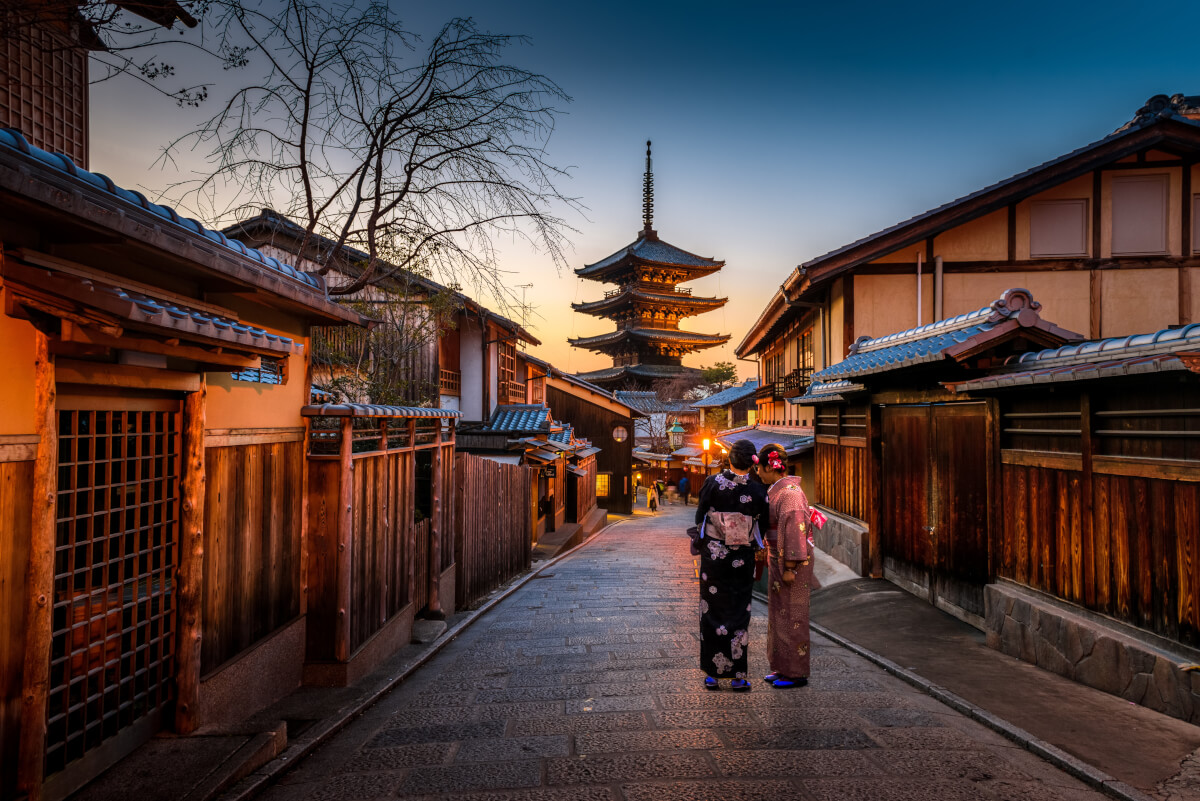
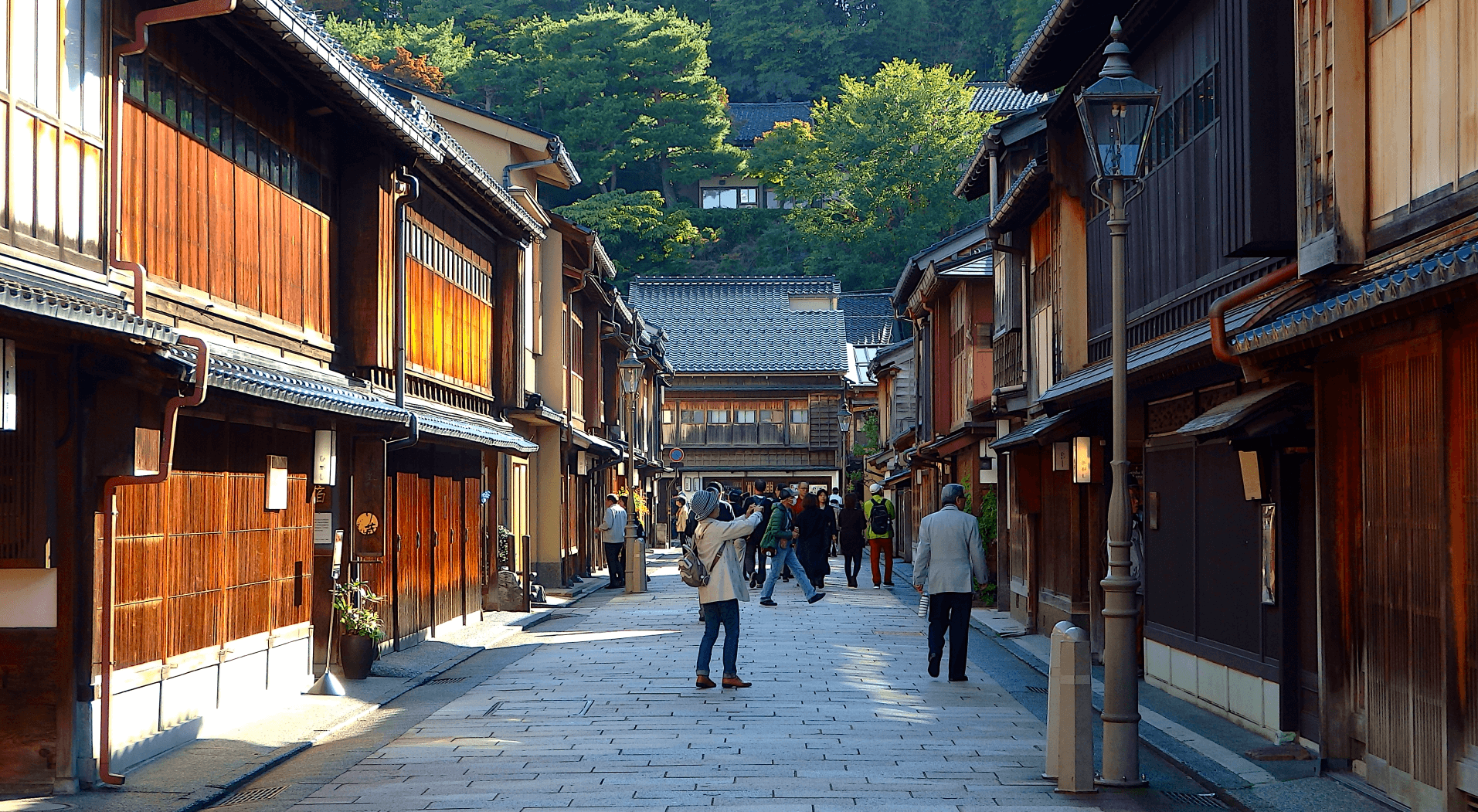
⚡ The TL;DR Verdict
For first-timers seeking the quintessential 'old Japan' experience with endless temples and geisha sightings, Kyoto is an undisputed classic, budgeting around ¥12,000-20,000 ($80-$135) daily. However, if you crave a more serene, high-quality cultural dive with exquisite food and fewer crowds, Kanazawa shines brightly, often achievable on a similar or slightly lower budget of ¥10,000-18,000 ($65-$120) per day. Pick your pace, pick your vibe.
- Choose Kyoto: You're a first-time visitor to Japan eager to tick off world-famous UNESCO sites, immerse yourself in traditional culture, and don't mind navigating larger crowds. You prioritize quantity of historical sites and a vibrant, bustling city atmosphere.
- Choose Kanazawa: You've been to Japan before, or prefer a slower, more refined cultural experience. You appreciate exquisite gardens, samurai history, modern art, and exceptional seafood, all within a compact, walkable city that feels less touristy and more authentic.
- Choose Both: Absolutely! If you have 7+ days in the region, combine them. Start with 3-4 days in Kyoto for the big sights, then take the Thunderbird train (approx. 2.5 hours, ~¥7,500 / $50) to Kanazawa for 2-3 days of elegant exploration. It's a perfect contrast.
Quick Comparison
| Category | Kyoto | Kanazawa | Winner |
|---|---|---|---|
| Culture & History | Unmatched in sheer volume of UNESCO sites, iconic temples, and traditional neighborhoods. | Rich samurai and geisha history, exquisite gardens, and world-class modern art. | Kyoto |
| Food Scene | Diverse culinary offerings from kaiseki to street food, with a focus on traditional Kyoto cuisine. | Exceptional seafood, local Kaga cuisine, and a vibrant fresh market scene. | Kanazawa |
| Costs & Budget | Higher accommodation prices, more expensive transport within the city. | Generally more affordable accommodation and dining, walkable city center. | Kanazawa |
| Getting There & Around | Excellent Shinkansen access, extensive but often crowded bus network. | Direct Shinkansen from Tokyo, compact and highly walkable city center. | Kanazawa |
| Accommodation | Wide range from luxury ryokans to budget hostels, often pricier and booked well in advance. | Quality options from modern hotels to charming machiya stays, often better value. | Kanazawa |
| Day Trips | Access to Nara, Osaka, Uji, and Himeji, offering diverse cultural and historical experiences. | Proximity to Shirakawa-go, Takayama, and the Noto Peninsula, focusing on nature and unique villages. | Kyoto |
| Nature & Scenery | Iconic bamboo groves, traditional gardens, and scenic river walks within the city's outskirts. | Exquisite gardens, dramatic coastal landscapes, and nearby mountain vistas. | Tie |
| Nightlife & Evening Vibe | Lively Pontocho alley, Gion's traditional charm, and a wider array of bars and izakayas. | Refined chaya districts for traditional entertainment, smaller but quality bar scene. | Kyoto |
| Shopping & Crafts | Extensive shopping arcades, traditional crafts, and unique souvenirs. | Known for gold leaf, Kutani pottery, and local crafts, offering unique, high-quality items. | Kanazawa |
| Crowds & Atmosphere | Often very crowded, especially at major sites and during peak seasons. | Generally less crowded, offering a more peaceful and authentic atmosphere. | Kanazawa |
⛩️ Culture & History
Kyoto is undeniably the heavyweight champion for sheer historical breadth and iconic imagery. With over 2,000 temples and shrines, including Fushimi Inari-taisha's torii gates (free), Kinkaku-ji (Golden Pavilion, ¥500 / $3.50), and the bamboo groves of Arashiyama, it delivers that postcard-perfect Japan. You can spend days exploring Gion and Pontocho, hoping for a geisha sighting. Kanazawa, while smaller, offers a remarkably dense and high-quality cultural experience. Its crown jewel, Kenrokuen Garden (¥320 / $2.20), is one of Japan's 'Three Great Gardens,' a masterpiece of landscape design. The Nagamachi Samurai District provides a fascinating glimpse into samurai life, while the Higashi Chaya District rivals Kyoto's Gion for traditional wooden teahouses. The 21st Century Museum of Contemporary Art (free entry to common areas, special exhibits ¥1,200 / $8) offers a modern counterpoint. Kyoto's scale is grander, but Kanazawa's intimate elegance often feels more personal. "Kyoto's amazing, but after a few days, the crowds at Kiyomizu-dera were just too much. Kanazawa felt like a breath of fresh air, still traditional but without the overwhelming tourist crush." While Kyoto offers more quantity, Kanazawa offers exceptional quality in a more digestible package.
Winner takeaway
- Winner: Kyoto
- Why: Kyoto's vast array of world-renowned historical sites and traditional experiences are simply unmatched.
- Who this matters for: First-time visitors to Japan, history buffs, and those seeking iconic cultural landmarks.
🍣 Food Scene
Kyoto’s food scene is excellent, famous for its refined kaiseki (multi-course haute cuisine, often ¥8,000-20,000+ / $55-$135+), tofu dishes, and traditional sweets. Nishiki Market is a sensory overload of street food and local produce, where you can grab skewers for ¥300-700 ($2-$5). However, Kanazawa truly shines for its seafood. Proximity to the Sea of Japan means incredibly fresh sushi, sashimi, and kaisendon (seafood bowls) that often rival Tokyo's best but at more accessible prices. Omicho Market is the bustling heart, where you can indulge in a kaisendon for around ¥2,000-3,500 ($13-$23) or fresh oysters for ¥500 ($3.50) a piece. Kanazawa also boasts unique Kaga-ryori (local cuisine) and a strong sake culture. While Kyoto offers more high-end options and variety, Kanazawa's focus on fresh, high-quality seafood and local specialties is unparalleled. "Seriously, the sushi in Kanazawa blew Kyoto out of the water. Omicho Market for breakfast every day was a game changer, and way cheaper for that quality." For the average traveler, Kanazawa offers a more consistently impressive and value-driven culinary experience.
Winner takeaway
- Winner: Kanazawa
- Why: Kanazawa's exceptional fresh seafood and vibrant Omicho Market offer superior quality and value for the average traveler.
- Who this matters for: Seafood lovers, budget gourmands, and those who prioritize fresh, local ingredients.
💰 Costs & Budget
Both cities can be explored on various budgets, but Kanazawa generally offers better value. Accommodation in Kyoto, especially during peak season, can be significantly pricier; a decent hotel room often starts at ¥12,000-20,000 ($80-$135) per night, while guesthouses might be ¥6,000-10,000 ($40-$70). Dining in Kyoto can also quickly add up if you're not careful, though cheap eats are available. Kanazawa, being less tourist-saturated, often has hotel rooms in the ¥8,000-15,000 ($55-$100) range, and guesthouses from ¥5,000-8,000 ($35-$55). Food, particularly the seafood, feels like a steal for the quality. Transportation in Kyoto relies heavily on buses (flat fare ~¥230 / $1.60) or subway, which can take time and multiple transfers. Kanazawa's main attractions are largely walkable, saving on local transport costs. If you stay near Kanazawa Station or Kenrokuen, you can reach most major sights on foot or with a short bus ride (local loop bus is ¥200 / $1.40). "I saved so much money on hotels and food in Kanazawa compared to Kyoto, but still felt like I was getting a luxury experience." Your daily budget will stretch further in Kanazawa.
Winner takeaway
- Winner: Kanazawa
- Why: Kanazawa generally offers more affordable accommodation, dining, and efficient, walkable transit, providing better overall value.
- Who this matters for: Budget-conscious travelers, those looking for luxury on a relative discount, and long-term travelers.
🚅 Getting There & Around
Both cities are well-connected by Japan's incredible train network. Kyoto is a major stop on the Tokaido Shinkansen line from Tokyo (~2.5 hours, ~¥13,000 / $88), making it extremely accessible. Within Kyoto, getting around can be a bit of a challenge due to its sprawling nature and limited subway lines. The bus network is comprehensive but frequently crowded and slow, especially during peak tourist season. You'll spend a lot of time on buses getting from one temple to another. Kanazawa, on the other hand, benefits from the Hokuriku Shinkansen line from Tokyo (~2.5-3 hours, ~¥14,000 / $95), offering equally convenient access. However, once you arrive, Kanazawa truly shines for its walkability. Most major attractions – Kenrokuen, Kanazawa Castle, Omicho Market, Higashi Chaya District – are within a 20-30 minute walk of each other or the station, or easily reached by the Kanazawa Loop Bus (¥200 / $1.40 per ride, or ¥600 / $4 for a day pass). "Getting around Kanazawa was a breeze; I just walked everywhere. Kyoto's buses were a nightmare sometimes, packed like sardines." This ease of internal transit makes Kanazawa a more relaxing and efficient city to navigate.
Winner takeaway
- Winner: Kanazawa
- Why: Kanazawa's compact, walkable city center and efficient local bus system make it significantly easier and more pleasant to navigate than Kyoto.
- Who this matters for: Travelers who prefer walking, dislike crowded public transport, or have limited mobility.
🏨 Accommodation
Kyoto offers a staggering variety of accommodation, from opulent ryokans (traditional inns) like Tawaraya or Hiiragiya (¥50,000+ / $340+ per night) to sleek business hotels near Kyoto Station (¥15,000-25,000 / $100-$170) and numerous guesthouses and hostels (¥4,000-8,000 / $27-$55). However, due to its immense popularity, prices are generally high, and desirable options, especially traditional machiya (townhouses), book out months in advance. Kanazawa also boasts excellent accommodation choices, but often at a more attractive price point. You can find stylish modern hotels like Hotel Mystays Premier Kanazawa (¥10,000-18,000 / $70-$120) or ANA Crowne Plaza Kanazawa, and charmingly restored machiya stays (¥15,000-30,000 / $100-$200) that feel more intimate and less mass-produced than some of Kyoto's offerings. Budget travelers will find quality hostels like Guesthouse Pongyi for around ¥3,500-6,000 ($25-$40). "Finding a decent, affordable hotel in Kyoto during cherry blossom season felt impossible, everything was either booked or double my budget. Kanazawa had so many cute, reasonably priced places right in the center." The overall value and ease of finding quality accommodation lean towards Kanazawa, particularly for mid-range travelers looking for something special.
Winner takeaway
- Winner: Kanazawa
- Why: Kanazawa provides excellent quality accommodation, including unique traditional stays, at generally better price points and with less booking pressure than Kyoto.
- Who this matters for: Travelers seeking good value, unique traditional accommodation without extreme prices, and those planning trips closer to departure.
🏞️ Day Trips
Kyoto's central location in the Kansai region makes it an unparalleled base for day trips. Within an hour, you can be feeding deer in Nara (home to Todai-ji Temple, ¥600 / $4), exploring the bustling metropolis of Osaka, visiting the beautiful Byodo-in Temple in Uji (¥600 / $4), or marveling at the iconic Himeji Castle (¥1,000 / $7). These offer incredible diversity in history, city life, and cultural experiences. Kanazawa's day trip options, while fewer, are exceptionally unique and focused on nature and traditional villages. The most famous is Shirakawa-go, a UNESCO World Heritage site known for its unique gassho-zukuri farmhouses (bus tour ~¥5,000-7,000 / $35-$50 round trip, or rent a car). Combine it with Takayama for a stunning mountain town experience. The scenic Noto Peninsula offers rugged coastal beauty. "Kyoto's day trip game is just too strong. Nara and Himeji from Kyoto are absolute must-dos for any first-timer." While Kanazawa offers enchanting, specialized excursions, Kyoto's connectivity to a wider range of iconic and easily accessible destinations gives it the edge for sheer variety and accessibility, catering to a broader range of interests.
Winner takeaway
- Winner: Kyoto
- Why: Kyoto offers a greater variety of highly accessible and iconic day trip destinations, including Nara, Osaka, and Himeji.
- Who this matters for: Travelers who love exploring surrounding regions, culture seekers, and those planning a multi-faceted itinerary.
🌳 Nature & Scenery
Both cities offer distinct natural beauty. Kyoto is famous for its meticulously manicured temple gardens – think Ryoan-ji's rock garden or the moss garden of Saiho-ji (requires reservation, ~¥3,000 / $20). The Arashiyama Bamboo Grove provides an iconic, albeit often crowded, natural experience, and the Philosopher's Path offers a serene canal-side walk. While largely urban, Kyoto masterfully integrates nature into its historical sites. Kanazawa, however, boasts Kenrokuen Garden, a true masterpiece considered one of Japan's finest, offering stunning beauty in every season. Beyond the city, Kanazawa serves as a gateway to the dramatic coastlines of the Noto Peninsula and the picturesque mountains and traditional villages of the Japanese Alps. The rugged beauty of the Sea of Japan, visible from places like Chirihama Nagisa Driveway, provides a striking contrast to Kyoto's more refined, contained natural elements. "Kyoto's gardens are beautiful, but Kanazawa's Kenrokuen just hit different, and then going out to the Noto coast was a whole other level of stunning." Kyoto's nature is more integrated into its urban fabric, while Kanazawa offers both world-class gardens *and* easy access to wilder, grander natural landscapes, making this a tough call based on preference. It's a tie, as one offers refined urban nature, the other offers that plus easy access to wilder, grander natural landscapes.
Winner takeaway
- Winner: Tie
- Why: Kyoto excels in refined, integrated urban nature, while Kanazawa offers a world-class garden and access to stunning wilder landscapes.
- Who this matters for: Garden enthusiasts (Kyoto) vs. those seeking grand natural landscapes and coastal beauty (Kanazawa), or anyone appreciating both types.
🏮 Nightlife & Evening Vibe
Kyoto, being a larger city, naturally offers a more diverse and bustling nightlife. Pontocho alley comes alive at night with countless izakayas, bars, and restaurants, ranging from casual to high-end. Gion's streets, particularly around Hanami-koji, are magical for evening strolls, offering glimpses of geisha and maiko. There are also plenty of modern bars, live music venues, and even a few clubs around Kyoto Station and Shijo-Kawaramachi. You can easily find a lively spot for drinks and late-night food. Kanazawa's evening scene is more subdued and refined. The Higashi Chaya District is stunning when lit up at night, offering a romantic, traditional ambiance, often with opportunities for private geisha performances (which can be very expensive, ¥50,000+ / $340+). While there are plenty of excellent izakayas and sake bars, particularly around Korinbo, the overall energy is much calmer. "If you want to grab drinks and people-watch after dark, Kyoto's Pontocho is where it's at. Kanazawa felt a bit too quiet after dinner." Kyoto caters better to those seeking vibrant evening entertainment and diverse options beyond traditional dining, making it the clear winner for nightlife variety and energy.
Winner takeaway
- Winner: Kyoto
- Why: Kyoto offers a more diverse and energetic nightlife, with bustling alleys like Pontocho and a wider range of bars and entertainment options.
- Who this matters for: Social travelers, those looking for lively evening entertainment, and visitors who enjoy bar-hopping.
🛍️ Shopping & Crafts
Kyoto offers a fantastic shopping experience, from the bustling Shijo-dori and Kawaramachi shopping streets with department stores and trendy boutiques to the traditional craft shops around Kiyomizu-dera and the souvenir stalls of Nishiki Market. You can find beautiful ceramics, textiles, matcha, and all sorts of traditional Japanese goods. However, Kanazawa truly excels in unique, high-quality traditional crafts. It's famous for its exquisite gold leaf (kinpaku), and you'll find numerous shops selling gold-leaf adorned items – from cosmetics and sweets to tableware and art – particularly in the Higashi Chaya District. You can even try gold leaf application workshops. Kanazawa is also renowned for Kutani pottery, Kaga Yuzen silk dyeing, and stunning lacquerware. The quality and artistry of Kanazawa's crafts often feel more refined and distinctive. "I bought the most beautiful gold leaf chopsticks and a Kutani teacup in Kanazawa, things I just didn't see the same quality of in Kyoto's main tourist traps." While Kyoto offers more general shopping, Kanazawa provides a more focused and unique craft shopping experience with truly special souvenirs, often direct from artisans.
Winner takeaway
- Winner: Kanazawa
- Why: Kanazawa's specialization in exquisite local crafts like gold leaf and Kutani pottery offers a more unique and high-quality shopping experience.
- Who this matters for: Artisanal craft lovers, souvenir collectors seeking unique items, and those interested in traditional Japanese artistry.
🚶♀️ Crowds & Atmosphere
Kyoto's immense popularity means battling crowds is almost a given, particularly at iconic sites like Fushimi Inari-taisha, Kiyomizu-dera, and Arashiyama. During cherry blossom season or autumn leaves, the city can feel overwhelmingly packed, detracting from the serene beauty of the temples. While still charming, the sheer volume of tourists can sometimes make the experience feel less intimate and more like an attraction park. Kanazawa, by contrast, offers a remarkably more relaxed and peaceful atmosphere. Even its most popular spots like Kenrokuen Garden or Omicho Market, while busy, rarely feel overwhelming. You can often find quiet corners in the samurai or geisha districts, allowing for a deeper immersion without the constant jostle. "After fighting through crowds in Kyoto for days, Kanazawa felt incredibly peaceful. I could actually enjoy the gardens without a thousand selfie sticks in my face." For travelers seeking tranquility, an authentic local feel, and the ability to absorb their surroundings without constant distraction, Kanazawa is the clear winner. It's a city where you can breathe and genuinely connect with its charm, offering a more personal and less frenetic experience.
Winner takeaway
- Winner: Kanazawa
- Why: Kanazawa provides a significantly less crowded and more peaceful atmosphere, allowing for a more intimate and authentic cultural experience.
- Who this matters for: Travelers who dislike crowds, prefer a relaxed pace, and seek a more authentic local vibe.
❓ Frequently Asked Questions
Is Kyoto or Kanazawa better for a first-time visitor to Japan?
For a first-time visitor, Kyoto is often recommended due to its sheer concentration of iconic historical sites and the quintessential 'old Japan' experience. It's an excellent introduction to traditional Japanese culture, despite the crowds.
How many days should I spend in Kyoto vs. Kanazawa?
For Kyoto, plan at least 3-4 full days to cover the major highlights without rushing. For Kanazawa, 2 full days are usually sufficient to explore its main attractions, with an extra day if you plan a day trip to Shirakawa-go.
Which city is better for shopping for traditional Japanese crafts?
While Kyoto has many craft shops, Kanazawa excels in unique, high-quality traditional crafts like gold leaf, Kutani pottery, and Kaga Yuzen silk dyeing. You'll find more specialized and often artisanal items there.
Is it easy to combine Kyoto and Kanazawa in one trip?
Yes, absolutely! They combine wonderfully. You can take the Thunderbird Limited Express train directly from Kyoto Station to Kanazawa Station in approximately 2.5 hours, making it an easy and scenic journey to connect the two cities.
Which city has better food, especially if I love seafood?
If you love seafood, Kanazawa is a must-visit. Its proximity to the Sea of Japan means incredibly fresh and high-quality sushi, sashimi, and kaisendon at Omicho Market, often at better value than comparable quality in Kyoto.
What's the best time of year to visit both cities?
Spring (March-April for cherry blossoms) and Autumn (October-November for fall foliage) are stunning but also the busiest and most expensive. Early summer (June) or late autumn (early December) can offer good weather with fewer crowds and lower prices.
Is Kanazawa a good alternative to Kyoto if I want to avoid crowds?
Yes, Kanazawa is an excellent alternative if you want to experience traditional Japanese culture, exquisite gardens, and history without the overwhelming crowds often found in Kyoto, especially during peak seasons.
Do I need a Japan Rail Pass to visit Kyoto and Kanazawa?
It depends on your overall itinerary. If you're only visiting Tokyo, Kyoto, and Kanazawa, a 7-day JR Pass might just break even. If you have more stops or are traveling extensively, it could be very cost-effective. Calculate your routes on sites like Japan Transit Planner (Jorudan or Hyperdia) to decide.
Ready to plan your Japan trip?
Get a free custom itinerary for Kyoto, Kanazawa, or both — built from real traveler insights.
🎟️ Book Tours & Experiences
Hand-picked tours and activities for both destinations — book with free cancellation
Experiences via Viator — free cancellation on most tours