How we built this comparison
This page combines traveler discussion patterns from Reddit, published price ranges, transit details, and seasonal data to make the Kyoto vs Nara decision clearer.
- Reviewed dozens of Reddit threads in r/JapanTravel, r/JapanTravelTips, r/OsakaTravel on Kyoto vs Nara decisions and day trip planning.
- Checked numeric claims — accommodation ranges, transit costs, transfer times, temple entry fees — against current published sources.
- Structured the page so each major section ends with a clear winner and practical traveler note.
This is a decision guide, not a universal truth. Both cities are worth visiting. This comparison exists to help you prioritize your time in Kansai.
⚡ The TL;DR Verdict
Kyoto is better for a multi-day stay — depth, temples, food, and atmosphere. Nara is better for a focused day or half-day: deer, Todai-ji, and a completely different pace. For most Kansai itineraries, the answer is both. Daily budget: Kyoto ¥10,000–18,000 ($65–120); Nara ¥5,000–10,000 ($33–67).
- Choose Kyoto: Multi-day stays, temples-first travelers, culture seekers, food lovers, families who want evening options.
- Choose Nara: Half-day or full-day trips, families with kids, deer/wildlife fans, budget-conscious travelers, people who've already done Kyoto.
- Budget snapshot: Kyoto: ¥10,000–18,000/day ($65–120); Nara day trip: ¥3,000–7,000 ($20–47) above accommodation.
Choose Kyoto
Multi-day base, temples, traditional food, evening atmosphere, geisha districts.
Choose Nara
Day trip for deer, Todai-ji Great Buddha, peaceful parks, and lower crowds outside hotspots.
Quick Comparison
| Category | ⛩️ Kyoto | 🦌 Nara | Winner |
|---|---|---|---|
| Daily Budget (mid-range) | ¥10,000–18,000 ($65–120) | ¥7,000–12,000 ($47–80) | Nara |
| Temples & Shrines | 2,000+ temples, 17 UNESCO sites (Fushimi Inari, Kinkaku-ji, Arashiyama) | Todai-ji (Great Buddha), Kasuga Taisha, Horyu-ji nearby | Kyoto |
| Unique Experience | Geisha in Gion, bamboo grove, tea ceremony, zen gardens | Free-roaming deer, world's largest wooden building | Tie |
| Food Scene | Kaiseki, matcha, tofu, sake bars, Nishiki Market | Tourist-oriented near park; limited but some good options | Kyoto |
| Crowds | Heavy at top spots, but spreadable across city | Concentrated at Todai-ji and Nara Park; exits to quiet areas | Tie |
| Public Transit | 2 subway lines + extensive bus network | Easy to walk or rent a bike once you arrive | Nara |
| Nightlife & Evening Options | Gion, Pontocho, sake bars, izakayas | Very limited — most closes by 9pm | Kyoto |
| Family-Friendliness | Good — wide range of experiences | Excellent — deer park is a hit with all ages | Nara |
| Days Needed | 2–5 days minimum for first visit | Half-day to 1 full day | — |
| Accommodation Range | Hostels ¥2,500–4,500; hotels ¥9,000–18,000 | Hostels ¥2,000–3,500; hotels ¥7,000–12,000 | Nara |
| Best For | Culture seekers, food lovers, photographers, slow travelers | Families, nature lovers, day-trippers, returning Japan visitors | — |
⛩️ Temples & Cultural Highlights
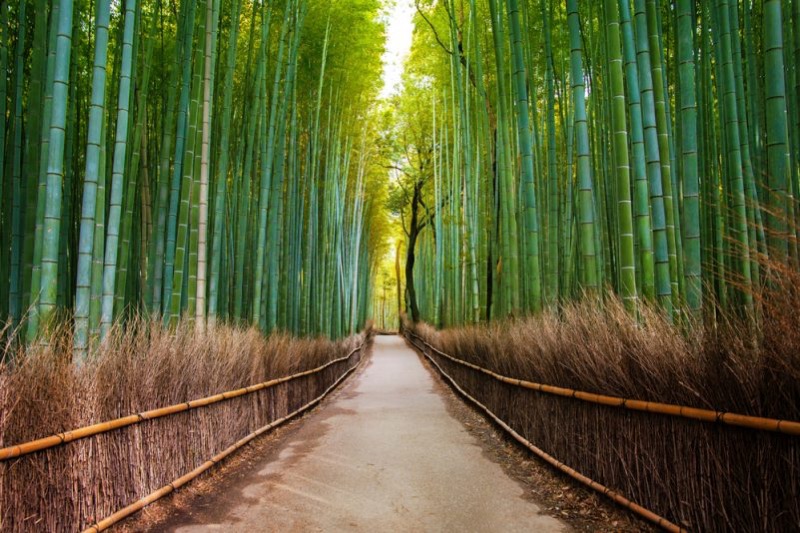
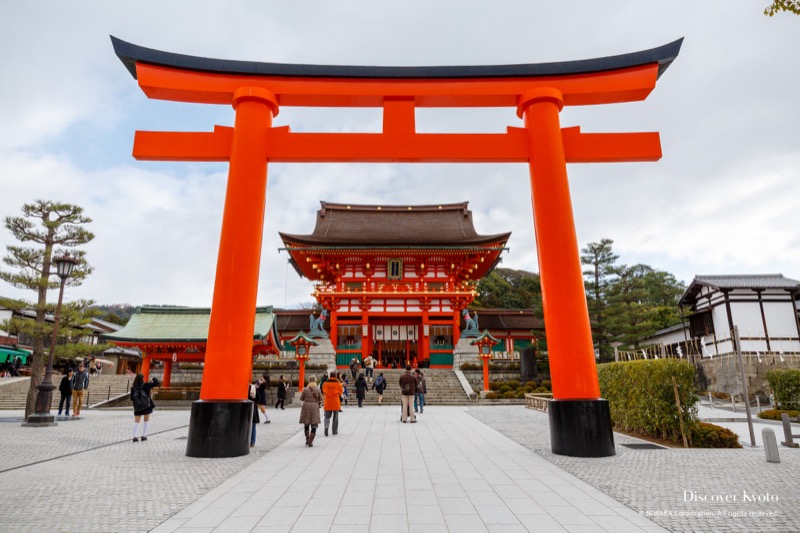
Kyoto is the runaway winner here, and it isn't close. As Japan's imperial capital for over a thousand years (794–1869), the city is home to 2,000+ Buddhist temples and Shinto shrines, 17 UNESCO World Heritage Sites, and some of the most iconic cultural imagery in the world. Fushimi Inari's 10,000 vermillion torii gates. Kinkaku-ji's golden pavilion reflected in the pond. Arashiyama's bamboo grove. Ryoan-ji's raked rock garden. The machiya townhouses of Gion, where you might still glimpse an apprentice geisha (maiko) if you're early enough. Explore our guides to Kyoto's hidden temples, Arashiyama bamboo walks, and where to rent kimonos in Kyoto.
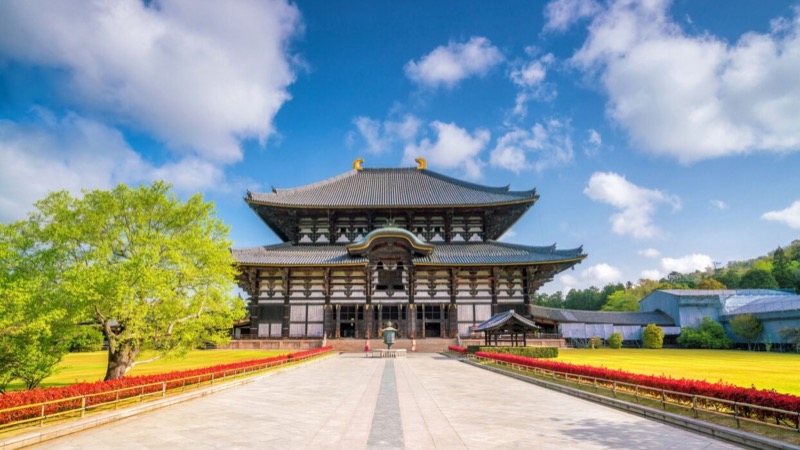
Nara punches above its size for cultural significance. It was Japan's capital before Kyoto (710–784 AD) and still has heavyweight credentials: Todai-ji, which houses a 15-meter bronze Great Buddha and holds the title of the world's largest wooden building. Kasuga Taisha, one of Japan's most important Shinto shrines, famous for its thousands of stone and bronze lanterns. Kofuku-ji, with its five-story pagoda dominating the skyline. And all of it woven together by Nara Park, where the deer roam freely among the historic buildings. The big catch: Nara's highlights can be covered in one day. Kyoto's take a week.
One important note: Kyoto's most famous spots (Fushimi Inari, Arashiyama, Kiyomizu-dera) are extremely crowded during peak season. Nara's crowds are concentrated at the Todai-ji entrance area but thin out quickly once you move toward Kasuga Taisha or the southern parts of the park. Multiple Reddit users noted Nara feels more navigable and peaceful than Kyoto.
Winner takeaway
- Winner: Kyoto
- Why: Kyoto has more temples, more UNESCO sites, more variety, and more layers to uncover. Nara's cultural highlights are world-class but concentrated — great for one day, not for extended exploration.
- Who this matters for: Anyone choosing based on historical depth and temple variety. If you want Japan's ancient cultural core, Kyoto is unmatched. Nara is an essential complement, not a replacement.
🦌 The Deer Park — Nara's Signature Experience
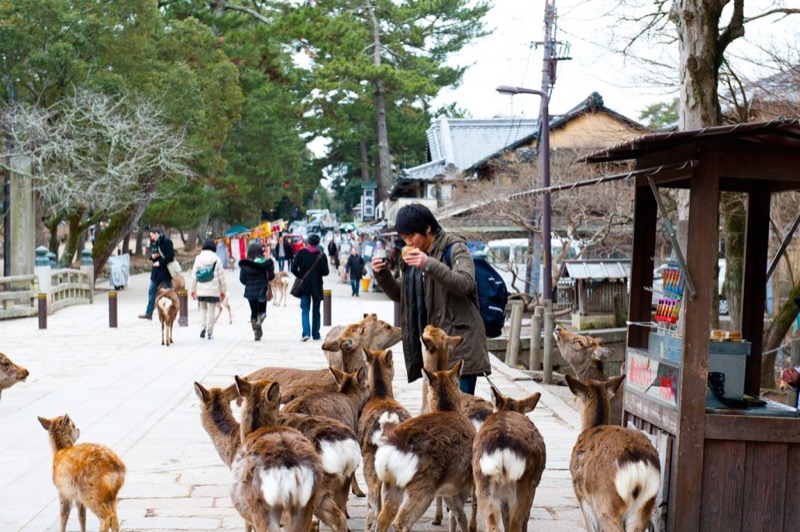
If you're honest with yourself, the deer are the main reason most people add Nara to their Japan itinerary — and they absolutely deliver. Around 1,200 sika deer roam freely throughout Nara Park, habituated to humans over 1,300+ years of living alongside the city's residents. They're classified as natural monuments of Japan. They bow when they want shika sembei (deer crackers, ¥200 a pack from vendors throughout the park), and they will absolutely headbutt and chase you if you're slow about handing them over.
The experience is genuinely unlike anything else in Japan. You can walk among them on the path from Kintetsu-Nara Station up toward Todai-ji, stopping to photograph them grazing in front of centuries-old stone lanterns, chasing children, eating tourists' maps. The deer inside the park grounds near Todai-ji are particularly bold. The ones along the path to Kasuga Taisha are calmer and more atmospheric.
Practical notes on the deer: They can bite (gently but firmly) if they smell food on you. Keep shika sembei out of bags and pockets — they will root around. Small children should be supervised around the larger bucks. October brings the traditional antler-cutting ceremony (Shika no Tsunokiri) at Kasuga Taisha — a unique annual event worth planning around. And no, the deer won't bow on command; they bow when they think you have crackers.
Winner takeaway
- Winner: Nara (uniquely)
- Why: Nothing in Kyoto compares to the deer experience. It's one of Japan's most memorable encounters and the reason Nara earns a spot on virtually every serious Japan itinerary. Kyoto cannot replicate this.
- Who this matters for: Anyone traveling with kids, wildlife enthusiasts, or people who want an experience they'll remember for years beyond "another temple photo."
🍜 Food & Dining
Kyoto's food scene is one of Japan's finest, even if it gets overshadowed by Tokyo's sheer scale. This is the home of kaiseki (the pinnacle of Japanese multi-course seasonal cuisine), the country's best matcha desserts, exceptional tofu cuisine (yudofu), serious sake bars in Fushimi, and an intimate izakaya culture found in Pontocho Alley and Gion. Nishiki Market alone — 400 meters of covered arcade lined with vendors selling pickles, seafood, sweets, and street snacks — deserves a half-day. Check our guides to Kyoto's kaiseki restaurants, best matcha desserts, Kyoto ramen, Kyoto coffee scene, sake bars, and Kyoto street food.
Nara's food scene is more limited — heavily tourist-oriented near the park, with lots of overpriced places banking on foot traffic. That said, there are genuine highlights: kakinoha-zushi (sushi wrapped in persimmon leaves, a Nara specialty), decent udon spots, and Nara mochi pounded fresh at shops near Naramachi. The Higashimuki and Mochiidono covered shopping arcades have more reasonably priced options if you avoid the park-facing restaurants.
Budget comparison: Lunch near Nara Park runs ¥1,000–2,500 for a sit-down meal. In Kyoto, equivalent quality food is similar but Kyoto's food ceiling is dramatically higher — kaiseki lunches run ¥2,500–5,000, dinner kaiseki ¥10,000–30,000. Convenience store and fast food options are comparable in both cities.
Winner takeaway
- Winner: Kyoto, clearly
- Why: Kyoto's food scene is a destination in itself — world-class kaiseki, excellent matcha culture, great izakayas. Nara's food is serviceable but unremarkable. If food is a significant part of your Japan trip, Kyoto isn't optional.
- Who this matters for: Foodies who want to eat as well as sightsee. Travelers who enjoy exploring street food markets. Anyone seeking evening dining — Nara is largely shut by 9pm.
💰 Cost Comparison
Nara is cheaper — meaningfully so for accommodation, and slightly so for food once you know where to eat. Here's a detailed breakdown based on 2025/2026 real prices:
| Expense | ⛩️ Kyoto | 🦌 Nara |
|---|---|---|
| Hostel dorm | ¥2,500–4,500/night | ¥2,000–3,500/night |
| Mid-range hotel | ¥9,000–18,000/night | ¥7,000–12,000/night |
| Budget meal | ¥600–1,200 | ¥600–1,200 |
| Sit-down lunch | ¥1,200–2,500 | ¥1,000–2,000 (tourist area) |
| Kaiseki dinner (Kyoto) | ¥8,000–30,000 | Not available |
| Transit within city | ¥230/ride (bus) or ¥260–340 (subway) | Walk or rent a bike; flat ¥200–500 for buses |
| Key temple entry (Todai-ji) | ¥400–800 per temple | ¥800 (Todai-ji); Nara Park deer area free |
| Kyoto–Nara train | ¥1,160 (Kintetsu) or ¥720 (JR) | Same |
| Daily total (mid-range) | ¥10,000–18,000 ($65–120) | ¥7,000–12,000 ($47–80) |
If you're staying overnight in Nara, the savings on accommodation are real. A hotel that costs ¥15,000/night in Gion, Kyoto, has a Nara equivalent around ¥9,000–10,000. That said, most travelers visit Nara as a day trip specifically to avoid paying Nara hotel prices for a city with limited nightlife — you get better value staying in Kyoto or Osaka and making the 45-minute day trip.
Winner takeaway
- Winner: Nara
- Why: Nara is consistently cheaper — accommodation by 20–30%, and the main sights (the deer park itself) are free. For budget travelers, Nara as a day trip from cheaper-based Osaka can be particularly economical.
- Who this matters for: Budget-conscious travelers, those wanting to maximize value per night, and anyone comparing cost per cultural experience.
🚃 Getting Around
Getting to Nara from Kyoto is straightforward: the Kintetsu Limited Express from Kintetsu-Kyoto Station (a 5-minute walk from JR Kyoto Station) takes just 35 minutes and costs ¥1,160 with a seat reservation. The JR Nara Line from Kyoto Station takes 50–75 minutes for ¥720. From Osaka (Namba), the Kintetsu Nara Line takes 40 minutes (¥680 with express). Both are easy and well-signed.
Once in Nara, the city is remarkably walkable. Kintetsu-Nara Station is a 5-minute walk from the park's northern entrance, and you can walk from there to Todai-ji (10 min), Kasuga Taisha (25 min from Todai-ji), and Naramachi (15 min south of Kofuku-ji) all on foot. Bike rentals are available near both Kintetsu-Nara and JR Nara stations for ¥1,000–1,500/day — excellent for covering more ground faster.
Kyoto's transit is more complex. The city has two subway lines and a comprehensive bus network (¥230/ride flat, ¥700 day pass), but the buses get packed during peak season and routes can confuse first-timers. Google Maps handles routing well. Cycling is genuinely the fastest way between many Kyoto attractions — flat central neighborhoods, multiple rental shops.
Winner takeaway
- Winner: Nara (within city) / Kyoto (regional hub)
- Why: Nara's compact walkable layout makes it extremely easy to navigate once you arrive. Kyoto's transit network is better for accessing a wider range of destinations. Use Kyoto as your Kansai base; take Nara as a day trip on the easy Kintetsu train.
- Who this matters for: Anyone planning a Kansai multi-city trip and weighing where to base themselves.
🌸 Best Time to Visit
Both Kyoto and Nara share similar climate patterns — Kansai's inland basin means hot, humid summers and mild winters. Here's real weather data to plan around:
Data: Open-Meteo archive, 2024 daily averages. Temperatures are daily highs/lows in Celsius. Rainfall is monthly totals.
Season highlights
Cherry blossom (late March–mid April): Nara Park in full bloom with deer among the sakura is one of Japan's most magical scenes. Kyoto's temple gardens are equally stunning — and more heavily photographed. Both get extremely crowded; book accommodation 4–6 months ahead.
October — Nara's antler cutting ceremony (Shika no Tsunokiri): Held in early October at Kasuga Taisha, this 1,000-year-old ritual sees trained handlers catch wild deer and ceremonially trim their antlers. Uniquely Nara; nothing comparable in Kyoto.
Fall foliage (mid November–early December): Kyoto's temple gardens with red maple leaves are extraordinary — Tofuku-ji and Eikan-do lead the list. Nara's Yoshino region (a 90-minute bus ride south) is Japan's most famous cherry blossom spot but also spectacular in autumn.
Summer (July–August): Brutal in both cities — 34°C+ with high humidity. Kyoto's basin geography makes it slightly worse. Nara's parkland setting gives minor relief. Arrive very early and retreat indoors by midday.
Winner takeaway
- Winner: Both peak in spring and autumn. Nara edges ahead in October (antler ceremony is a once-a-year event). Kyoto has more flexibility for year-round temple visits that remain visually stunning even in off-seasons.
- Who this matters for: Anyone planning around specific seasonal events or crowd levels.
🏨 Where to Stay
Kyoto neighborhoods
Gion / Higashiyama — The dream base. Historic geisha district, Pontocho Alley, walking distance to Kiyomizu-dera and eastern temples. Atmospheric at night. Most expensive area of Kyoto; book early, especially during peak season.
Central Kyoto (Karasuma/Shijo) — Best balance of access and price. Nishiki Market walkable, good subway and bus links, range of dining options. Slightly less atmospheric than Gion but much more convenient.
Kyoto Station area — Best for transit convenience and value. Close to JR lines (Osaka, Nara, Hiroshima via Shinkansen), bus hub, and the Kintetsu line to Nara. Modern hotels, good value, less traditional atmosphere.
Nara accommodation options
Most travelers opt for a day trip and don't stay overnight in Nara — and honestly that's the right call for a first visit. If you do stay, the Naramachi area (the old merchant quarter south of Kofuku-ji) is the most atmospheric, with small guesthouses in converted machiya townhouses. Near the park are some excellent traditional ryokans — pricier, but the experience of waking up steps from the deer is remarkable.
Winner takeaway
- Winner: Kyoto (as multi-night base); Nara for a 1-night ryokan splurge
- Why: Kyoto is the better base for exploring Kansai broadly. Nara's accommodation is genuinely good value and the quiet atmosphere is a feature (not a bug) if you're exhausted from fast-paced Japan. Just plan for limited evening activities.
- Who this matters for: Anyone choosing a Kansai accommodation strategy — whether to base in one city or split nights.
🎒 Day Trips & Regional Access
Kyoto is one of Japan's best bases for regional exploration — it punches far above its weight for day trip options, partly because it sits near the heart of the Kansai rail network.
From Kyoto
Nara (35–50 min) — This is why you're reading this comparison.
Osaka (15 min Shinkansen / 30 min local) — Street food capital of Japan. Dotonbori, Osaka Castle, unbelievable takoyaki.
Uji (20 min) — Best matcha in Japan, Byodo-in Temple (the image on the ¥10 coin).
Hiroshima + Miyajima (1.5h by Shinkansen) — Peace Memorial Museum, the floating torii gate. Emotionally essential stop.
Himeji (50 min by Shinkansen) — Japan's finest surviving feudal castle.
From Nara
Osaka (30–40 min) — Kintetsu or JR.
Kyoto (35–50 min) — Already covered.
Yoshino (90 min by Kintetsu) — Japan's most famous cherry blossom mountain; also spectacular autumn foliage. UNESCO World Heritage Site.
Asuka (1h by local train) — Ancient burial mounds and rice paddies; Japan's oldest historical region predating even Nara. Quiet, deeply atmospheric.
Winner takeaway
- Winner: Kyoto (broader day trip range)
- Why: Kyoto unlocks the best of Kansai and beyond — Hiroshima, Himeji, Osaka, Uji, and Nara all within easy reach. Nara's day trip options are good but narrower, and it's a smaller hub for regional rail.
- Who this matters for: Anyone planning a Kansai multi-city itinerary and trying to minimize hotel changes.
🎯 The Decision Framework
Choose Kyoto If…
- You want temples, shrines, and traditional Japan in depth
- Food is a major priority — kaiseki, matcha, izakayas
- You want a multi-night base in Kansai
- Evening atmosphere matters to you (Gion, Pontocho)
- Photography is a key part of your trip
- You want day trip access to Osaka, Hiroshima, and Nara
- It's your first visit to the Kansai region
- You dream of geisha districts and bamboo groves
- You want access to excellent tea ceremony experiences
Choose Nara If…
- You want the deer experience — it's truly unique
- You're traveling with young children
- You've already done Kyoto and want something different
- You prefer open green space over crowded temple lanes
- You want a slower, more peaceful Kansai day
- You're on a tight budget (cheapest major Kansai stop)
- Historical Japan (pre-Kyoto era) genuinely interests you
- You want to see the world's largest wooden building
- You want a quieter overnight base than Osaka or Kyoto
❓ Frequently Asked Questions
Should I visit Kyoto or Nara on a Japan trip?
Most travelers should do Kyoto as the base and Nara as a day trip — they're only 45 minutes apart by Kintetsu Limited Express. If you have 7+ days in the Kansai region, this isn't an either/or question. Kyoto offers far more depth with its 2,000+ temples, diverse neighborhoods, and food scene. Nara is a deeply satisfying half-day or full day for the deer park, Todai-ji, and a slower pace.
How far apart are Kyoto and Nara?
About 35 km by road, 45 minutes by Kintetsu Limited Express train (¥1,160 one way from Kintetsu-Kyoto Station to Kintetsu-Nara Station). The JR Nara Line from Kyoto Station takes about 50–75 minutes and costs ¥720. Both options are easy and well-signposted in English.
Is Nara worth visiting if you've already been to Kyoto?
Absolutely. Nara predates Kyoto as Japan's capital and has a completely different feel: pastoral, quiet, filled with free-roaming deer, and anchored by Todai-ji. If you've done Kyoto's temple circuit before, Nara offers a refreshing change of pace — less crowded main areas, more open green space, and genuinely undervisited temples like Kasuga Taisha and Kofuku-ji's National Treasure Museum.
Which is cheaper — Kyoto or Nara?
Nara is noticeably cheaper. Mid-range hotels in Nara run ¥7,000–12,000/night vs ¥9,000–18,000 in Kyoto. Restaurants near Nara Park are tourist-priced, but the city overall is more affordable. Most of Nara's key sights (the deer park itself) are free — only Todai-ji (¥800) and a few other spots charge entry. For budget-conscious travelers, Nara is a smart stop.
Can you do Nara as a day trip from Osaka?
Yes, easily. From Osaka Namba, the Kintetsu Nara Line gets you to Kintetsu-Nara in about 40 minutes (¥680). From Osaka Tennoji, the JR Yamatoji Line takes about 30 minutes to Nara Station (¥450). Many Japan itineraries use Osaka as a base for both Nara and Kyoto day trips — it's centrally located and usually slightly cheaper than Kyoto for accommodation.
How many days should you spend in Nara?
Most travelers find that Nara's main attractions — Nara Park, Todai-ji, Kasuga Taisha, Kofuku-ji — can be comfortably covered in one full day or even a half-day. History enthusiasts could spend 2 days exploring the city's outer temples and the Asuka region to the south. Nara is not well set up for extended stays — evenings are quiet and dining options are limited compared to Kyoto or Osaka.
When is the best time to visit Nara's deer park?
Year-round, but spring (March–April) and autumn (October–November) are the best seasons. Cherry blossoms in Nara Park during late March–early April are stunning with deer in the background. October's deer-antler cutting ceremony (Shika no Tsunokiri) is a unique cultural event worth planning around. Summer is hot and humid (34°C+); deer are still present but the experience is less comfortable. Arrive before 9am on weekends to beat the crowds at Todai-ji.
Is Nara good for families with kids?
Yes — arguably better than Kyoto for younger children. The deer are the main draw, and kids love feeding and photographing them (buy shika sembei crackers for ¥200). The wide open spaces of Nara Park are much easier to navigate with strollers than Kyoto's narrow temple alleys. Todai-ji's Great Buddha is impressive for all ages. One caution: deer can headbutt and bite gently if they smell food, so keep crackers out of reach of small children.
Ready to plan your Kansai trip?
Get a free custom itinerary for Kyoto, Nara, or both — built from real traveler insights, not generic templates.
🎟️ Book Tours & Experiences
Hand-picked tours and activities for both destinations — book with free cancellation
Experiences via Viator — free cancellation on most tours